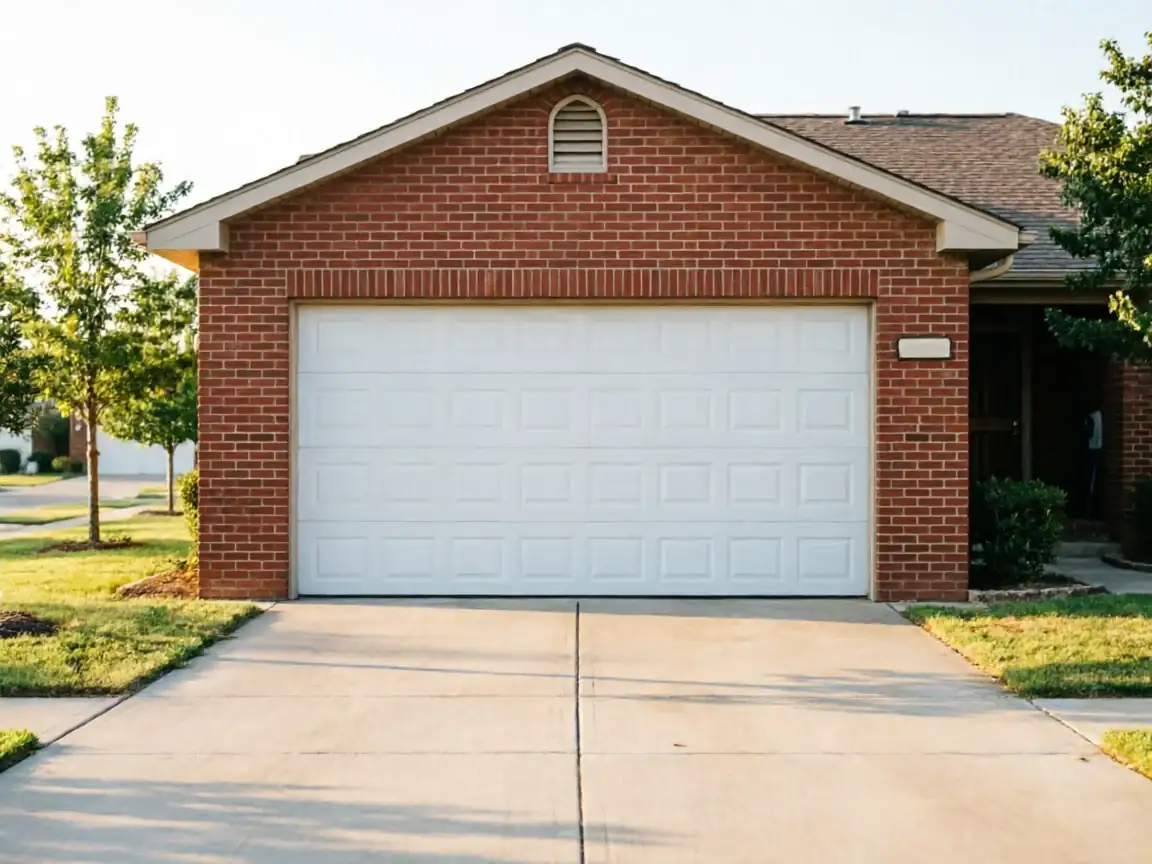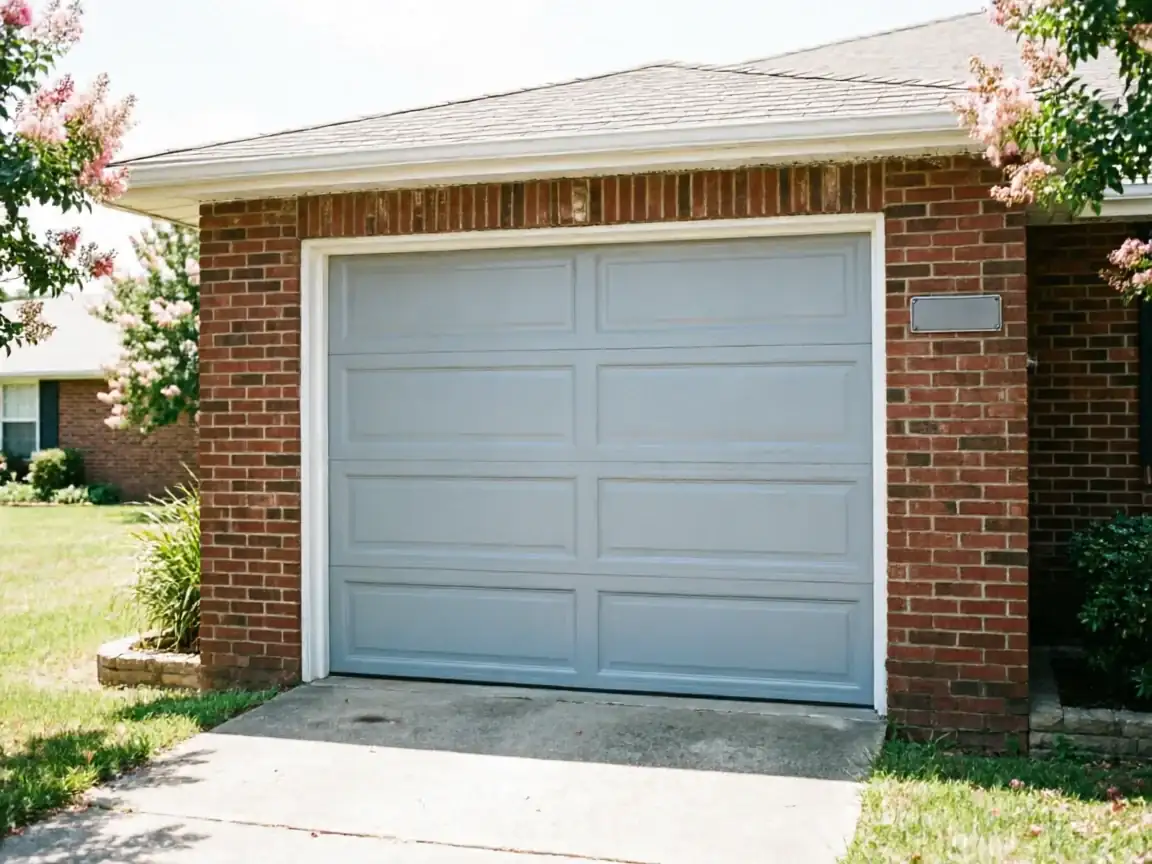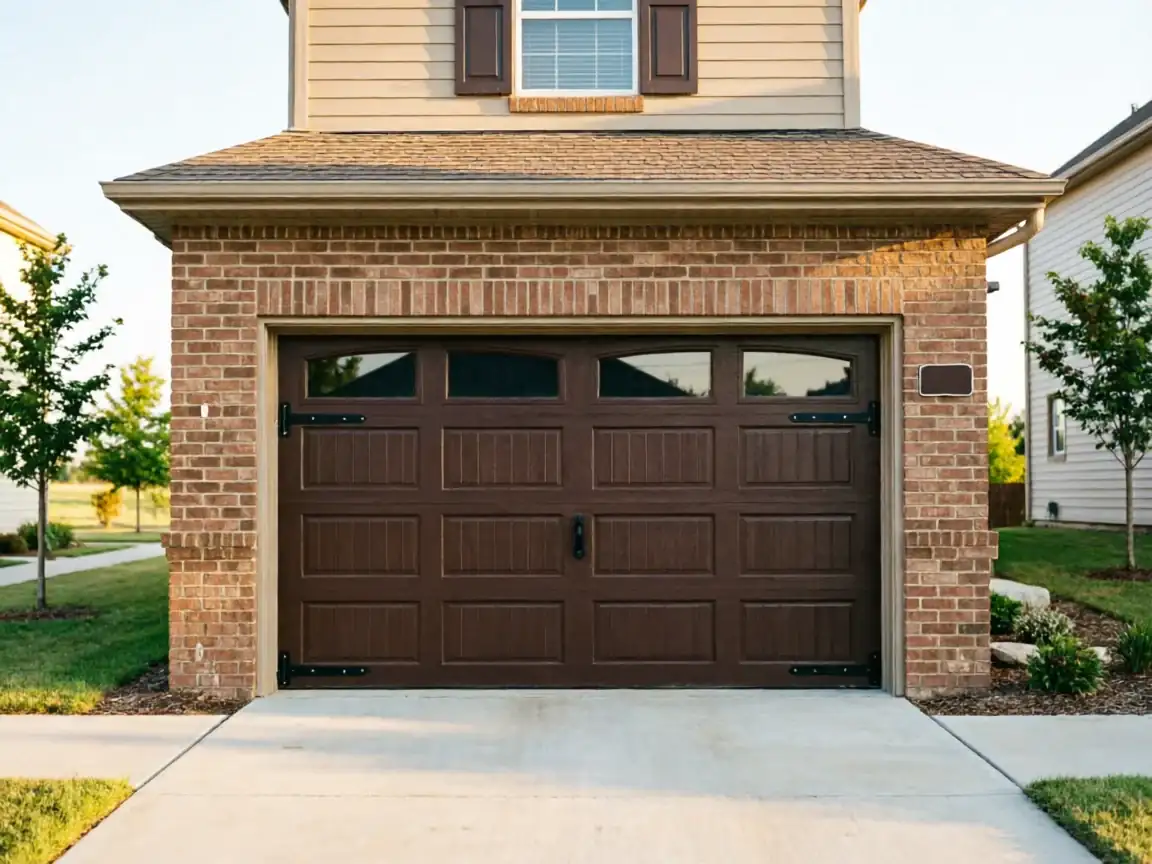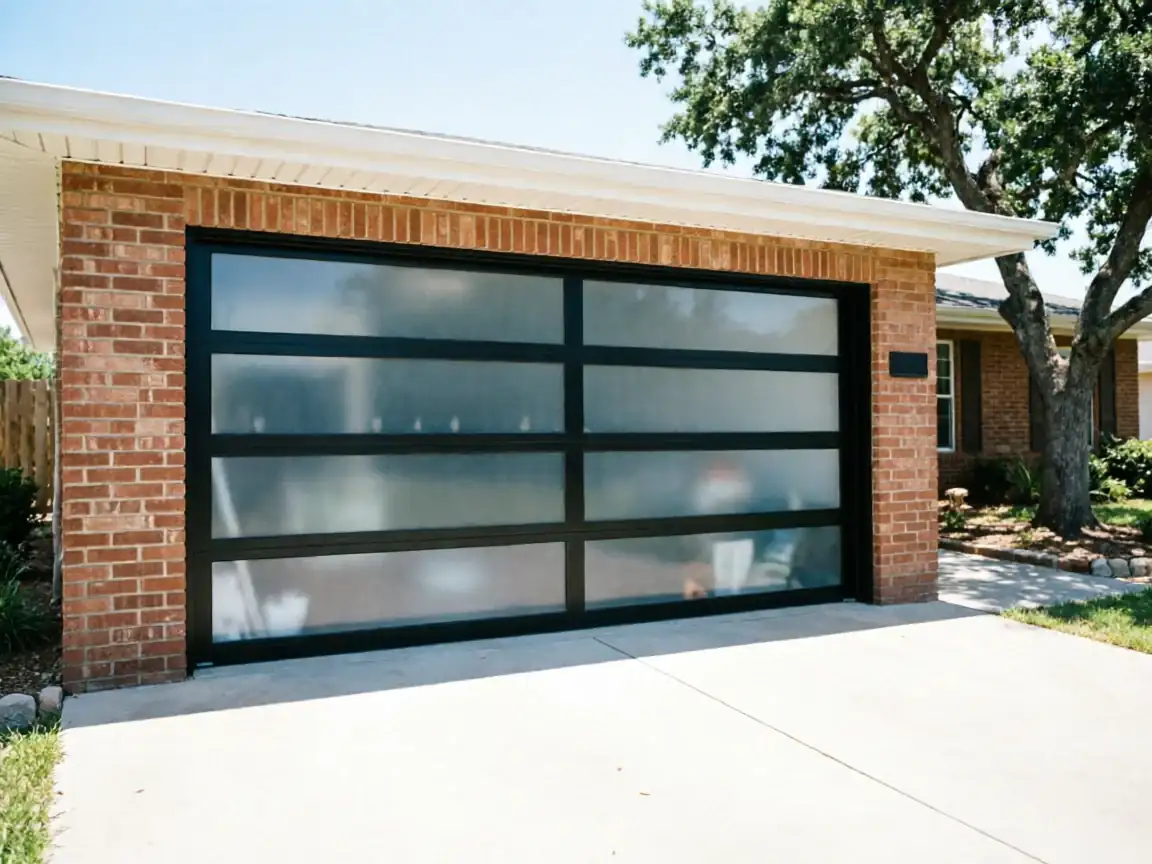
What Neighbours Usually Call About
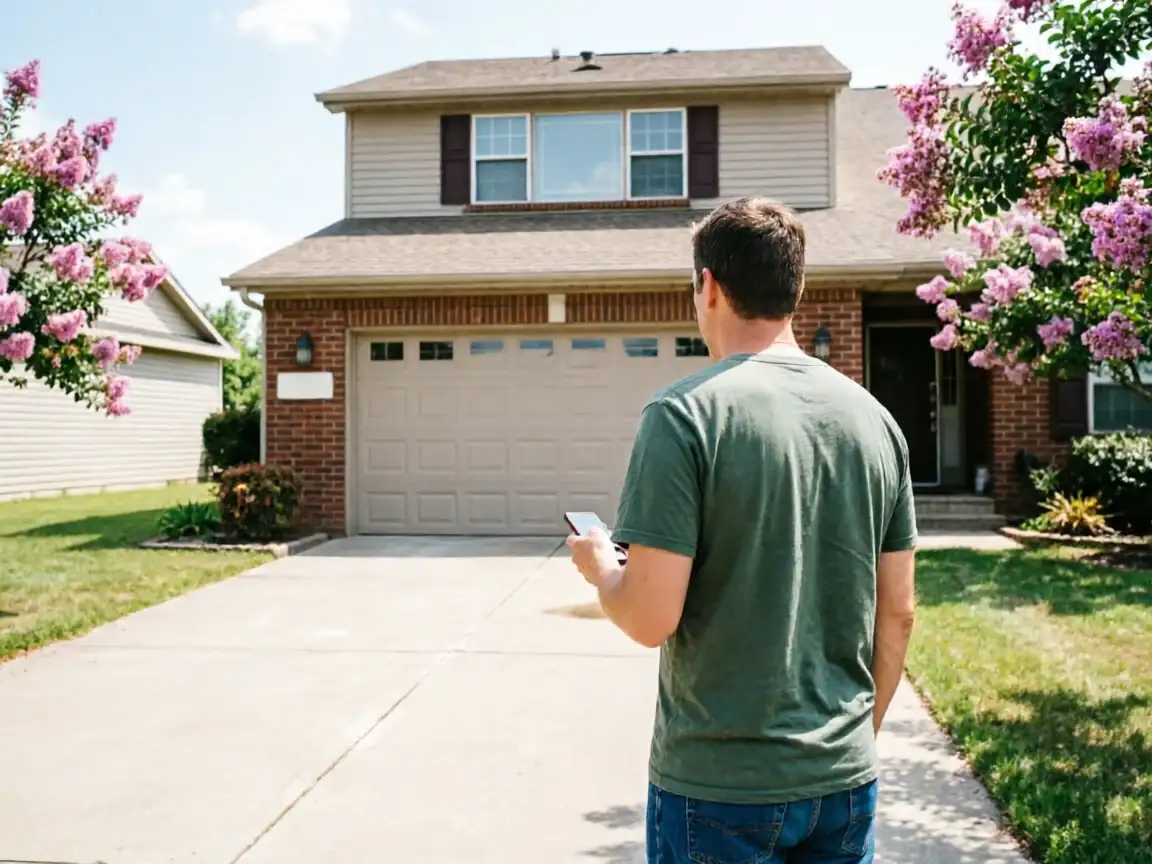
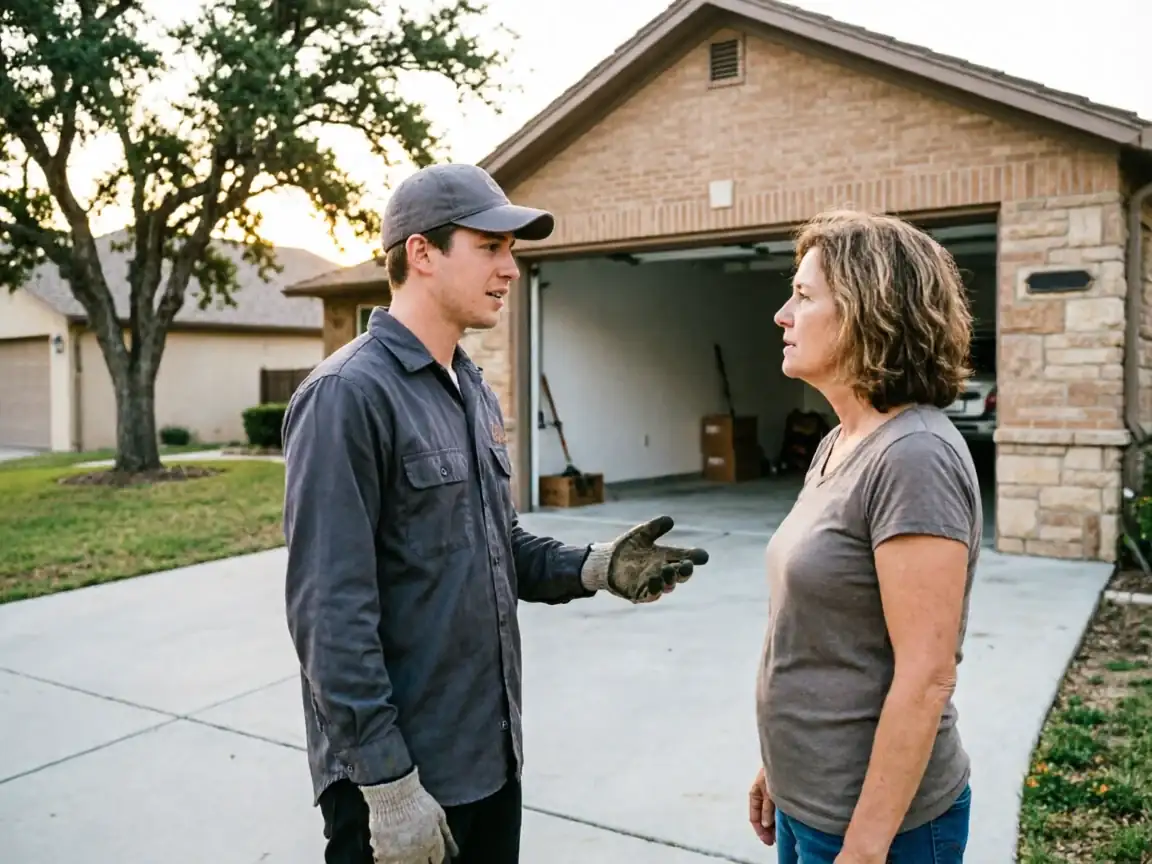
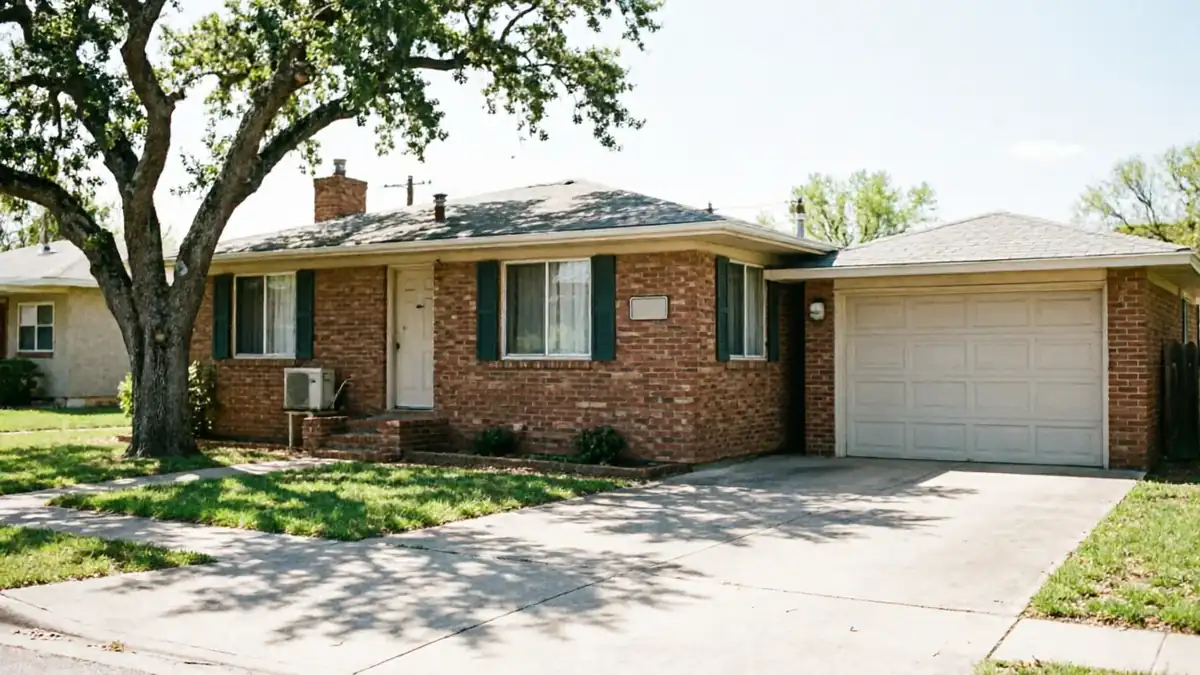
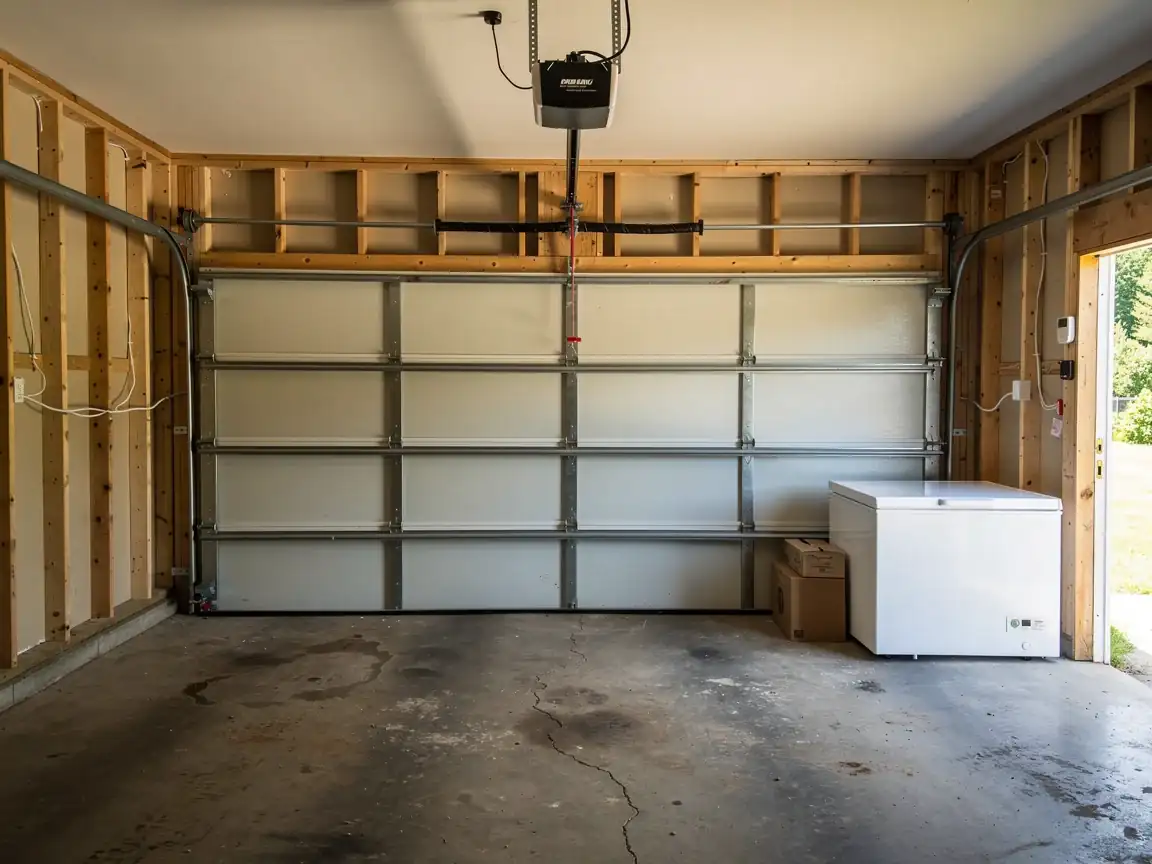
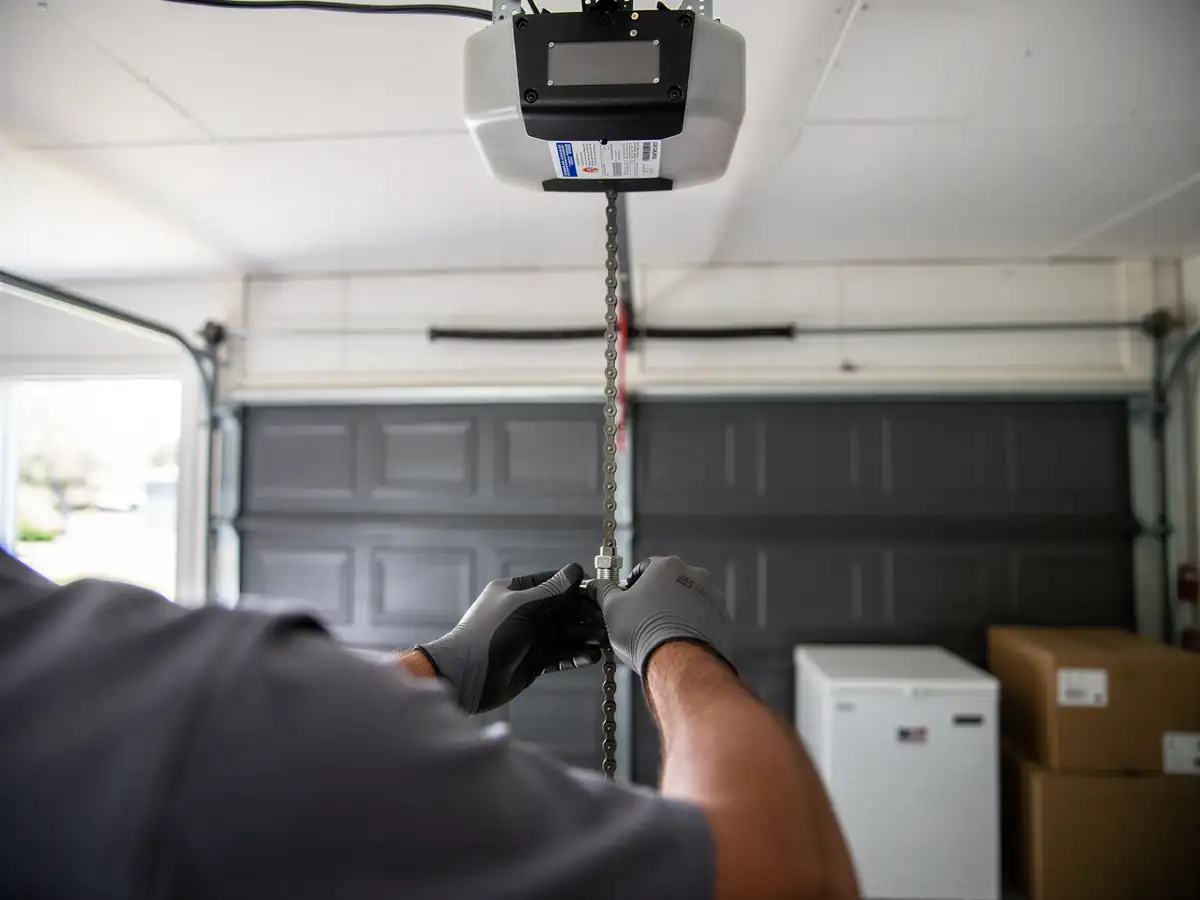
The calls we get from this area tend to split two ways. One is the original 1970s door that's finally worn through its second or third spring, with rollers that have gone from steel to a mix of nylon replacements installed over the years - which means uneven wear and a door that binds on one side before the spring even goes. The other is a newer opener bolted onto that same old door and track, which works fine until the mismatch between a modern opener's force settings and an old, slightly warped track shows up as grinding or reversing. Neither of these is unique to Harahan, but the combination - a 50-year-old structure with patched-together hardware - is a lot more common here than in areas built a decade or two later. We don't see much call for full structural door replacement due to storm damage here specifically; most jobs are wear, not weather.
The Usual Work Here
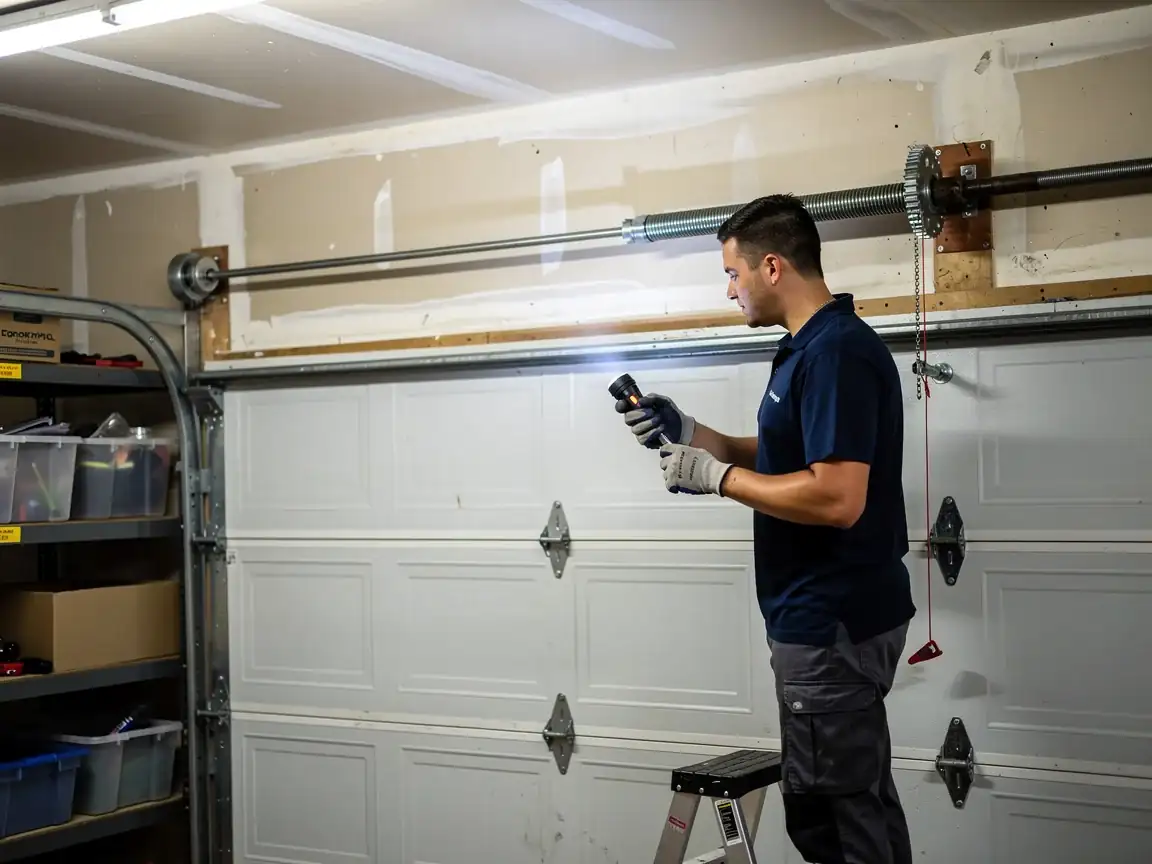
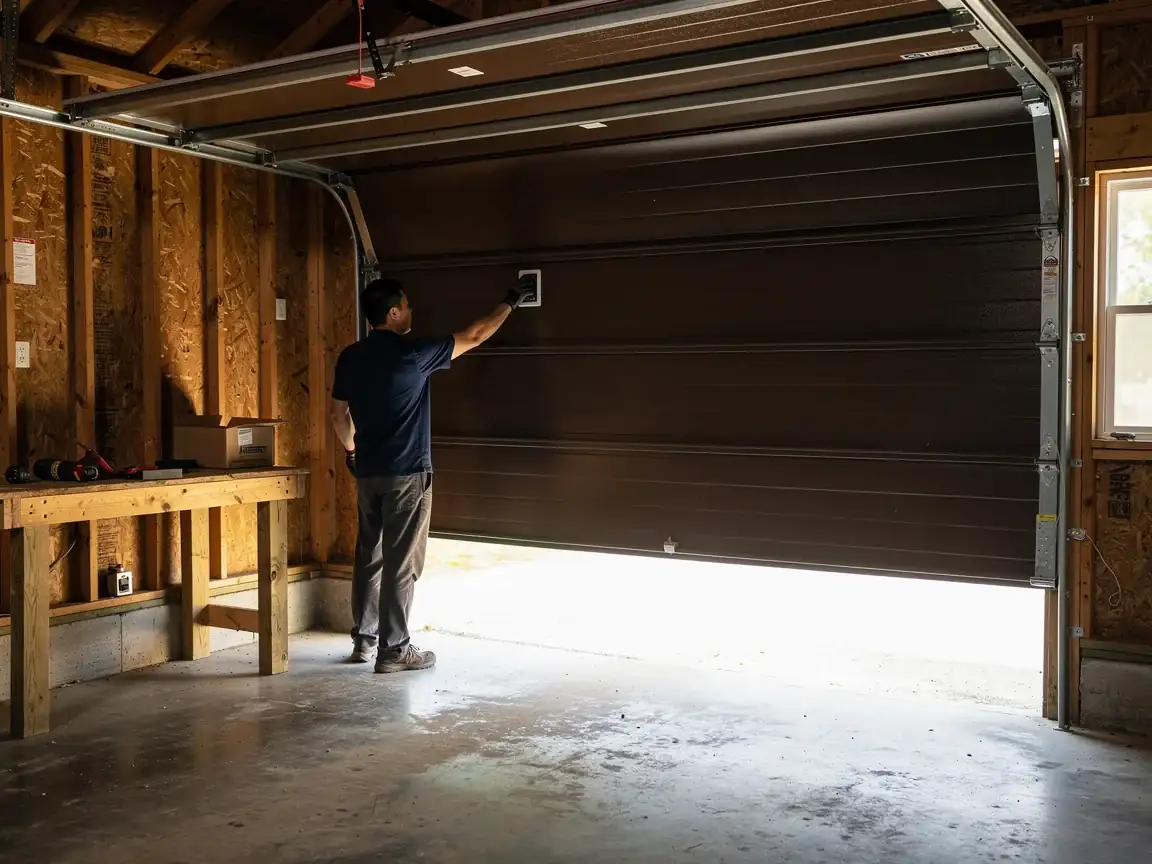
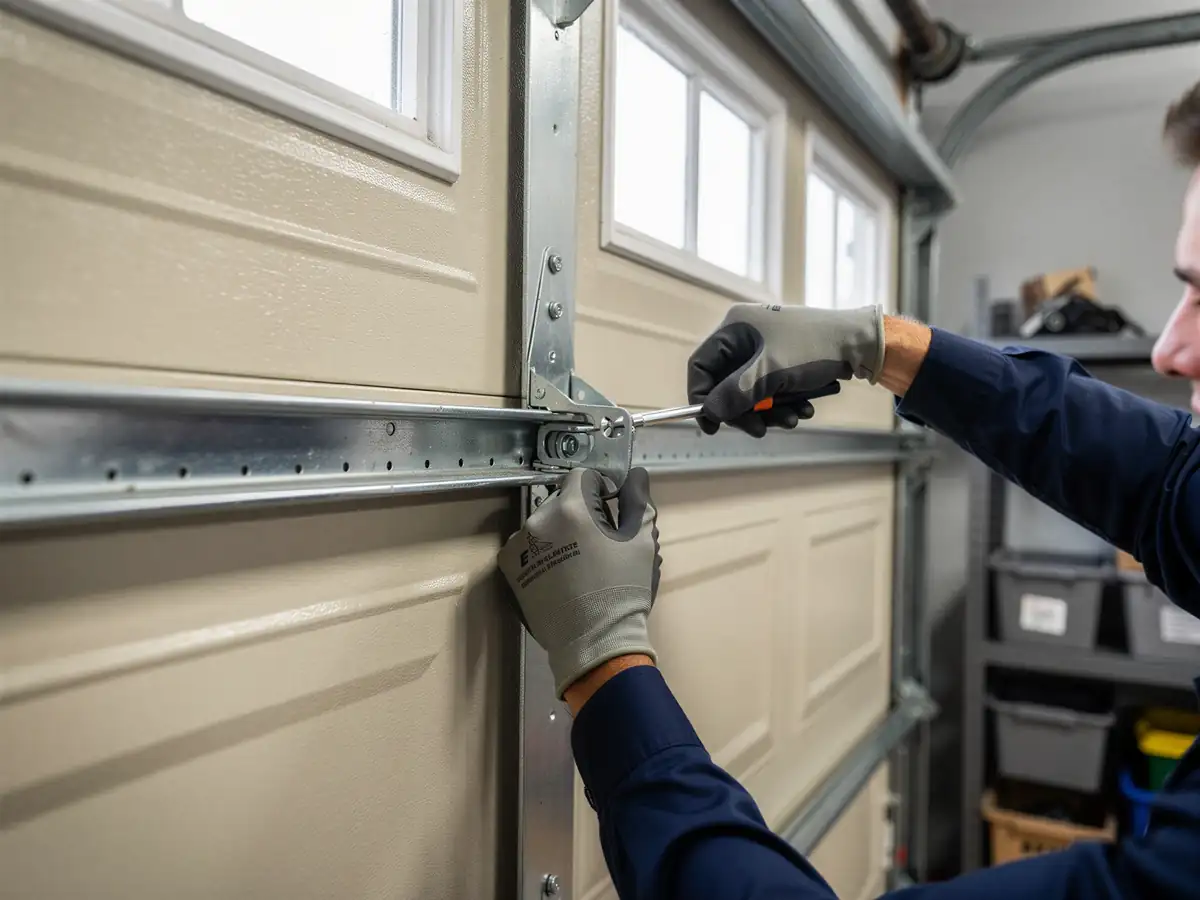
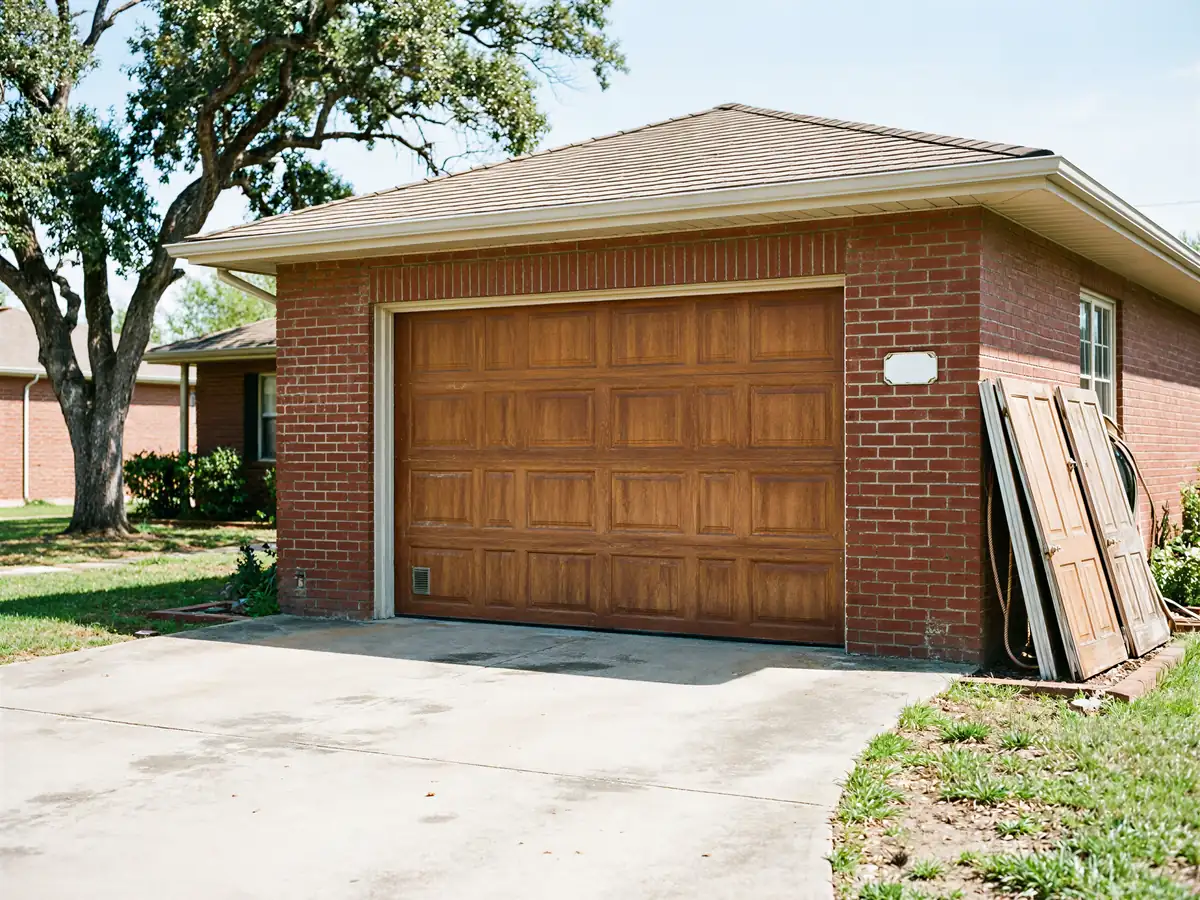
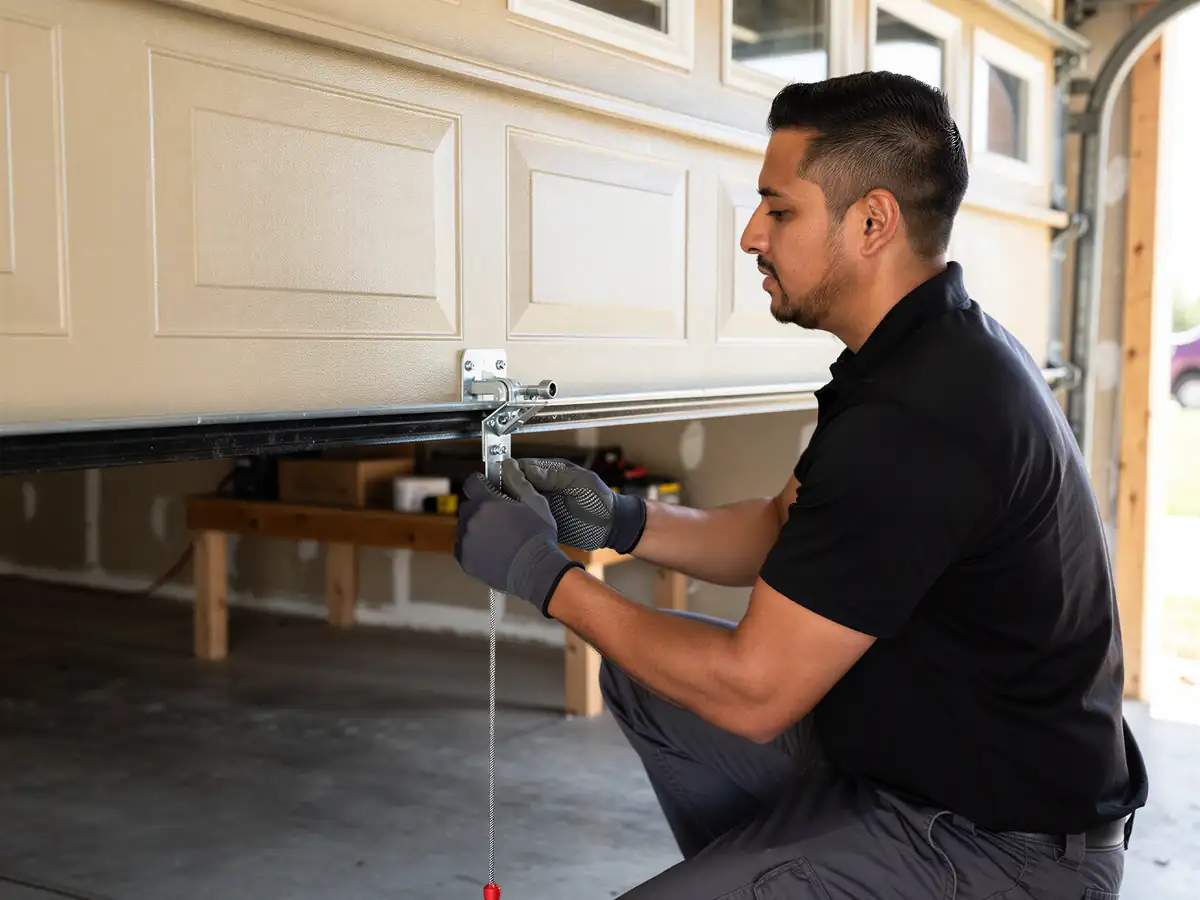
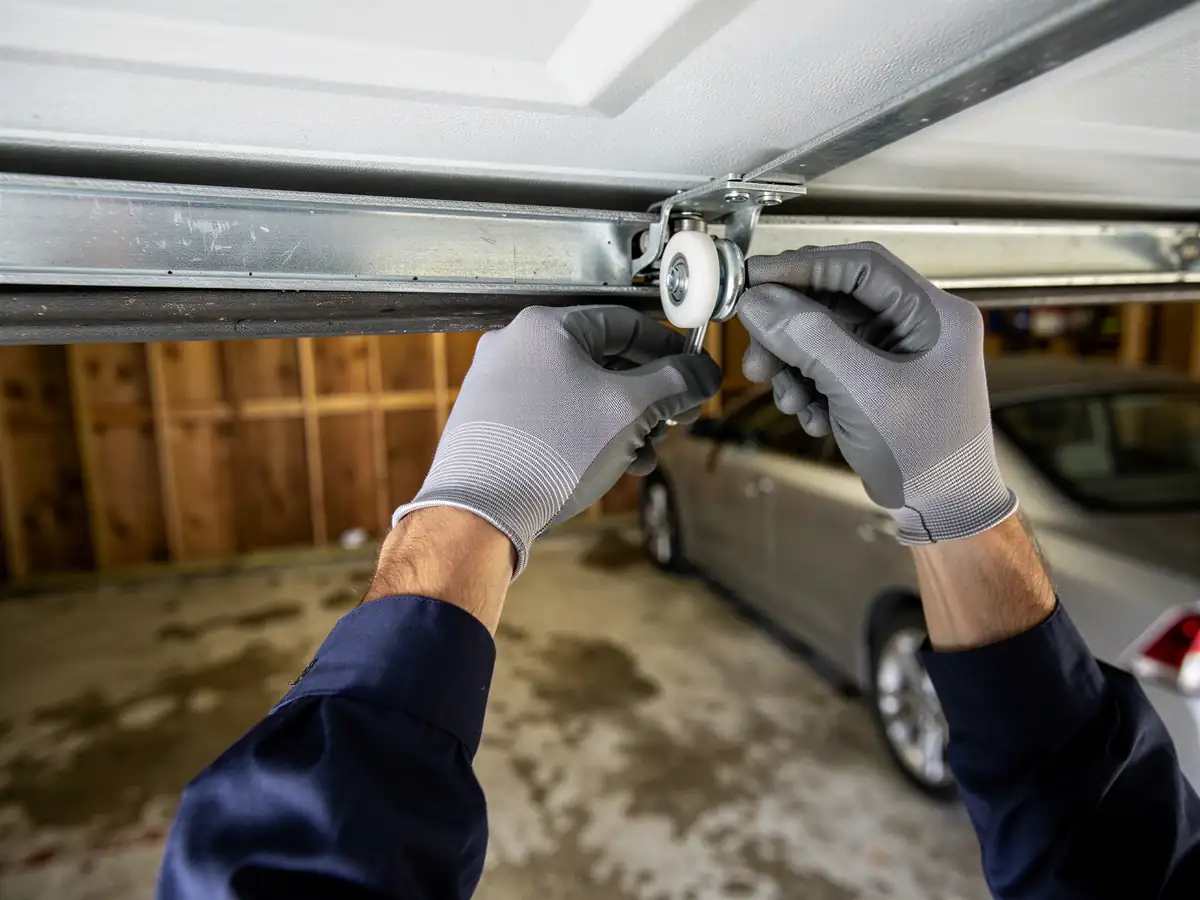
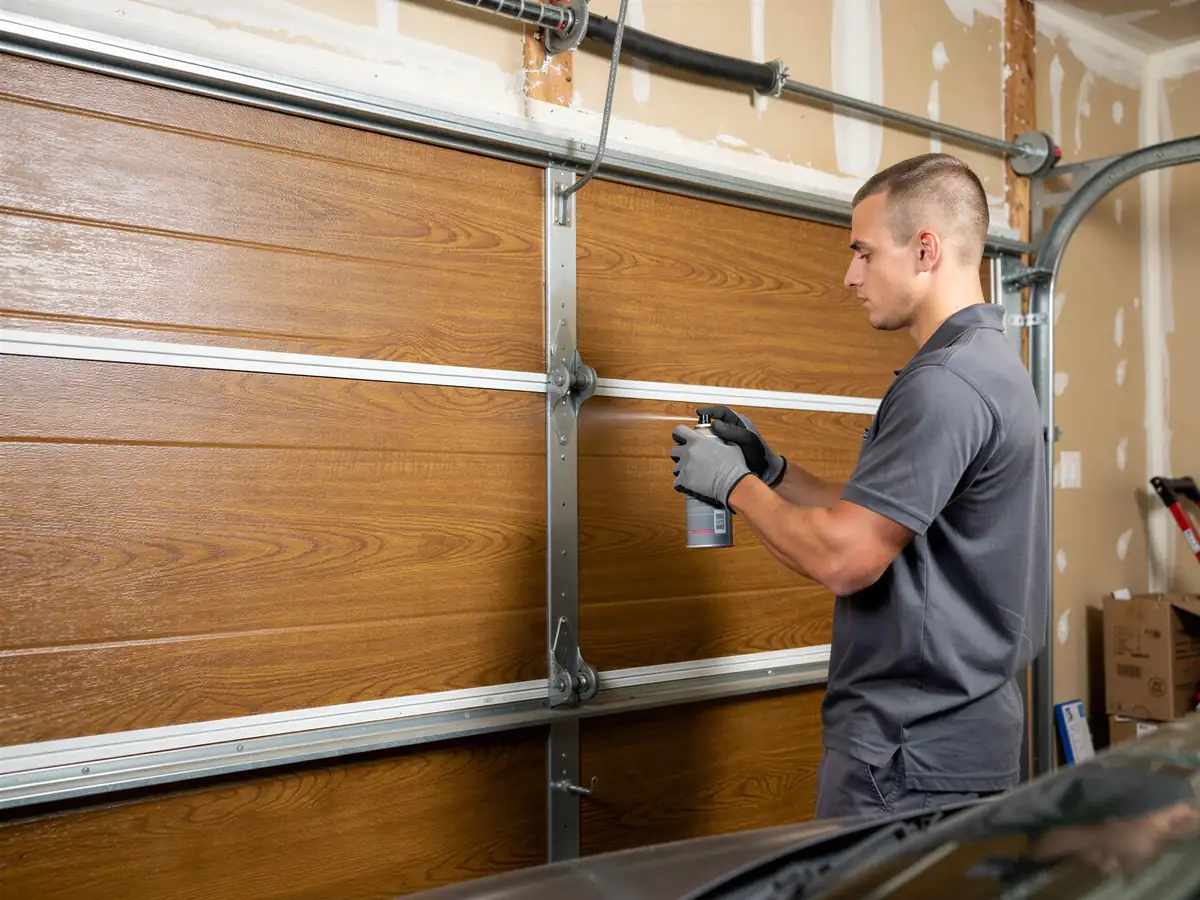
Torsion spring replacement is the most common job we do on this side of our coverage area, and on a house from the early 1970s that usually means matching a spring to a door that's heavier than its modern equivalent - older wood-core and early steel doors often weigh more than what's sold today. Roller and hinge swaps come in close behind, especially on doors that have had partial hardware replaced over the decades rather than all at once. We also get a fair number of calls to true up tracks that have slowly pulled away from a header as the garage framing has settled, which is common in a structure this age. One honest limit: if the door panel itself is the original wood or early steel and it's split or rusted through, we'll tell you straight that replacing the door makes more sense than patching a 50-year-old panel - sinking money into a door that old doesn't usually pay off.