Doing It Yourself
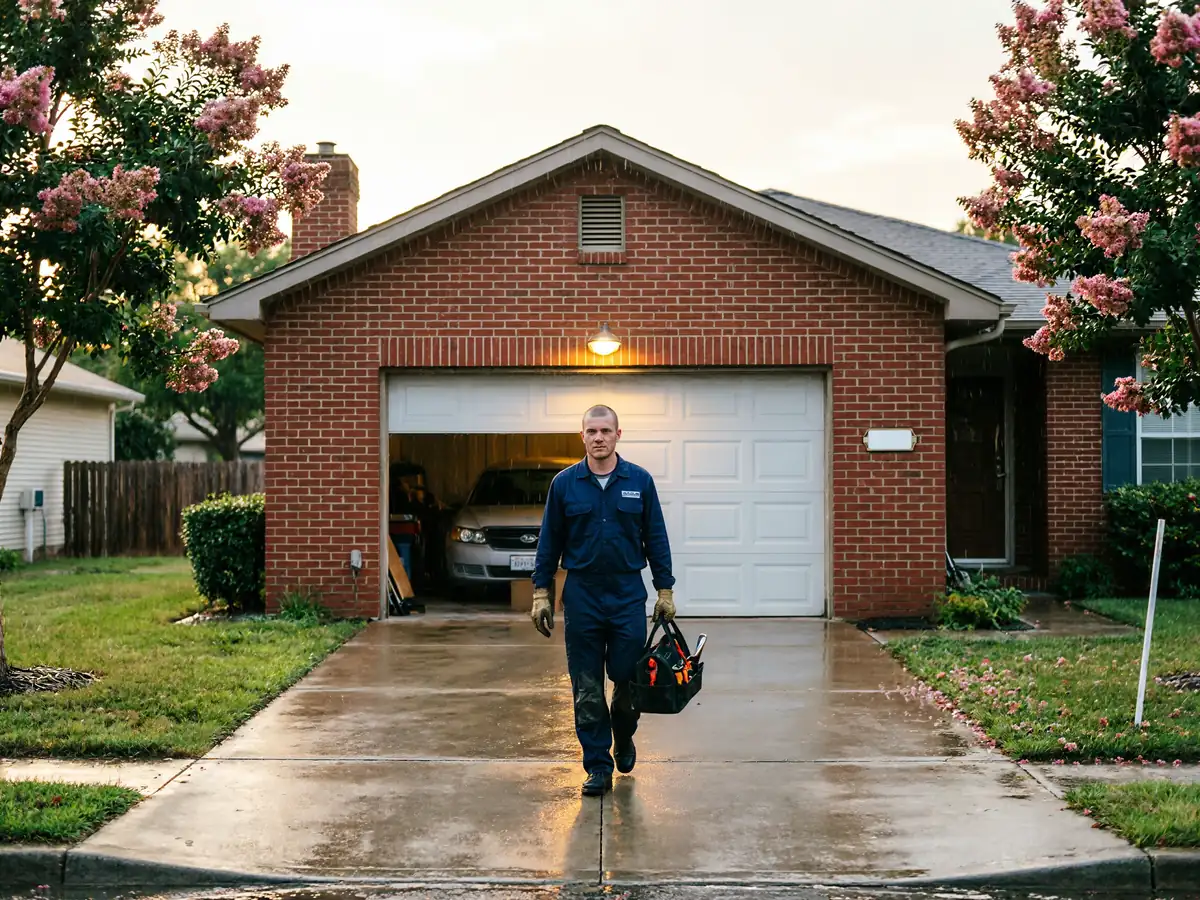
Harahan sits about four miles from our Metairie shop
Close enough that a maintenance visit doesn't eat the whole morning, but far enough that we plan the route before we load the truck. That short drive matters less than what's waiting in the garage when we get there - and in Harahan, that's usually hardware older than what you'd find on the newer side of the parish.
There's a handful of things worth doing yourself between visits
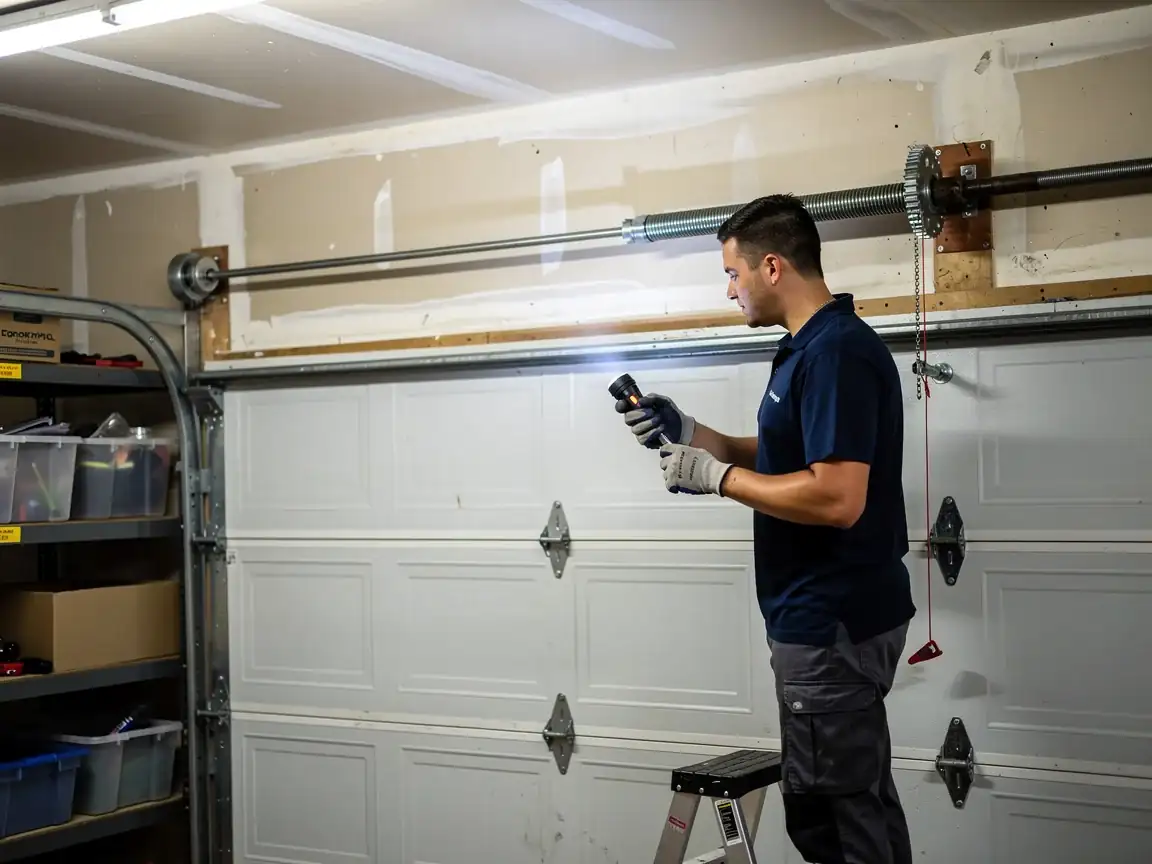
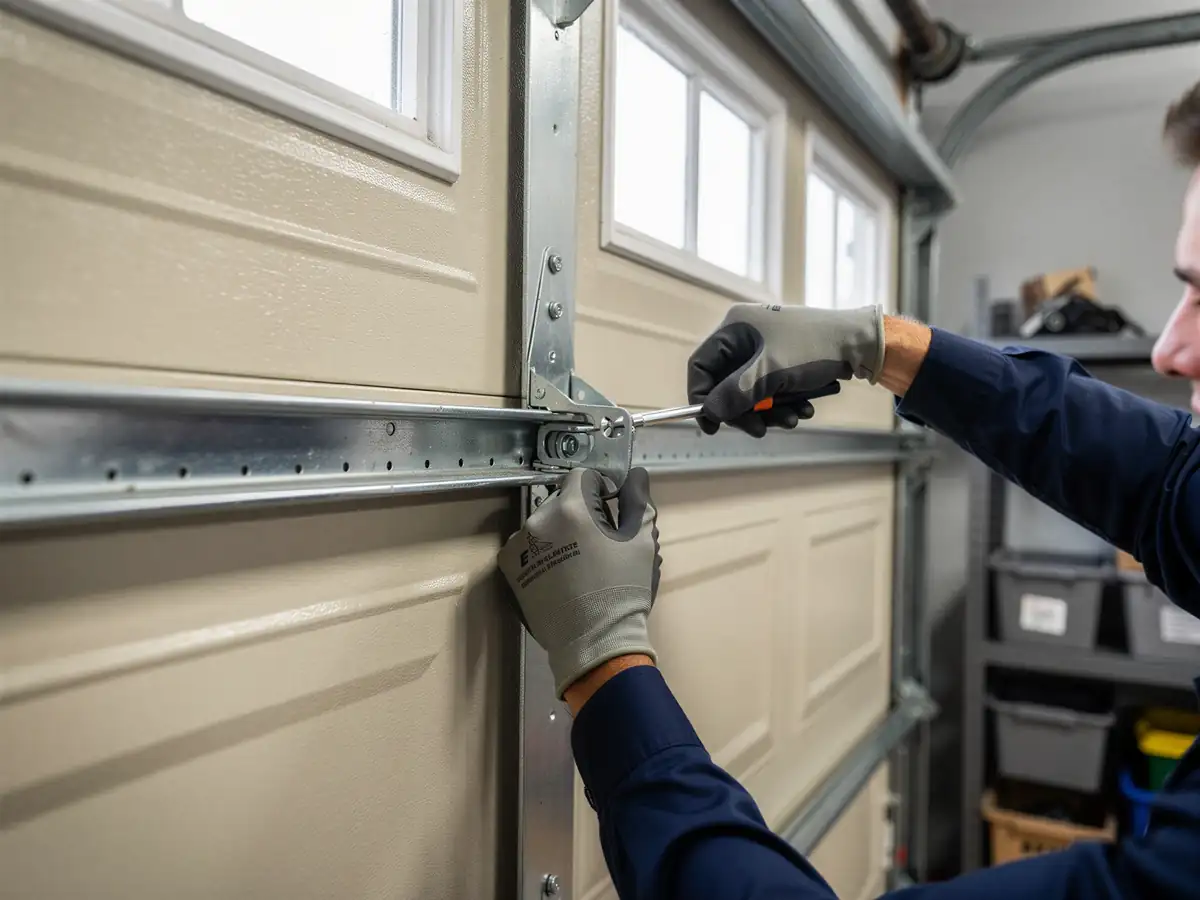
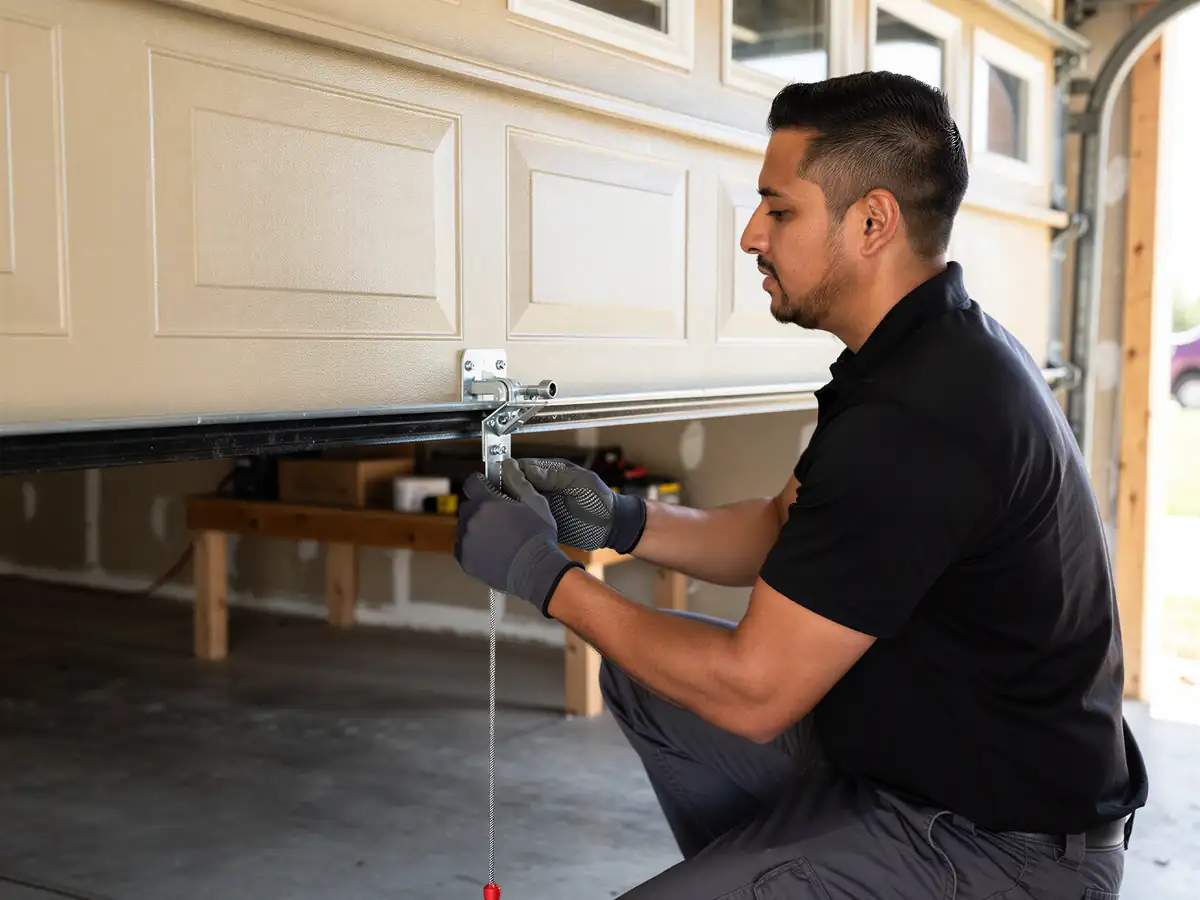
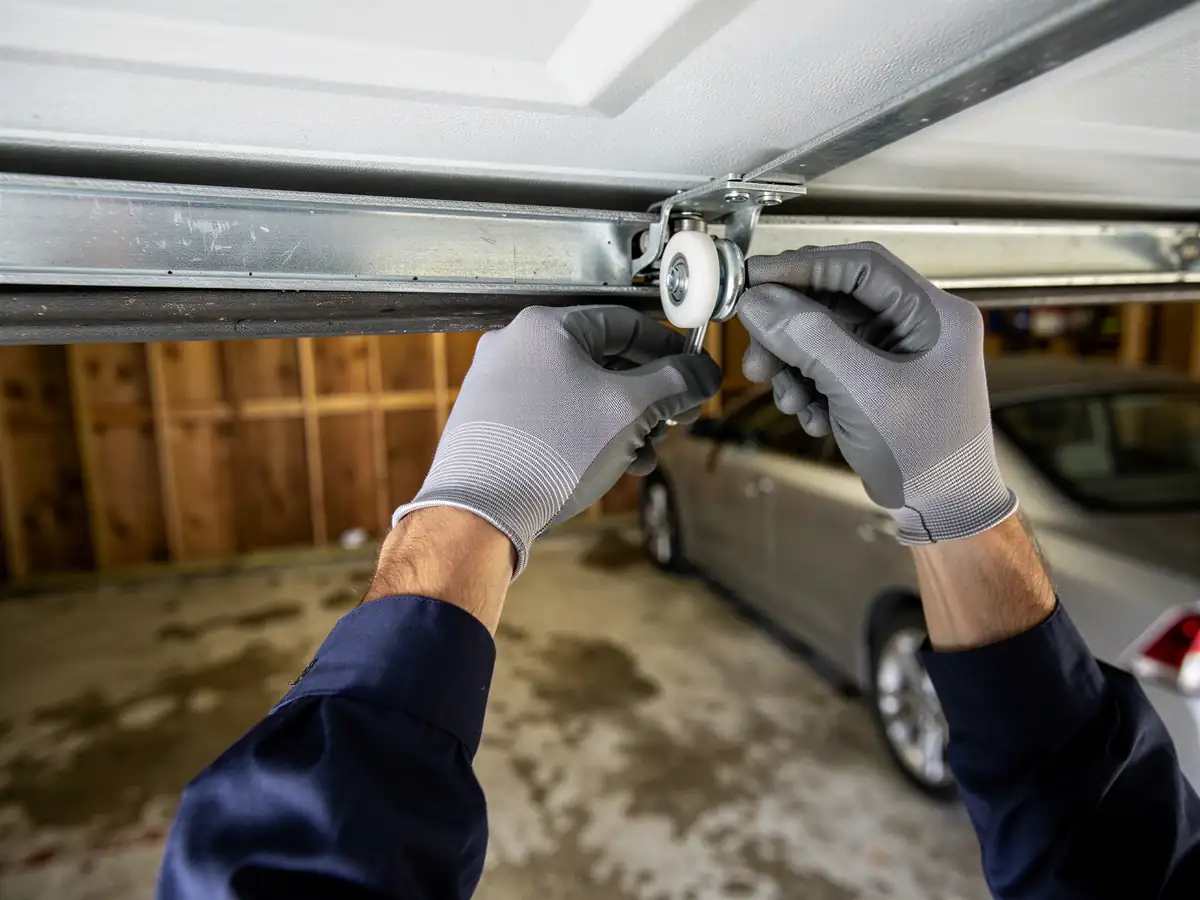
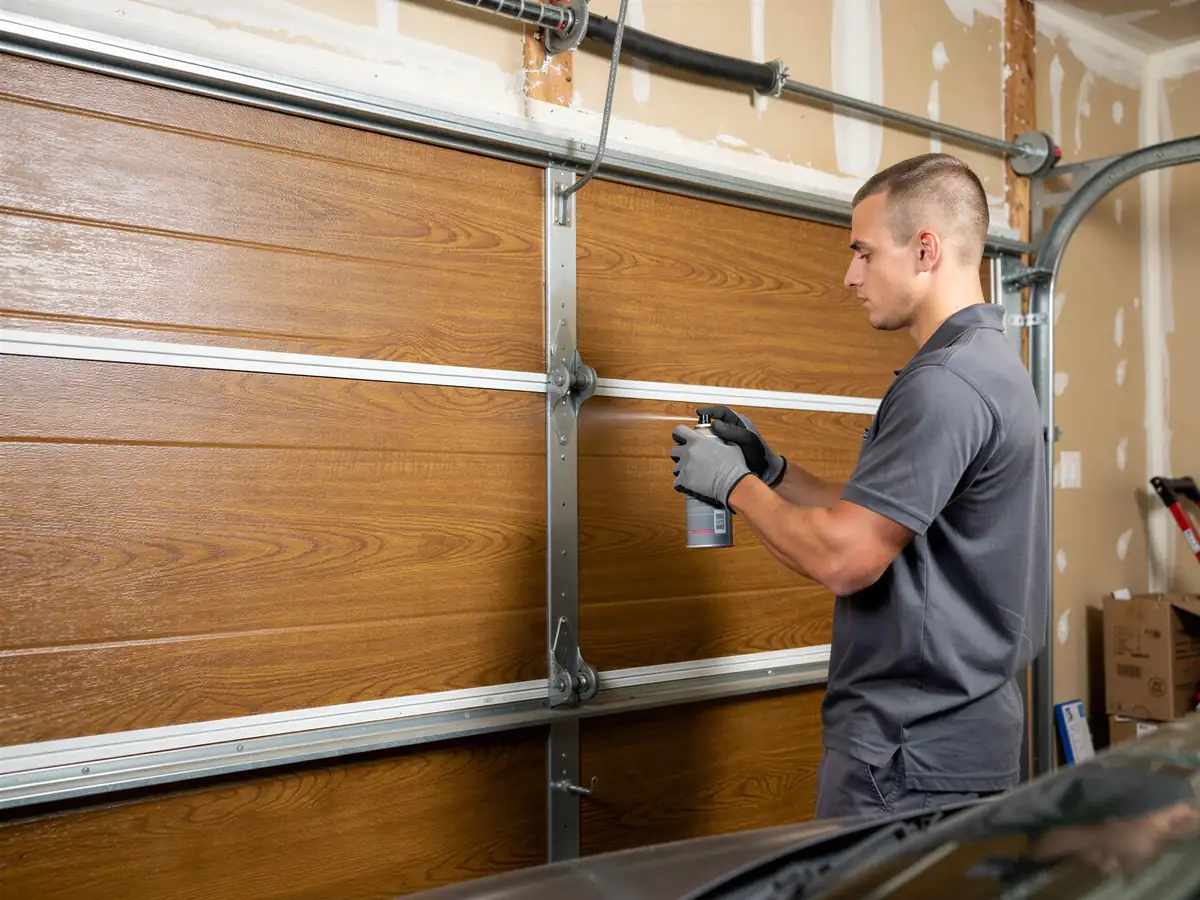
Once a month, run a rag with light oil over the rollers and hinges, not the track itself. Pull the release cord and check that the door balances roughly waist-high when you let go of it by hand - if it drops or shoots up, the springs are carrying the wrong tension and that's not a DIY fix. Look at the lift cables near the bottom bracket for fraying. Wipe down the weatherstrip at the bottom so it doesn't crack and let water in.
Here's the honest limit
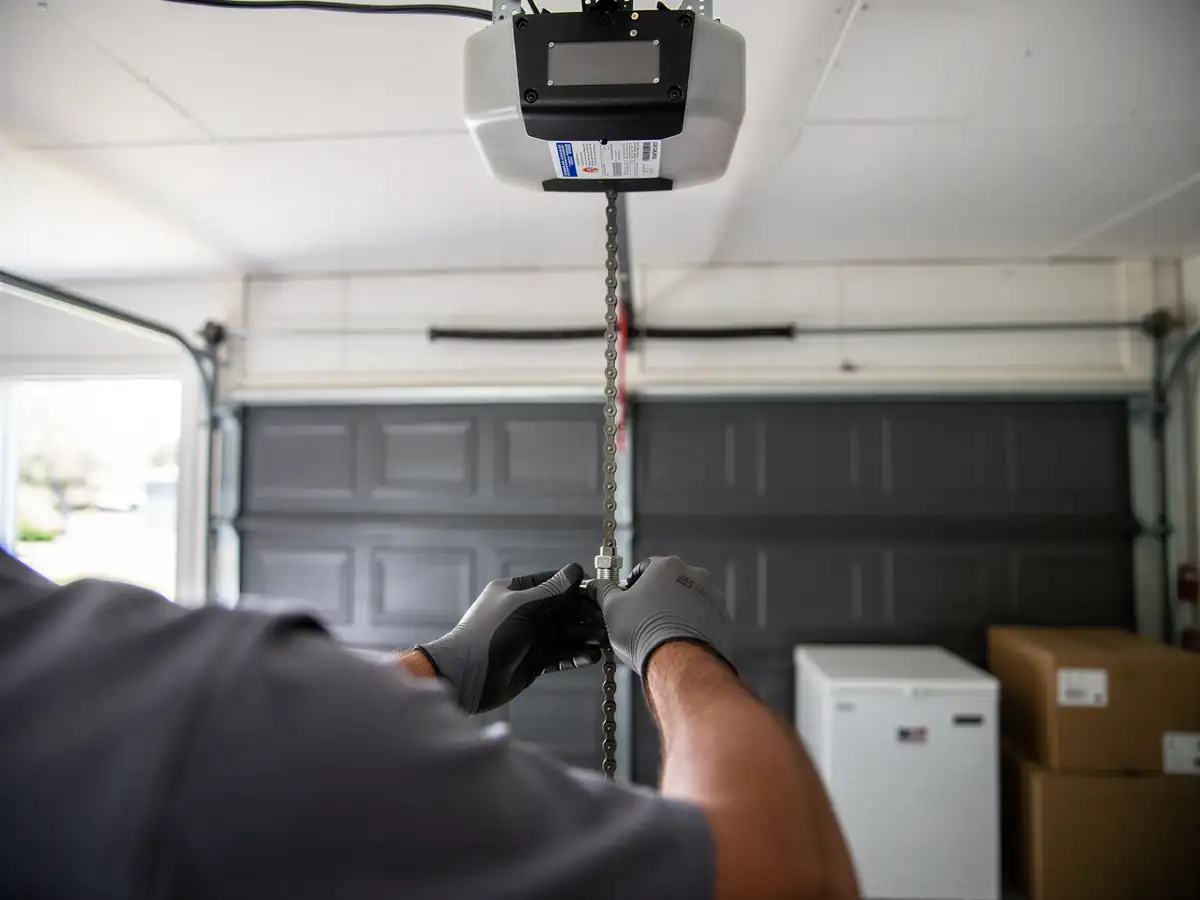
If your opener is grinding, hesitating, or the door reverses on its own, stop. Those are symptoms of a spring or cable problem, and testing it yourself risks a cable that's under several hundred pounds of tension letting go while your hands are near it. That's not a maintenance job anymore - it's a repair call.
The Cost of This Job
We're not going to put a number here that isn't backed by what we've actually quoted, but a few things shape what a maintenance visit on a Harahan door runs compared to a newer build. The typical house in this suburb went up around 1973, which is older than much of the stock across the wider service area (median build year 1980 per Census data). Older doors more often carry original hardware - extension springs instead of torsion, steel track that's been re-shimmed more than once, hinges that have been painted over a few times. None of that is expensive to maintain on its own, but it takes a trained eye to know what's original, what's been swapped, and what's about to go.
Harahan also runs a higher median household income, $78,222, than the $67,099 median across the full service area. In practice that tends to mean owners call before something breaks rather than after - a tune-up and a few replaced rollers instead of an emergency spring job on a Saturday. Catching wear early is almost always the cheaper path, and that's true whether the door is five years old or fifty.
Parts We Carry
What we bring on a Harahan call leans toward parts that fit doors from the 1970s and 80s, since that's what the housing stock out here mostly runs. Rollers and hinges in the sizes used before galvanized nylon rollers became the default. Torsion and extension springs wound to match older drum and cable setups, not just whatever's on the shelf for a new build. Bottom brackets and cables sized for steel sectional doors that have been in place a long time, since those wear differently than anything installed in the last decade.
We also carry weatherstrip and bottom seal stock suited to the mild, occasional-freeze climate this part of the river parish sits in - not heavy cold-weather gaskets, since that's not the problem here, but seals that hold up to humidity and keep water from pooling under the door during wet stretches. One thing we don't stock on the truck is replacement opener logic boards for older proprietary systems - those are special-order, and if yours is one of them, we'll tell you the lead time up front rather than make you wait to find out.
What Causes It Around Here
Two things drive most of the maintenance calls we get in Harahan
The first is age. With the typical house built around 1973, a lot of these doors and their hardware have never been fully replaced, just patched piece by piece. Original springs lose tension gradually over decades, and by the time a homeowner notices the door is heavier to lift by hand, the spring is often close to the end of its life.
The second is the climate band this area sits in
Mild most of the year with occasional freezes, which doesn't stress hardware the way a harsh winter would, but does mean steady humidity. That shows up as surface rust on tracks and hardware that doesn't get wiped down, and as swelling in wood-trim doors that haven't been resealed in a while. Neither is dramatic on its own, but combined with original-era hardware, it's the pattern we see most in this stretch of the river parish: a door that's been fine for years and then, within a season or two, starts showing several small problems at once.