What the Weather Here Does to It
Metairie sits in a mild climate band that still sees occasional freezes
And that combination is harder on a torsion spring than steady cold ever would be. A spring that lives most of the year in warm, humid air doesn't get a chance to adjust before a cold front drops the temperature overnight. Steel contracts when it's cold, and a spring that's already fatigued from twenty or thirty years of cycling loses a little more flex right when it needs it most. That's why the calls cluster on the first genuinely cold mornings of the year, not in the dead of a long winter the way they would up north.
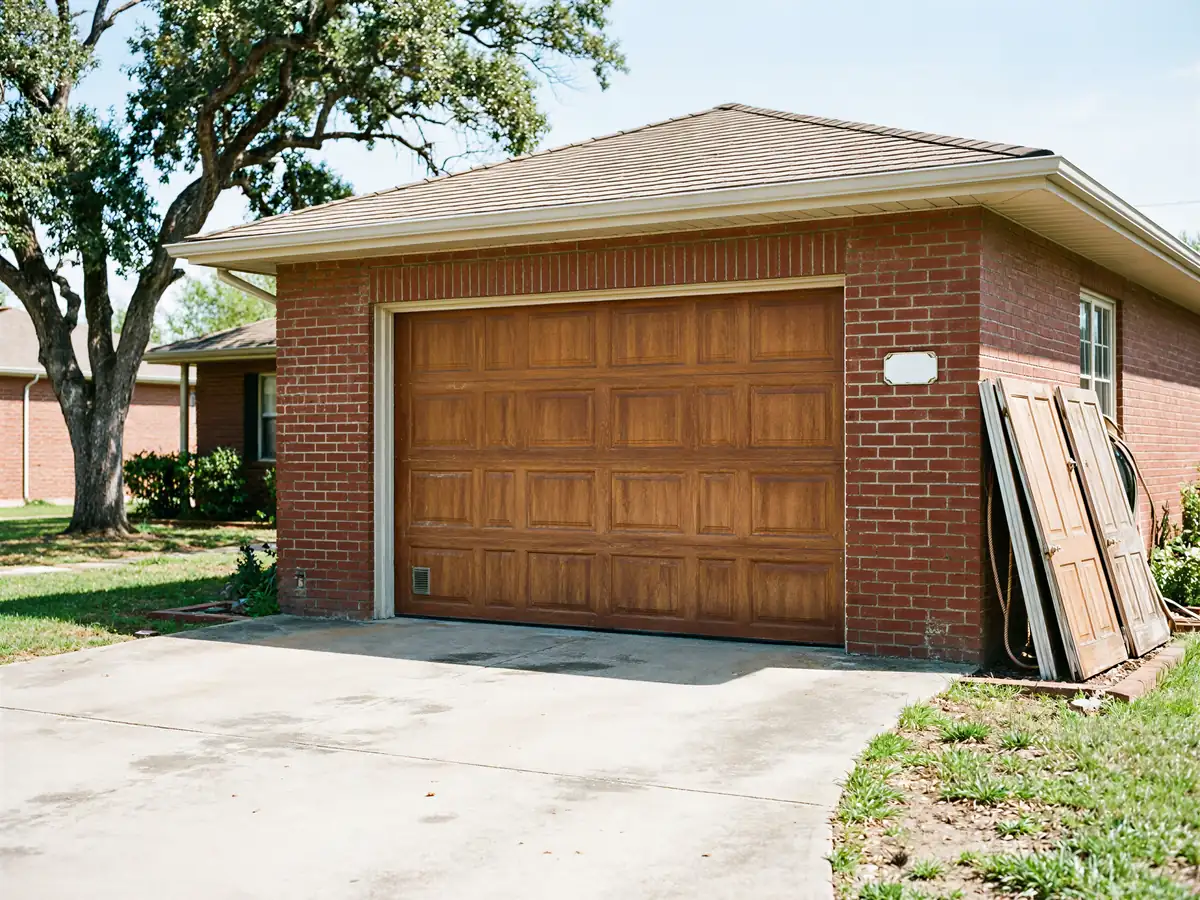
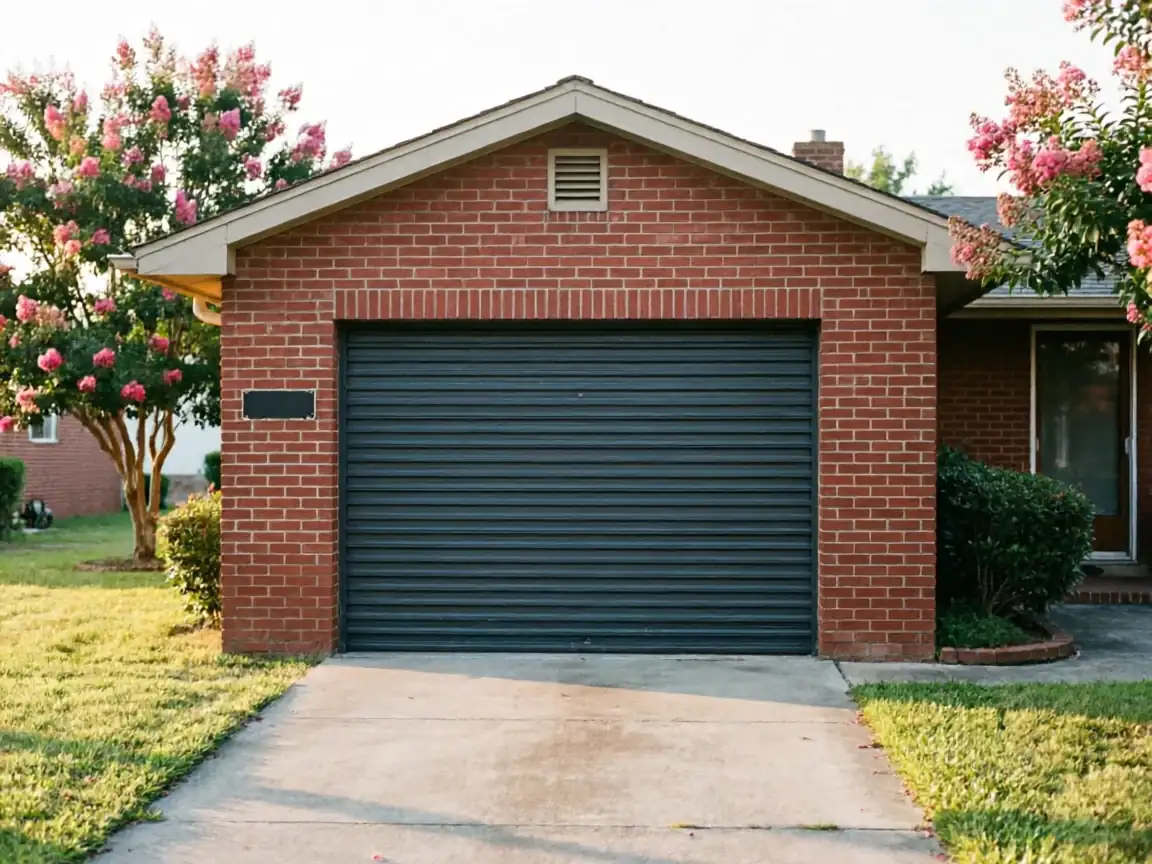
Most of the housing stock here was built between 1958 and 2001
With the heaviest concentration from the 1980s and 90s. A lot of those garage doors still carry their original torsion hardware, or a replacement spring that was never matched to the door's actual weight. Add one rare cold snap to a spring that's already near the end of its life, and it doesn't bend - it snaps. You'll usually hear it: a loud bang from the garage, and the door won't lift, or it slams down hard if it was open.
When to Get Help
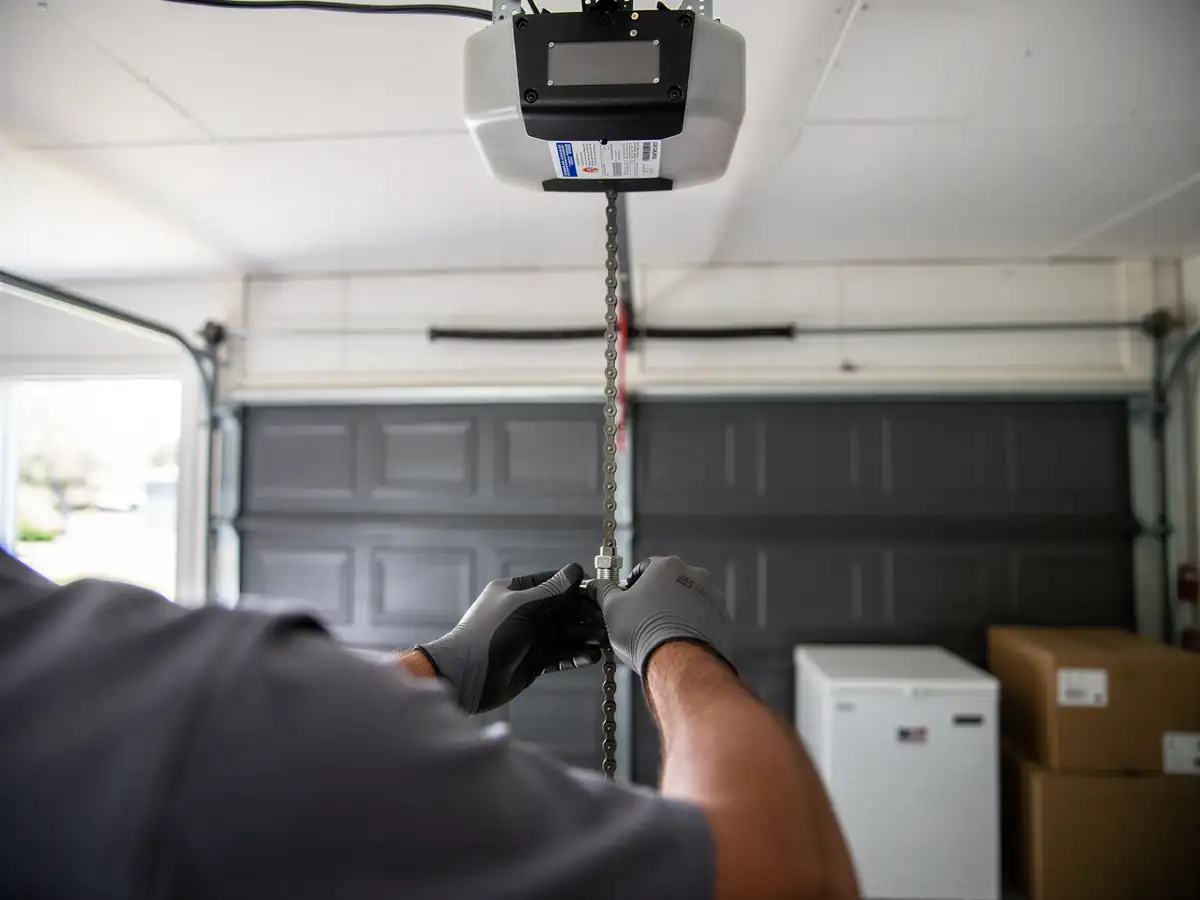
Call before you touch anything if the spring has already let go. A broken torsion spring puts the door's full weight on whatever else is holding it - cables, the opener, your hands if you're in the way - and none of those are built to carry it alone. If the door is stuck halfway, don't force the opener past it. Most openers will just burn out the motor trying to push against a dead spring, and now you've got two repairs instead of one.
If the door is still moving but sounds different - a grinding or shuddering as it travels, or it drifts down on its own when you let go of it partway - that's a spring on its way out, not one that's already gone. That's worth a call soon, not urgently. You've got some runway, but not forever, especially once the next cold morning hits.
One honest limit here: if the door is original to a 1960s or 70s-era house and the spring size was never recorded or matched to a newer door panel, we may need to measure and order rather than swap it same visit. That's not common, but it happens on the oldest stock in the area.
What Is Going On
A torsion spring is rated for a number of open-close cycles, generally somewhere around 10,000, and it winds down whether the weather cooperates or not. Houses built in the 1980s and 90s boom here are now old enough that a lot of original springs are well past that mark, even if nobody's noticed because the door still looked fine right up until it didn't.
Cold makes the failure happen on a specific day instead of some vague future one. Metal is slightly less elastic when it's cold, so a spring that's been slowly losing temper for two decades finally reaches the point where it can't flex through one more cycle. It's the same reason an old rubber band snaps faster in a cold car than a warm one.
With 82,882 owner-occupied houses across this area, a wide share of them fall into that same window - built decades ago, still running whatever spring came with the door or got swapped in without much thought to matching the door's weight. That's a lot of springs sitting right at the edge, waiting on one cold morning to find out.
What to Check
Look at the spring itself before you touch anything mechanical
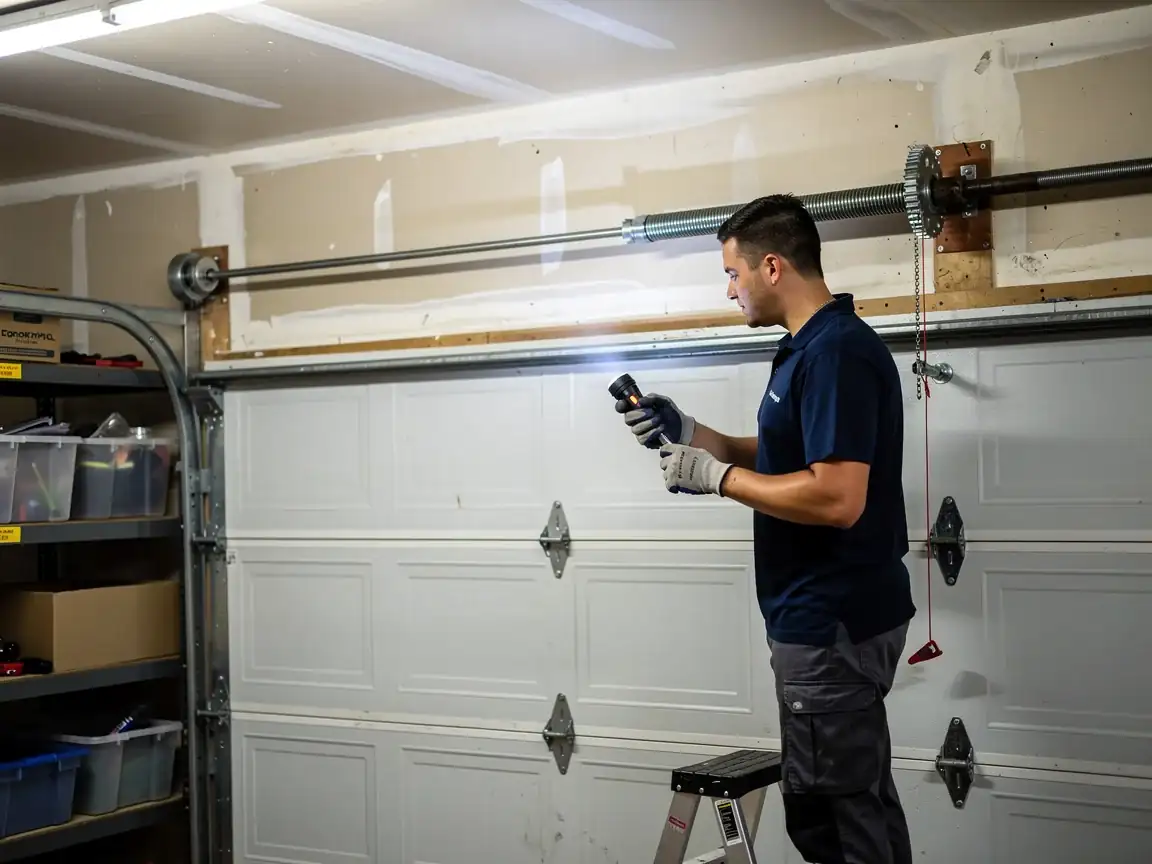
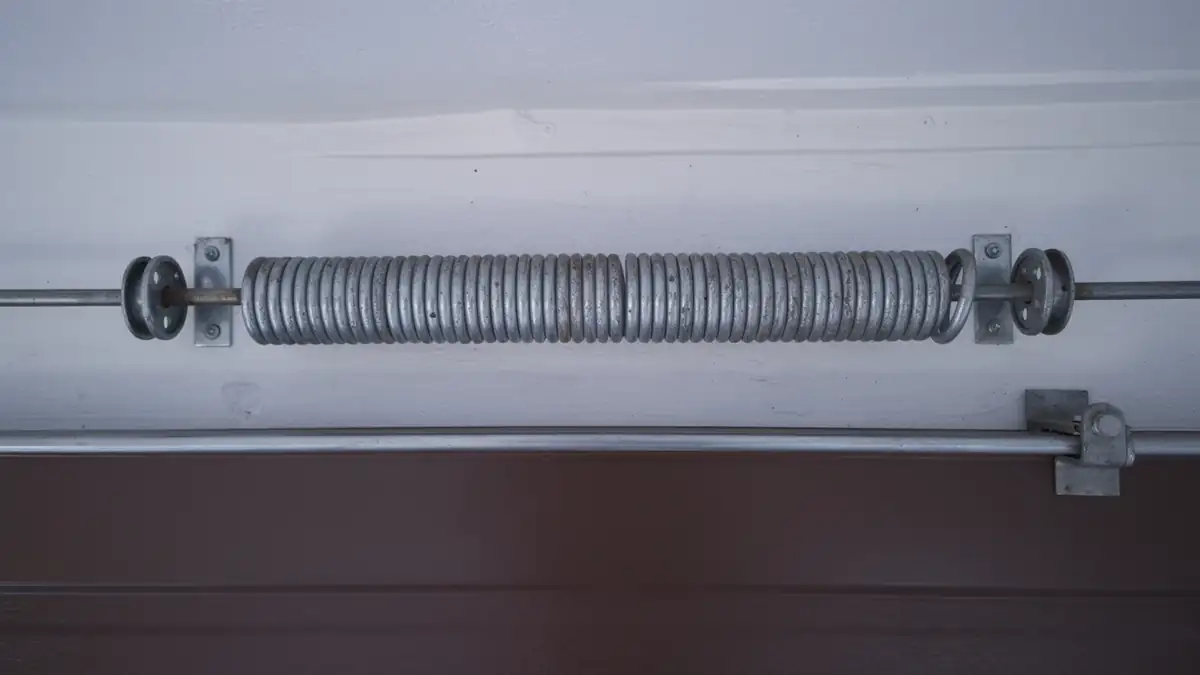
A torsion spring sits on a bar above the door - if you see a visible gap in the coil, it's broken, full stop. Don't try to open the door past that point.
If the spring looks intact, check how the door behaves when you lift it manually with the opener disconnected
It should feel roughly balanced - light enough to lift with one hand and hold itself open around waist height. If it's heavy, drops fast, or won't stay up at all, the spring is weakening even if it hasn't broken yet.
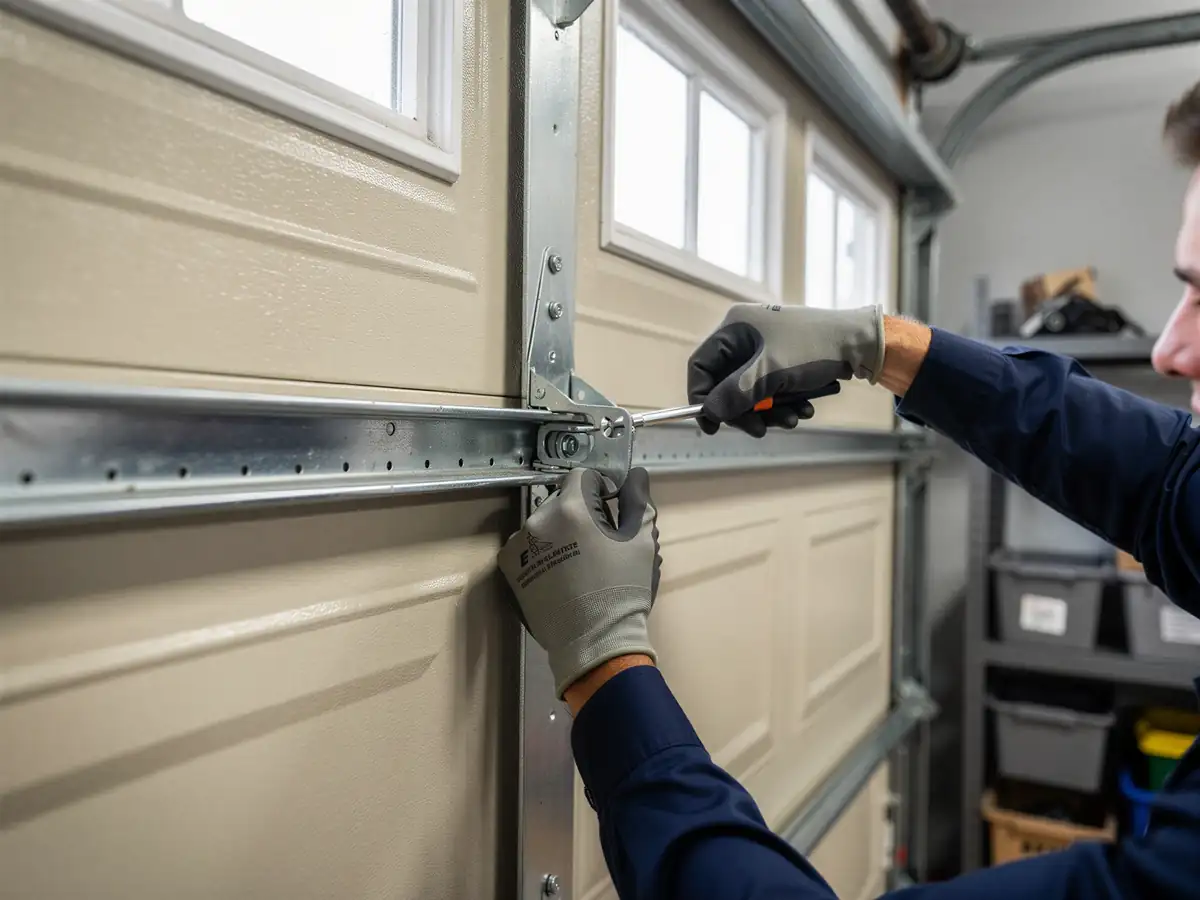
Check the cables on either side of the door for fraying or slack, especially near the bottom brackets
A spring under too much strain sometimes shows up first as uneven cable tension rather than a clean break. And if your house was built in the 1958-2001 window that covers most of this area, treat spring age as a real variable even if the door still looks and sounds fine. At a median household income of $67,099, most owners here can absorb a spring swap without much trouble, but it's worth catching before a cold morning turns it into an emergency call.
- $67,099 median household income