The Cost of This Job
What an emergency call costs depends on what actually failed and what's still attached to the door when we get there
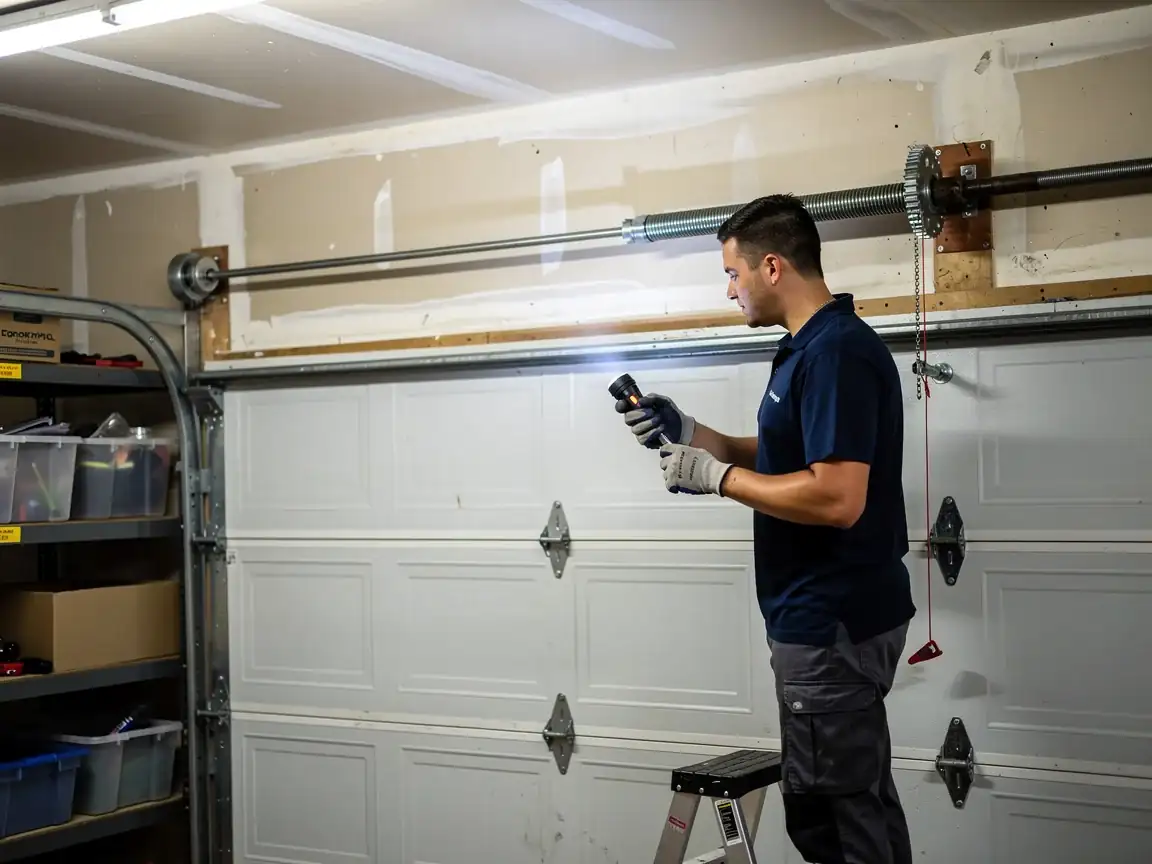
A snapped torsion spring on its own is a contained job. A spring that let go and took a cable or a bent track with it costs more, because now there are two or three parts to source instead of one. Opener board failures run differently again - sometimes it's a logic board, sometimes it's just a worn drive gear that looks like a bigger failure than it is.
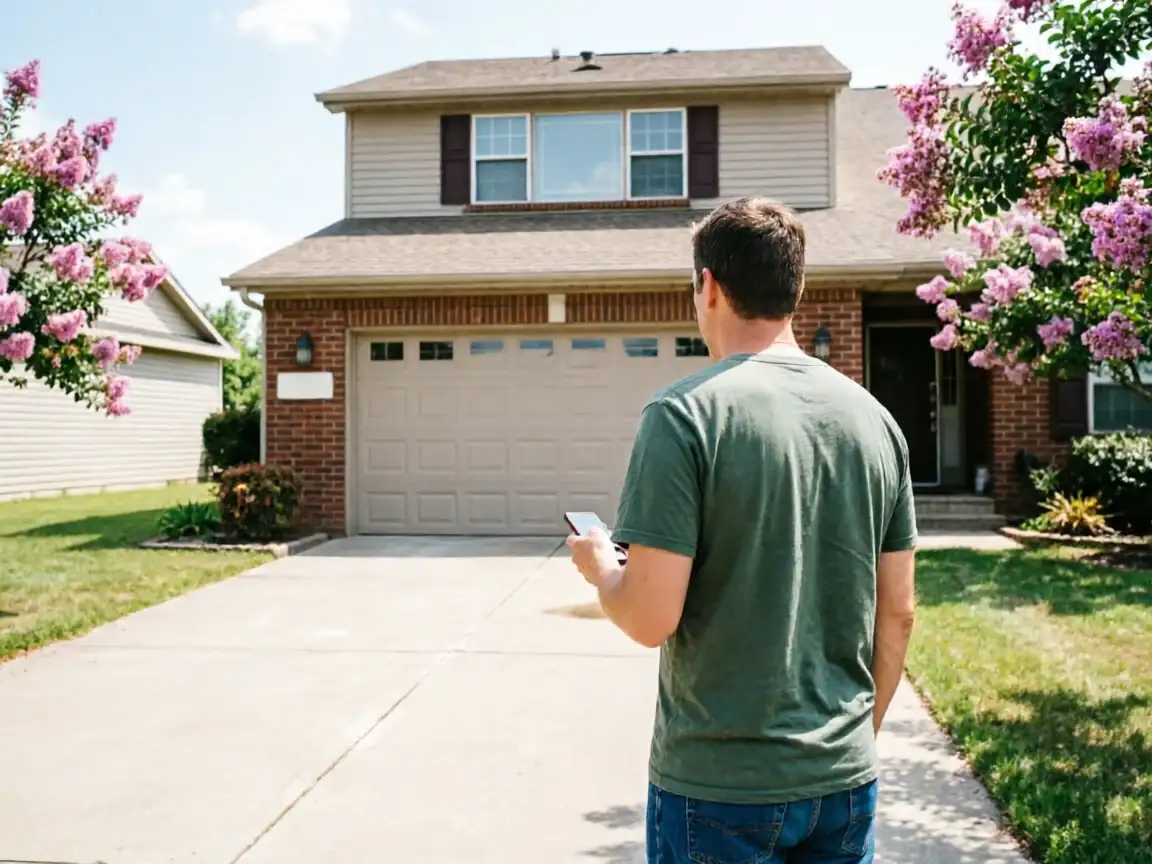
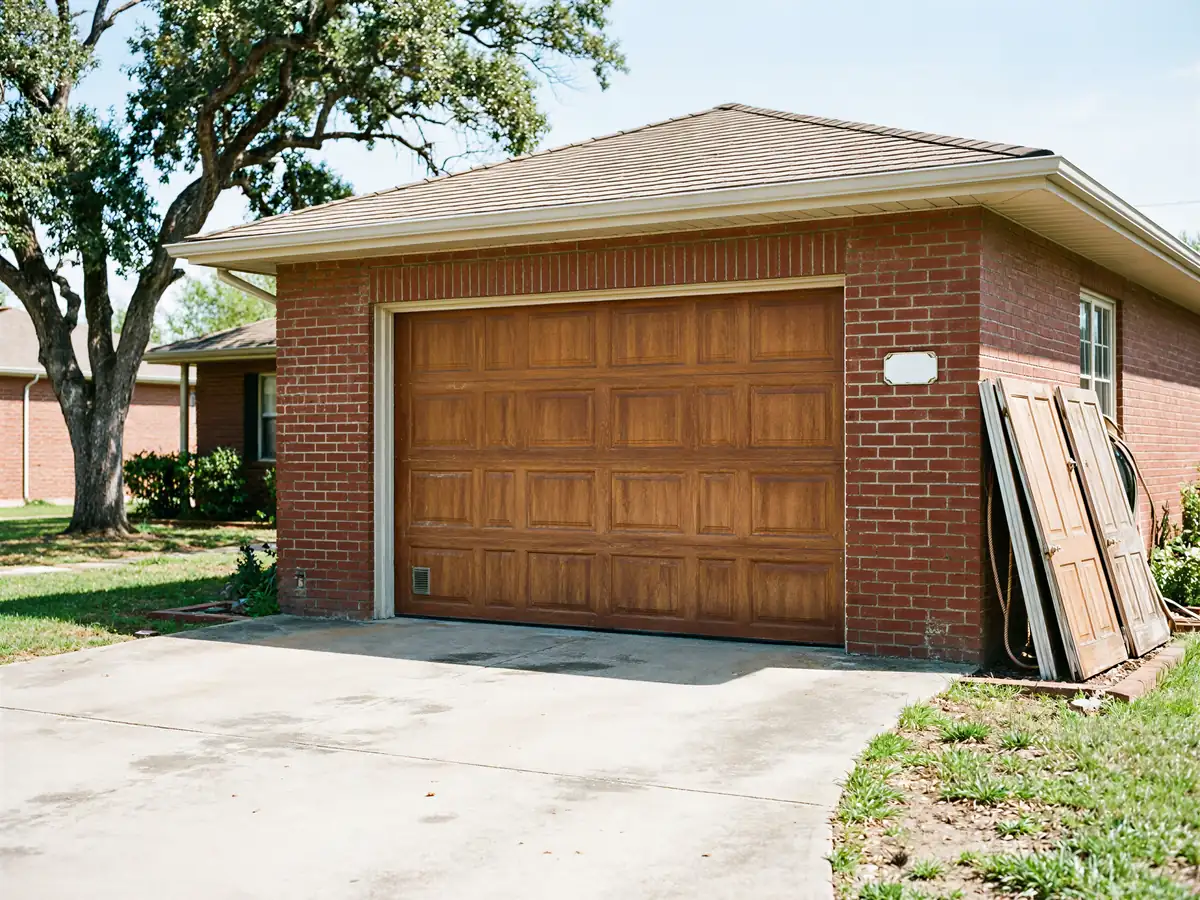
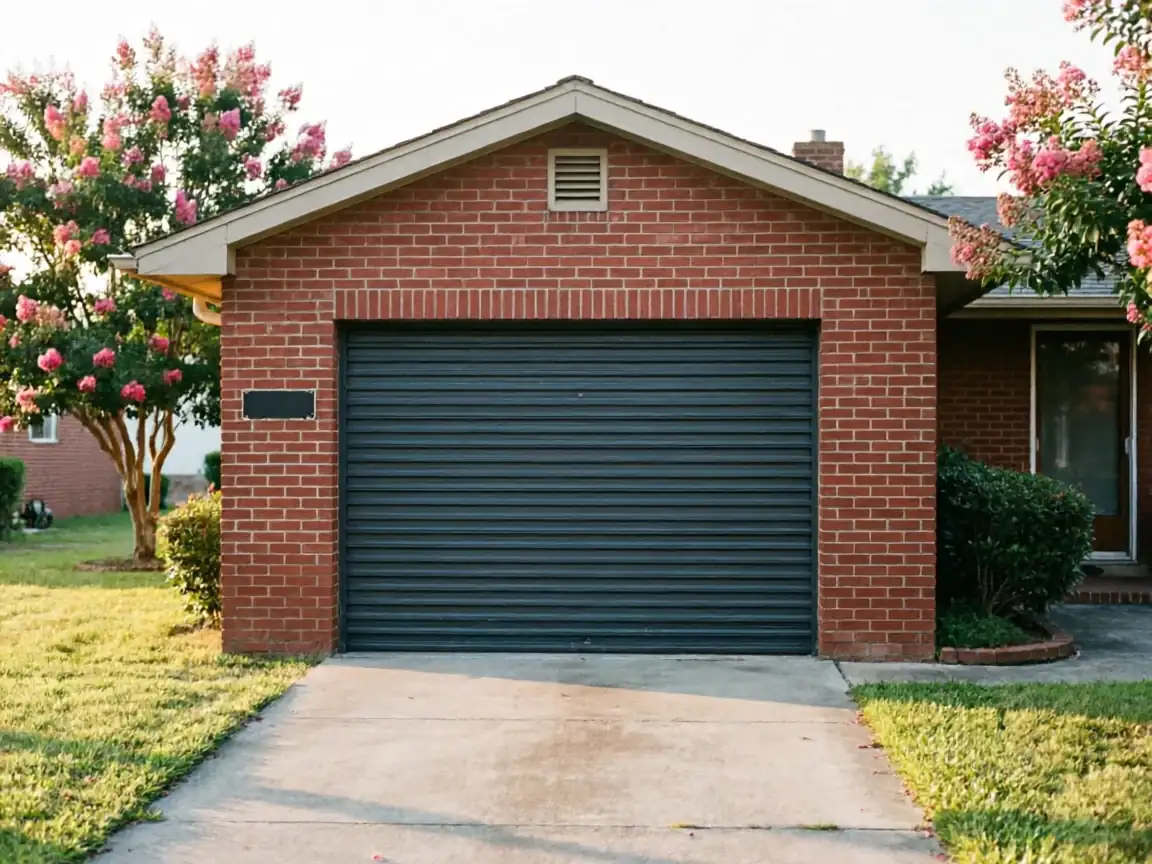
Most of the homes we go out to in this area were built between 1958 and 2001
With the bulk of that stock dating to the 1980s and 90s. That matters for cost because a lot of these doors are still running original or first-replacement hardware - springs and openers that have outlived their rated cycle count. Parts for a 40-year-old door aren't always on the truck; sometimes we're ordering a track section or a specific spring size and that adds a day.
We don't quote a number here because we haven't seen your door
What we can tell you is that a same-day spring swap is usually the smaller end of the job, and anything involving a bent frame or a damaged opener carriage pushes it up. We'll give you the real number on site before we touch anything.
How Long It Takes
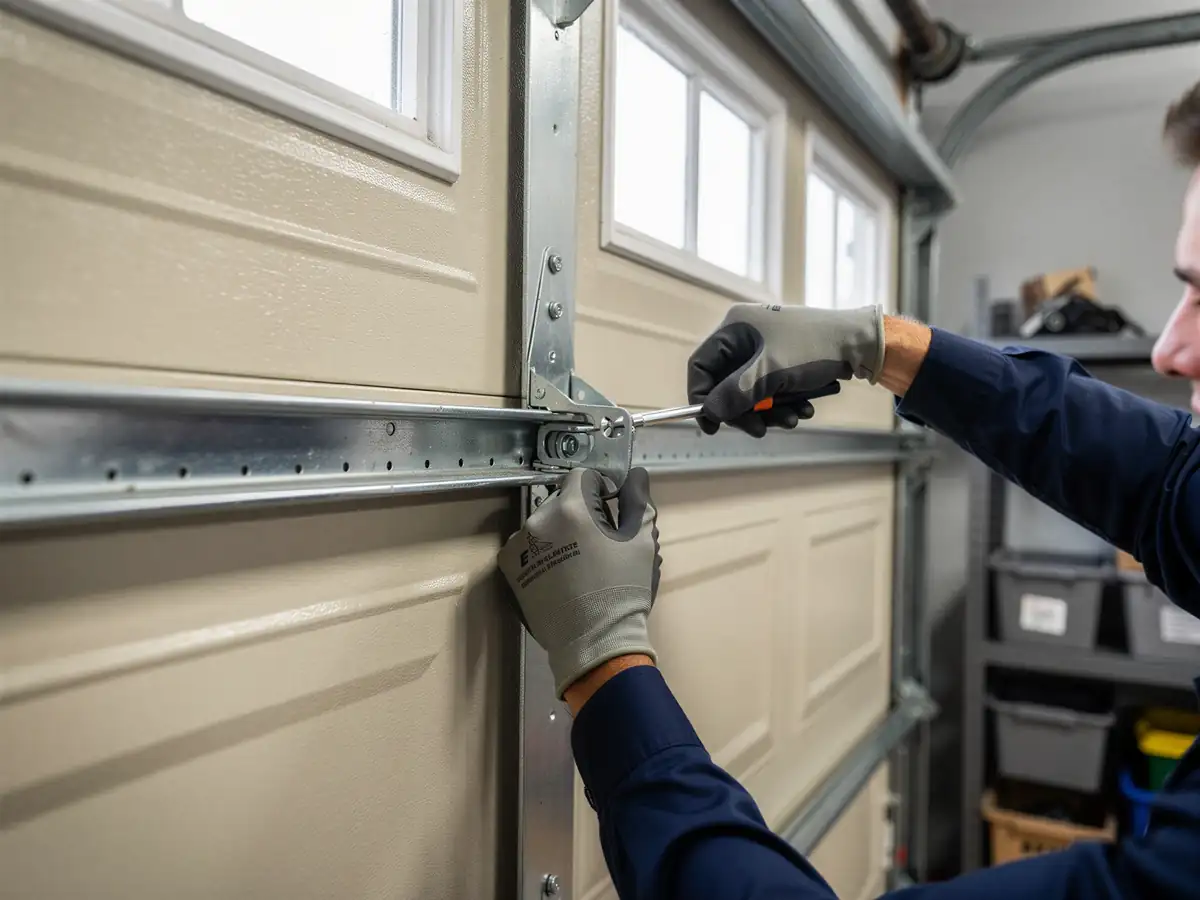
A straightforward broken spring, cables intact, track straight - that's typically a same-visit fix once we're in the driveway. Where it slows down is when the spring let go under load and the door came down hard enough to warp a track rail or crack a panel. Bent track on a steel door built in the 80s or 90s is common enough around here that we carry replacement rail sections on the truck, but not every size.
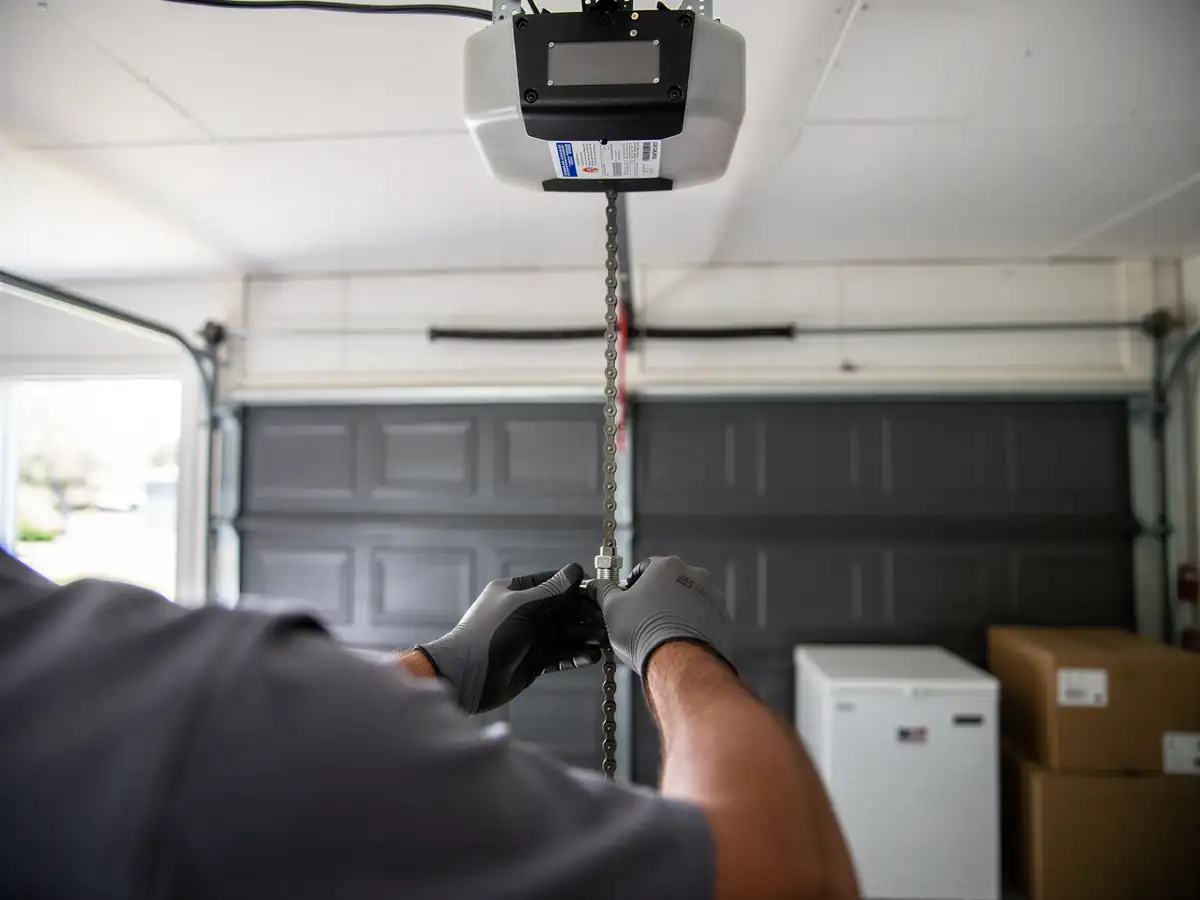
Opener failures are the wildcard. If it's a dead capacitor or a stripped gear, that's a same-visit swap. If the board itself is fried - which happens more with units that have taken on humidity over the years in this climate - we may need to order a specific board or replace the unit outright, and that's not a same-day part.
We won't tell you every emergency call wraps in under an hour, because some don't. What we will tell you is we diagnose on arrival and tell you straight whether it's a today fix or a tomorrow fix, and why.
How It Shows Up
Most emergency calls start the same two ways: the door won't move at all, or it's halfway up and stuck with a spring hanging loose above the opening. The second one is a broken torsion spring - don't try to force the door past it, the cable drums can still be under tension.
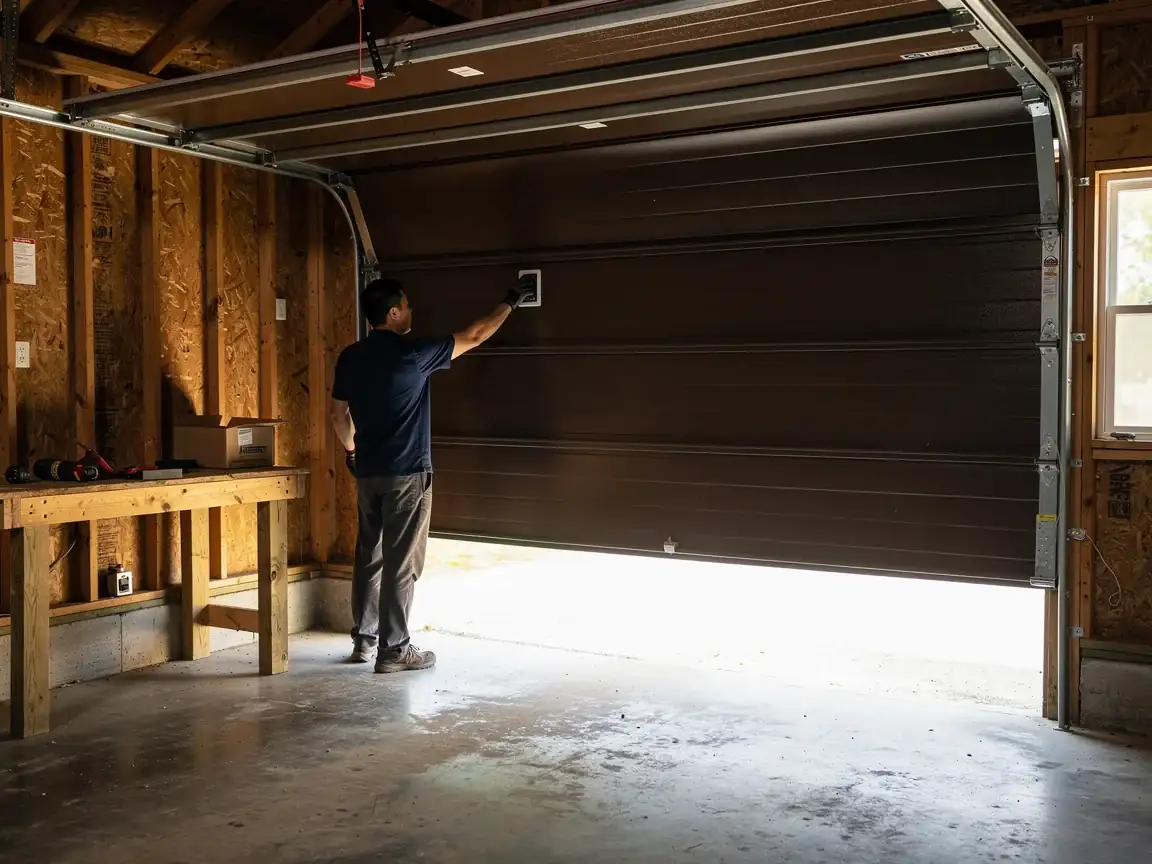
The other common pattern is an opener that runs but the door doesn't move, or moves and reverses immediately. That's usually a slipped gear, a misaligned safety sensor, or on older systems, a dying capacitor. Given how much of the housing stock here dates to the 1980s and 90s, we see a lot of openers that are on their second or third capacitor, sometimes their first full unit replacement ever.
Less dramatic but just as much an emergency if it's your only way into the garage: a cable that's frayed and finally let go on one side, which tilts the door and binds it in the track. You'll hear it before you see it - a grinding or scraping sound as the door comes down crooked.
What Causes It Around Here
The climate band for this area runs mild with occasional freeze
Which doesn't sound like much compared to harsher regions, but it means steady humidity cycling on hardware year-round rather than one hard winter that forces replacements on a schedule. Springs, cables, and rollers corrode slowly and fail without much warning instead of giving an owner a clear signal to replace them early.
Add in the age of the housing stock
Built mostly 1958 to 2001, median year around 1980 - and you've got a lot of original torsion springs and first-generation openers still in service decades past their intended cycle count. A spring rated for a certain number of open-close cycles doesn't care how old the house is; it cares how many times it's been used, and a 40-year-old spring on a door that's been opened twice a day has done the math already.
We also see corrosion on galvanized cable and hardware that looks fine from a few feet away but is down to a few strands under the sheathing
That's not a Metairie-specific defect, it's just what a mild, humid climate does to steel hardware over several decades without a hard freeze to make owners think about maintenance on a schedule.