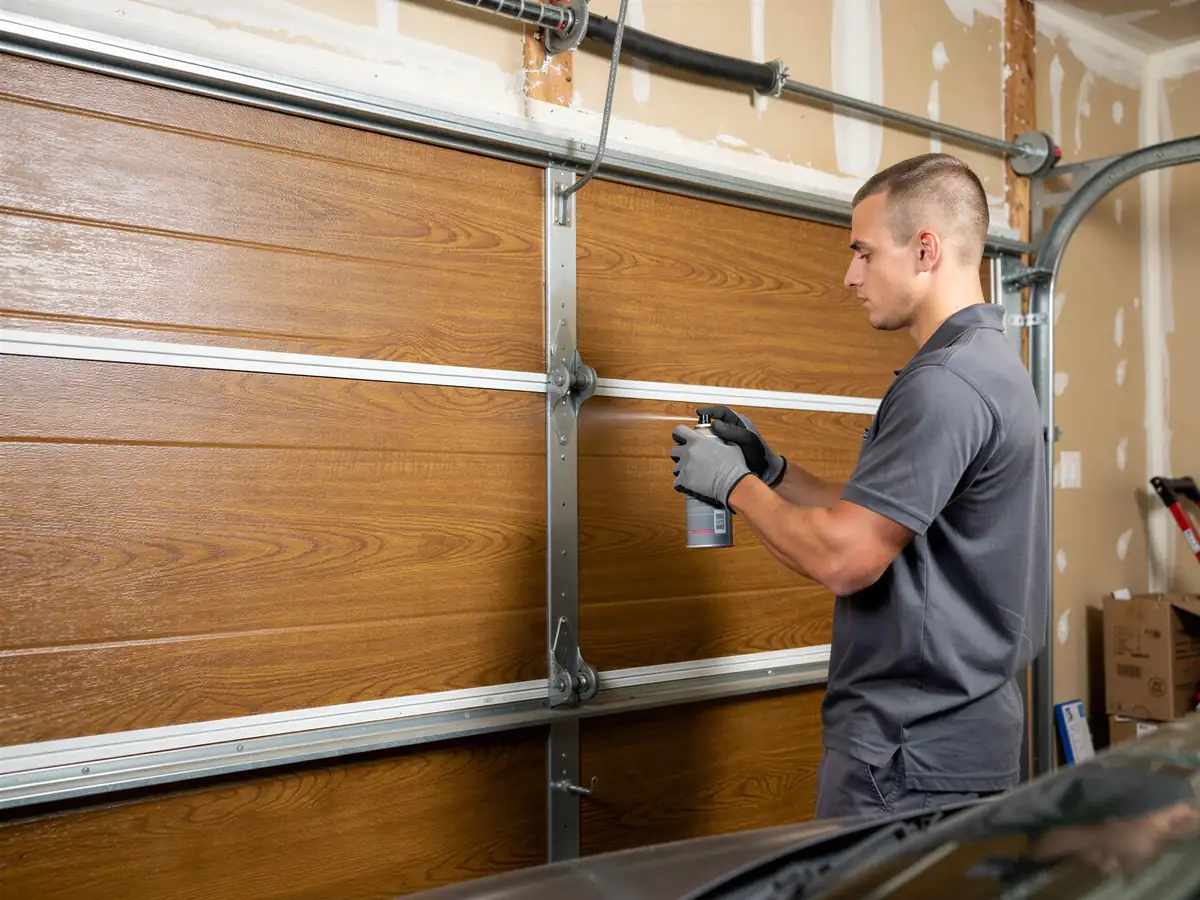
The Cost of This Job
A maintenance visit isn't one fixed number
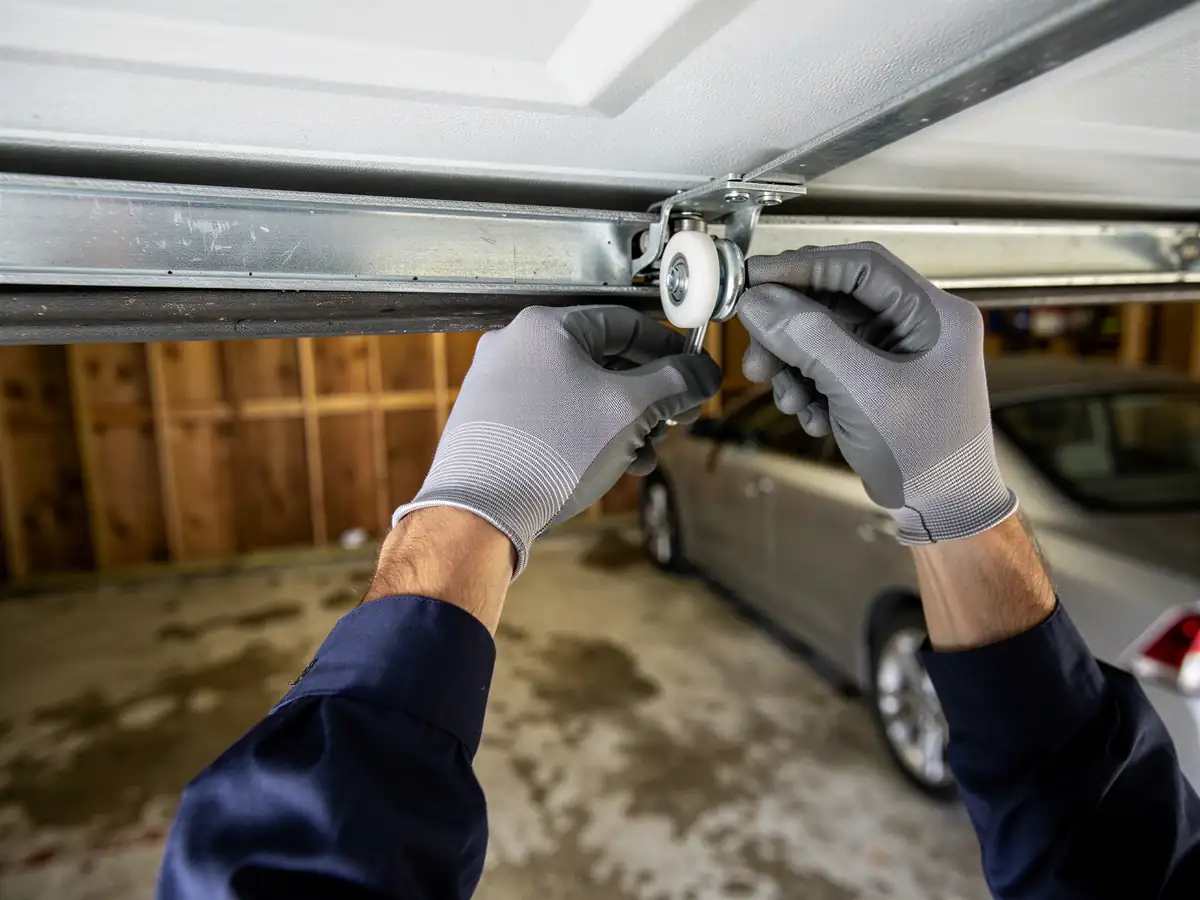
Because what a technician finds depends heavily on the age of the door and how long it's been since anyone touched it. We don't have a flat rate to quote here, and we'd rather tell you that than make one up. What drives the cost is usually the same handful of things: how many rollers need replacing, whether the torsion spring is still within its rated cycle life, and whether the track has drifted out of alignment from years of humidity swelling the jamb it's mounted to.
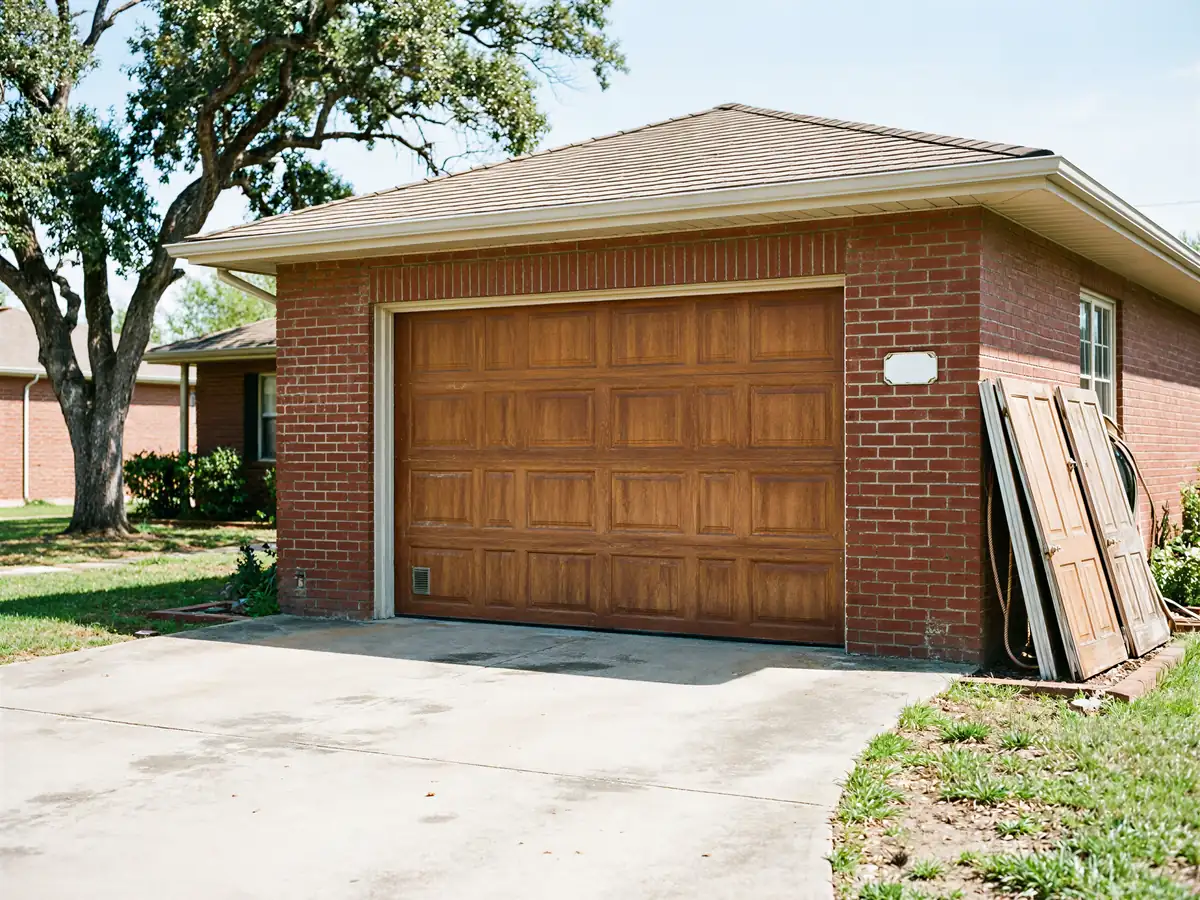
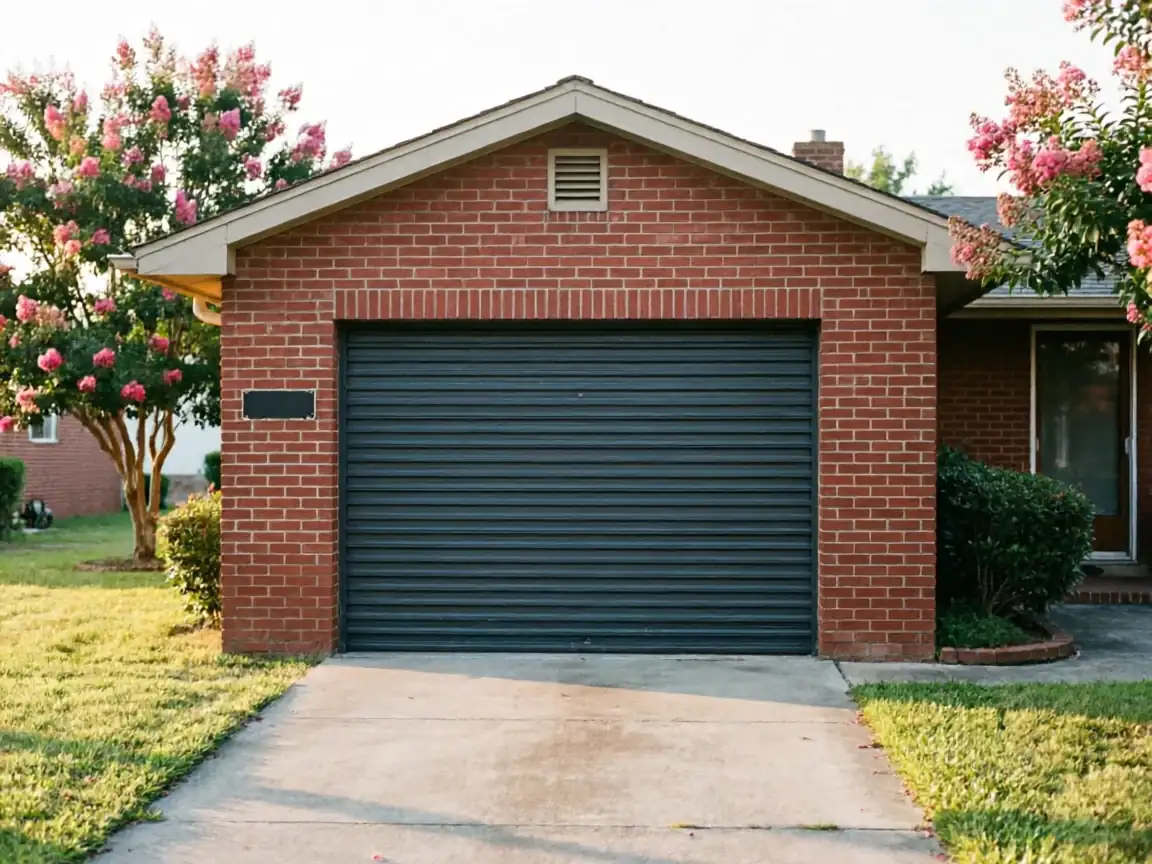
Most of the housing stock in this service area went up between 1958 and 2001
With a median build year around 1980. That means a lot of doors out there are running on galvanized hardware that was standard 30-40 years ago - steel rollers instead of nylon, single-spring setups on doors that really want two. None of that is dangerous by itself, but it does mean a maintenance call on an older house often turns up more line items than one on a house built in the last decade.
- 40 years
The honest limitation
If your spring is already sagging or your cables are frayed, that's not a maintenance job anymore, that's a repair, and we'll tell you so instead of patching it and calling it serviced.
How Long It Takes
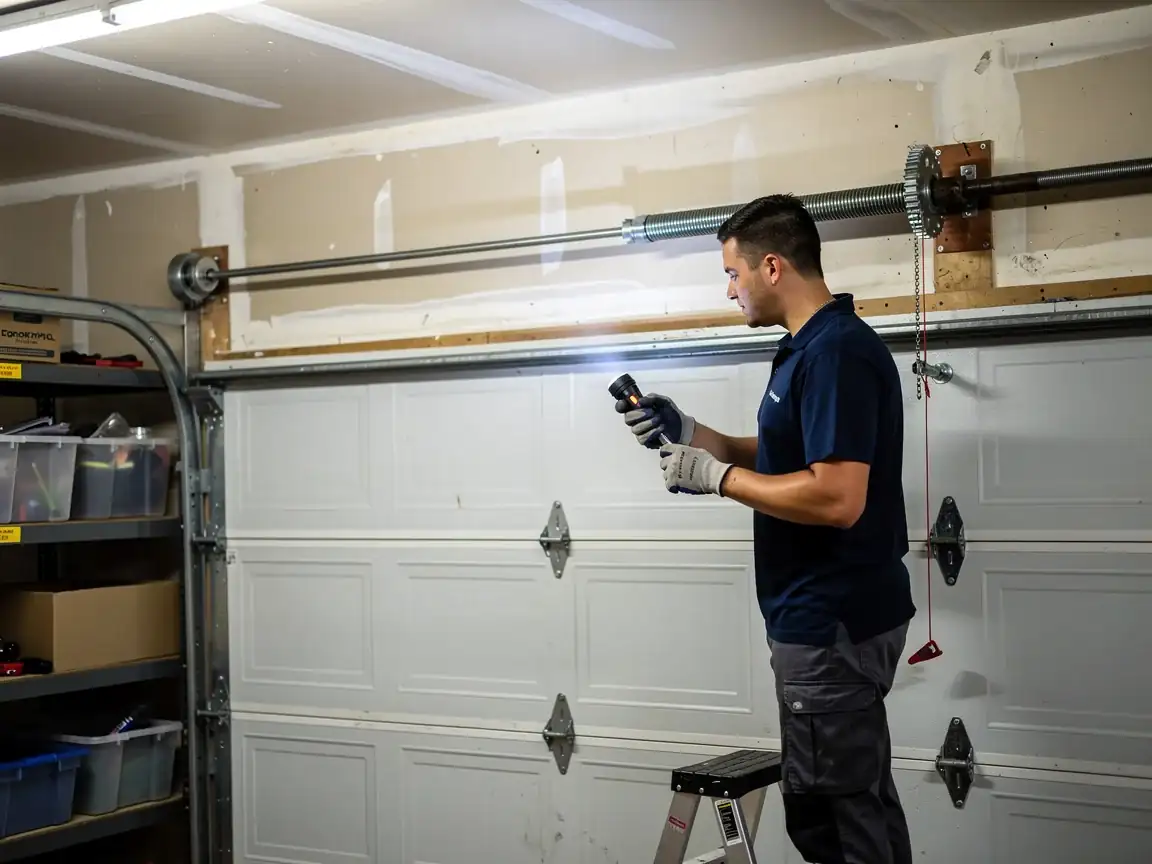
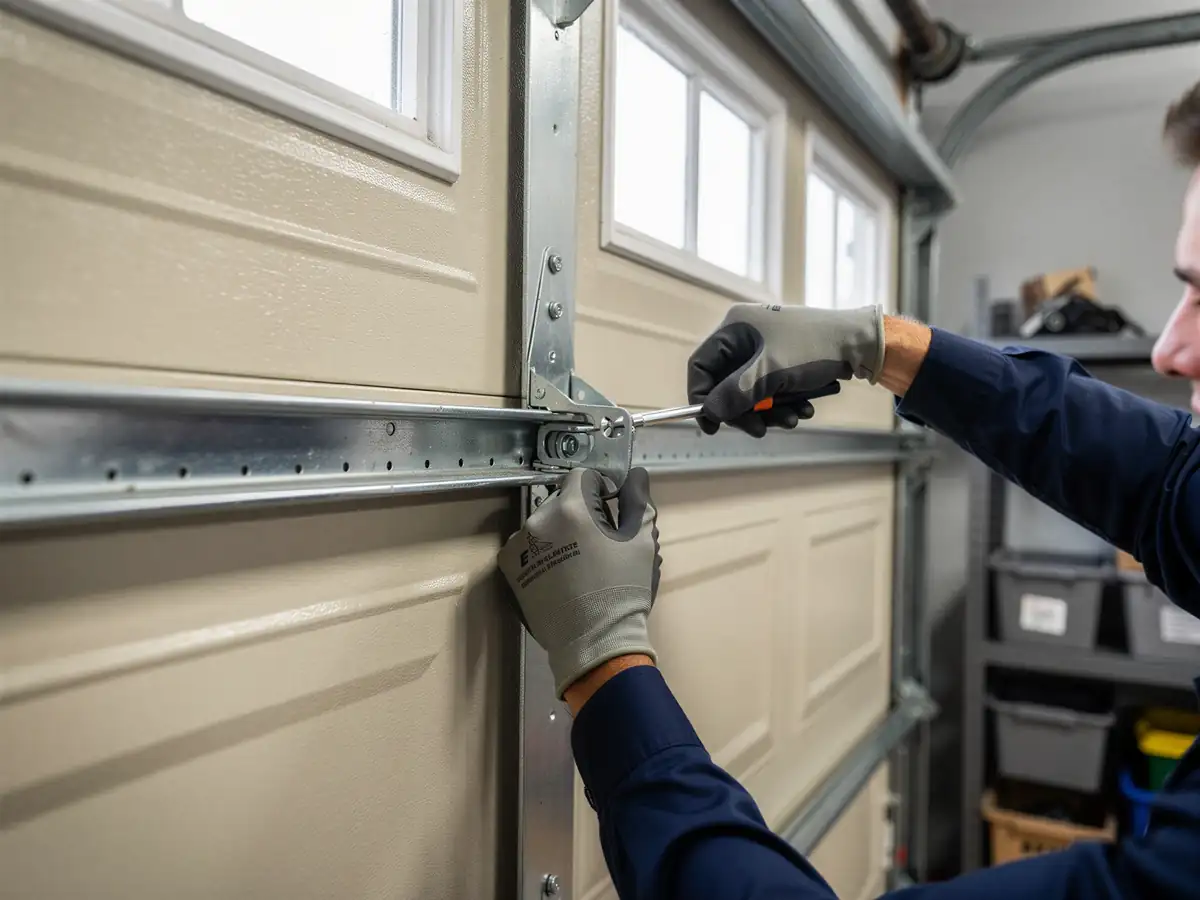
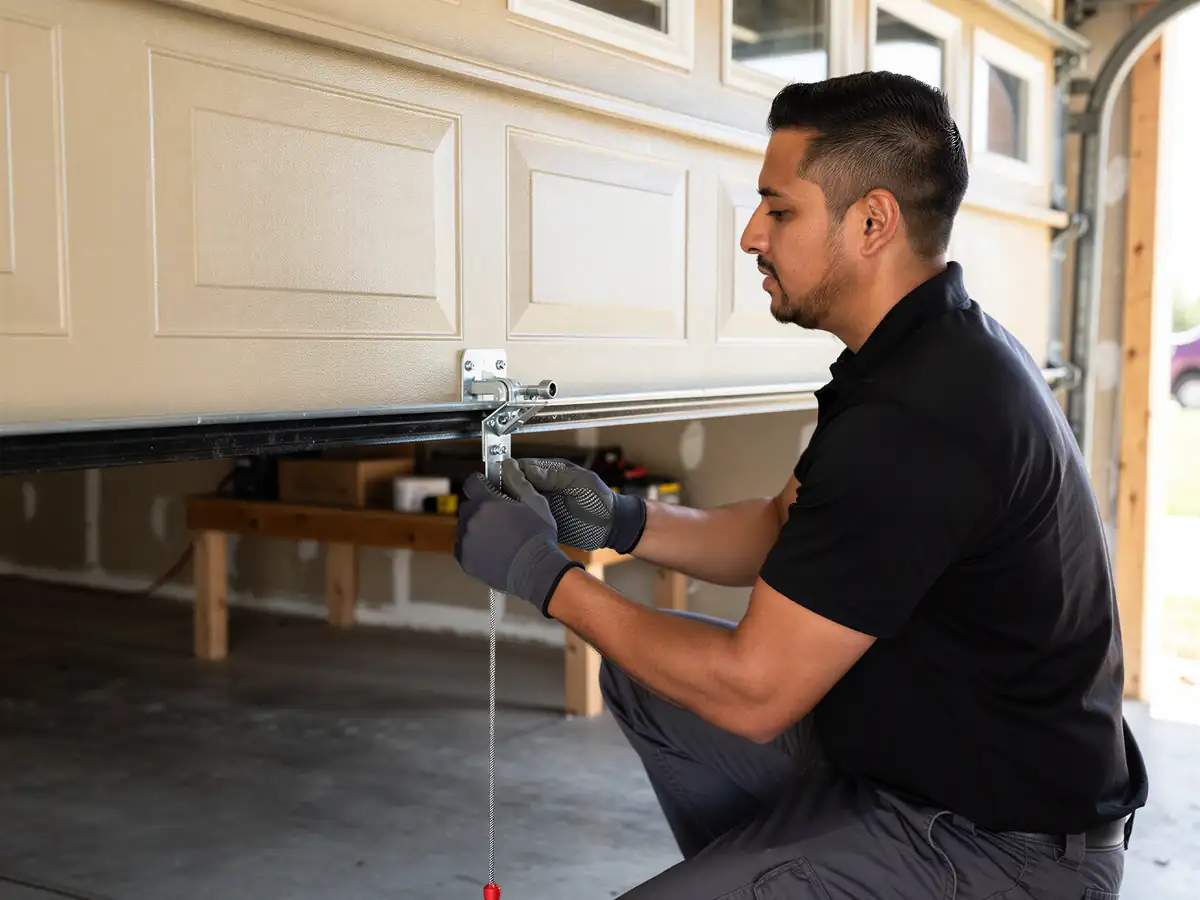
A standard maintenance visit runs long enough to inspect the full system - springs, cables, rollers, track alignment, opener force settings, and weatherstripping - not just lube the hinges and leave. On a single door with no hardware swaps needed, that's a shorter visit. On a double door with original 1980s-era hardware that hasn't been serviced in years, plan on it taking longer, because corrosion and years of humidity exposure mean more time spent freeing up stuck rollers and re-tensioning instead of just checking boxes.
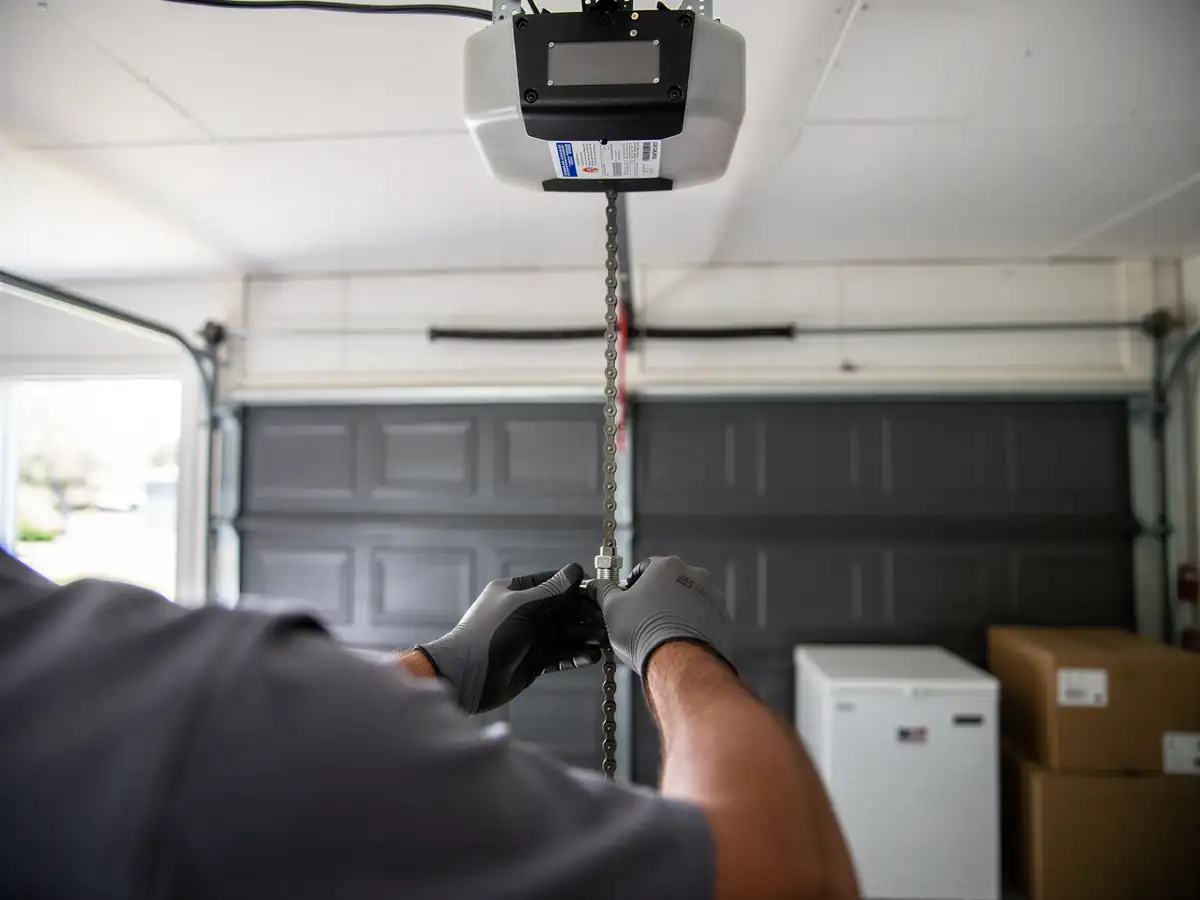
We won't give you a number we can't stand behind region-wide, since it depends on what we find once the door's open. What we can tell you is that regular maintenance - once a year, roughly - keeps each visit short, because nothing's had time to seize up or corrode past the point of a quick fix. Skip a few years on a door built during the service area's main construction boom (1958-2001) and the visit stretches, because there's more to undo.
How It Shows Up
The first sign is almost never a door that won't open. It's smaller than that. A grinding noise on the way up. A roller that chatters in the track instead of rolling smooth. The door that used to close in one even motion and now hesitates or jerks partway down. Those are symptoms of hardware that's drying out, corroding, or losing tension - not sudden failures, but slow ones.
In a climate band like this one, mild with occasional freeze, the bigger enemy isn't cold, it's moisture. Steel hardware that sits exposed to humid air for years without lubrication starts to pit and bind long before it actually breaks. You'll often hear it before you see it: a squeal on the up-stroke, a shudder near the top of the track, a spring that makes a different sound than it did a year ago. Owners usually notice these things gradually and get used to them, which is exactly how a minor maintenance item turns into an unplanned repair call.
What Causes It Around Here
Two things line up here that don't line up everywhere
The age of the housing stock and the climate. A large share of homes in this area were built between 1958 and 2001, with most of that concentrated in the 1980s and 90s across the 36 named communities in this service area. That means a lot of garage doors are running on hardware that's now 25 to 60 years old, installed under building codes and material standards that predate current nylon-roller, double-spring setups.
- 60 years
Pair that housing age with a mild climate that still sees occasional freeze events
And you get a specific failure pattern: steel components that don't crack from cold the way they might further north, but that corrode steadily from humidity exposure over decades. Garages here aren't typically climate-controlled, so hardware sits through repeated humid-to-dry cycles year after year. That's a slower failure mode than you'd see somewhere with harsh winters, but it's a near-certain one if a door goes 10+ years without a maintenance check. It's less about one bad storm and more about steady wear nobody's watching.