Metairie homes mostly date 1958-2001, with hardware and tracks built for a mild, humid climate. Here's what a tech checks first before touching your door.
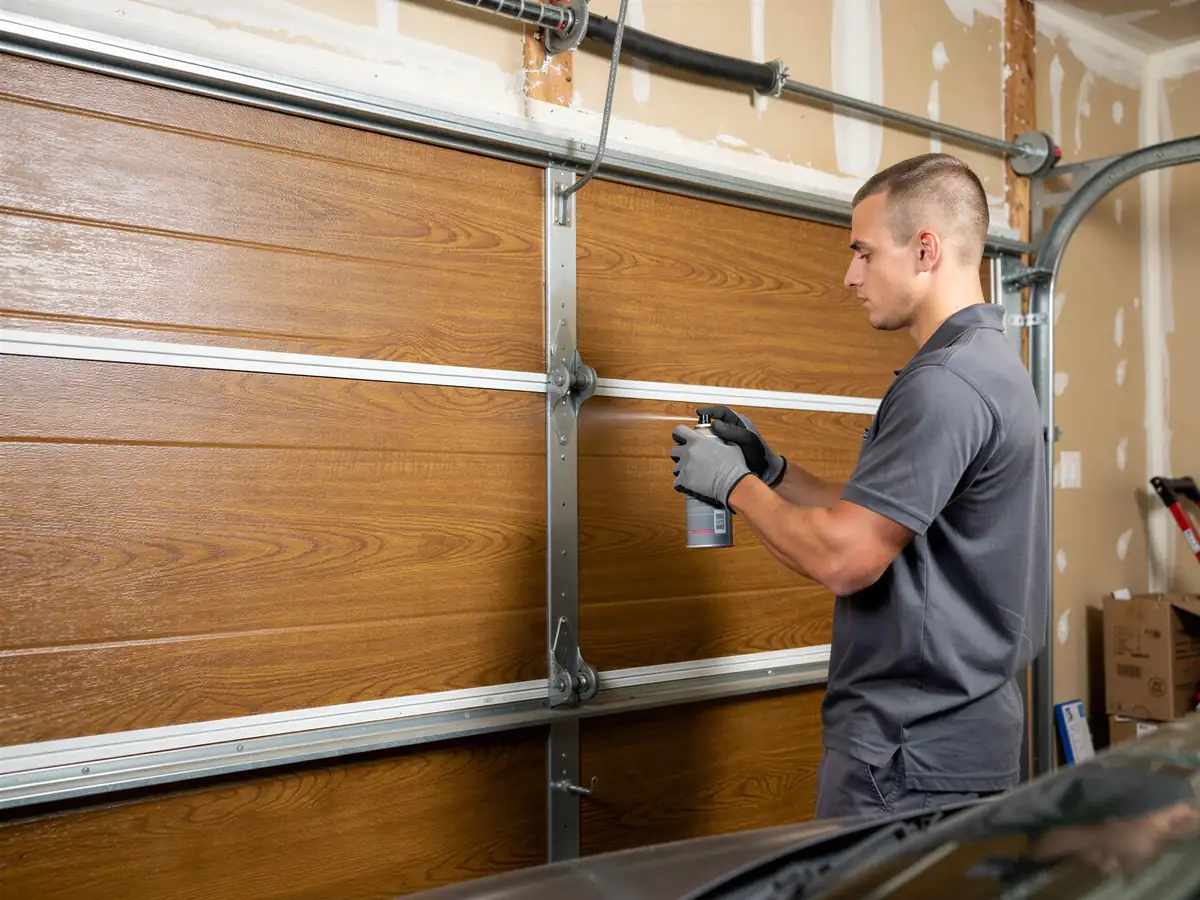
Metairie sits in a mild climate band with occasional freeze nights, not the deep-freeze swings that crack hardware up north. That matters because the failure pattern here isn't cold-snapped springs - it's humidity and salt air working on metal year-round. Galvanized coating on torsion springs and track bolts wears unevenly in this kind of damp-warm cycle, and we see surface rust on hardware that still has years of life left in the spring steel itself. Freeze nights are rare but not zero, so a track that's slightly out of plumb from heat expansion in July can bind up on the one cold morning in January. We don't assume rust means replace - a lot of the time it's cosmetic and the spring is fine underneath. What we actually check is whether the coating failure has reached the wire itself, because that's the difference between a $20 fix and a full spring swap. Lubrication schedules also run different here than they would somewhere drier; a once-a-year oiling isn't enough when the air itself is corroding the parts between visits.
When to Get Help
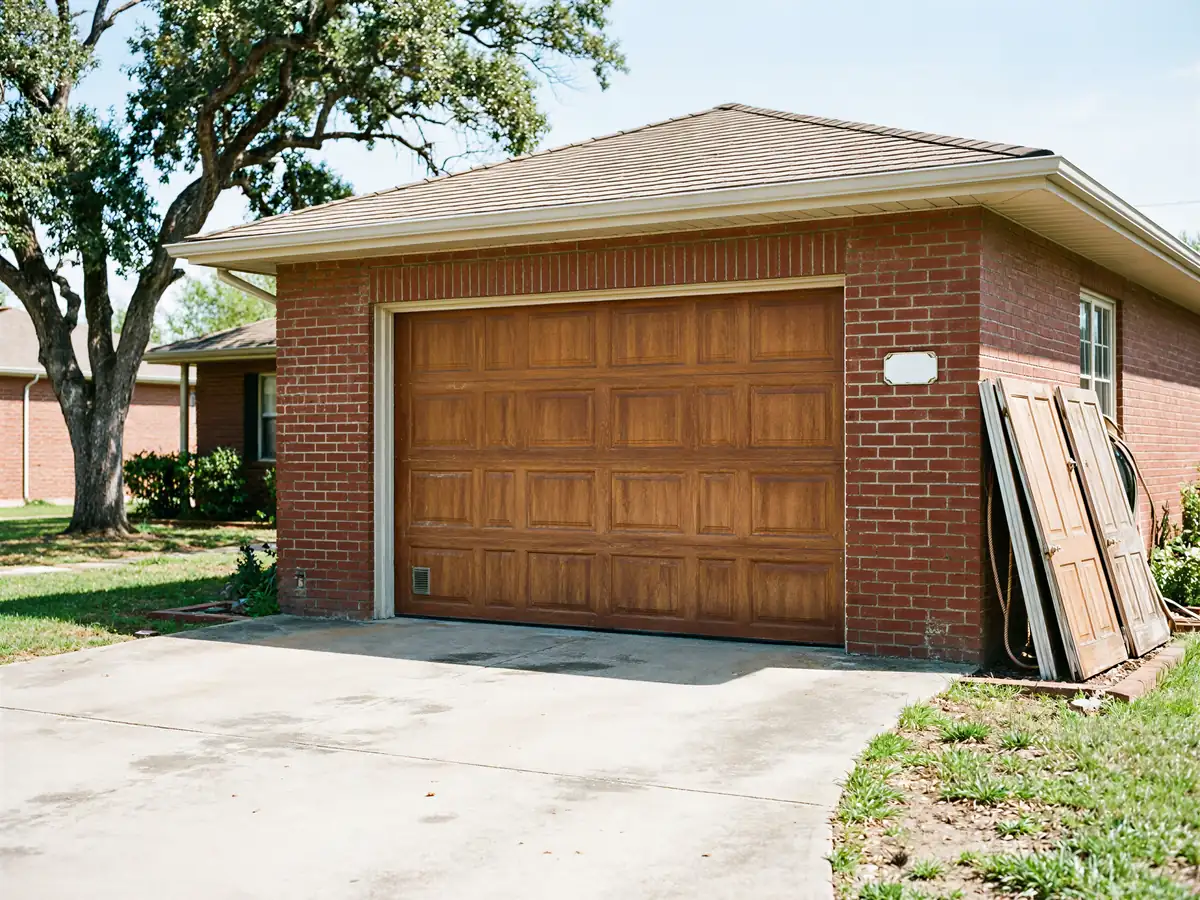
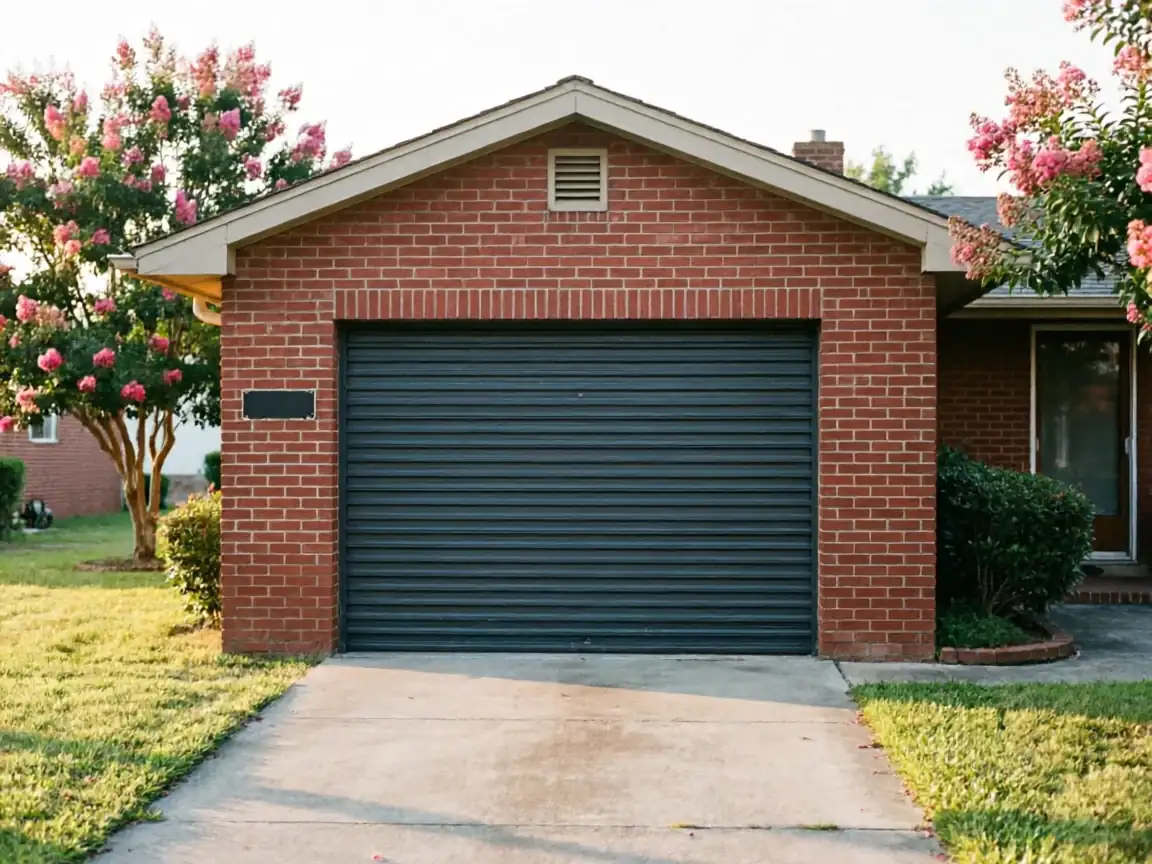
A lot of Metairie housing dates from 1958 to 2001, with the bulk of it from the 1980s and 90s across the 36 areas we work in, from out to Elmwood and River Ridge. That means most doors we're called to aren't brand new installs - they're original or first-replacement hardware on houses pushing 30 to 60 years old. If your door is from that era and it's started making a grinding noise on the way down, or the opener strains and reverses partway, don't keep running the opener through full cycles hoping it clears itself. Repeated cycling on a spring that's already fatigued is how a clean break happens instead of a slow one. Call before the door gets stuck halfway, not after - a stuck door with a broken spring is a bigger, pricier job than one caught while it's still moving slow.
What Is Going On
With median household income at $67,099 and roughly 82,882 owner-occupied houses against 156,235 households across the service area, a good share of the garage doors we see are the original units that came with the house when it was built sometime in that 1958-2001 window. That's relevant because older torsion setups, especially anything pre-1990s, often use parts that aren't stocked the way current hardware is - a specific drum size or a shaft diameter that newer kits don't match. We'll tell you straight if your setup is one of those; sometimes the fix is a full hardware swap to current parts rather than a like-for-like replacement, because the original part just isn't available anymore. That's not us upselling - it's the actual state of the supply chain for 30-to-40-year-old garage door components.
What to Check
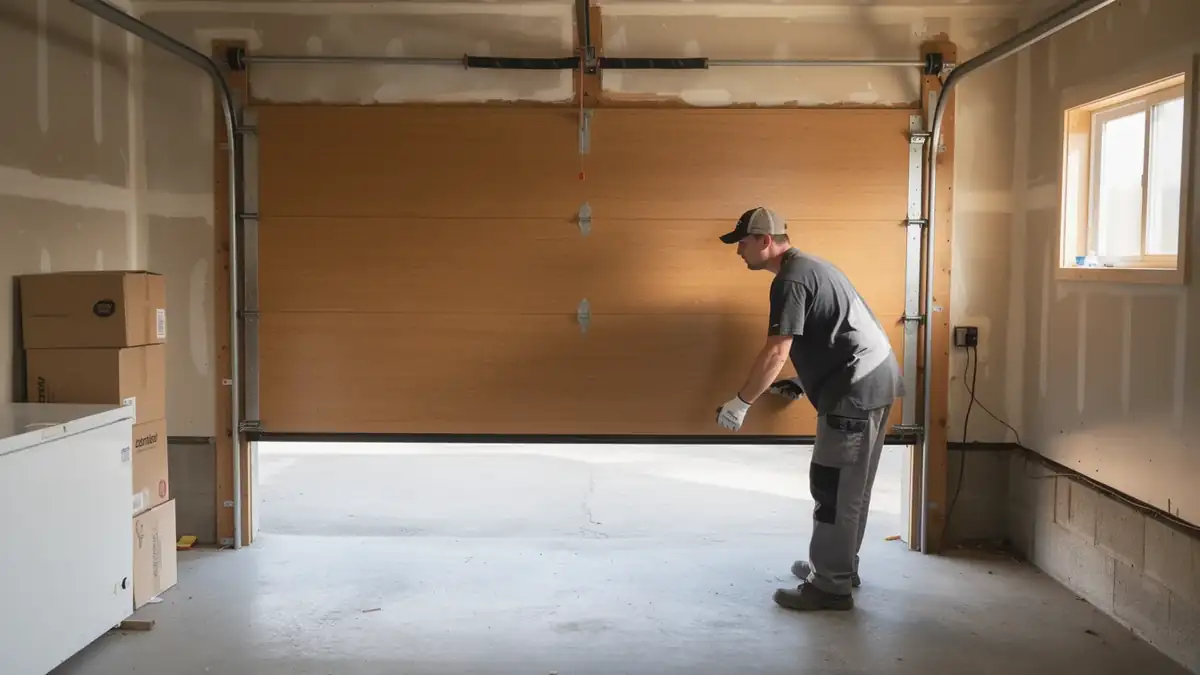
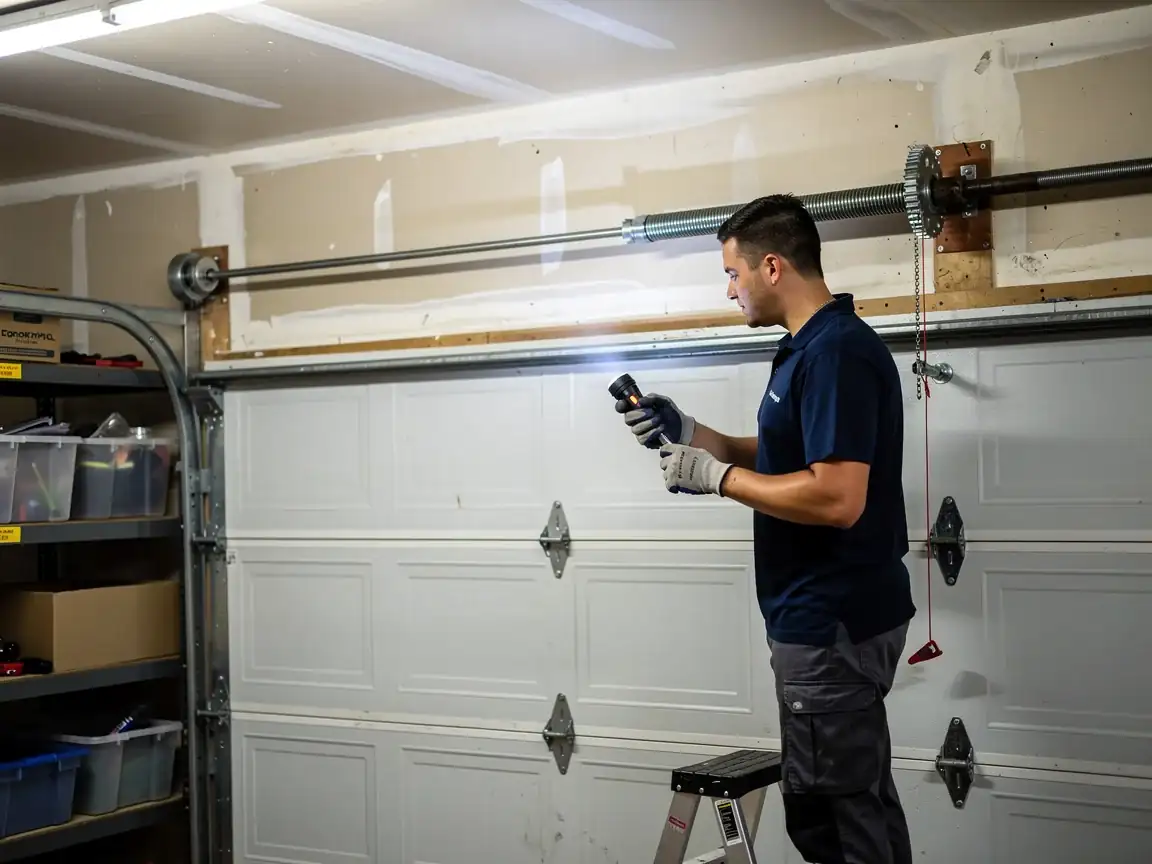
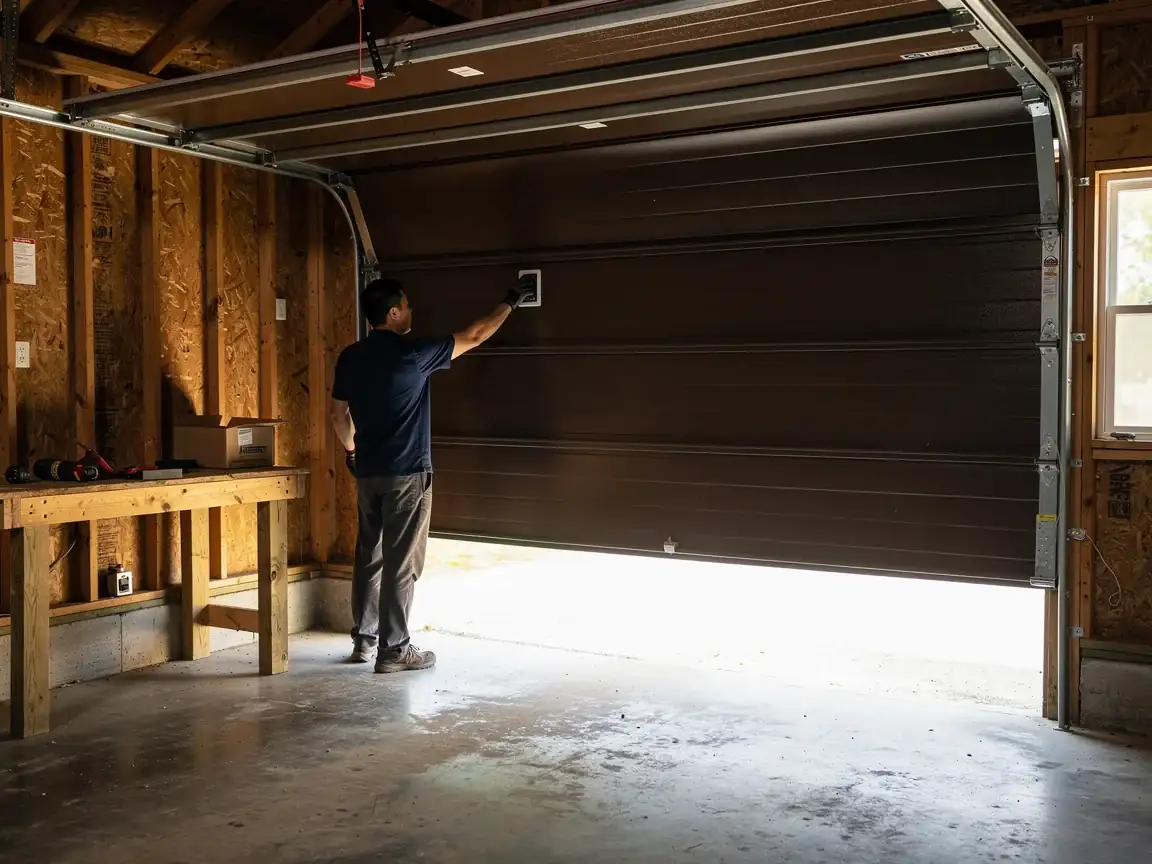
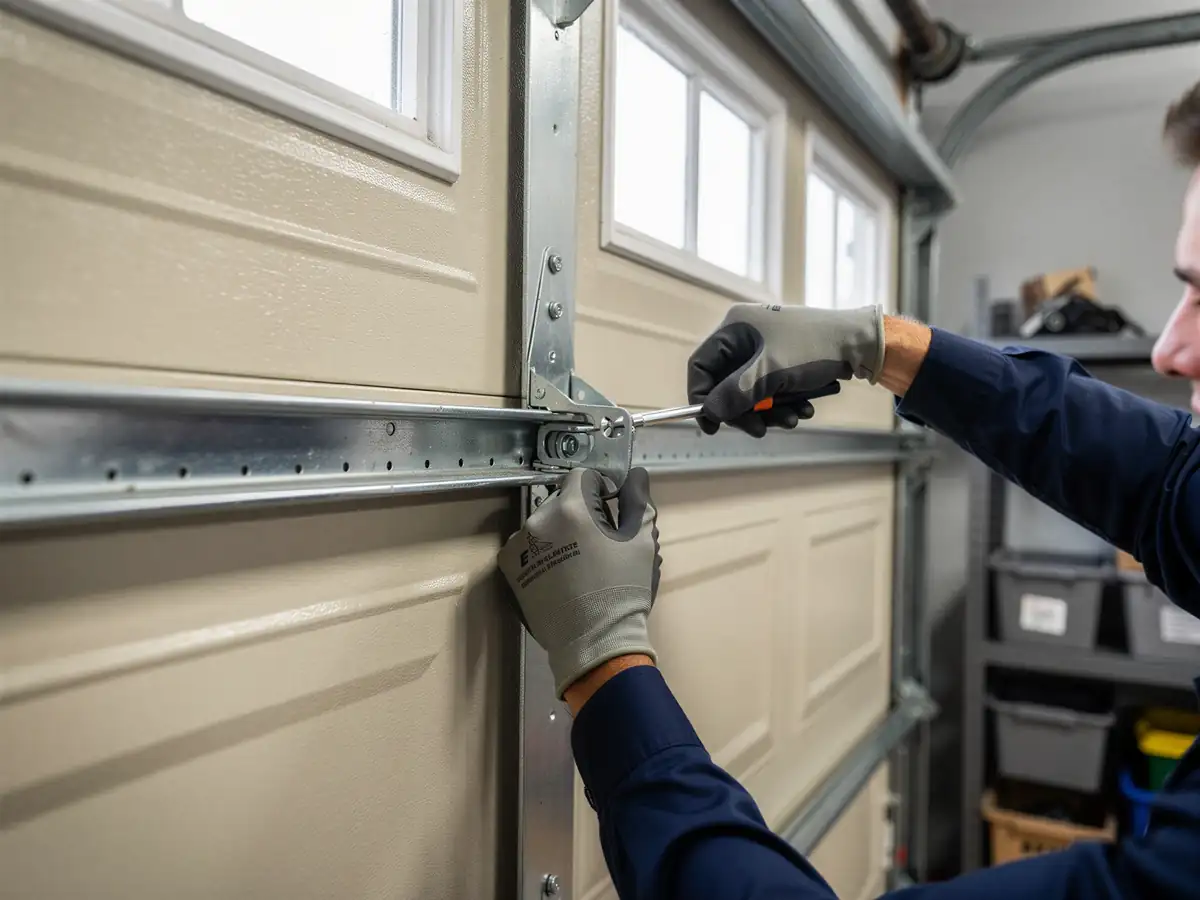
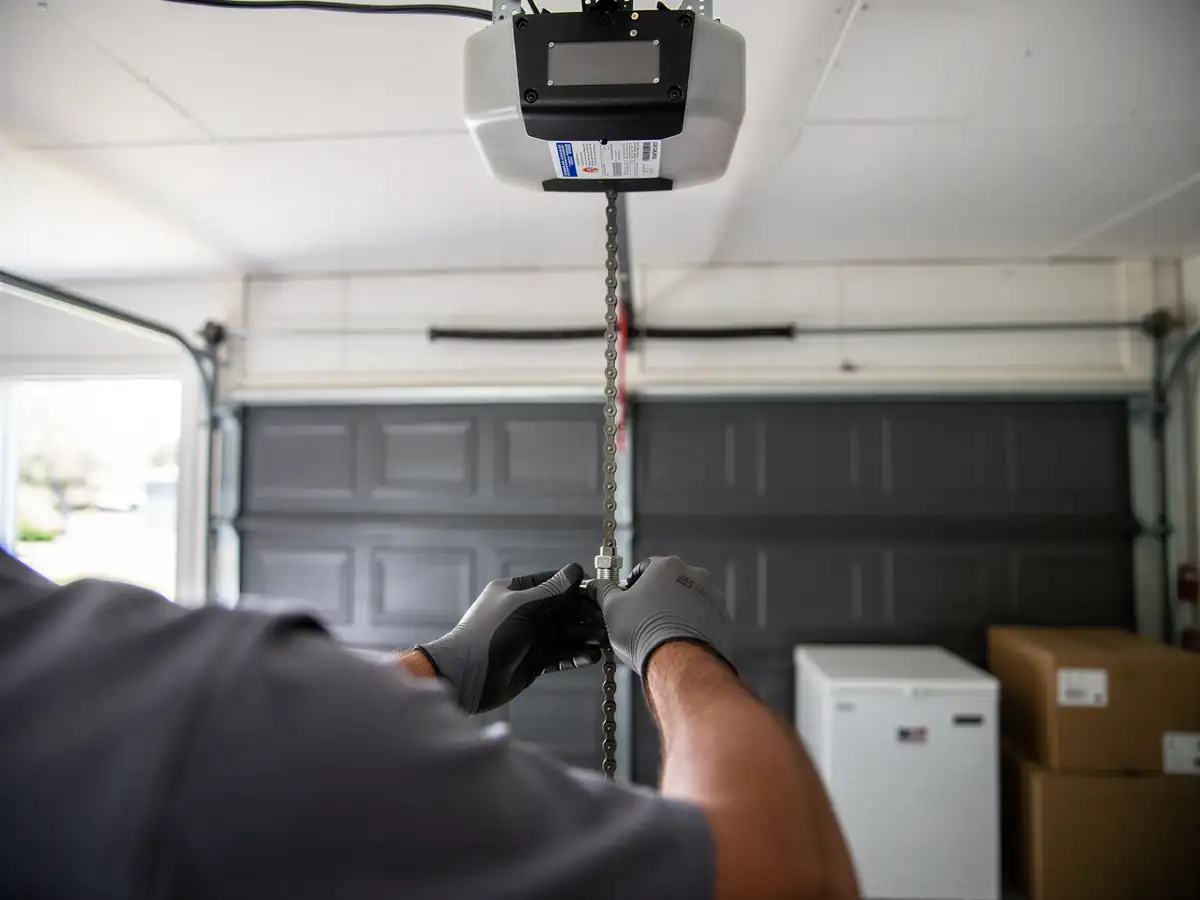
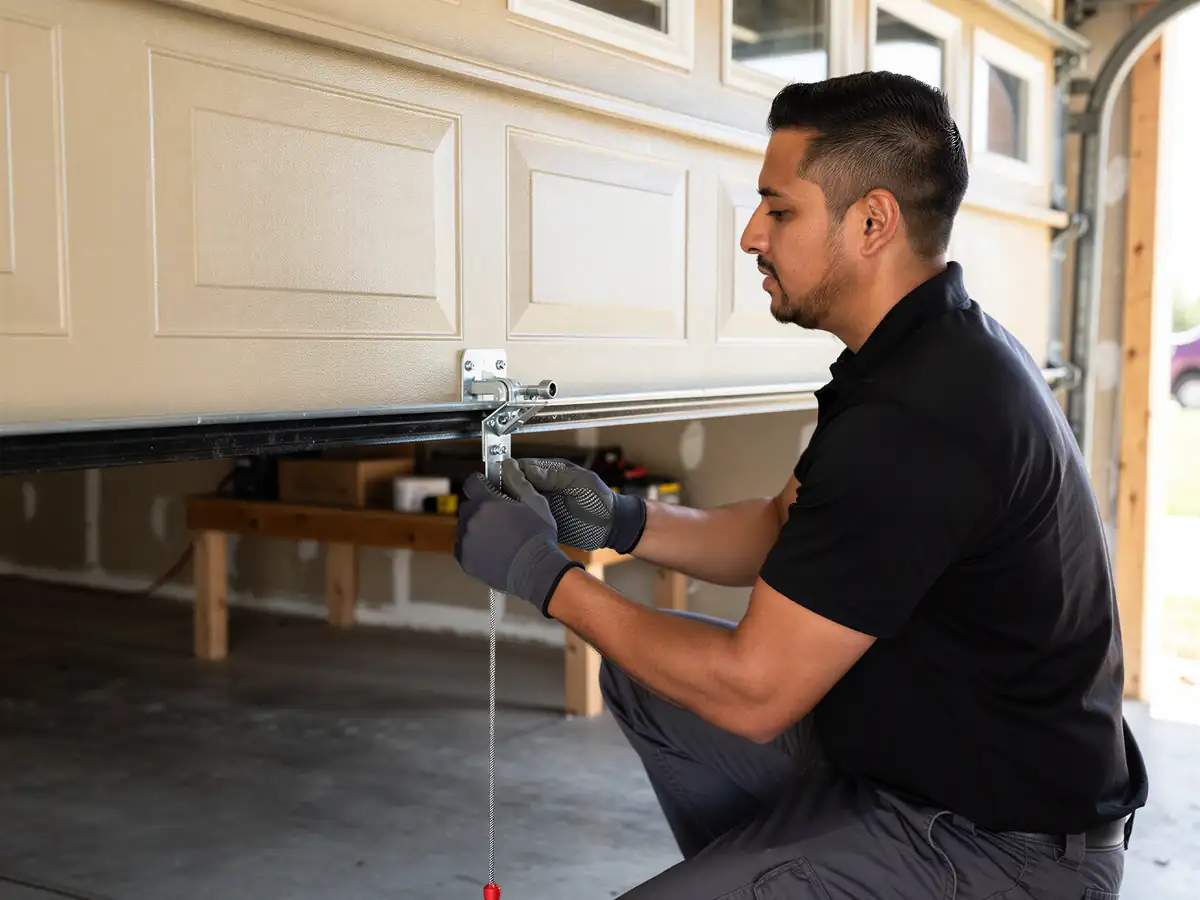
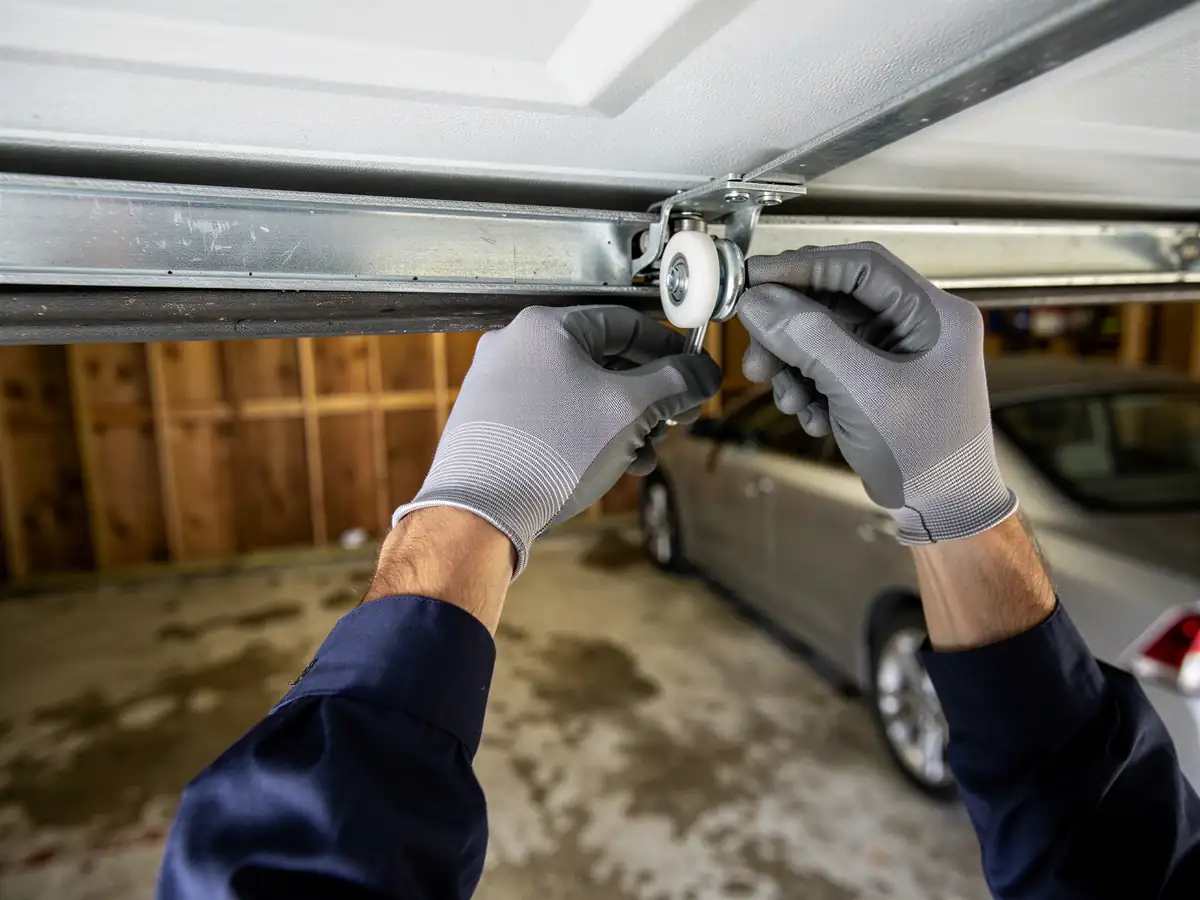
Before you call anyone, here's what to look at yourself. Check the springs above the door for visible gaps in the coils - a spring that's separated even slightly is broken, full stop, and the door shouldn't be opened again until it's replaced. Look at the tracks for rust bloom at the bolt points, which is common on houses from the 1980s-90s stock in this area given the humidity. Listen for a grinding sound right as the opener starts; that's usually a roller or bearing, not the spring, and it's a cheaper fix. And check that the door reverses when it hits resistance - if it doesn't, stop using the opener until that's fixed, because that's a safety issue, not a convenience one. One honest limit: if your spring is already broken, we're not going to walk you through replacing it yourself over the phone. Torsion springs under tension are dangerous to work on without the right bars and experience, and that's the one job on this list we'll always come out for.
How it works
From “it’s stuck” to “it’s fixed”
01
Tell us what’s wrong
Describe the symptom - won’t open, loud bang, opener runs but the door won’t move.
02
On-site diagnosis
A technician tests the door under power and by hand and finds what actually failed.
03
Clear, up-front plan
You get the fix that’s needed and what drives the cost - before any work starts.
04
Repaired & tested
The repair is done, the door is set true and tested, and the work area left clean.
Not sure which repair your door needs in Metairie, LA? Describe what it’s doing - every job starts with a diagnosis.
The mild, humid climate here with only occasional freeze nights means metal hardware corrodes steadily year-round instead of being stressed by hard winter swings. Galvanized coatings on springs and track bolts break down faster in this kind of damp air, so surface rust shows up well before the metal itself is actually weak.
My house was built in the 1980s - is the door original?
A lot of houses in this area date from 1958 to 2001, with the bulk from the 1980s and 90s, so yes, it's common to still have original torsion hardware. Parts for that era aren't always stocked anymore, so a repair sometimes turns into a hardware upgrade rather than a straight swap.
Is a broken spring an emergency?
It's urgent but not something to panic over. Stop using the opener once you see a gap in the coils, and don't try to force the door open or closed. Springs under tension are dangerous to handle without the right tools, so this is one job we always recommend calling for rather than attempting yourself.
Ready to get your garage door sorted?
Tell us what it’s doing and where you are in Metairie - we’ll take it from there.