The Cost of This Job
We don't post a flat number here because roller jobs vary more than people expect
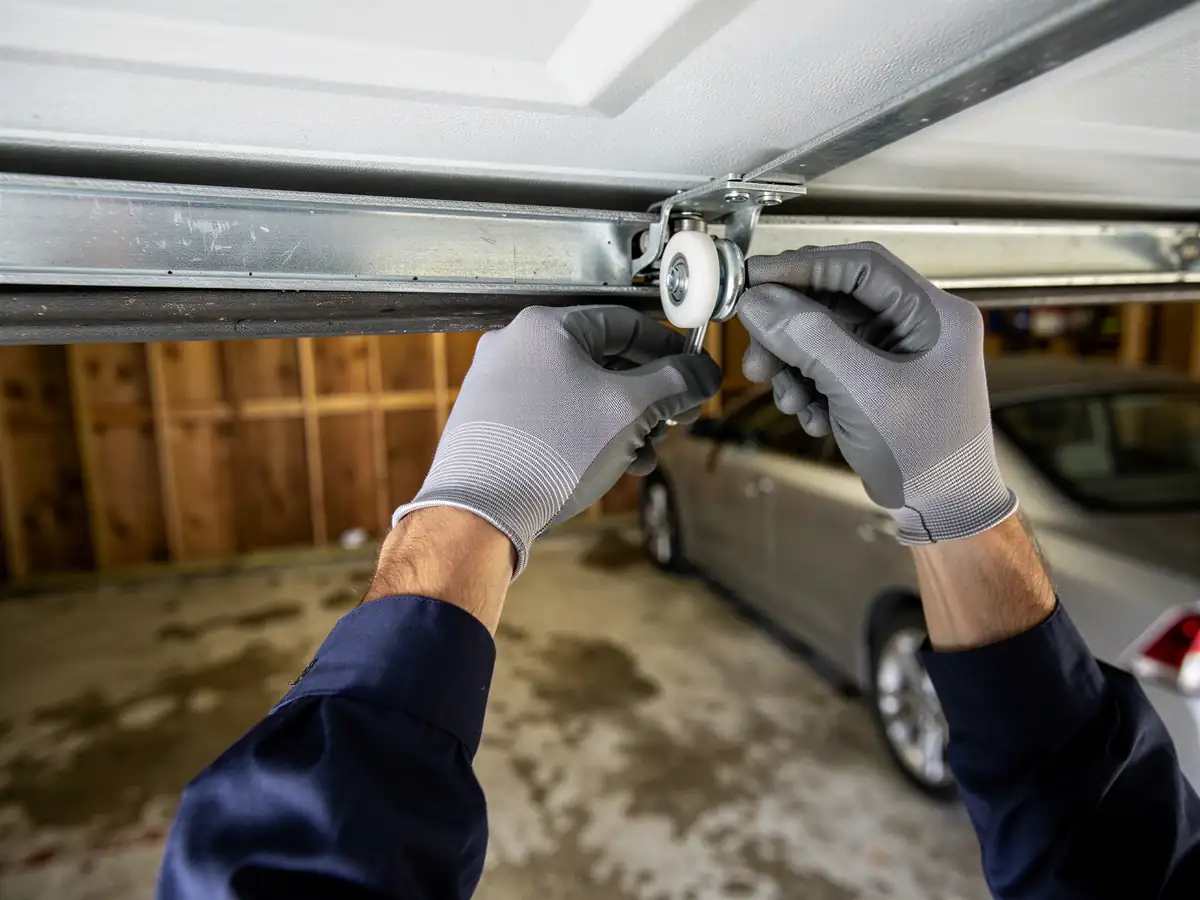
A single cracked roller on a light aluminum door is a quick swap. A full set of eight or ten rollers on a heavier steel door, especially if the track has to come off and get re-aligned, is a longer job with more parts. Nylon rollers with sealed bearings cost more per roller than the old steel ball-bearing kind, but they run quieter and don't need the lubrication steel rollers do, which matters in a climate that sees humidity most of the year.
What drives the final number on most Metairie calls is condition, not just roller count
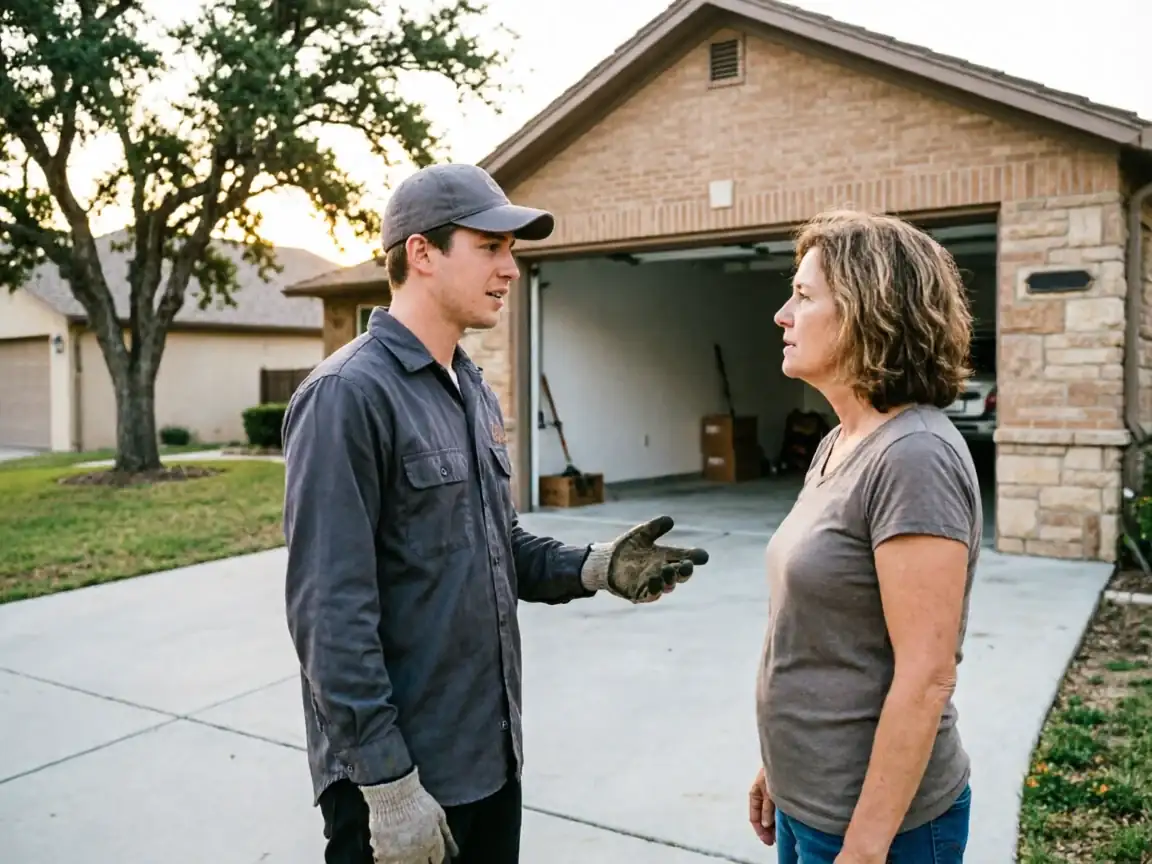
If the track is bent or the hinges holding the rollers are worn oval instead of round, replacing rollers alone won't fix the noise or binding - the hinges and sometimes a section of track come along for the ride. We'll tell you straight if that's the case rather than sell you rollers that won't solve what you're hearing.
One honest limit: if your door was installed before the mid-1980s and uses a roller size nobody stocks anymore
We may need to source an adapter or swap the full roller-and-hinge assembly rather than a like-for-like part. That adds a little time and cost versus a straightforward swap.
How Long It Takes
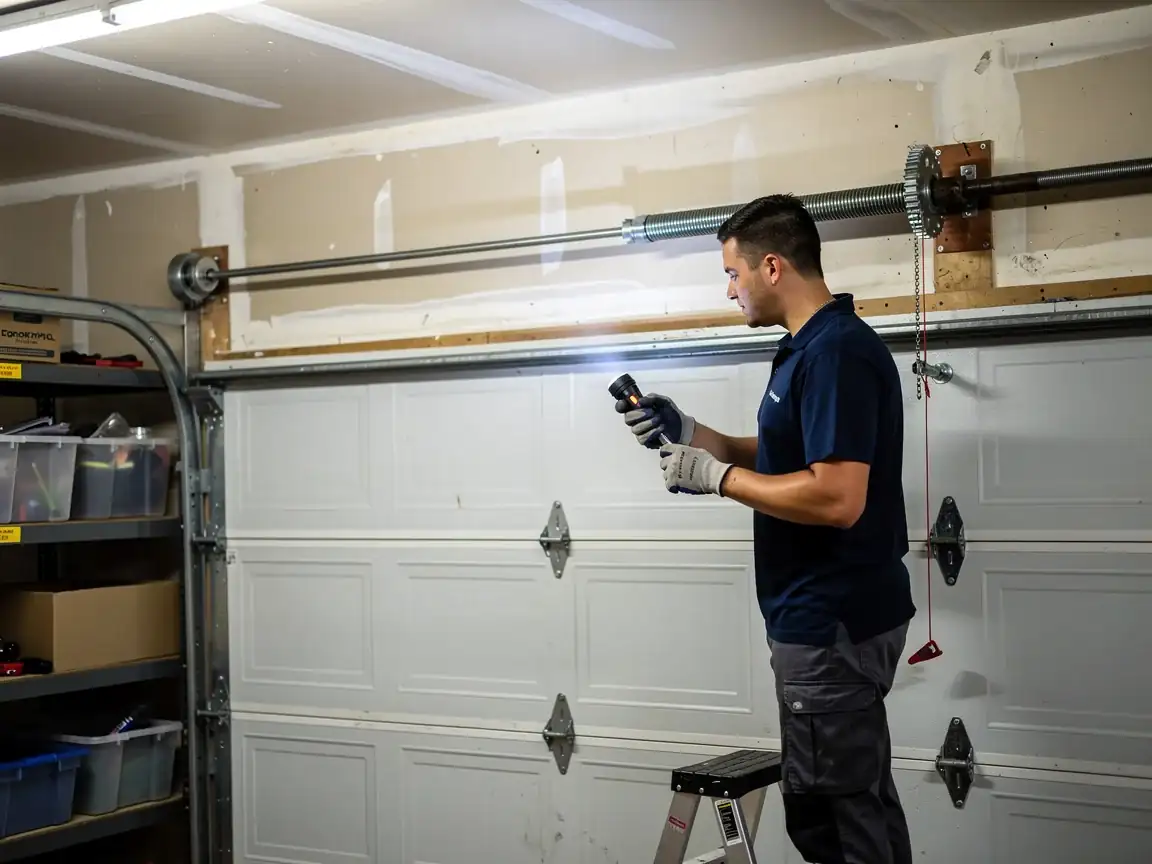
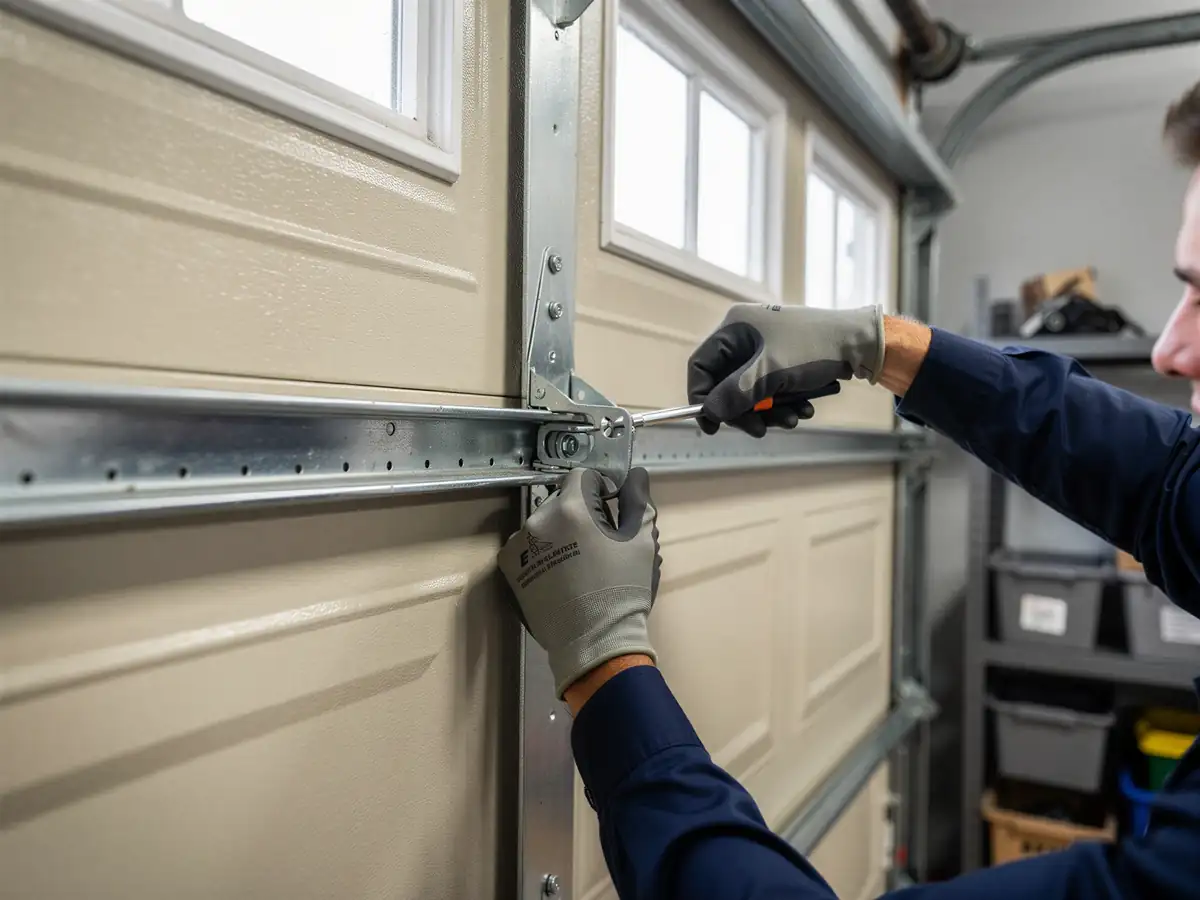
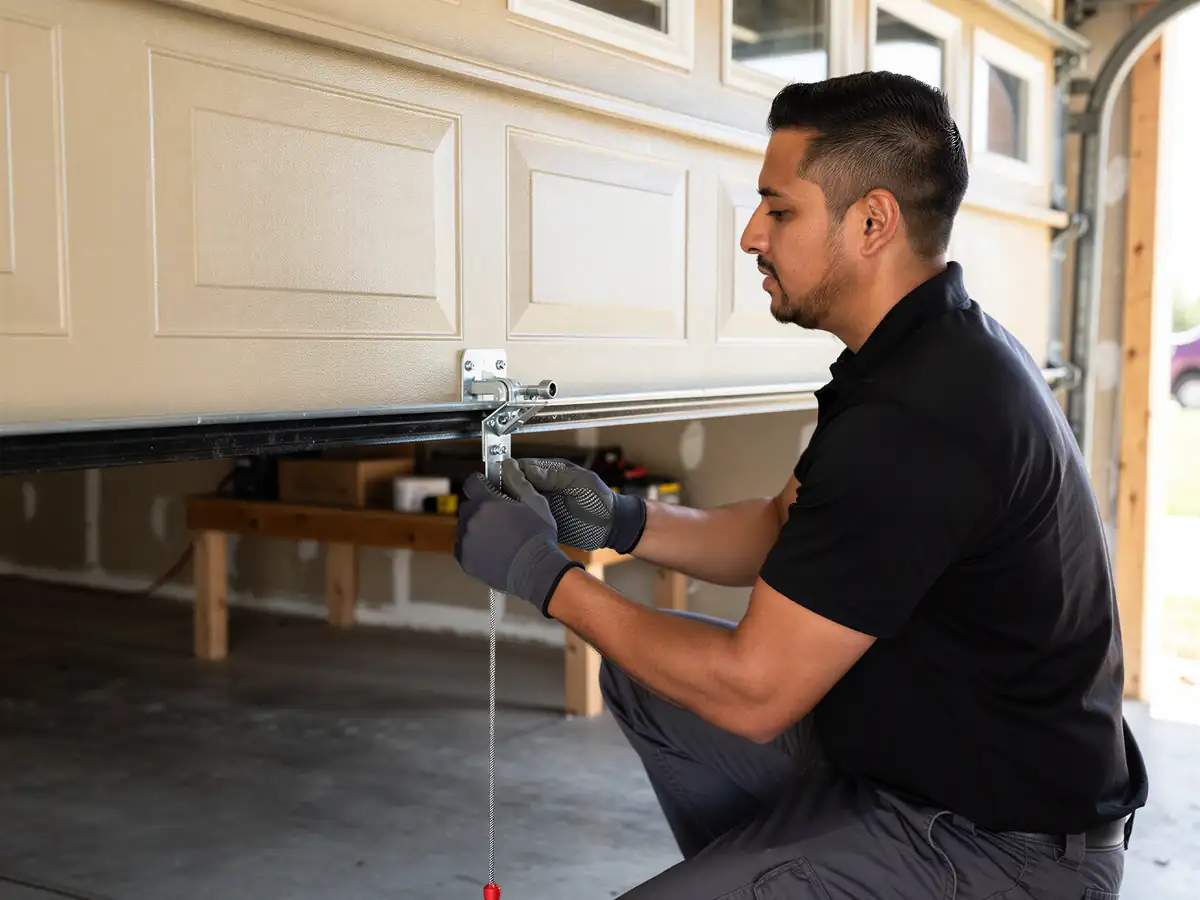
A standard roller replacement - most or all rollers on one door, track in reasonable shape - runs about an hour to ninety minutes once the truck is on site. That's consistent whether the house is near the lakefront side of Metairie or further out toward the parish line; the roller mechanism itself doesn't change by address.
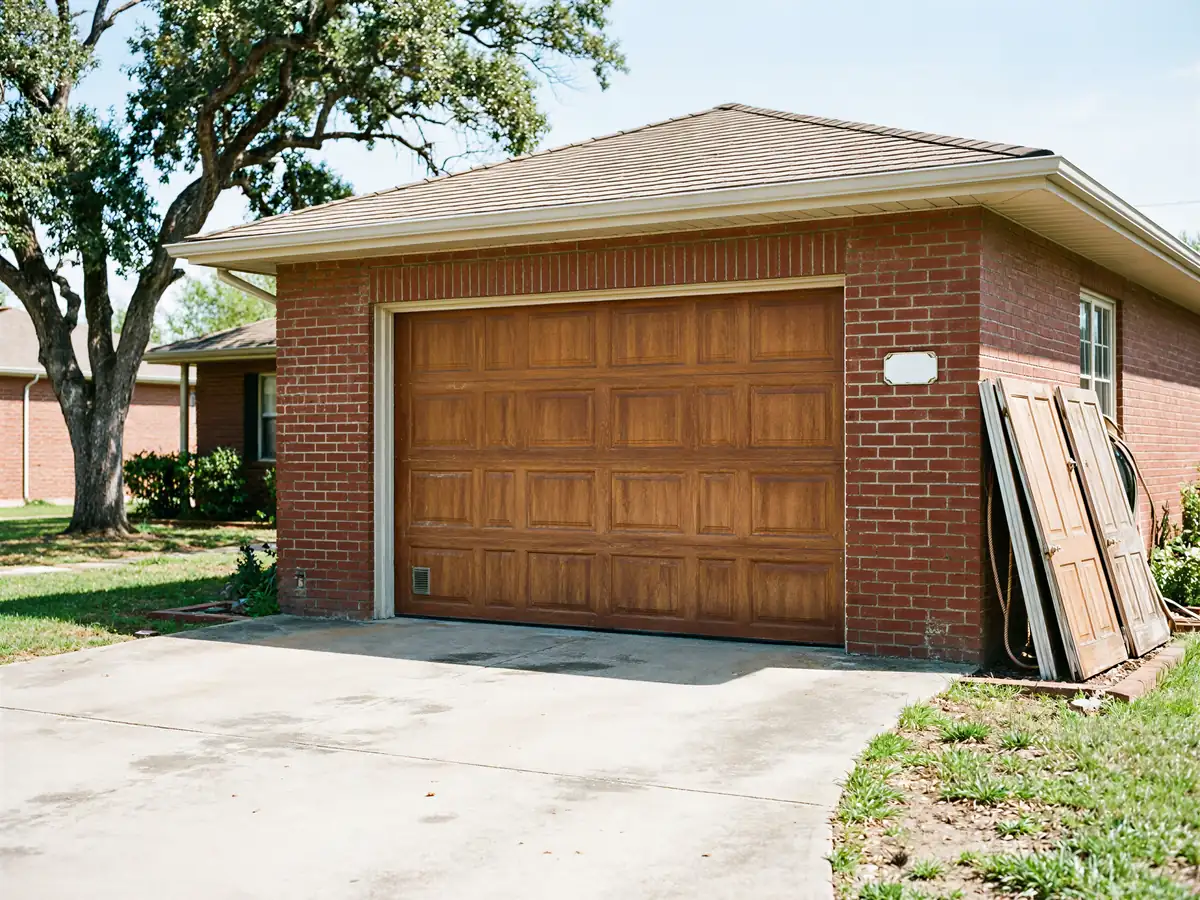
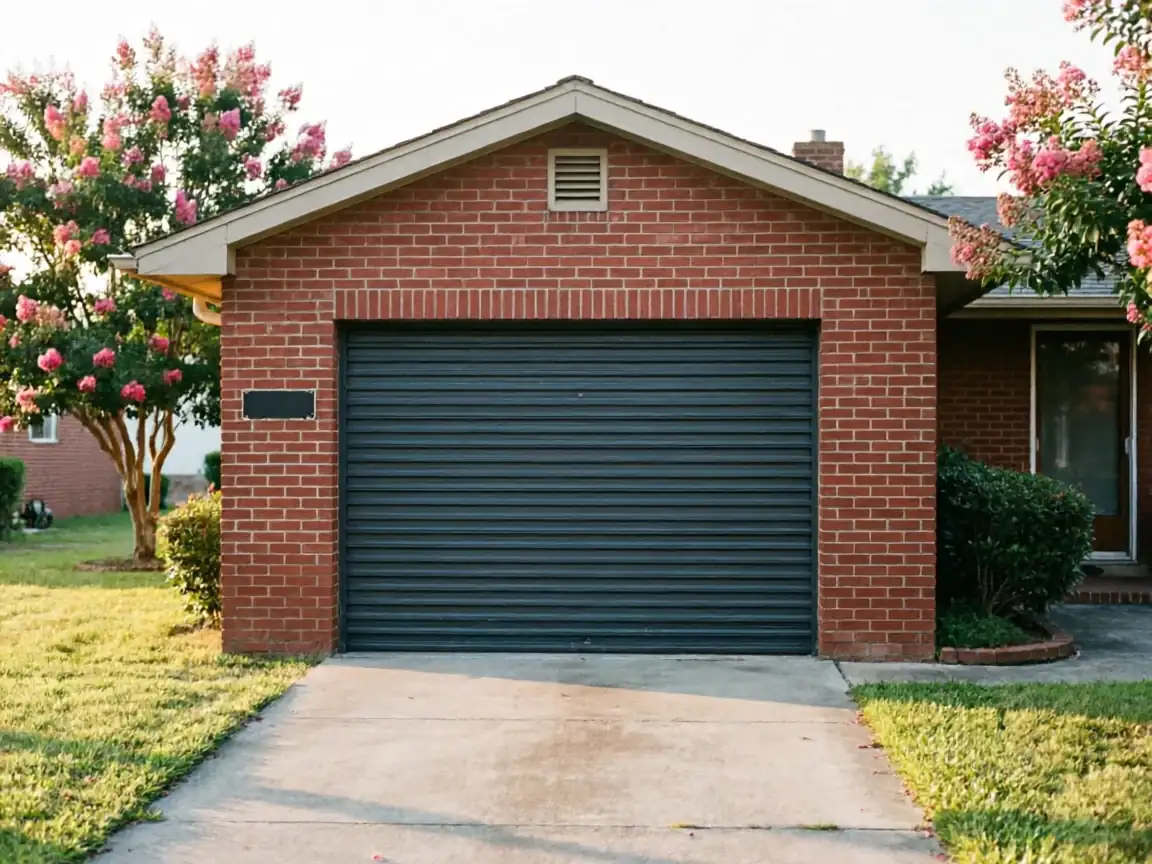
What stretches the job is track condition, and that's where Metairie's housing stock matters. A lot of the doors we see are original or near-original to houses built between 1958 and 2001, with the bulk of that stock going up in the 1980s and 90s. Track brackets from that era were often fastened straight to wood jamb framing that's shifted slightly over 30-40 years of humidity and seasonal movement. When the track has racked out of parallel, we spend extra time re-setting and re-leveling it before the new rollers go in, because a new roller in a crooked track will wear out again fast.
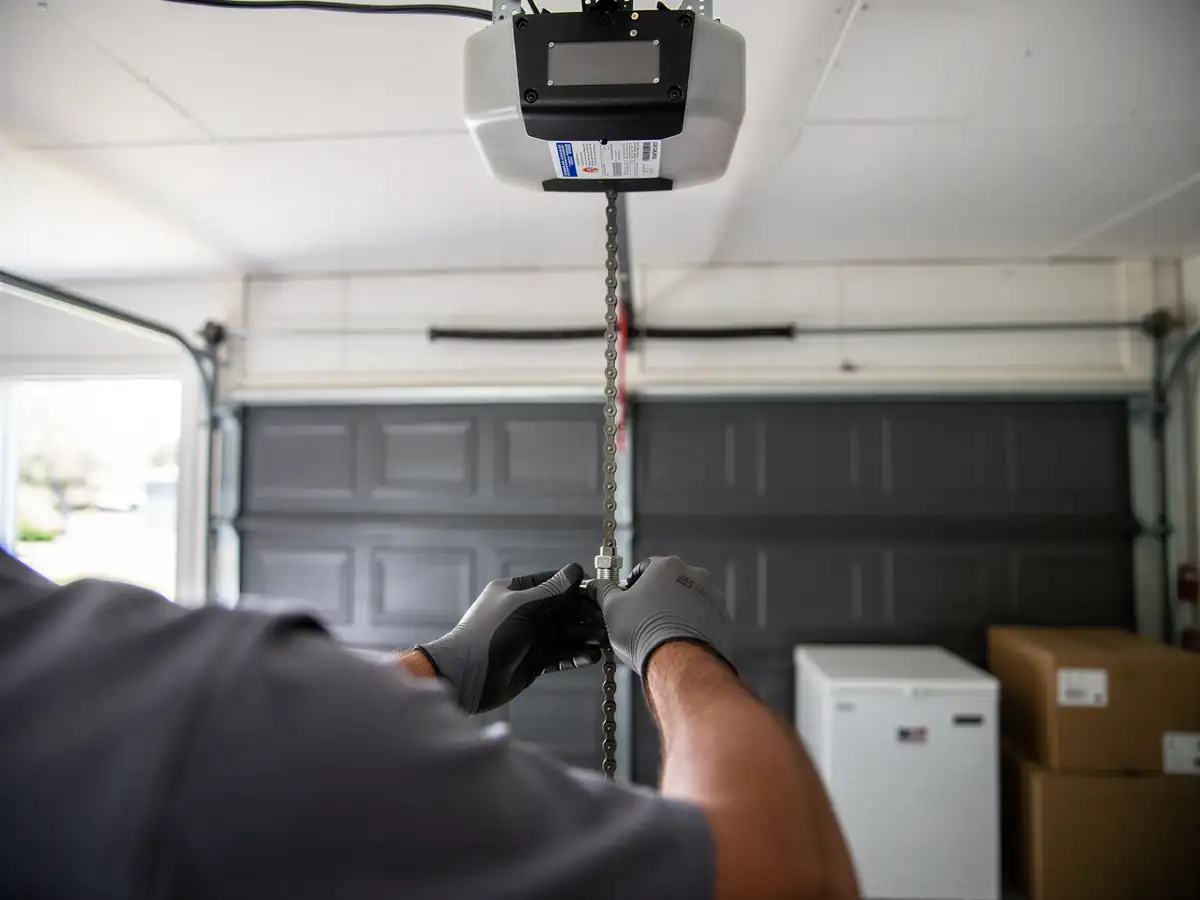
If we find spring tension is off while we're in there - common on doors this age - we'll flag it, but that's a separate repair and we won't bundle it into a roller job without telling you first.
How It Shows Up
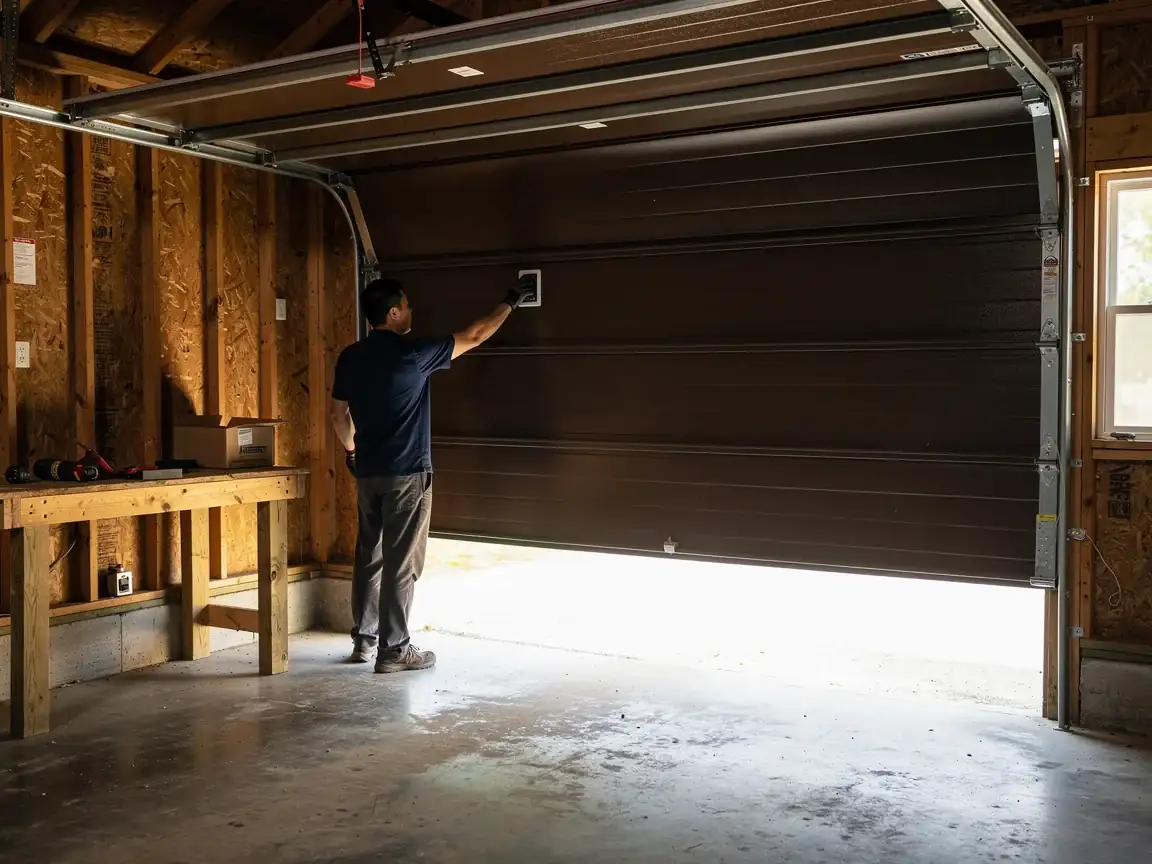
The most common complaint we get is grinding or scraping on the way up or down, usually loudest about two-thirds of the way through the cycle where the roller hits a worn patch in the track. Steel rollers that have lost their bearing grease will squeal; nylon rollers that have cracked will thump as the flat spot rolls through.
A door that jerks or hesitates at the same spot every time, rather than running smooth the whole way, is almost always a roller or track issue rather than a spring or opener problem. If the whole door is slow or won't move at all, that's usually something else - we'll say so rather than charge you for rollers that aren't the actual fault.
Visually, look at the roller itself where it sits in the track: flat spots, chips in the nylon, or a steel roller with rust bleeding around the bearing are all signs it's past replacing. Rollers rarely fail all at once - one goes first, usually the one carrying the most weight near the bottom bracket, and the rest follow within a year or two since they've all logged the same miles.
What Causes It Around Here
Two things drive roller wear in Metairie more than anything else
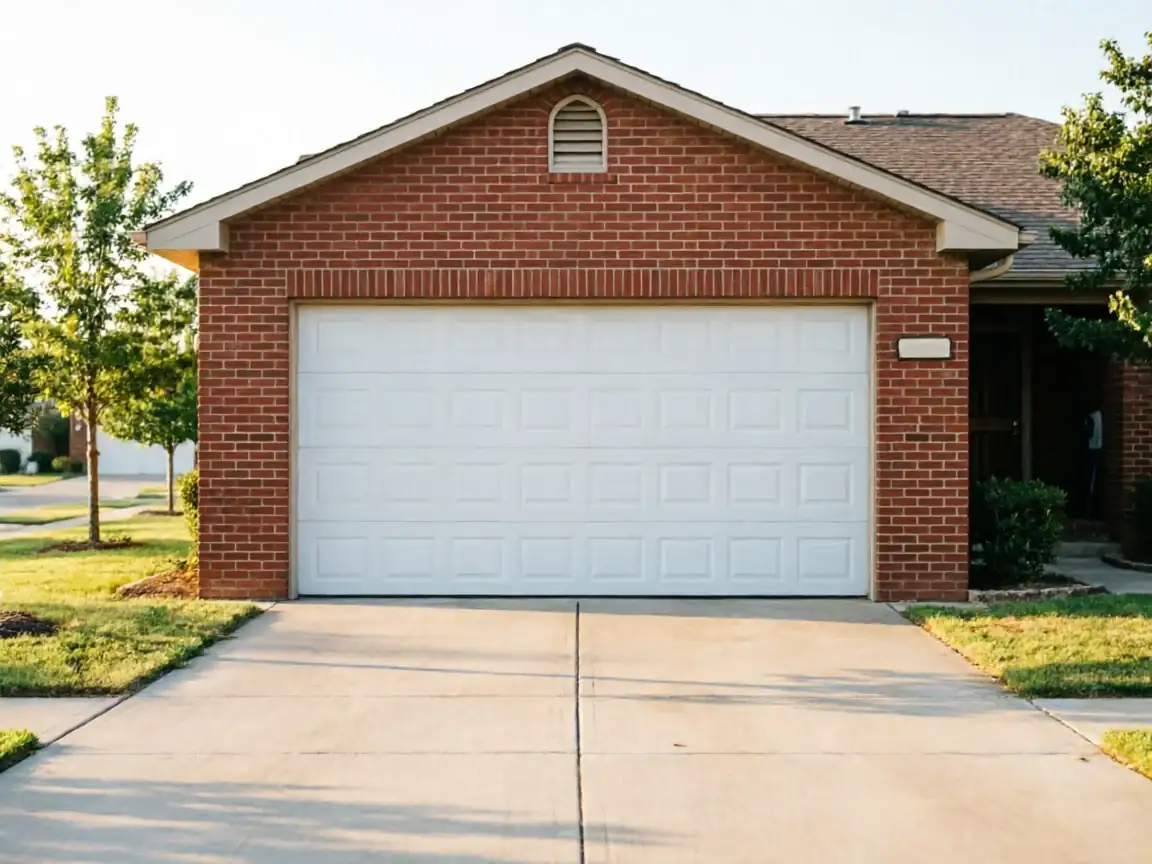
The age of the housing stock and the climate. Most homes in the service area were built between 1958 and 2001, with the median landing around 1980, which means a large share of the doors in use today are old enough that their original rollers - steel, unsealed, needing regular grease - are well past a normal service life measured in cycles, not years.
The climate side is mild with occasional freeze
Which sounds easy on hardware but isn't, really. Mild-freeze means the metal doesn't get the deep winter rest that slows corrosion elsewhere; instead rollers sit in near-constant humidity most of the year with just enough cold snaps to make lubricant stiffen and crack rather than stay workable. That combination - old steel rollers, humid air, occasional cold - is a faster path to rust and bearing failure than a dry climate would produce on the same-age door.
Garages that face prevailing wet weather or sit low relative to the yard tend to show it first
Since moisture collects in the track channel itself. We can't fix the climate, but swapping to sealed nylon rollers removes the grease-and-rust cycle that steel rollers are stuck in.