Buying a Replacement Door in Metairie: A Local Guide
A look at why so many Metairie garage doors are reaching the end of their life at once, what the local climate does to steel and track hardware, and when replacement beats another repair.
Metairie sits in a mild climate band with occasional freezes, not the hard freeze-thaw cycling that cracks slabs and warps jambs further north. That sounds like good news for a garage door, and in one way it is - you're not fighting ice expansion on tracks every winter. But mild and humid comes with its own bill. Steel panels and track hardware here take a steady beating from moisture and salt air rather than a seasonal shock, and that kind of slow corrosion is easy to miss until a roller seizes or a track bolt rusts through at the base. Wood-composite doors swell at the seams in the humid months and shrink back when a cold snap comes through, which loosens screws and opens hairline gaps you can see daylight through. None of this is dramatic. It's cumulative. A door that looked fine at the ten-year mark can be structurally tired by year twenty-five simply because the weather never gave the steel or the hardware a real break. If you're buying a replacement door here, galvanized or factory-coated hardware and a track system rated for coastal humidity matter more than they would somewhere drier.
When to Get Help
Most of the houses on this side of Jefferson Parish went up between 1958 and 2001, with the heaviest build-out happening in the 1980s, which means a lot of garage doors in Metairie are original builder-grade steel panels now pushing thirty to forty years old. At that age, a spring failure or a cracked panel usually isn't an isolated problem - it's one symptom of a door system that's aged out as a whole. Call for a look rather than a guess if the door is noticeably heavier to lift by hand than it used to be, if a panel has started to bow or rust through at the bottom seam, or if the opener is straining and reversing on doors it used to run without complaint. We'll tell you straight if a repair makes sense or if you're better off not sinking more money into a door built during the first Reagan administration. One honest limit: once a jamb or header has rotted from long-term water intrusion, that's carpentry work outside a garage door install, and we'll say so rather than quote a door job that won't hold.
What Is Going On
Across the service area - 156,235 households, with 82,882 of those owner-occupied houses - the bulk of the garage door stock dates to the 1980s and 90s, back when single-layer, non-insulated steel was the standard builder spec. Those doors did the job for decades, but they were never built with today's hardware in mind: lighter opener motors, safety sensors, insulated cores that actually help with a Louisiana summer utility bill. When one of these original doors finally fails, it's rarely a quick fix, because the track spacing, spring size, and panel dimensions from that era often don't match what's sold off the shelf now. At a median household income of $67,099 across the area, most owners we talk to are weighing a full replacement against patching something that's going to need patching again in a year or two. That's a real decision, not a sales pitch, and it depends on the specific door in front of us - which is why we look at it in person before we recommend either path.
What to Check
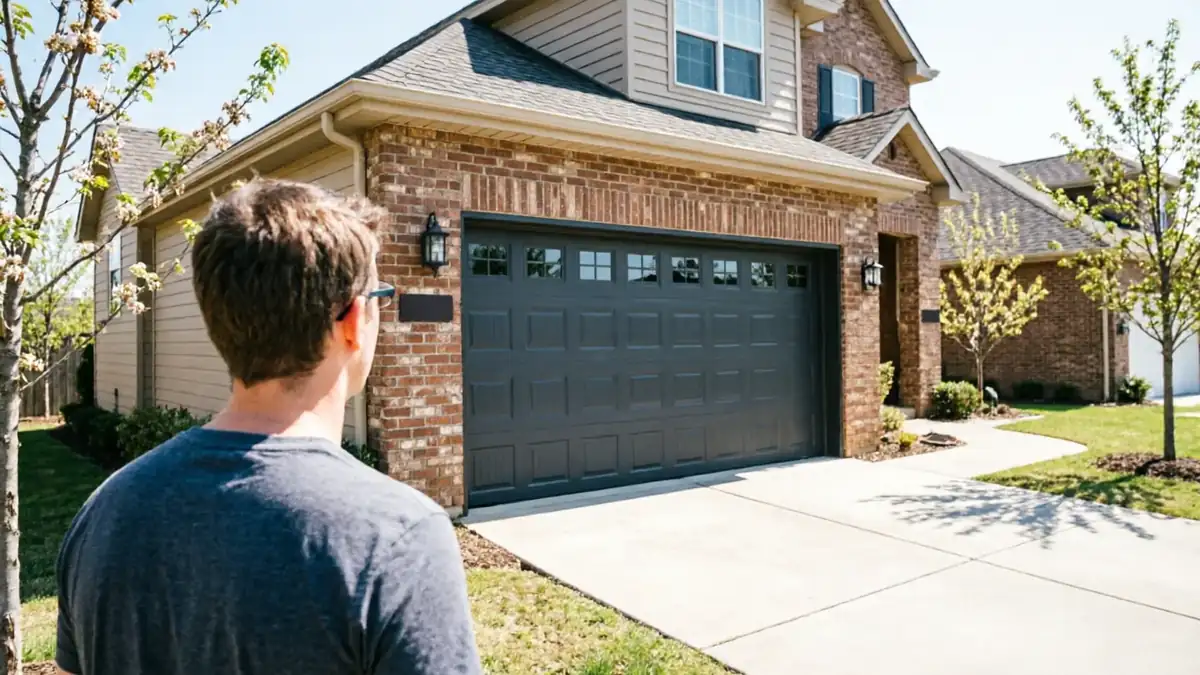
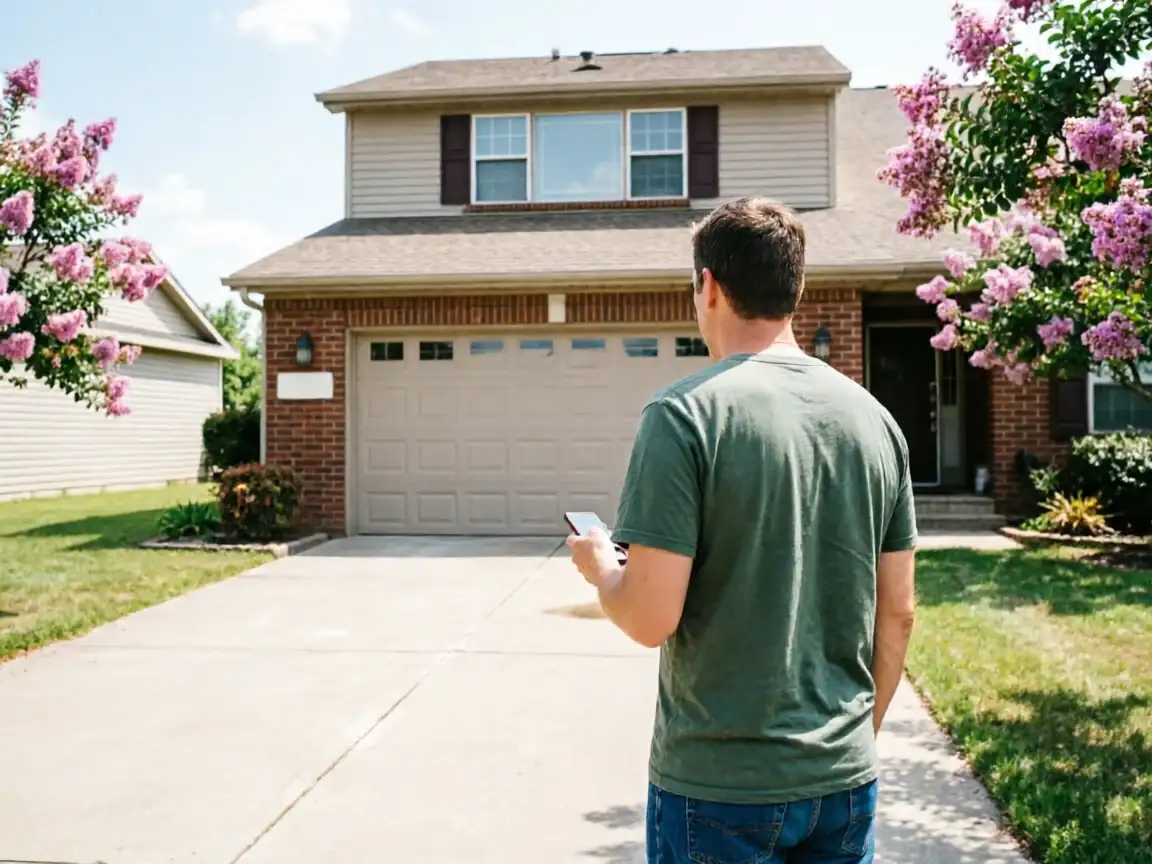
Start with the easy stuff you can see from the driveway. Rust at the bottom of the vertical tracks, especially near the floor, is one of the first signs that moisture has been sitting against the steel longer than it should. Check the bottom panel seam for bowing or soft spots if the door is a builder-grade steel unit from the 1980s or 90s - that's the panel style most common on this side of Jefferson Parish, and it's usually the first to go. Listen for the opener straining on the way up; a motor working harder than it used to is often compensating for springs that have lost tension, not an opener problem at all. If your closest neighbors in Jefferson, three miles east, or Elmwood, also three miles out, are dealing with the same builder-era doors, the fixes and failure points will look familiar - these neighborhoods went up in the same building wave. None of this replaces an in-person look, but it tells you whether you're calling about a repair or starting to shop for a replacement.
How it works
From “it’s stuck” to “it’s fixed”
01
Tell us what’s wrong
Describe the symptom - won’t open, loud bang, opener runs but the door won’t move.
02
On-site diagnosis
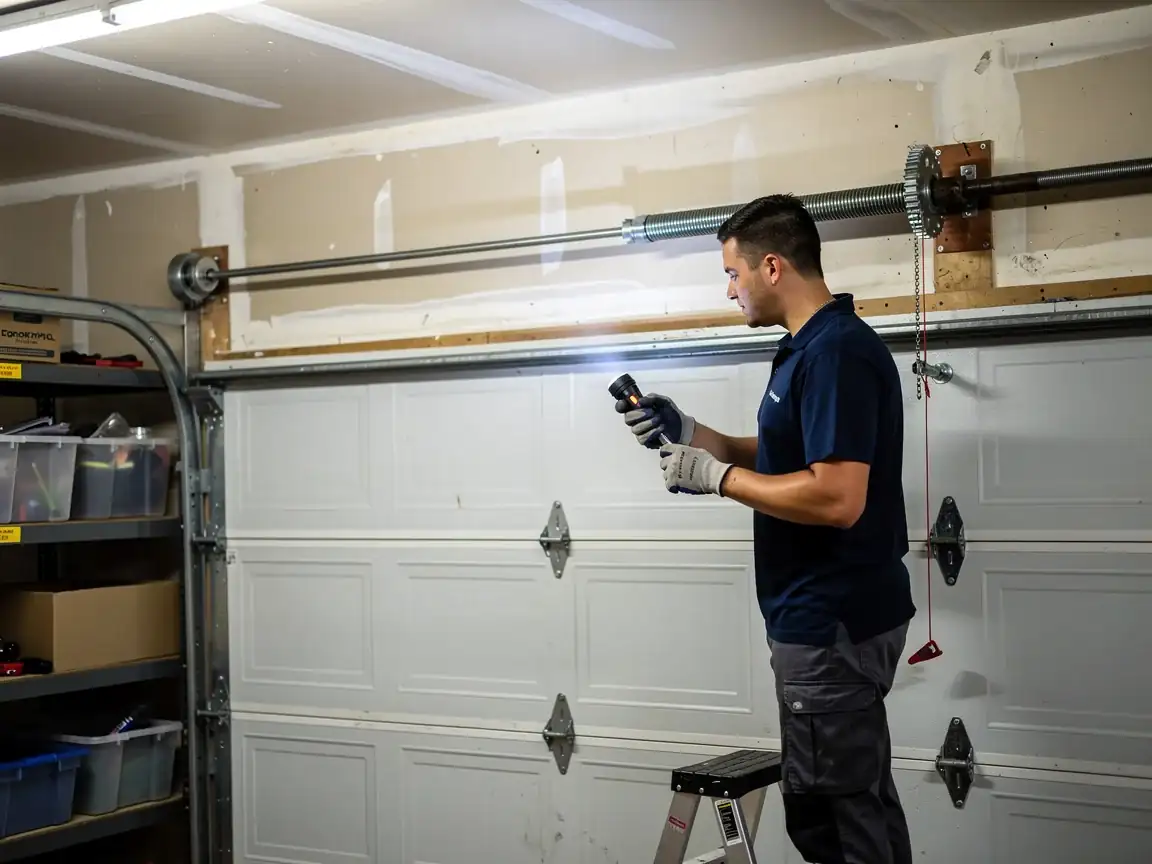
A technician tests the door under power and by hand and finds what actually failed.
03
Clear, up-front plan
You get the fix that’s needed and what drives the cost - before any work starts.
04
Repaired & tested
The repair is done, the door is set true and tested, and the work area left clean.
Not sure which repair your door needs in Metairie, LA? Describe what it’s doing - every job starts with a diagnosis.
How old does a garage door have to be before replacement makes more sense than repair?
It depends on what's failing and how often, but a lot of the original steel doors built here between the 1980s and late 90s are now at the point where parts matching the old track spacing and panel dimensions are hard to source. If you're calling about the second or third issue in two years, that's usually the signal.
Does Metairie's climate affect how long a garage door lasts?
Yes. We're in a mild band with occasional freezes rather than heavy freeze-thaw cycling, but the humidity and salt air steadily corrode unprotected steel tracks and hardware. That slow wear is often the real reason an older door starts failing, even without any single weather event to blame.
Can you match the panel style on an older builder-grade door?
Sometimes, but not always. Doors from the 1980s and 90s building wave across this area often used track spacing and panel sizes that aren't standard stock today, so a single-panel swap isn't always possible. We'll tell you up front if your door needs a full replacement instead.
Ready to get your garage door sorted?
Tell us what it’s doing and where you are in Metairie - we’ll take it from there.