The Cost of This Job
A cable job is priced by what's actually wrong, not a flat number
Because a frayed cable on an otherwise healthy door is a different job than a cable that snapped and took the drum or a bottom bracket with it. The variables that move the price: cable gauge and length, whether both sides need new cable or just one, whether the drums are gouged from the old cable jumping its groove, and whether the spring tension needs to be reset or replaced at the same time. We won't quote a number over the phone before someone looks at the door, because guessing low and then finding a chewed-up drum underneath helps nobody. One honest limit: if the drums or the shaft are worn past spec, replacing just the cable is a short-term fix, and we'll tell you that instead of selling you a repair that fails again in a year. Across the service area - 82,882 owner-occupied houses, a median household income of $67,099 - most of these jobs land in the range of a standard cable-and-drum repair, not a full door replacement.
- 82,882 owner-occupied
- $67,099 median household income
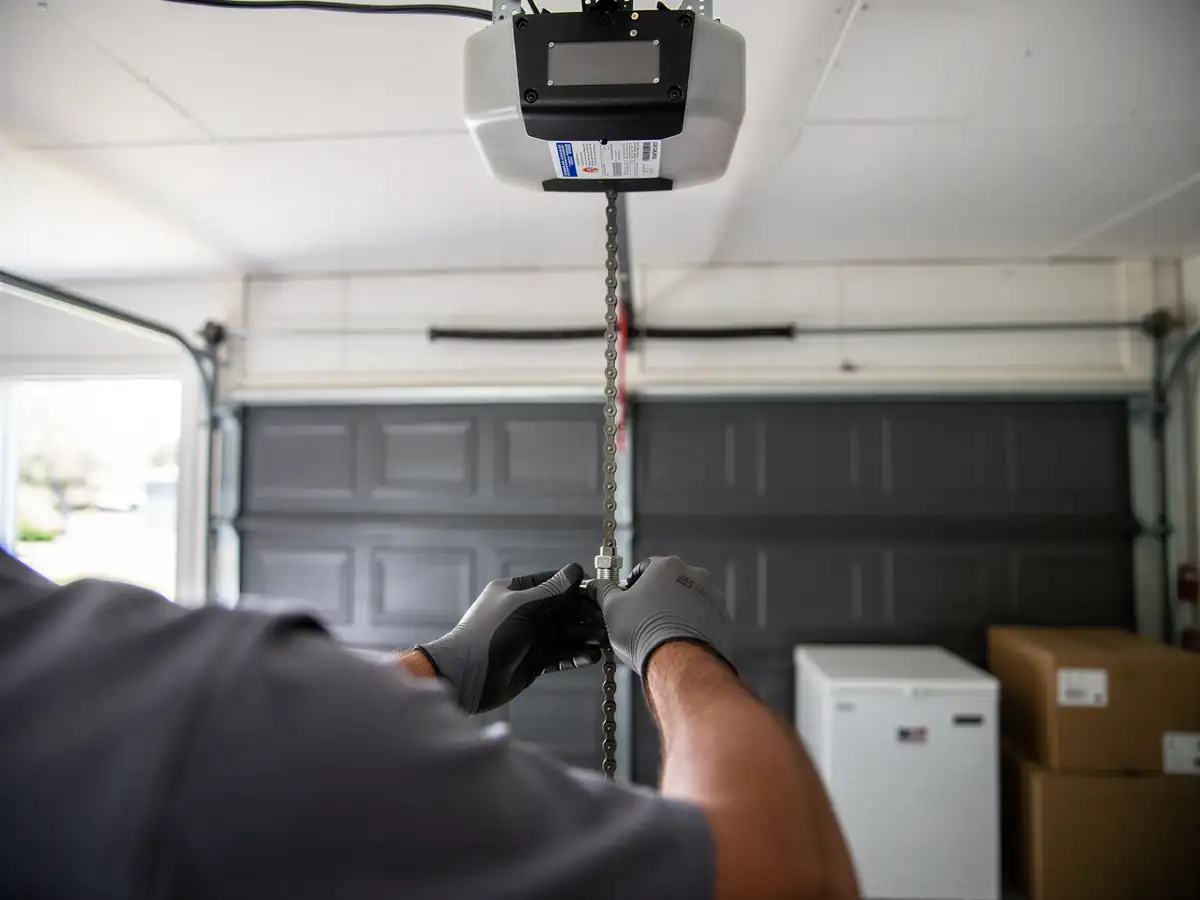
If your opener has been straining or reversing before the snap
That's often a second problem riding along with the cable, and it's worth having both looked at in the same visit.
How Long It Takes
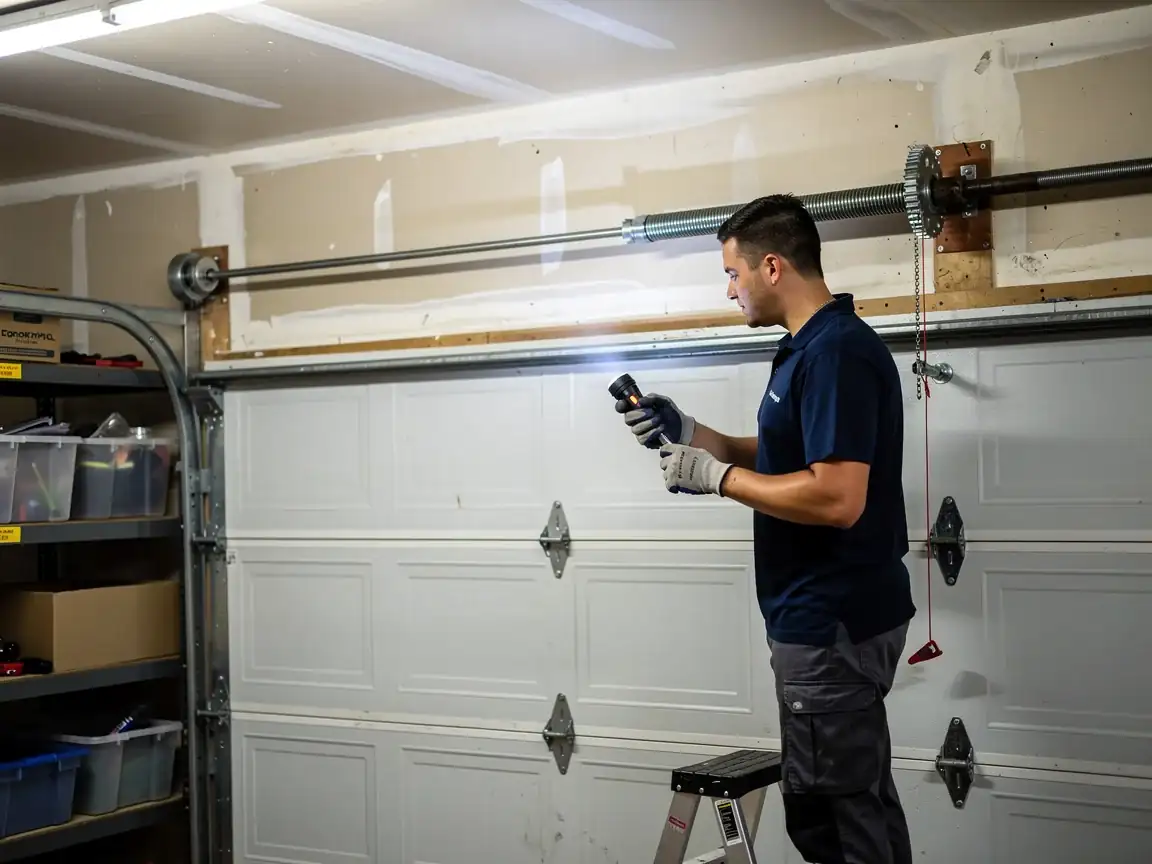
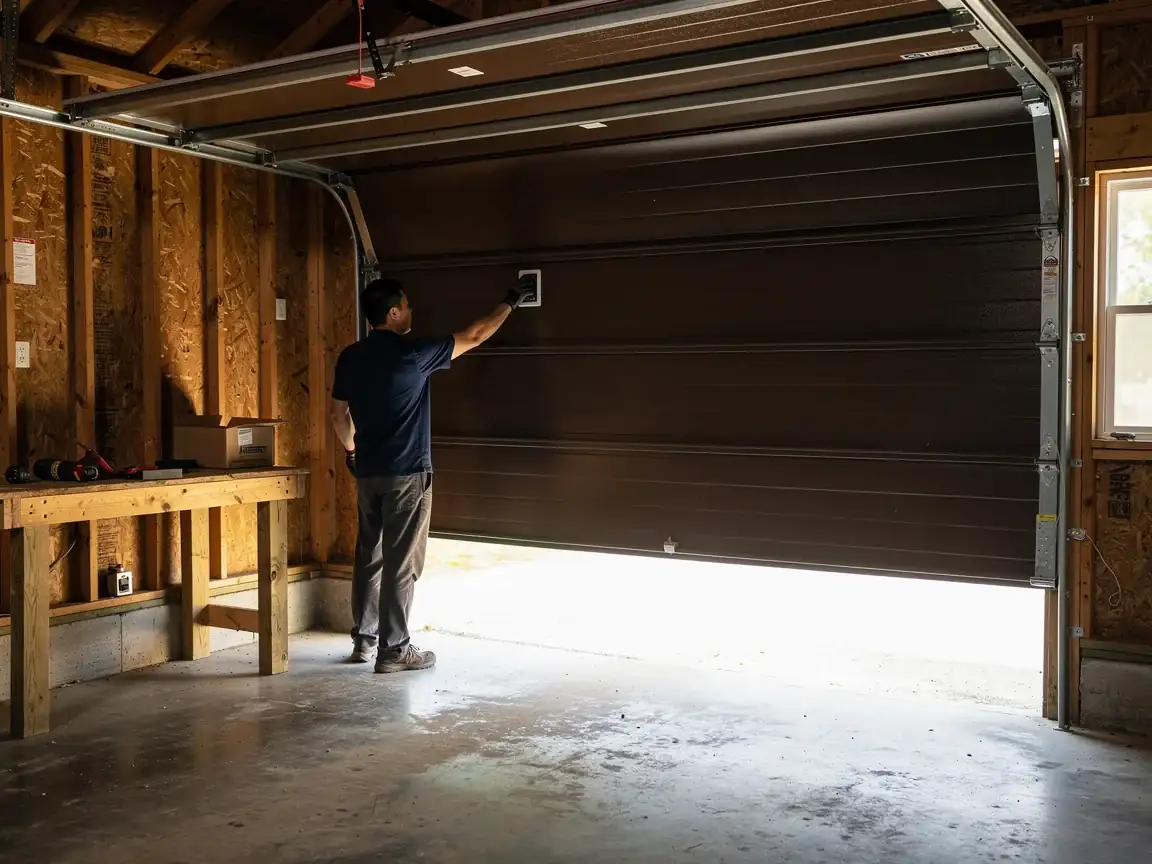
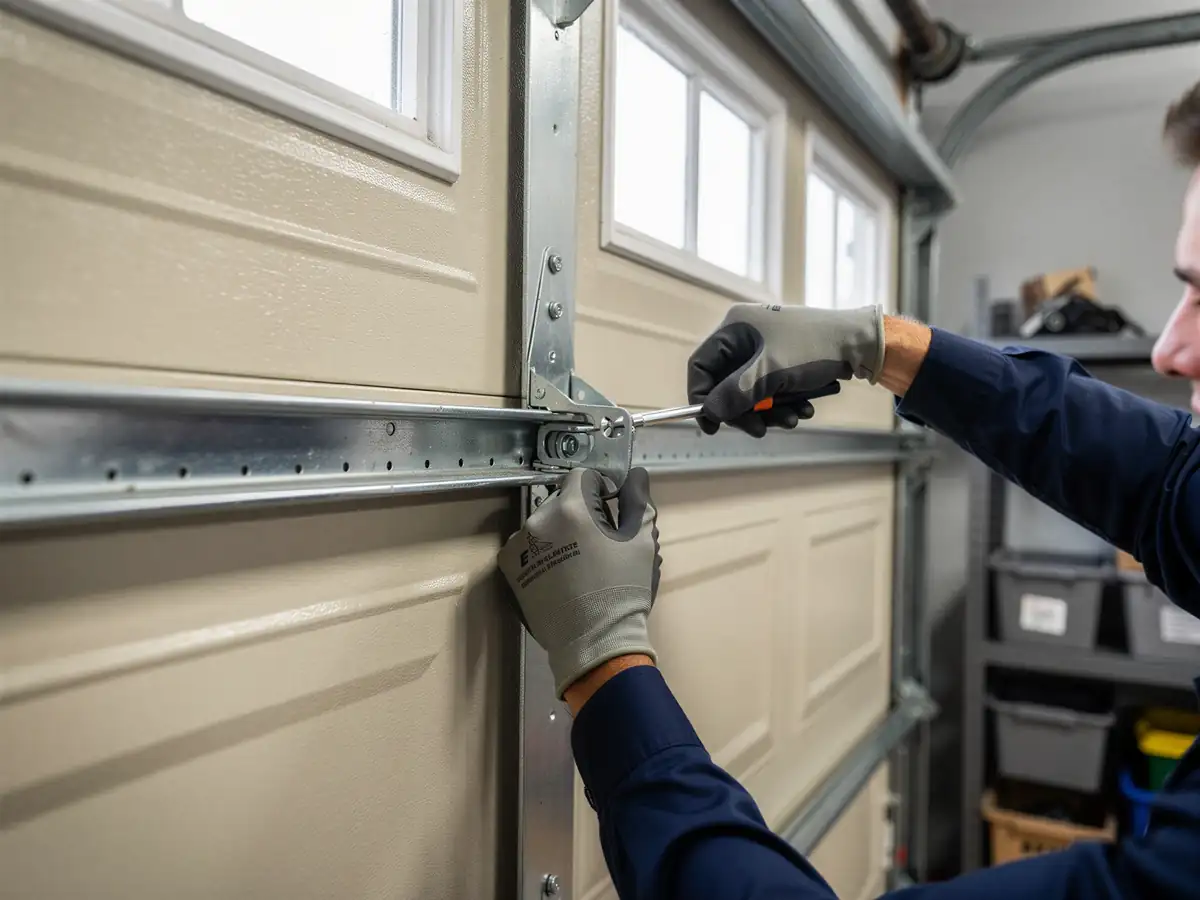
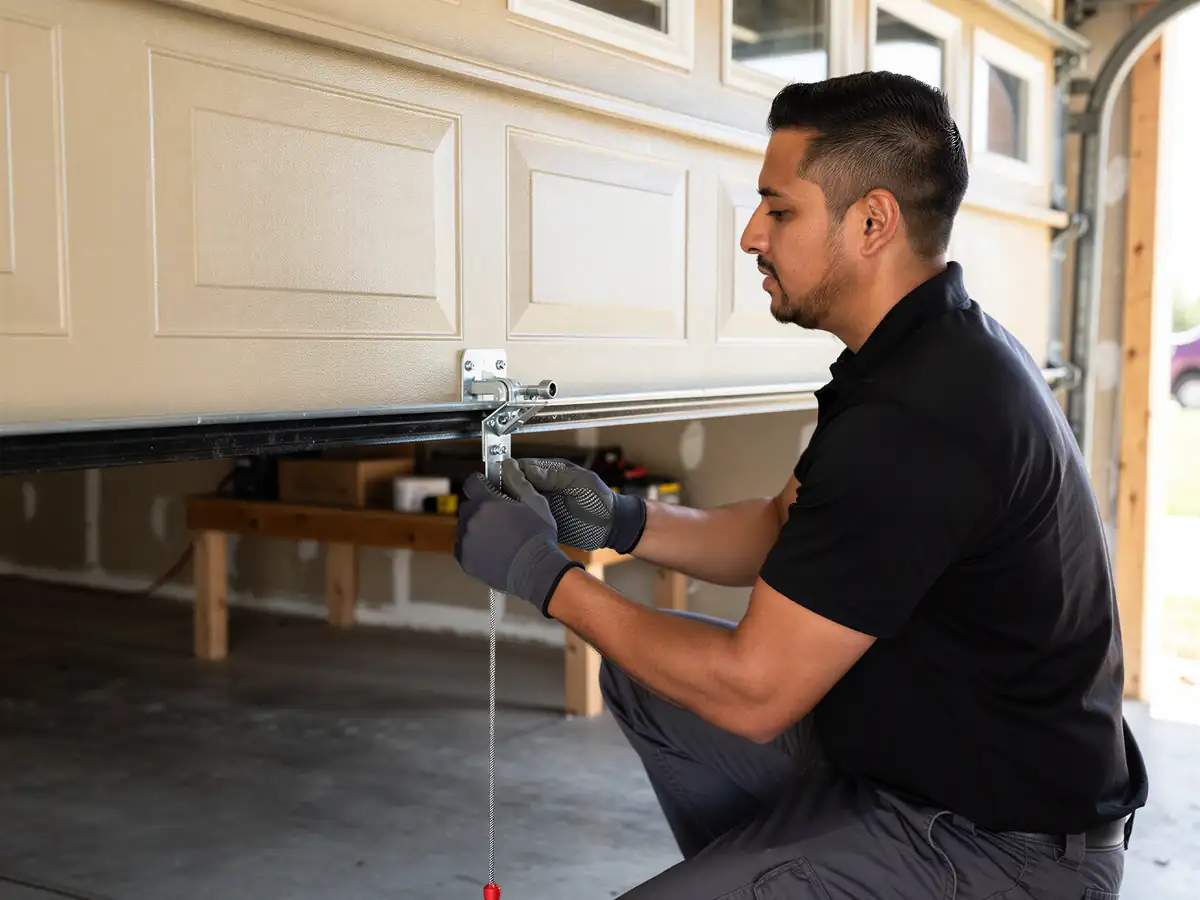
Most cable repairs are a same-visit job once a tech is on site: release the spring tension, pull the old cable off the drum, check the drum and bottom bracket for damage, wind on new cable, and reset tension so the door sits level when it's down. If the drums are gouged or the bottom bracket is bent from a hard snap, that adds time because those parts get swapped too, not just cleaned up. Doors with two cables need both checked even if only one broke, since the other side is usually close behind it in age and wear. The slow part is almost never the cable itself; it's making sure the door is balanced afterward so the opener isn't doing the spring's job. A door that closes crooked or drops fast after a cable swap wasn't finished, it was rushed. We don't leave a job until the door runs level and the opener's force settings match the new tension, because a mismatched opener will just wear out the next cable faster.
How It Shows Up
A cable failure rarely comes out of nowhere. Before it snaps, you'll usually see the door hang crooked when it's down, one corner lower than the other, or hear a popping or clicking sound as a strand lets go under tension. Sometimes the door jerks on one side as it travels, because the cable is riding unevenly on the drum instead of winding flat. When it fully snaps, the door usually drops hard on that side and won't travel smoothly in either direction - this is not a DIY fix, because the other cable and the springs are still under load and can let go without warning. If you see frayed strands sticking out near the bottom bracket, that cable is close to the end and worth replacing before it fails on its own schedule instead of yours. Rust on the cable near the drum or bracket is another early sign, especially on doors that have been sitting through the area's wetter stretches without much use.