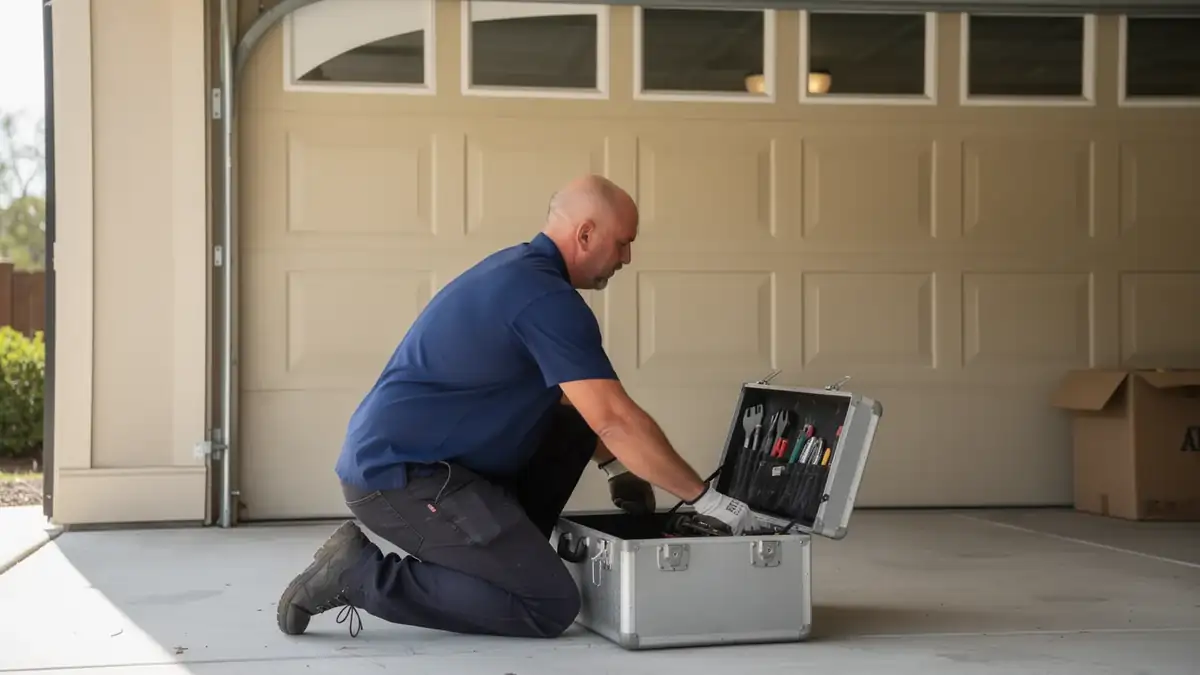
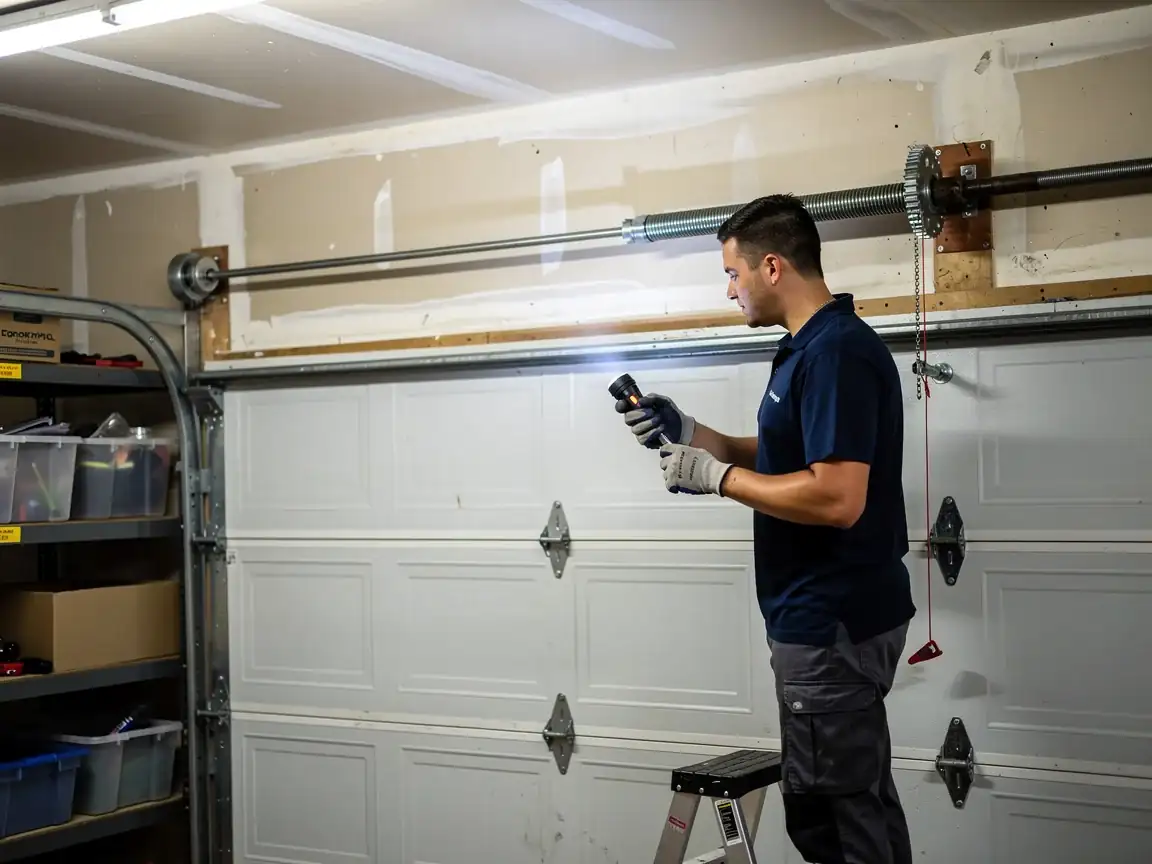
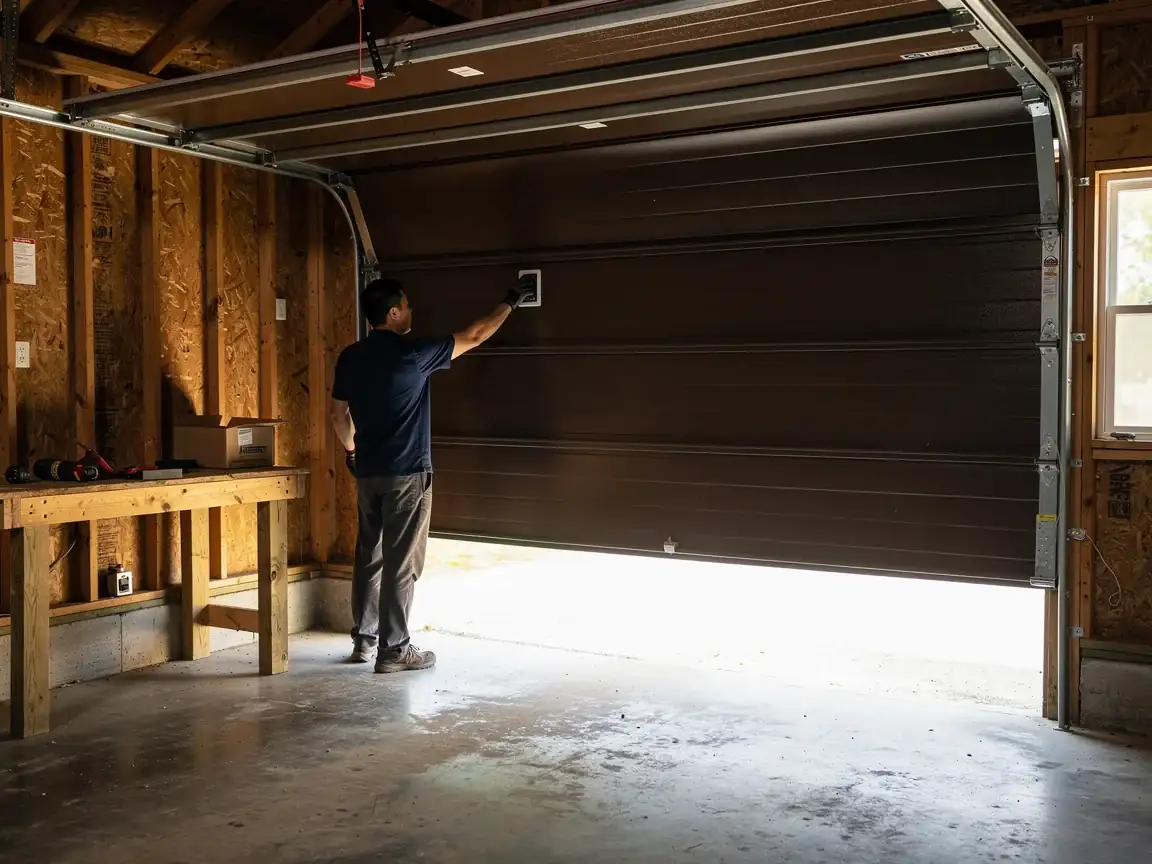
Metairie homes built 1958-2001 wear differently in a mild, humid climate - see what a service call actually checks on your torsion springs, opener, and tracks.
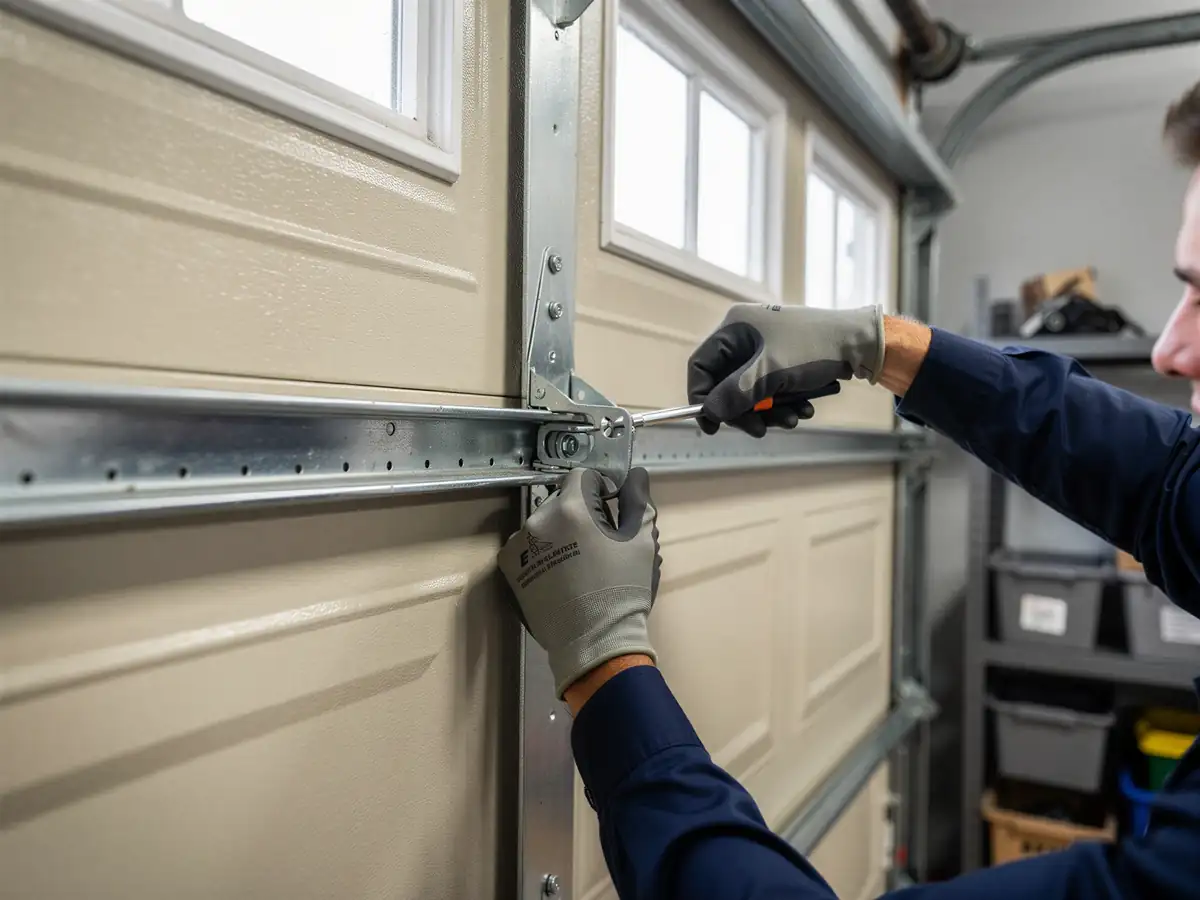
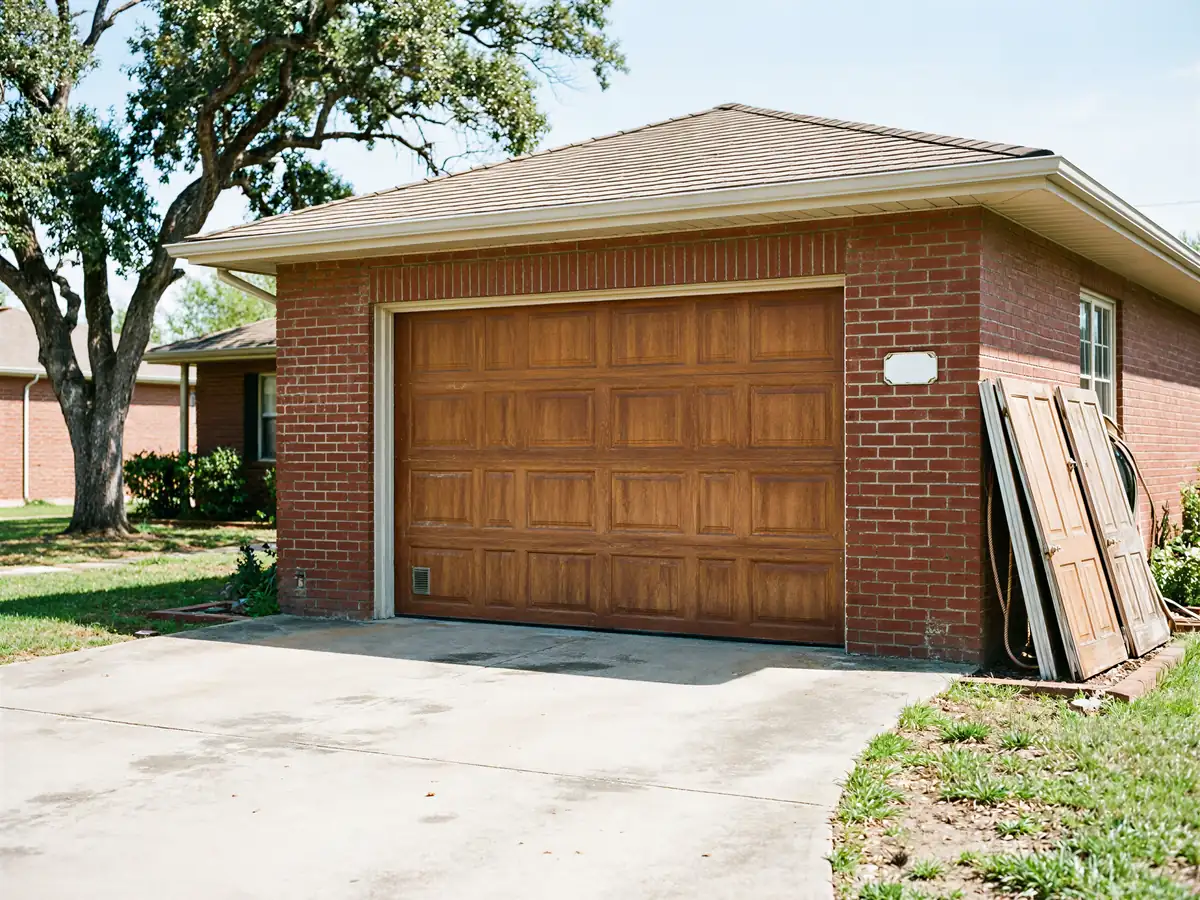
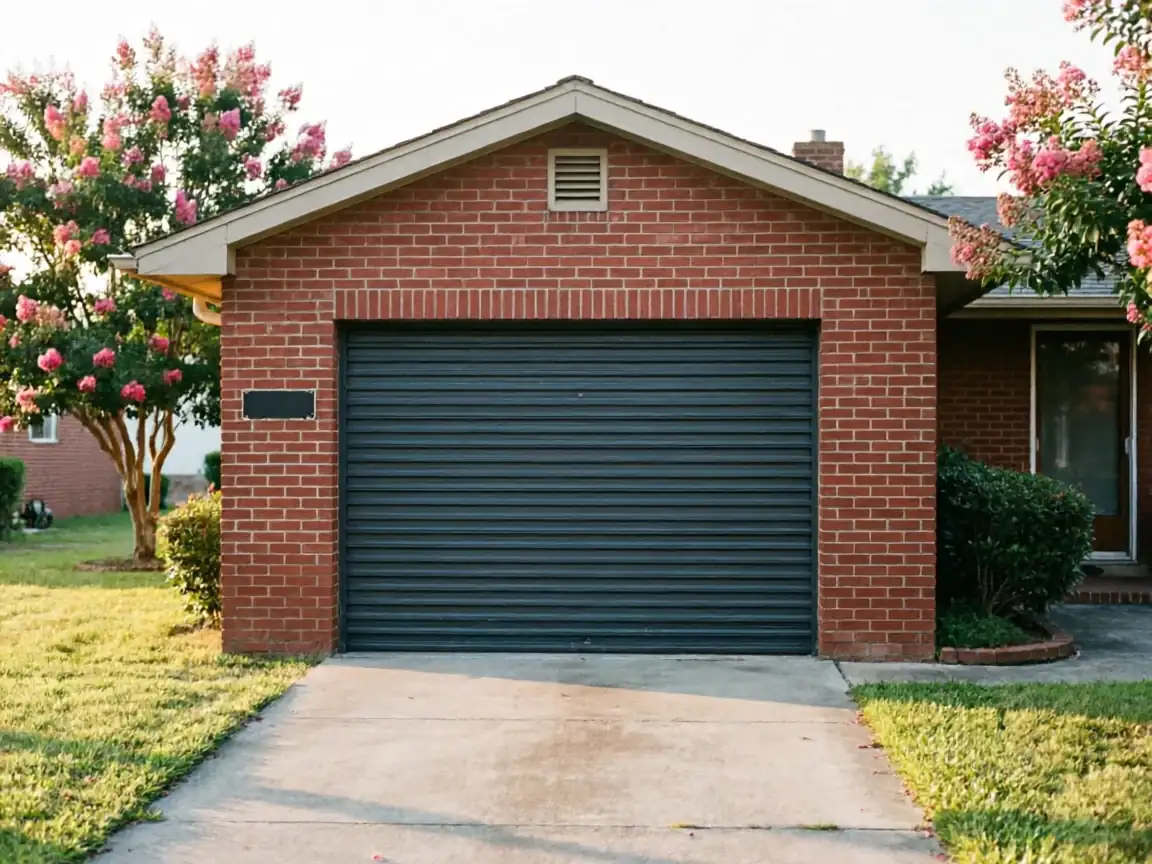
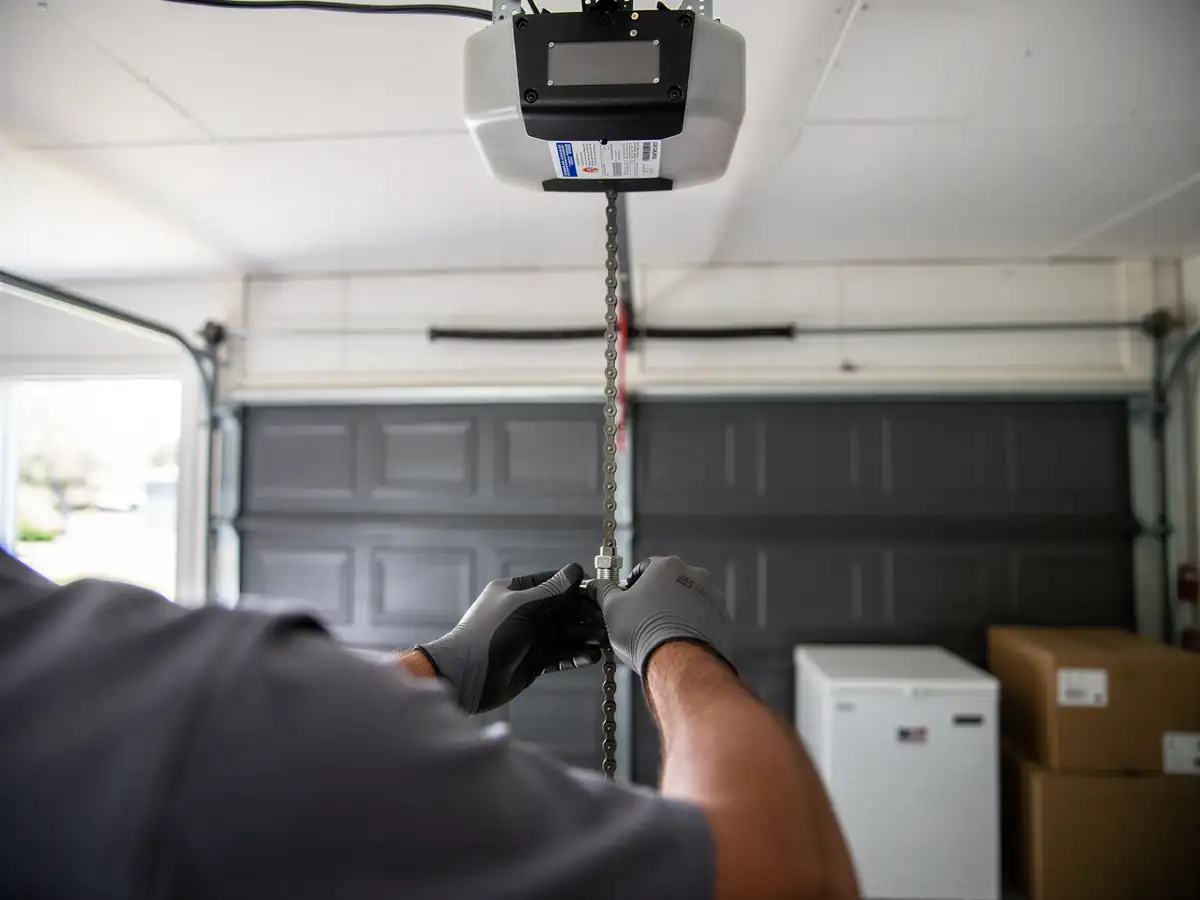
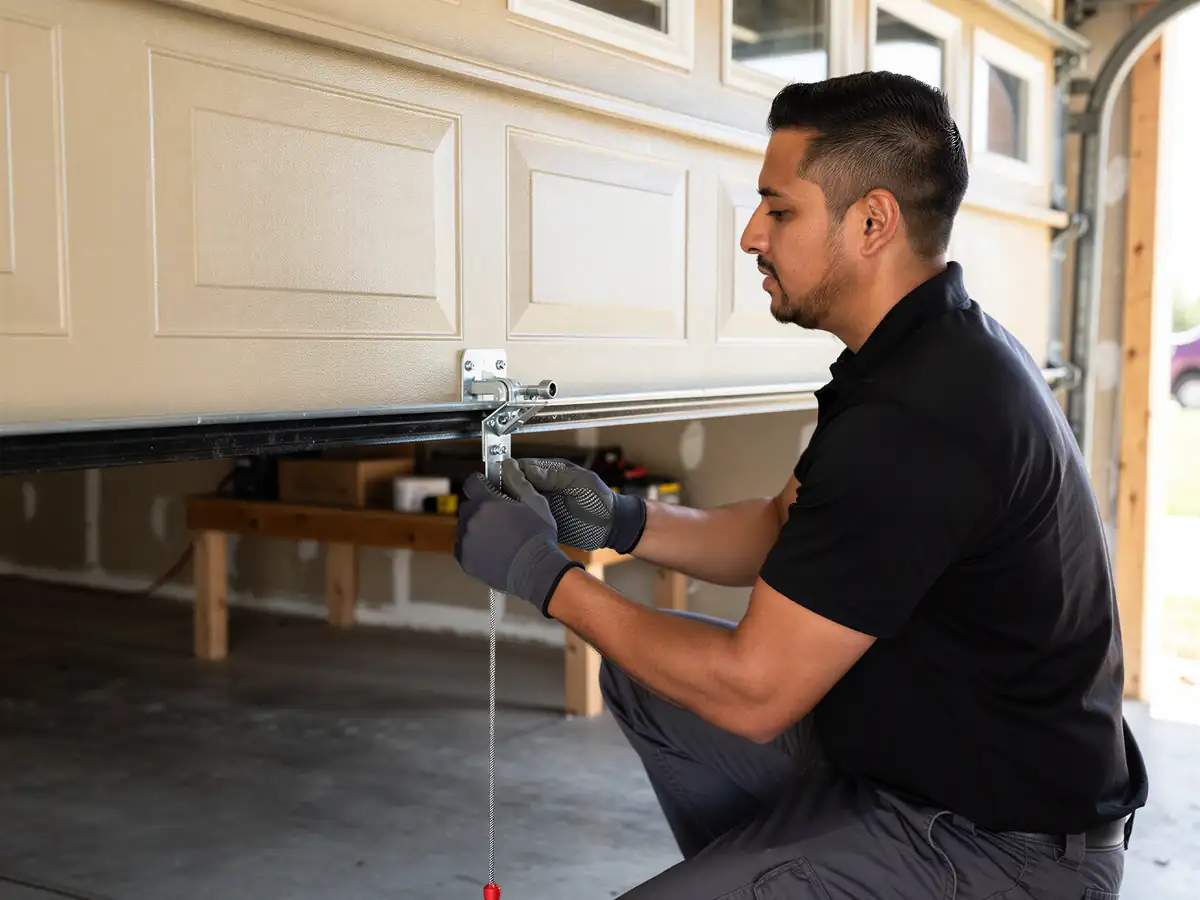
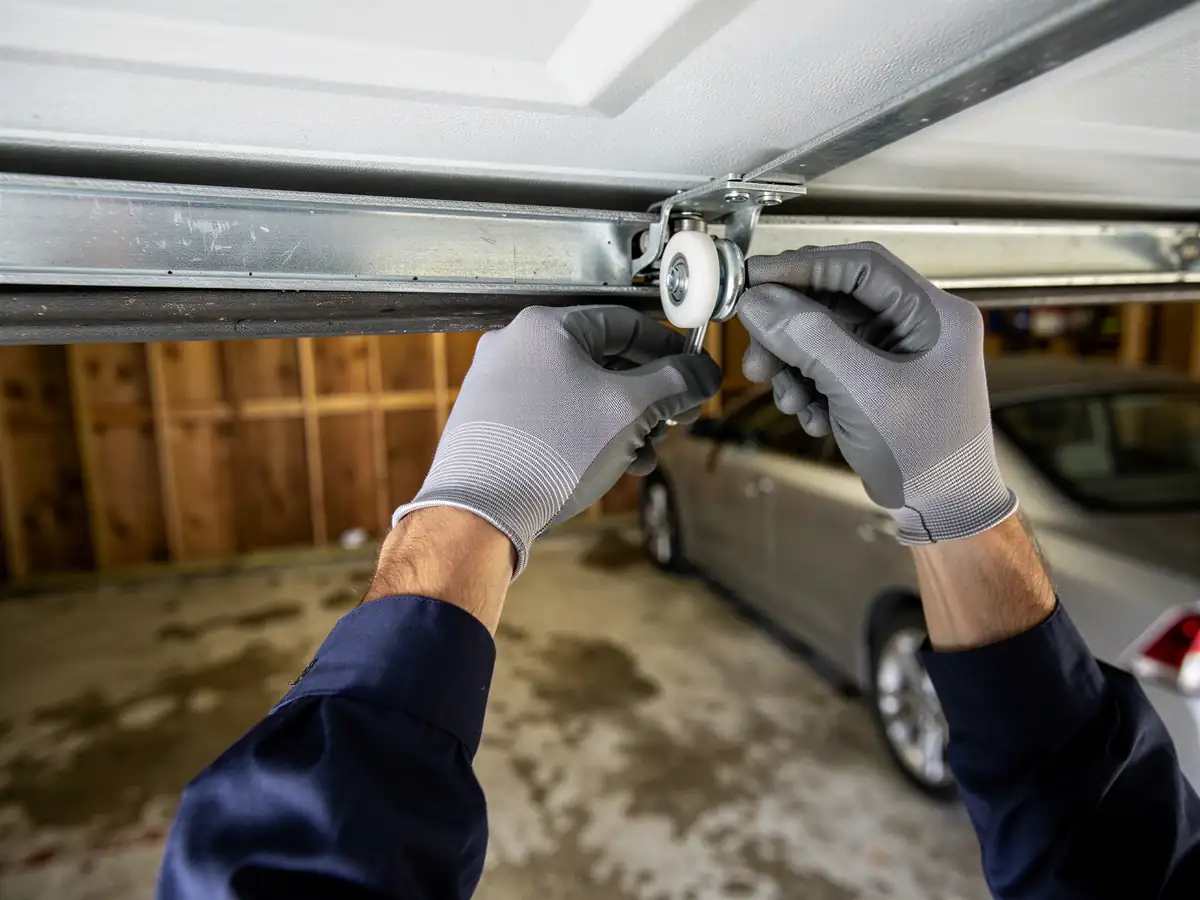
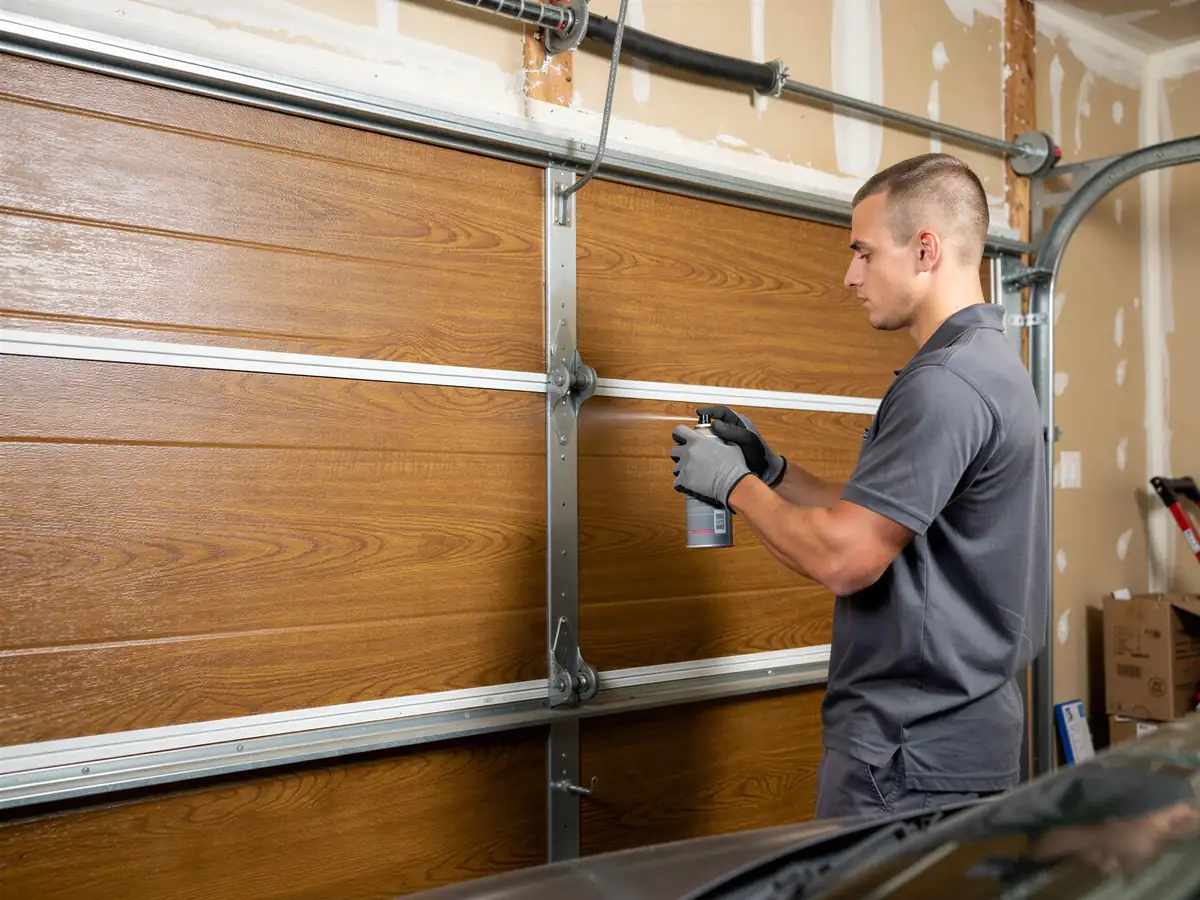
Metairie sits in a mild climate band with only occasional freeze risk, so we don't see the hard winter failures you'd get up north - cracked rollers from deep cold, frozen tracks snapping a cable on the first pull of the morning. What we see instead is humidity. Years of damp air swelling wood-composite panels at the bottom corners, rust creeping into cable ends and spring coils that never fully dry out, and hinges that seize up from moisture rather than ice. Most of the housing stock in this part of the metro went up between 1958 and 2001, with the median landing around 1980, so a lot of the doors and openers we open up were installed or last replaced during that stretch. That means torsion springs sized for the lighter steel doors common then, galvanized hardware that's had decades to oxidize in a humid climate, and openers from an era before today's safety-reverse standards. A service call here is as much about checking what forty-plus years of damp air did to the metal as it is about checking what's broken today. The honest limitation: if the spring and the opener are both original to a 1970s or 80s door, we're usually not patching one part - we'll tell you straight when the smarter money is a full door and opener swap instead of chasing parts for hardware that age.
When to Get Help
Call before the door fails all the way, not after. On a house from the 1958-2001 building wave, a torsion spring that's lost tension doesn't always snap outright - it often just gets slower, louder, and heavier on the opener until the opener motor itself burns out trying to compensate. If you've noticed the door sagging unevenly when it's halfway open, or a cable looks frayed at the bottom bracket, that's an original-hardware symptom, not a one-off glitch. Same with an opener that reverses randomly or won't close all the way - on older installs that's frequently a worn limit switch or gear set, not a sensor alignment issue you can fix by wiping a lens. We'd rather get a call for a door that's