Is Your Old Garage Door Worth Fixing, or Time to Replace It
Metairie homes mostly date 1958-2001. Here's how that housing stock and our mild, occasional-freeze climate decide whether your door is worth repairing or replacing.
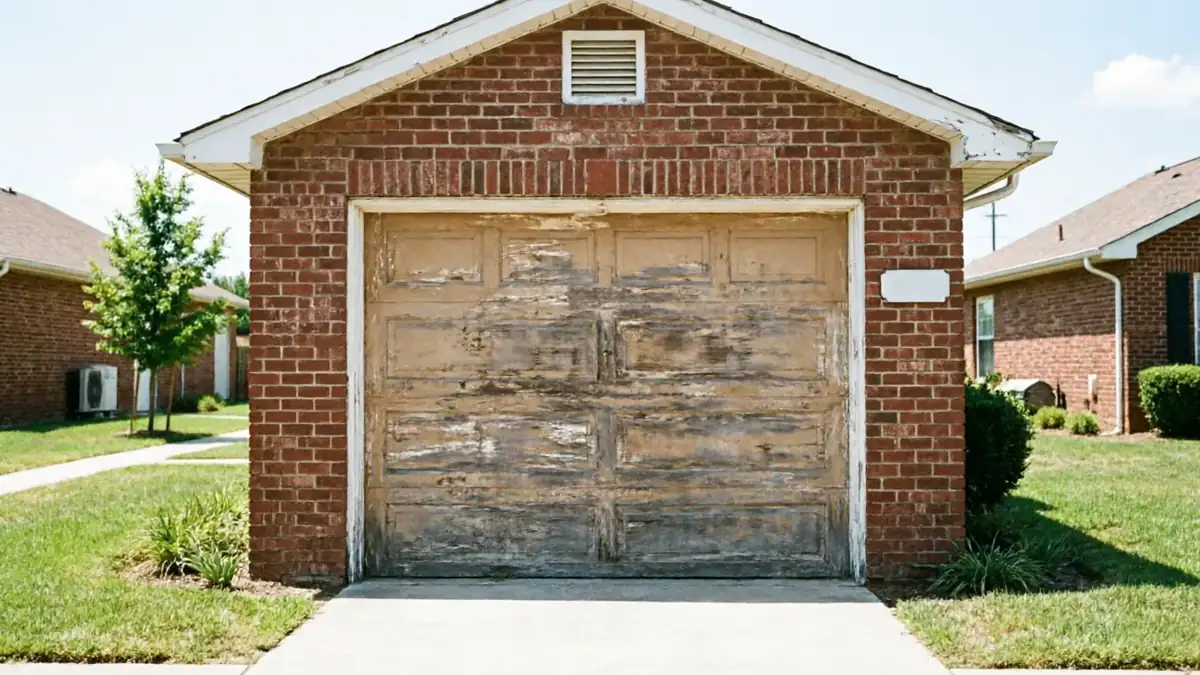
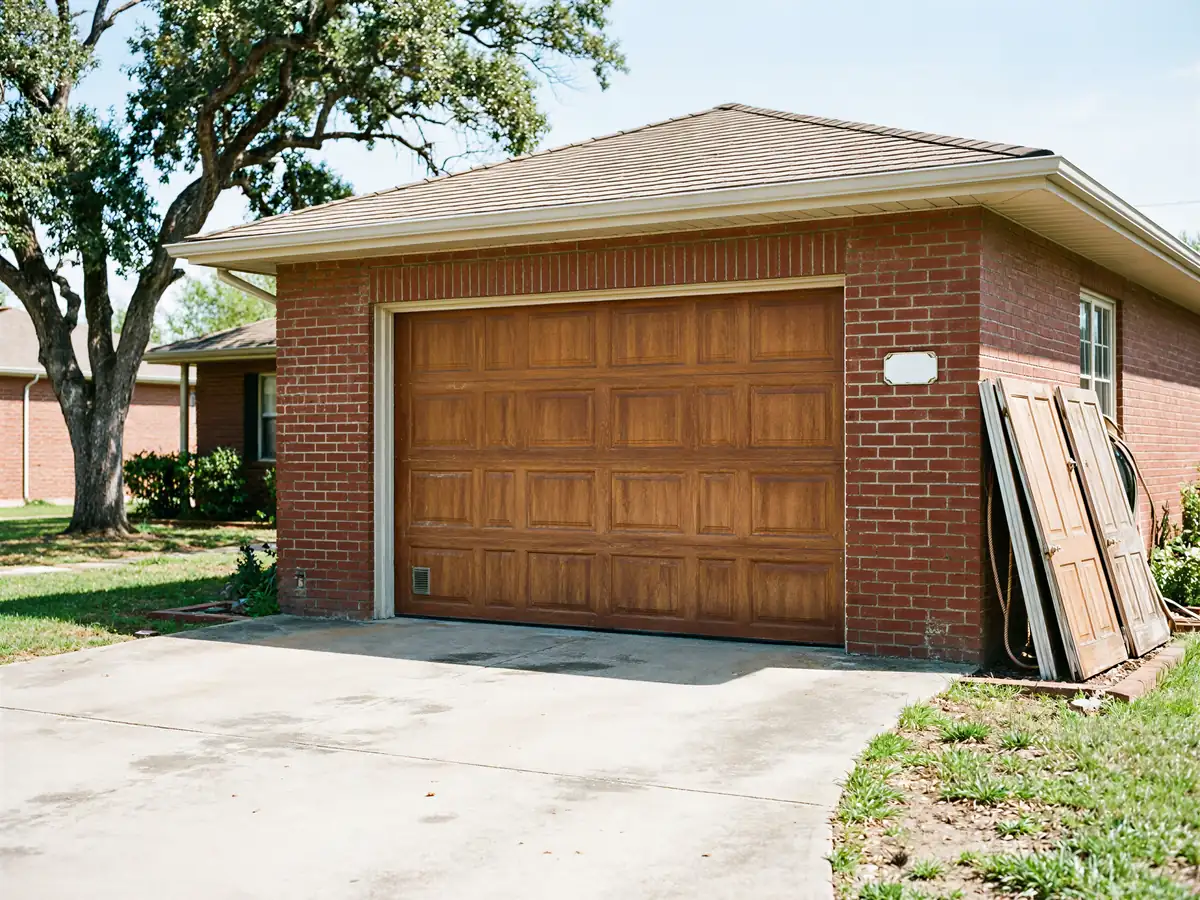
Metairie doesn't get the hard freeze-thaw cycles that crack steel tracks up north, but our climate band is mild with occasional freezes, and that mix of humidity, heat, and the odd cold snap works on a door in its own slow way. Galvanized hardware from the 1960s through the 1990s - the era most of this area's housing was built in - holds up fine against rust at first, but decades of Gulf South humidity sitting on exposed springs and bottom brackets eventually pits the coating. You see it most on doors facing west or south, where afternoon heat bakes the sealant on panel seams until it cracks and lets moisture in behind the steel. A door that's been painted over two or three times by different owners often has rust starting under the paint, not on top of it, so a fresh coat can hide a problem instead of fixing it. None of this means a 30 or 40 year old door is doomed. It means the parts most likely to have quietly failed are the ones you can't see without pulling a panel or popping a spring cone, and that's worth checking before you decide a door is dead.
When to Get Help
Call before you keep forcing a door that binds, because a torsion spring under tension on an older door is not something to troubleshoot solo - the springs installed on houses from the 1958-2001 build era are frequently undersized for today's heavier insulated replacement panels, and a spring near the end of its life can let go while you're standing under it. If the door reverses on its own, drops suddenly, or the opener grinds without lifting, that's a job for someone with the right bars and clamps, not a Saturday project. We don't do same-day emergency work beyond what's scheduled, so if a door is stuck open overnight, plan on securing the opening yourself until we can get there. Worth noting too: once a panel is bent badly enough to pull away from the track, patching it rarely holds - at that point you're paying twice, once for the patch and once for the replacement six months later.
What Is Going On
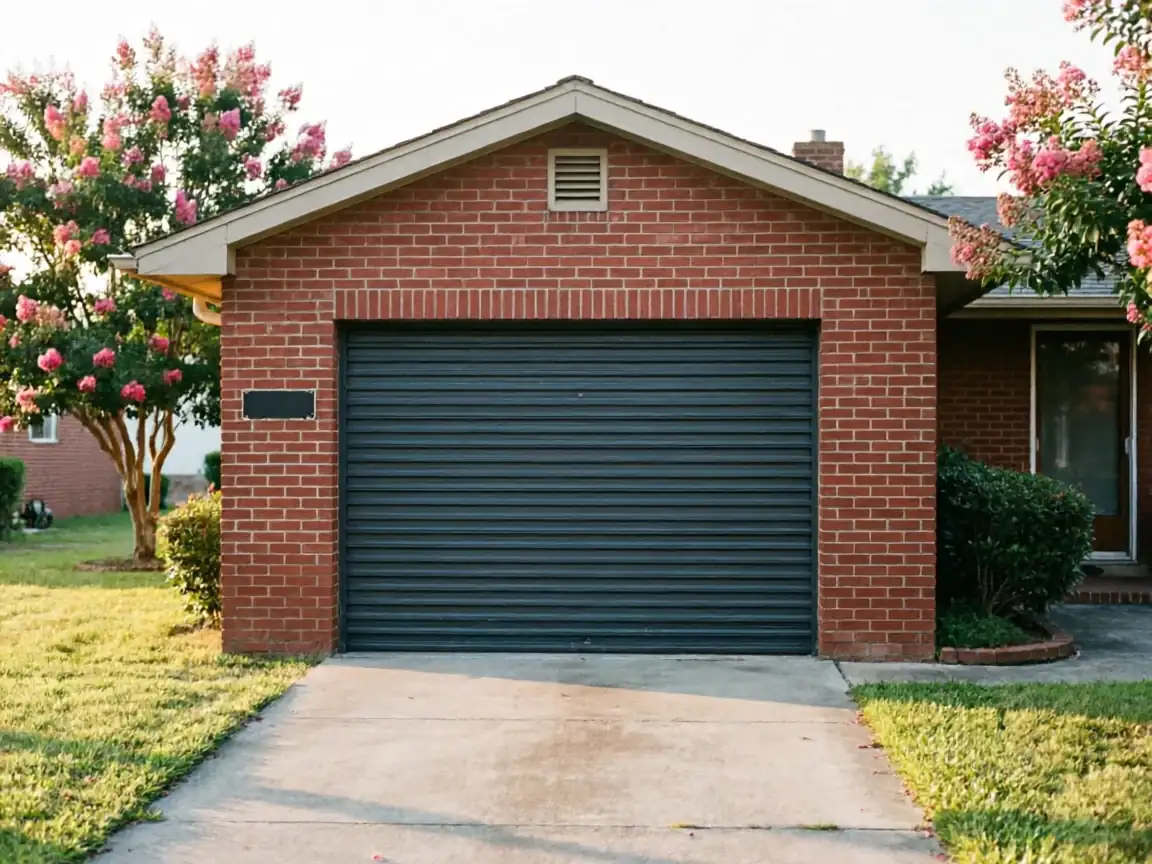
Most of the garage doors we're called out to repair sit in houses built between 1958 and 1980s-90s stock, which is the window that covers the bulk of the roughly 82,882 owner-occupied houses across this service area. Doors from that era were sized for lighter wood or single-layer steel panels, and a lot of homeowners have since swapped in a heavier insulated door without upgrading the spring to match. That mismatch is the single most common root cause behind the "it worked fine last week" complaint. Rollers are the other usual suspect - the nylon rollers that shipped standard through the 80s and 90s were never meant to last the full life of the door, and after enough cycles they flat-spot and start clattering in the track. None of that is unique to one street or neighborhood; it tracks with the age of the house, not the address, which is why it shows up as often in homes near as it does further out toward Elmwood or River Ridge.
What to Check
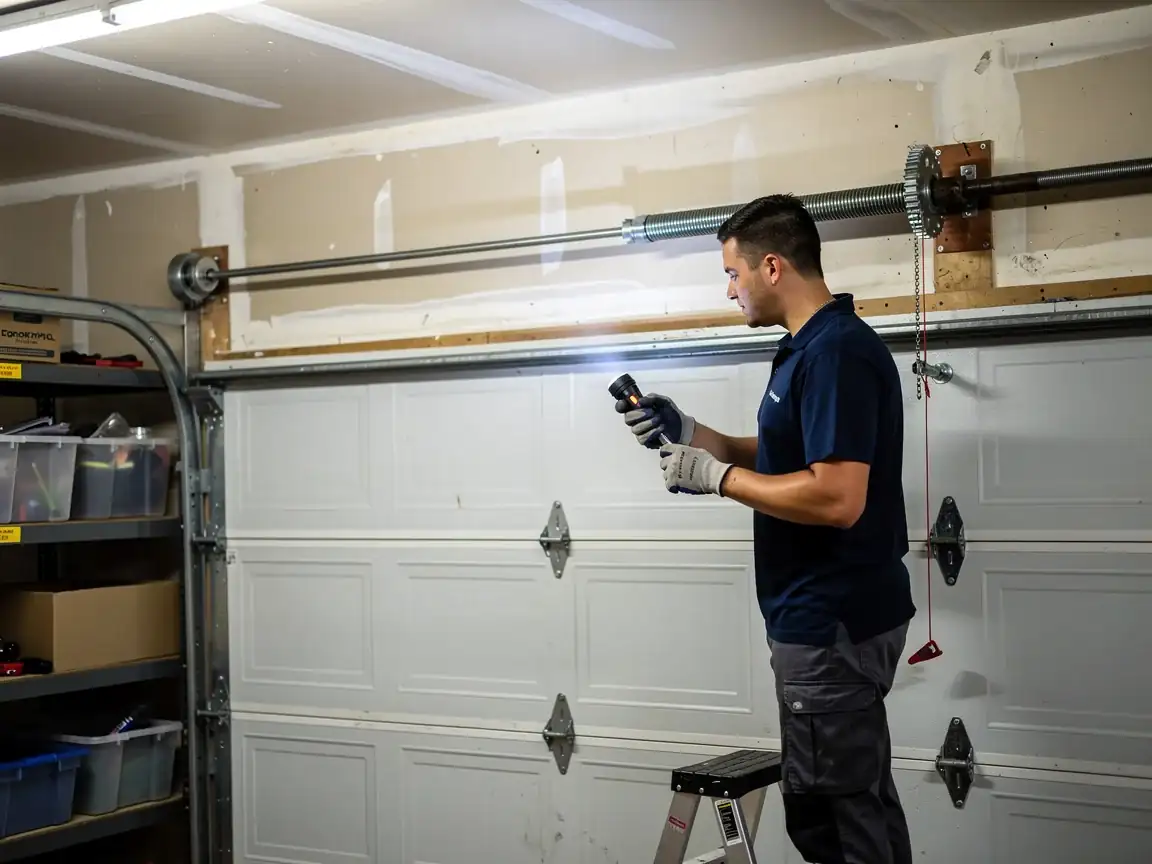
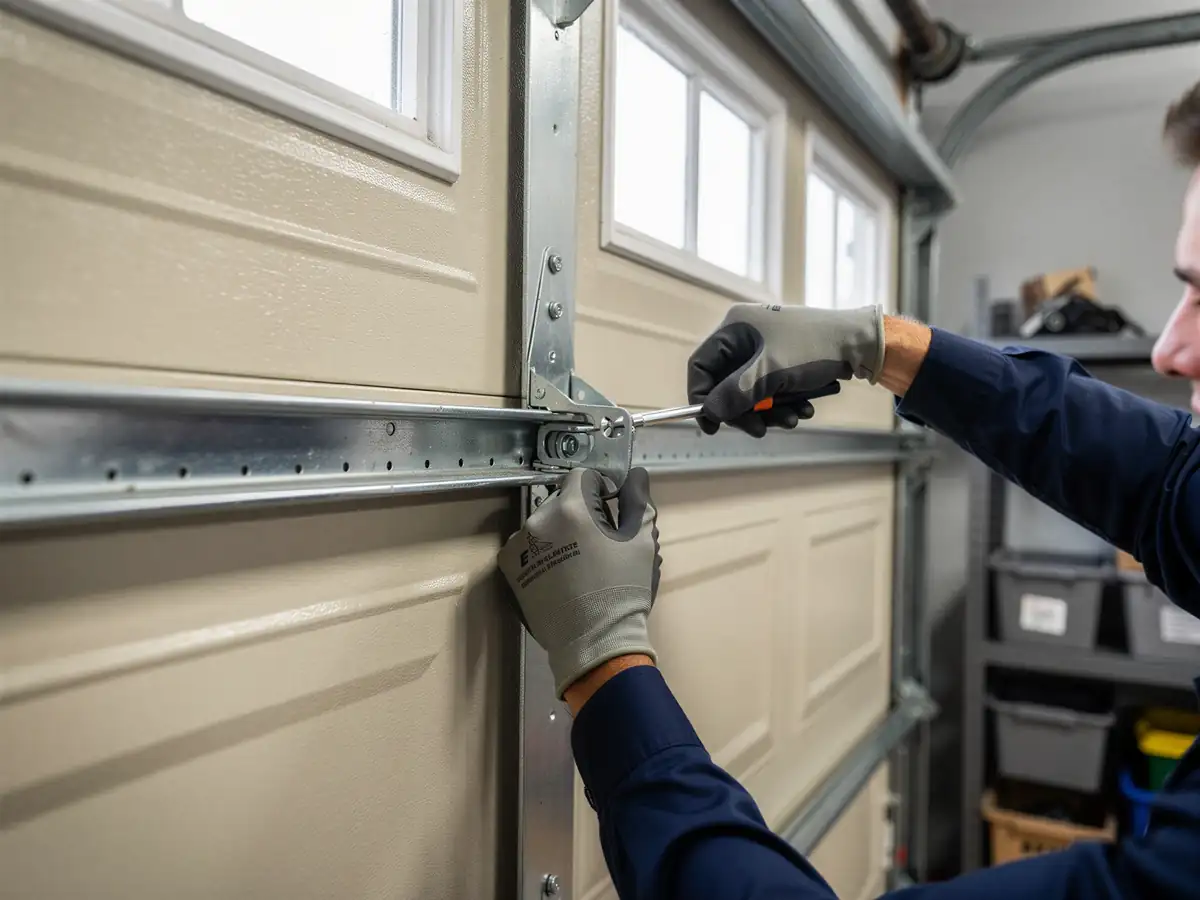
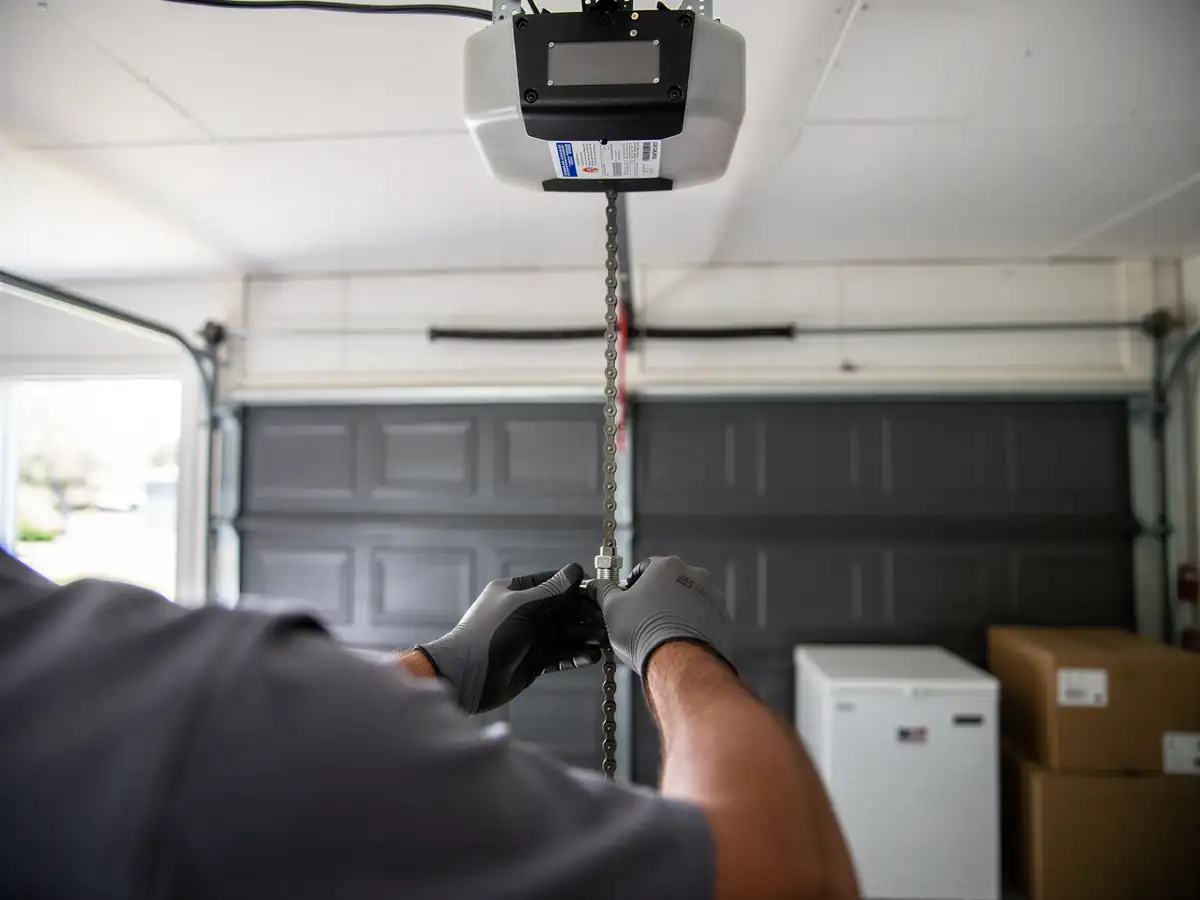
Start with the springs: if you can see daylight through a gap in the coil, or the door feels twice as heavy on one side when you lift it by hand with the opener disconnected, the spring is going. Next, run a hand along the track for rust scaling - in this climate it tends to show up first at the bottom few feet, where splash and humidity collect. Check the bottom seal; a cracked or flattened seal on a door from the 80s or 90s is often original and lets in more than it looks like it should. Last, listen to the opener motor under load - a motor working harder than it used to is frequently compensating for a weak spring, not failing itself. If the door is original to a house built in the earlier part of that 1958-2001 range and the track hardware is pitted throughout rather than in one spot, that's usually the point where replacement costs less over five years than another round of parts.
How it works
From “it’s stuck” to “it’s fixed”
01
Tell us what’s wrong
Describe the symptom - won’t open, loud bang, opener runs but the door won’t move.
02
On-site diagnosis
A technician tests the door under power and by hand and finds what actually failed.
03
Clear, up-front plan
You get the fix that’s needed and what drives the cost - before any work starts.
04
Repaired & tested
The repair is done, the door is set true and tested, and the work area left clean.
Not sure which repair your door needs in Metairie, LA? Describe what it’s doing - every job starts with a diagnosis.
How do I know if my garage door is original to the house?
If your house falls in the 1958-2001 range common across this area and the door has never been swapped, look for a manufacturer plate on the inside track rail or check if the panel style matches steel doors from that era - flat or long-raised panels, no foam insulation visible if you drill a tiny test hole. A plate with a date is the most reliable sign.
Does Metairie's climate actually damage garage doors?
Yes, though slowly. The mild climate with occasional freezes means doors here deal with sustained humidity and heat more than cold, and that combination corrodes exposed spring coils and bottom brackets over the decades even without hard freeze cycles. It shows up as pitting and seal failure rather than cracked panels.
Is it ever not worth repairing an old door?
When the track hardware is pitted end to end rather than in one spot, or the spring has been mismatched to a heavier replacement panel for years, repeated repairs usually cost more over a few years than replacing the door once. We'll tell you straight if that's where your door is.
Ready to get your garage door sorted?
Tell us what it’s doing and where you are in Metairie - we’ll take it from there.