Metairie homes built mostly 1958-2001 have track hardware that reacts to Gulf humidity and freeze-thaw swings. Here's what actually knocks a door off its rails.
Metairie sits in a mild climate band with occasional freeze, which sounds easy on hardware until you live with it year after year. The real stress isn't deep cold - it's the swing. Humidity off the lake and river keeps steel track and rollers damp more days than not, and track brackets mounted into older framing start to work loose as the wood around the lag screws expands and contracts. A hard freeze a few times a winter tightens steel just enough to change the tolerance between roller and track for a day or two, and that's usually when an already-loose bracket lets a door walk sideways. This isn't a one-time event. It's slow wear from repeated small shifts, and it shows up first in homes near where original hardware from the 1960s-80s build era is still doing the job it was never meant to do for this long. If your door has been fine for years and suddenly binds on damp mornings, that's the climate talking, not a sudden defect.
When to Get Help
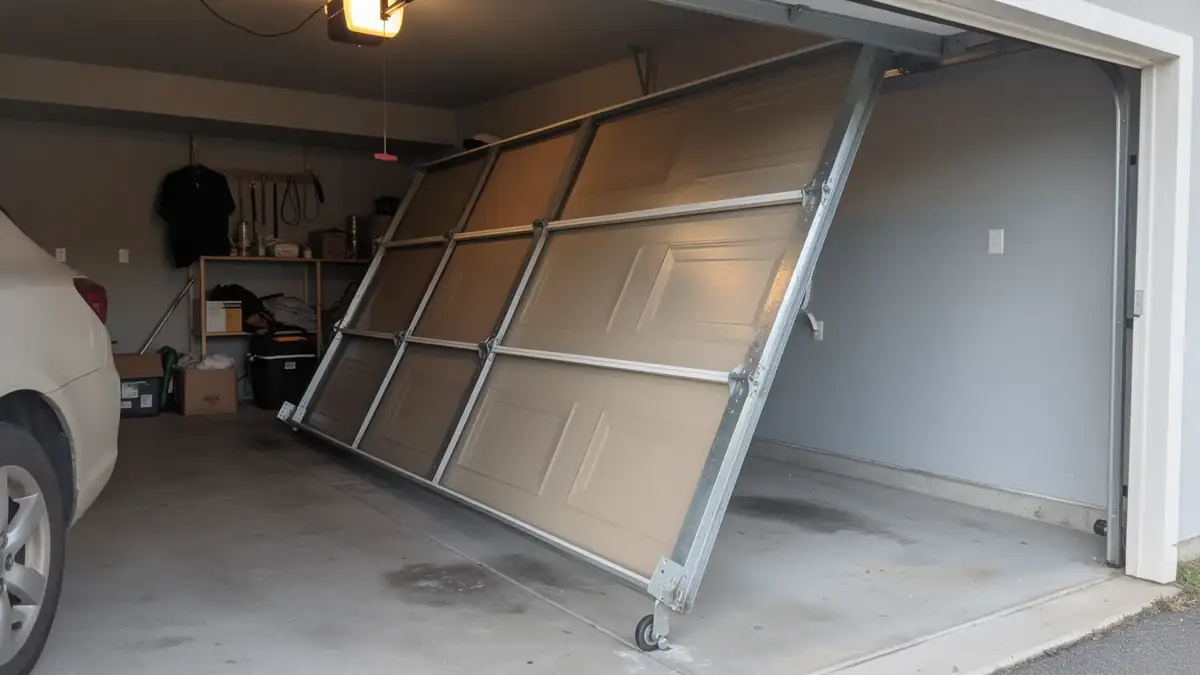
Call before the door comes fully off the rail, not after. If a panel is visibly tilted at the bottom, or you hear a grinding or popping sound as the door travels, stop running it. Continuing to open and close a door that's partially off track bends the track itself, and bent track on a door from the 1958-2001 housing stock in this area often means replacing a length that's no longer a stock size - lead time, not a same-day fix. If the door only drags or rattles but tracks straight, that's worth a call but not an emergency. We don't recommend DIY realignment on a door under spring tension; that's where people get hurt, and it's the one part of this job we won't walk a homeowner through over the phone.
What Is Going On
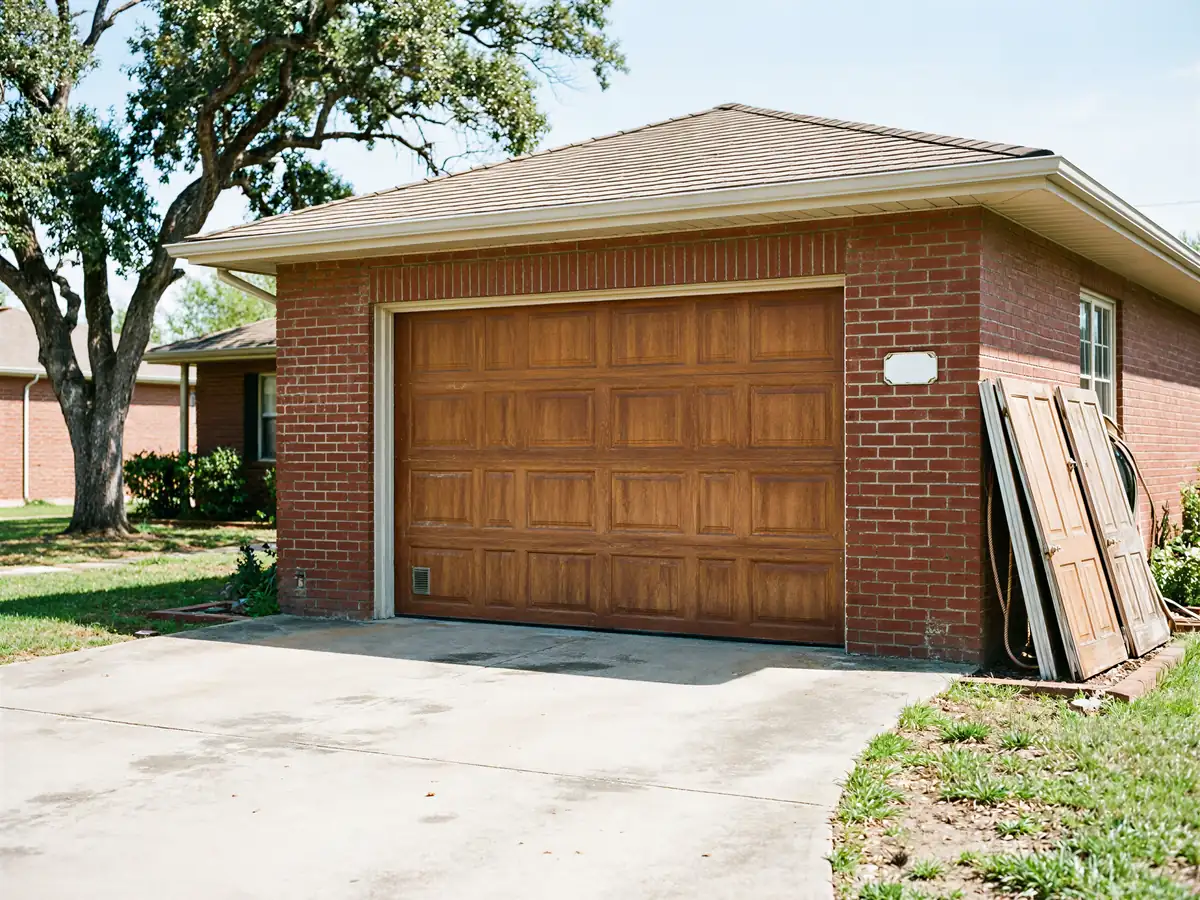
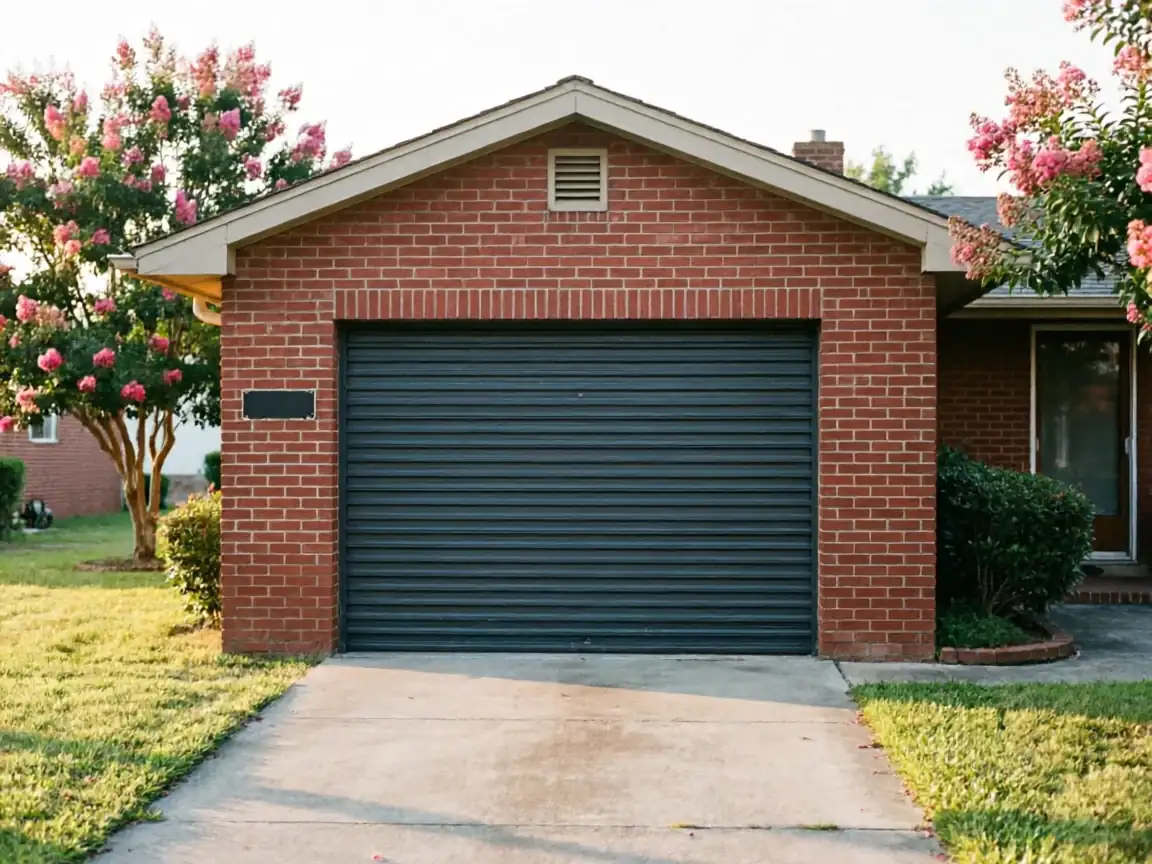
Most of the garage doors we see off track in Metairie and the surrounding area - Jefferson, Elmwood, River Ridge, Bridge City, Harahan - came with homes built between 1958 and 2001, with the bulk of that stock dating to the 1980s and 90s. That generation of door used lighter-gauge track and roller brackets fastened straight into door jambs that have since settled. Settling is normal in this part of the region given the soil, and a quarter-inch of jamb movement is enough to throw the track out of parallel. Once track isn't parallel, rollers ride the edge of the rail instead of the center, and every open-close cycle pushes them a little further out. Add humidity-swollen wood and the occasional freeze tightening the steel, and you get the two-part cause almost every off-track call around here shares: old bracket hardware plus a house that's shifted a little since it was built.
What to Check
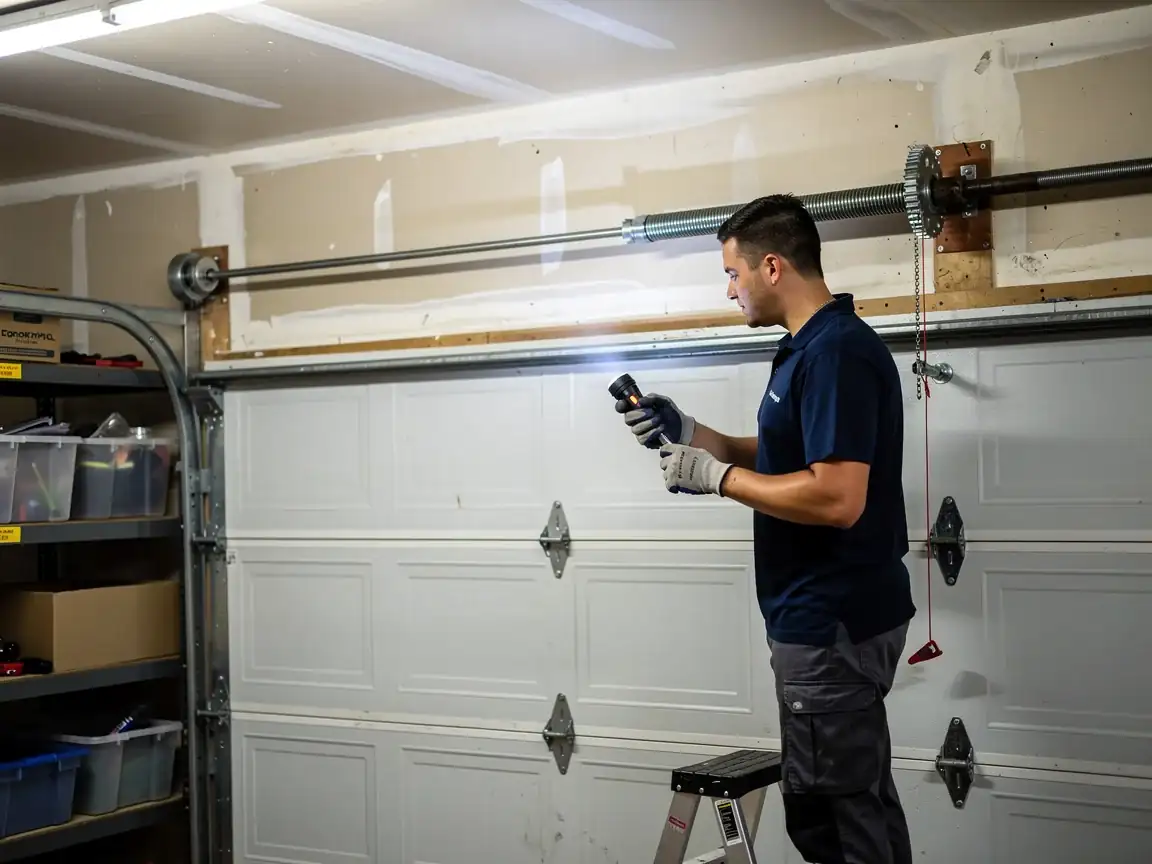
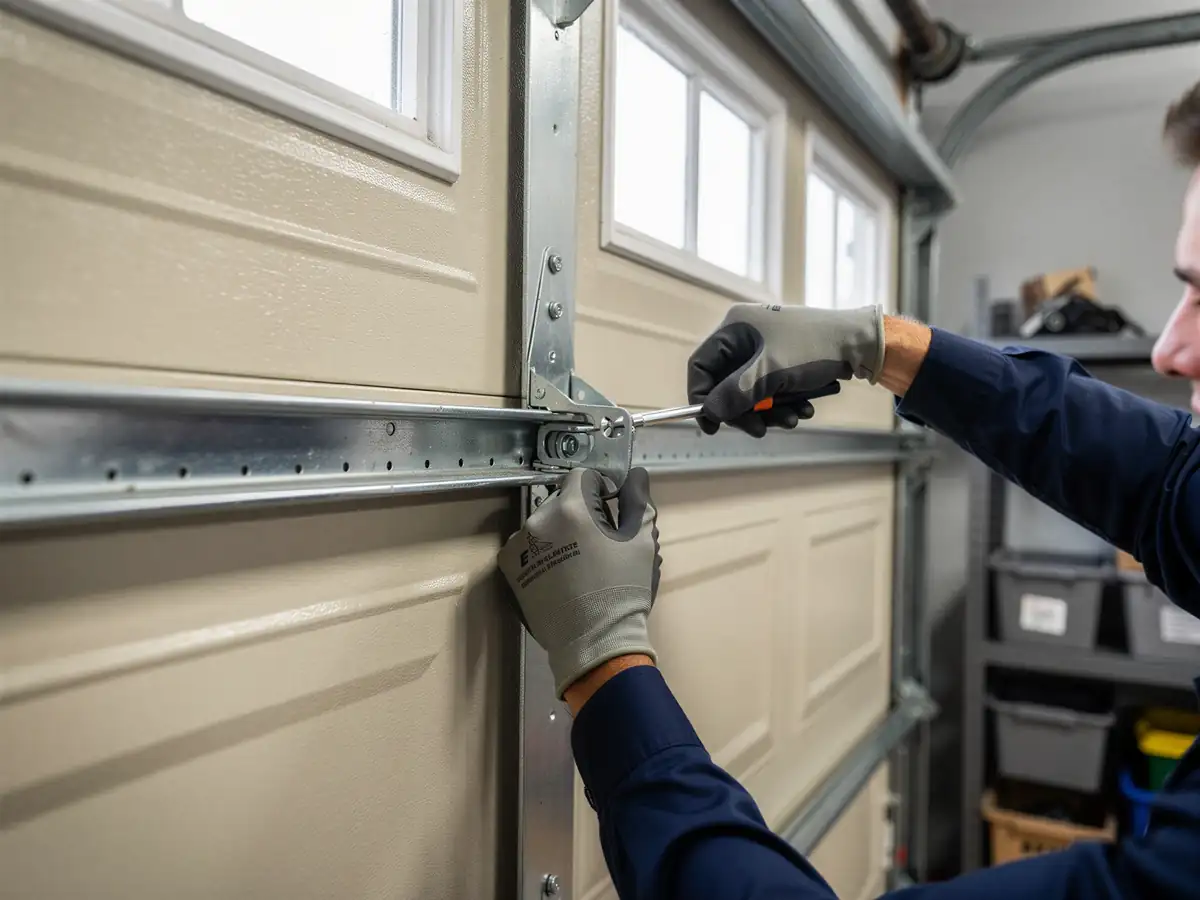
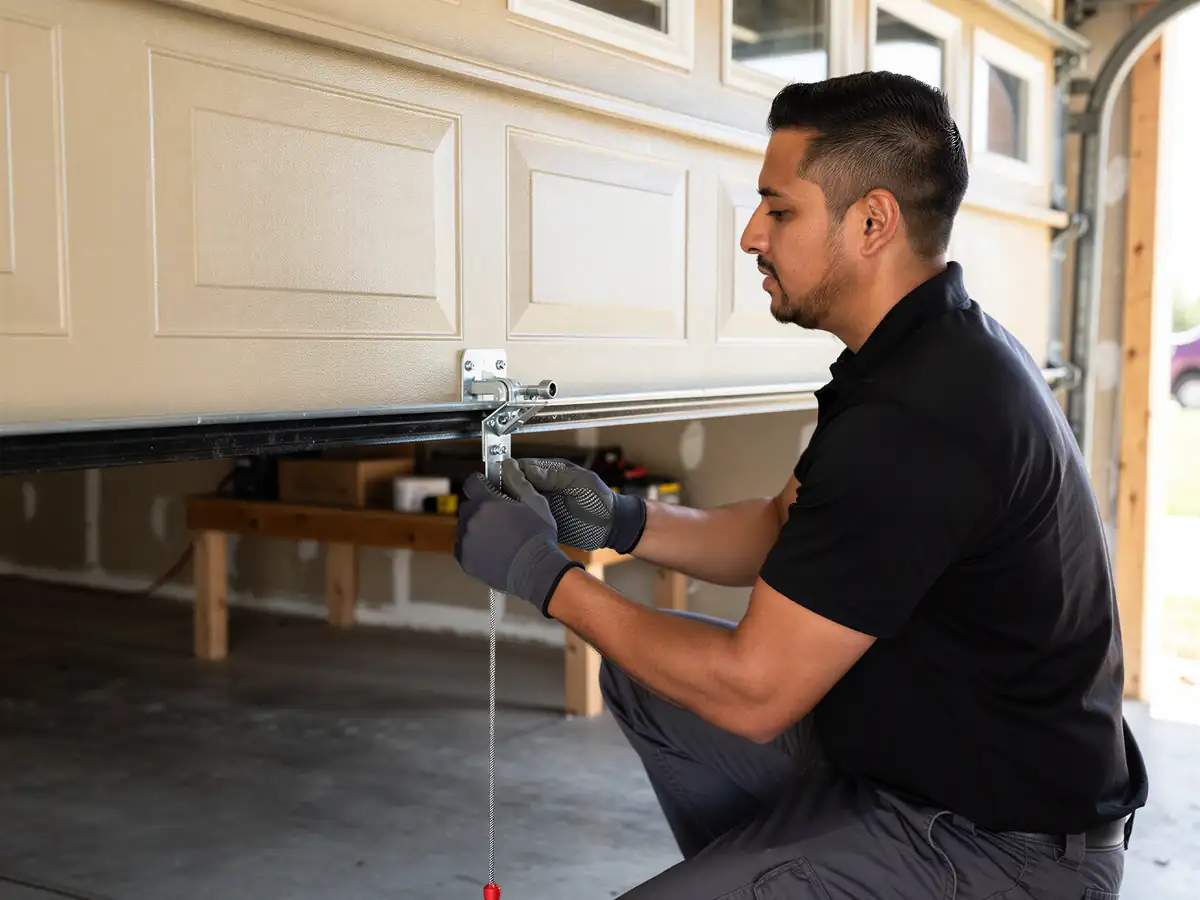
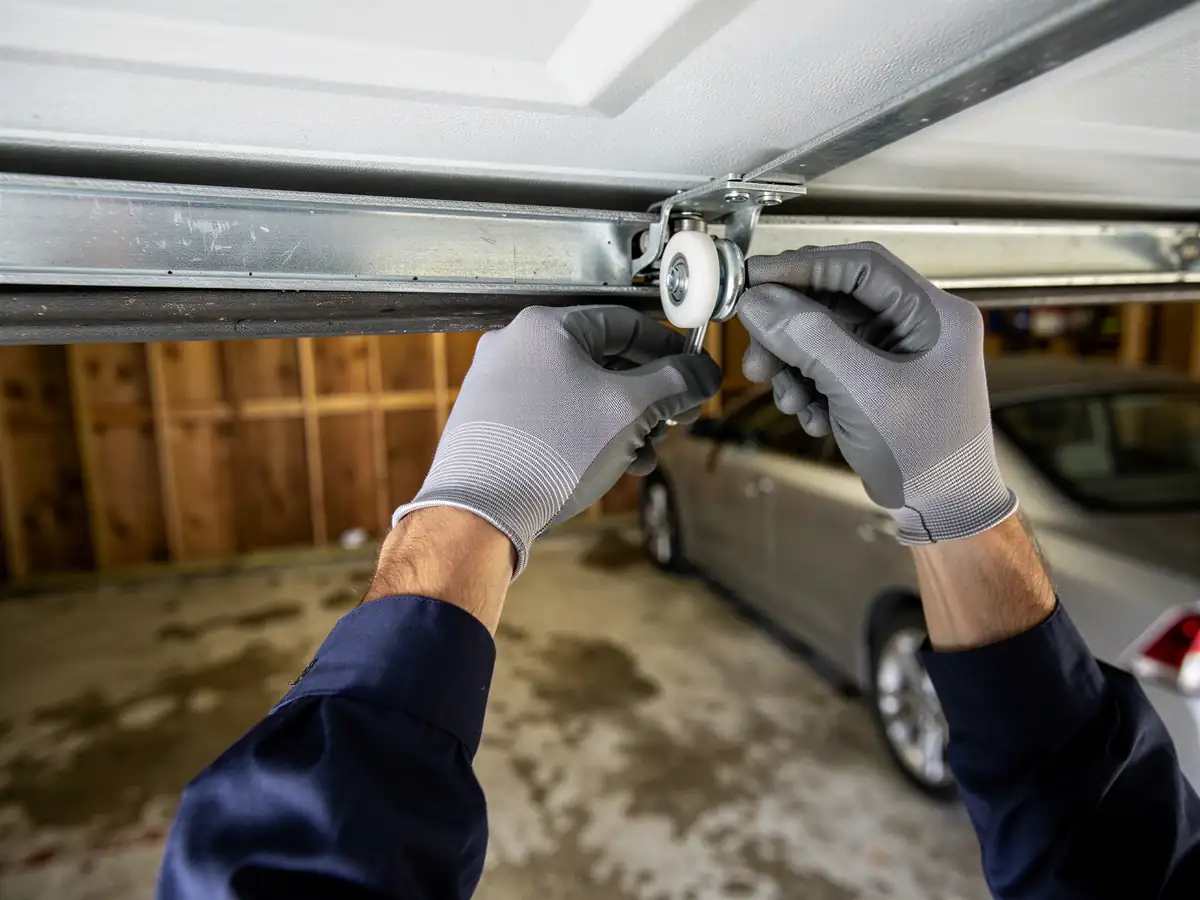
Walk the inside of the track with the door closed. Brackets should sit flush against the jamb - if you can wiggle one by hand, that's your loose point. Look at the gap between roller and track along the full run; it should be even top to bottom. An uneven gap usually means the track has pulled away from the frame somewhere in the middle, which is common in homes from the 1980s build wave once the original fasteners work loose. Check for rust or pitting on the rollers themselves, since houses in this climate band hold more moisture against bare steel than drier regions do. None of this requires removing the door. What it does require is catching it before the track bends - at that point you're looking at a replacement section, not a tightening job.
Why does my garage door only go off track in winter?
Steel track contracts slightly during the occasional freeze this area gets, which tightens the gap between roller and rail. If a bracket is already a little loose from years of humidity swelling the surrounding wood, that small seasonal tightening is enough to push the roller off the edge of the track.
Is an off-track door always a track problem?
No. Often the track itself is fine and the real issue is a loose mounting bracket, which is especially common in Metairie homes built in the 1958-2001 range where original hardware is still in place. Check the brackets before assuming the track needs replacing.
Can I push the door back onto the track myself?
Not while it's under spring tension. If the door is off track and the spring is still loaded, forcing it back can snap a cable or release stored tension suddenly. That's a call for a tech, not a weekend fix.
Ready to get your garage door sorted?
Tell us what it’s doing and where you are in Metairie - we’ll take it from there.