Doing It Yourself
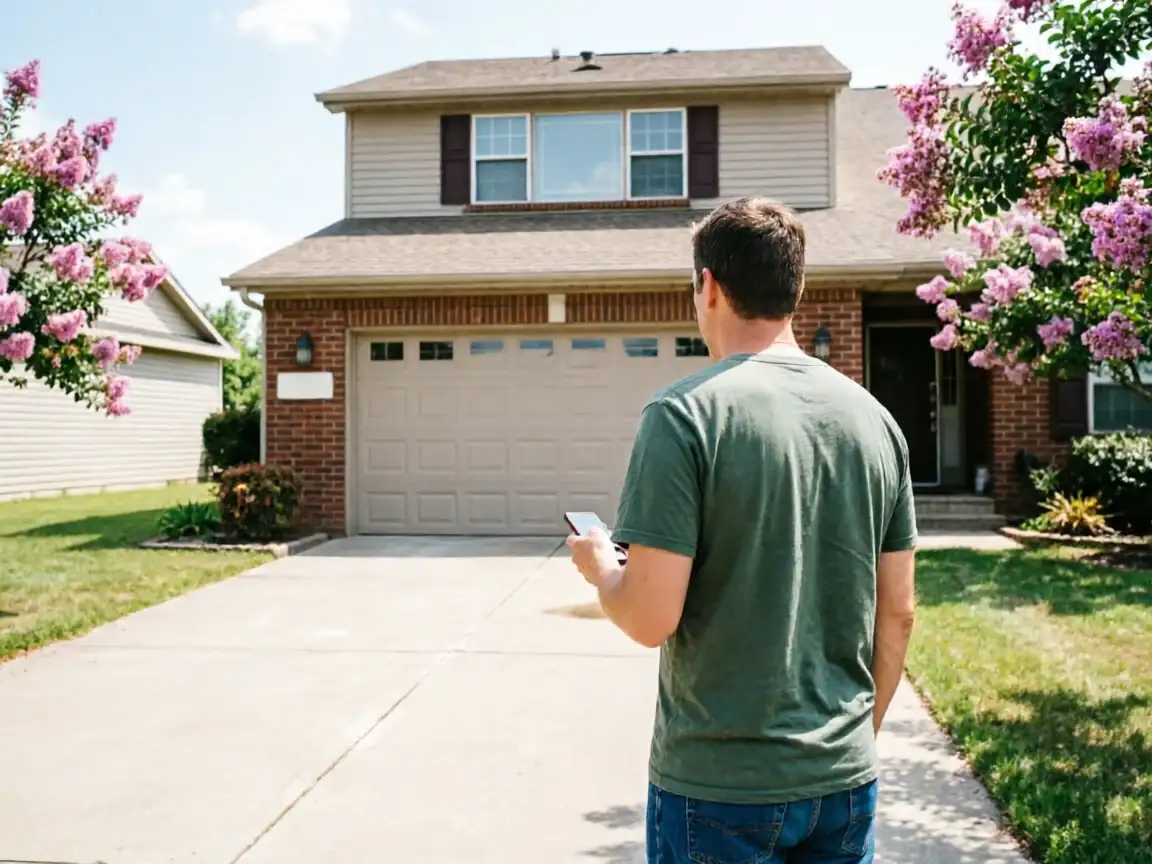
Before you call anyone, there are a few things worth checking
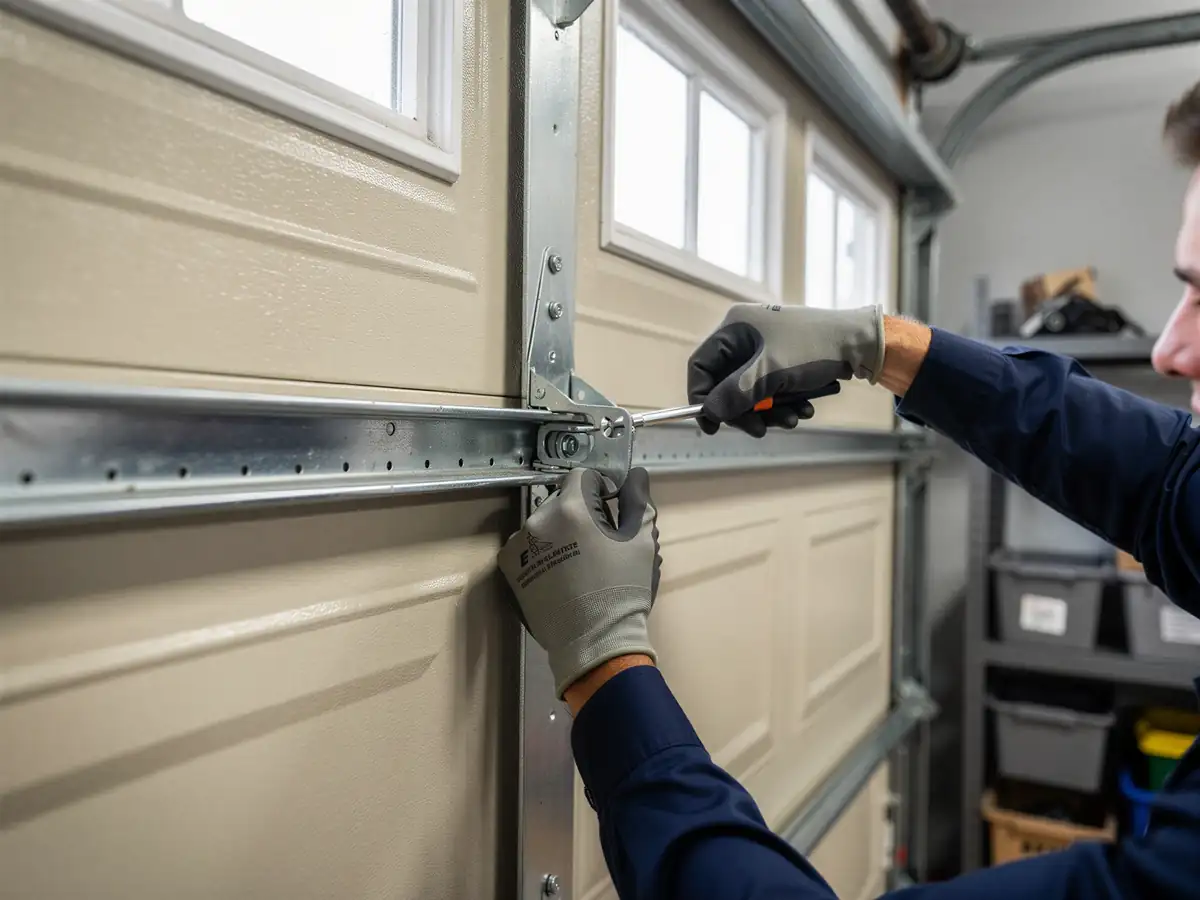
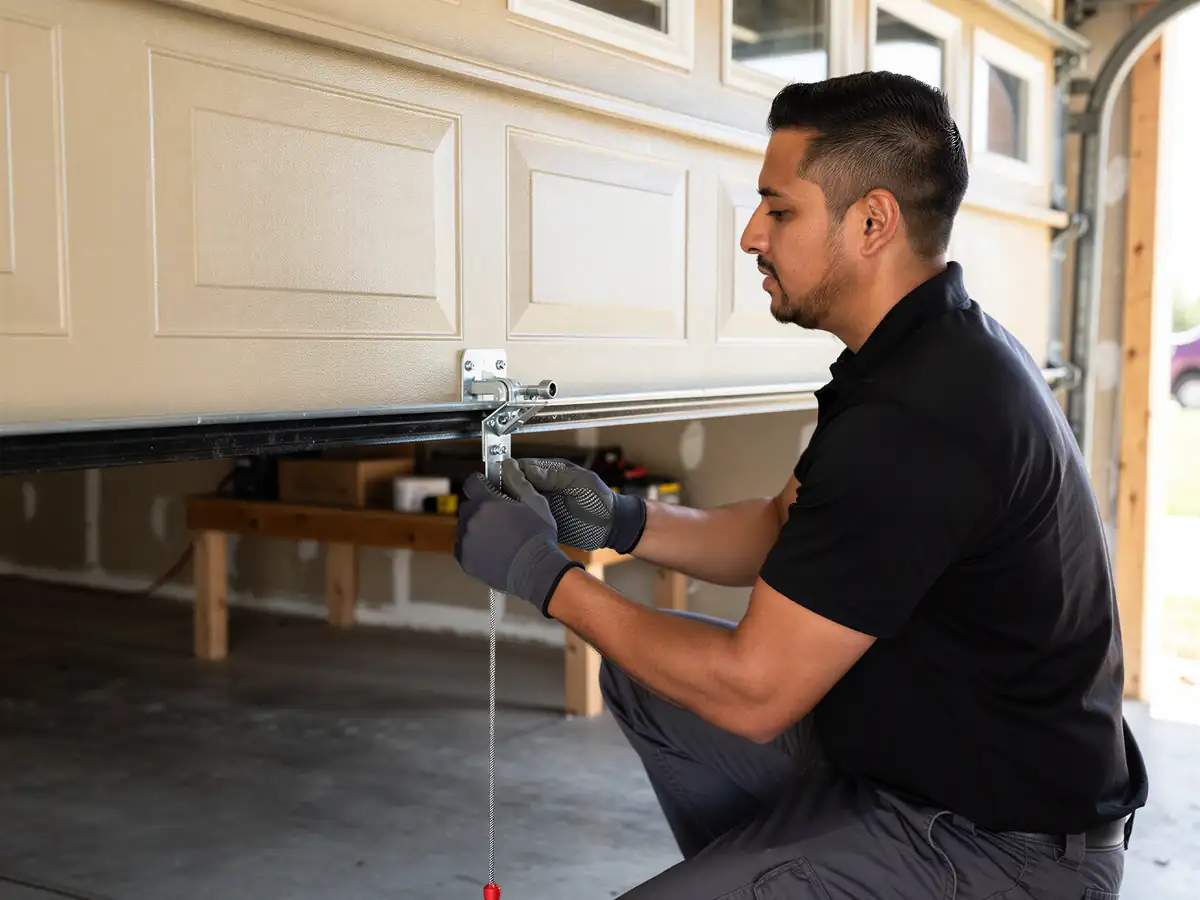
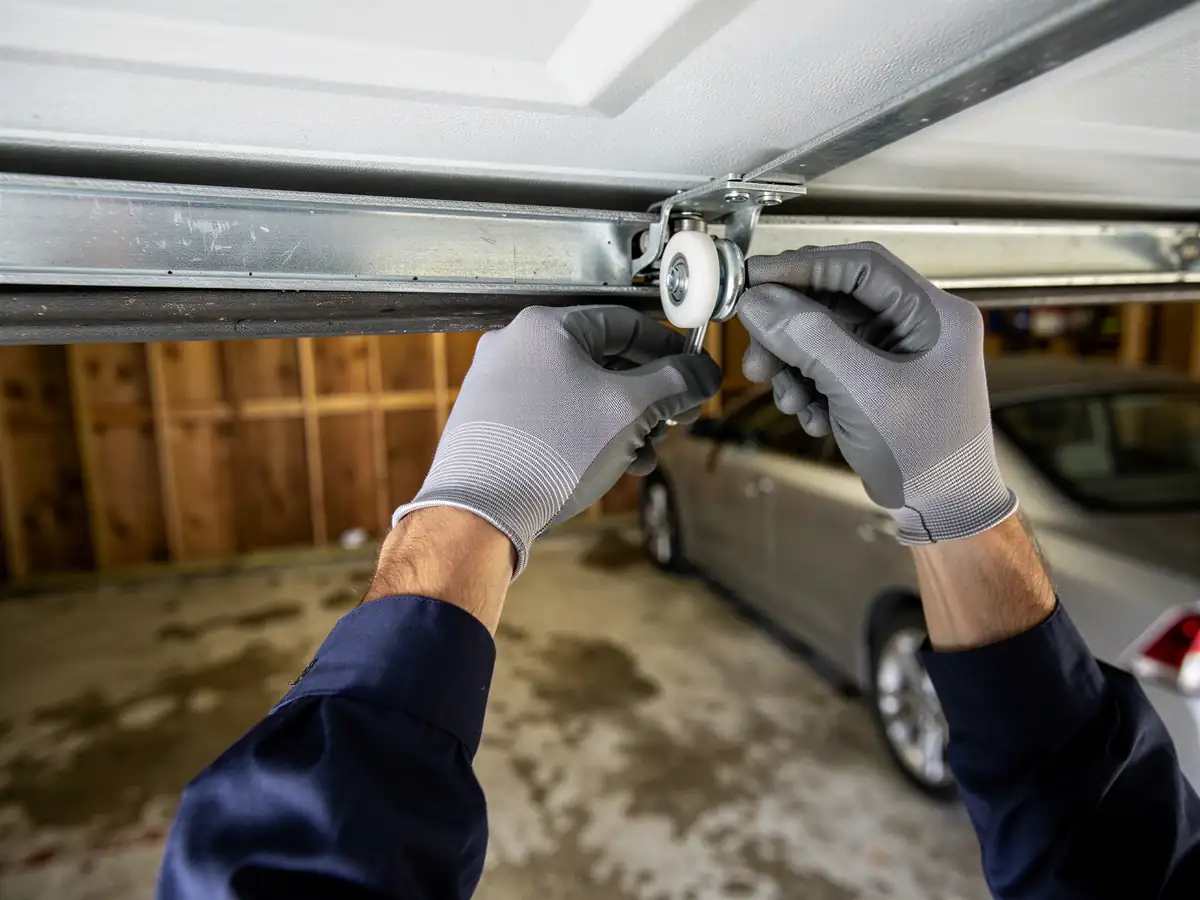
Pull the emergency release and see if the door moves by hand - if it's stuck even with the opener disconnected, the problem is mechanical, not electrical. Check the track for anything wedged in it, and look at the bottom brackets for obvious rust or a bent roller arm.
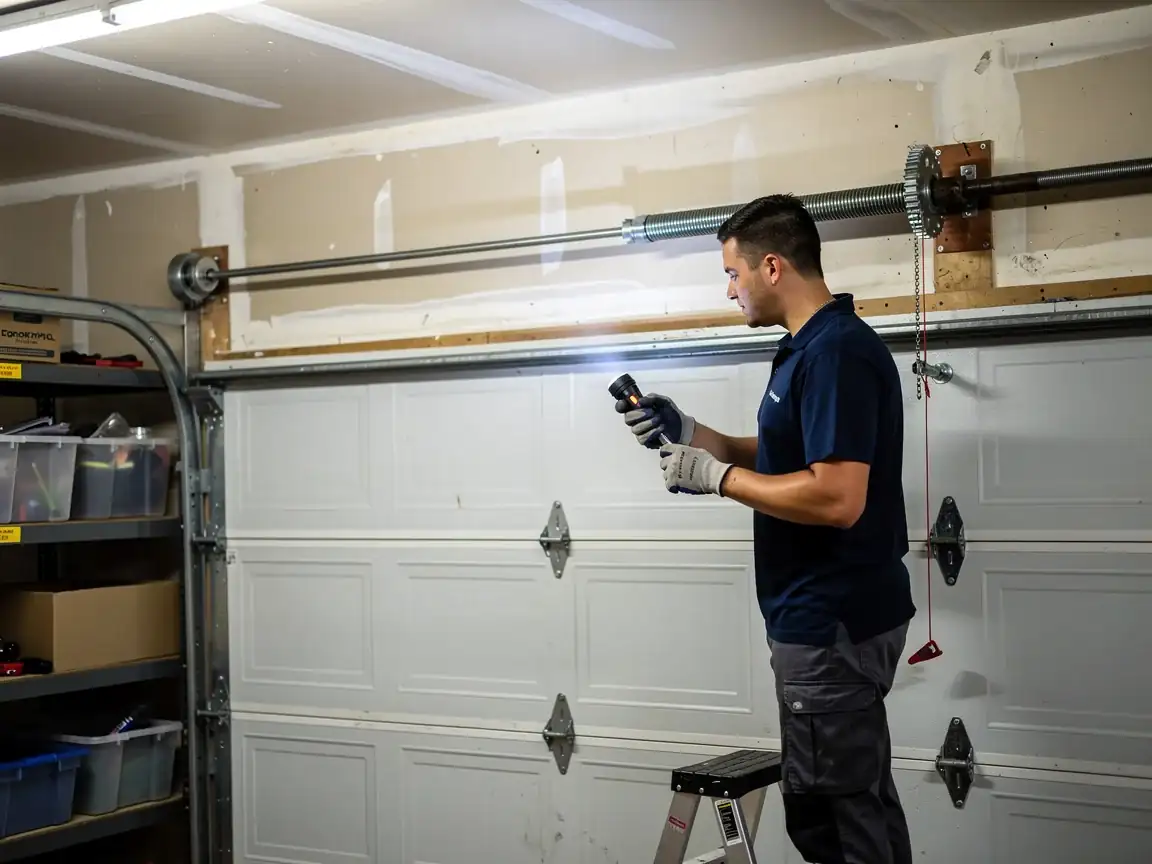
What you should not do is touch the spring
Houses in Harahan mostly went up around 1973, and a lot of the original garage hardware from that era used exposed extension springs mounted over the horizontal track rather than torsion springs on a shaft. Those older extension setups often predate the safety cables that run through the spring coil on modern installs, which means a snapped spring on a door this age can whip loose instead of staying contained. If the spring looks stretched, frayed, or already broken, step back and call. This is the one repair on a garage door where the wrong move costs more than a service call - it costs a trip to the ER.
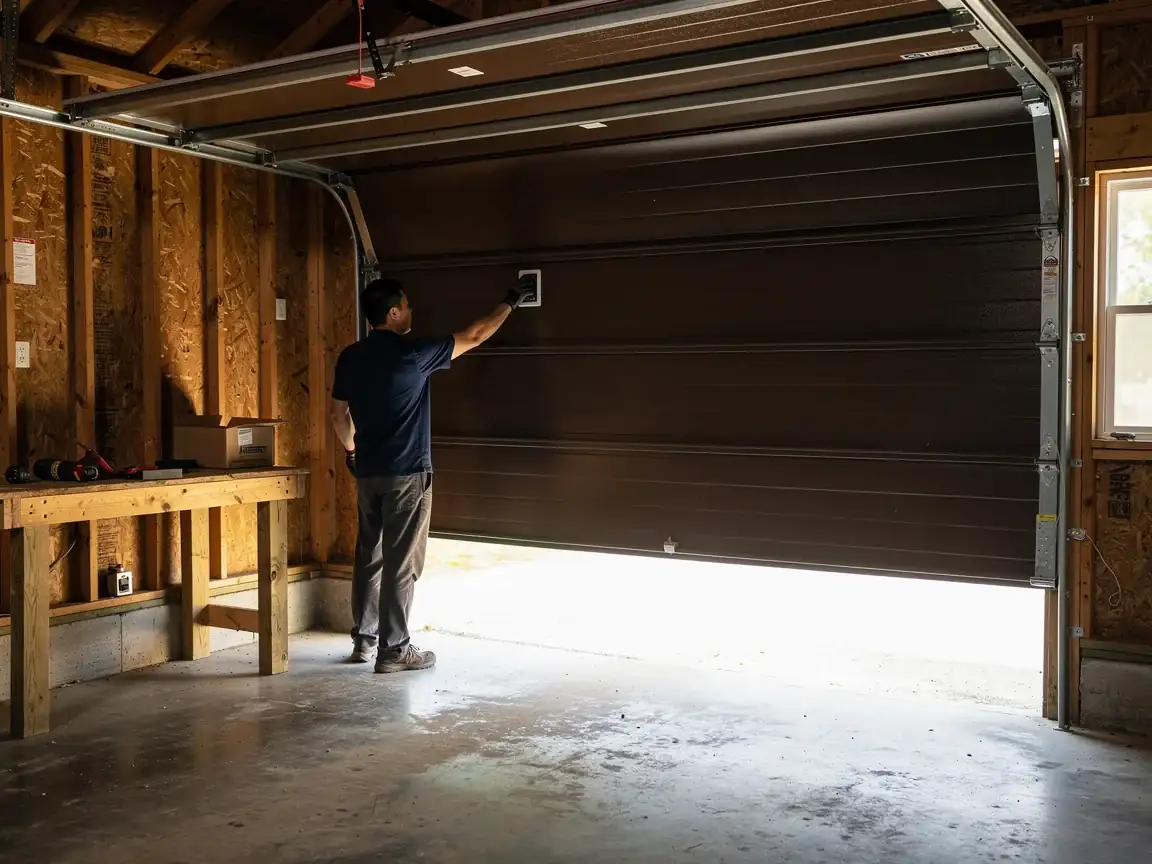
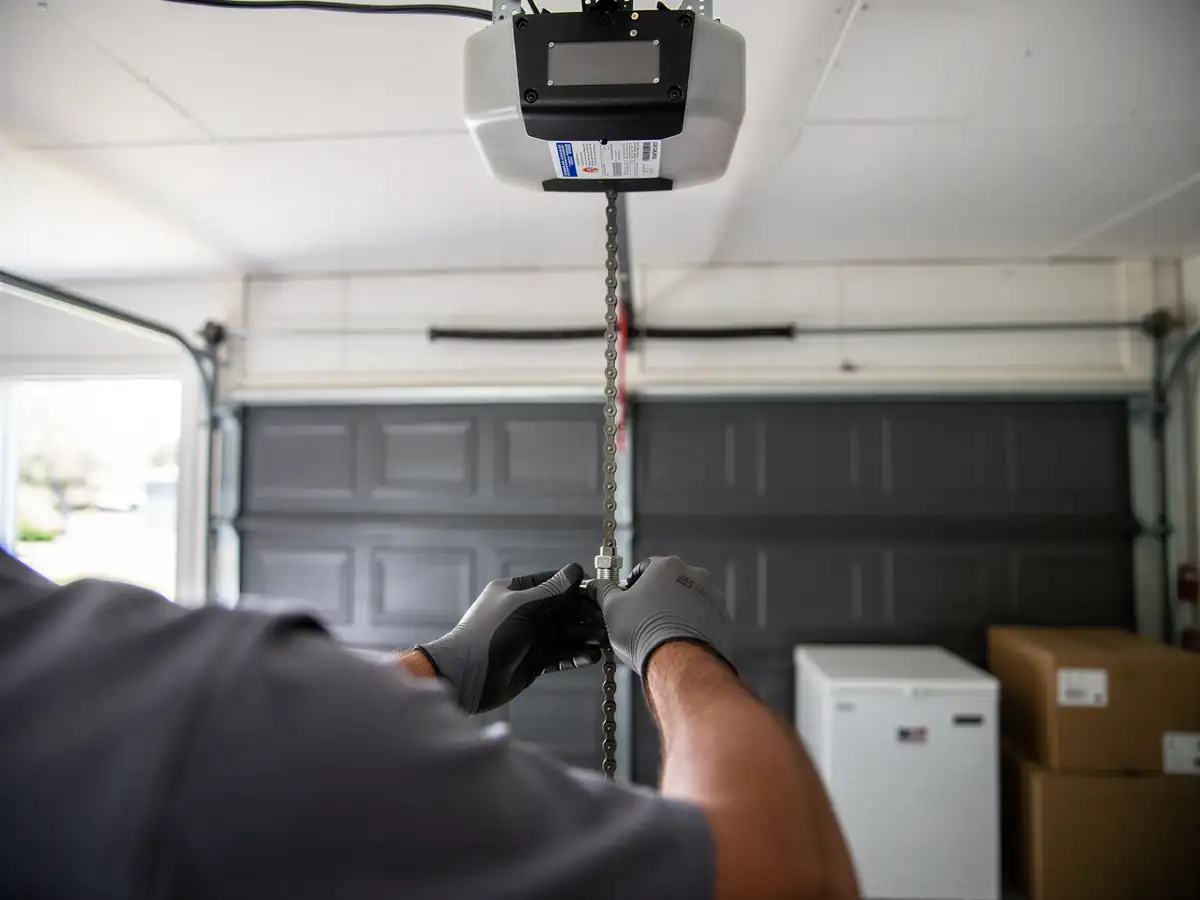
If the opener just won't respond at all, swap the remote battery first
It sounds obvious, but it's the single most common false alarm we get.
The Cost of This Job
We're not going to list a number here that isn't accurate for your specific door, because on a house built around 1973 the range is wider than it looks. A broken torsion spring on a door retrofitted in the last fifteen years is a straightforward job. A door still running its original 1970s-era extension springs and a narrower rail is a different job - sometimes the part is still available, sometimes we're adapting a modern equivalent to fit an older track width, and that changes the labor.
Harahan's median household income, at $78,222, runs well above the $67,099 figure for the wider service area we cover out of Metairie. That doesn't set the price of a repair, but it does mean we see more owners here choose full hardware replacement over patching a forty-year-old system that's going to fail again in a year. Neither choice is wrong. A repair makes sense when the door itself is sound and it's one part that failed. Replacement makes more sense when you're already on your second or third spring call on the same original hardware.
Parts We Carry
Because so much of Harahan's garage hardware traces back to the early 1970s, we carry both the modern torsion spring sizes most trucks stock and the older extension spring lengths that a lot of newer parts suppliers have quietly stopped making. Same with track - a 1973 build is more likely to have a narrower rail and lighter-gauge roller than what ships standard today, and showing up without the right width wastes everyone's time.
Cables, rollers, and hinges wear differently here than they would somewhere drier. The service area sits in a mild climate with occasional freezes rather than hard winters, so we're not dealing with ice-cracked panels the way a colder region would - but humidity does its own damage, mostly to steel cable and exposed springs that haven't been replaced since the door went in. We stock galvanized cable and sealed bearings for that reason, not because of cold.
What Causes It Around Here
The single biggest factor on a Harahan call is the age of the door itself
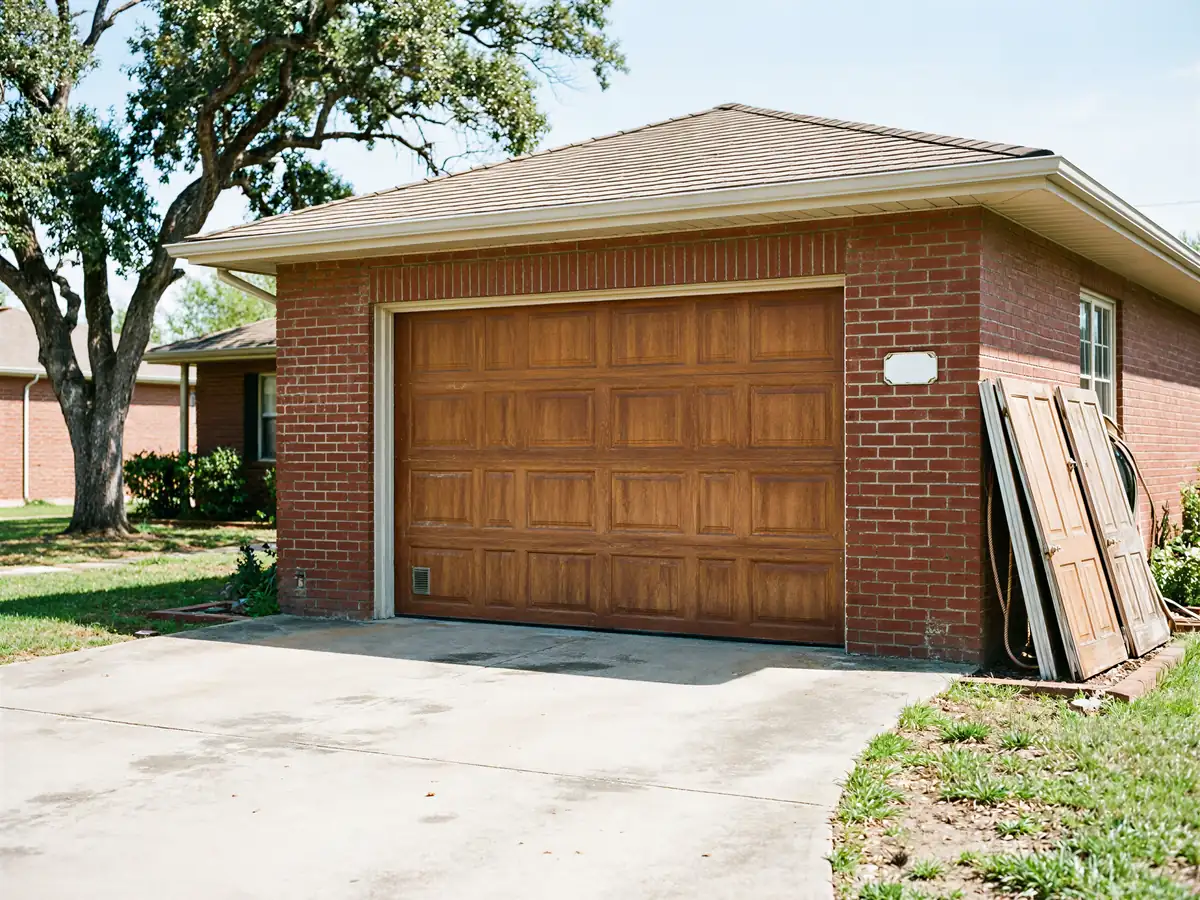
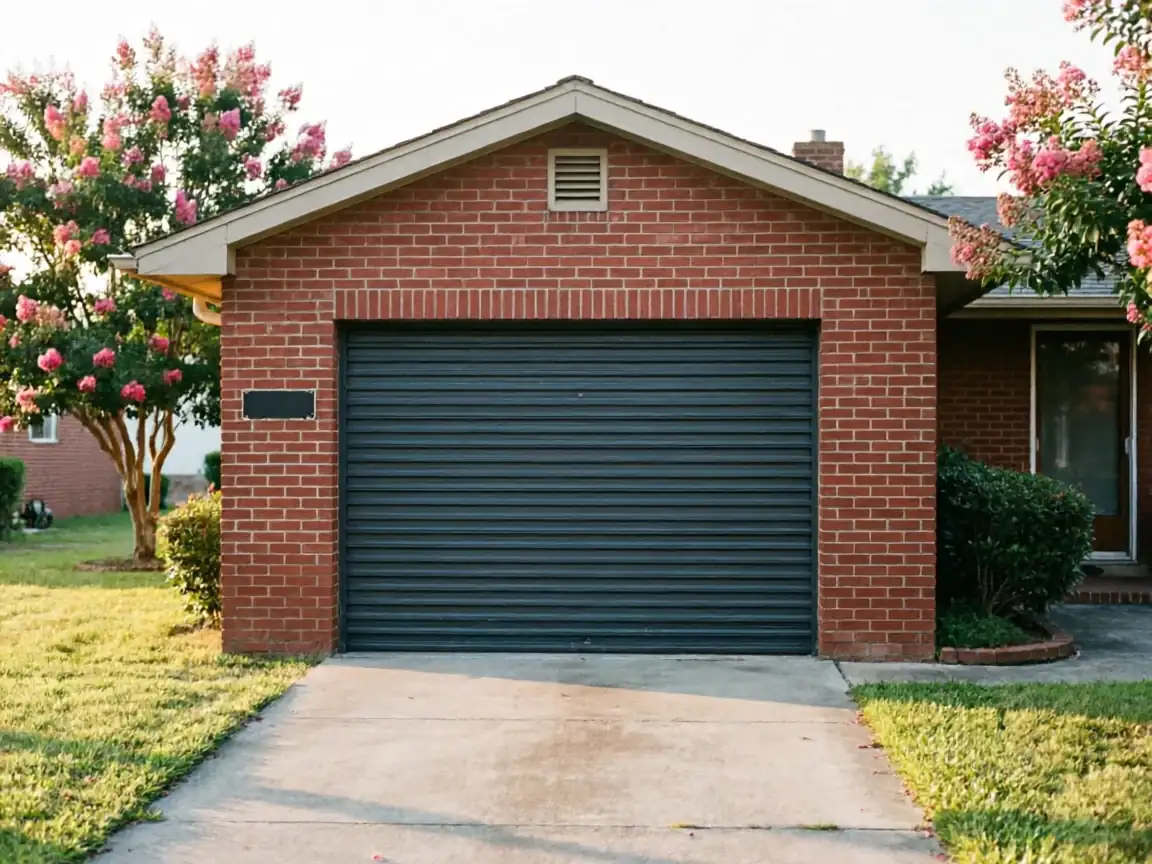
A median build year of 1973 means a meaningful share of garage doors in this area are either original or close to it - single-layer steel panels without the foam-core insulation that came standard later, hung on hardware that's now older than most of the people calling us about it.
The failures that come with that are predictable
Extension springs lose tension gradually, so the door gets heavier to lift long before it fails outright. Cable fraying on an original 1970s system is common simply from decades of cycles. Track alignment drifts on houses that have settled over fifty years, which shows up as a door that binds on one side.
Humidity plays a role too, even without hard freezes
Rust on an original spring or roller bearing that's never been serviced is more about age and moisture than any single weather event. None of this is unique to one house. It's what you'd expect from a neighborhood where most of the doors are the same age as the houses behind them.