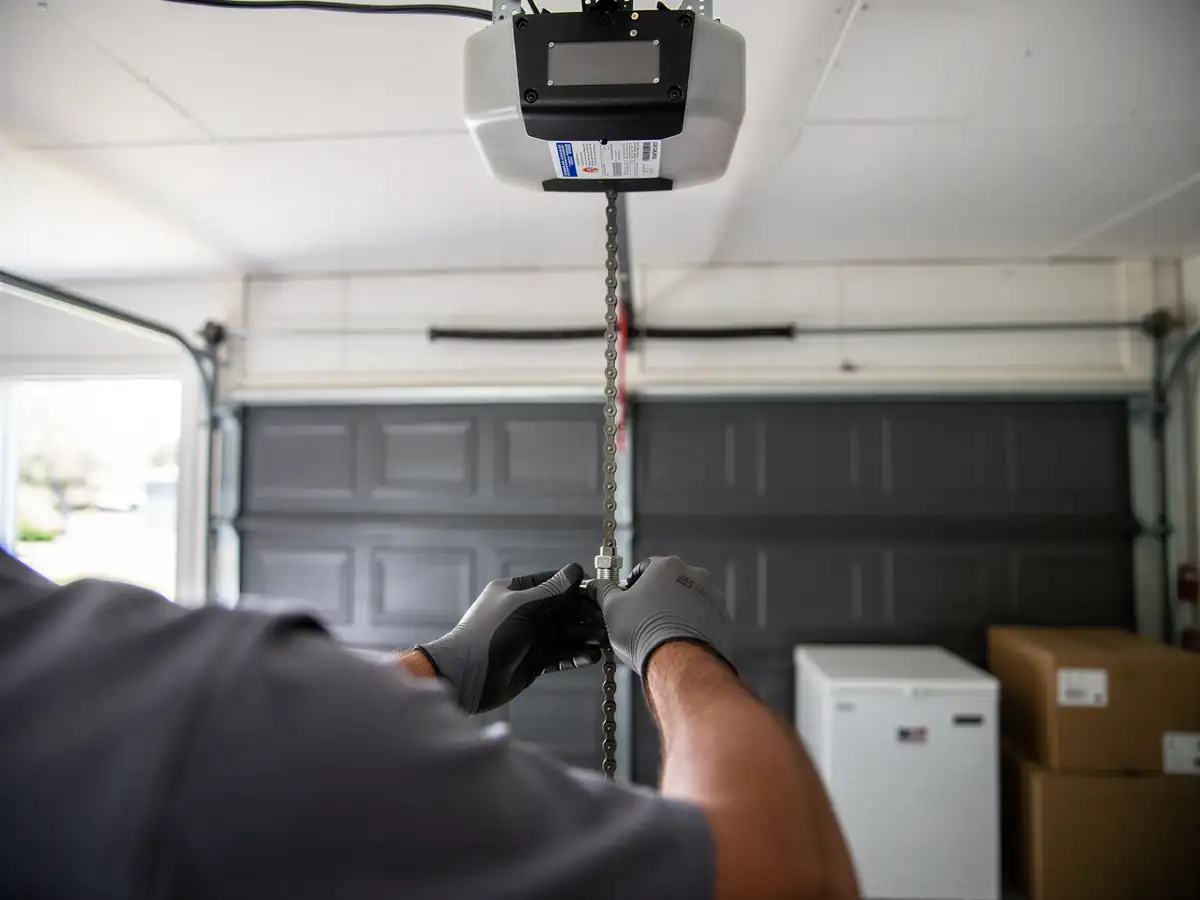
Doing It Yourself
Harahan is a small town, around 4,224 households, and most of the opener calls we take from here aren't complicated once you know what to check first
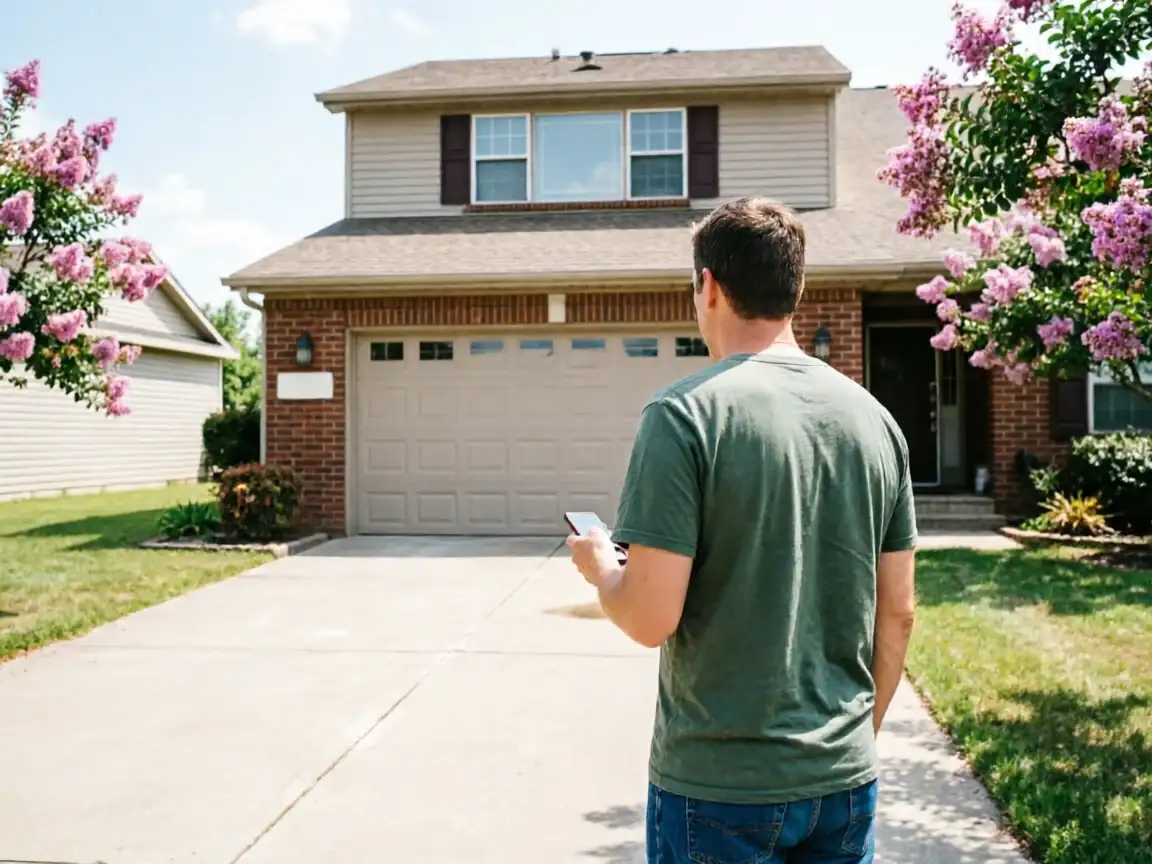
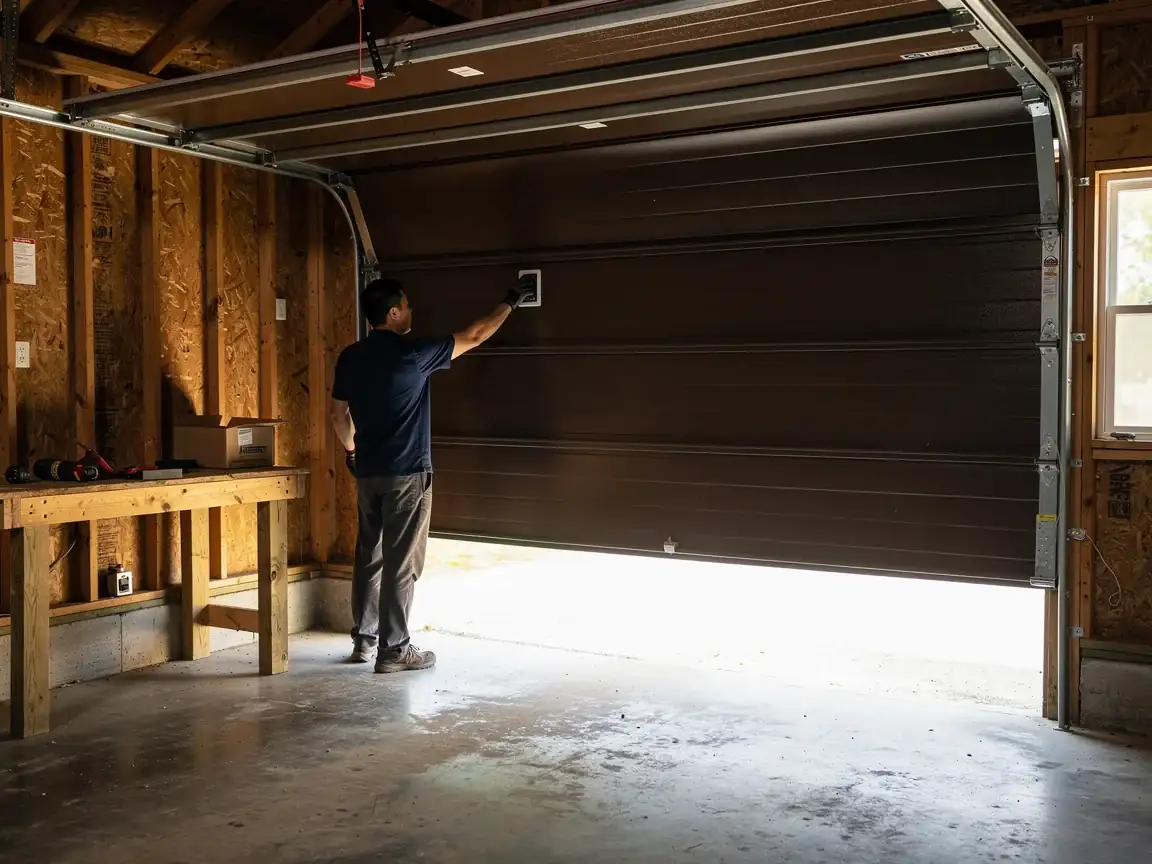
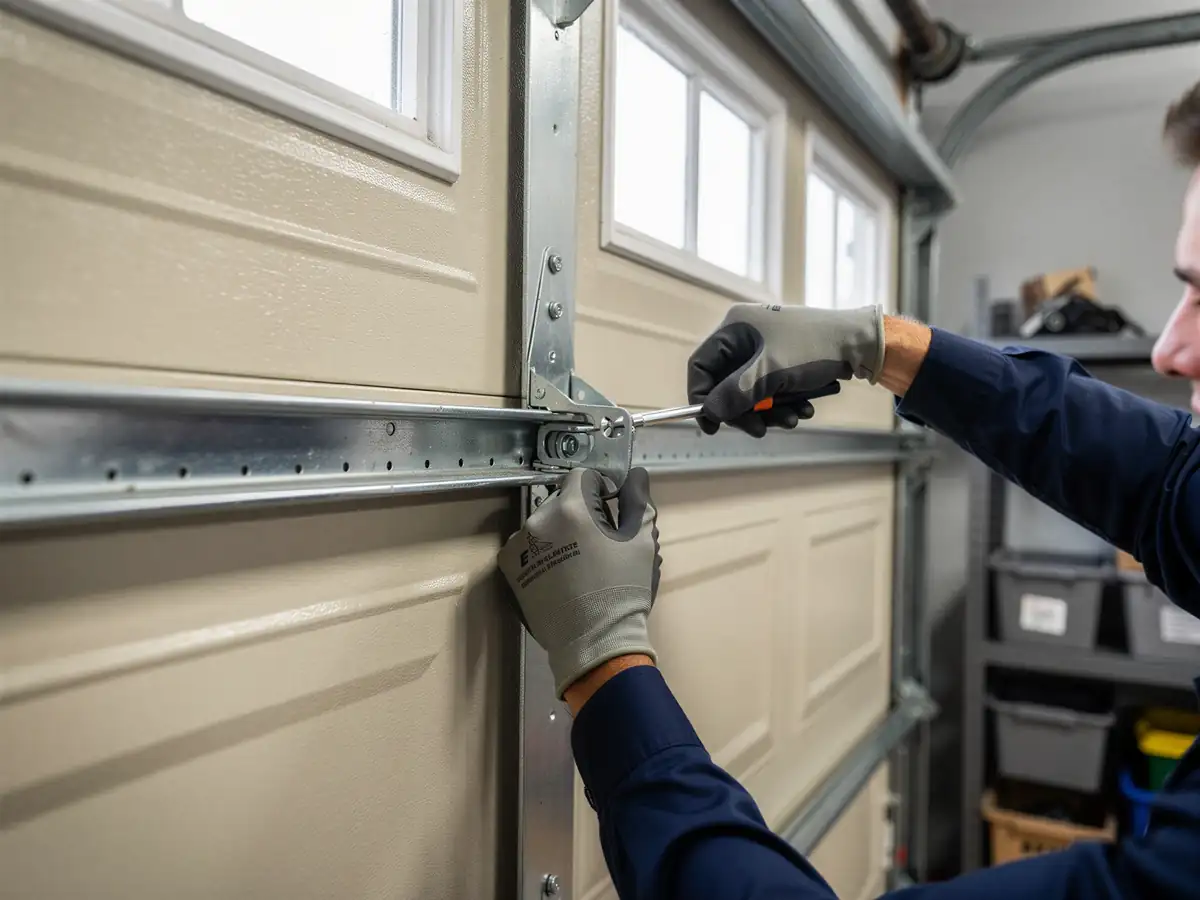
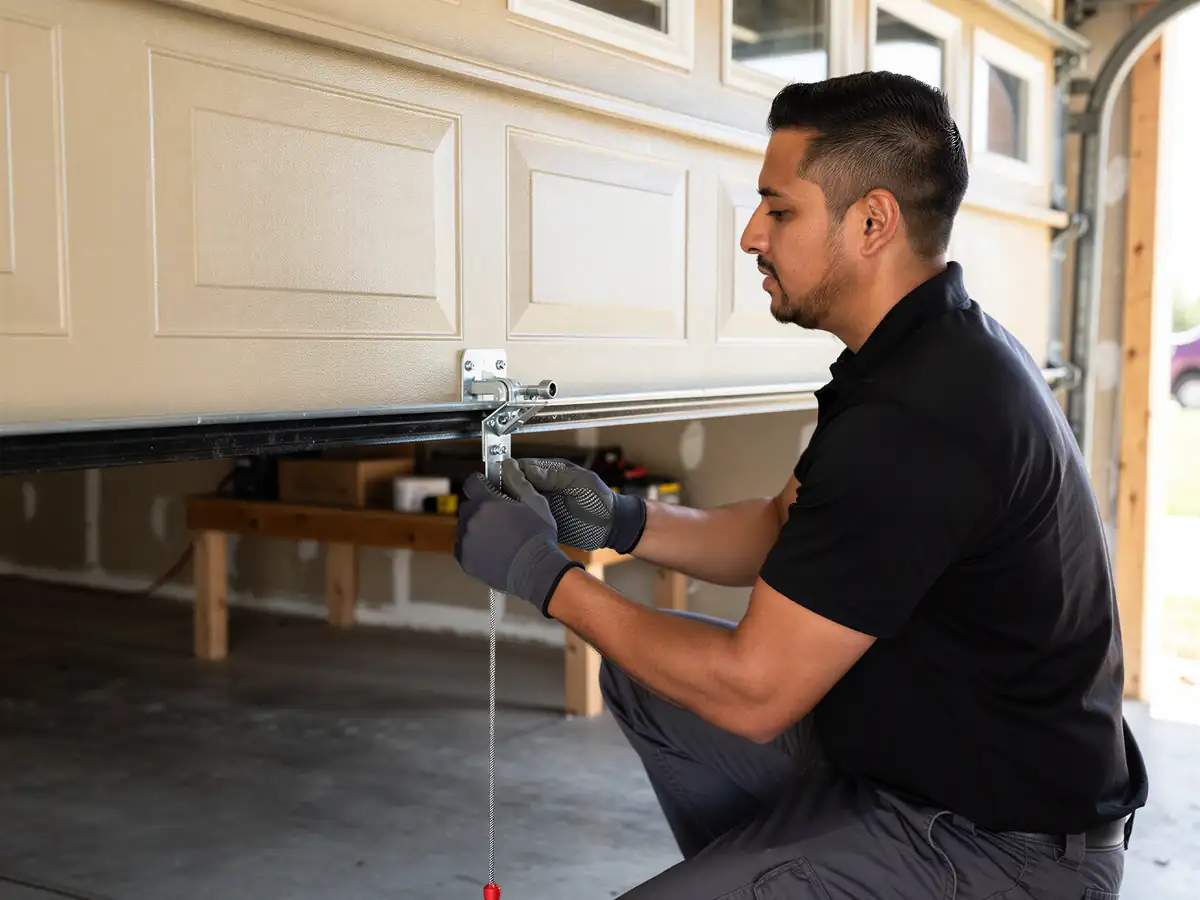
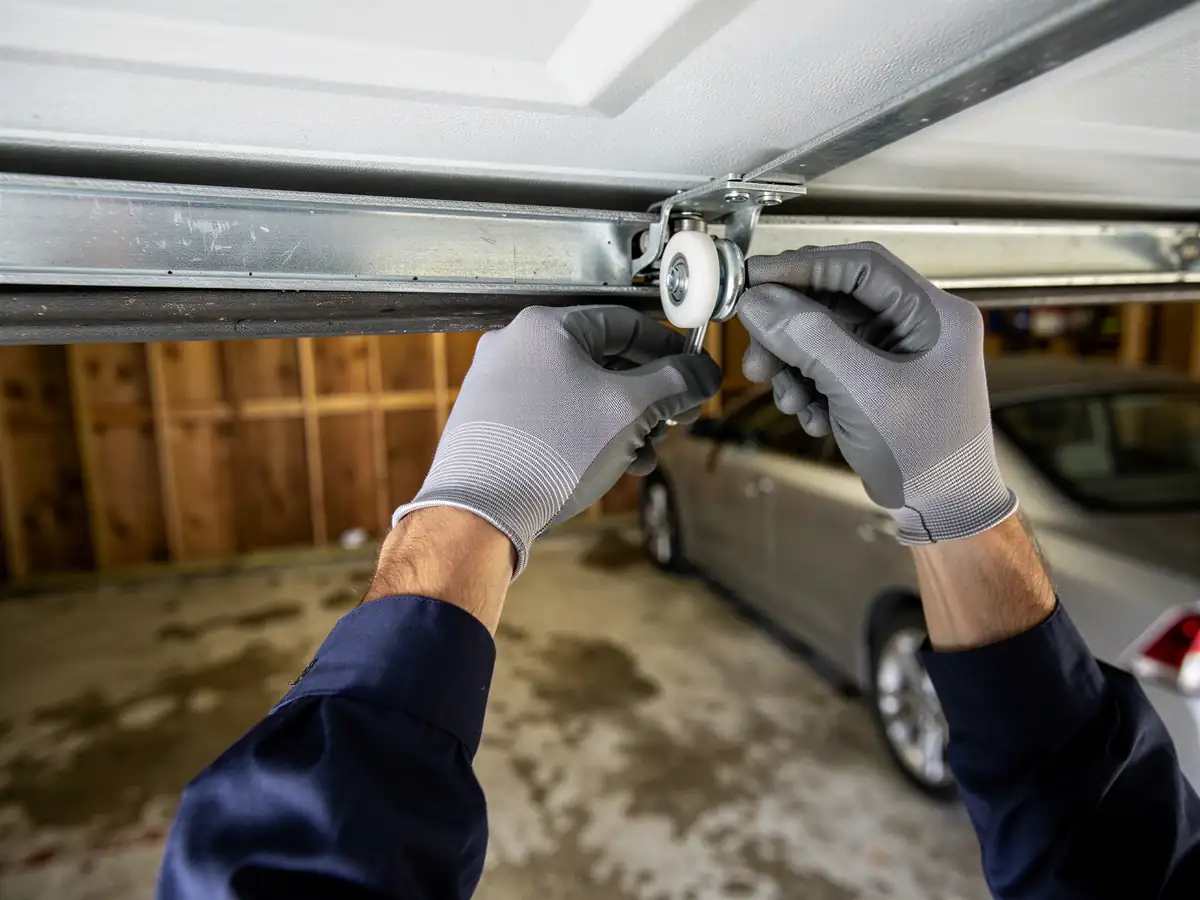
If the door won't respond to the remote but the wall button works, start with batteries, then check whether the antenna on the motor unit is hanging down instead of tucked against the housing. If the safety sensors near the floor have a solid light on each side, they're aligned; if one blinks, nudge it until both sit level. A door that reverses right after touching the floor usually means the close-force dial needs a small adjustment, not a new opener.
- 4,224 households
What you shouldn't open up yourself is the motor housing
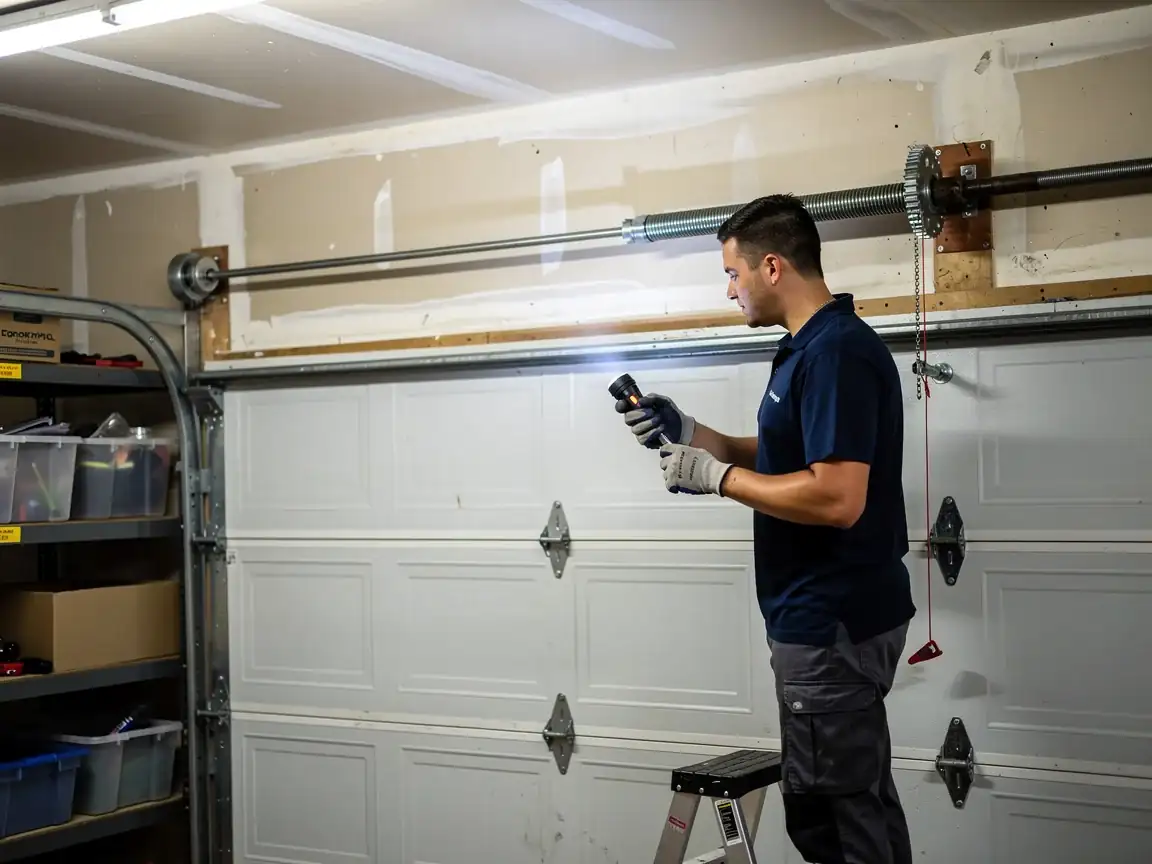
Inside is a capacitor that holds a charge even after you've unplugged the unit, and on openers from the 1970s and 80s that are still running in this part of the service area, the internal wiring insulation can be brittle enough that poking around makes things worse, not better. If you've reset the logic board, cleared the travel limits, and it's still not moving right, that's the point to stop and call someone who works on these for a living.
The Cost of This Job
We don't post a flat number for opener repair here because the range depends on what's actually wrong - a $20 sensor wire versus a full logic board versus a motor that's simply worn out after decades of use. What we can say is that Harahan's median household income, $78,222, runs well above the $67,099 median across the wider service area we cover from Metairie, and that does shift how people here decide between repair and replacement. A homeowner looking at a circuit board swap on a twelve-year-old opener in a higher-income household is more often willing to pay for the fix rather than wait for a second failure down the line.
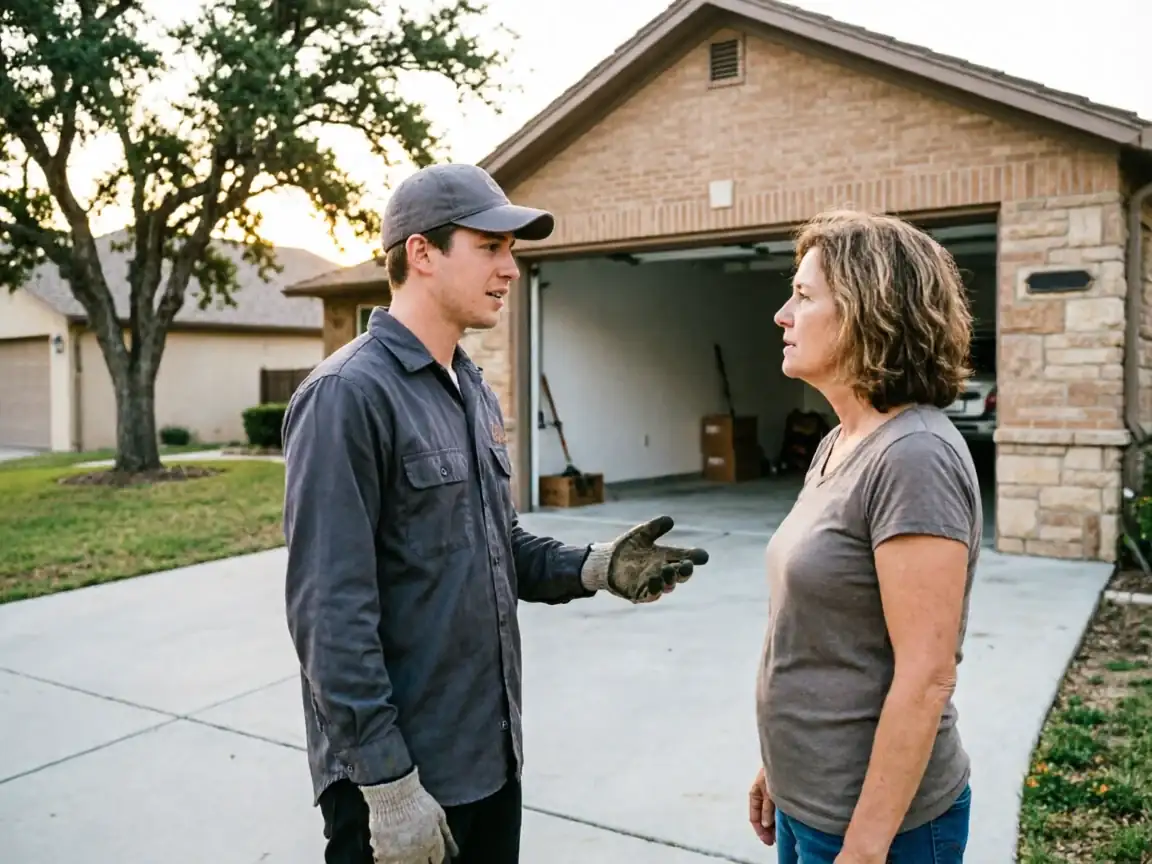
That said, the honest answer is sometimes the board isn't worth saving. If the opener is old enough that the manufacturer has stopped making the specific logic board, or the motor itself is drawing more current than it should, putting money into one part just delays the day the whole unit needs to come out. We'll tell you straight when that's the case instead of replacing parts one at a time.
Parts We Carry
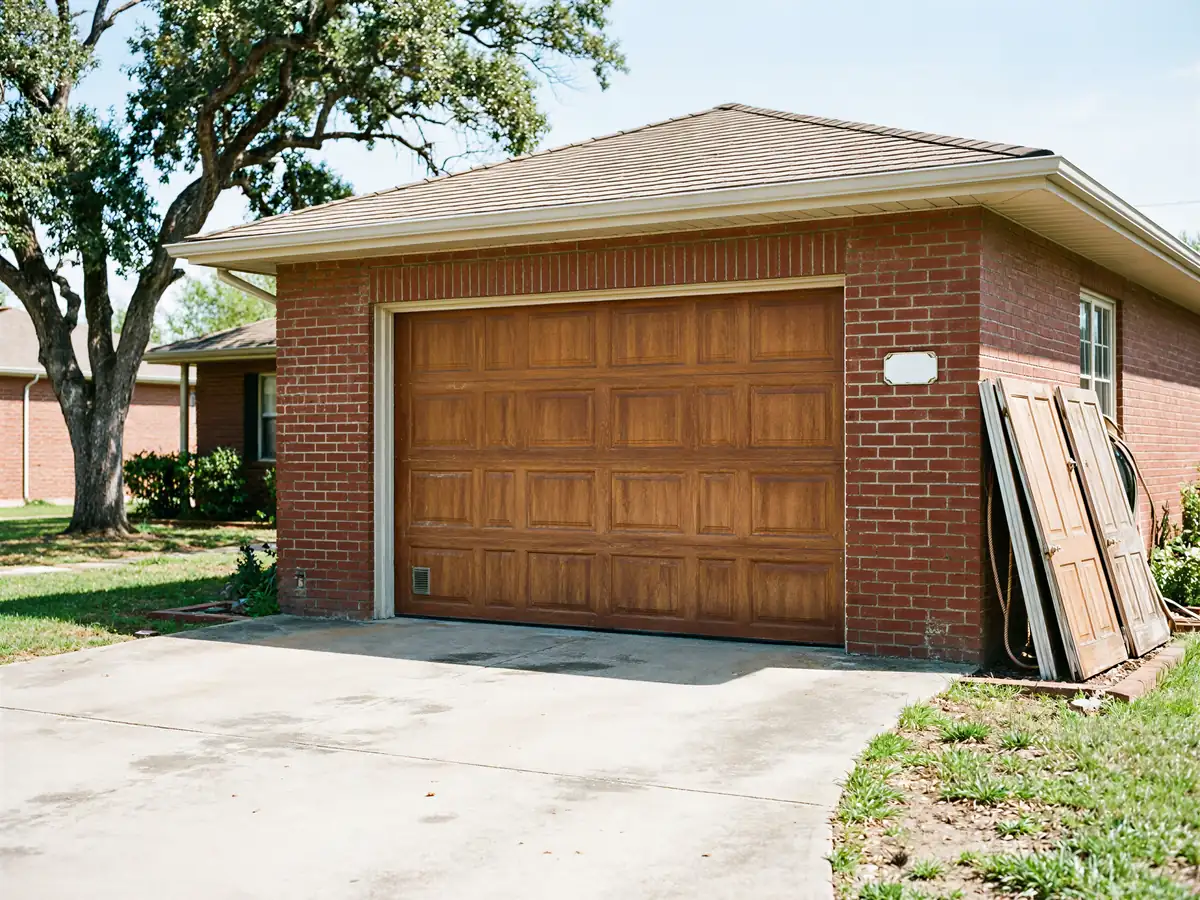
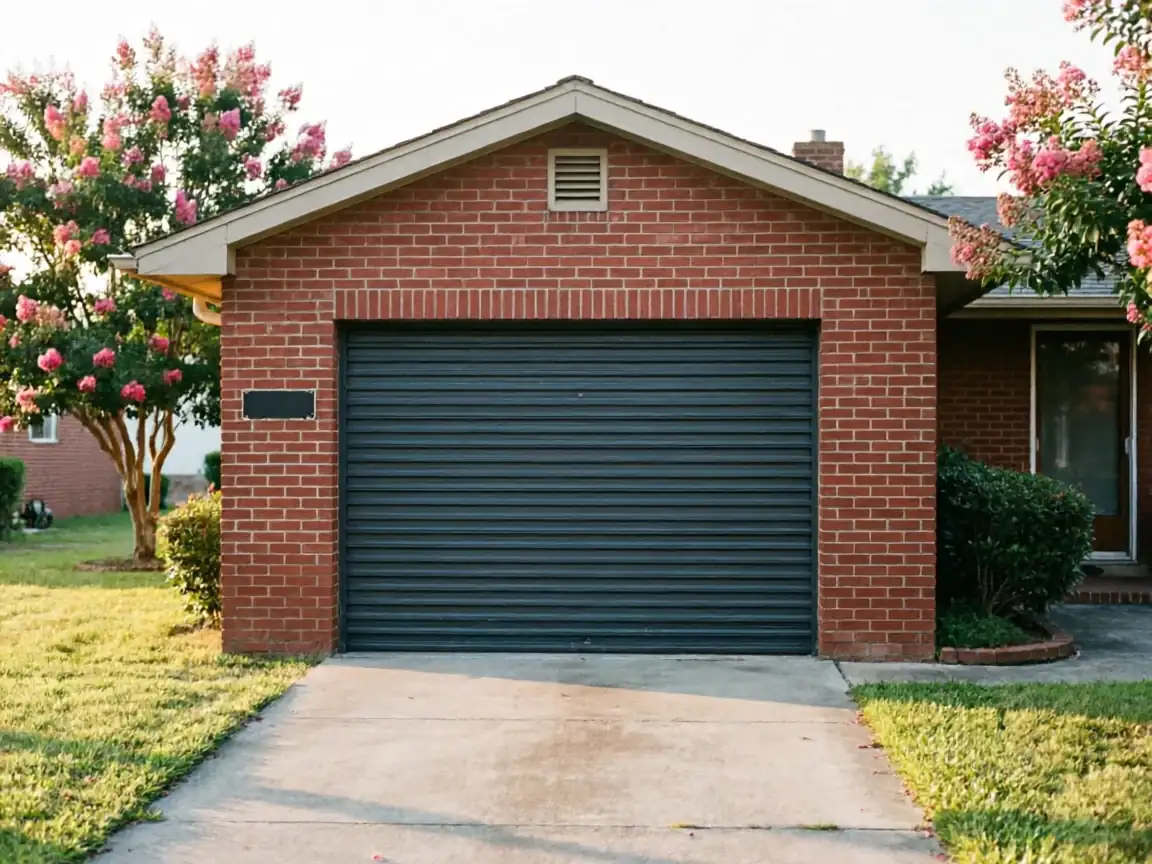
Houses in Harahan were mostly built around 1973, which is a decade ahead of the 1980 median for the broader area, and that gap shows up directly in the openers we find on calls here. A lot of these homes still run chain-drive units, some original to a later remodel, some swapped in during the 1980s and 90s when belt-drive wasn't yet standard. We carry chain and sprocket kits sized for that generation of opener, along with the capacitors and circuit boards that tend to fail on units from that era.
We also stock the newer safety sensor pairs and remote receivers that get retrofitted onto older chain-drive motors when a homeowner wants modern safety reversal without replacing the whole unit. What we don't carry on the truck is every discontinued board for every obsolete motor - some of the oldest units in homes this age used parts that manufacturers simply don't make any more, and in those cases a full opener swap is the only real option, not a stopgap repair.
What Causes It Around Here
The service area sits in a mild climate with occasional freeze
And that matters more for openers than people expect. It's not the cold that does the damage here - it's the humidity swings that come with it, which work on the solder joints and sensor wiring inside a motor housing over the years. In a town like Harahan, where the housing stock centers on 1973, openers have had a long stretch of those seasonal swings to work on aging components, and logic boards are usually the first thing to go intermittent before they fail outright.
The other factor is simply how old the original installs are
A house built in 1973 that never had its opener replaced is running hardware well past its expected life, and a lot of the trouble calls we get from this area are openers limping along on a board that's started skipping commands. Add a sensor knocked out of alignment by a bike or a trash can, and you get the classic complaint: door won't close, no clear reason why.