Doing It Yourself
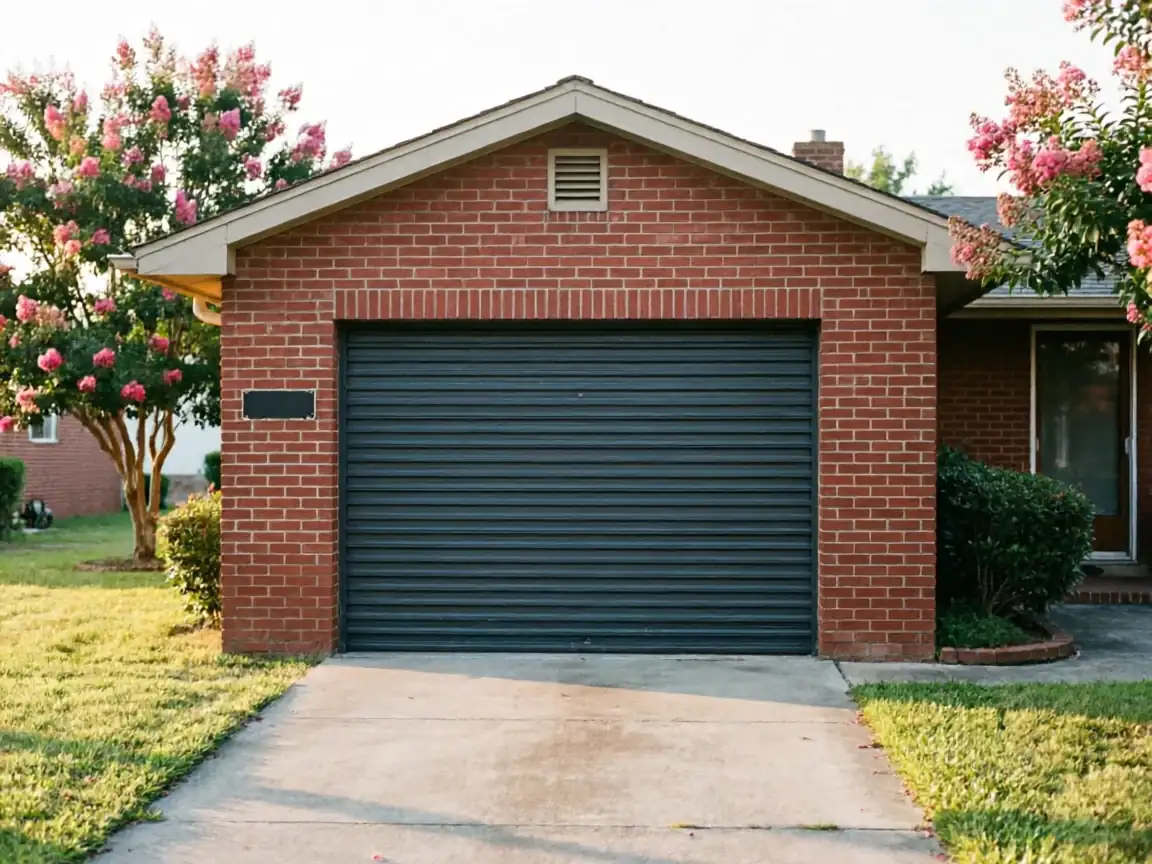
A lot of Harahan houses went up around 1973
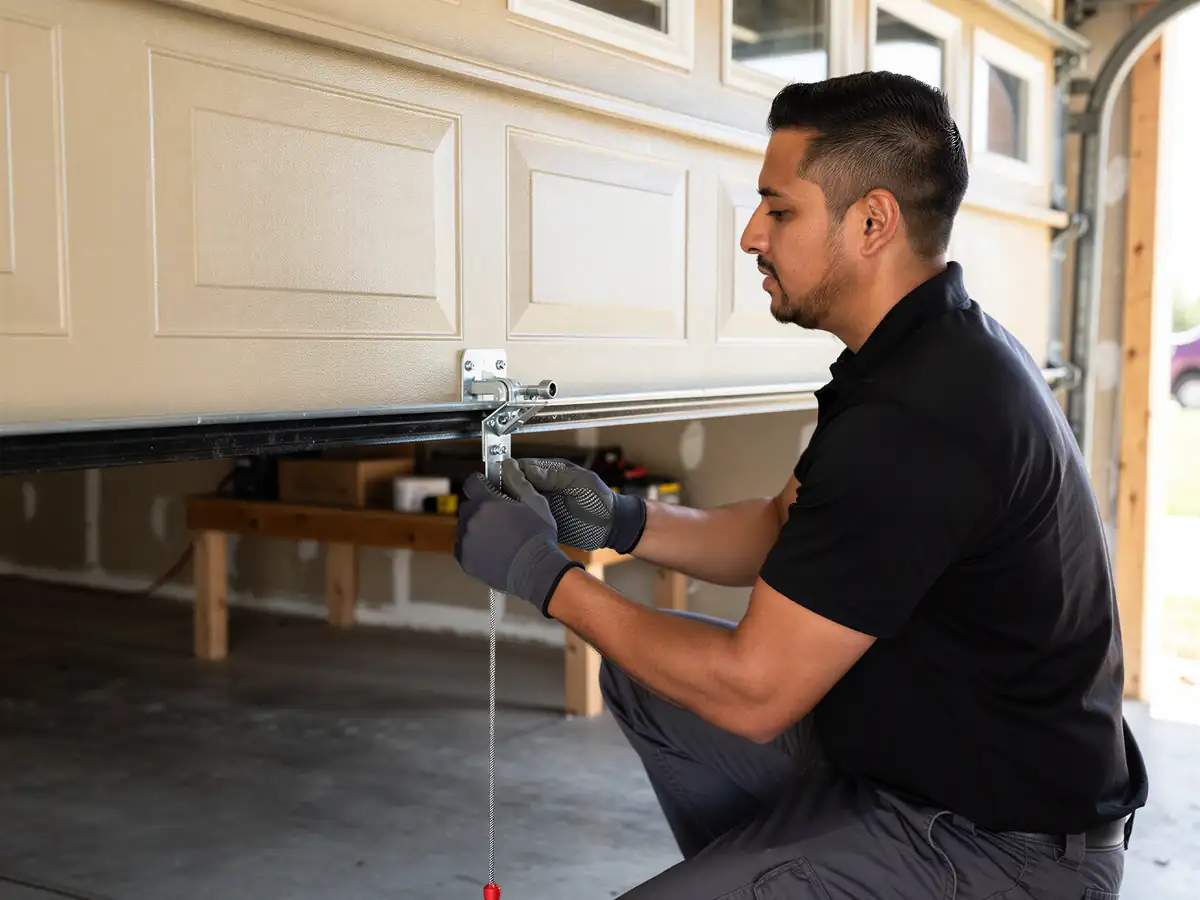
Which means the garage door on a lot of them has never been fully replaced - just patched, re-sprung, or left alone until it stopped working. If your door is original to a house that age, the track brackets are probably still the ones installed when the slab was poured, and the fasteners holding them to the jamb have had fifty years to work loose or rust in this climate.
There's a limit to what you should touch yourself here
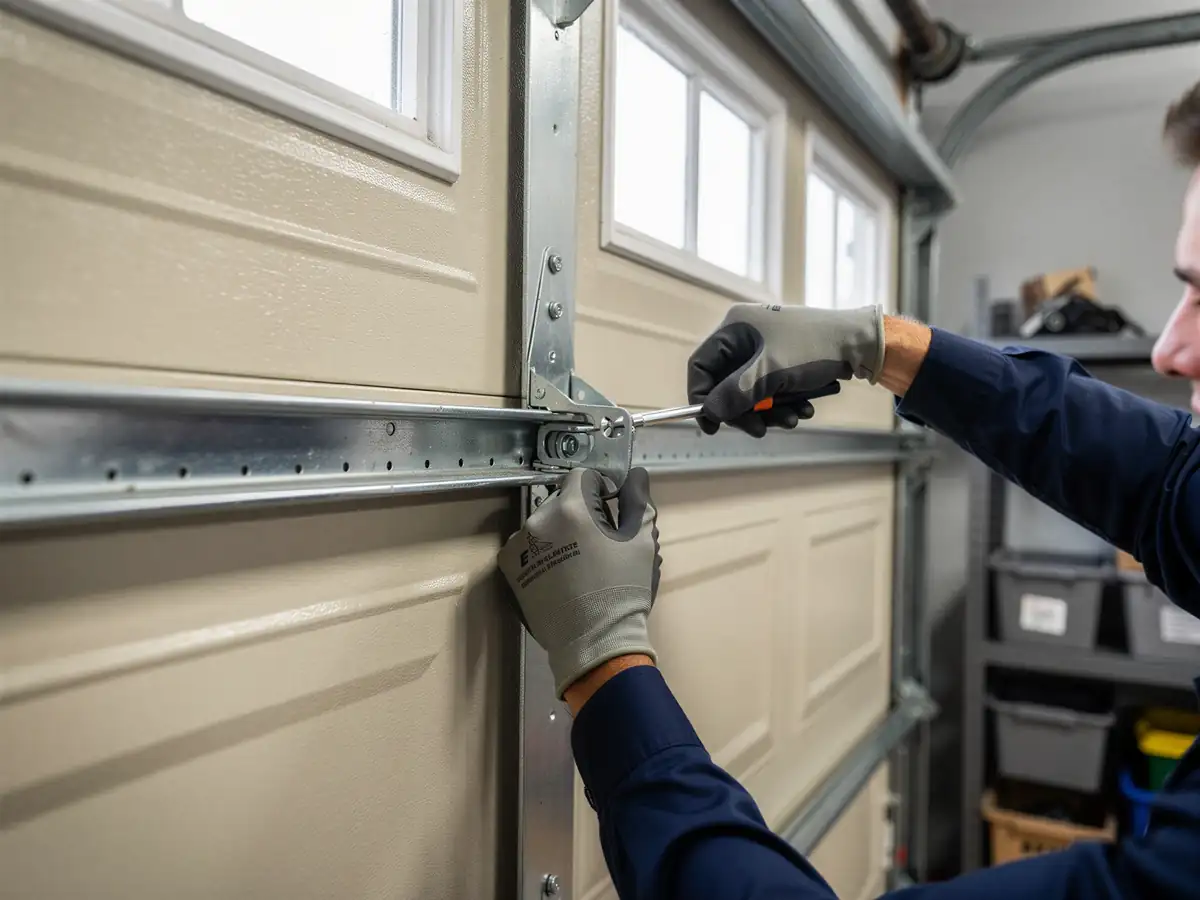
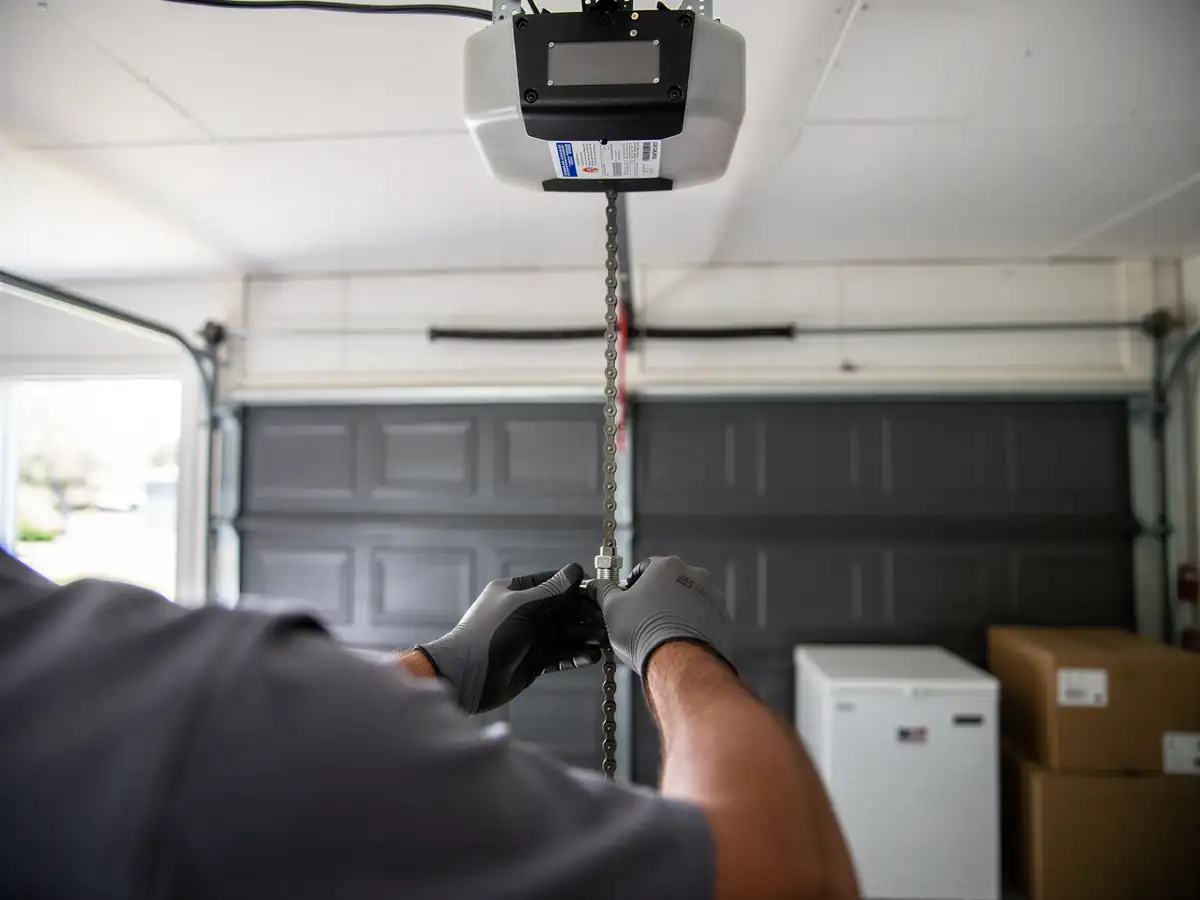
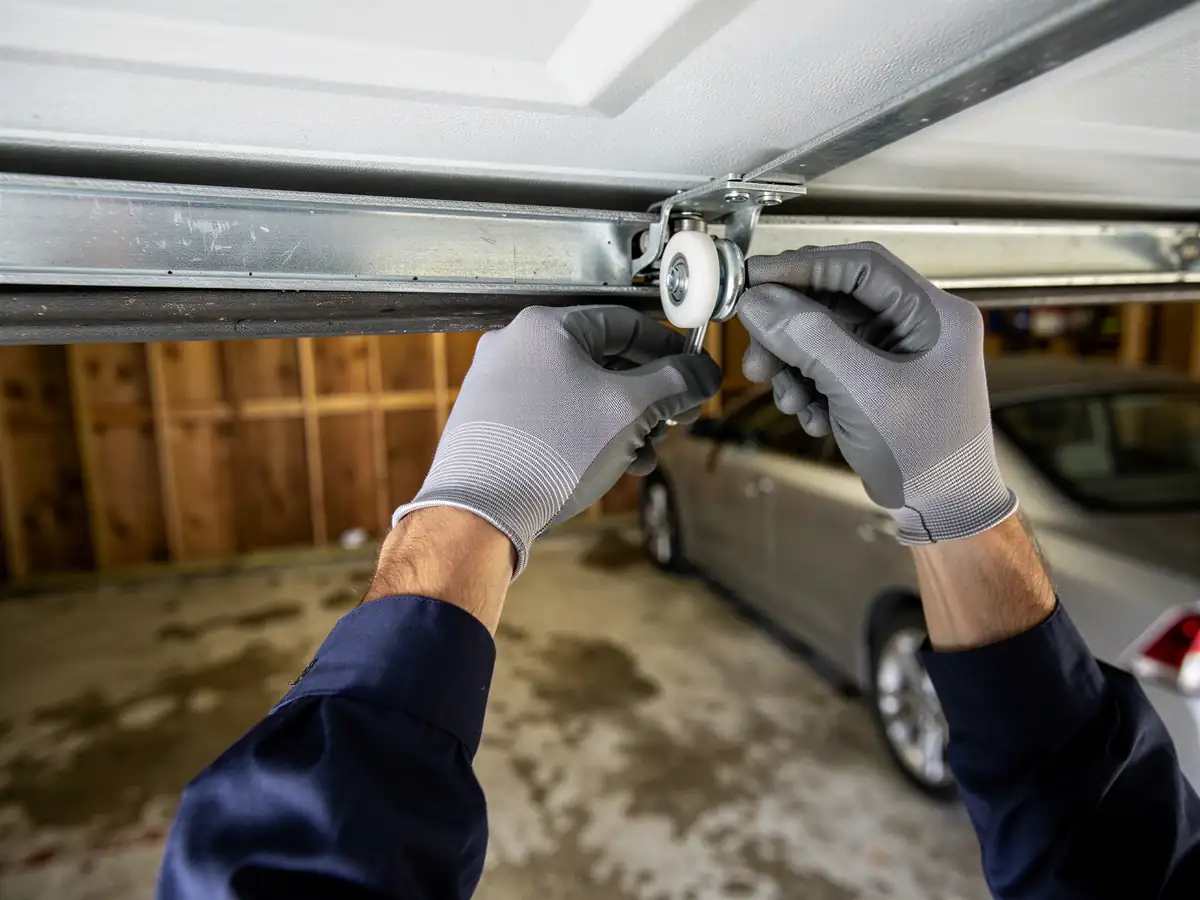
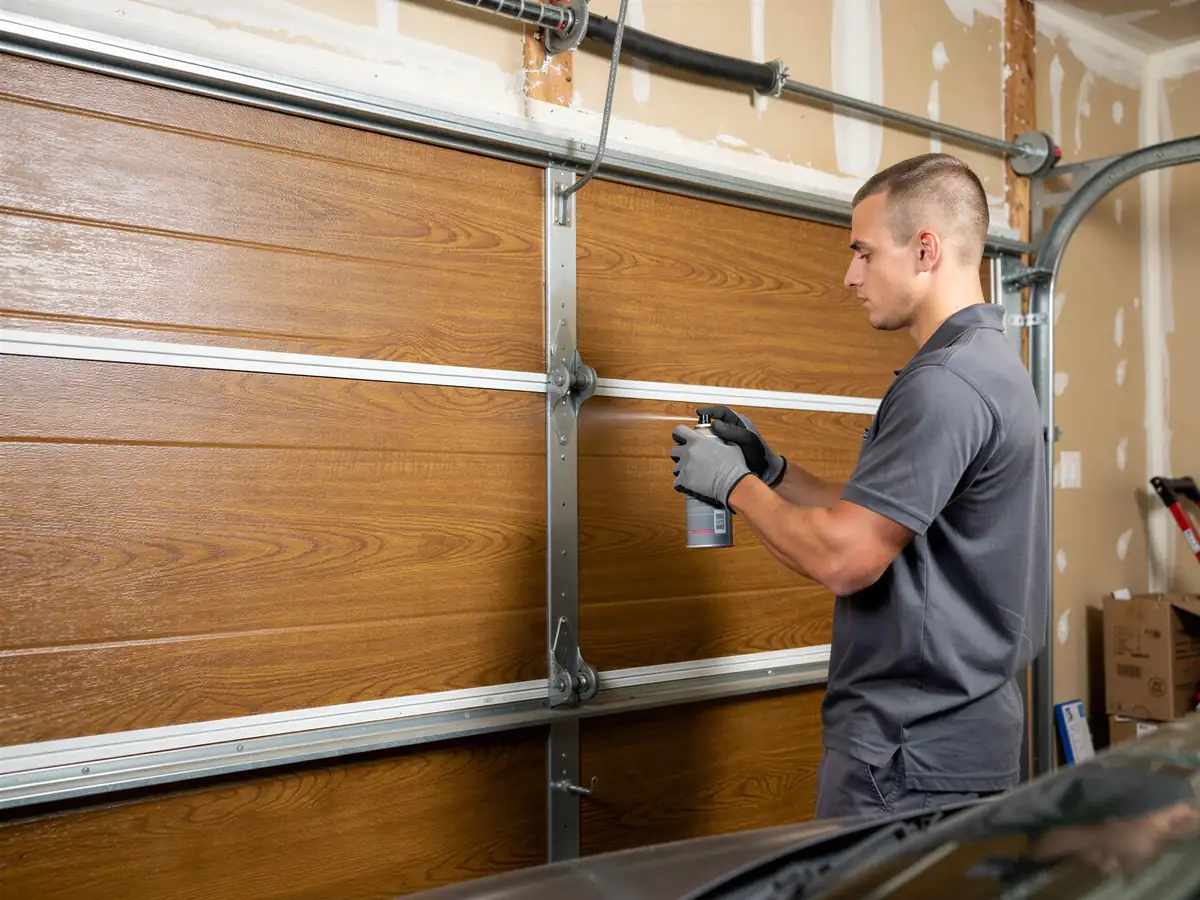
Swapping a remote or lubricating rollers is fine. Taking down the door itself, or touching anything under spring tension, is not - a torsion spring from that era is wound to hold the full weight of a wood or early steel panel door, and it doesn't care how careful you are. If the opener is original too, the gears inside have likely gone soft from age even if the motor still runs, which is its own kind of unsafe.
What you can reasonably do yourself
Measure your rough opening before you call anyone, and take photos of the existing track and spring setup so whoever comes out knows what they're dealing with before they pull up. That saves a second trip for a part nobody expected to need.
The Cost of This Job
We don't quote a number here because the house decides it, not the town. What we can tell you is what moves the price on a job like this: the width of the opening (a single matters less than a double), whether the existing track and header are reusable or need to come out with the old door, and whether you're replacing a steel panel door with another steel door or stepping up to something insulated.
Harahan's median household income runs higher than some of the surrounding service area, and we mention that only because it tends to shift what homeowners here ask for - more of our Harahan calls come in asking about insulated doors and quieter openers than bare minimum replacements. That's a preference, not a requirement; a standard steel door still does the job on a house this age.
One honest note: if your opening is out of square from decades of settling, which isn't unusual on a slab this old, the install takes longer and costs more than a straight swap. We won't know that until someone's measured the actual opening, not the one on the original permit.
Parts We Carry
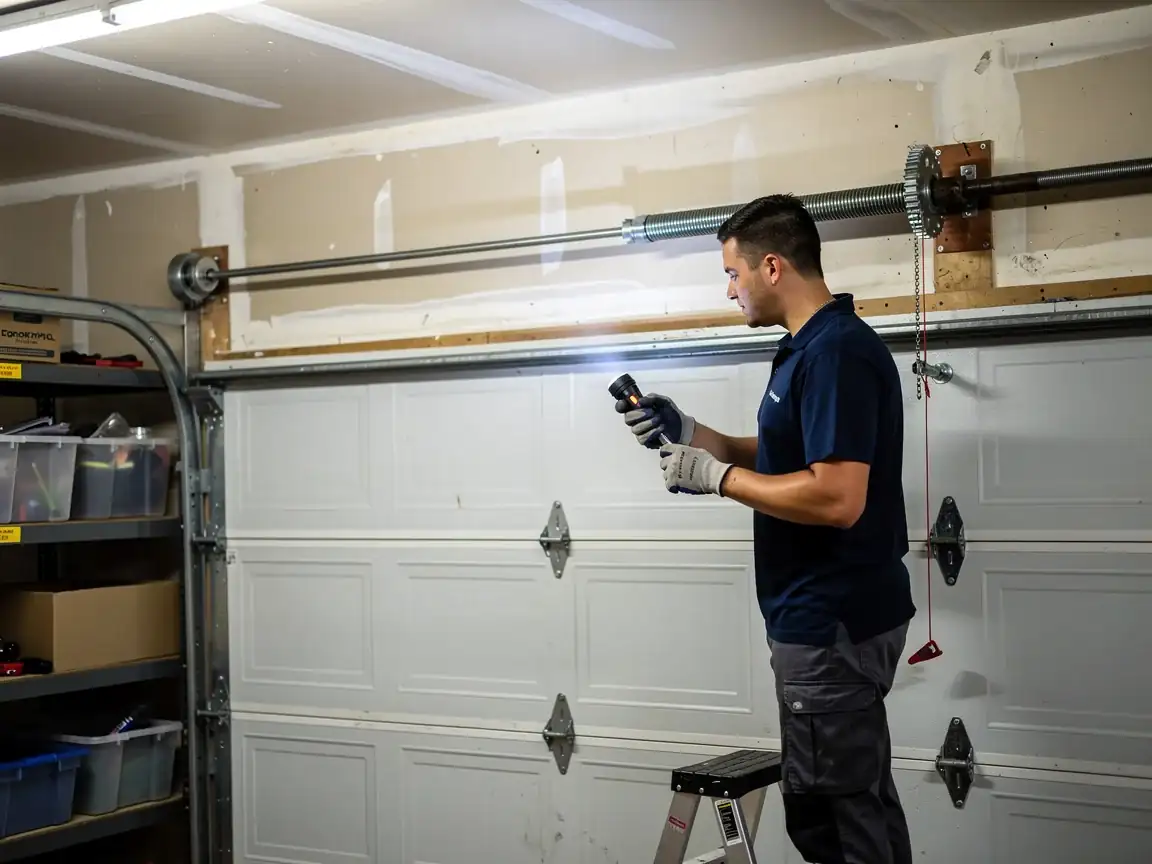
For a house built around 1973, the garage door hardware you're dealing with is usually one of two setups: an older extension spring system running along the horizontal track, or an early torsion spring mounted above the door if the builder upgraded at some point. We carry springs, cables, rollers, and track sections for both, because on a house this age you genuinely don't know which one you've got until the door's open in front of you.
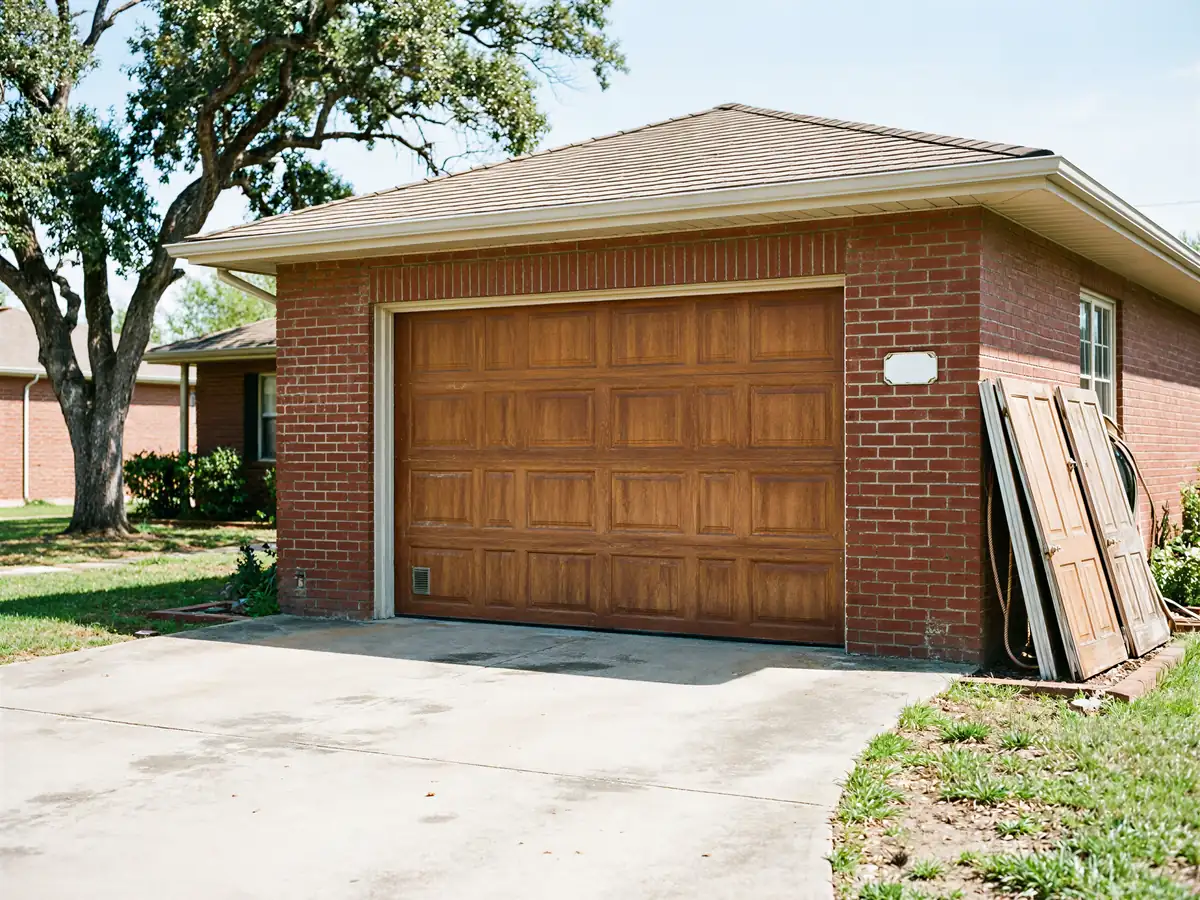
What we don't carry is the original door panel style itself - the specific profile and gauge of steel from that era isn't made anymore, so a true match isn't on the table. If one panel's damaged and the rest of the door is sound, we'll tell you straight whether a close match is good enough or whether the mismatch will bother you every time you pull in. Full replacement is the more common outcome once a door's original to the house, simply because parts for a fifty-year-old door are harder to find every year that passes.
What Causes It Around Here
The climate here runs mild with the occasional freeze
Which isn't the dramatic cold-snap damage you'd see further north, but it's still fifty winters of expansion and contraction on steel and wood that was never built with modern weatherstripping. On a door this old, that shows up as gaps at the bottom seal, rust starting at the hinges, and tracks that have crept slightly out of alignment from repeated swelling.
Humidity does more work on these doors than cold does
Wood panel doors from the early 1970s, if they haven't been replaced, tend to show it at the bottom corners first - soft spots where moisture's gotten into the panel over the years. Steel doors from that era rust at the same spots, just slower.
None of that means your door is failing today
It means that when it does fail, it's rarely one single thing - it's the accumulated wear of hardware that's outlasted its expected life, on a house old enough that nobody currently living there installed it.