Doing It Yourself
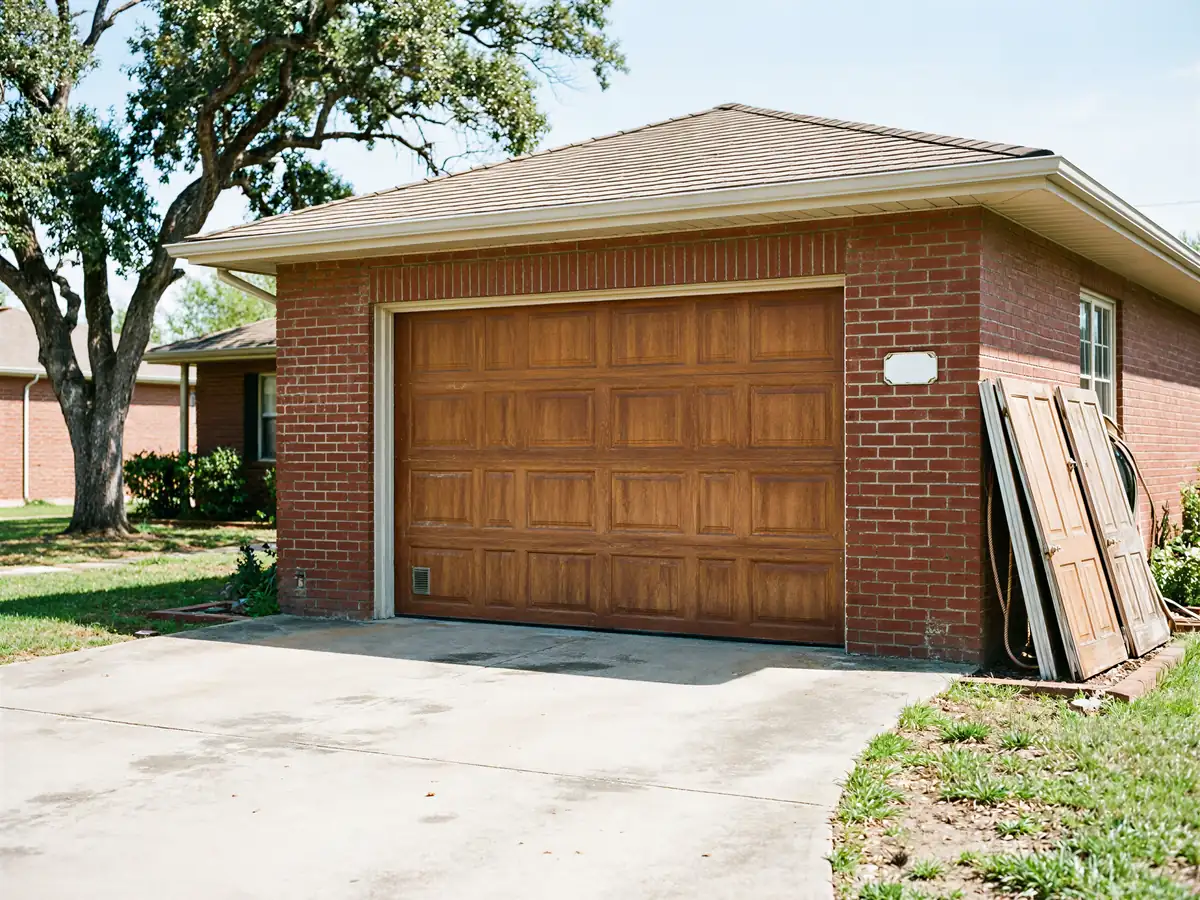
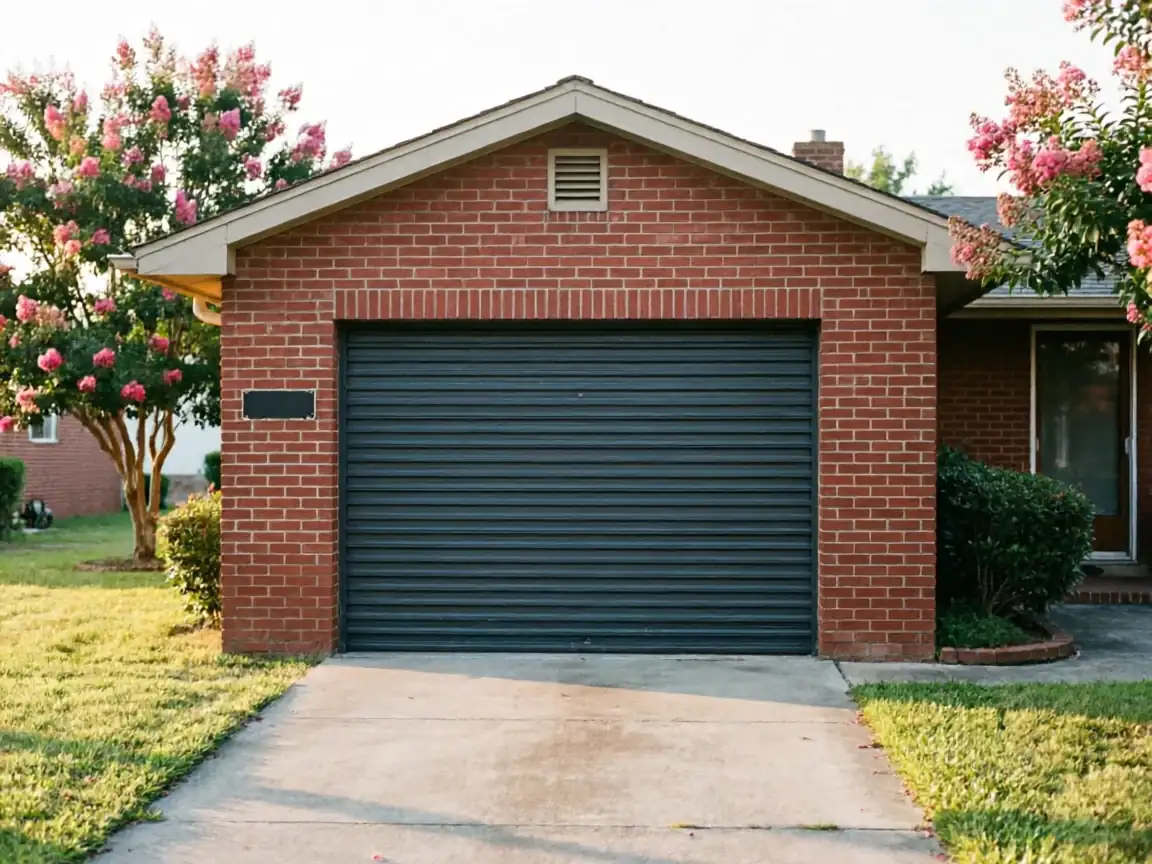
Most garages in Harahan went up around 1973
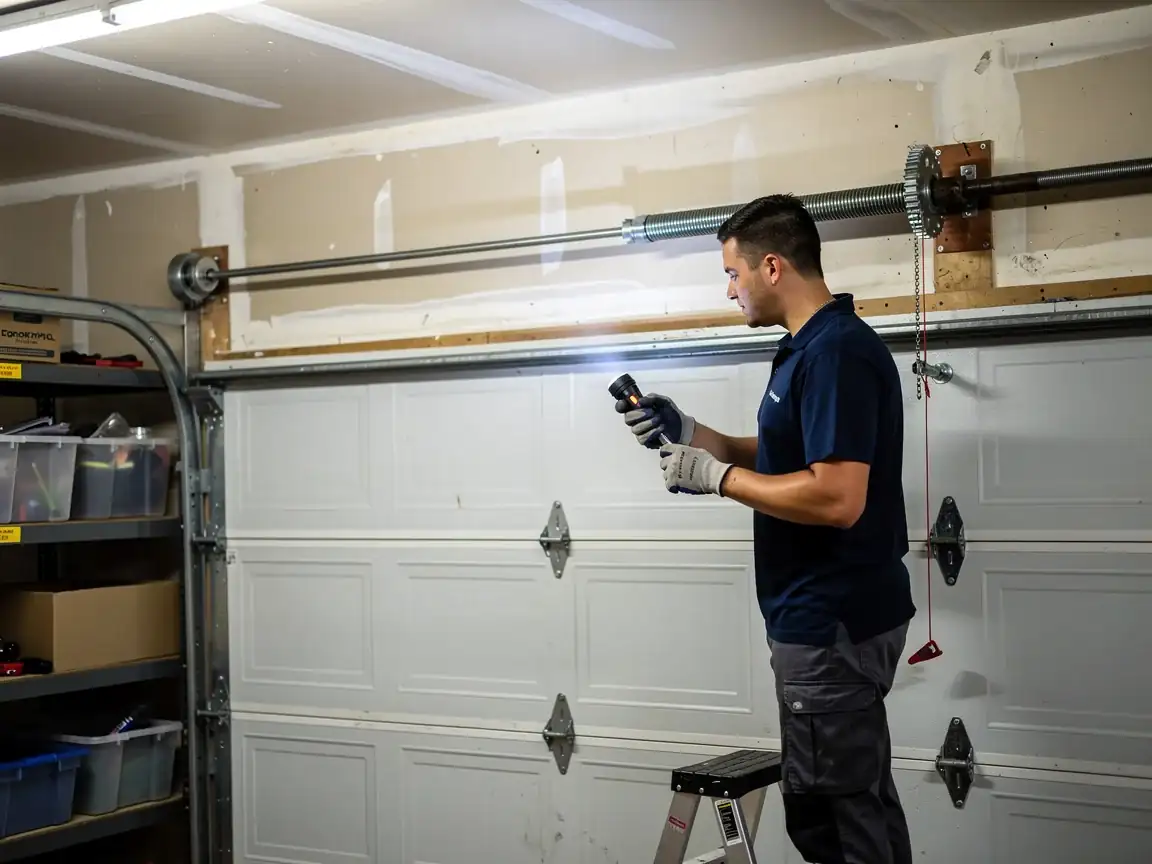
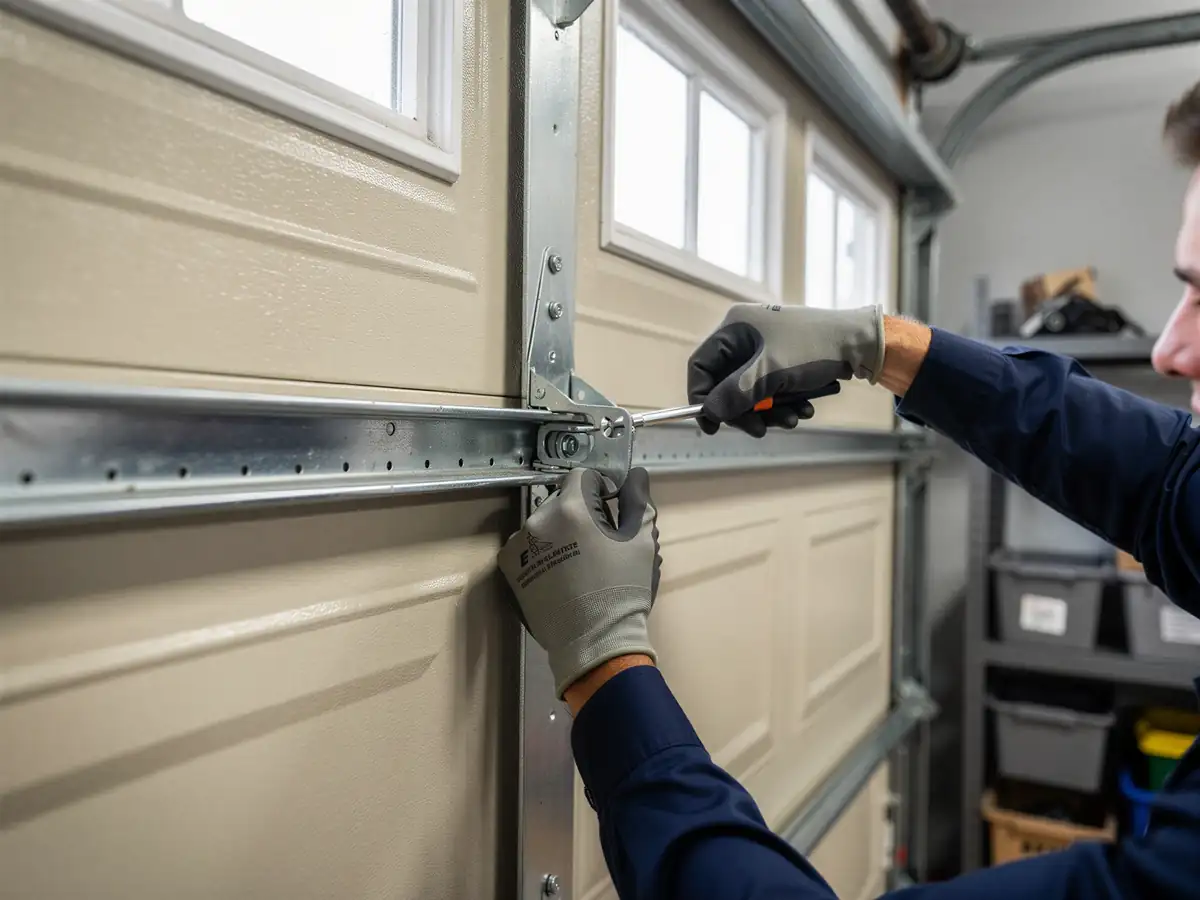
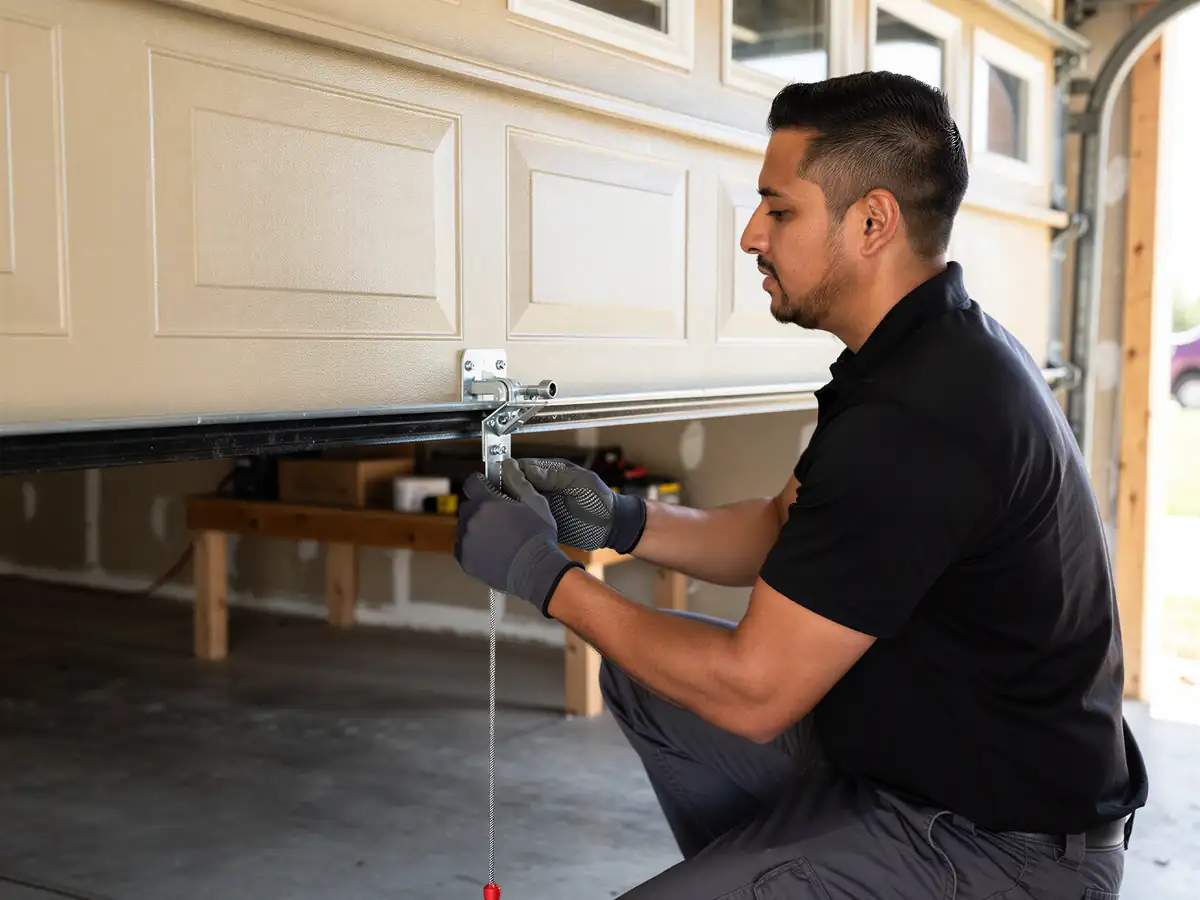
And the doors that came with those houses were steel sectional units on a standard two-car or one-car opening, hung on torsion springs with lifting cables wound around a drum at each end of the shaft. That setup has been swapped out and reinstalled a few times over fifty years, which means the drums, cable anchors, and bottom brackets you're looking at today might not even be original parts.
A frayed or snapped lifting cable looks like a simple fix
Pull the old one off the drum, wind on a new one - but the drum is under spring tension the whole time you're working on it. If a torsion spring lets go while you're loosening a set screw, that shaft can spin hard enough to break fingers. We're not saying this to scare you off every job around the house. If a cable has come off the drum but isn't broken, and the door is down and the opener is unplugged, you can sometimes get a good look at the track and bottom bracket without touching the spring side. Replacing the cable itself, though, means releasing and resetting spring tension, and that's where we'd rather you call us than find out the hard way.
The Cost of This Job
We don't post a flat number for cable work because what it costs depends on what's actually wrong. A clean cable snap on a door with good drums and a sound spring is a straightforward swap. A cable that broke because the drum underneath it rusted out or cracked is a different job - now you're replacing hardware, not just cable. Harahan homes in this build era often still carry their second or third owner, so the drums and cables you have may be newer than the door itself, or they may be the originals nobody's touched. We won't know which until we're looking at the shaft in person.
We travel the 4 miles out from Metairie for this work, so there's no separate trip charge baked in just for distance within our area. What does change the price is whether both cables need replacing at once - if one side snapped from age, the other side is usually close behind, and doing both now instead of waiting avoids a second visit.
Parts We Carry
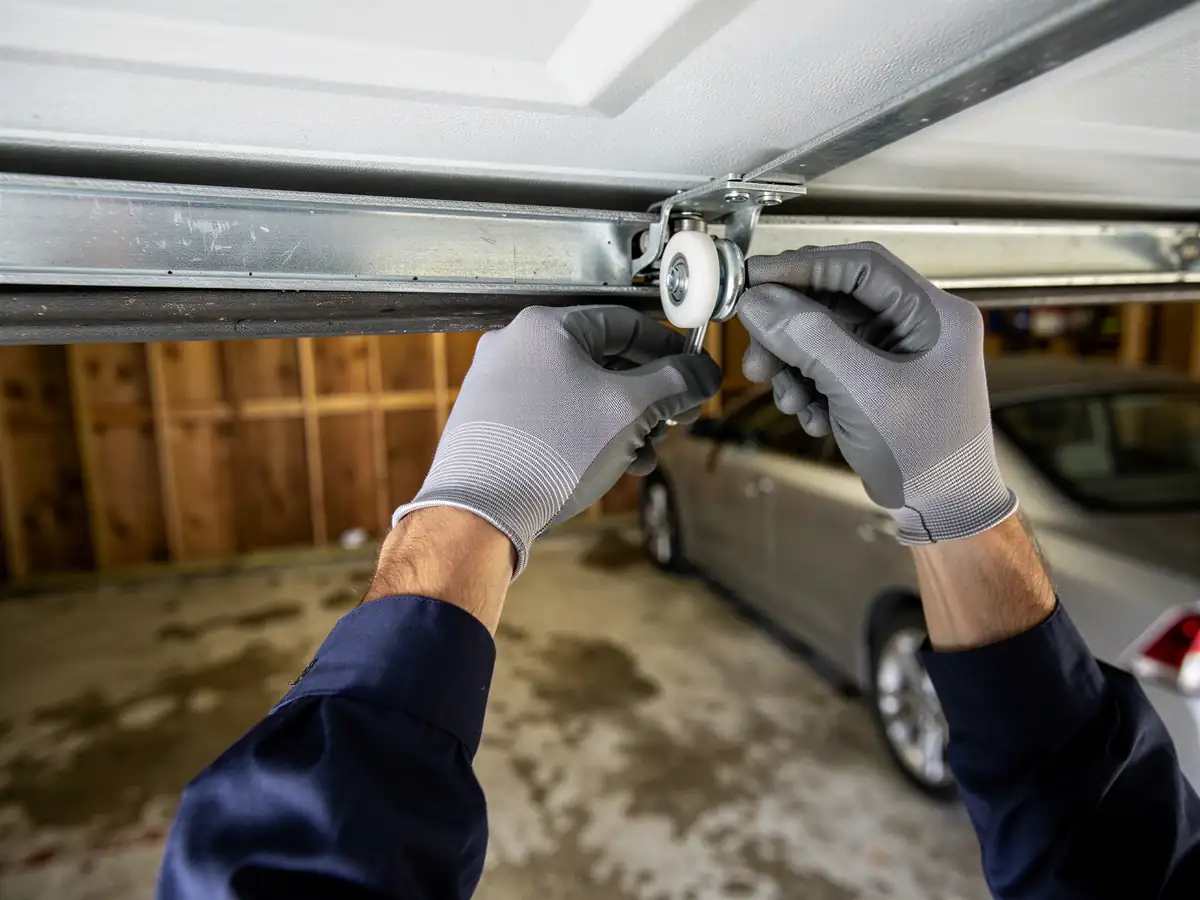
Our trucks stock galvanized aircraft cable in the gauges that fit standard torsion-spring sectional doors, which covers the great majority of what's on 1970s and 80s-built houses in this area. We also carry standard-size cable drums, since a drum that's cracked or worn down to the cable groove needs to go along with the cable, not just get patched around.
Where we sometimes have to order rather than carry on the truck: odd drum sizes from older or less common door brands, and extension-spring cable setups with pulleys instead of a torsion shaft, which show up on some older single-car garages in this area. If your door uses one of those, we'll tell you upfront that we may need a day or two to get the right part rather than force a mismatched one onto your hardware.
What Causes It Around Here
The climate here stays mild with only occasional freezes
So you're not dealing with ice splitting cable strands the way colder regions do. What you are dealing with is humidity, and over fifty-plus years that works on galvanized cable and steel drums the same way it works on anything else metal sitting in a garage that isn't climate controlled. Rust creeps in at the cable ends first, where the strands fray against the drum groove, and once a few strands go, the rest follow fast under full door weight.
The other common cause we see on doors from this build era is a drum that's simply worn out from decades of winding and unwinding
Which lets the cable ride unevenly and chew through itself faster than it should. Either way, by the time you notice the cable, it's usually been weakening for a while.