Doing It Yourself
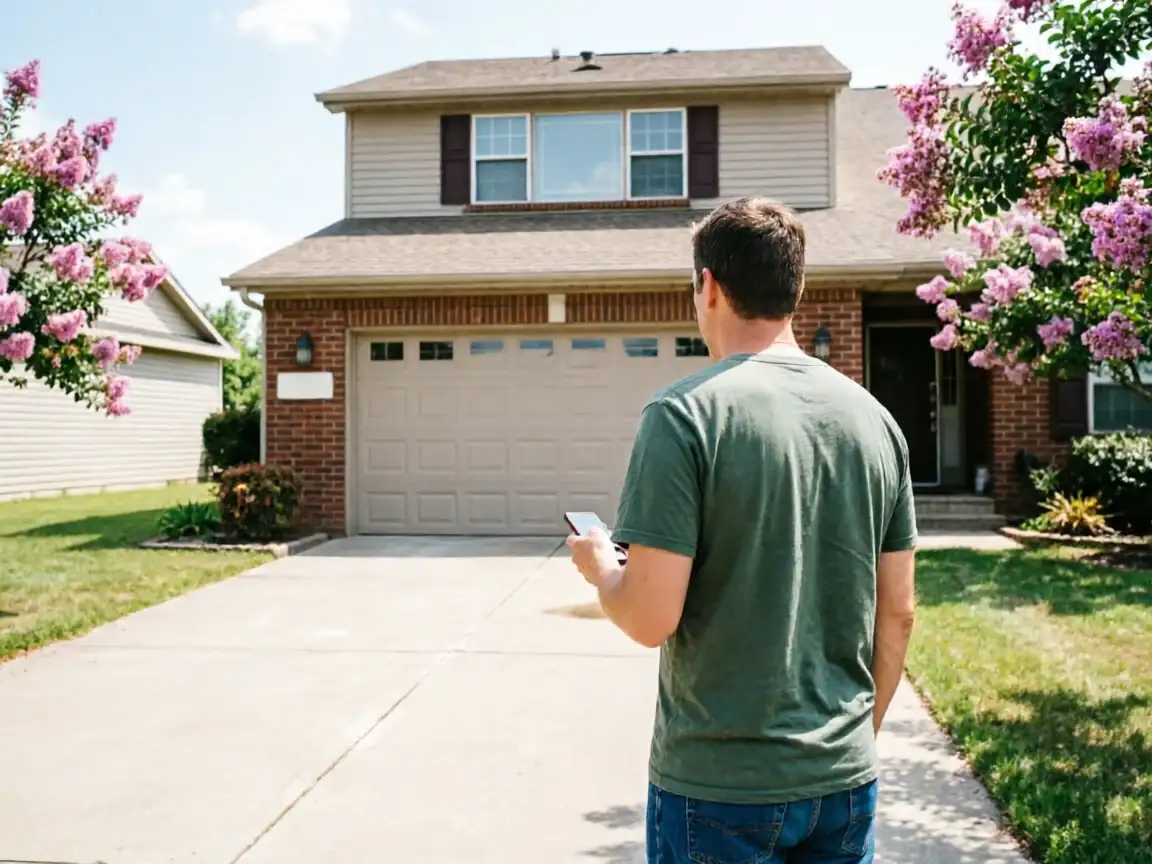
A lot of what goes wrong with a garage door is something you can catch before it becomes a call
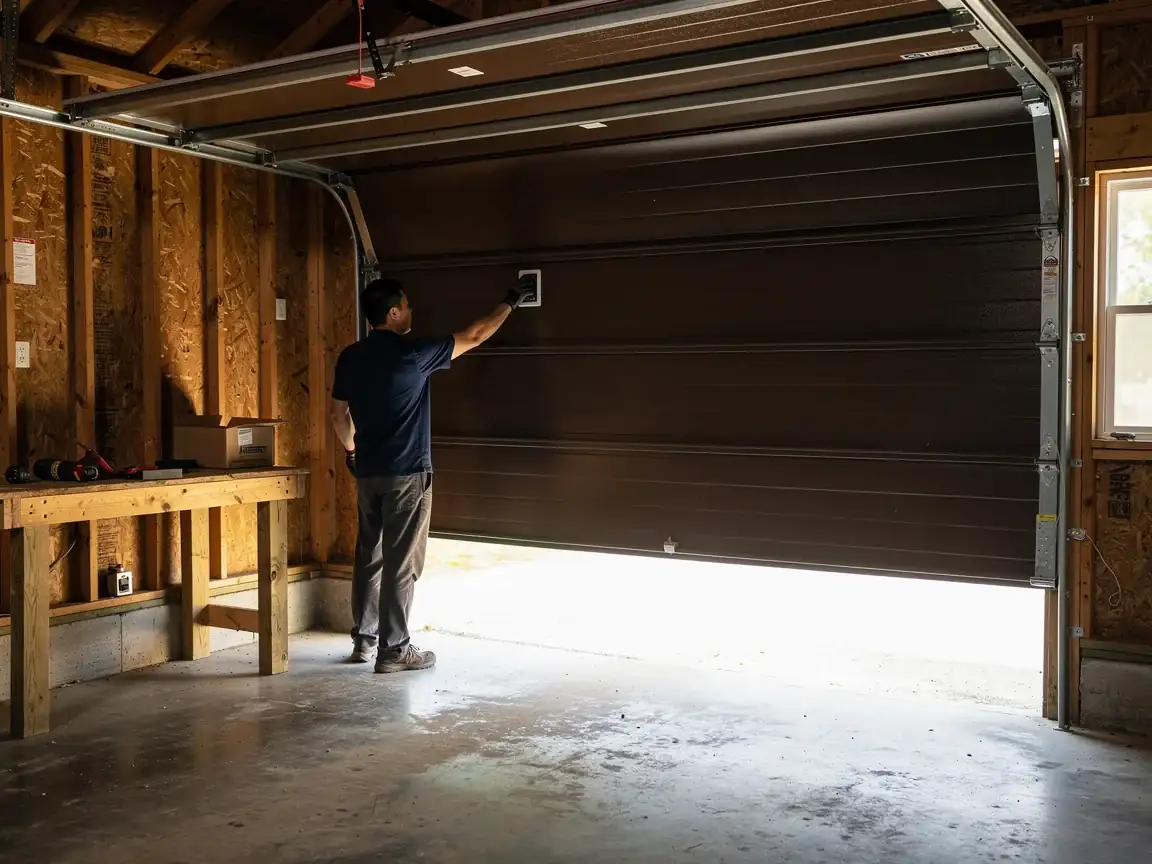
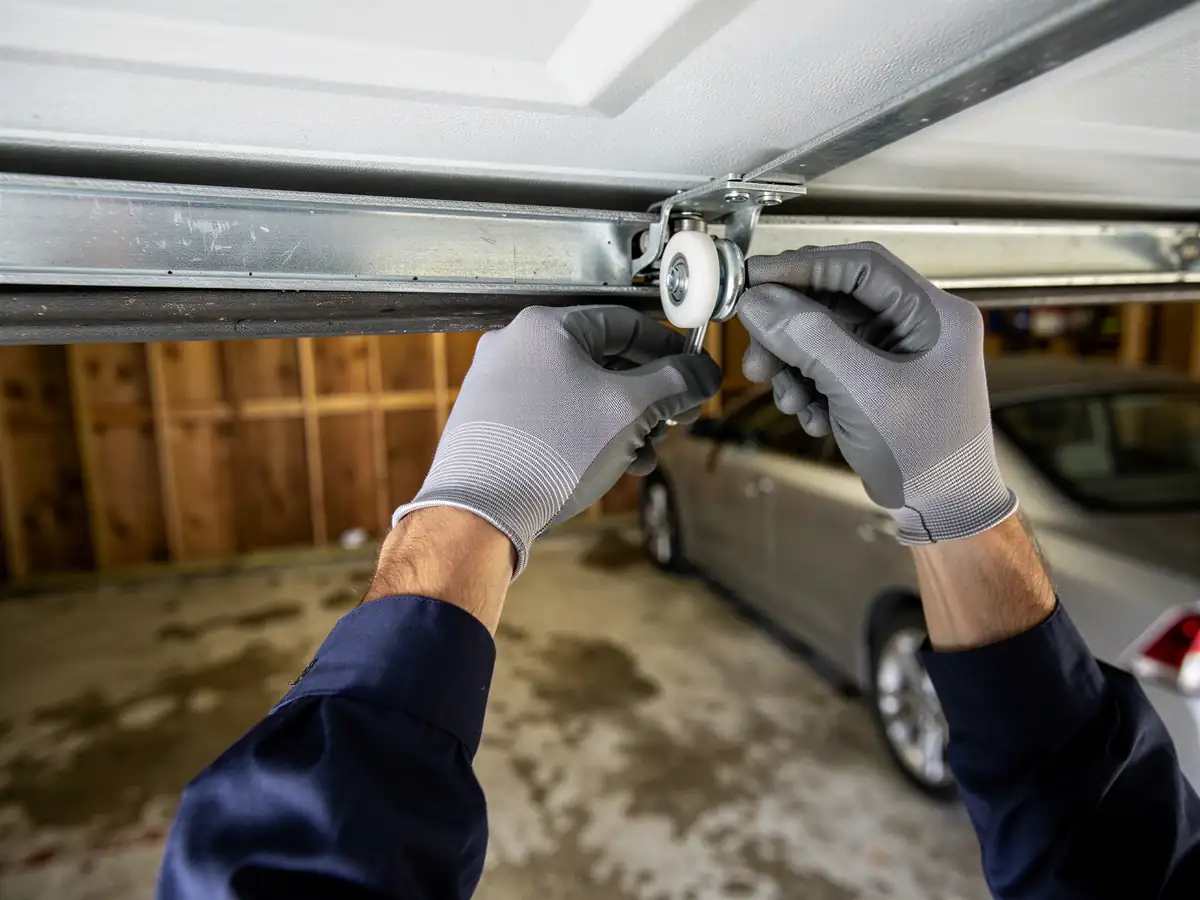
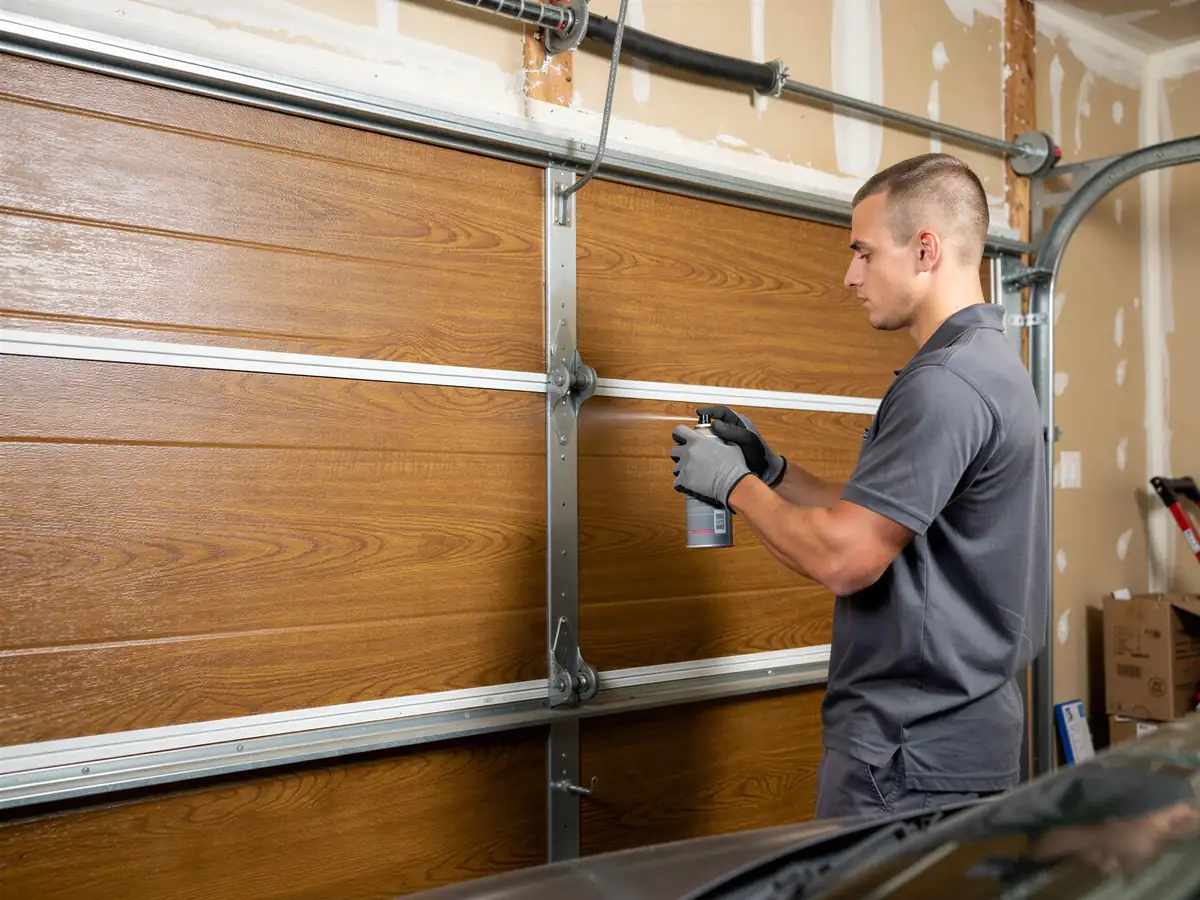
Rollers squeal because they're dry, not because they're dying - a shot of garage-door-specific lubricant on the rollers and hinges twice a year keeps the noise down and the wear slower. You can also test balance yourself: disconnect the opener, lift the door by hand to waist height, and let go. A door that holds its position is balanced. One that drops or shoots up has a spring problem, and that's not a DIY fix.
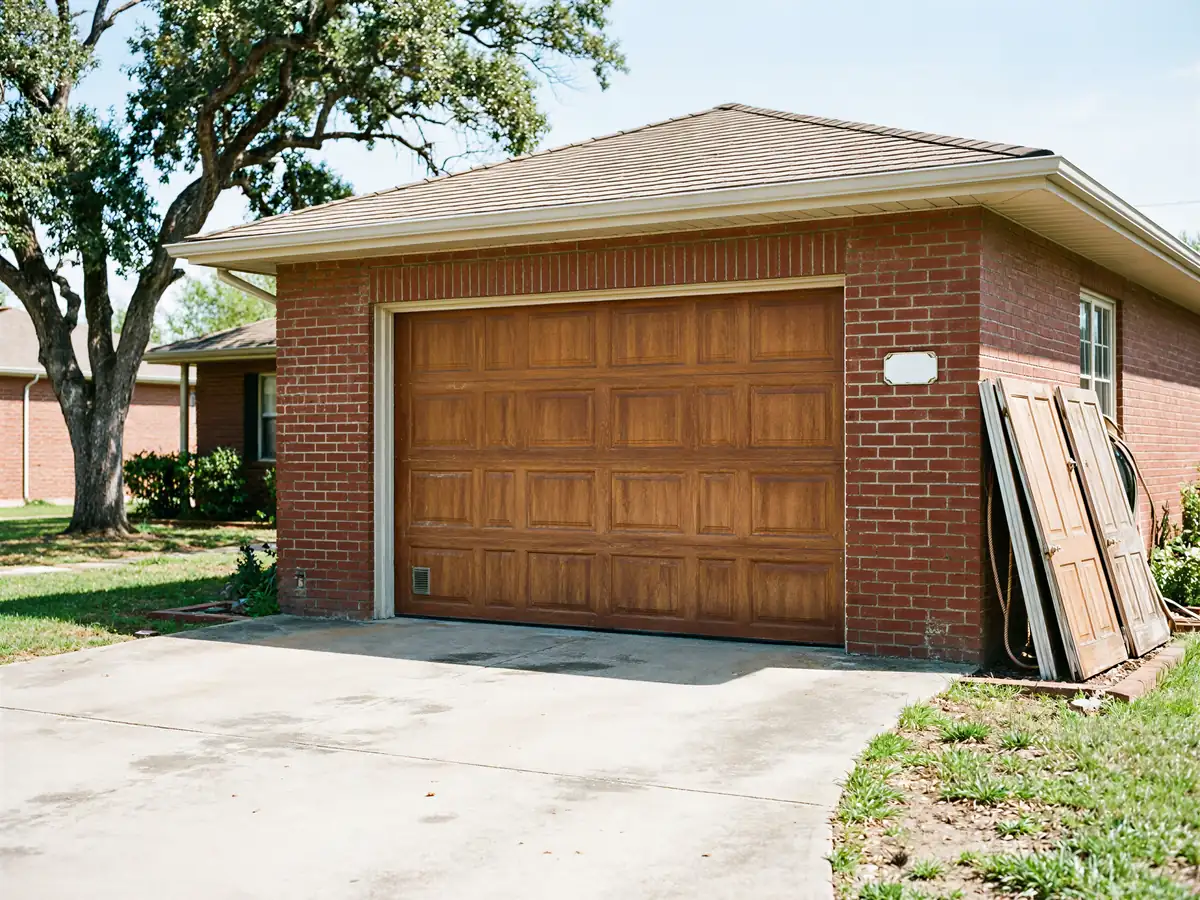
Because Harahan's housing mostly dates to around 1973
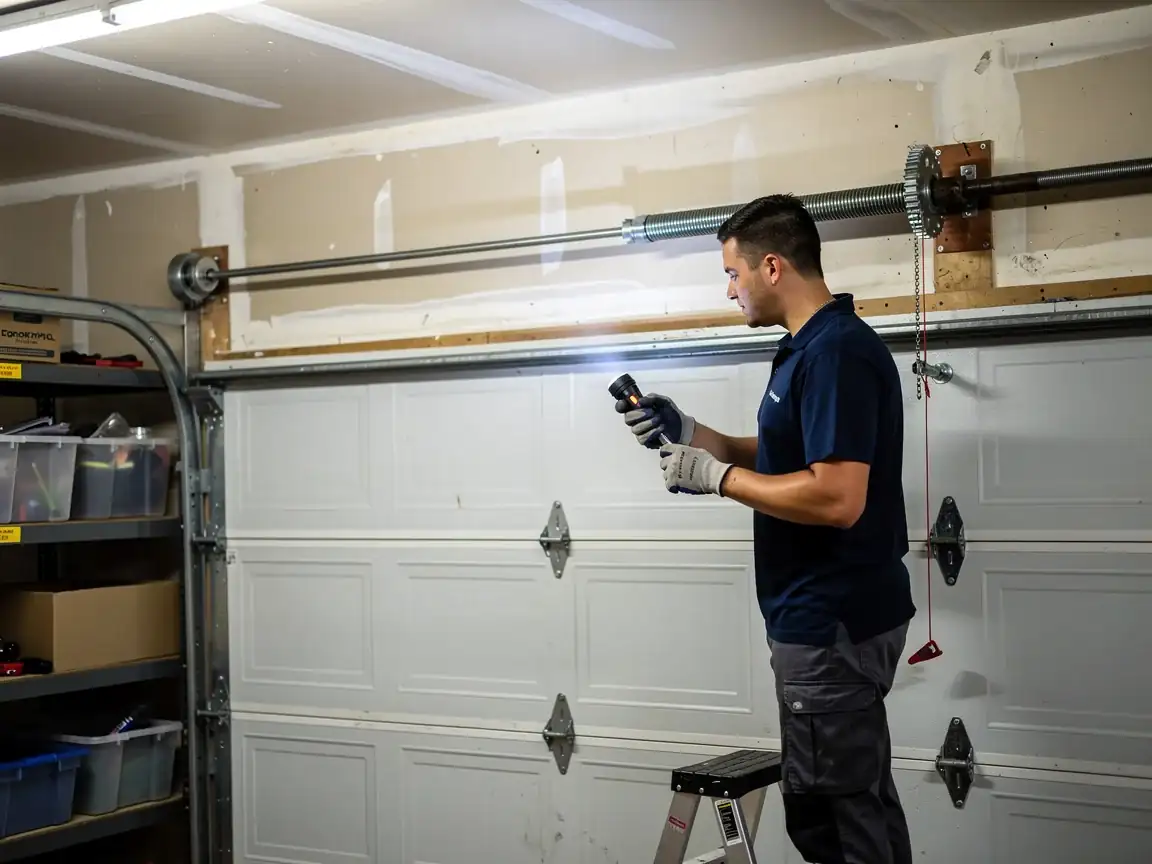
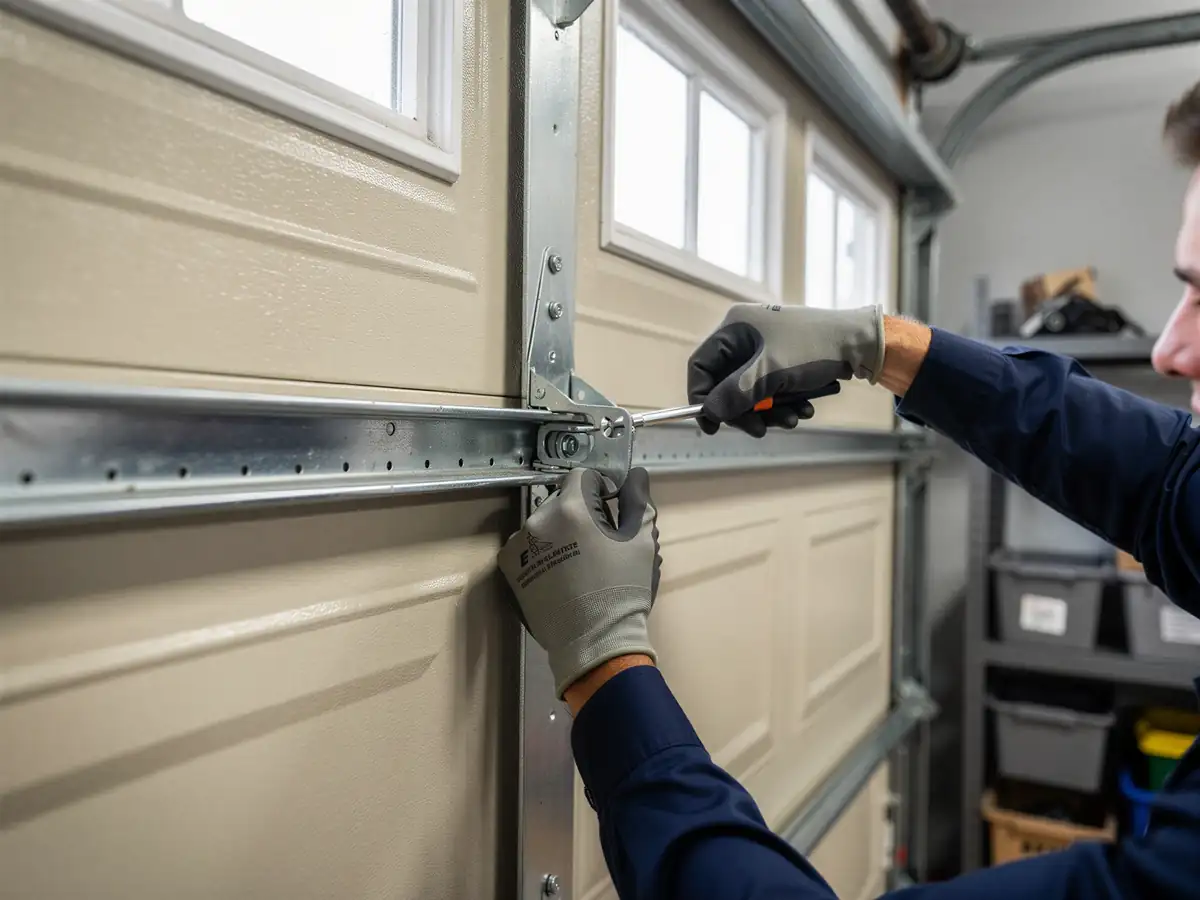
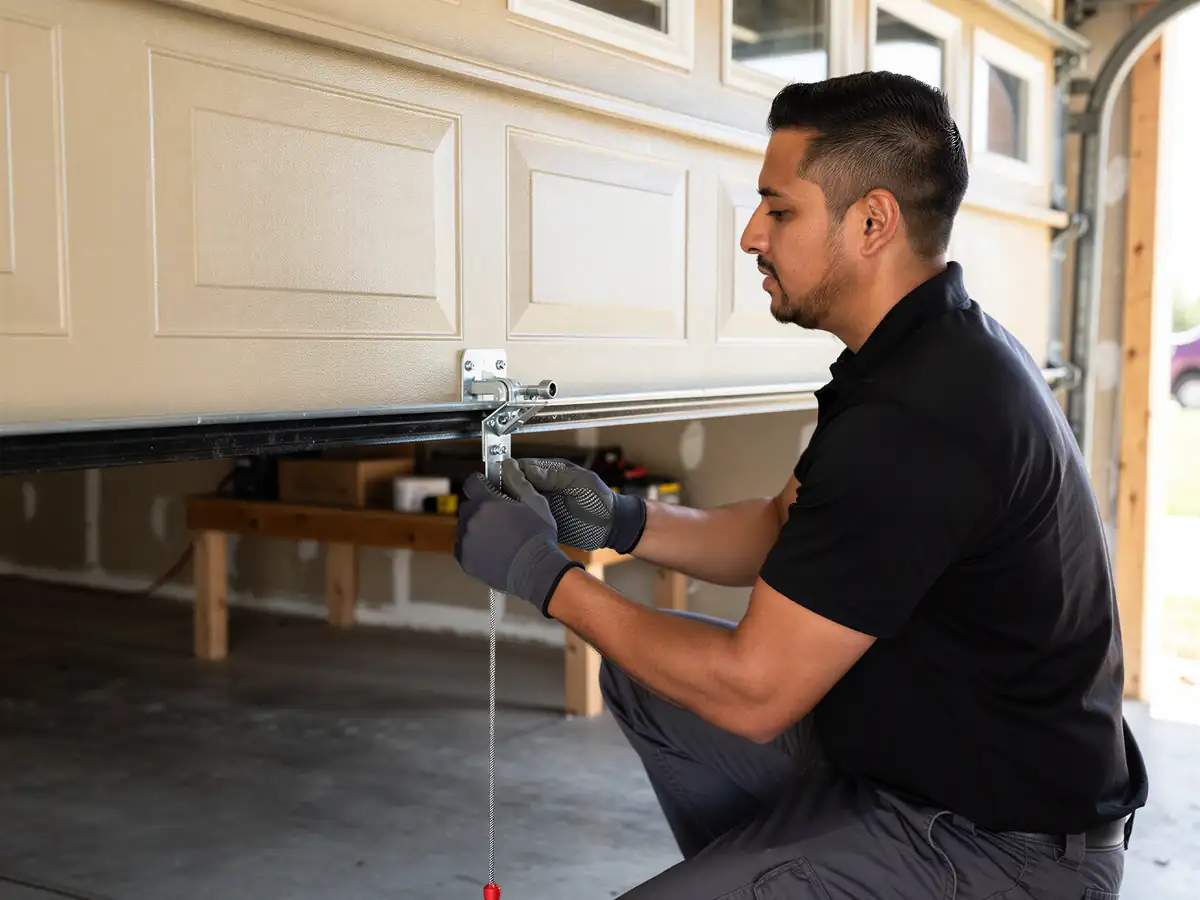
A good number of doors here still run on the original torsion or extension spring setup rather than anything installed in the last decade. That matters because the hardware on a door this age is wound tighter and rusted longer than a newer system, and the stored energy in a failing spring can snap a cable or take a finger. Tightening loose hardware, checking the track for dents, and keeping the photo-eye sensors clean are all fine to do yourself. Springs, cables, and anything under tension - leave those alone and call it in.
The Cost of This Job
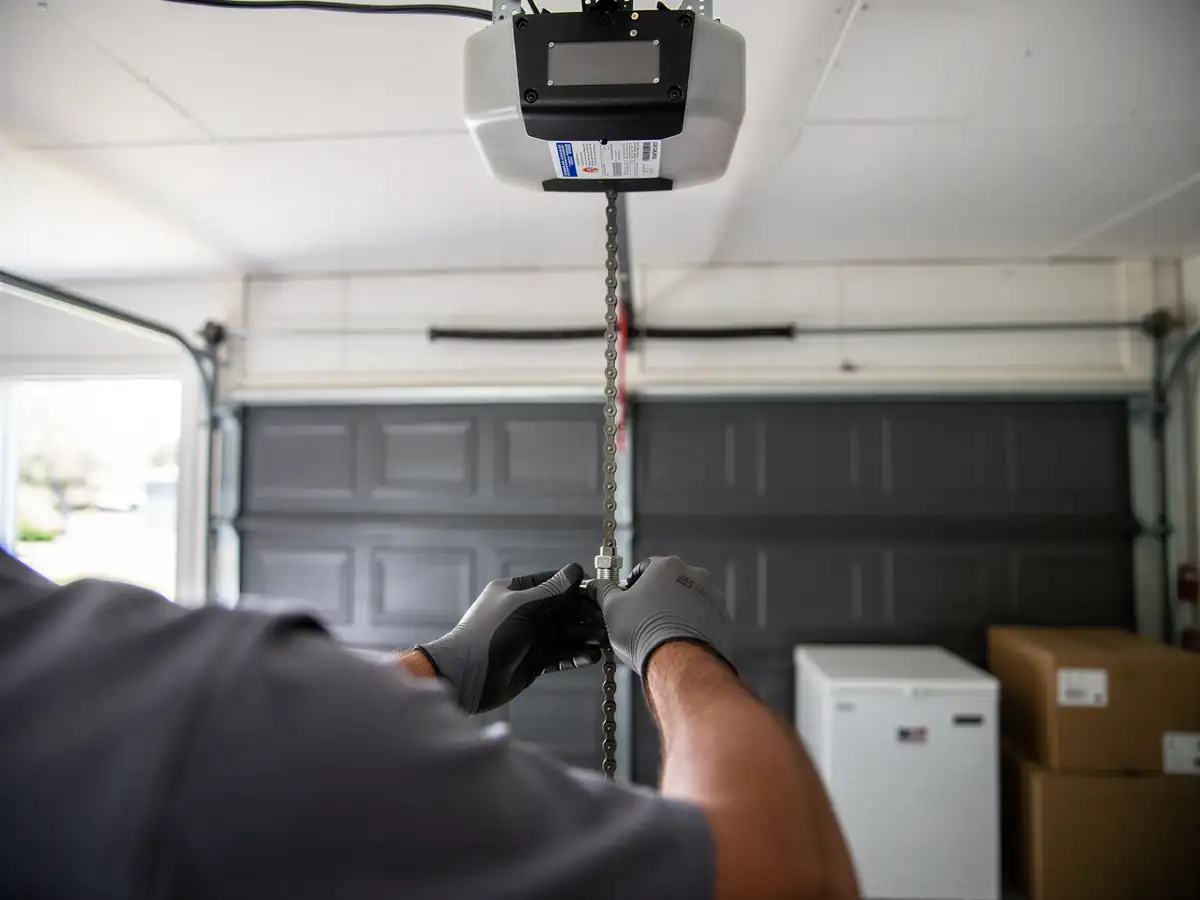
We're not going to put a number here we can't back up, because every job on a door this age depends on what's actually inside the header when we open it up. What we can tell you is what drives the cost on a 1973-era door versus a newer one: if the track is the original steel and it's bent or rusted at the mounting brackets, that's more labor than swapping a roller. If the opener is a legacy chain-drive unit that predates modern safety reversal, replacing it is usually cheaper long-term than chasing parts for it.
Harahan's median household income runs higher than the $67,099 average across the rest of our service area, and we see that reflected in the calls - more owners here choose a full opener swap over patching an old one, and more ask about insulated panels instead of the single-layer steel that shipped on a lot of these houses originally. That's a homeowner's call to make, not ours, but it's worth knowing going in that an older door sometimes costs less to replace outright than to keep repairing piece by piece.
Parts We Carry
The truck that comes out from Metairie carries torsion springs in the sizes that match wind on 1970s-era residential doors, standard-lift cable, galvanized rollers, and hinges sized for the heavier single and two-panel doors that were common when Harahan's housing stock went up. We also carry replacement photo-eye sensors and basic chain and belt-drive opener units, since a fair number of the original openers out this way are well past the point where parts for them exist.
What we don't carry on the truck is anything custom - a non-standard panel size, a specialty glass insert, or hardware for a door that's been modified from its original spec. If a job needs that, we'll tell you straight that it's a special order and give you a timeline before we start, rather than letting you think it's a same-day fix. On a door this old, matching the original opening is sometimes the harder part of the job, not the mechanical repair itself.
What Causes It Around Here
The climate here runs mild with the occasional freeze
Which doesn't sound like much until you're looking at forty-plus years of slow rust on a steel track that's never seen a hard winter to flush the moisture out. It's not sudden failure - it's corrosion that builds quietly on hinges and spring coils until a cable finally gives out on an otherwise normal lift.
With most of Harahan's roughly 4,224 households sitting in homes built around 1973
The doors we see out here skew toward heavier original hardware rather than the lighter sectional doors you'd find on newer construction. That means more extension-spring setups, more original steel track, and more openers that were installed once and never touched again. Combine that with a service area climate that's humid more often than it's dry, and the common failure point here is rust-seized hardware and worn cable rather than the broken plastic gears or electronic faults you'd expect on a door put in during the last ten years.
- 4,224 households