Doing It Yourself
Swapping a single roller on the bottom section of a double door is within reach for most homeowners
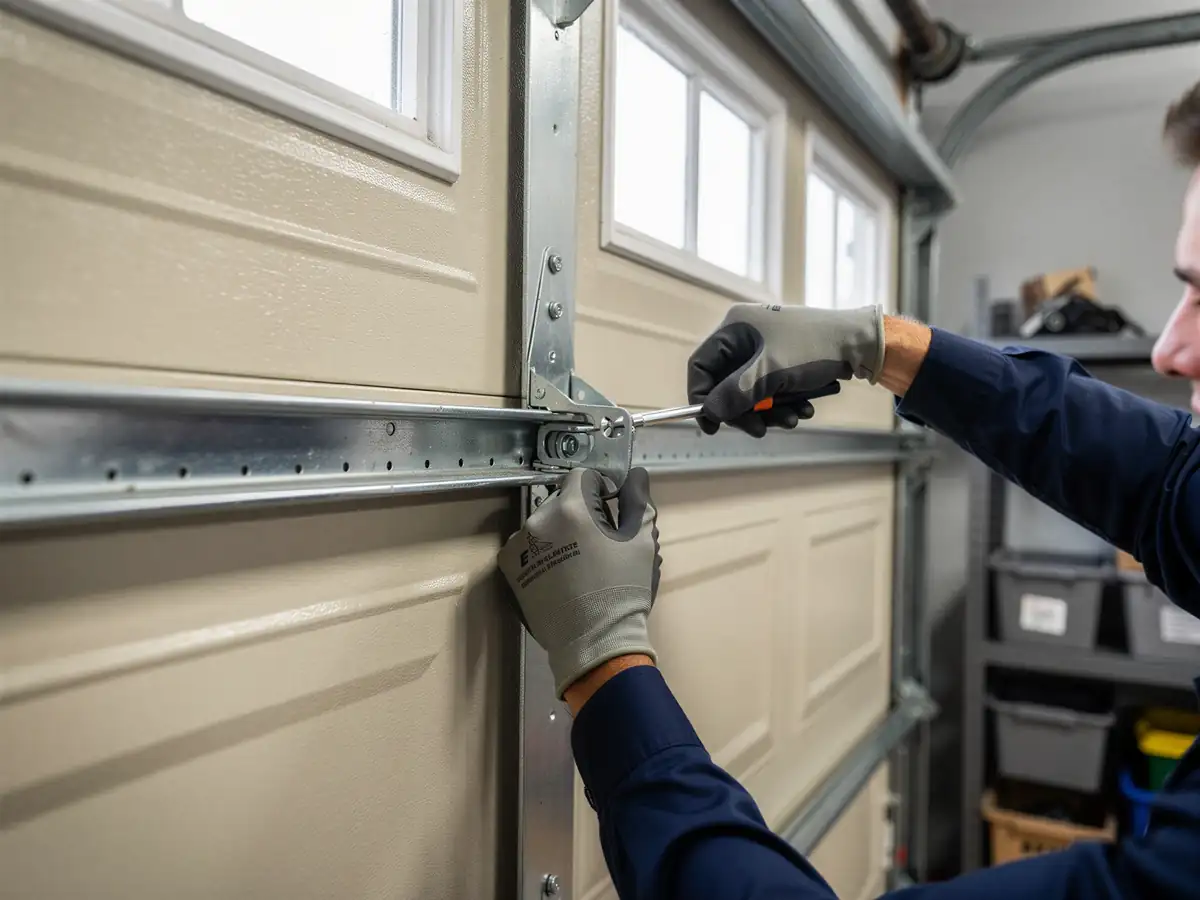
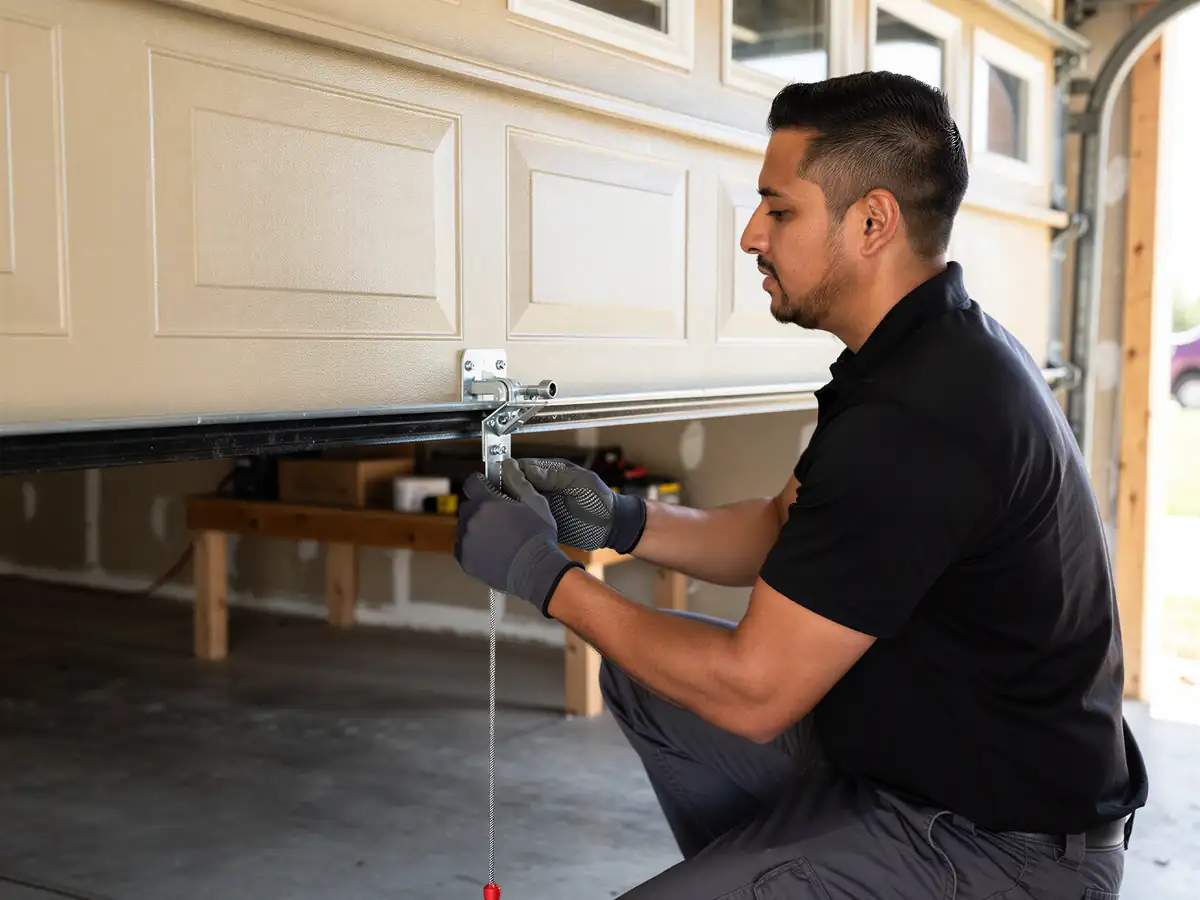
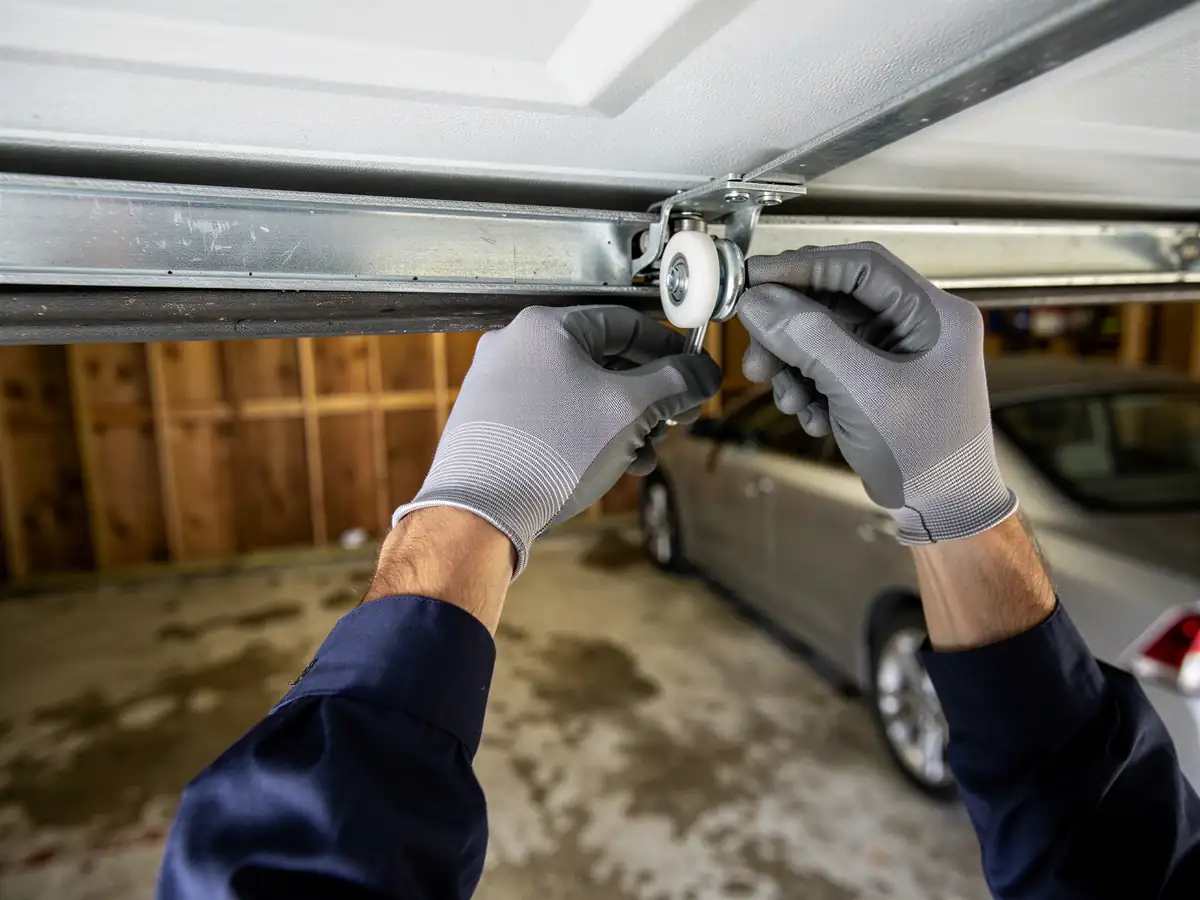
Pull the retaining bracket, slide the old roller out of the track, slide the new one in. That's it for the bottom two panels, where the rollers sit away from the spring system.
The rollers higher up are a different story
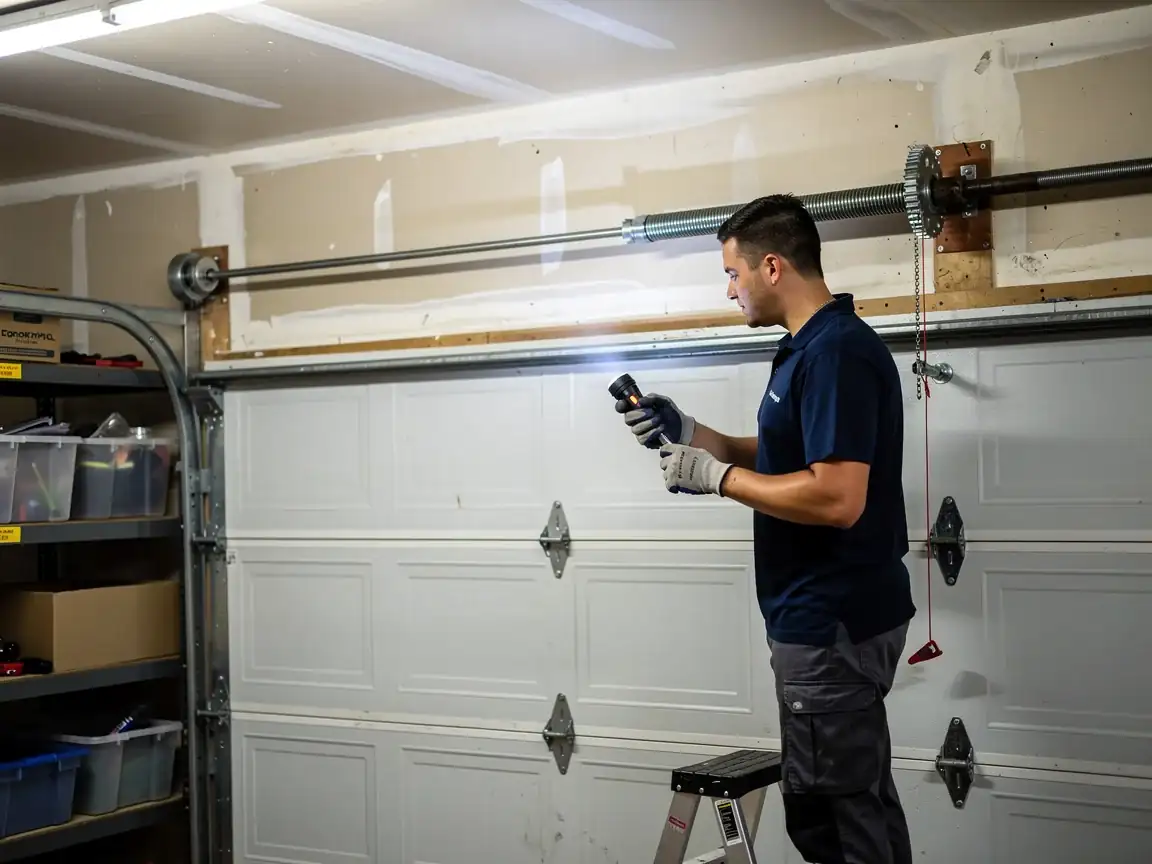
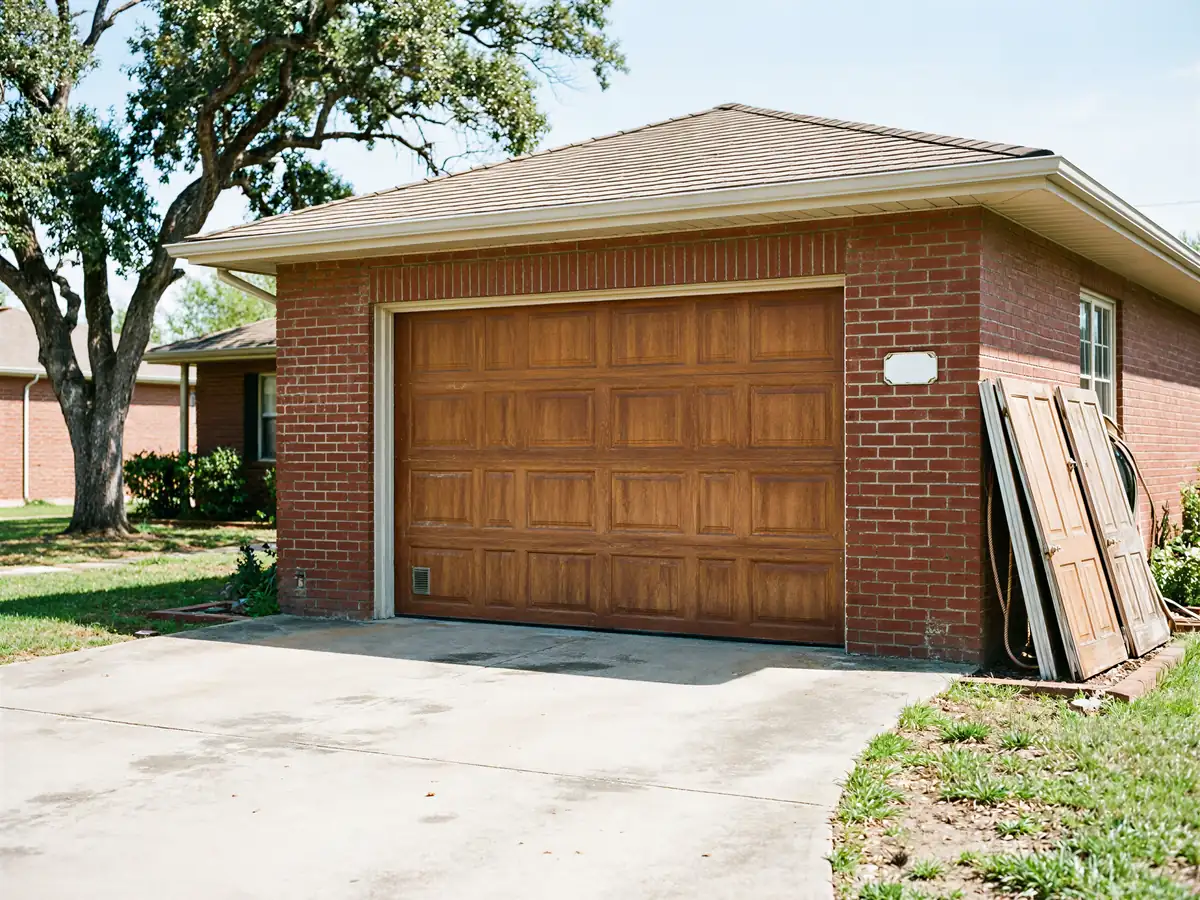
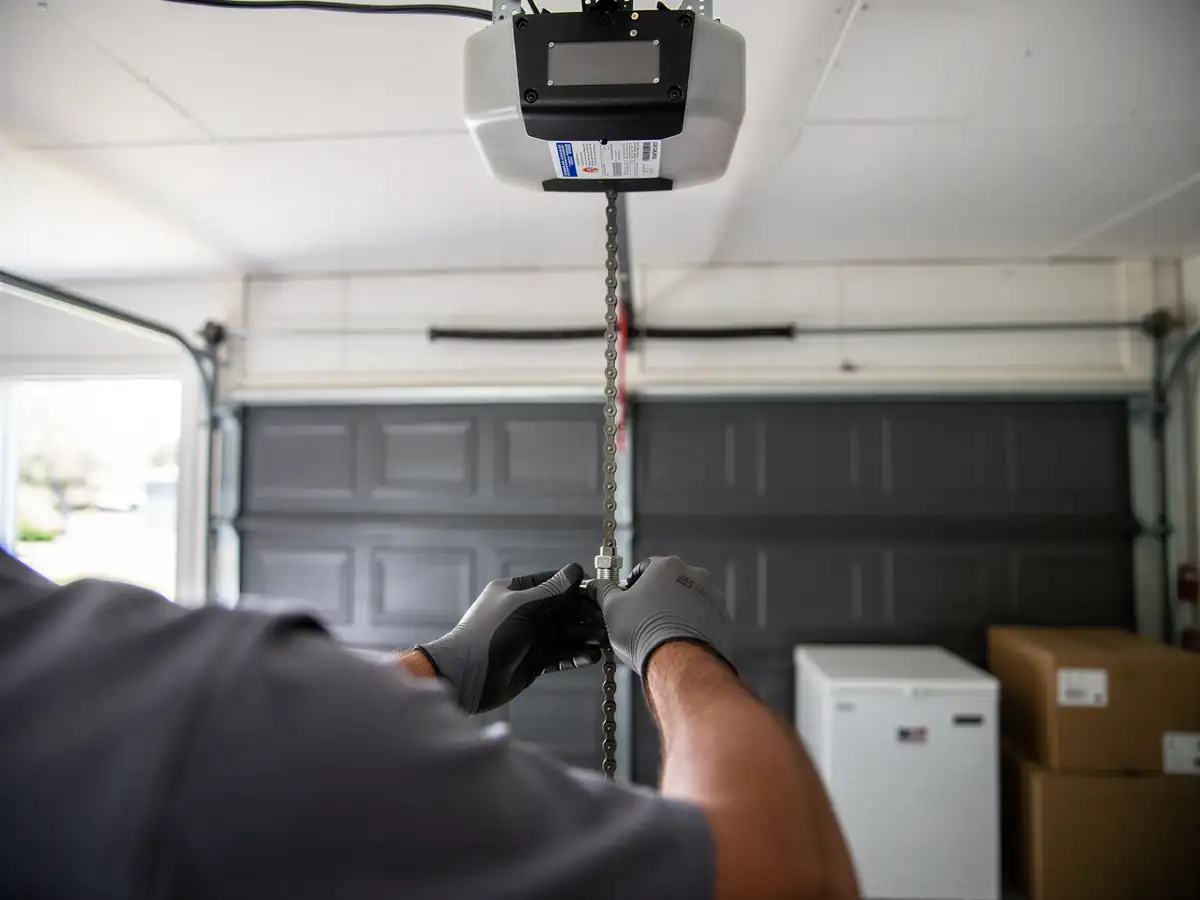
On most Harahan doors, built when the neighborhood went up in 1973, the top section rollers sit close to the torsion spring and the cable drum. Pulling that bracket with the door down means working next to a spring that's still under load. If the door is a one-piece design rather than sectional - less common now but still out there on older stock - there's no safe DIY roller swap at all, because the roller track doubles as part of the counterbalance path.
Our honest limit here
We don't talk anyone through a top-roller swap over the phone, and we won't send parts without doing the install. The spring tension involved isn't worth guessing at. If you're only dealing with a noisy bottom roller, go ahead and try it yourself first - it's a ten-minute job with a wrench and a flathead screwdriver.
The Cost of This Job
Harahan's median household income runs $78,222, well above the $67,099 median across the rest of the service area we cover from Metairie. That gap matters for one reason: at this income level, more owners here replace the whole roller set - all ten or twelve rollers plus hinges - rather than patch the one or two that are grinding loudest. It costs more up front but means the job doesn't repeat in eighteen months when the next roller on the same door gives out.
We don't publish a flat price here because roller count, track condition, and whether hinges need replacing alongside them all move the number. What we will say: if your springs are also original to a 1973-era door, bundling the spring and roller job in one visit saves a second service call, since both jobs require pulling the same panels off track.
Where replacement beats repair: if the track itself is bent or rusted through rather than just the rollers worn, new rollers in a bad track will fail again inside a year. At that point you're paying for track plus rollers, and it's worth doing both at once instead of twice.
Parts We Carry
We stock both nylon ball-bearing rollers and galvanized steel rollers on the truck for calls into Harahan. Nylon is quieter and doesn't need the lubrication steel does, which matters here because the climate sits in the mild, occasional-freeze band - rollers don't deal with hard winter contraction, but the humidity year-round does work on exposed steel bearings over time.
For doors still running original 1970s-era steel rollers, we carry direct steel replacements with sealed bearings rather than the open bearing style that came stock back then - same fit on the existing track, less maintenance going forward. We also carry the longer-stem rollers some of the heavier 1970s steel doors need, since that era used thicker panel stock than what ships standard today.
What we don't carry on the truck: rollers for one-piece door track systems, since that hardware is largely out of production and has to be special-ordered when we find it. If your door is one of those, expect a parts lead time rather than a same-visit fix. We'll tell you that on the first look, not after we've already pulled the panel apart.
What Causes It Around Here
The median house in Harahan was built in 1973
About a decade older than the 1980 median across the rest of the area this company covers from Metairie. That decade matters for rollers specifically: doors from that window came with steel rollers on steel track as standard, and fifty years of opening and closing puts most of those rollers well past any reasonable service life - they're not failing from abuse, they're failing from age.
With 4,224 households in Harahan sharing roughly the same construction window
We see roller wear show up in runs rather than as isolated calls - several houses on the same block hitting the same failure point within a year or two of each other, because they're all running the same original hardware on the same schedule.
- 4,224 households
The mild climate with occasional freeze doesn't crack rollers the way a harder winter would
But it doesn't spare them either. Steady humidity pits exposed steel bearings over decades, and a roller that's pitted rather than cleanly worn tends to bind in the track before it fully fails, which is usually the noise that gets the call placed.