Parts We Carry
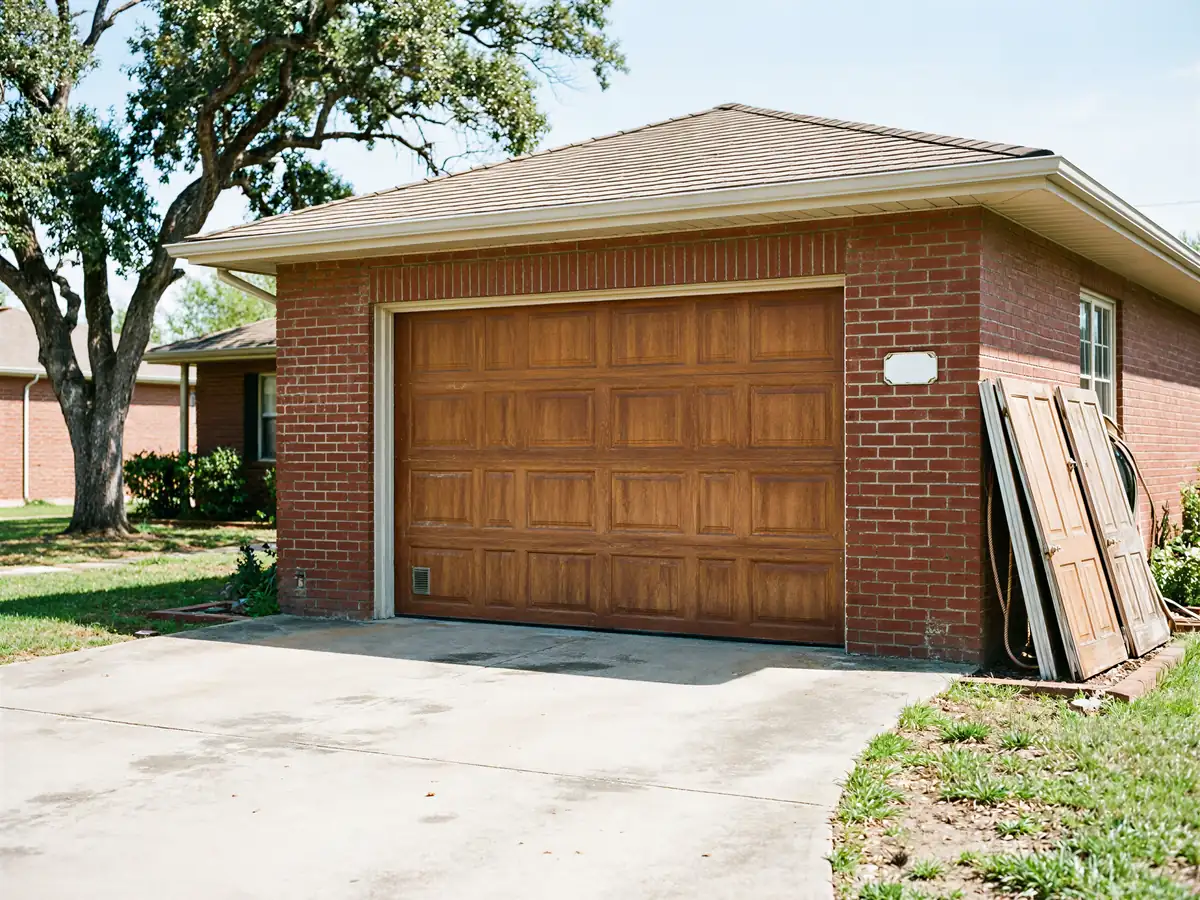
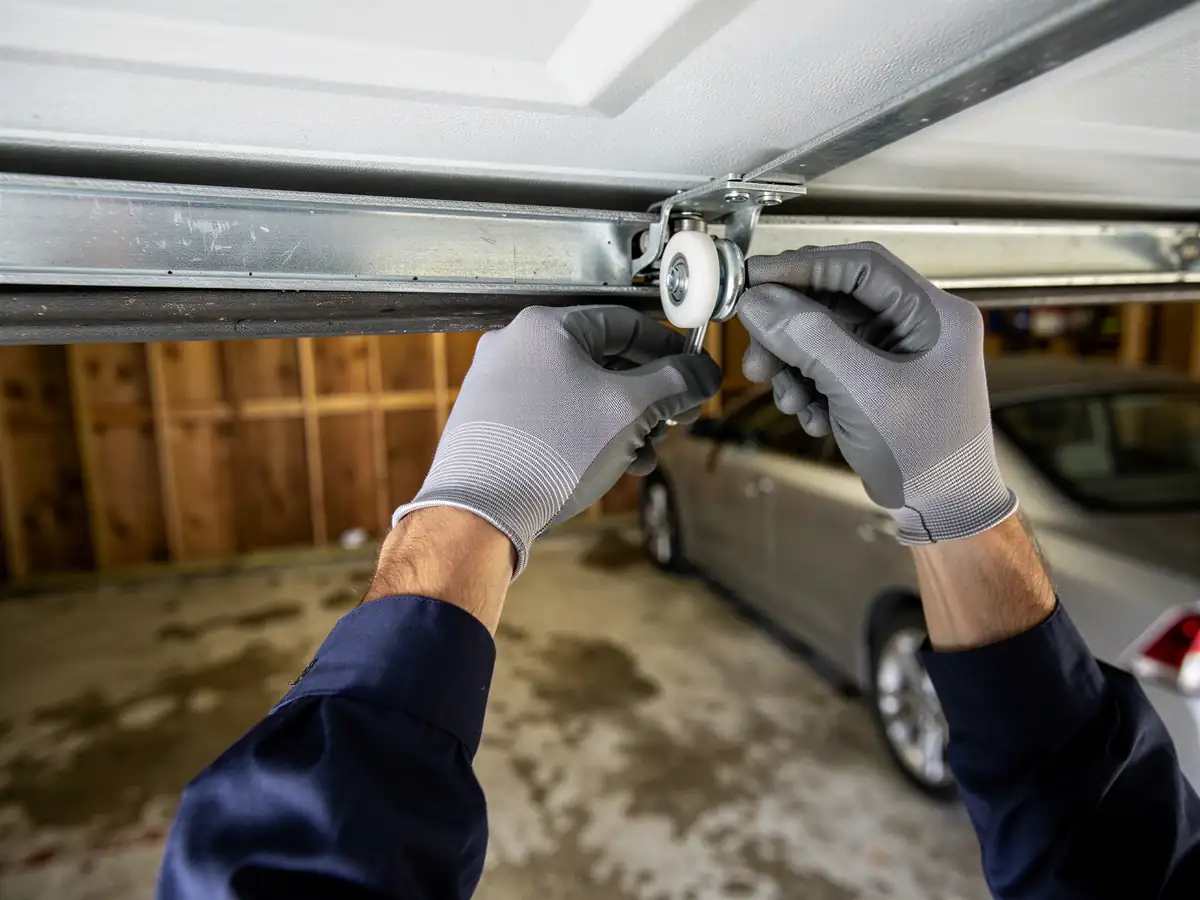
For a door built around the 1958 vintage common in Jefferson, the roller stem length and the track gauge aren't always what you'd find on a door from the 1980s or 90s stock elsewhere in the service area. We carry both 7-inch and 10-inch stem rollers, in sealed-bearing nylon and in galvanized steel for owners who want to match what's already on the door rather than upgrade it. Nylon rollers cost more up front but run quieter and don't need the lubrication steel rollers do - a real consideration given Jefferson's mild, occasionally freezing climate where condensation on bare steel can speed up corrosion. We don't carry every obscure stem length on the truck; if your door uses a roller size outside the common range, that part may need to be ordered, which affects timeline more than it affects the job itself.
How Long It Takes
A straight roller swap, all ten rollers on a standard double door, usually runs under two hours once we're on site. Jefferson's short distance from Metairie means the drive itself isn't a factor in scheduling the way it would be for a suburb further out on the list. Where the job runs long is when the rollers have been bad for a while and the track has worn unevenly with them - on the older stock common in Jefferson, that's not rare. If we find the track is bent, pitted, or the brackets have loosened from decades of use, that adds time for adjustment or bracket replacement on top of the roller swap itself.
What the Fix Involves
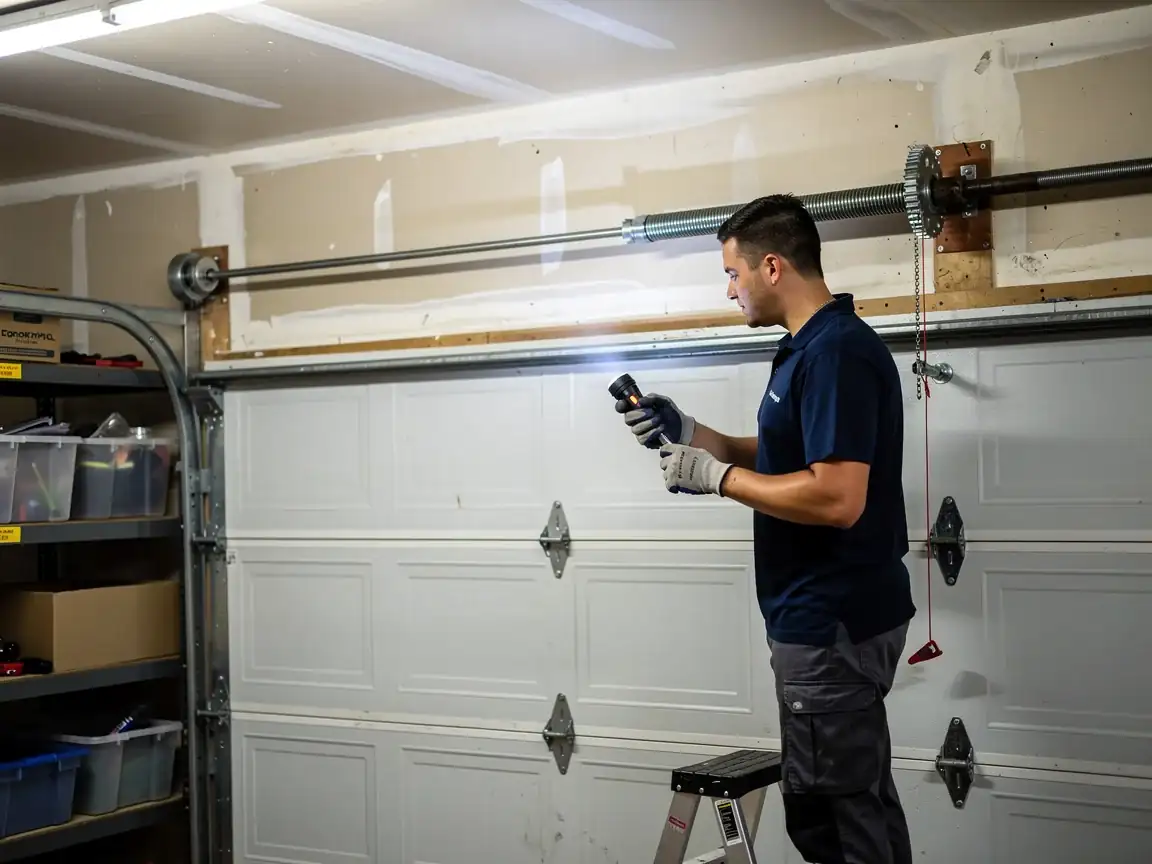
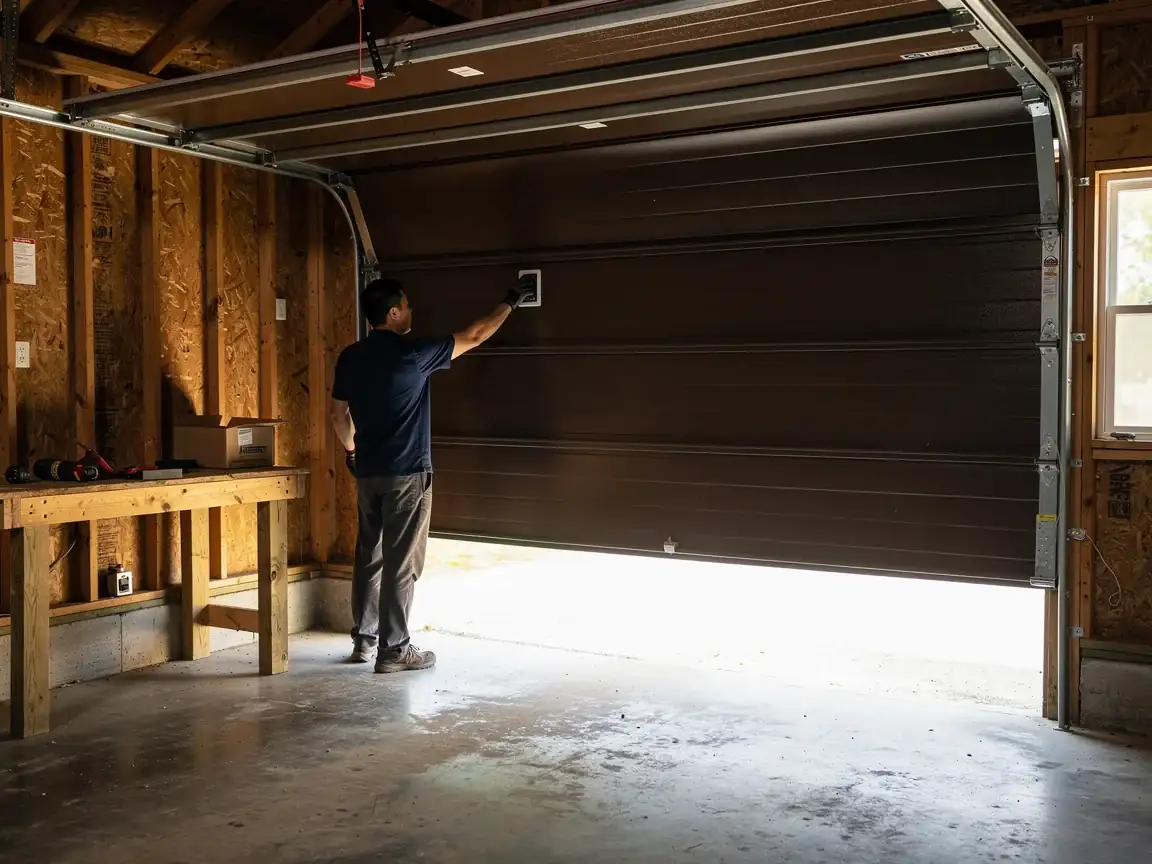
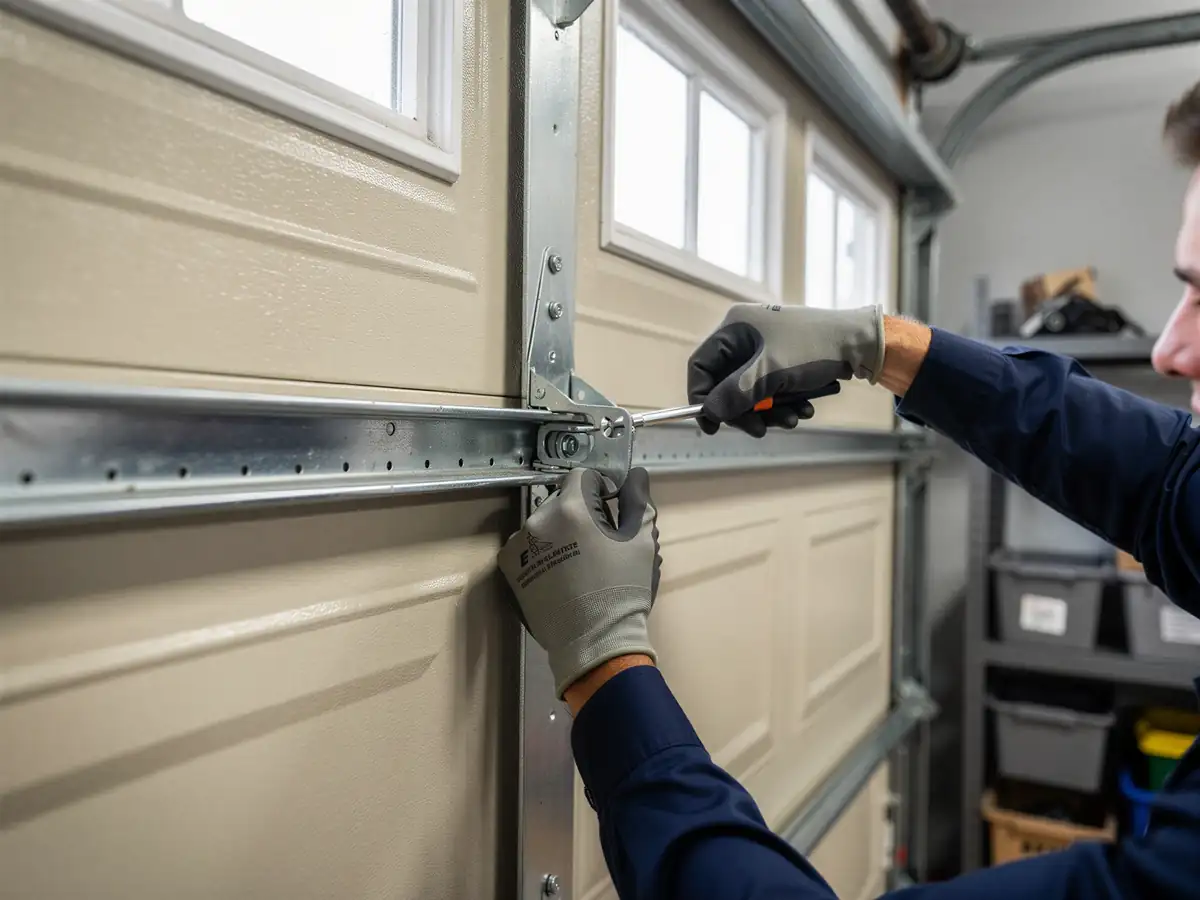
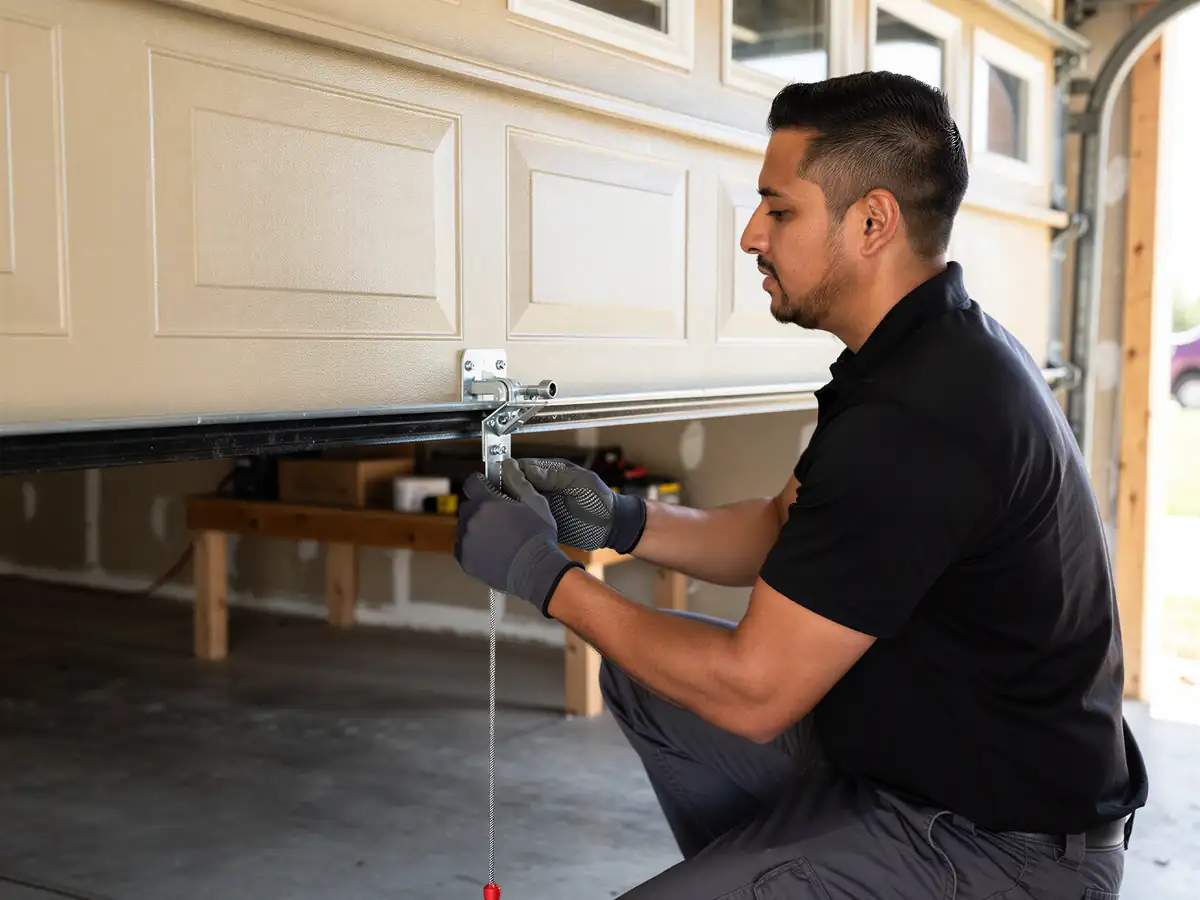
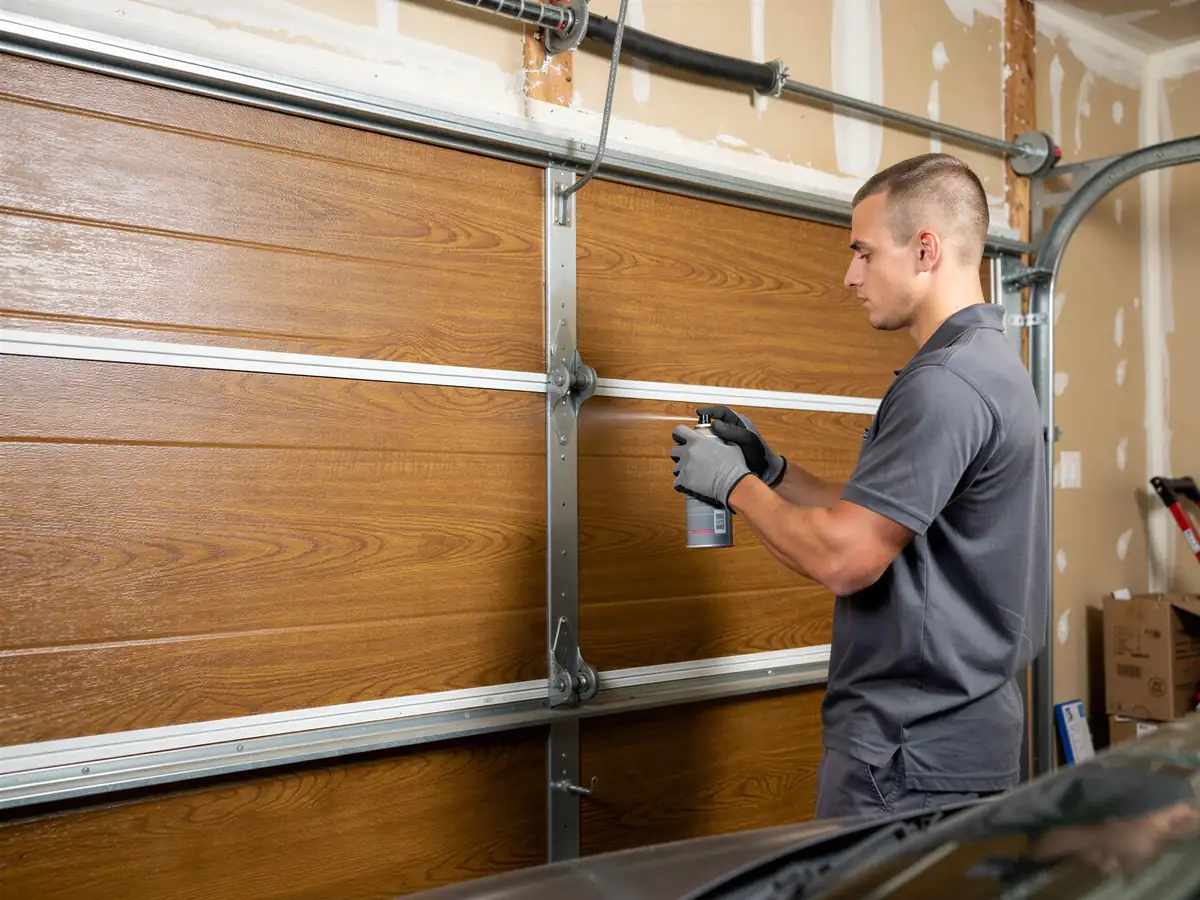
We pull the door down to a safe working position, release spring tension, and remove the old rollers one at a time rather than dropping the door off the track entirely - that keeps the door supported and avoids a second alignment job. Each roller gets checked against the stem length and bearing type before it goes back in, since mismatched sizing is common on older Jefferson stock that's had partial repairs over the years. We check the track plumb and the bracket bolts while we're in there, because new rollers in a track that's slightly bowed will wear unevenly again within months. Once the new rollers are seated, we run the door through a full open-close cycle a few times to check for binding before calling it done.
Doing It Yourself
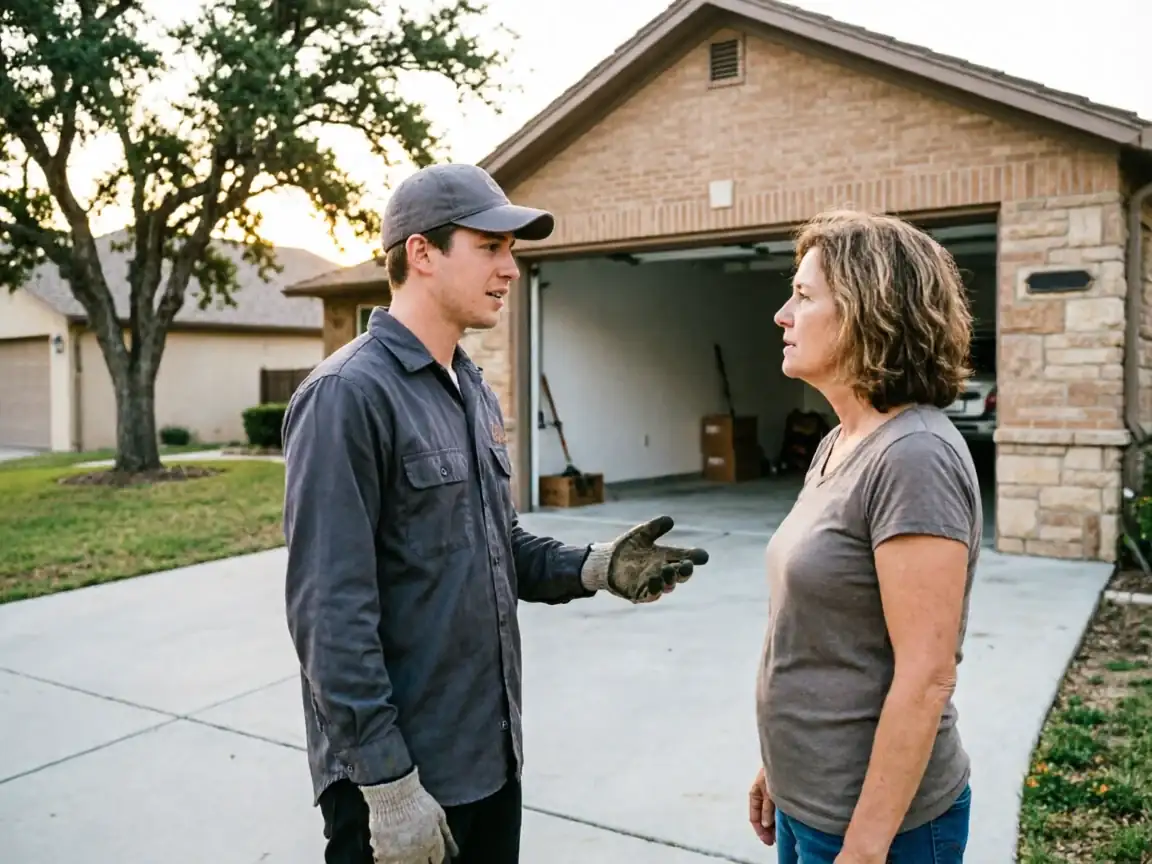
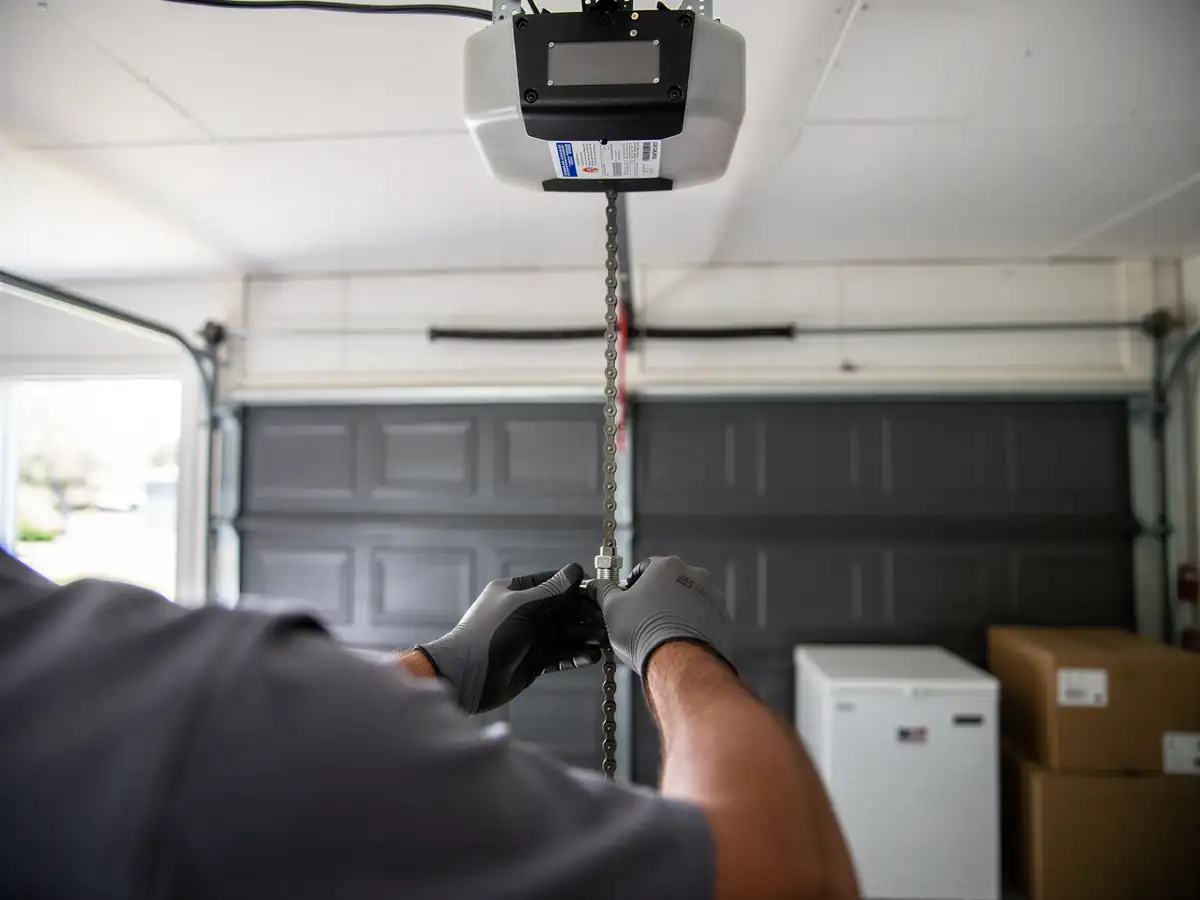
Swapping a few rollers on an otherwise sound door is within reach for a handy homeowner, and it doesn't require touching the spring if you do one roller at a time with the door supported. Where we'd tell you to call instead: if the door is from that 1958-era stock and the track shows any bowing, rust-through, or the brackets are loose in the framing, a DIY roller swap on bad track just wears the new parts out again fast. We don't recommend working on the bottom rollers near the spring cables without disconnecting the opener first, and if you're not sure whether what you're looking at is a worn roller or a bent track, that's a five-minute call rather than a guess.