What Causes It Around Here
The cable failures we see called in from Jefferson almost always trace back to the same source
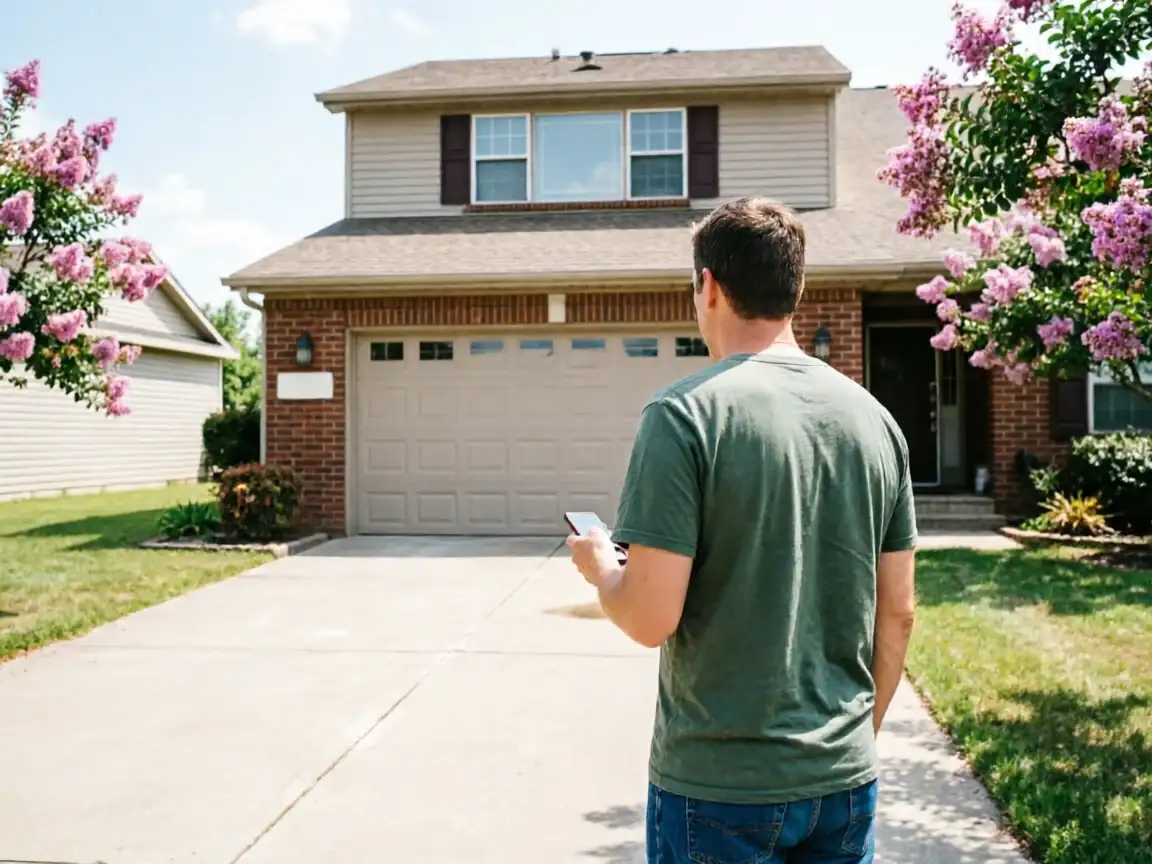
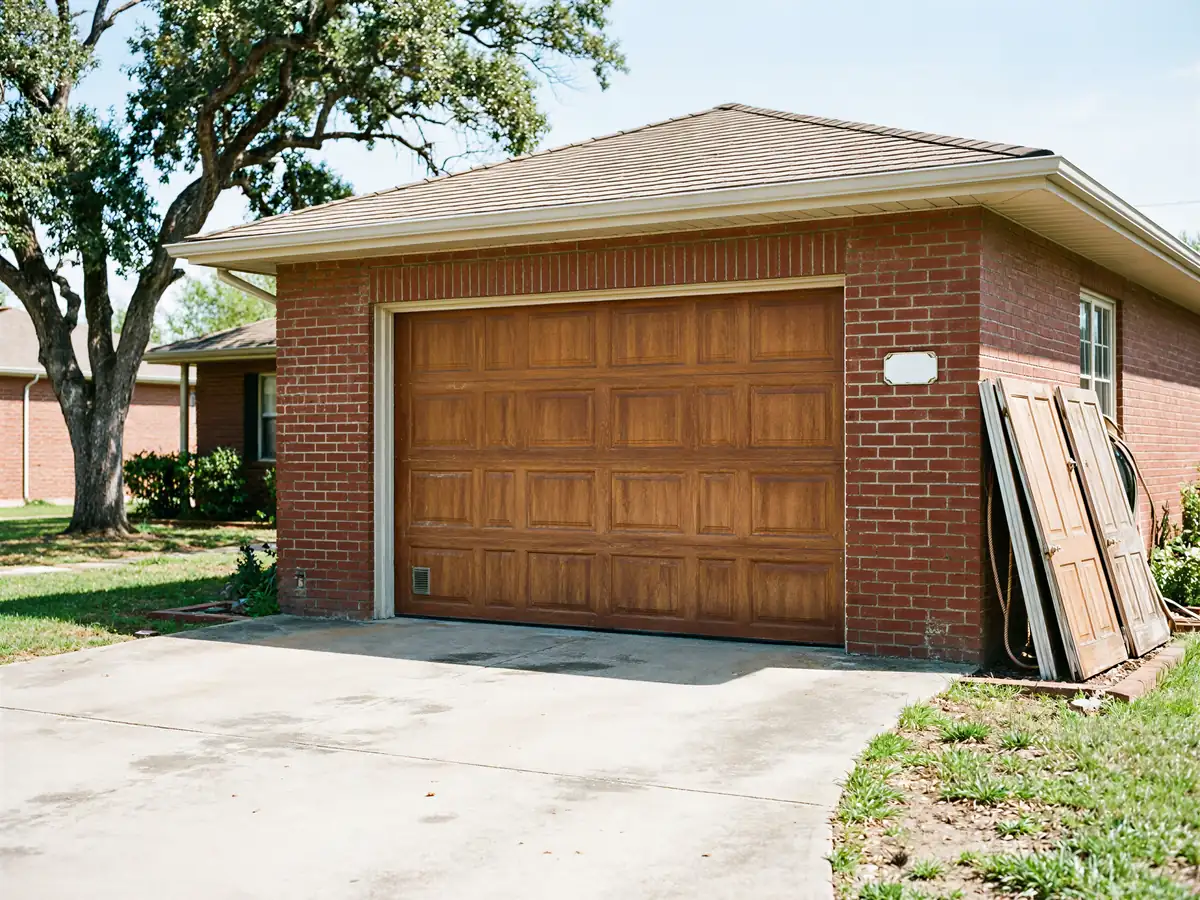
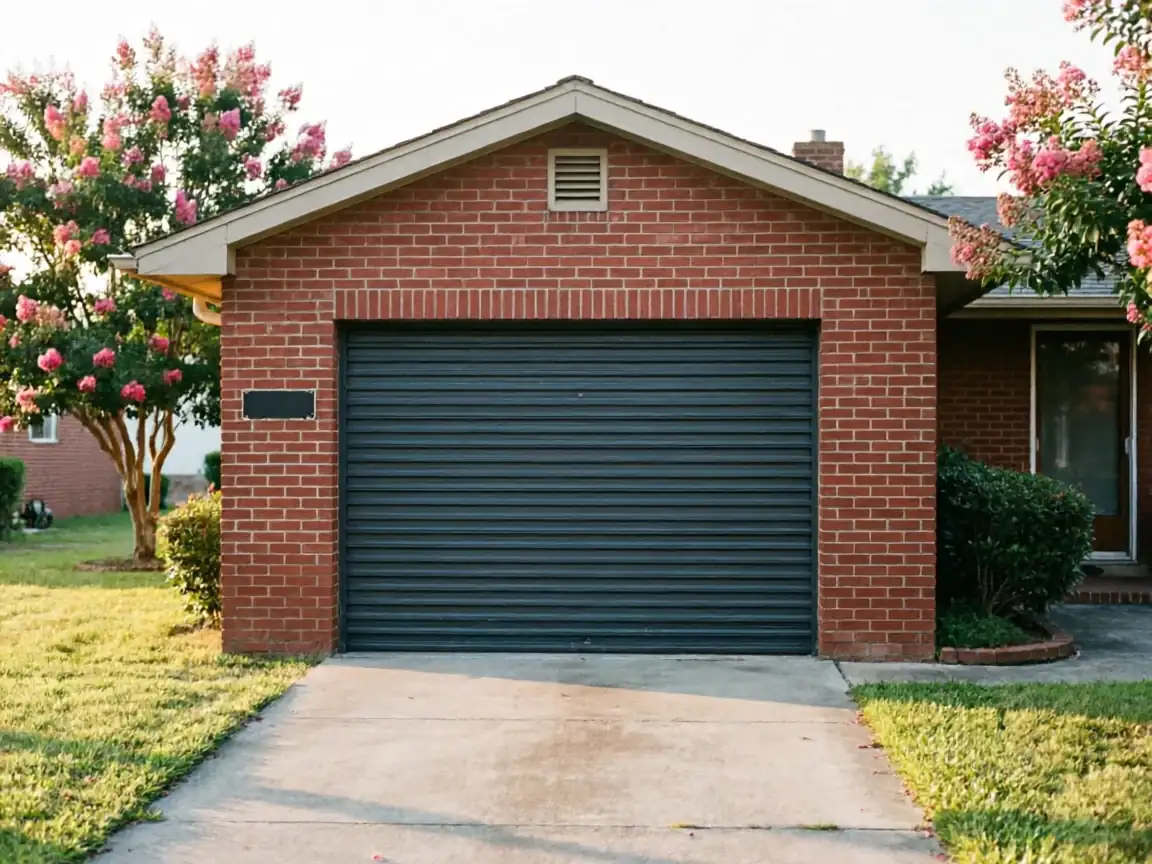
The house is old. Median year built here is 1958, which puts a lot of these garages at well over sixty years of service on hardware nobody has touched since the Eisenhower administration. The galvanized coating on those original cables wears thin over decades of humid air moving through an unsealed garage, and once that coating goes, the wire starts fraying at the drum where it wraps and unwraps thousands of times.
Our service area sits in a mild climate with occasional freeze
Which doesn't crack cables the way a hard winter would further north, but it does mean long stretches of damp air followed by sudden dry cold snaps. That cycle works on metal the same way it works on wood trim - it's slow, then it's sudden. A cable that looks fine on Tuesday can have one strand holding the whole load by Friday, and when it lets go, it usually does it while the door is partway up or down, which is the worst possible moment.
Parts We Carry
For a town built mostly in this single era, the hardware is predictable enough that we stock for it rather than guess. Standard lift cables in the common drum sizes, extension cable sets for the older non-torsion setups that a lot of these original garages still have, and the aircraft-cable gauges that match torsion conversions done over the years. What we don't carry on the truck is anything custom-length or a discontinued drum size from a door manufacturer that stopped making that model decades ago - if your door turns out to need one of those, we'll tell you straight and get it ordered rather than jury-rig a fix that won't hold.
How Long It Takes
A standard cable replacement, both sides, is a same-visit job once we're on site - no parts wait, no second trip. Where it runs long is when the drum itself is grooved from the old frayed cable riding wrong, or when the spring that shares the load with that cable is also near end of life, which happens more often than you'd think on hardware from the 1958-1980 build window. In that case we're not just swapping cable, we're rebuilding the lift side of the door, and that adds time because we're not leaving a door half-fixed.
What the Fix Involves
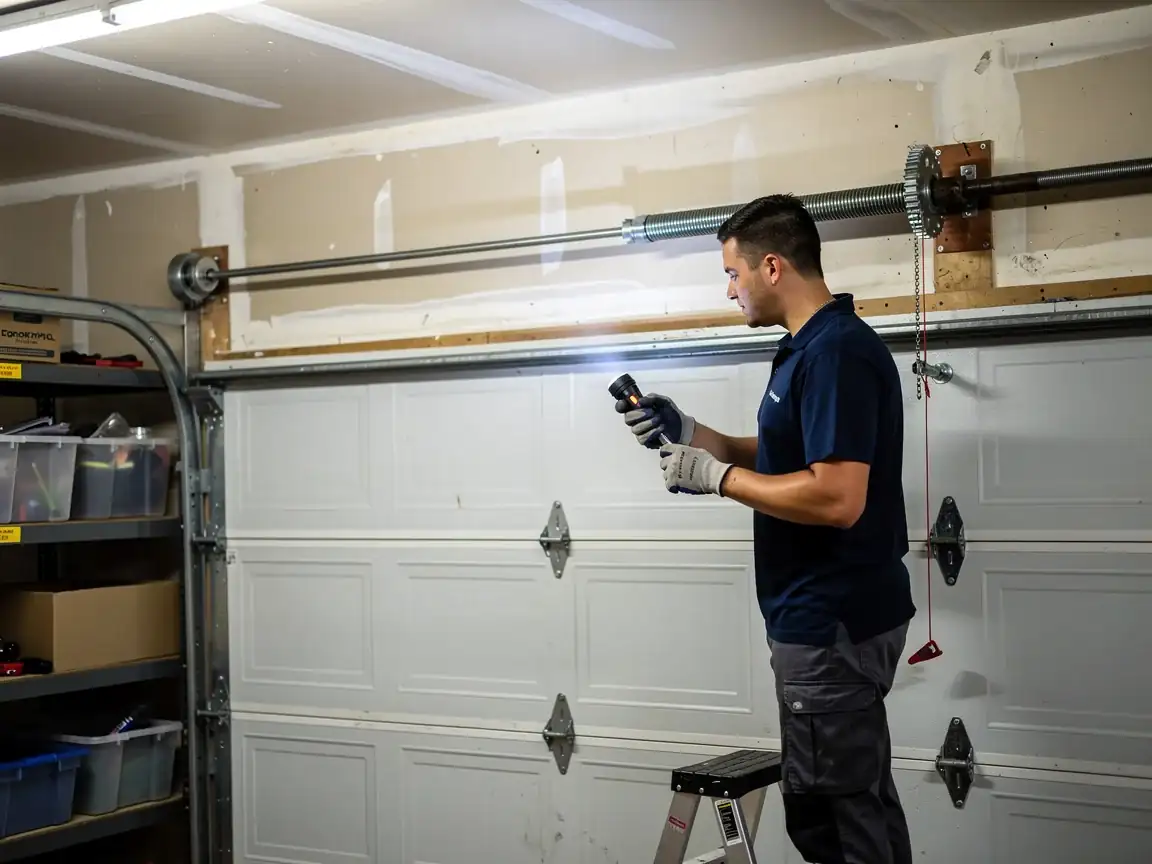
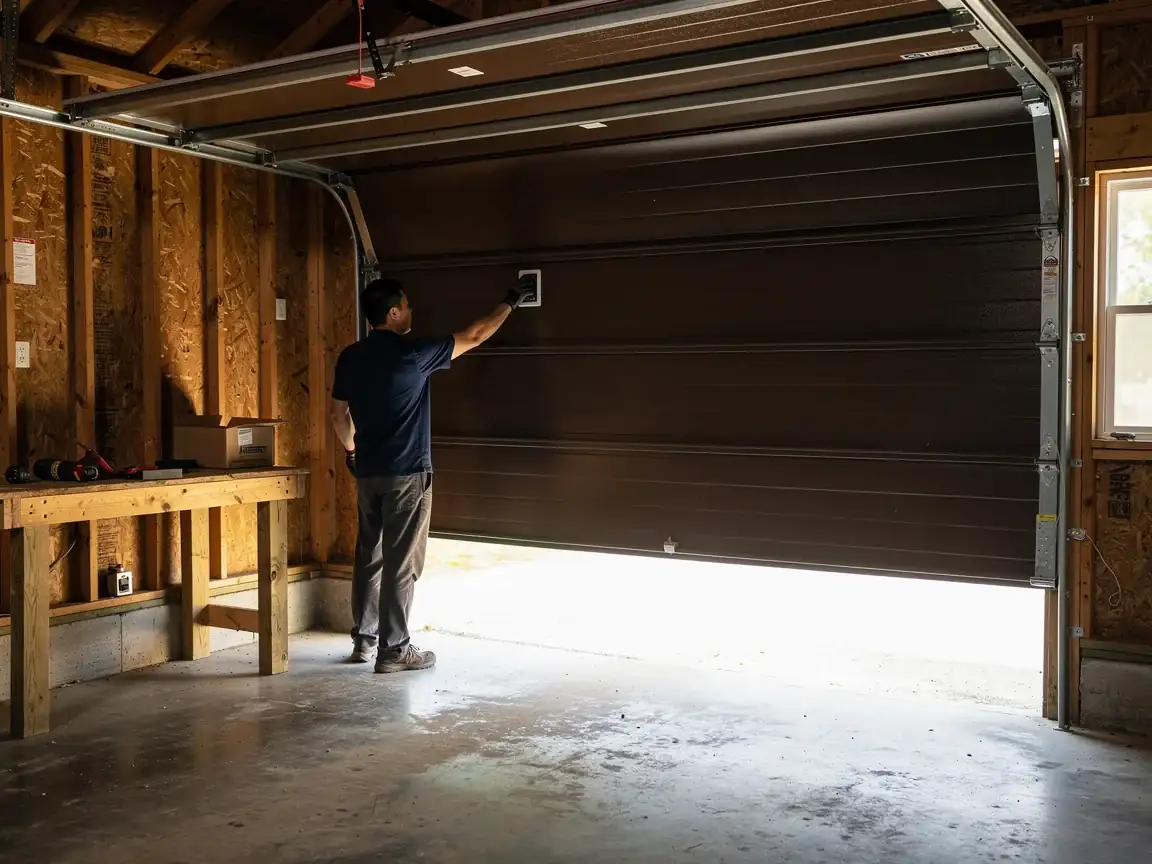
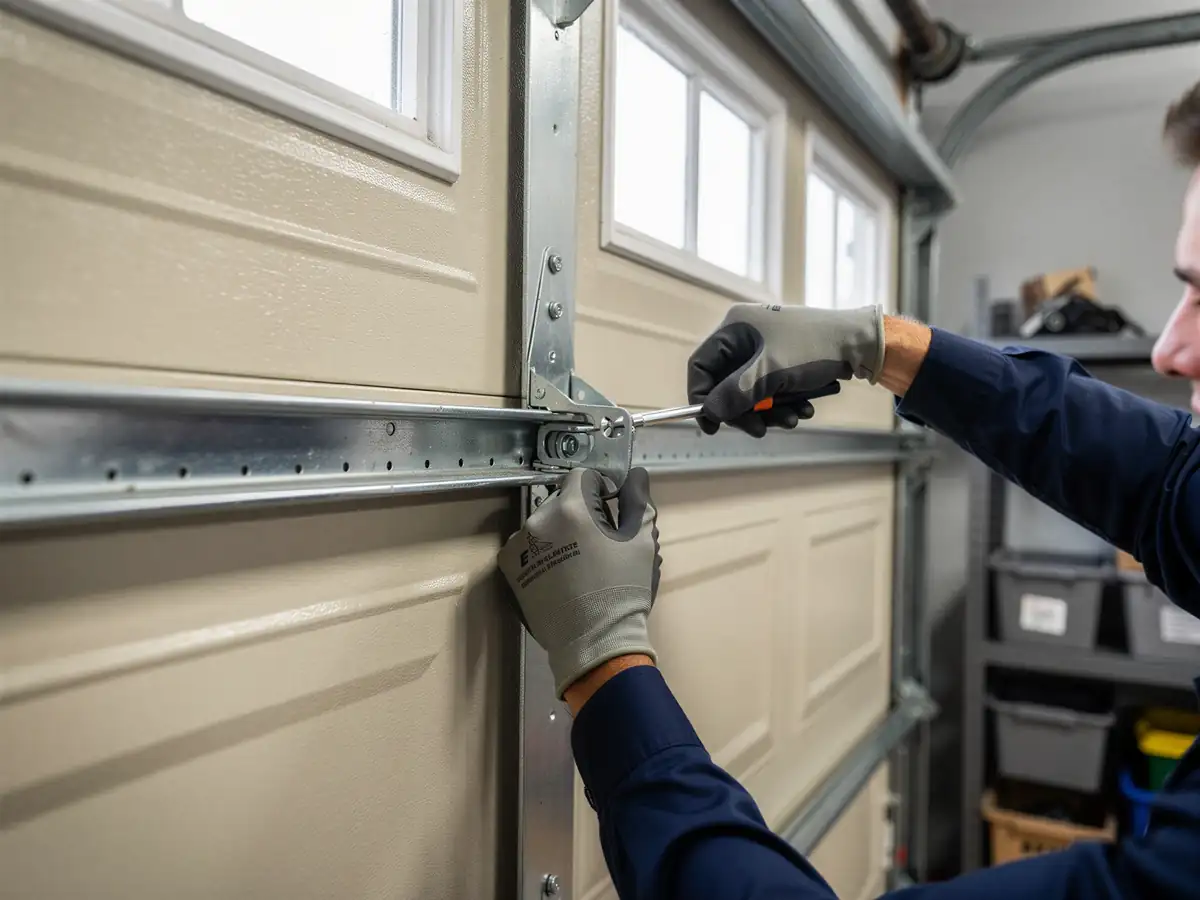
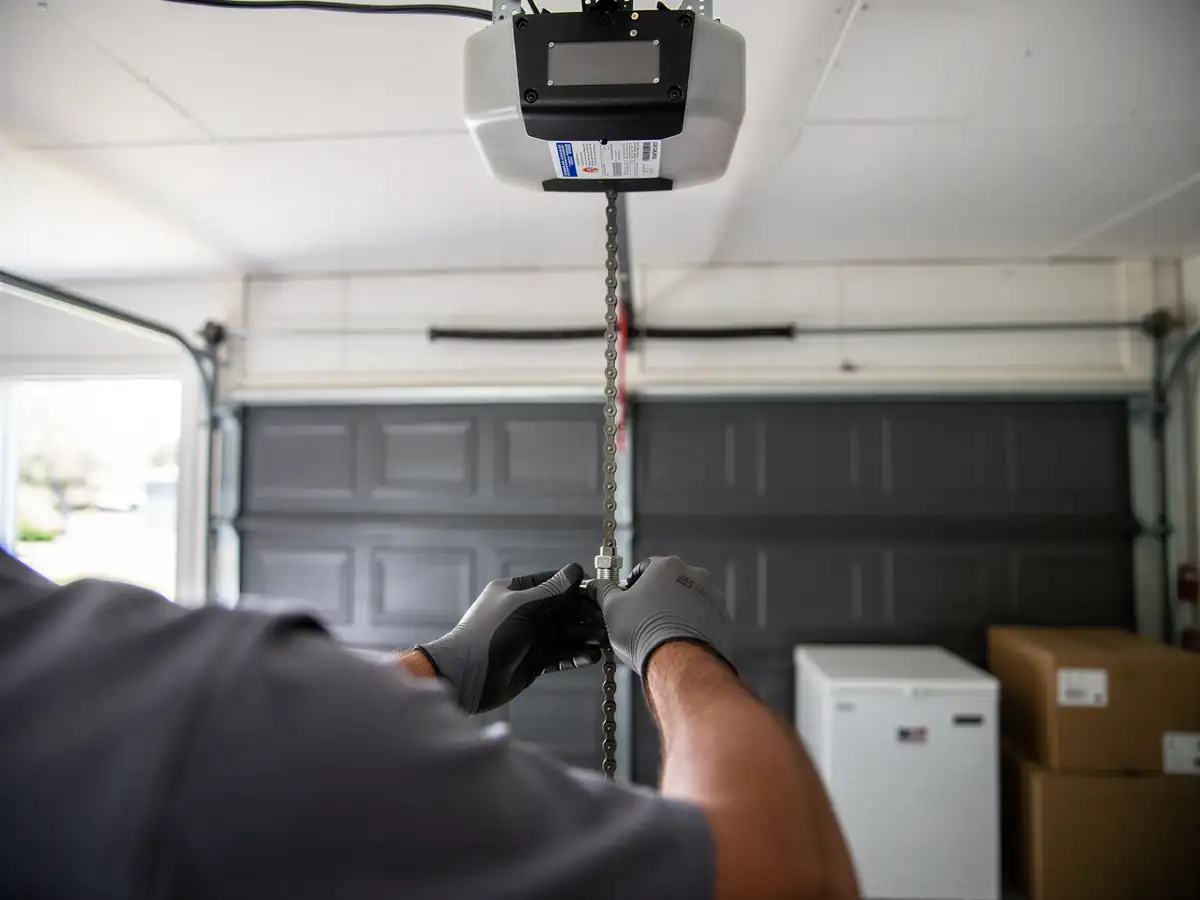
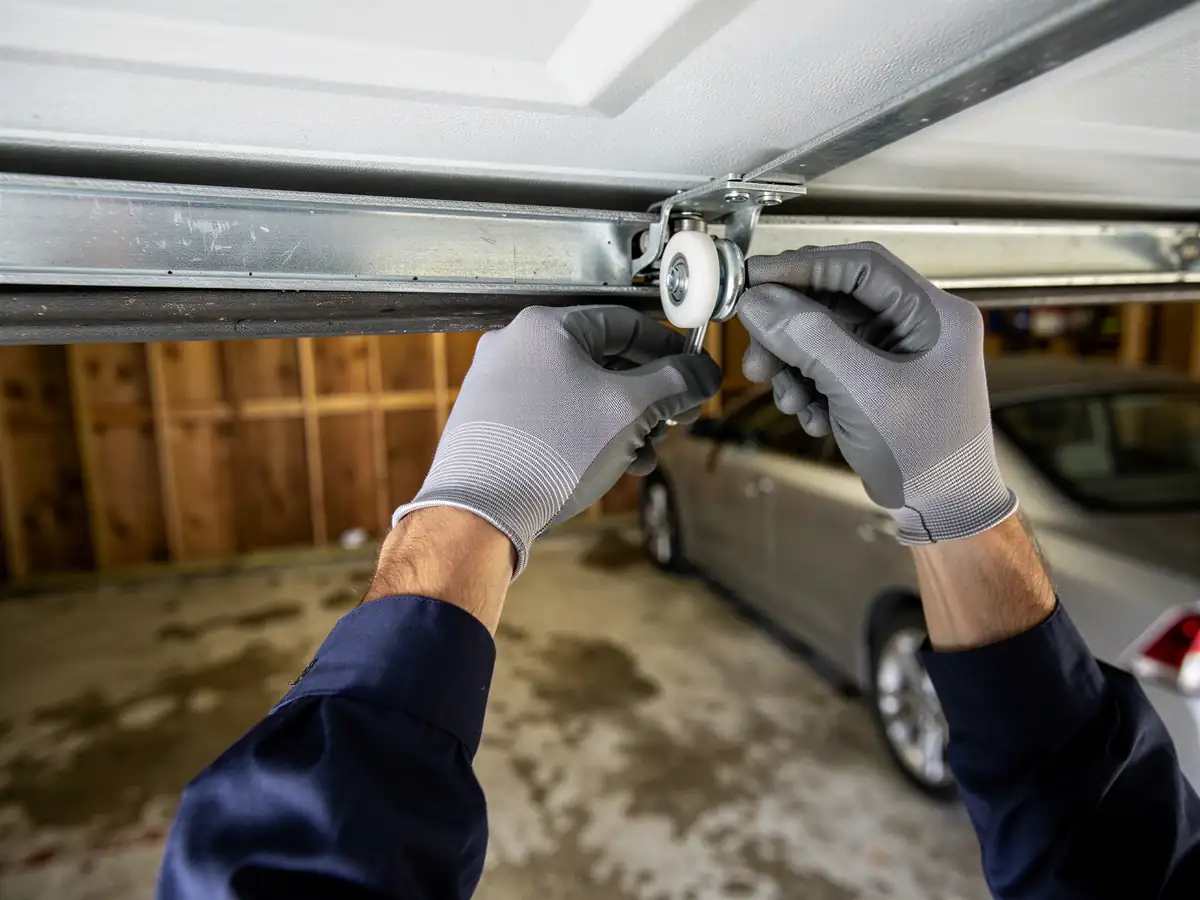
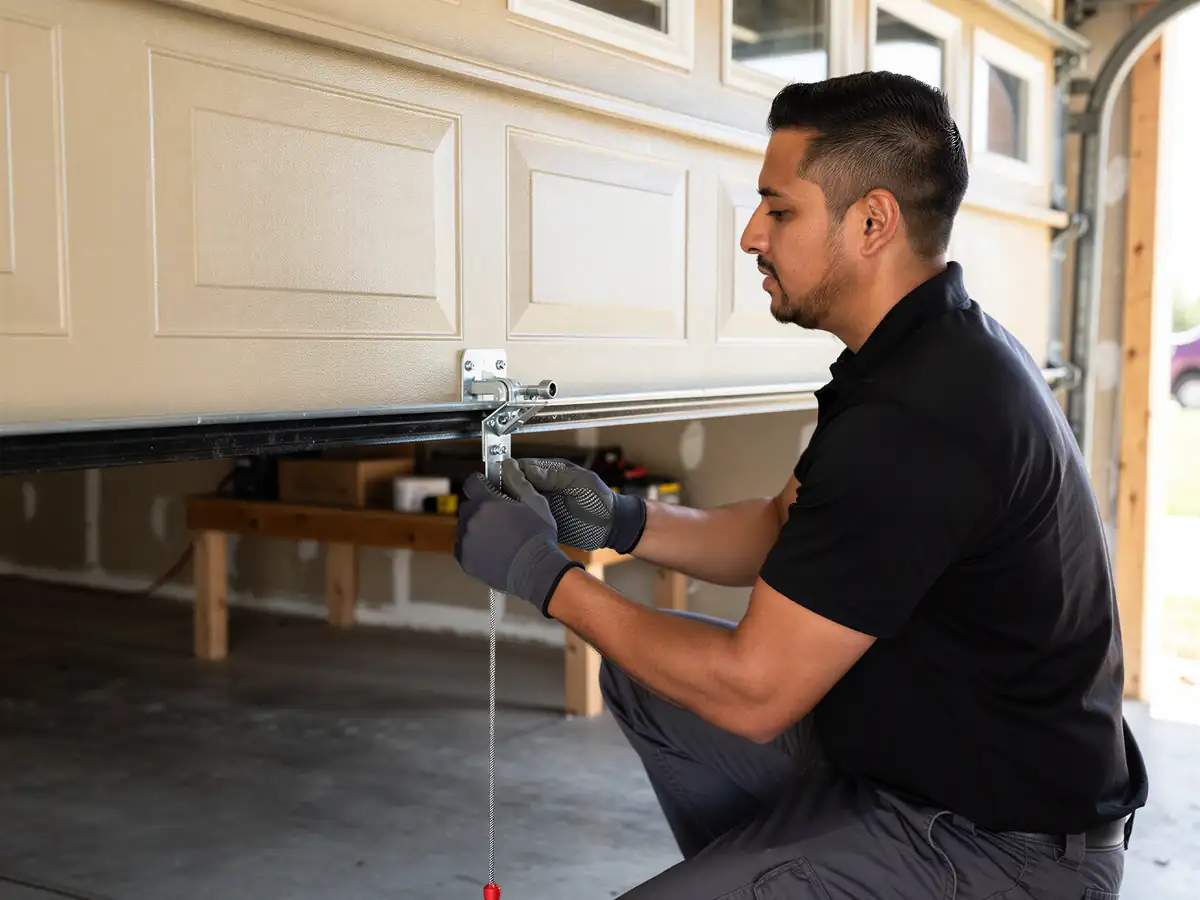
We release tension safely, pull the old cable off the drum, check the drum groove and the bottom bracket for wear, and run the new cable at the correct length for your door and track height. On these older Jefferson houses we're also checking the spring while we're in there, since a cable failure and a tired spring often show up together on hardware this age. Once the cable's set, we cycle the door several times under load before we call it done, watching for drift or uneven travel - a cable job that's not checked under real operation isn't finished, it's just installed.
Doing It Yourself
A garage door spring and cable are under enough stored tension to take a finger or worse if you release it wrong, and there's no way to eyeball that tension safely without the right bars and a locked-down door. If you're set on trying it anyway, at minimum clamp the track and never remove both cables at once - but honestly, this is one of the jobs where the time most homeowners save by calling someone is worth more than what they'd save doing it themselves. We'd rather talk you out of it than patch you up after.