Parts We Carry
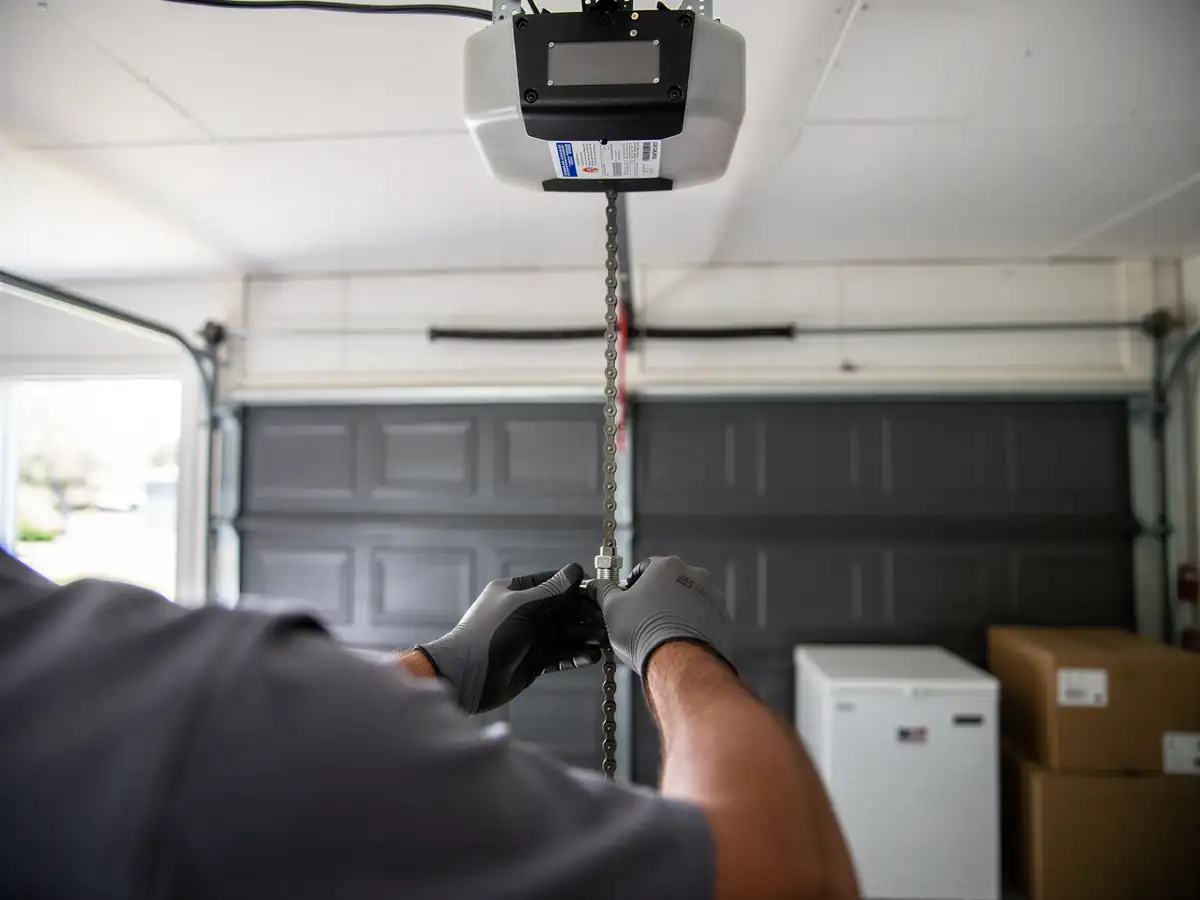
Because Jefferson's openers span so many install years, we stock the parts that actually fail across that range rather than betting on one brand or one decade: drive gears and sprockets for chain units, capacitors and circuit boards for the logic-board failures that show up as a unit humming but not moving, and replacement safety-eye pairs for the sensors that get knocked out of alignment or just corrode out over time. We also carry remotes and keypads compatible with older receiver boards, since a lot of Jefferson garages still run openers that predate rolling-code security. One honest limit: if your opener is old enough that the manufacturer no longer makes boards for it, we'll tell you straight that a used part is a stopgap, not a fix, and a full opener swap is the better money.
How Long It Takes
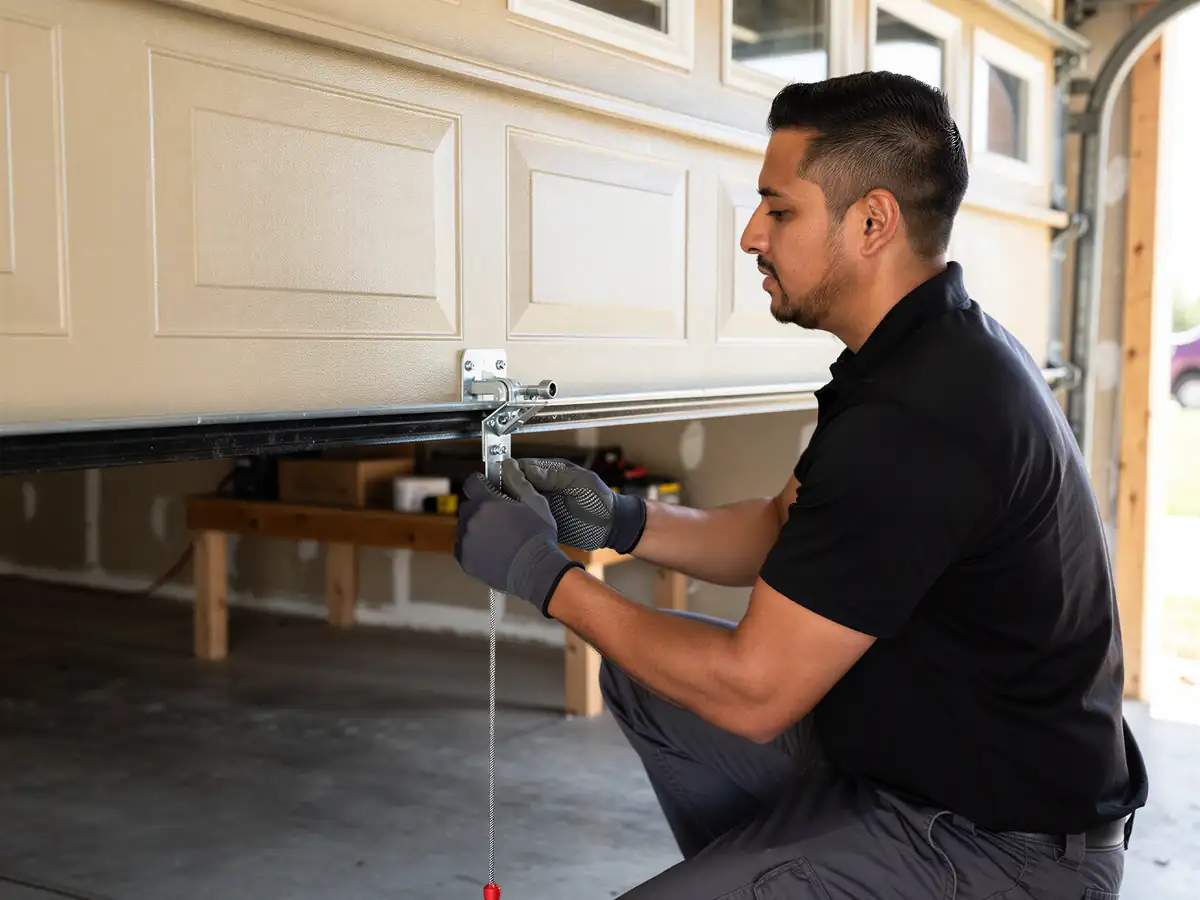
Most opener repairs in Jefferson are a single visit - a bad capacitor, a stripped gear, or a misaligned sensor gets diagnosed and replaced on the spot since those parts are common across the stock we carry. Where it runs long is when the opener is an older model bolted onto non-original wiring, which we see often given how many houses here picked up their opener well after 1958. Tracing a wiring problem through a retrofit takes longer than swapping a part, and if the unit needs a board nobody stocks anymore, that part has to be ordered before we can finish the job.
What the Fix Involves
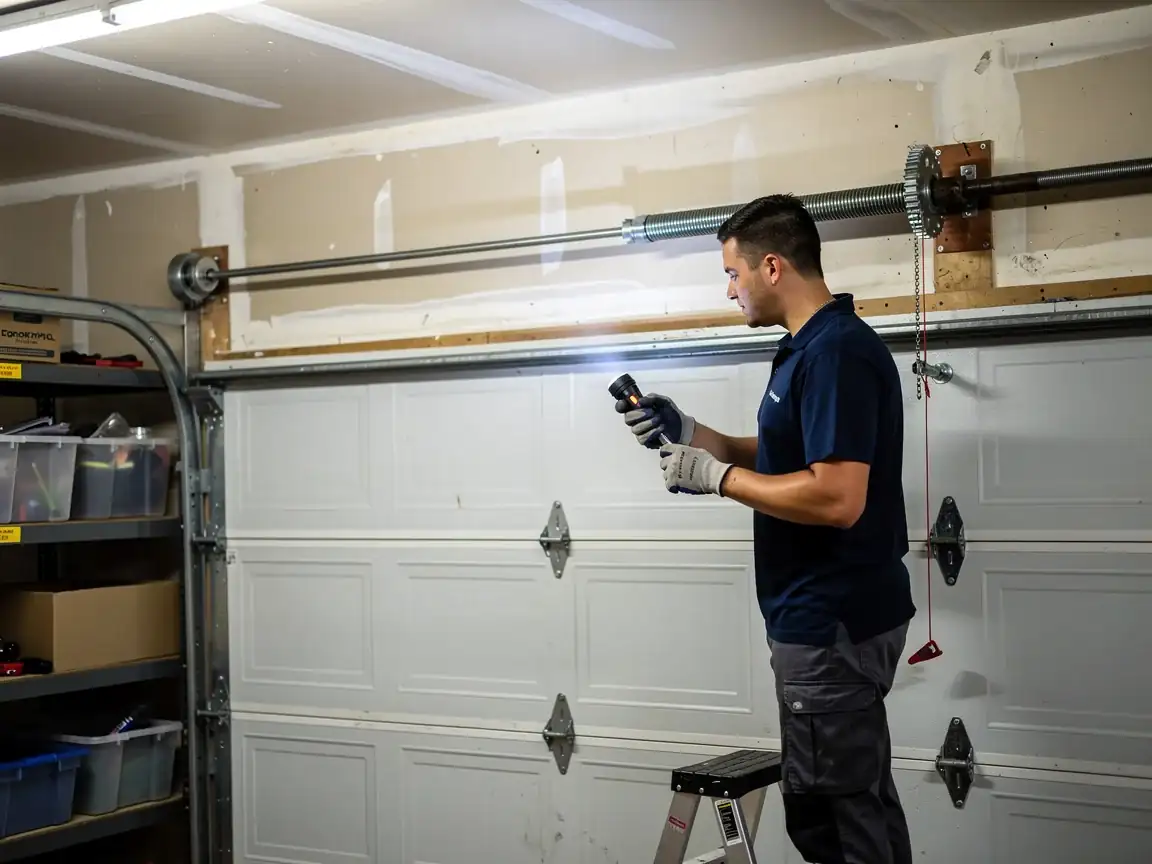
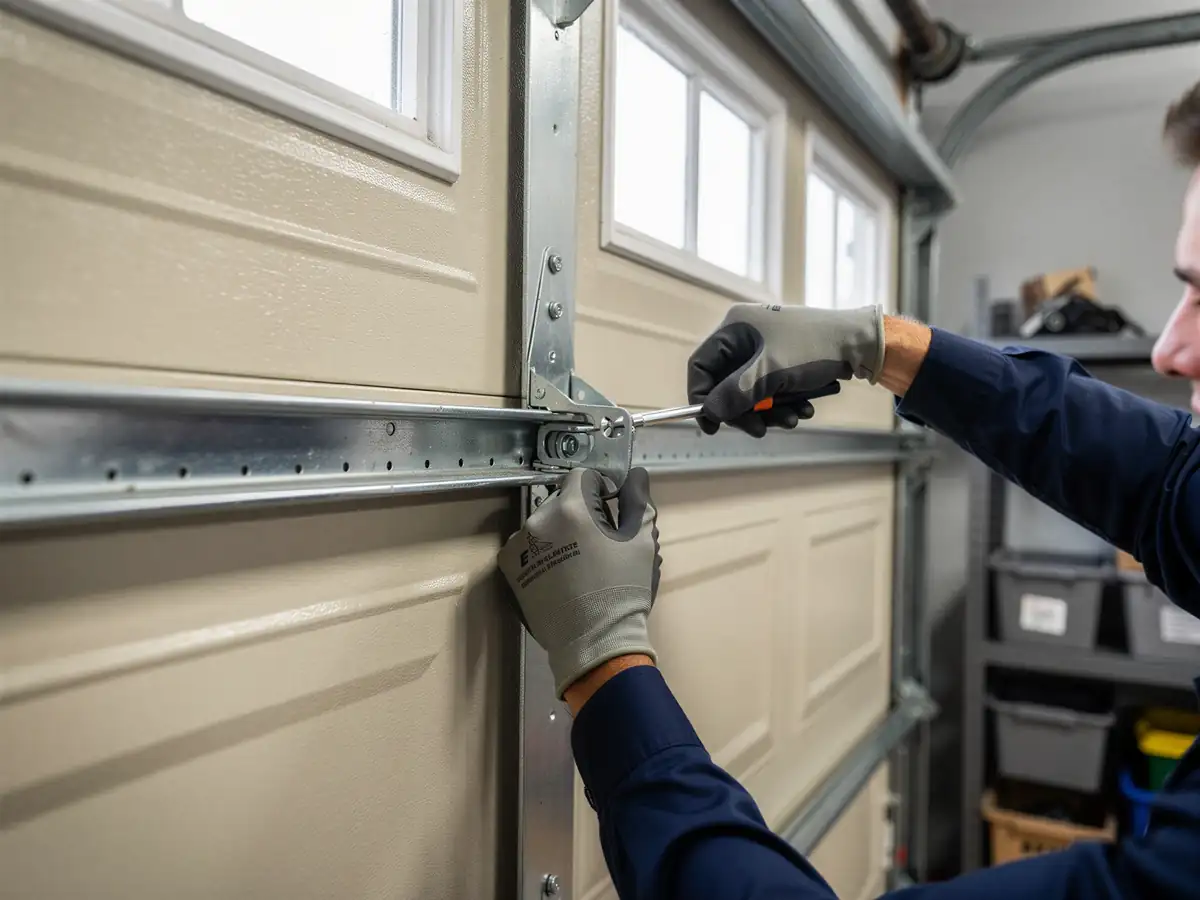
We start by running the opener through its full cycle with the door disconnected, which tells us immediately whether the motor, gear, and board are doing their job or whether the door itself is fighting the opener. From there it's a matter of isolating: testing the capacitor under load, checking the safety-eye alignment with a level rather than by eye, and inspecting whatever wiring was added when the unit was last replaced. On houses with layered retrofits, we also check that the opener's force settings match the door's actual weight, since a door that's heavier than the original one it's wired to can trip an opener into auto-reversing or refusing to close - a problem that looks electrical but isn't.
Doing It Yourself
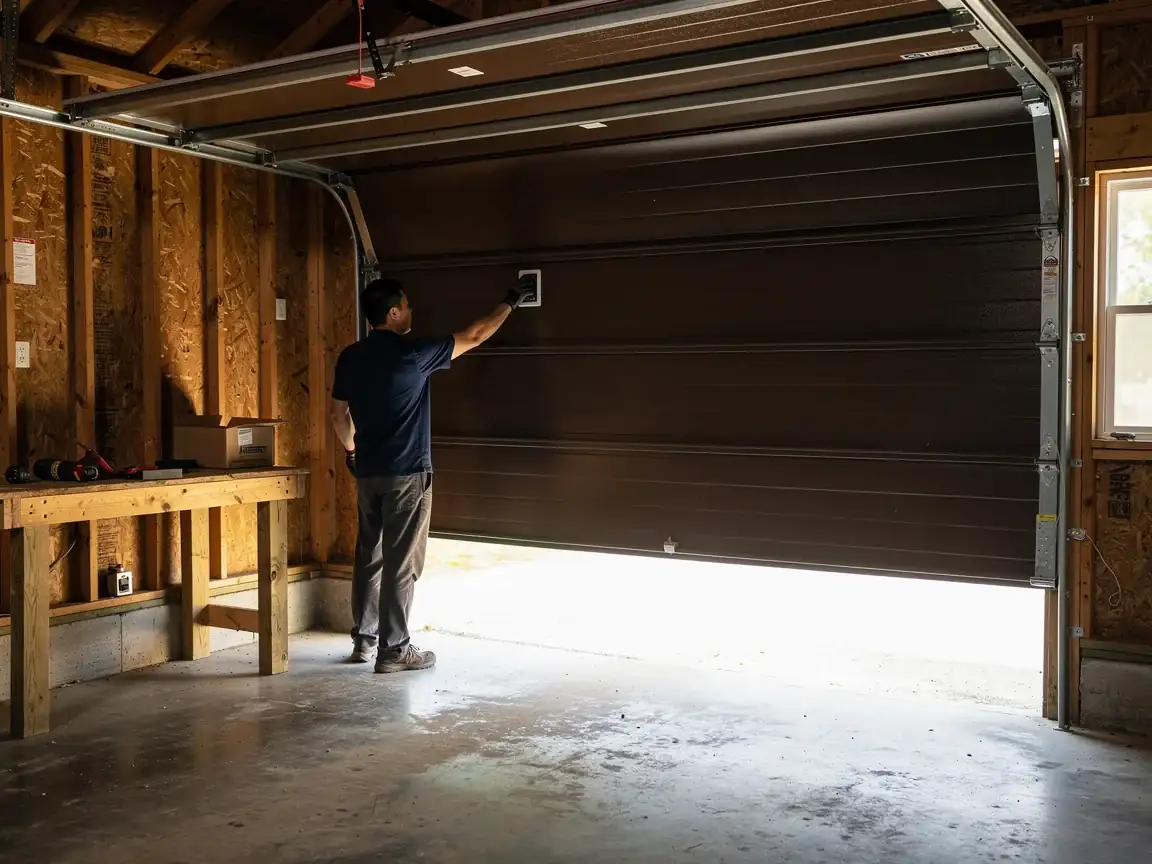
Checking the safety-eye alignment, cleaning the photo-eye lenses, and testing the wall button are all things a Jefferson homeowner can do before calling anyone - most no-close complaints trace back to one of those three. Replacing a capacitor or a logic board isn't a weekend project, though, especially on an opener that's been rewired once or twice already; getting the polarity or force setting wrong on mismatched hardware can burn out a new board just as fast as the old one failed.