What Causes It Around Here
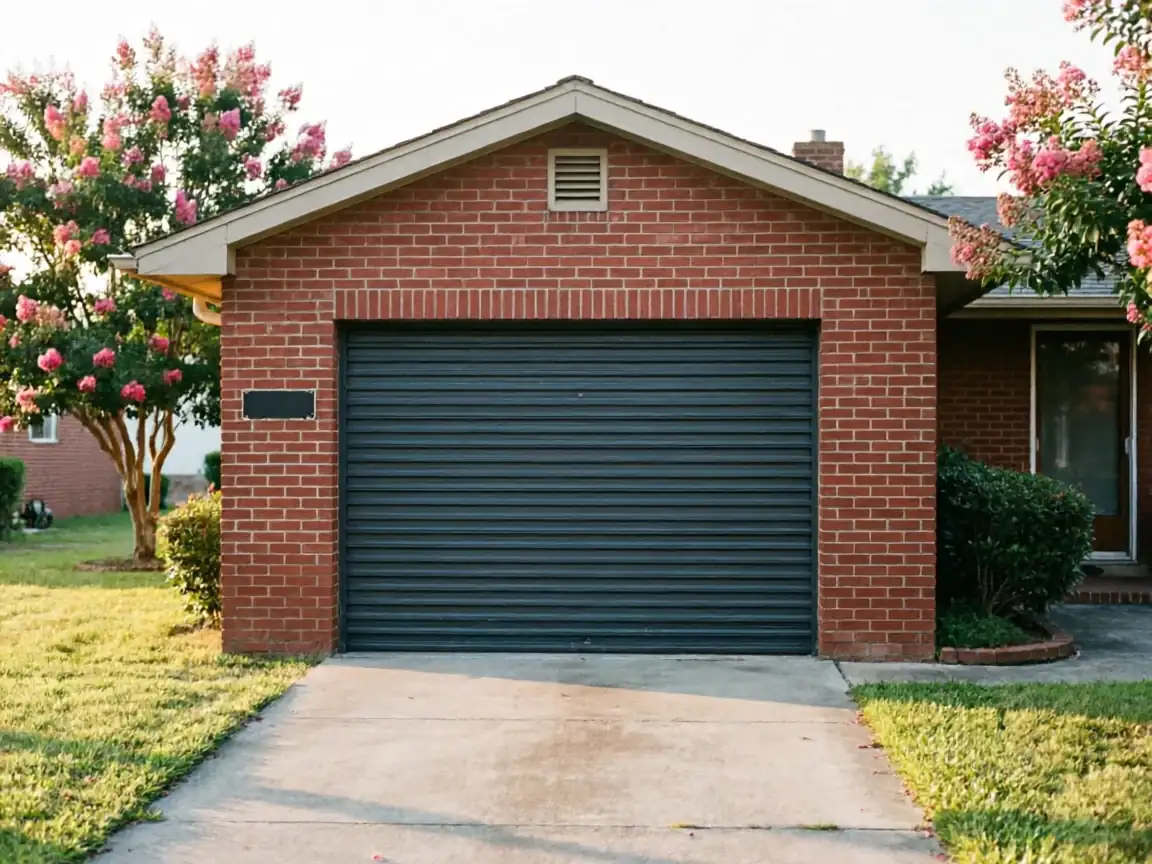
Metairie Garage Door Pros works out of Metairie, about 3 miles away, and the first thing that stands out about Jefferson is the age of the housing
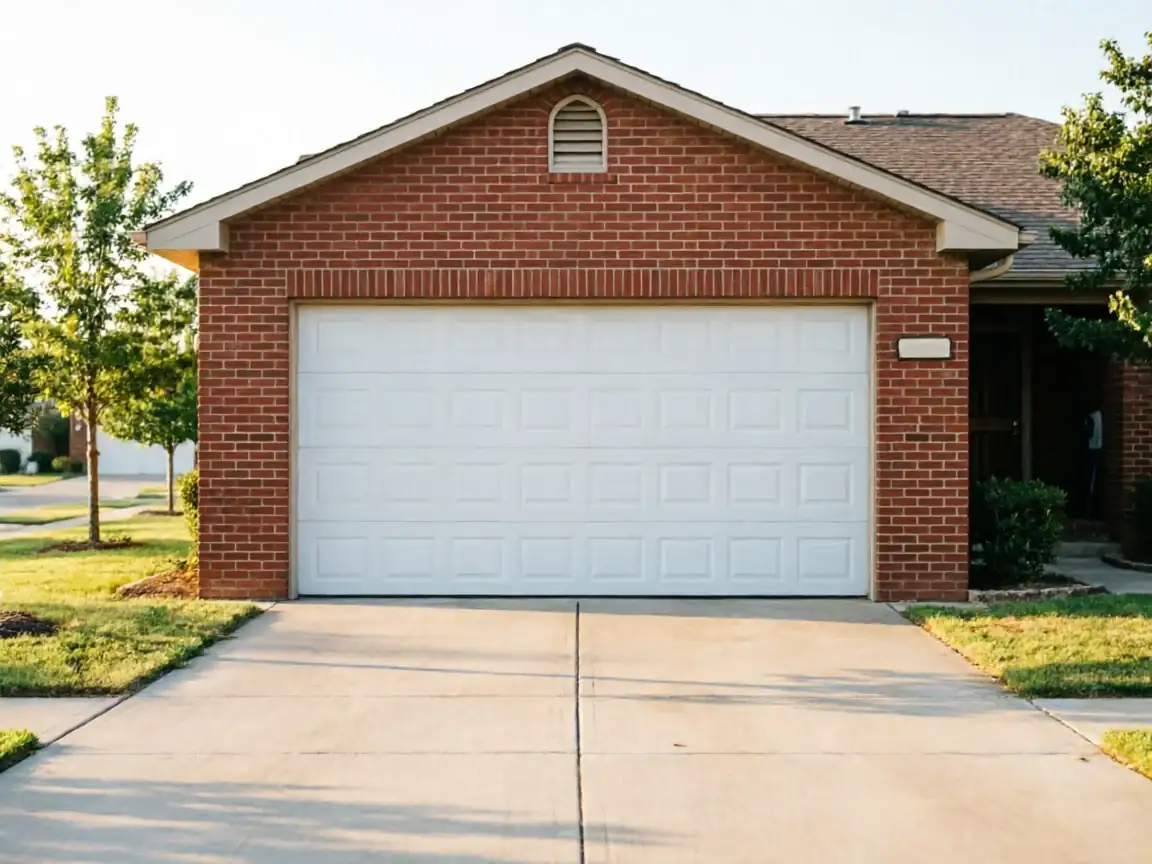
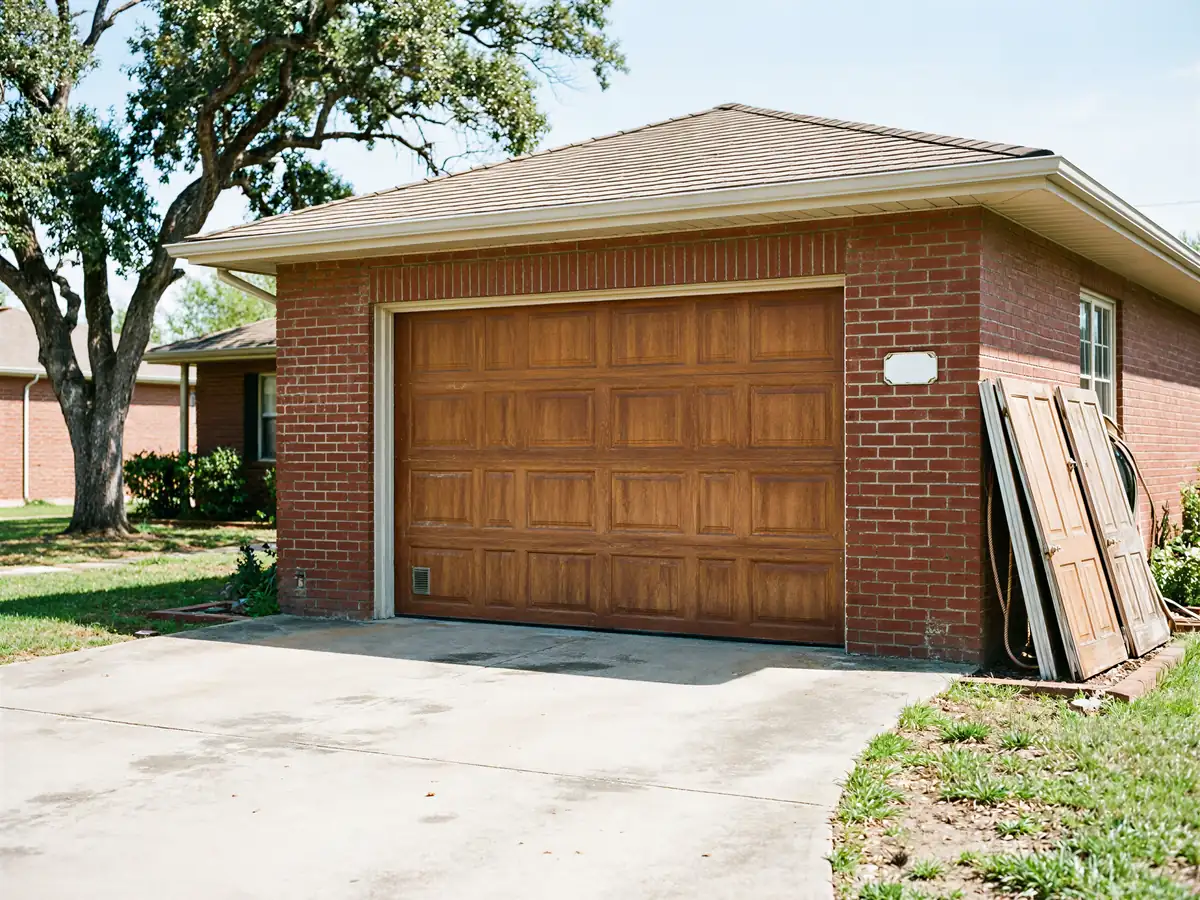
The median year built here runs around 1958 - more than two decades older than the 1980 median across the wider service area we cover, where most stock dates from the 1980s and 90s. That gap matters. A door and opener installed in a Jefferson house that still has its original 1958 bones is going onto framing, headers, and often a jamb that has shifted over sixty-plus years. It's not the same job as hanging a door in a 1985 build with square, modern rough openings.
- 3 miles
The climate here is the mild, occasional-freeze band common across this part of Louisiana
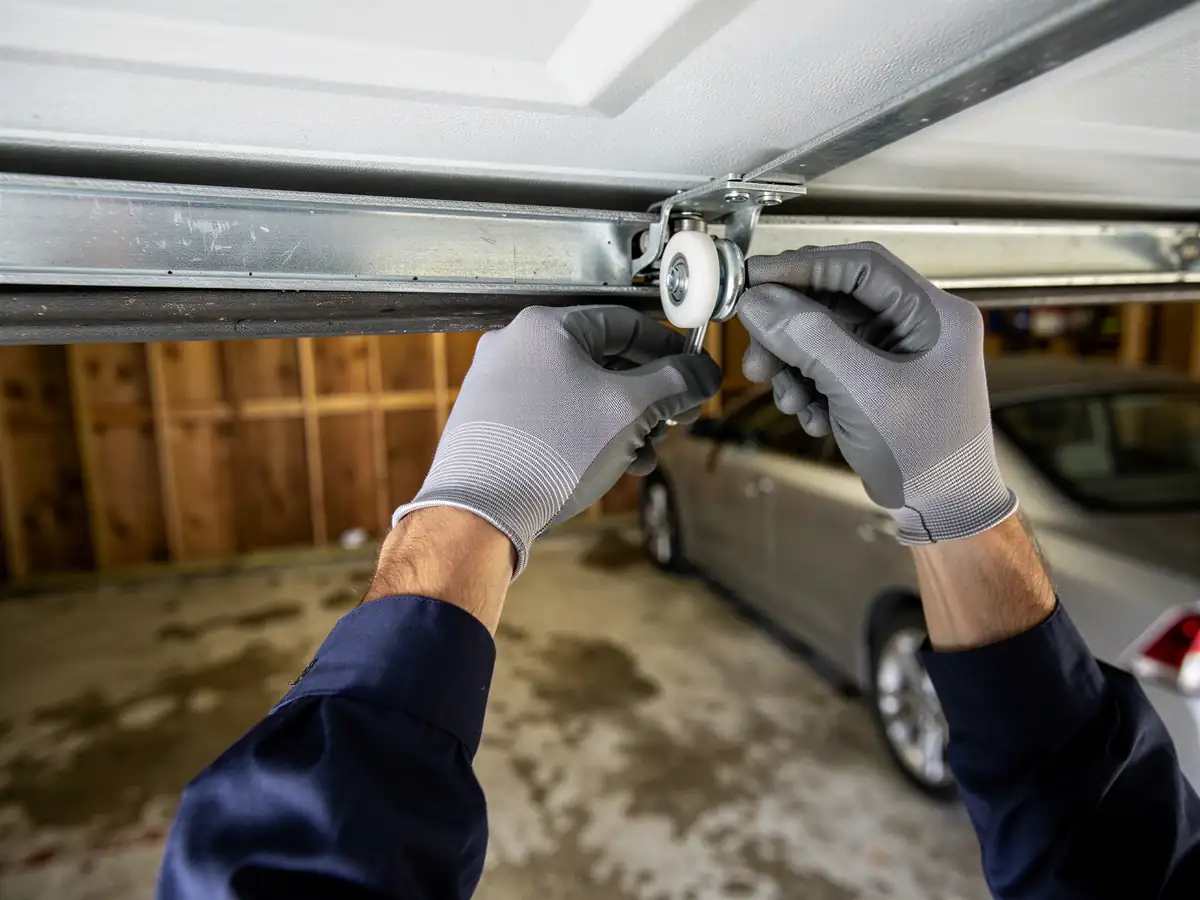
That means the stress on hardware isn't freeze-thaw cracking - it's humidity. Steel track and springs on a house this age have usually seen decades of damp air cycling, and that shows up as surface rust on rollers and pitting on spring coils that a newer door simply hasn't had time to develop.
Parts We Carry
For a house built around 1958, we're often replacing hardware that was never sized the way modern doors are. Older openings in this part of the area sometimes run narrower or shorter than today's standard sectional sizes, so we carry trim kits and jamb extensions rather than assuming a stock door drops straight in. Torsion springs on houses this age are frequently the older, heavier wind-up style rather than the lighter high-cycle springs common on 1980s-and-newer construction, so we stock both weights rather than guessing.
We also carry standard steel and insulated sectional panels, nylon and steel rollers, galvanized track in the common widths, and both belt-drive and chain-drive openers. If your current door is a one-piece swing-up panel - more common on older stock like this - we'll tell you plainly whether converting to sectional is worth it or whether a straight swap makes more sense for your opening.
How Long It Takes
A straight swap - same opening, same width, no framing work - is usually a one-day job once the door and opener are on the truck. Where a house built around 1958 slows things down is the framing. If the jamb has settled or the header isn't square anymore, which shows up more often in stock this old than in the newer construction found elsewhere in the service area, we need to shim, re-square, or in some cases rebuild part of the frame before the new door goes in. That adds time on site, and we'll tell you up front if we see it during the estimate rather than discovering it halfway through install day.
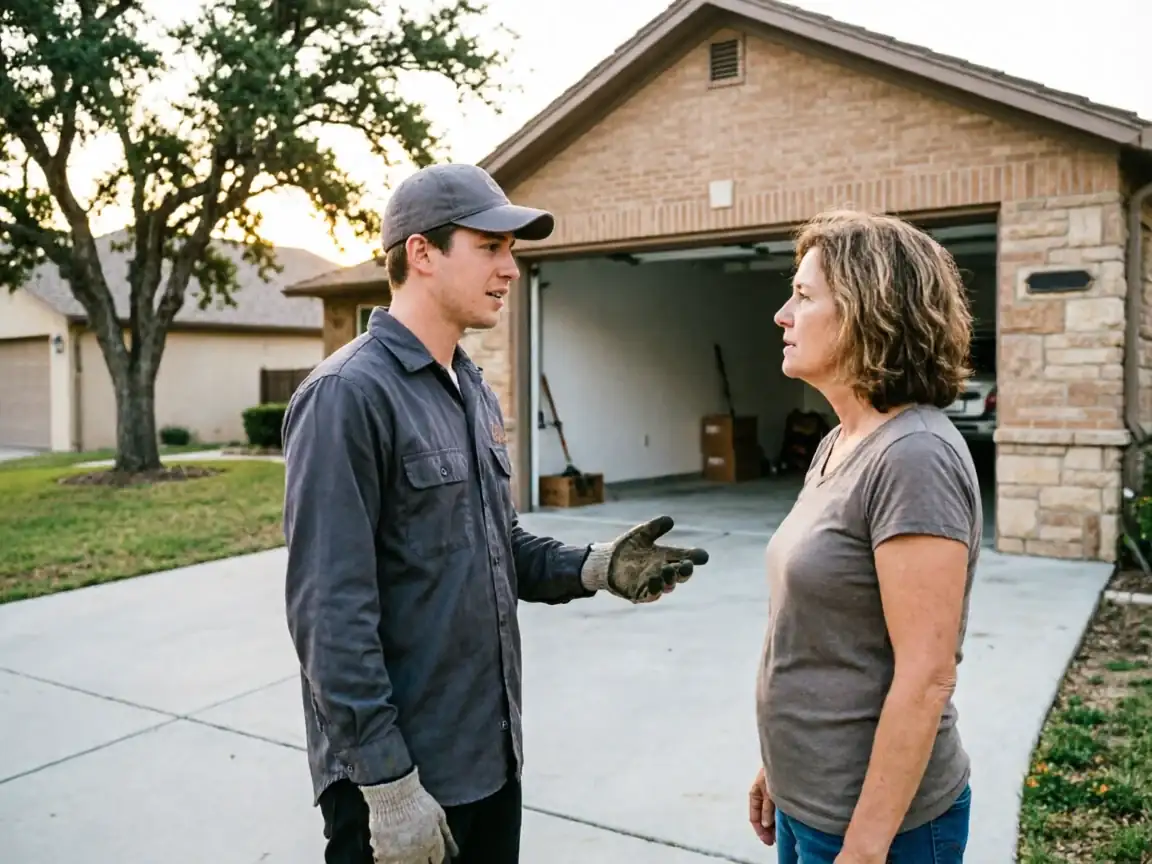
We travel from Metairie for every Jefferson job, so scheduling runs on our route for that day rather than a local branch - we'll give you a window when we book, not a guess at the door.
Where This Job Goes Sideways
The trouble spot on a house this age is almost always the opening itself, not the door
Sixty-plus years of settling can leave a header out of level by enough that a new sectional door won't seal evenly against the weatherstrip, even though the door itself is installed correctly. We catch this with a level and a tape measure before we order anything, but it's the reason we won't quote a Jefferson install over the phone without seeing the opening.
The other spot is wiring
Houses from the late 1950s often have minimal or outdated electrical runs to the garage, and a new opener needs a dedicated, grounded outlet. If that's not there, it's outside what a door install includes - that's electrical work, and we'll say so rather than jury-rig a connection.
What the Fix Involves
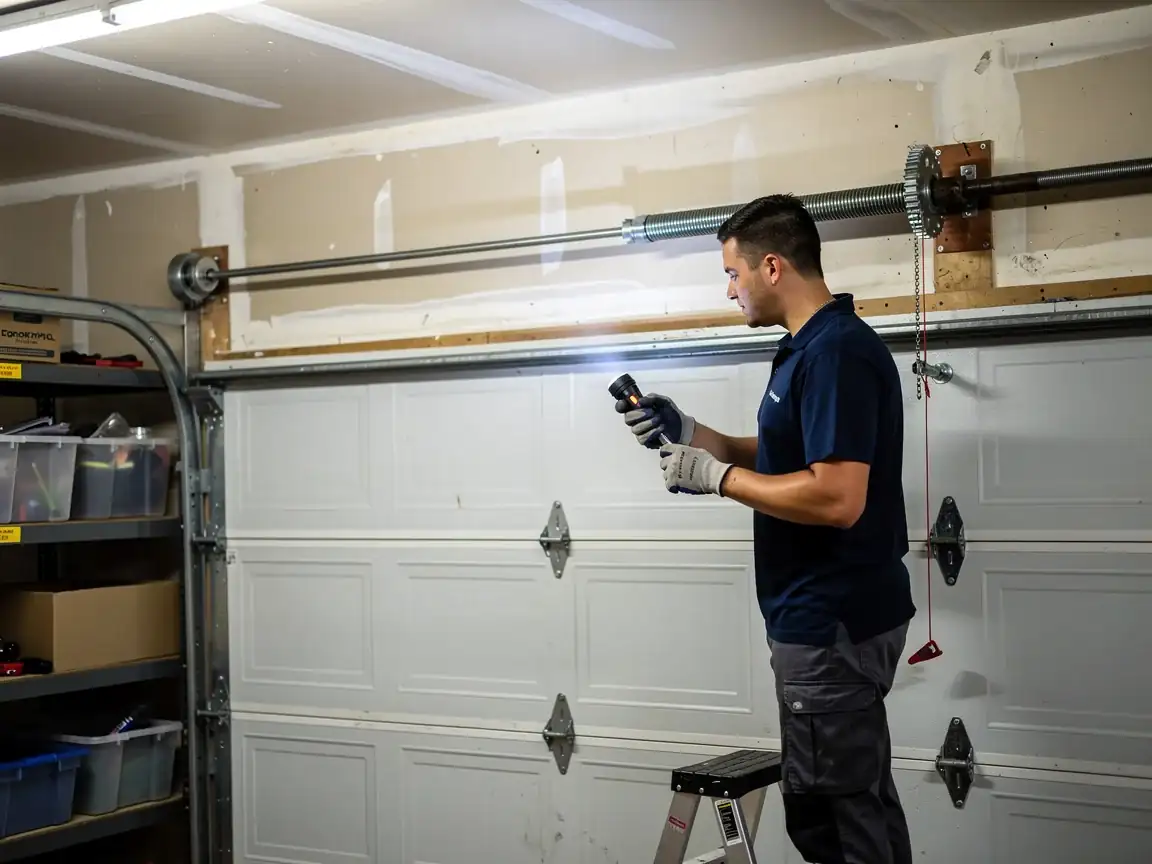
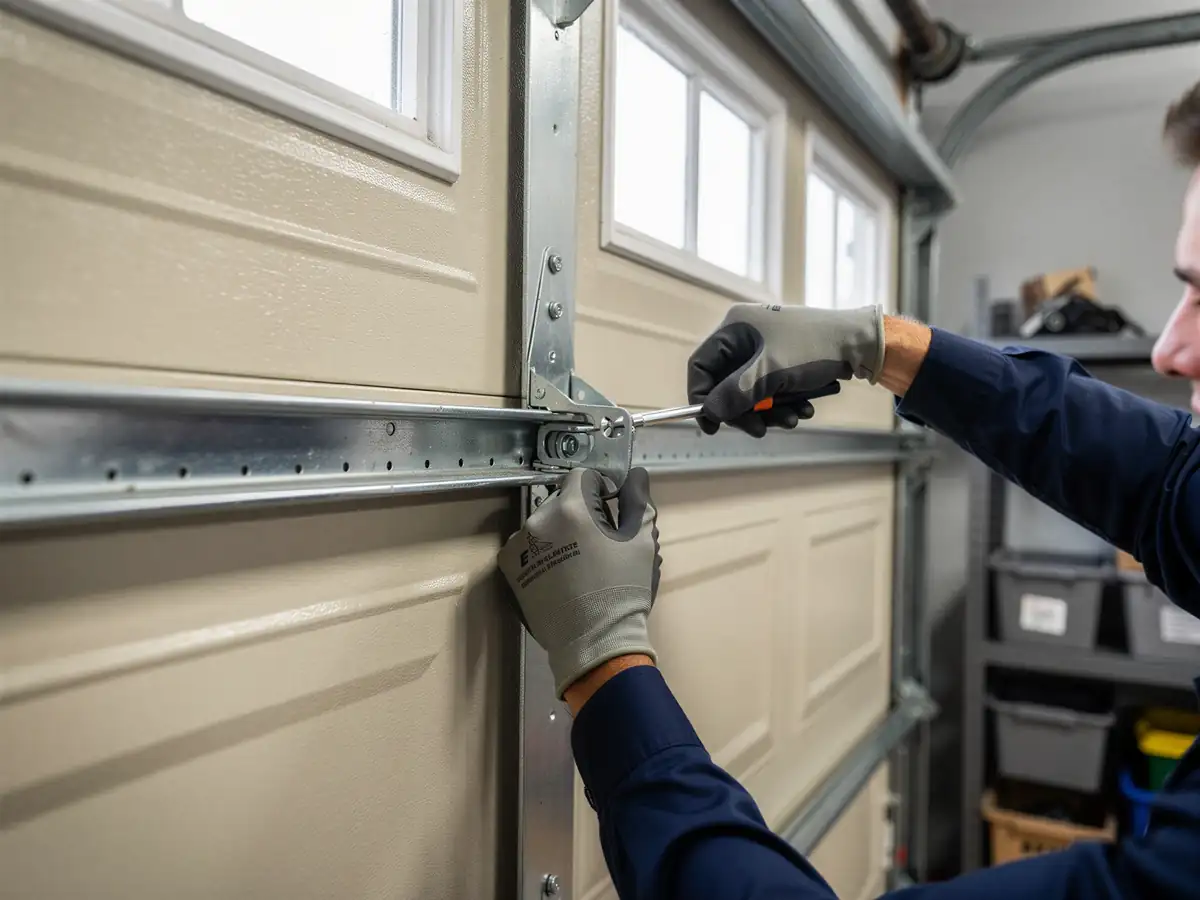
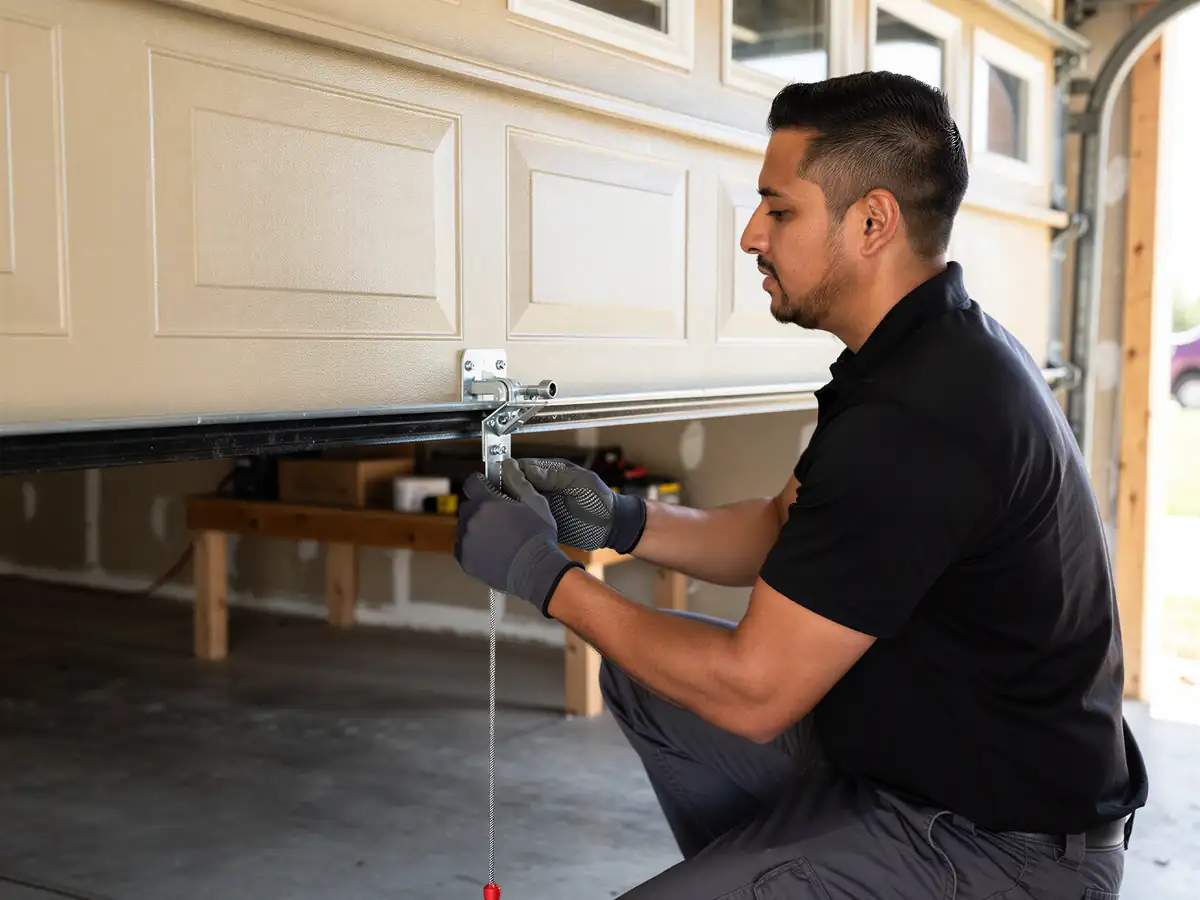
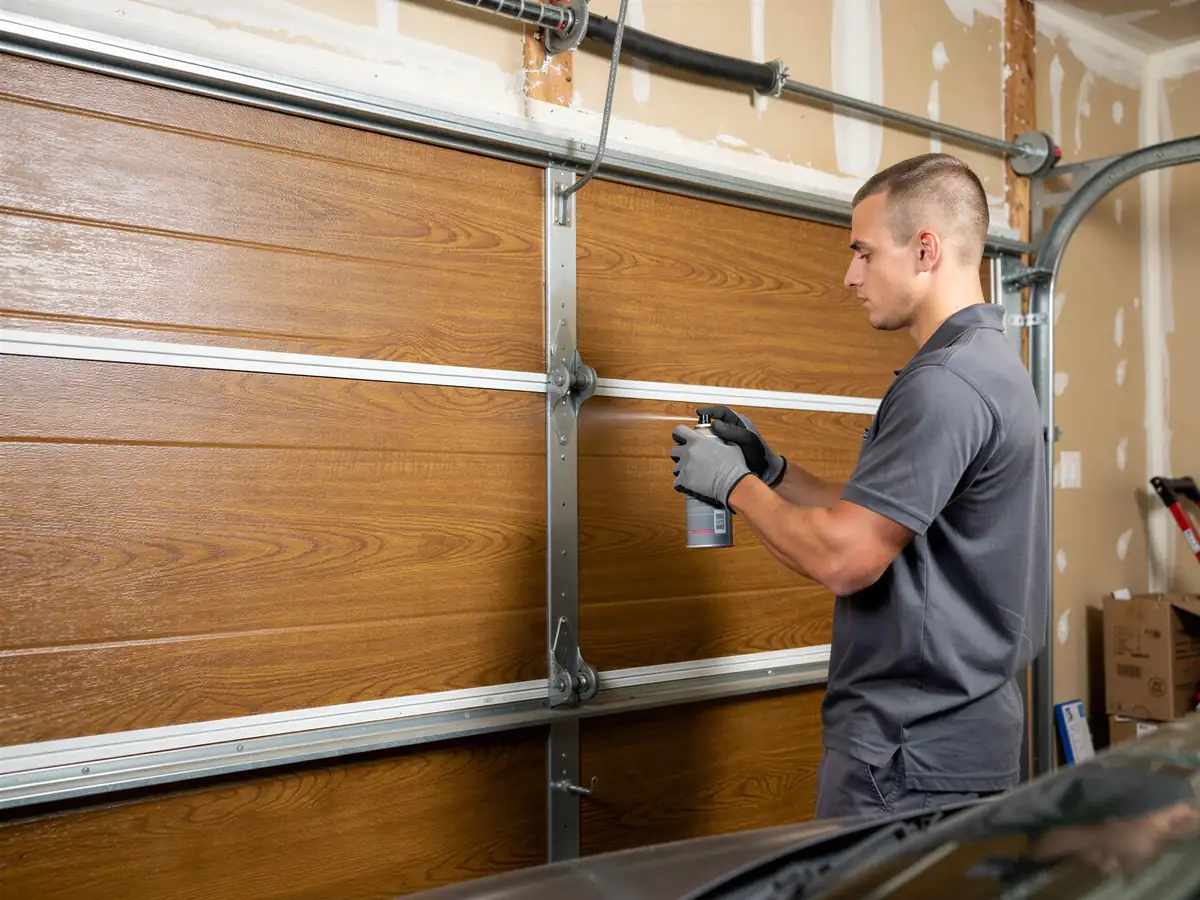
We start by pulling the old door, track, and springs, and checking the opening for square and level - the step that matters most on housing stock from this era. If the frame's sound, we set new track, mount the new door panels, and wind the correct spring for the door's weight. If the frame's out, we shim or re-face the jamb before anything else goes up.
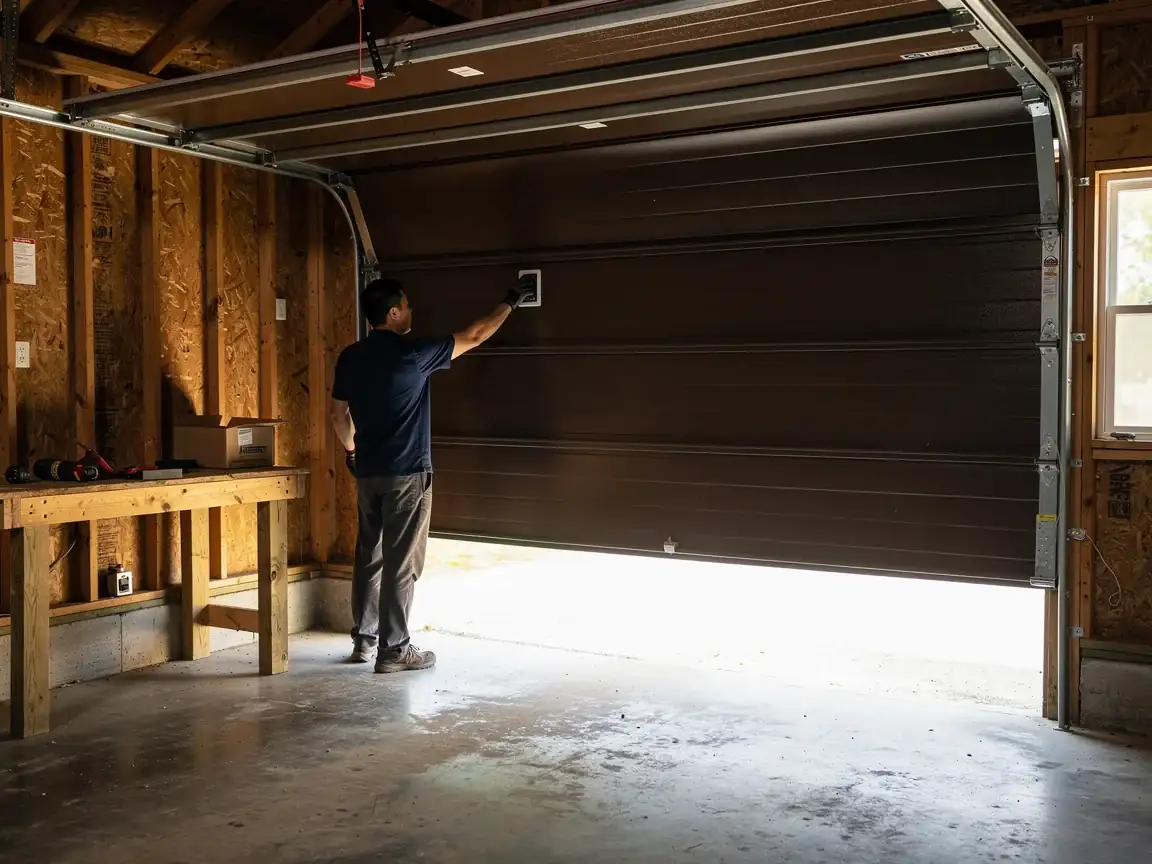
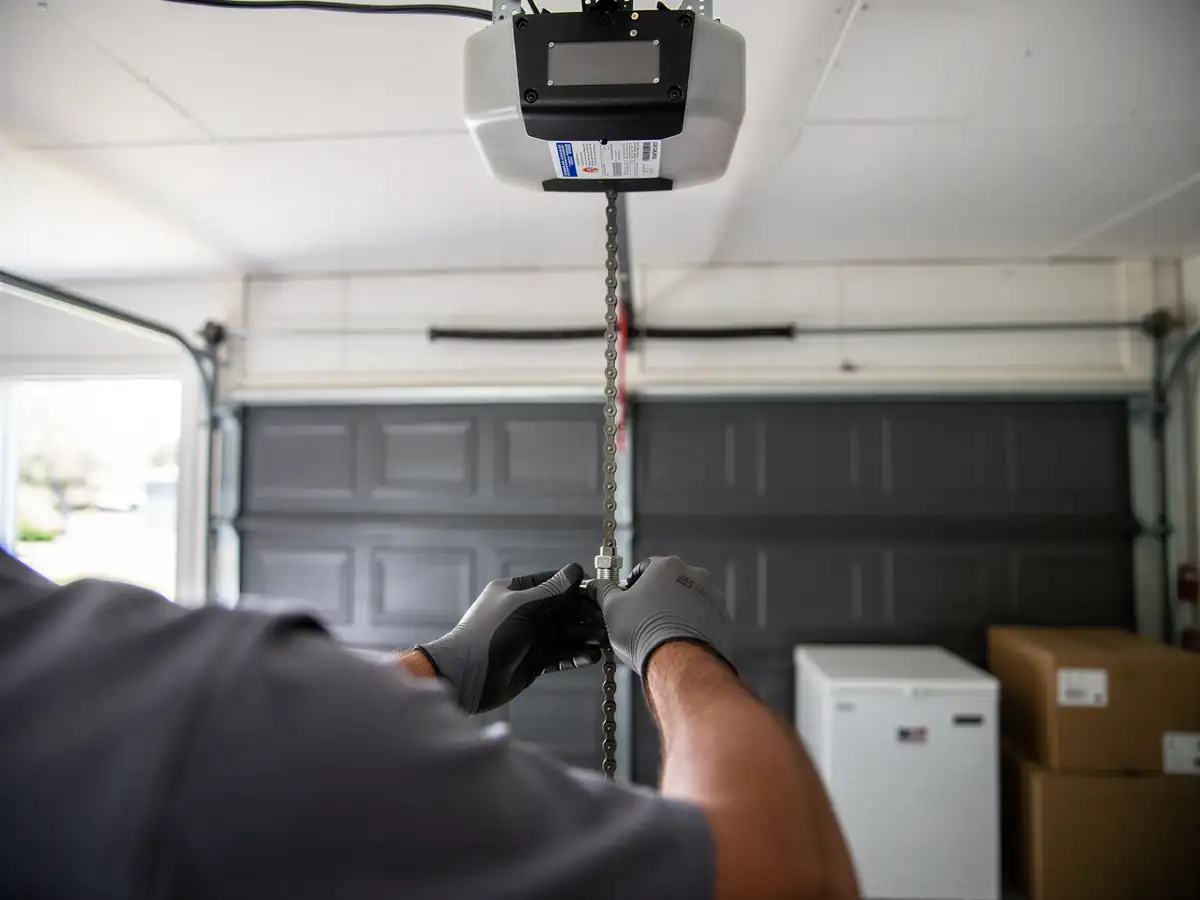
Once the door's hung, we install and balance the opener, test the safety reversal sensors, and set the travel limits so the door seats evenly without over-tightening the seal. We walk the opening with you at the end and point out anything - a soft spot in the header, an outlet that needs an electrician - that we noticed but didn't touch, since that's not part of a door install.
Doing It Yourself
Swapping panels or a weatherstrip kit on a newer door is reasonable DIY territory. A full install on a house built around 1958 is not, mainly because of the spring. Older wind-up torsion springs carry enough stored force to cause a serious injury if the winding bars slip, and we don't sell loose torsion springs to anyone without the right winding tools - that's a limitation, not a sales pitch.
Framing work is the other piece that's hard to DIY safely. If your opening needs re-squaring before a door will seal right, that's carpentry under load-bearing framing, not a weekend project. We'd rather tell you that up front than have you call us after a bar lets go.