Parts We Carry
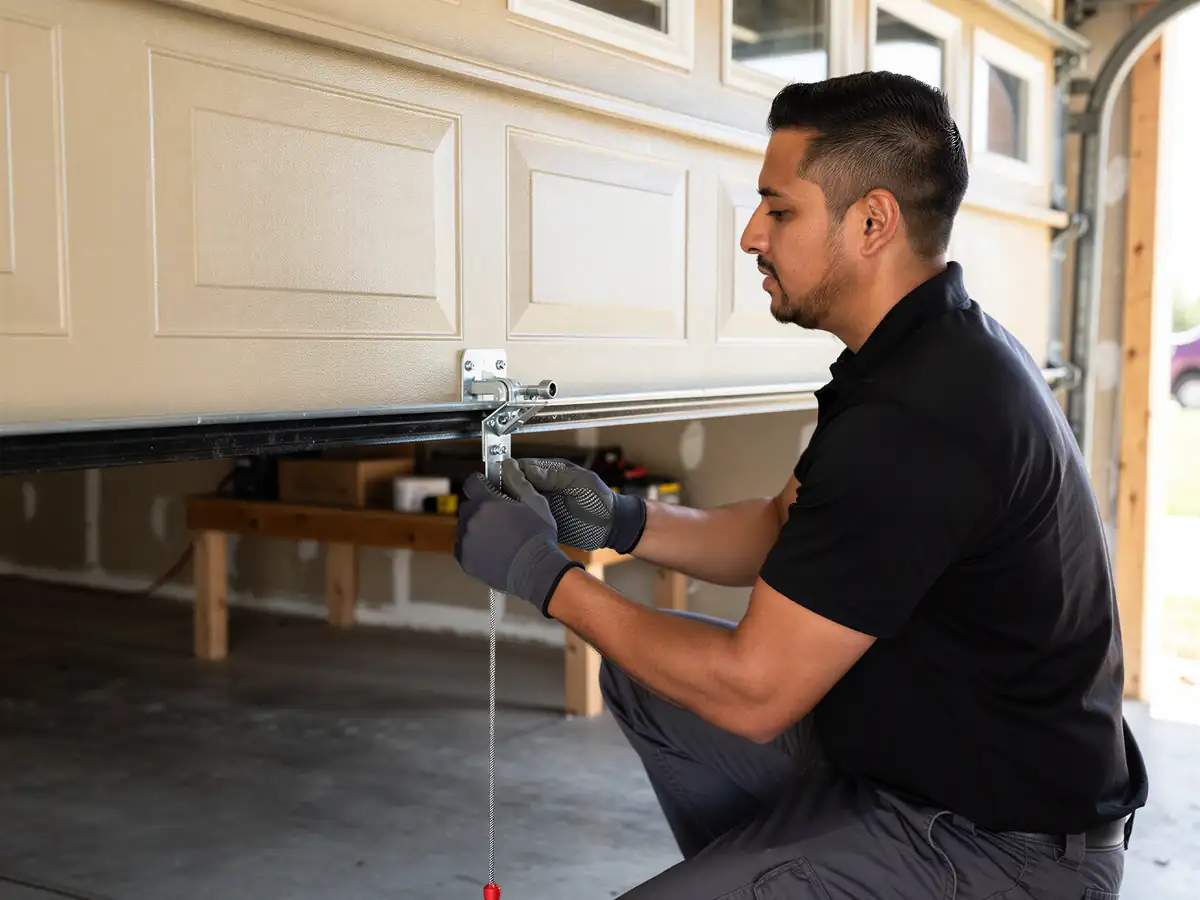
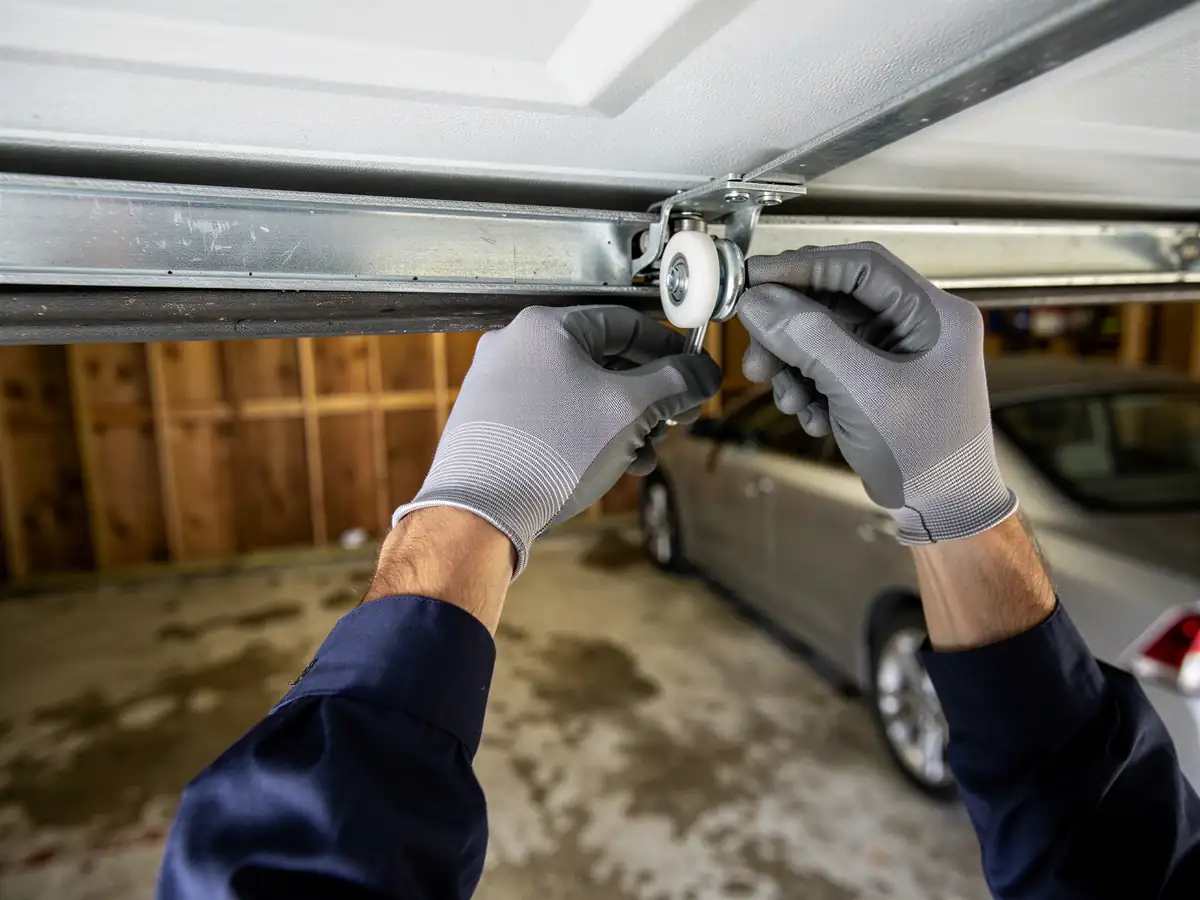
For a 1958-era door the rollers and hinges are usually a different gauge than what ships on anything built after the 1980s retrofit wave, so we carry both the older narrow-track roller sizes and the newer sealed-bearing versions rather than assume one fits. Torsion springs on original hardware are often sized for a heavier wood panel than what later aluminum or thin-steel replacements need, so we measure wire diameter and wind before swapping anything - the wrong spring on an old shaft is a bigger problem than the worn one you started with. We also stock weatherstrip and bottom seal in the widths that fit older track spacing, since standard big-box seal kits are usually cut for newer door widths and leave gaps on these houses. Cable and drum sets round out what we bring, since original cable on a door this age has usually never been replaced and shows it.
How Long It Takes
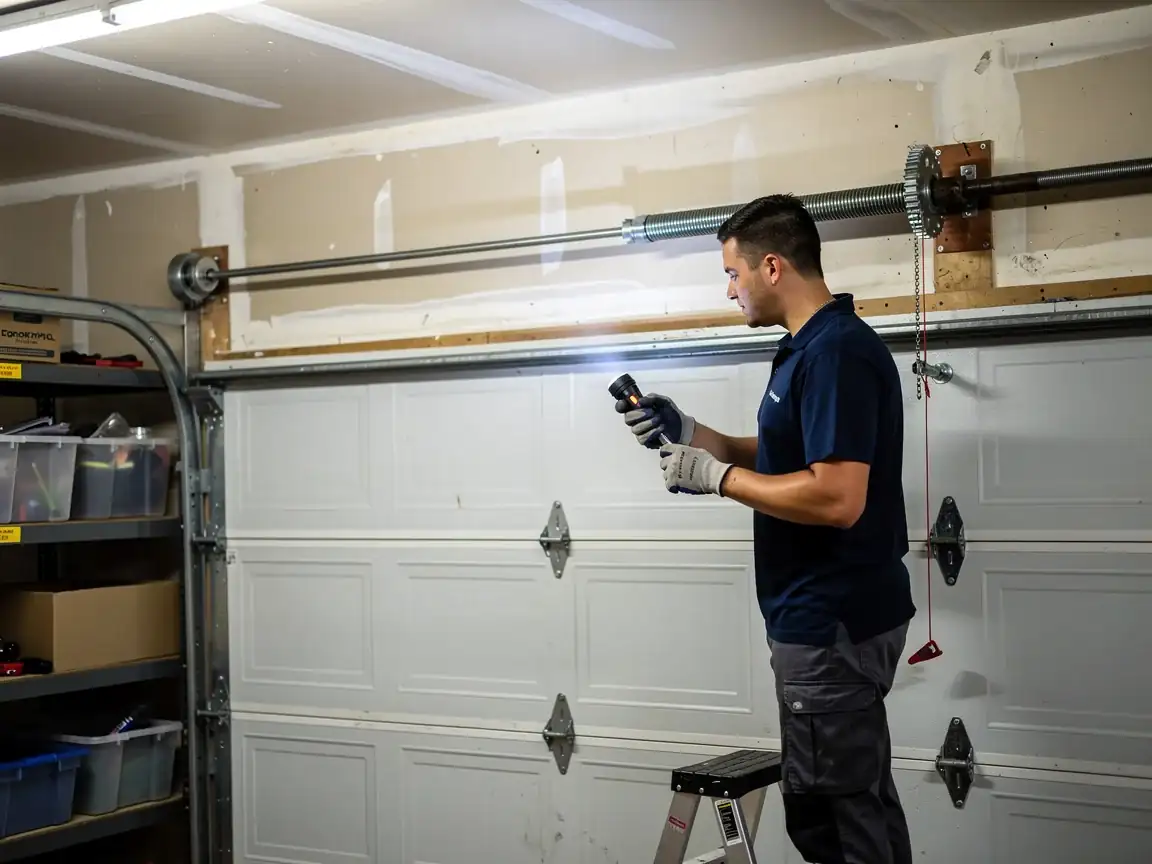
A standard maintenance visit - lubrication, hardware inspection, track and spring check, opener force and limit settings - runs about the same whether the door is five years old or fifty, but a Jefferson house with original hardware tends to turn up more items on the list, which adds time on site. If we find a roller that's seized or a hinge that's cracked rather than just worn, that's a part swap done the same visit in most cases, not a callback. What we can't promise is a same-day fix for anything requiring a special-order part, since we travel to Jefferson from Metairie and don't keep a local stock point here - parts that aren't on the truck mean a second trip.
What the Fix Involves
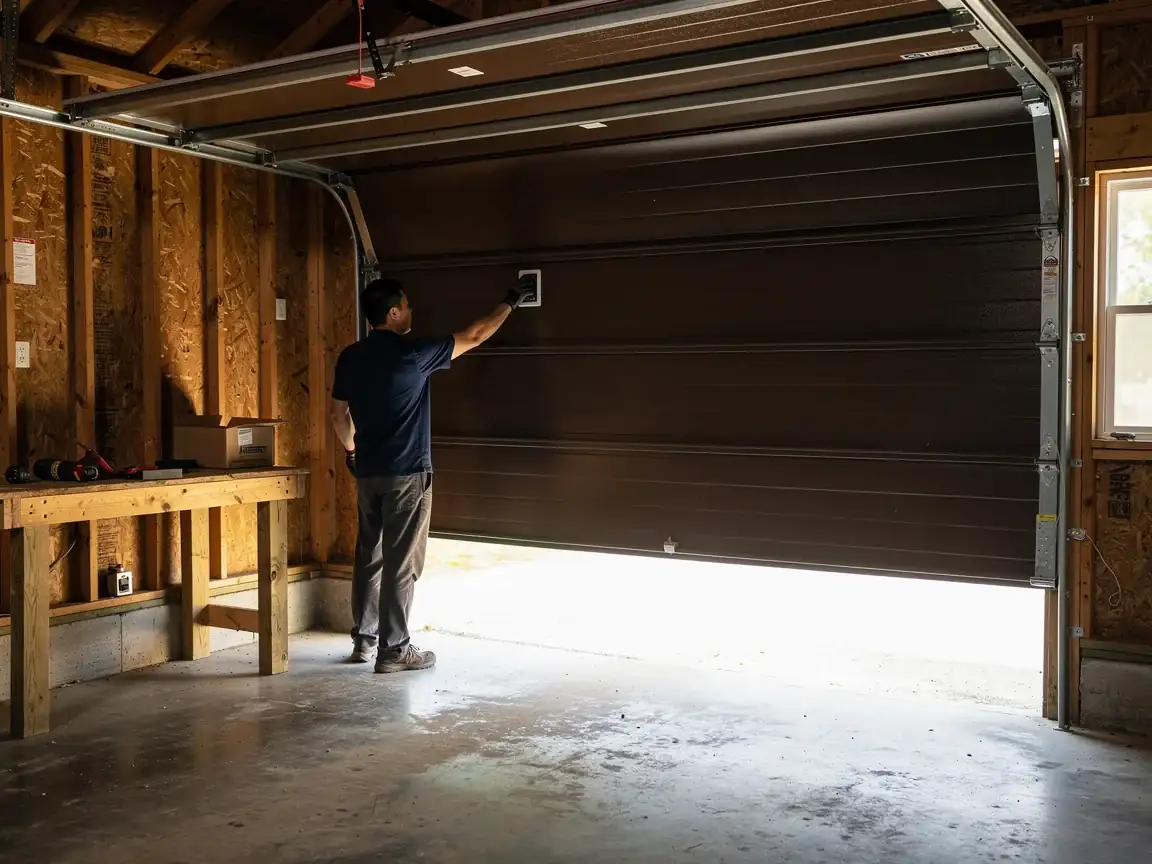
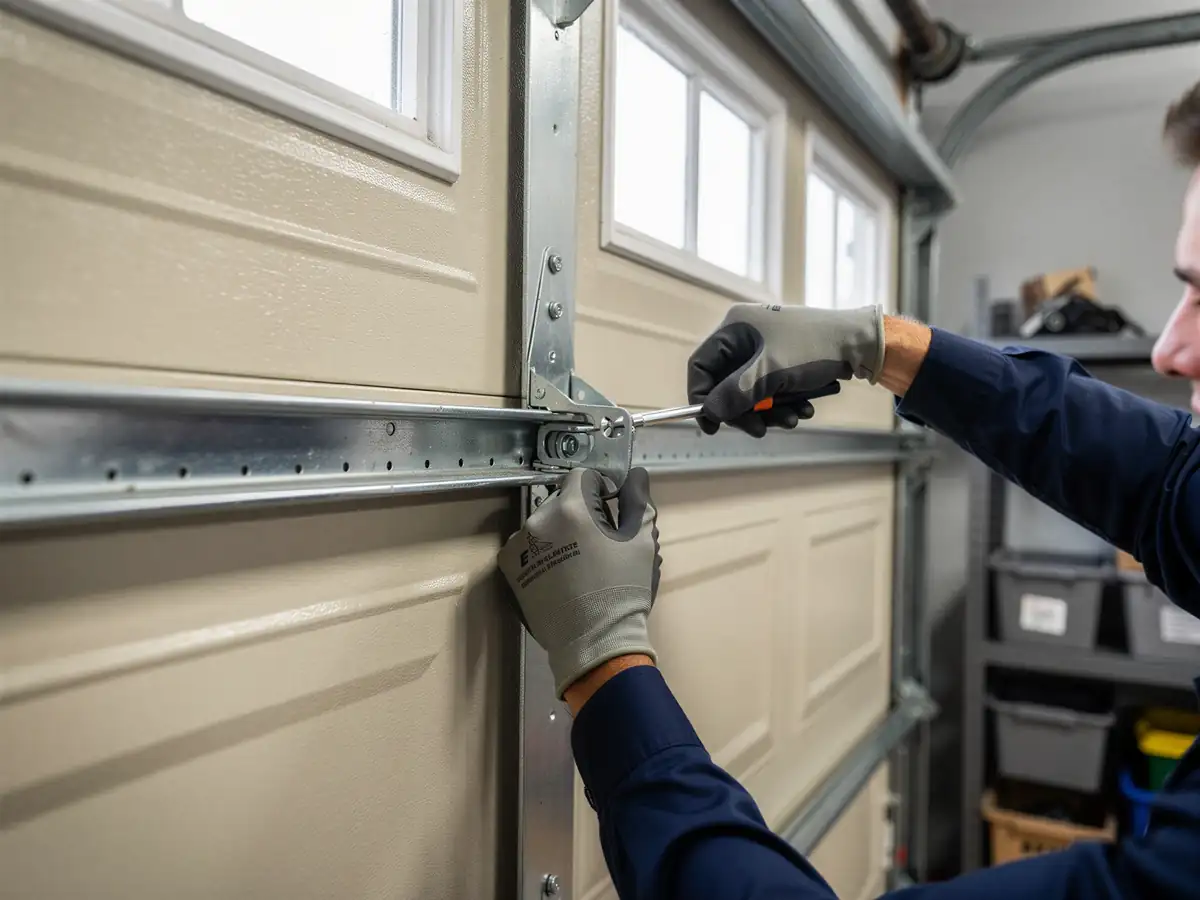
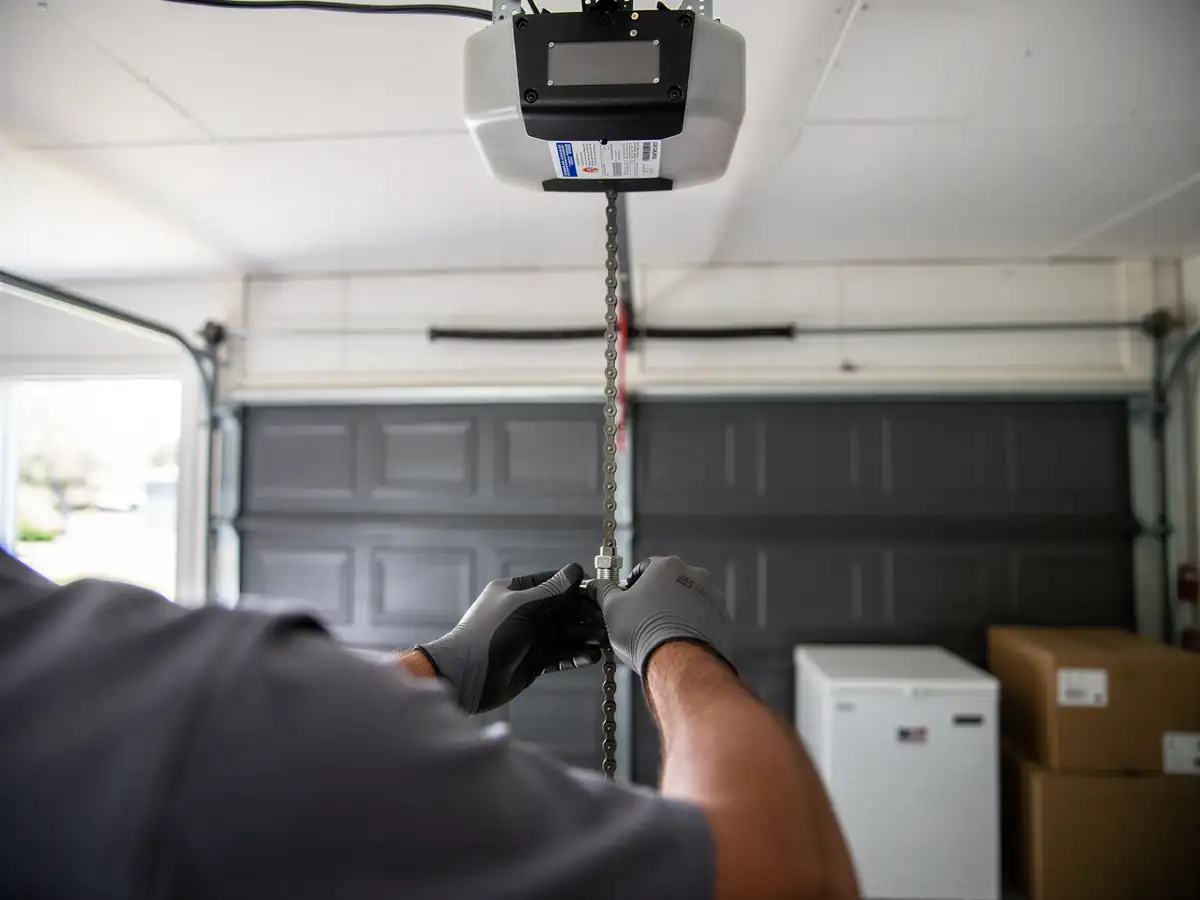
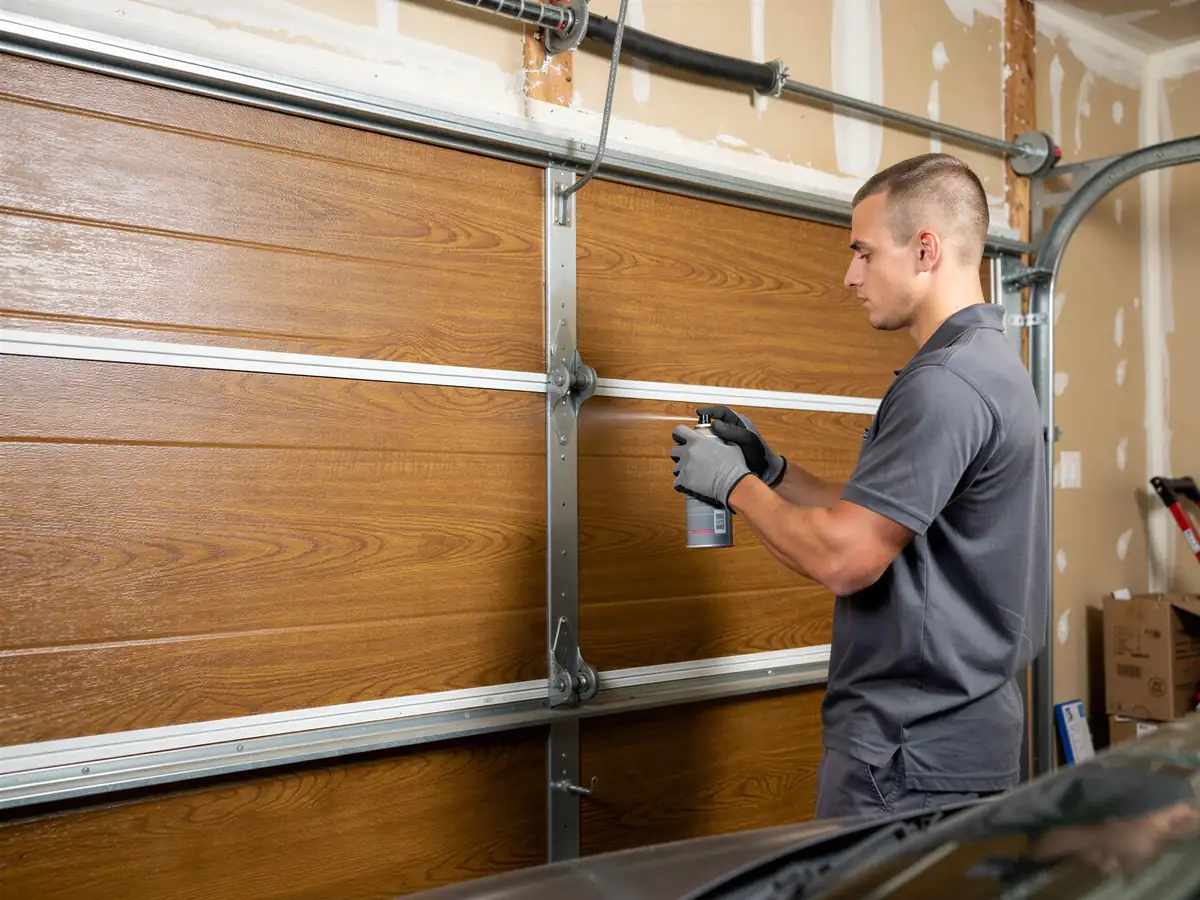
We start by checking door balance by hand before anything is powered on - on a house this old that step alone catches most of what's wrong. From there it's lubricating every pivot point with the right lubricant for steel-on-steel versus the older nylon rollers some of these doors still run, resetting opener travel limits to match actual panel position rather than the stored setting, and checking cable wear at the drum since fifty-plus-year-old cable frays from the inside out. If the track shows play at the framing, we re-anchor it before touching springs or cables, because adjusting tension against a loose track just moves the problem. We finish by cycling the door a dozen times watching for drift, which is where a lot of these older systems show a fault that a single open-close test misses.
Doing It Yourself
Lubricating hinges and rollers with a garage-door-specific lubricant, wiping down track rust, and tightening visibly loose hardware bolts are reasonable homeowner jobs on a door this age, and doing them twice a year will catch some of what we'd otherwise find on a visit. What we don't recommend doing yourself on original 1958-era hardware is anything involving the torsion spring or cable under tension - the spring sizing on these older doors is often nonstandard, and a spring that's the wrong gauge for the panel weight is dangerous to wind by hand. If the door is original to the house and has never had a full hardware inspection, that's worth a call before you start adjusting anything yourself.