Parts We Carry
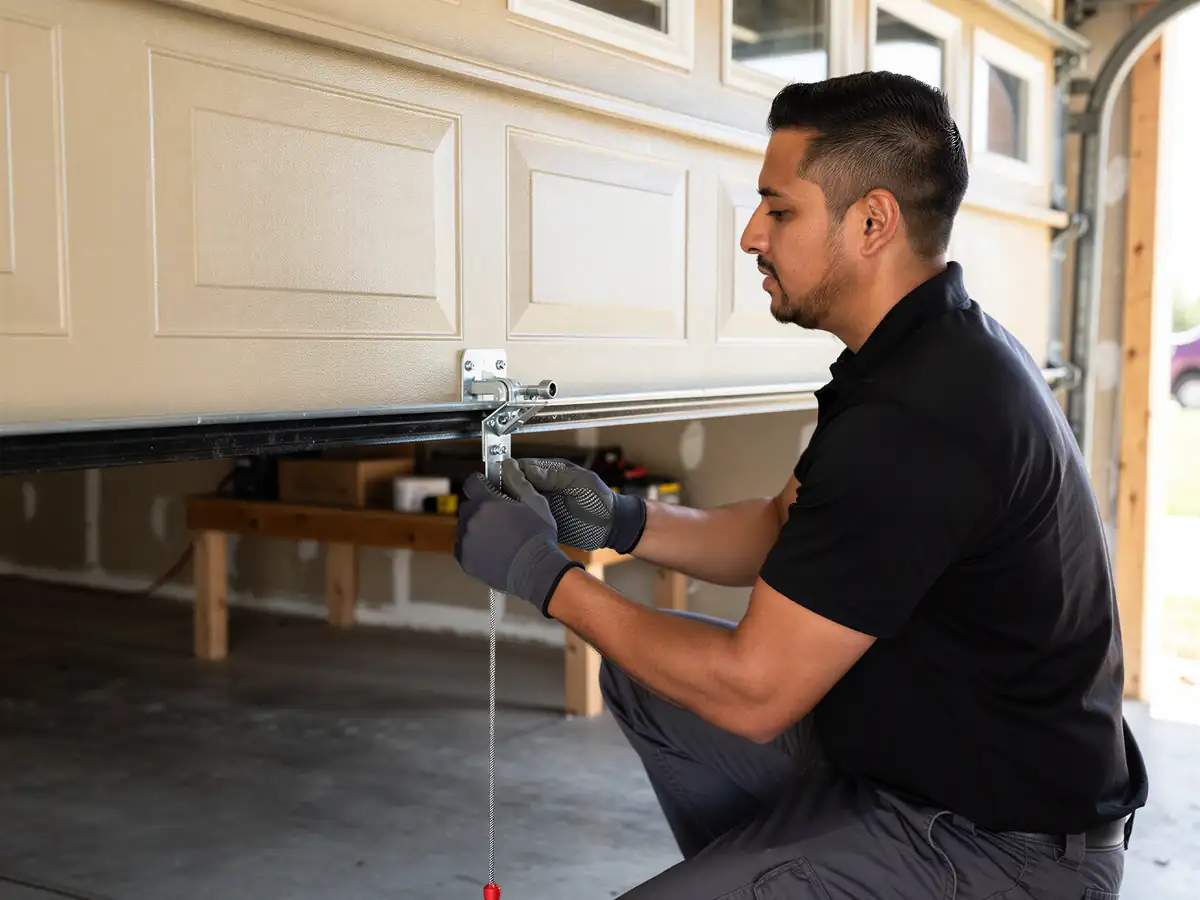
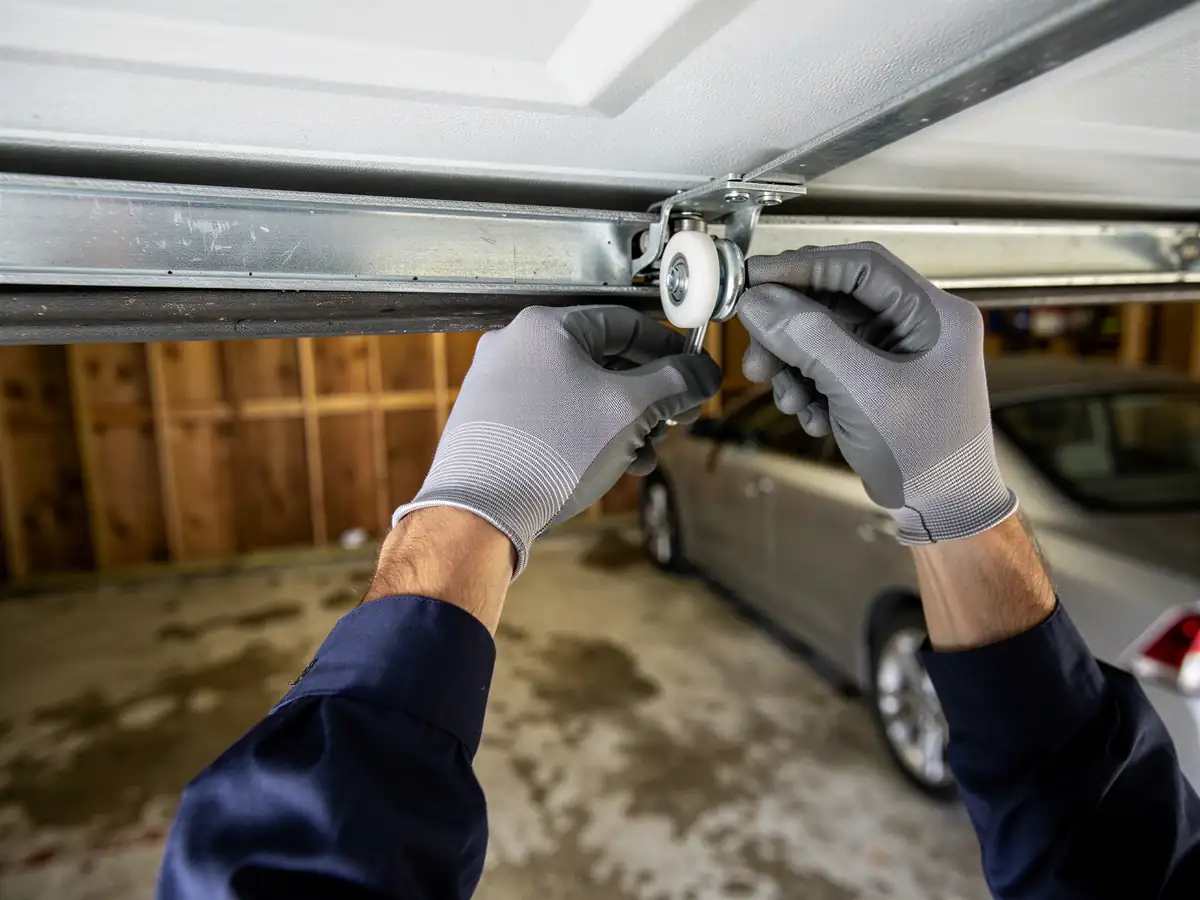
For a town with this housing age, the parts that matter most are extension springs sized for older single-door openings, replacement rollers for narrow track that pre-dates today's standard widths, and hinges that match older panel gauges rather than current pinch-resistant designs. We also carry torsion conversion hardware for owners who want to move off an aging extension setup - it's a common upgrade once an extension spring has already failed once. We stock standard safety cables for extension setups too, since a lot of older installations in Jefferson never had them and the cable is what keeps a broken spring from becoming a projectile. None of this is exotic; it's the hardware that older housing stock actually needs, which is different from what you'd stock for a subdivision built in the 1980s or 90s.
How Long It Takes
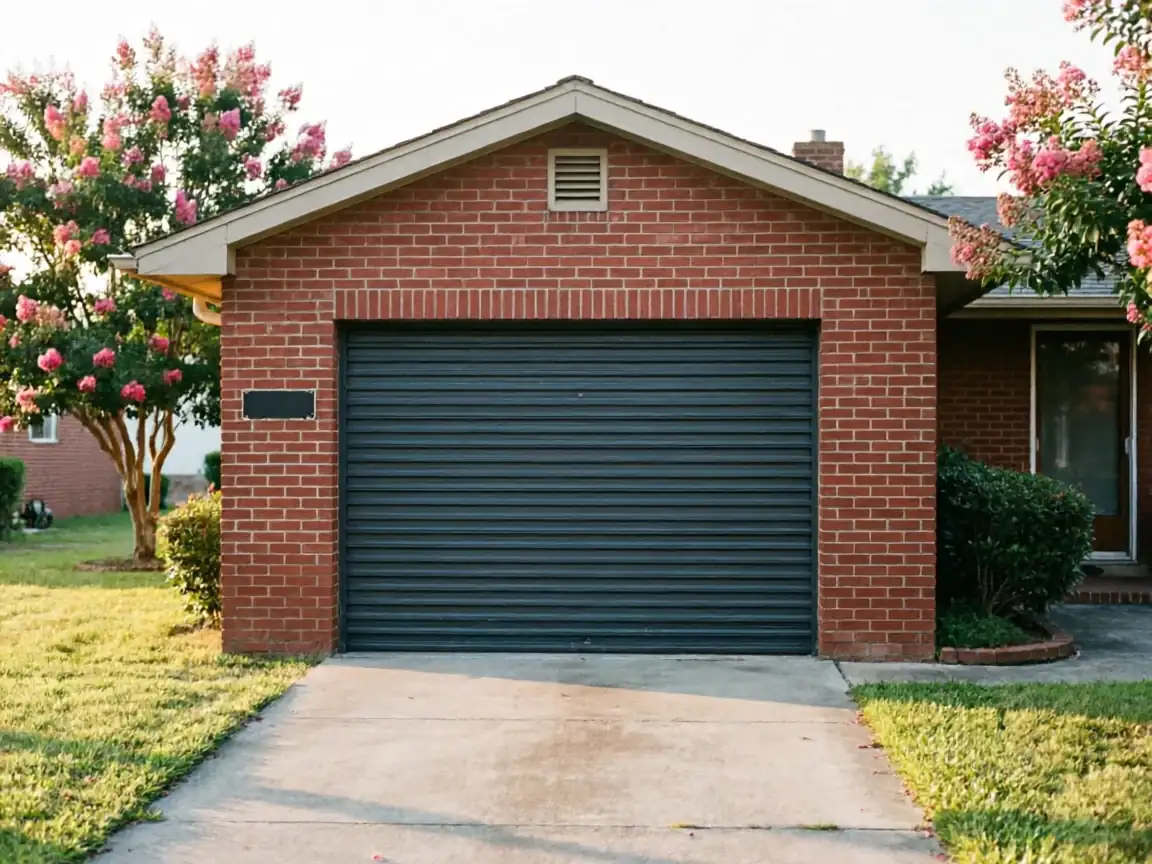
We travel to Jefferson from Metairie, about 3 miles away, so the drive itself isn't the holdup - what takes time is matching parts to an older door. A straightforward spring replacement on a newer torsion setup is quick work anywhere. An extension spring job on a 1958-era door, especially one with a mismatched or previously repaired track, takes longer because we're often adjusting or replacing hardware that doesn't match current standard sizing. If the opener was added decades after the door and the mounting bracket is cracked or rusted through, that's additional time too. We'd rather tell you upfront that an older setup takes more care than quote a time that only applies to newer doors.
What the Fix Involves
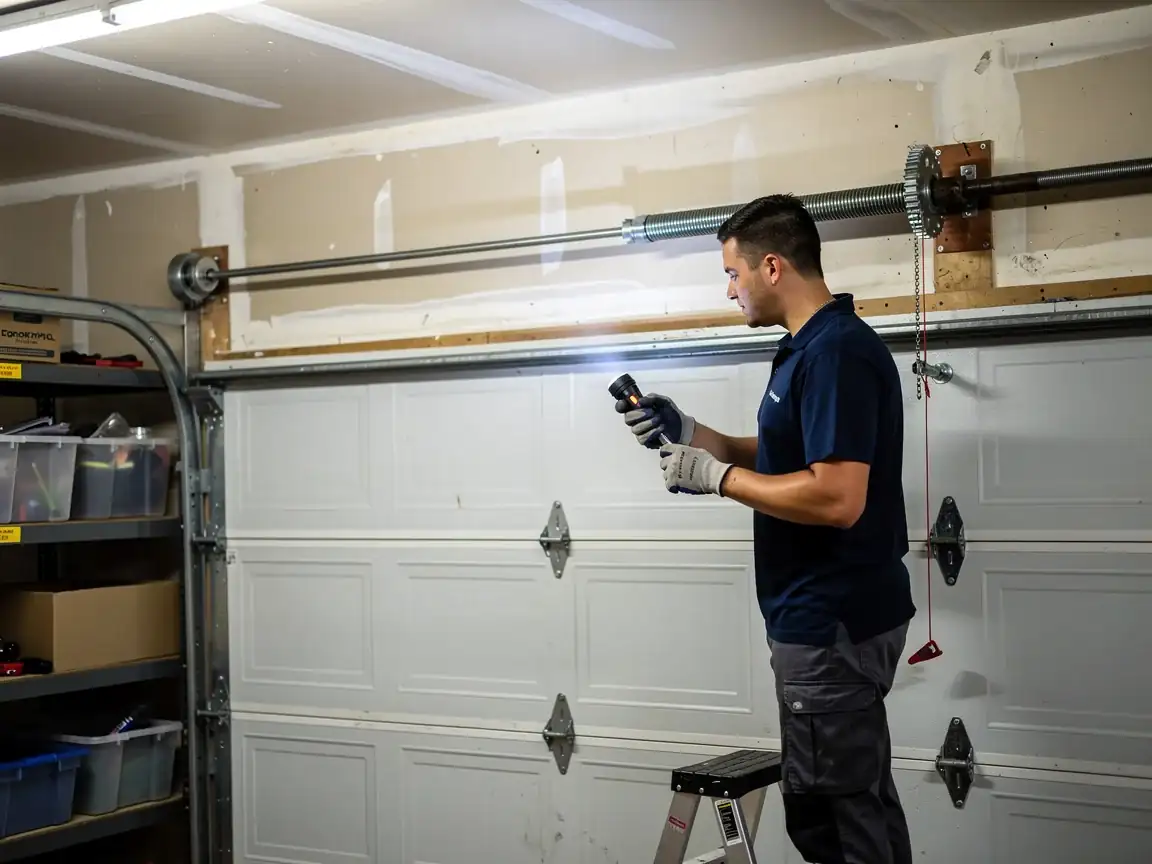
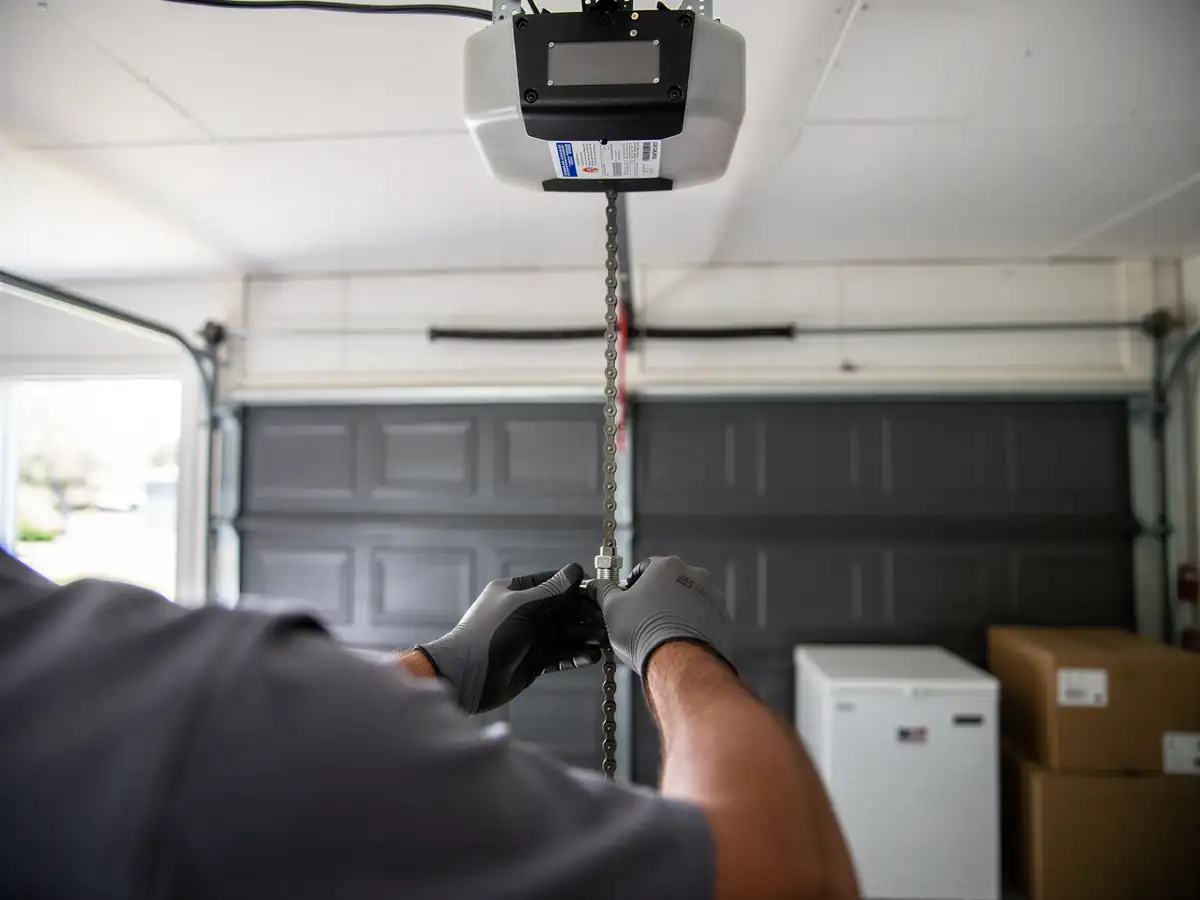
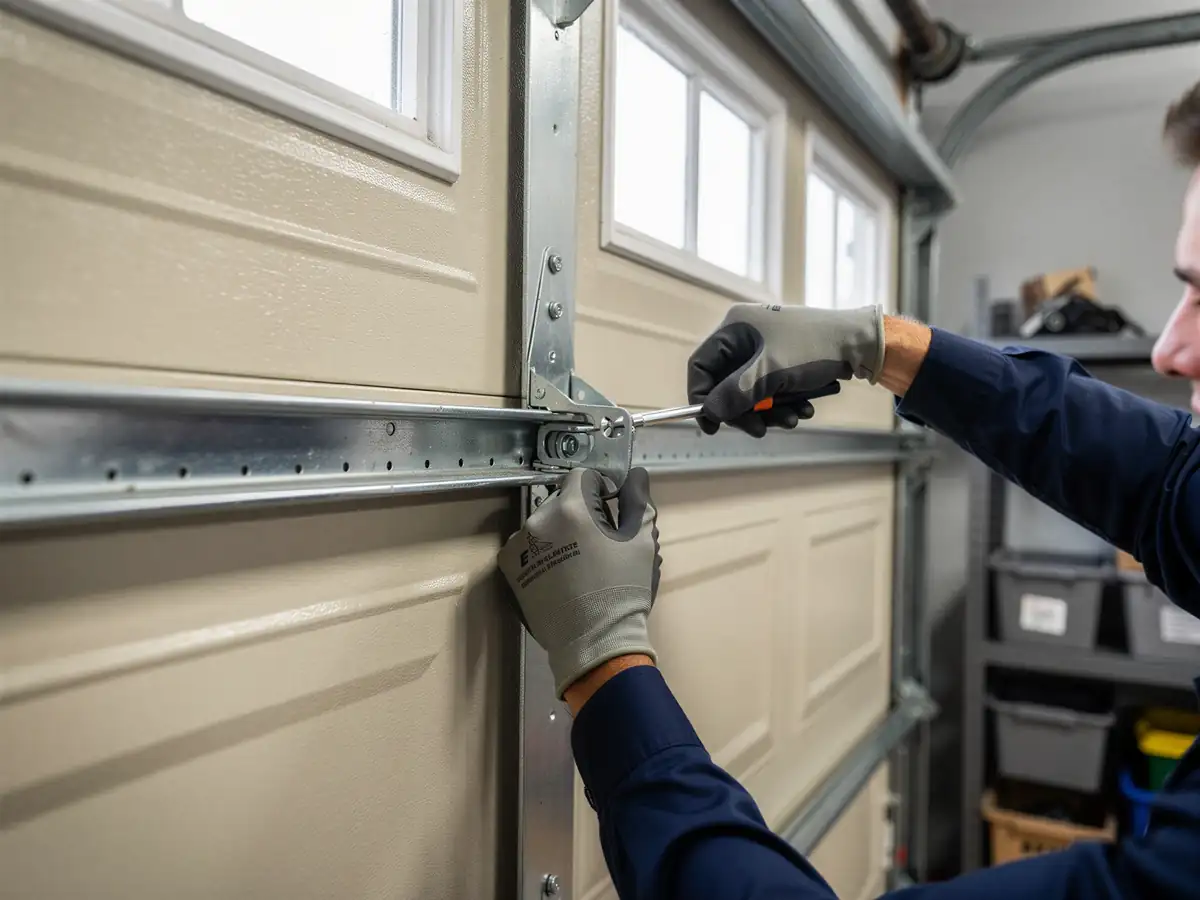
On an older extension spring door, the fix usually starts with inspecting the track alignment, since a door that's been running unevenly for years has often worn the rollers and bent the track slightly. We replace the springs in pairs even if only one has failed - the other is carrying the same age and the same rust. We add or replace the safety cable if it's missing, check the drum and pulley hardware for wear, and confirm the opener's force settings once the spring tension is correct, since a new spring changes how hard the opener has to work. If the panel itself is cracked or the gauge steel has rusted through at the bottom, replacement is usually the better call than patching - we'll say so plainly rather than billing for a repair that won't hold.
Doing It Yourself
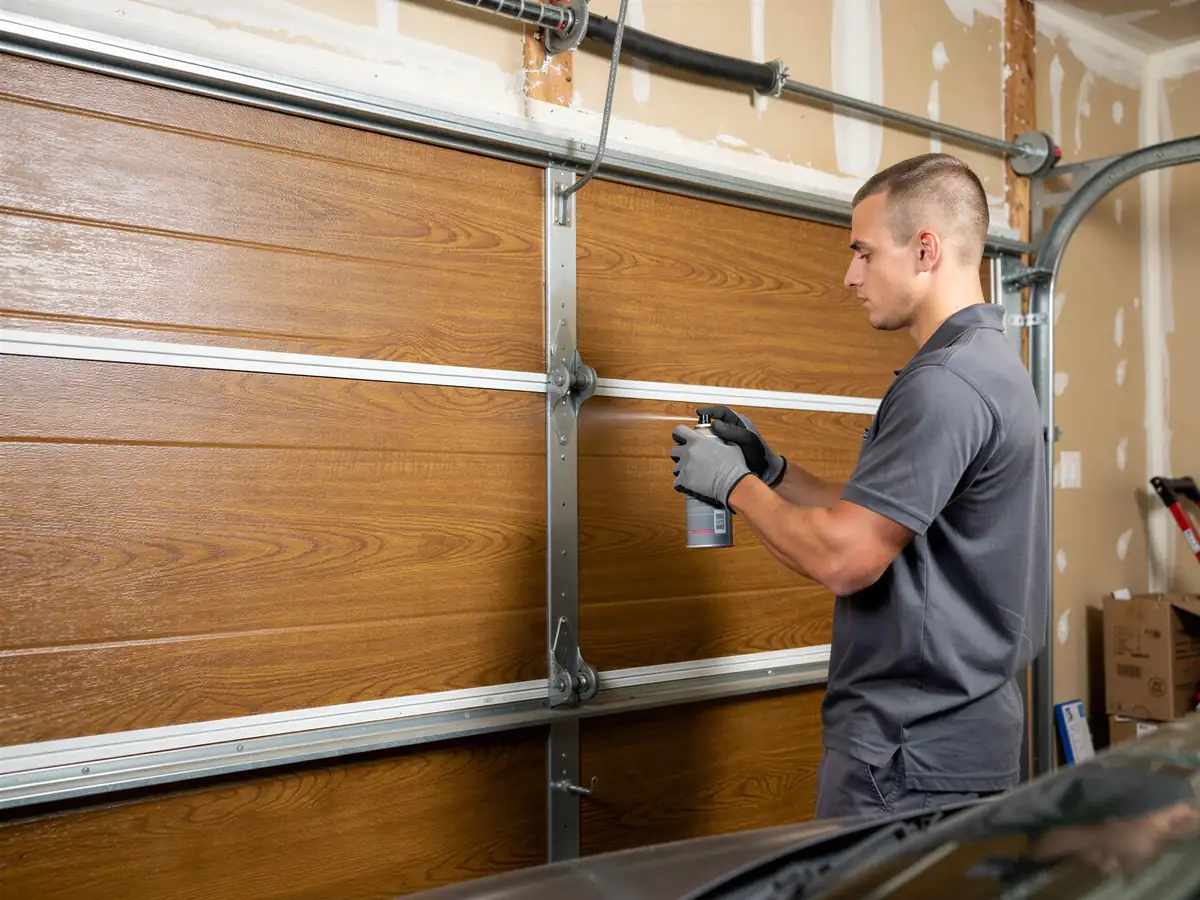
Lubricating hinges, rollers, and the track with a garage-door-specific lubricant is safe to do yourself and worth doing every few months in this climate. Tightening visible bolts on the track brackets is fine too. What isn't worth attempting yourself is anything involving the spring under tension - on an extension spring door without a safety cable, that's a real injury risk, not a minor one. If your door is sticking, binding, or came off a roller, it's cheaper and safer to have it looked at than to force it back into the track yourself.