The Cost of This Job
Waggaman is a small town as these things go
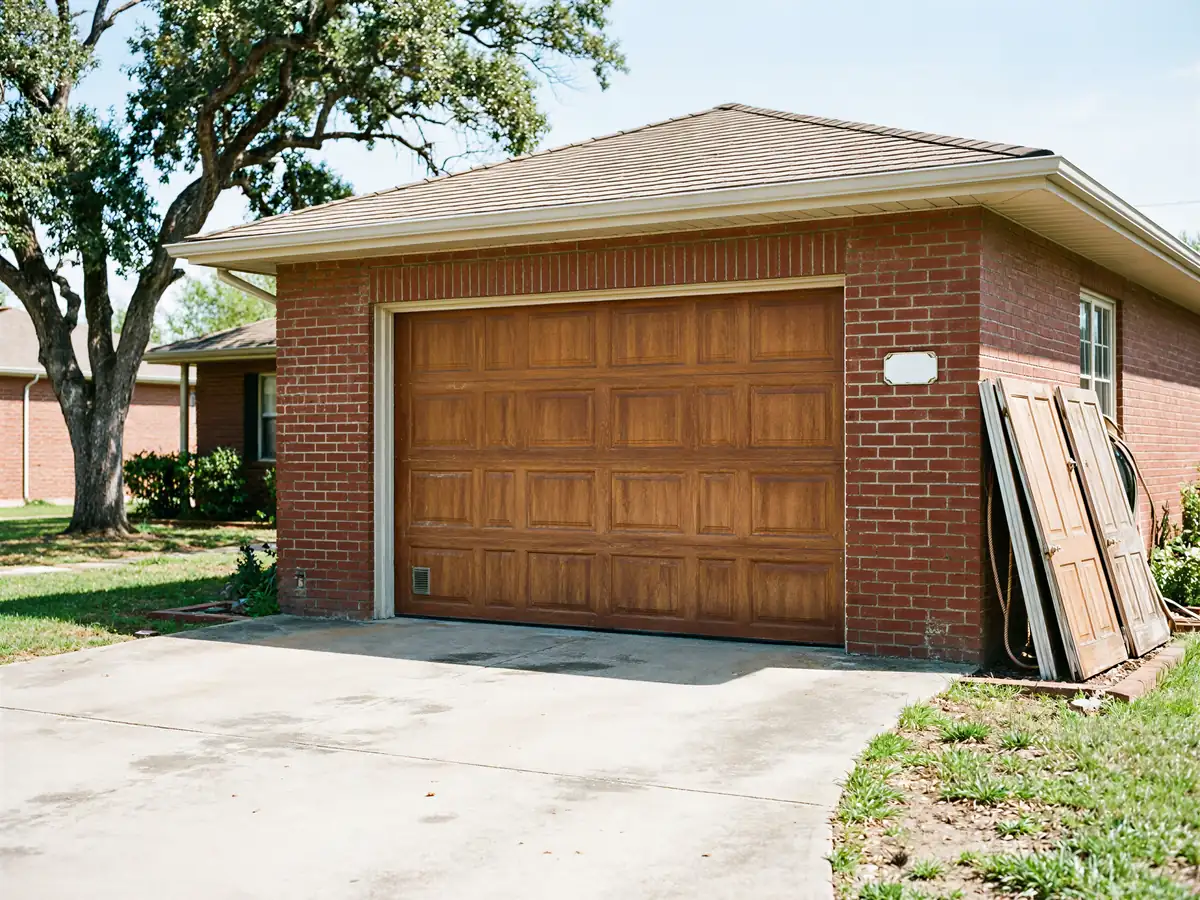
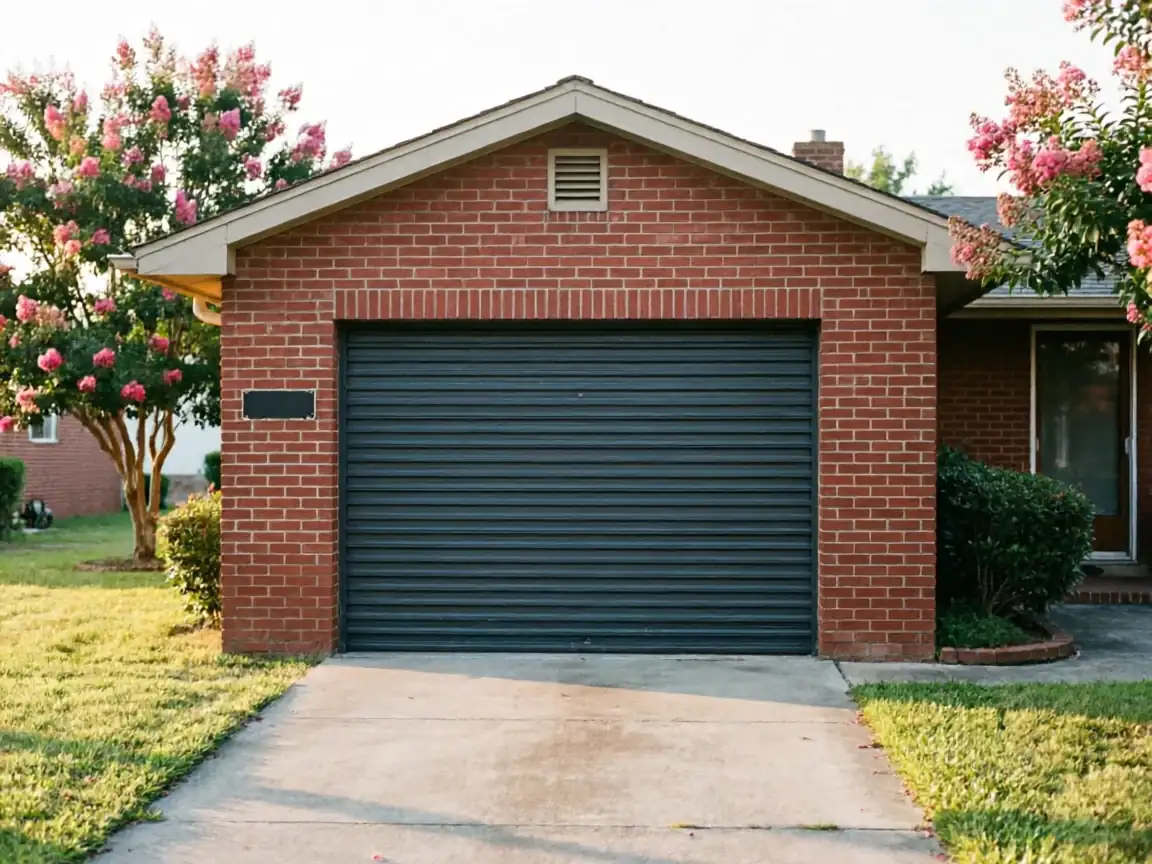
About 3,771 households, not a sprawl of subdivisions. That matters for pricing because it's not a place with ten housing eras stacked on top of each other. Most of what we find here traces back to the same build window, around 1981, which means the openers we're replacing or repairing tend to be from the same handful of generations rather than a scattered mix.
- 3,771 households
A logic board swap or a new circuit board on an existing opener runs less than full unit replacement
And if the motor itself is still sound that's usually the right call. Where it gets more expensive is when the opener is original to an early-80s install and nobody's touched the travel limits or the safety sensors since - by the time we're out, it's often not just the opener, it's the bracket, the wiring, and sometimes the rail. We quote after we see what's actually failed, not before, because guessing on this stuff wastes your money either way.
We don't carry a stocked branch in Waggaman
We run the 5 miles out from Metairie, which we fold into the job, not tack on as a surprise.
- 5 miles
How It Shows Up
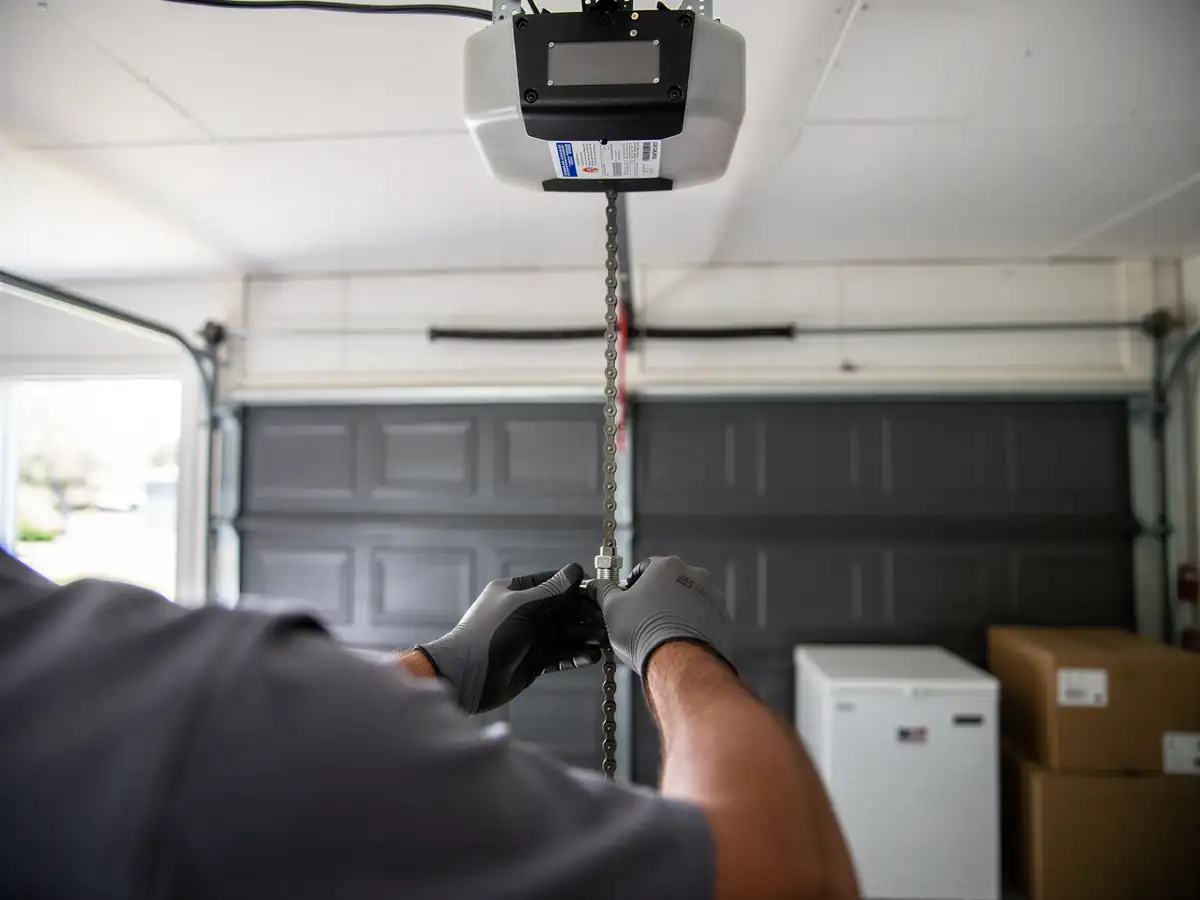
With housing in Waggaman clustering around 1981, the opener failures we see most are chain-drive units reaching the end of their motor life, not the newer belt-drive or Wi-Fi-connected problems you'd get in a newer build. Expect grinding before failure, not silence - a worn drive gear or a stripped sprocket makes noise for weeks before it quits outright.
The mild, occasional-freeze climate here doesn't do the damage that real winters do to openers elsewhere, but it does mean humidity and salt air work slowly on circuit boards and relay contacts over four decades. We see corrosion on logic boards in openers that have never had a hard freeze crack a housing - it's a different failure path, slower but just as final.
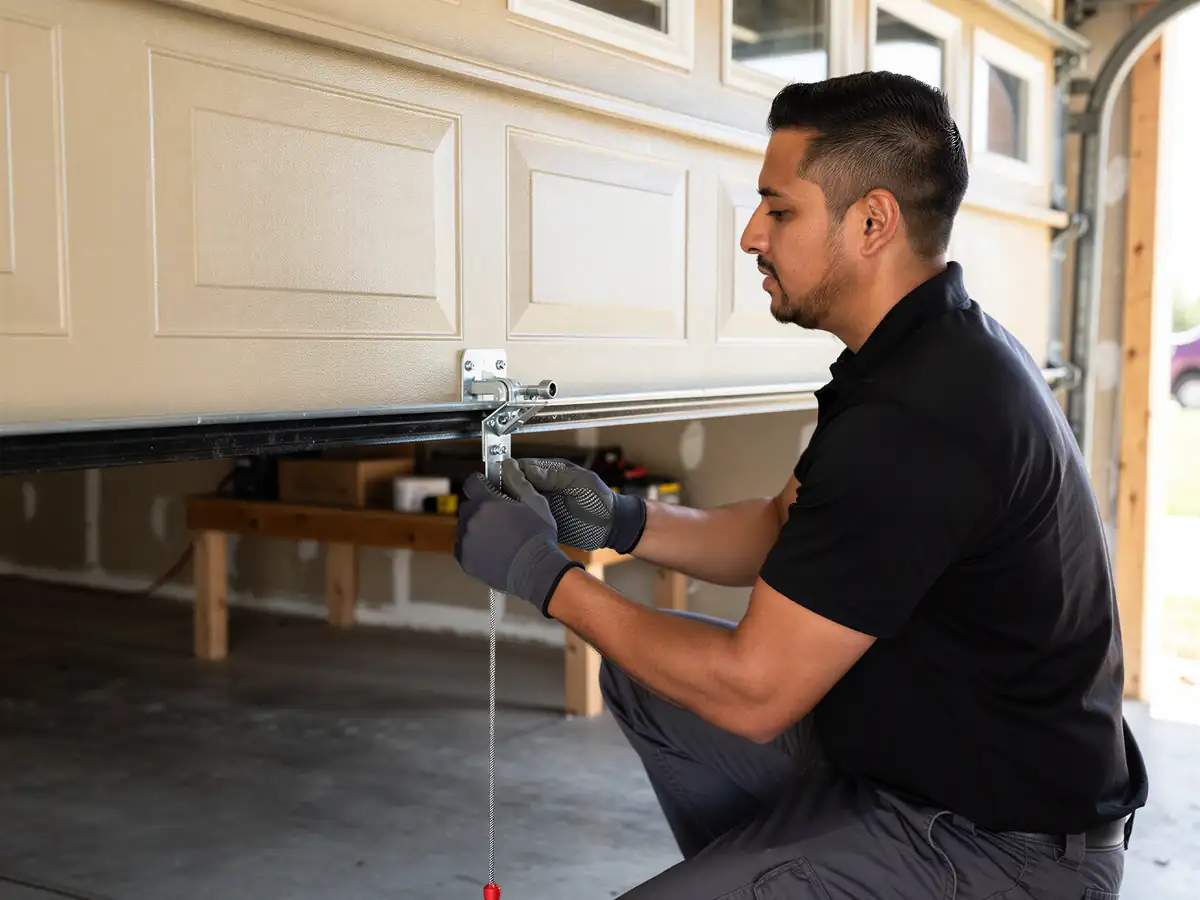
The other common call: a door that reverses for no reason, or won't close all the way. On a house this age, that's almost always the safety sensors - original units, aimed slightly off after years of settling, or a photo-eye lens clouded by dust and spider webs in a garage that doesn't see much airflow.
Doing It Yourself
Reprogramming a remote or replacing batteries is within reach for most owners, and we'd rather you not pay a truck trip for that. Clearing the photo-eye lenses with a soft cloth and checking they're aimed at each other is also safe and often fixes a reversing door on the spot.
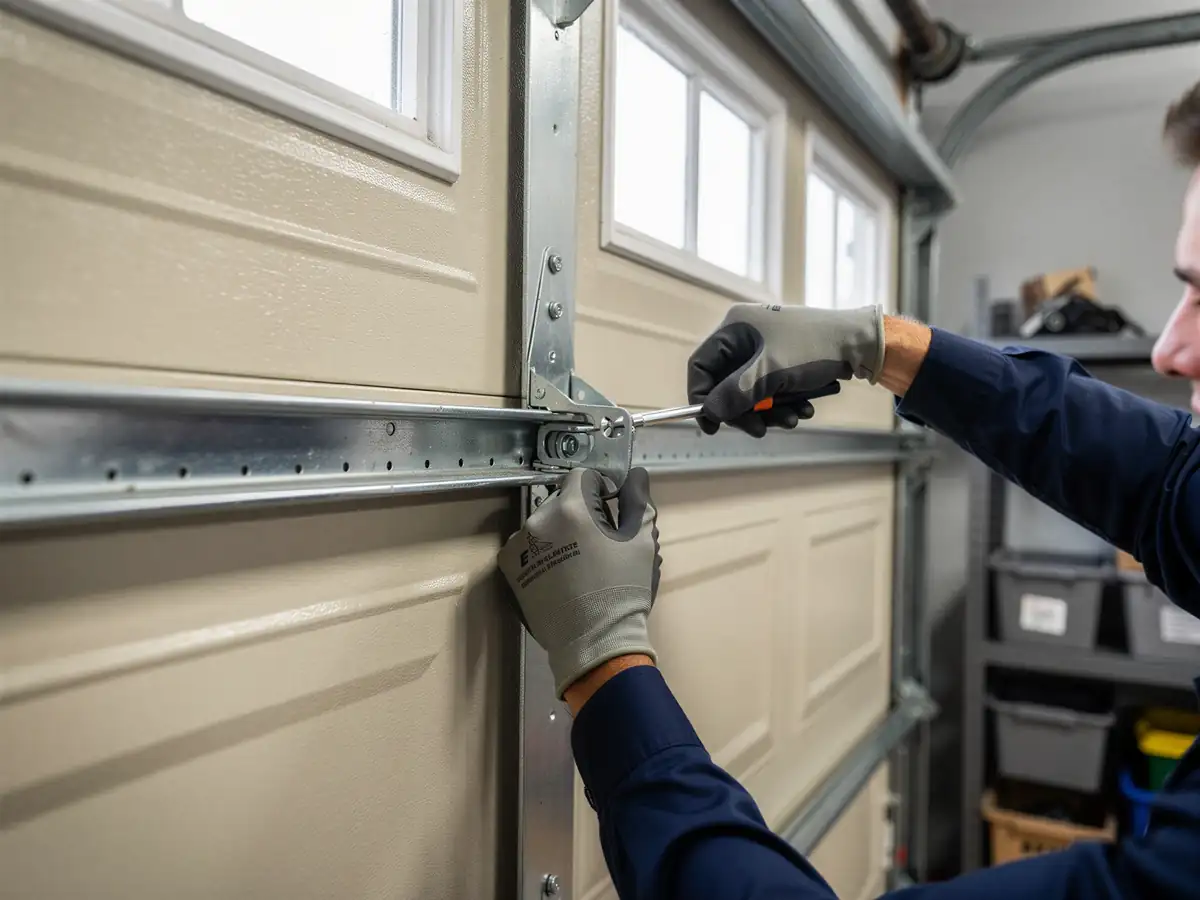
Where we tell people to stop: anything involving the opener's drive gear, the trolley carriage, or the travel-limit adjustment screws on an original-era unit. These openers weren't built with the safety interlocks that modern units have, and an owner working on a live unit with the door up risks the door coming down on them. We also don't recommend DIY logic board swaps - matching the wrong board to an old motor burns out the new part fast, and by the time that happens, it's not covered by anything.
One honest note: if your opener is original to a 1981-era house, we'll often tell you flat out that repair isn't worth it. Parts for motors that old are getting harder to source, and a new opener with modern safety reversal costs less over time than chasing parts for a unit that's done four decades of work.
Parts We Carry
Because the opener age range in Waggaman is narrow
Mostly units installed or replaced since the early-80s build wave - we stock the logic boards, drive gears, and sensor pairs that fit that range rather than guessing at a dozen brands and eras. That's a direct result of the town's size: fewer households, fewer housing eras, fewer opener generations to carry parts for.
We carry standard chain-drive replacement kits and the photo-eye sensor pairs that fail most often on houses this age
What we don't keep on hand is obsolete manufacturer-specific control boards for openers no longer in production - those sometimes mean a short wait on a special order, and we'll tell you that up front rather than stall the job.