Waggaman homes mostly date to 1981, a year off Metairie's own median - meaning the same torsion springs and openers fail for the same reasons. We drive in from Metairie, 5 miles east.
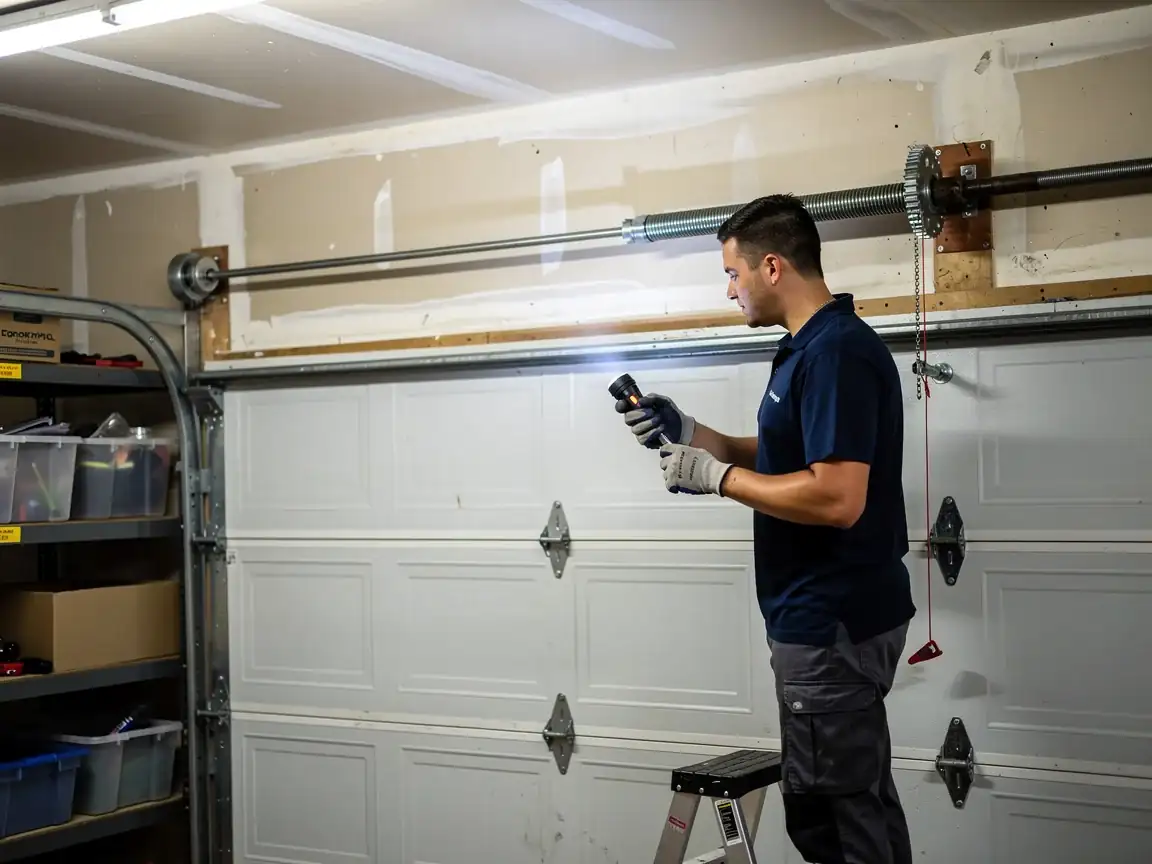
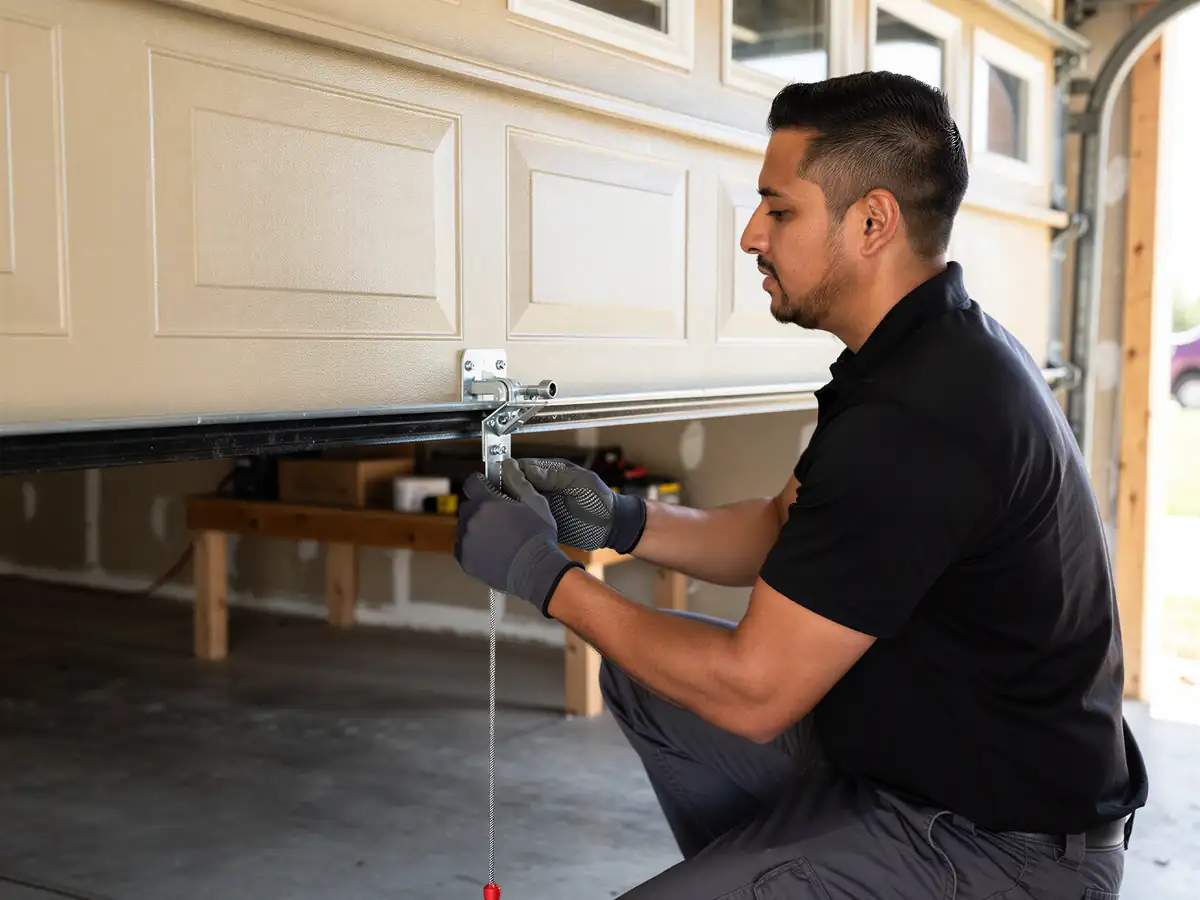
Waggaman sits about 5 miles from our shop in Metairie, and the houses here were built around 1981 on average - almost the same year as the broader service area's median of 1980. That near-match matters more than it sounds: it means the springs, openers, and track hardware failing in Waggaman right now are the same generation we see across the river. A torsion spring job on a door from that era runs differently than on a newer lift-master setup, because the drums, end bearing plates, and cable drums from the early '80s are sized to specs manufacturers don't use anymore. We quote the job after we see the door, not over the phone, because a spring swap on an early-80s door can turn into a full hardware replacement if the track or the bottom bracket has rusted past the point of reuse. Waggaman's median household income, at $59,566, runs lower than the wider service area's $67,099 - we mention that because it's the honest reason we'll always tell you plainly when a repair isn't worth it against a new door, rather than pad the invoice.
How It Shows Up
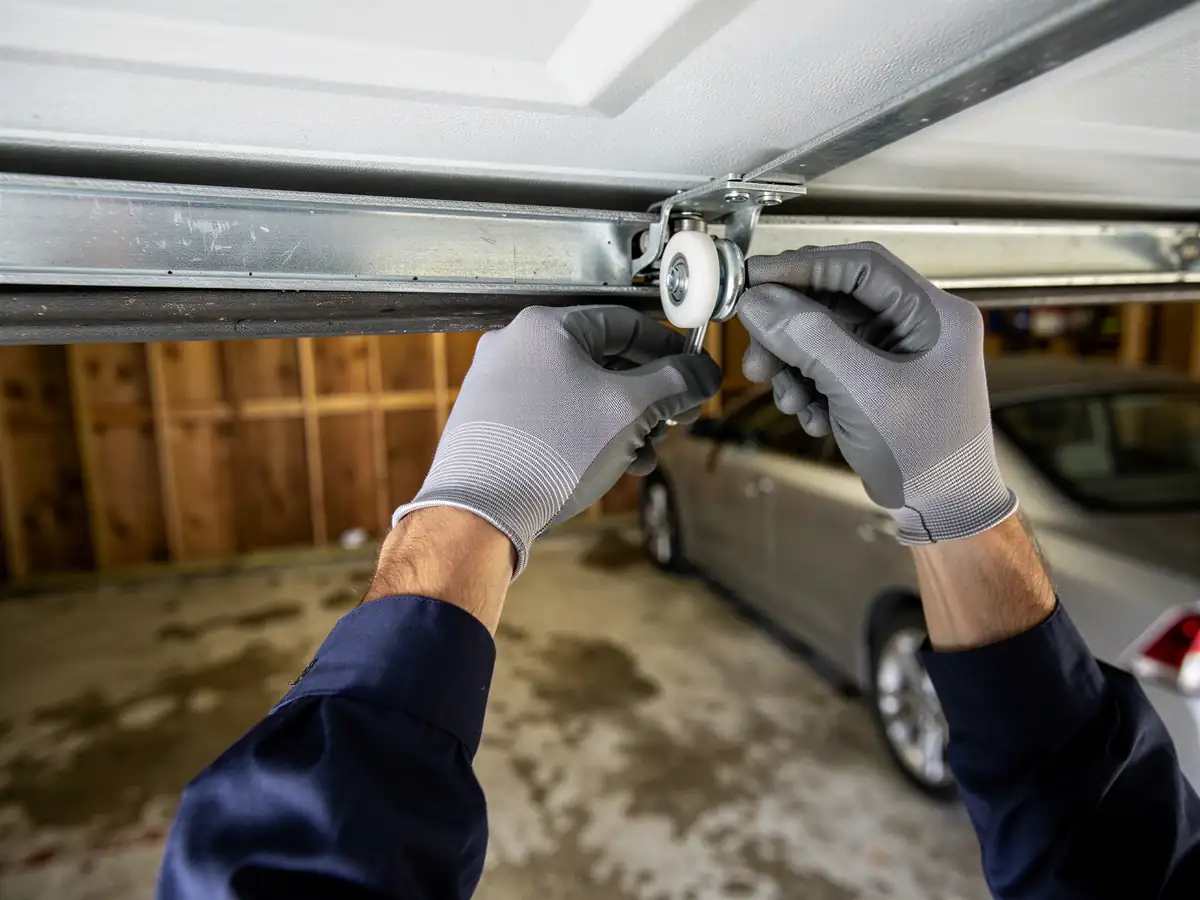
With roughly 3,771 households in Waggaman and most doors dating to the early 1980s, the failures cluster the way they do in any pocket of same-era housing: torsion springs that have done 10,000-plus cycles and finally let go, usually on a cold morning; worn rollers that have gone from steel to a grinding nylon stub; and openers original to the house that finally quit holding a signal. The region's climate - mild with the occasional freeze, per federal climate data - doesn't crack doors the way a hard-freeze state does, but humidity and salt air corrode springs and cable from the inside, so a spring can look fine and still snap without warning. If your door is slow to close, reverses halfway, or the opener light blinks a code you don't recognize, that's usually the safety sensor or the logic board losing patience with an old motor, not a new problem - just an old part finally giving out.
Doing It Yourself
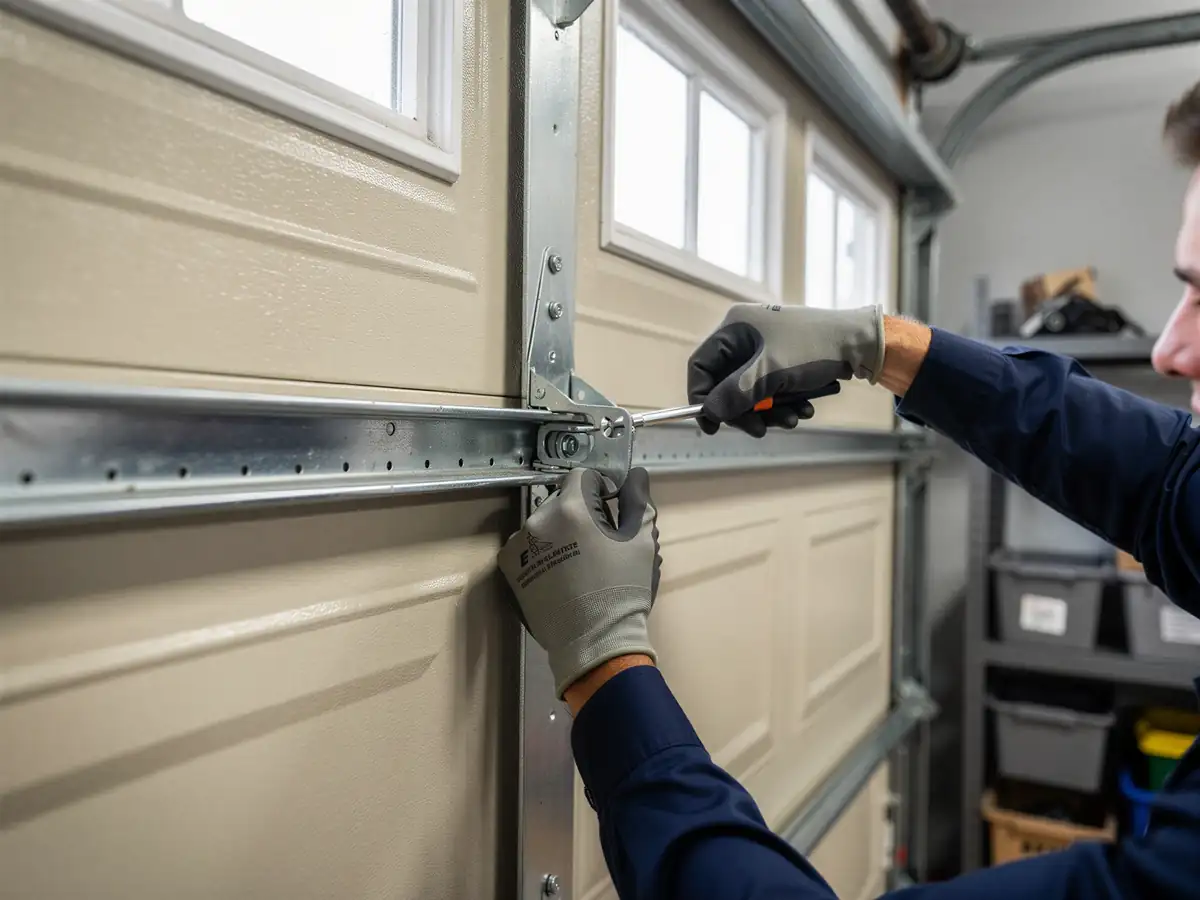
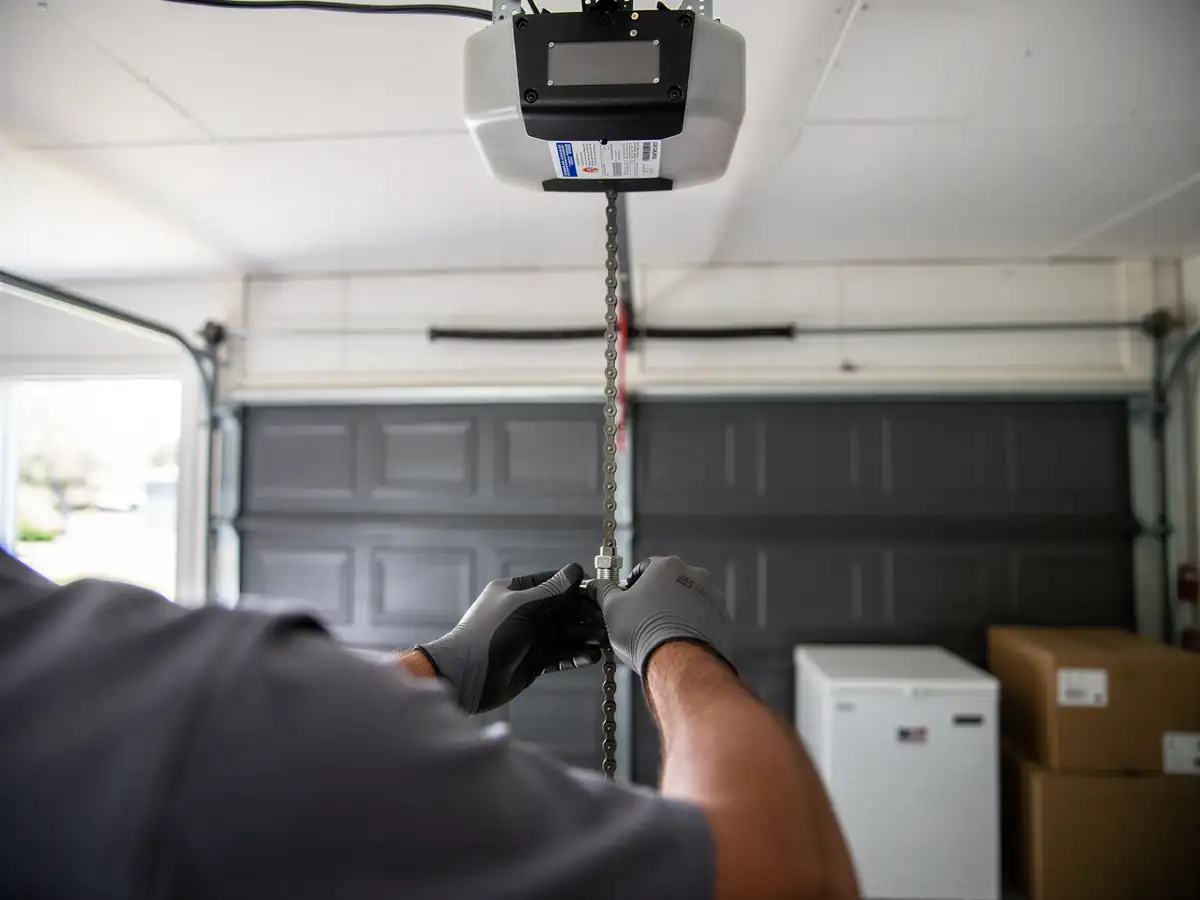
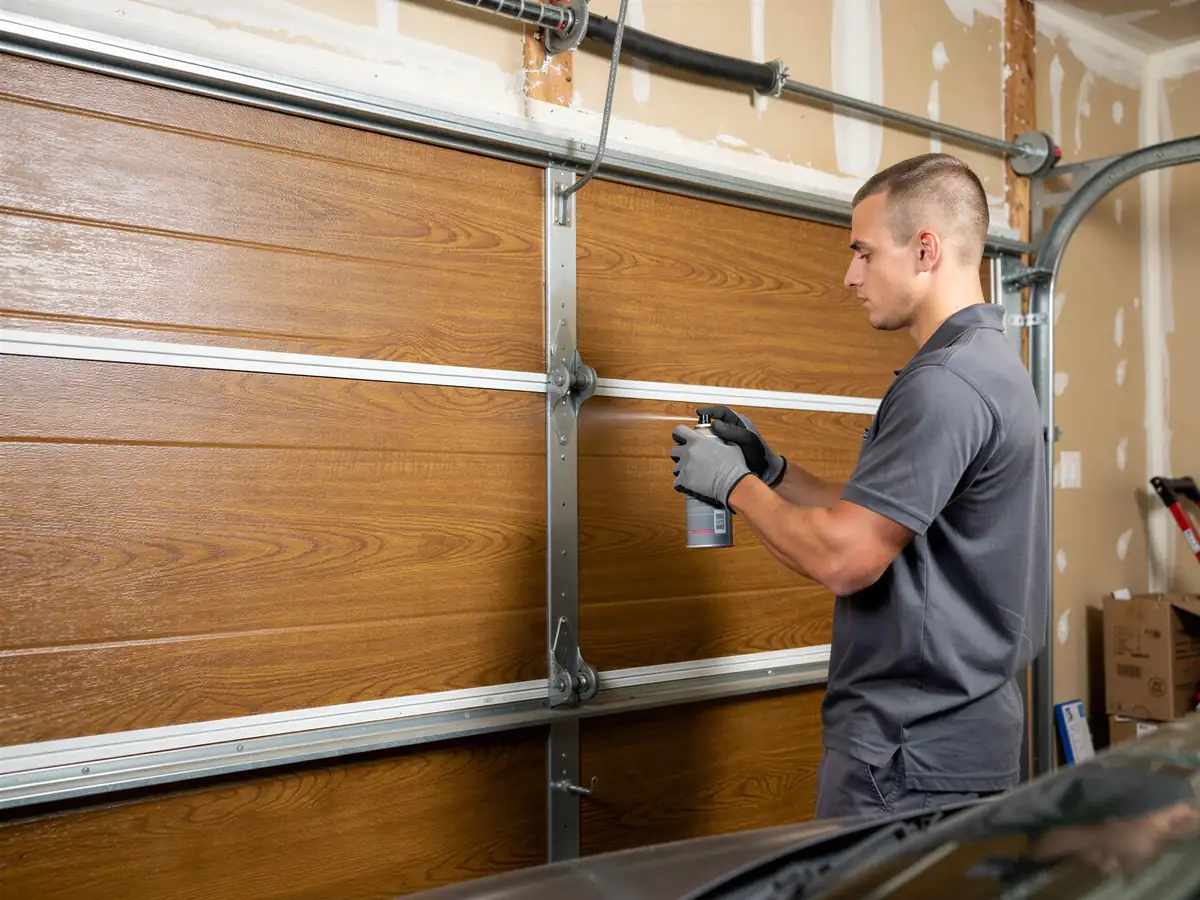
There's a short list of things worth doing yourself on a door from this era: tightening the hinge bolts, lubricating hinges and rollers with a garage-door-specific lubricant (not WD-40, which washes grease out of bearings), and testing the photo-eye sensors by waving a broom handle through the beam while the door closes. Beyond that, we'd rather you call. A torsion spring under tension is not a weekend project - the winding bars and clamping technique matter, and a slipped bar on a wound spring has put people in the hospital. We also won't talk you through replacing a broken cable over the phone; it's the kind of job where seeing the drum and bracket in person changes the answer. If your opener is from the original build, parts for that specific chain-drive motor may simply not exist anymore, and we'll tell you that straight rather than order a part that never ships.
Parts We Carry
We stock the parts that fail most on houses built in the 1980s window Waggaman falls into: torsion springs in the common residential sizes, nylon and steel rollers, galvanized lift cables, and standard safety sensor kits that retrofit onto older opener rail systems. What we don't keep on the truck is anything specific to a defunct opener brand from that era - if your motor housing says a name you haven't seen in a hardware store in twenty years, we'll order the compatible replacement rather than promise a same-day fix on a part that doesn't exist new anymore. For most Waggaman jobs - spring, cable, roller, sensor - we're carrying the part already; for an opener swap on an original 1980s unit, expect us to install a current model rather than chase obsolete parts.
How it works
From “it’s stuck” to “it’s fixed”
01
Tell us what’s wrong
Describe the symptom - won’t open, loud bang, opener runs but the door won’t move.
02
On-site diagnosis
A technician tests the door under power and by hand and finds what actually failed.
03
Clear, up-front plan
You get the fix that’s needed and what drives the cost - before any work starts.
04
Repaired & tested
The repair is done, the door is set true and tested, and the work area left clean.
Not sure which repair your door needs in Metairie, LA? Describe what it’s doing - every job starts with a diagnosis.
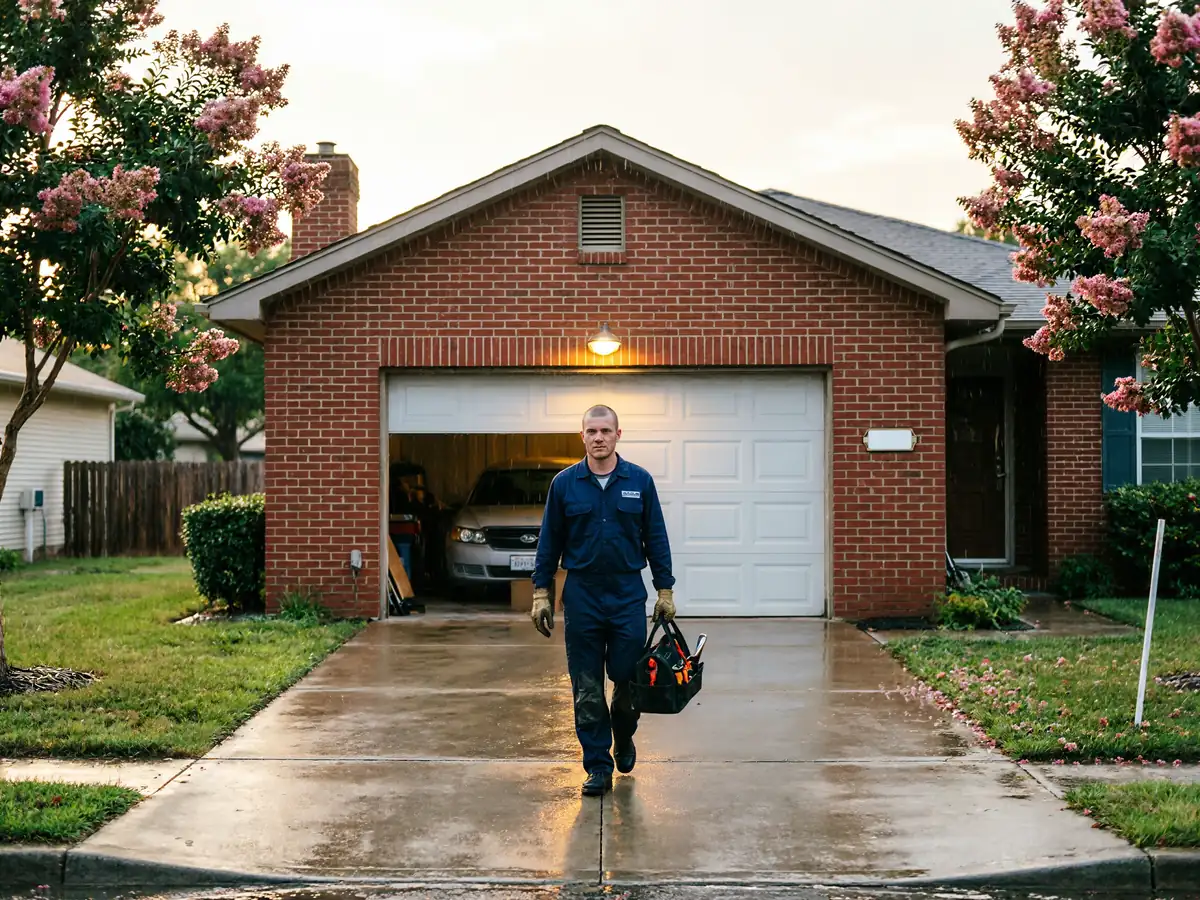
About 5 miles. We travel to Waggaman from Metairie for every job - there's no separate branch out there, just the same crew and the same truck stock making the drive.
Are Waggaman's garage doors different from newer suburbs?
Not hugely. Waggaman's housing runs a median build year of about 1981, close to the wider service area's 1980 median, so the springs, cable sizes, and opener generations we see are consistent with what we work on elsewhere nearby.
Will a repair always be cheaper than replacement?
No, and we'll say so. On an opener original to a house from the early '80s, parts can be hard to source, and a repair can cost close to what a new opener runs. We'd rather tell you that than sell a repair that won't hold.
Does the humidity here affect garage door parts?
Yes. The area's mild, humid climate with occasional freezes corrodes springs and cable from the inside over time, which is part of why a spring can look intact and still fail without warning, regardless of how new the paint on the door looks.
Ready to get your garage door sorted?
Tell us what it’s doing and where you are in Metairie - we’ll take it from there.