How It Shows Up
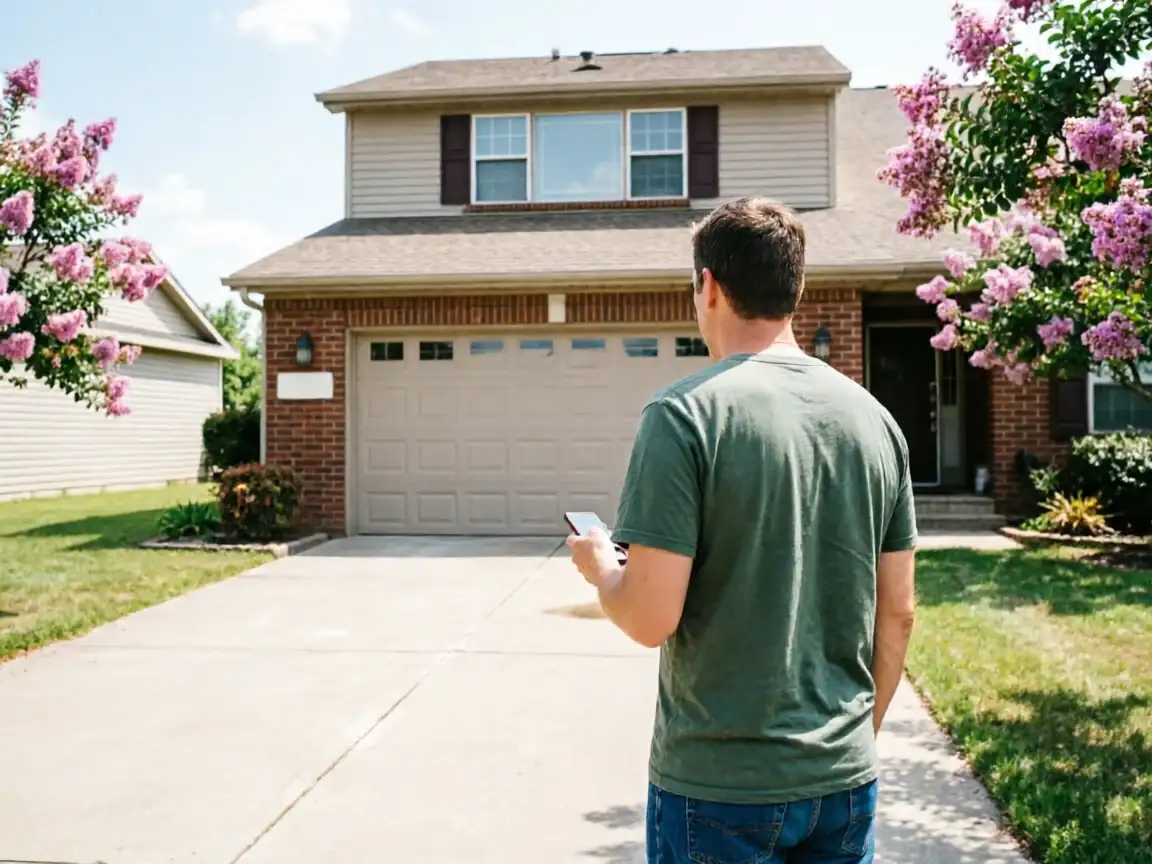
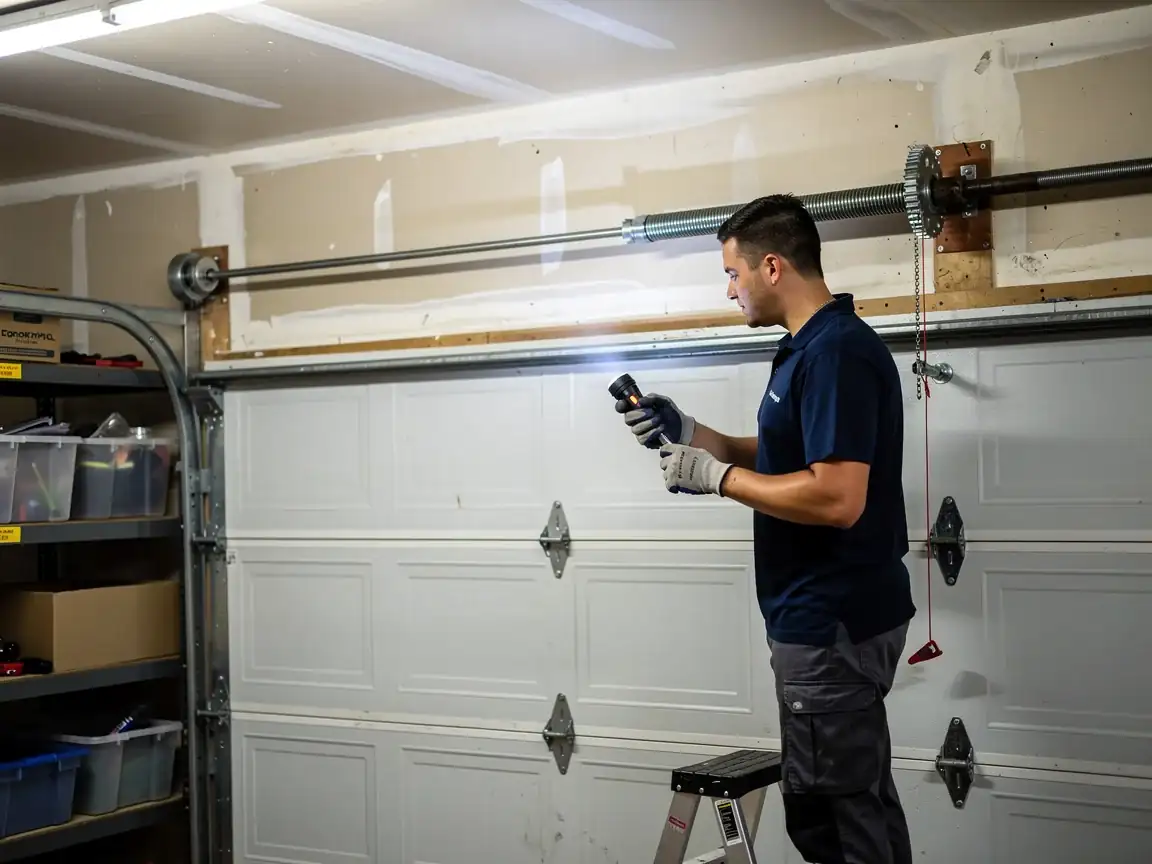
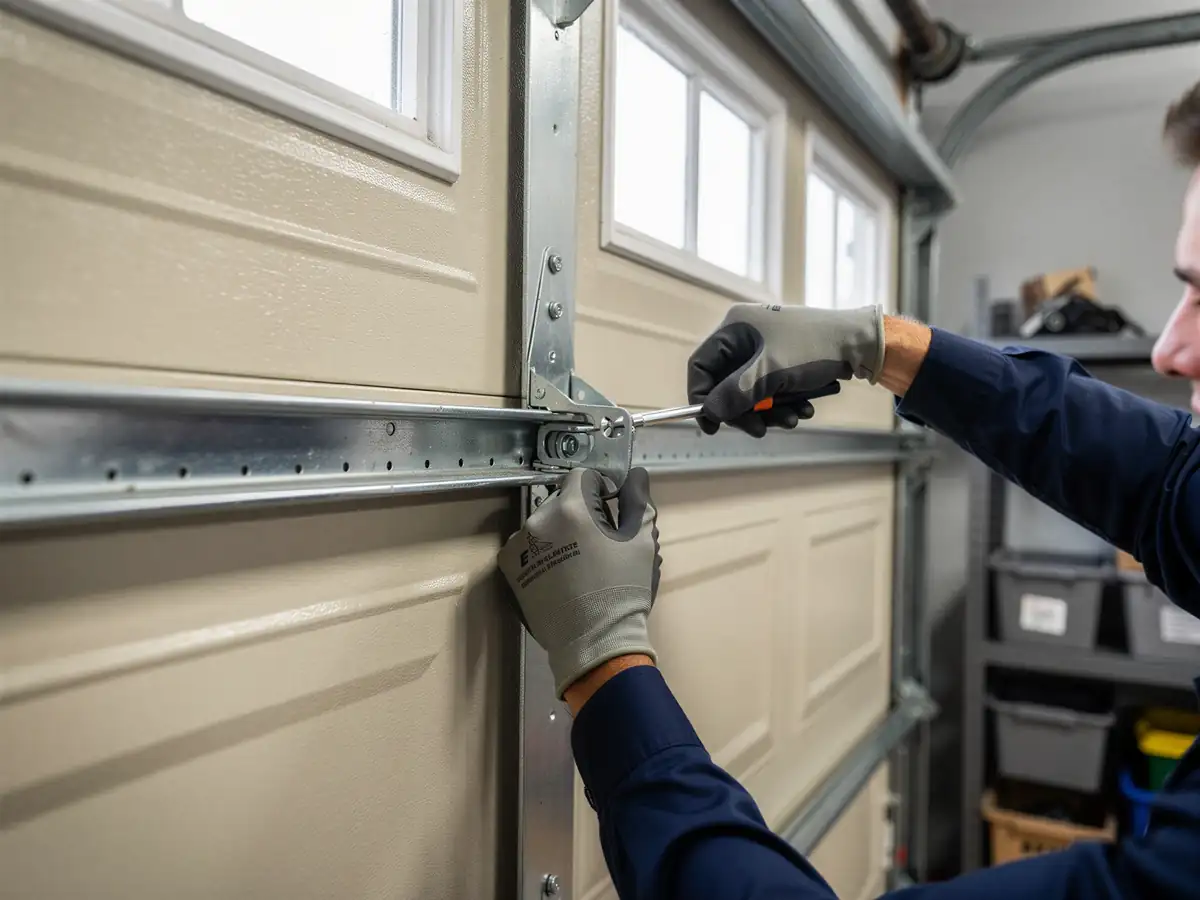
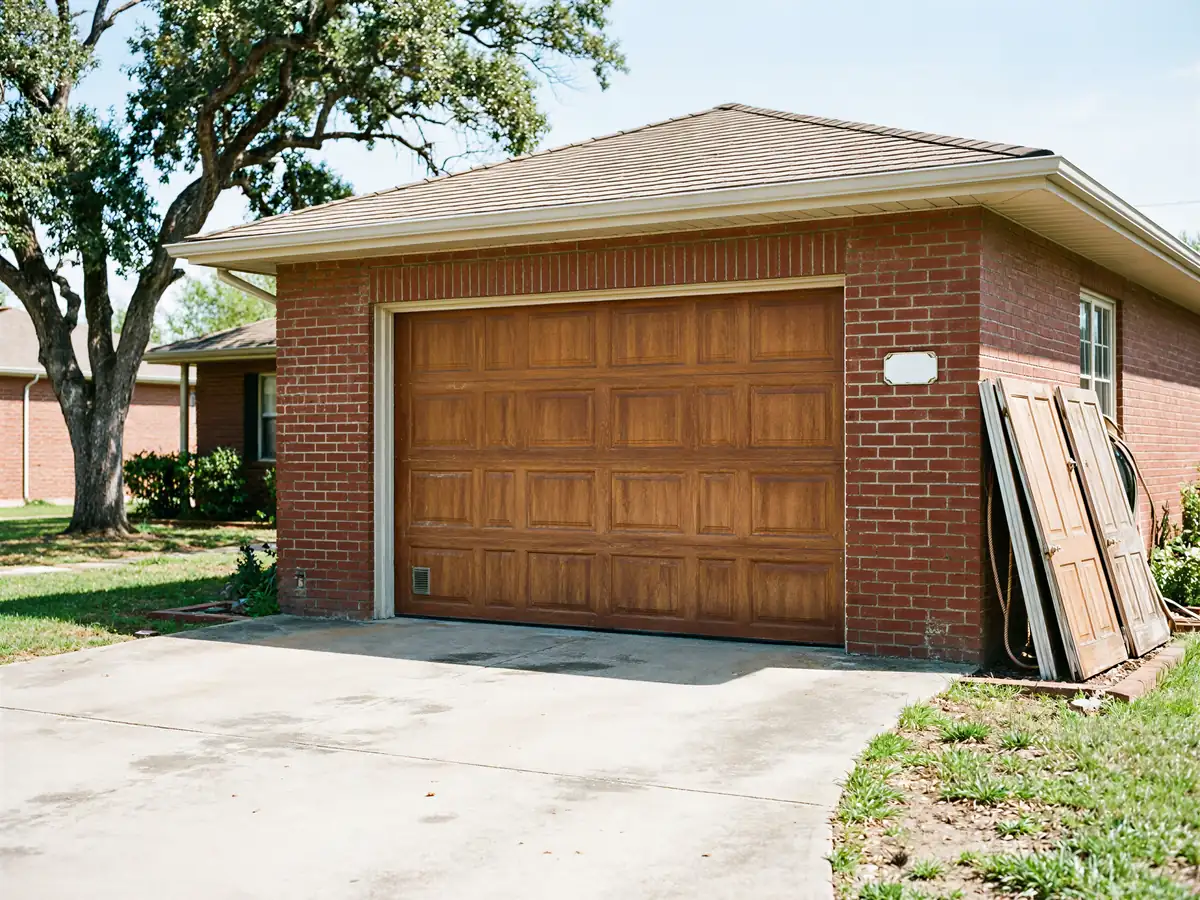
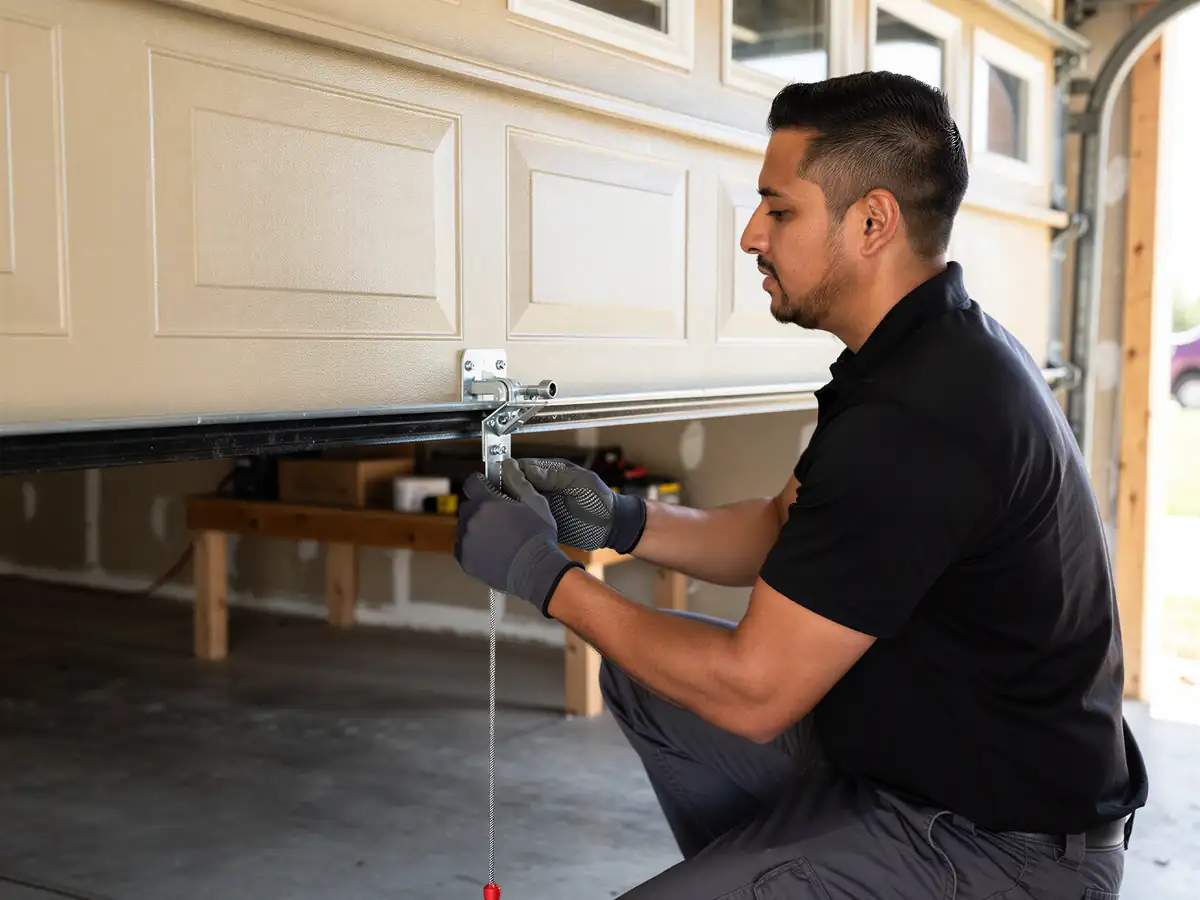
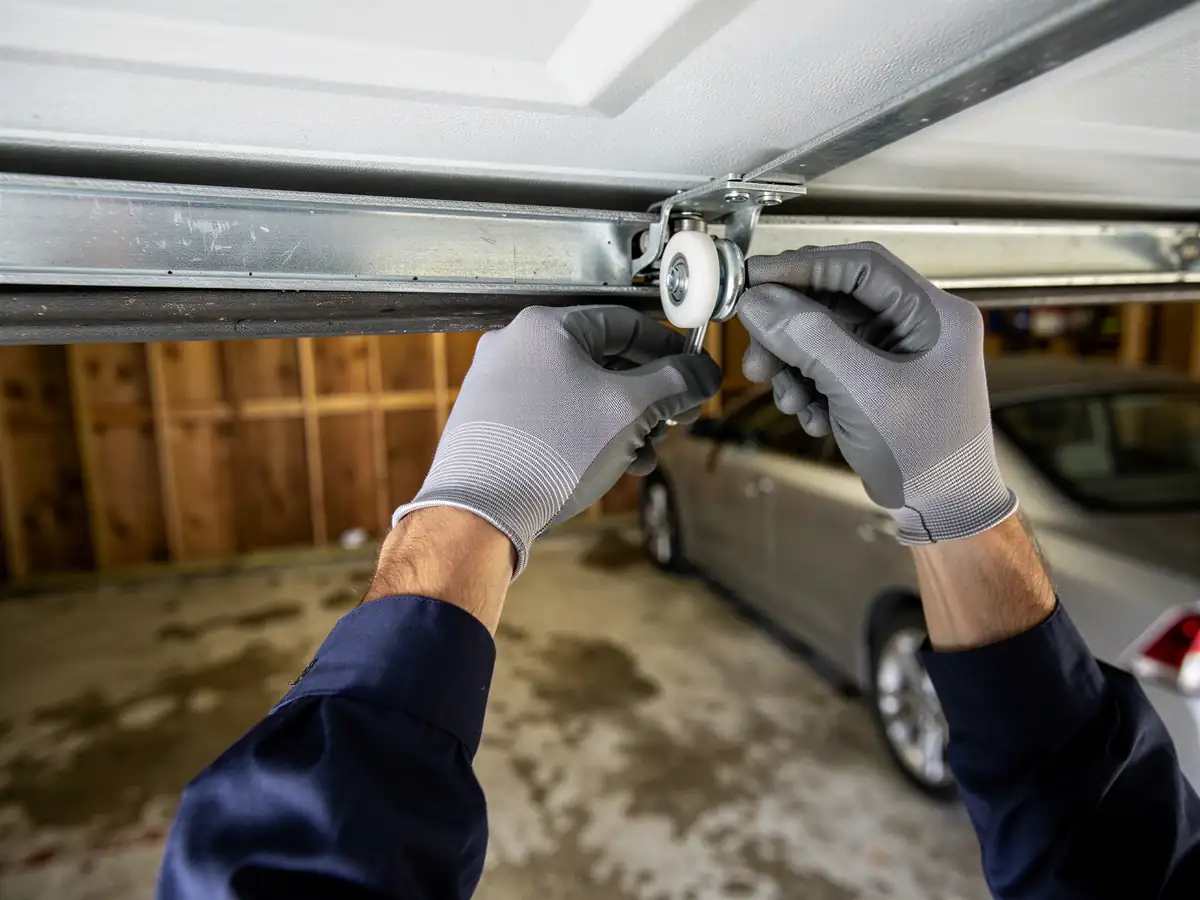
The fault we see most in Waggaman starts quiet: a door that hesitates a half-second before it lifts, or an opener that groans louder than it used to. That's a torsion spring losing tension, not an opener problem, even though the opener gets blamed first. Houses here built around 1981 mostly came with steel springs sized for the door weight of that period, and forty-plus years of daily cycling is past what most of that hardware was rated for. Add the climate band for this area - mild most of the year with occasional freeze - and steel that's already fatigued gets an extra push toward snapping, usually in the handful of cold mornings each winter, not the heat. The second sign is a cable that's starting to fray at the drum, often missed because the door still closes, until the day it doesn't close evenly. We also see bent track on doors where the original rollers were never swapped out - a $15 part that, left alone for decades, eventually scores the track enough to need straightening or replacing.
Doing It Yourself
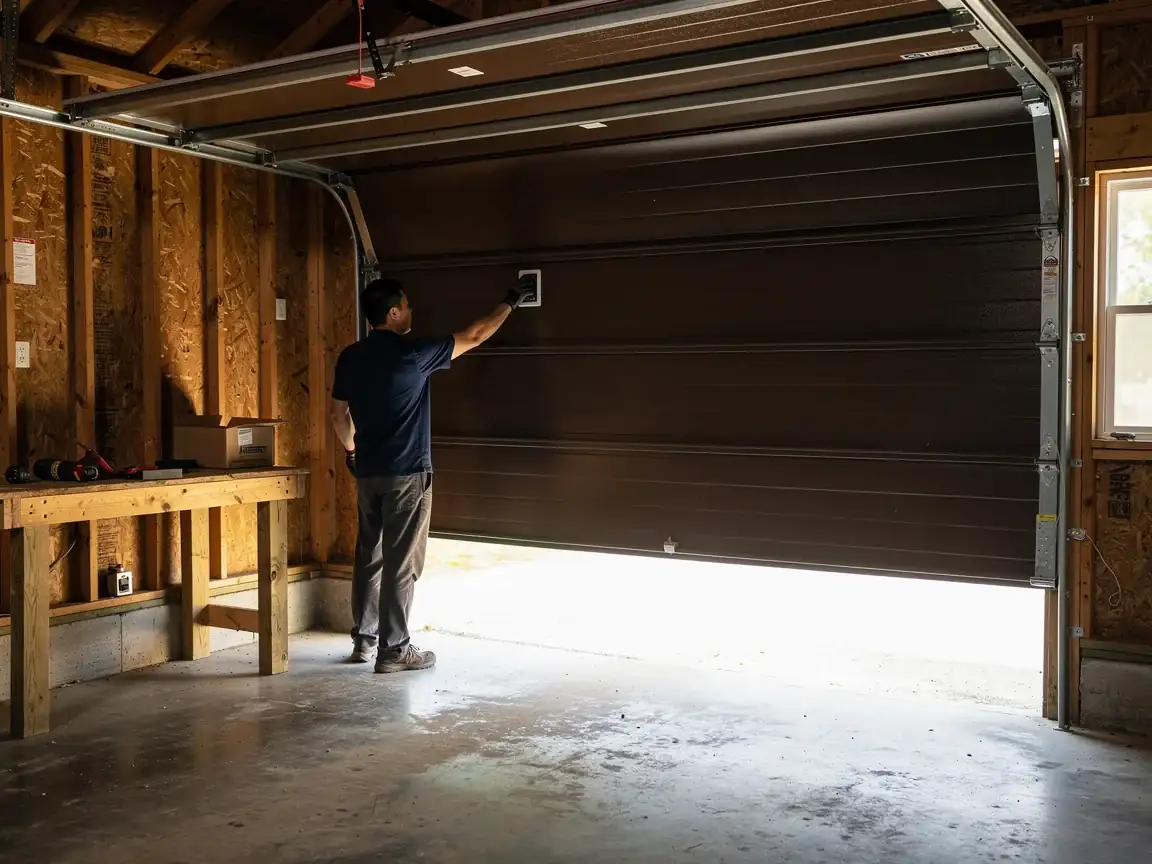
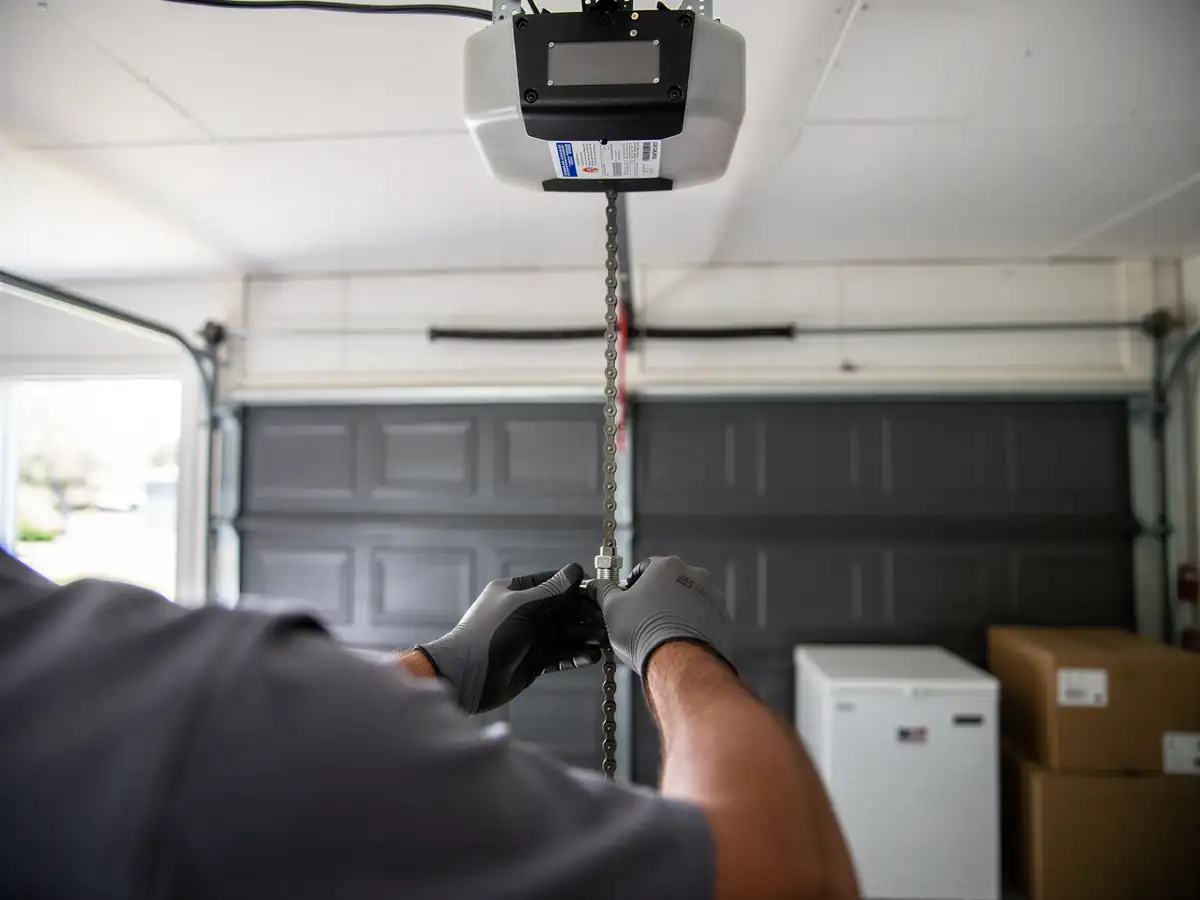
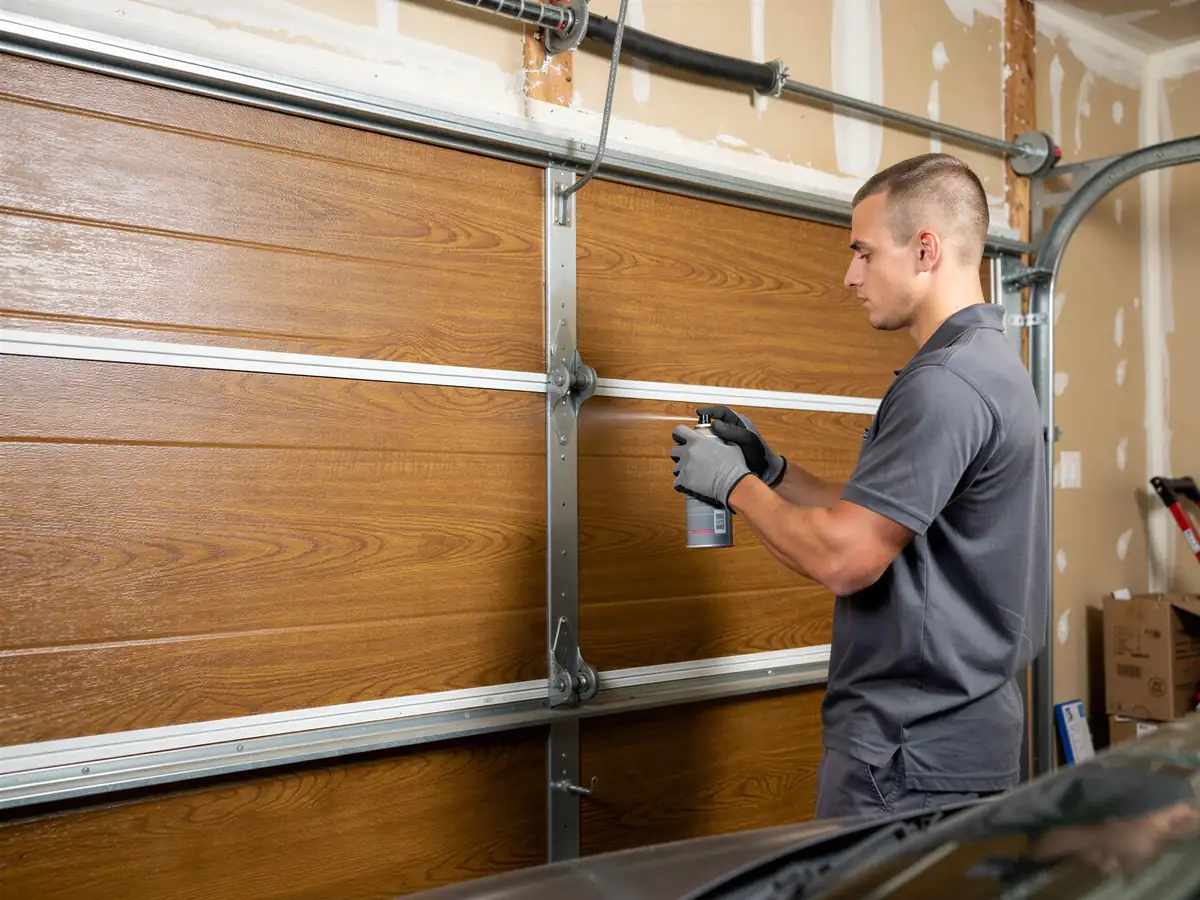
Lubricating hinges, rollers, and the track with a garage-door-specific spray is a fine weekend job, and it genuinely extends the life of hardware from the 1981 era that's still sound. Tightening loose bolts on the track brackets is also reasonable, as long as the door is down and the opener is unplugged. What isn't reasonable is touching the torsion spring itself. These are wound under enough tension to cause a serious injury, and on an older system with no way to know the exact wind count, guessing is how people end up in the hospital, not just out a repair bill. We also don't recommend DIY opener swaps on homes with original 1981 wiring, since the gauge and grounding don't always match what current openers expect - that's a case where a licensed call costs less than a mistake. If you're not sure whether what you're looking at is a spring problem or a track problem, that's a fair question to call in rather than test by hand.