The Cost of This Job
Waggaman sits five miles from our Metairie shop, which matters more than it sounds
A maintenance call here isn't a special trip with its own fee tacked on for distance - it's a short run down the same roads we're already covering, so the appointment goes to the door, not to the drive. That's worth saying plainly because some outfits price a job by how far the truck has to go before it even touches a spring.
What does change the cost is what we find once we're there
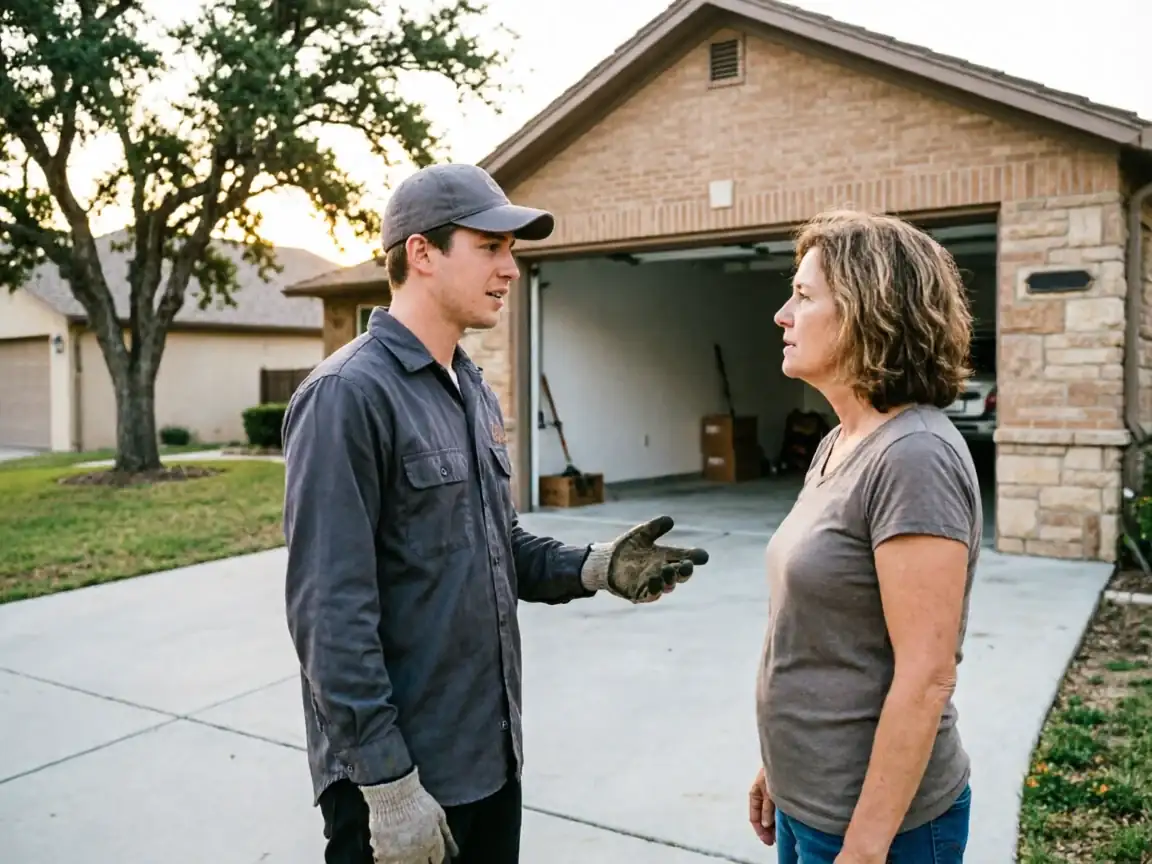
Median household income in Waggaman runs $59,566, and we price maintenance the same whether a house sits here or anywhere else on our route - but what a tune-up includes can shift based on the age of the hardware. A door built to 1981-era specs often needs a different parts list than a door put in during the last ten years, and that list is what moves the number, not the mileage. We'll tell you up front which parts on your door are original and which have already been swapped, because that's the honest way to price the visit before we start.
How It Shows Up
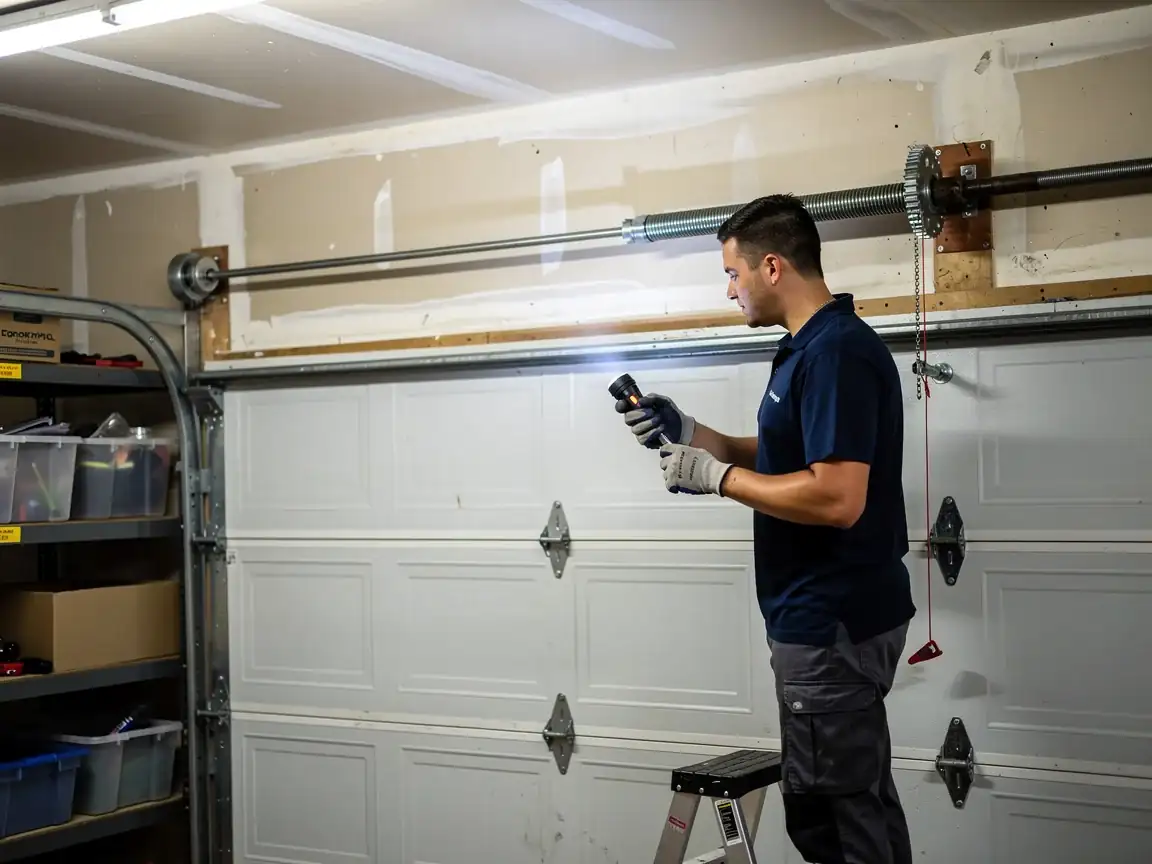
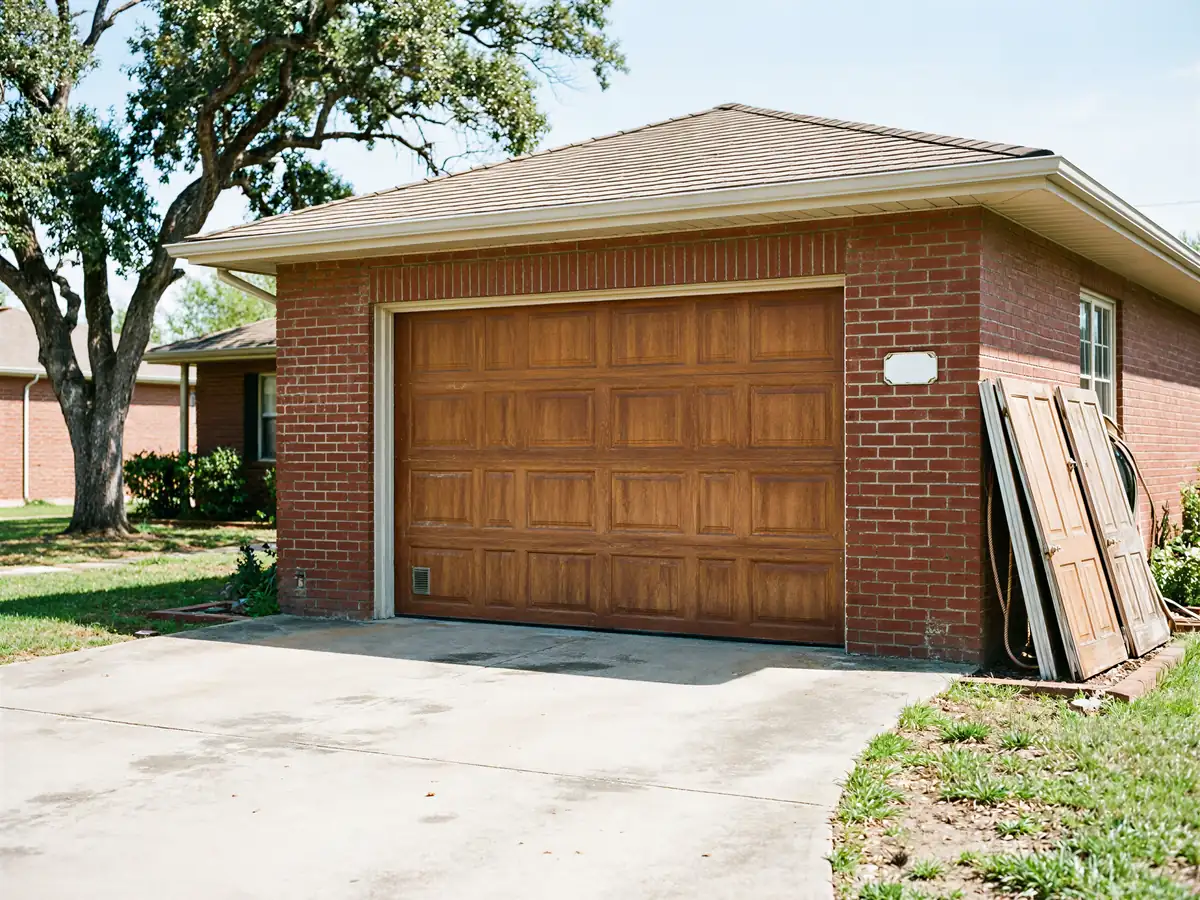
The median year built in Waggaman is 1981, which tells you most of what you need to know about the doors we're working on here. A lot of these are steel sectional doors running on extension springs mounted along the horizontal track, not the torsion bar setup that became the standard install a decade or two later. Extension spring systems wear differently - the springs stretch and lose tension gradually instead of snapping clean, so the door gets heavier to lift over months, not overnight.
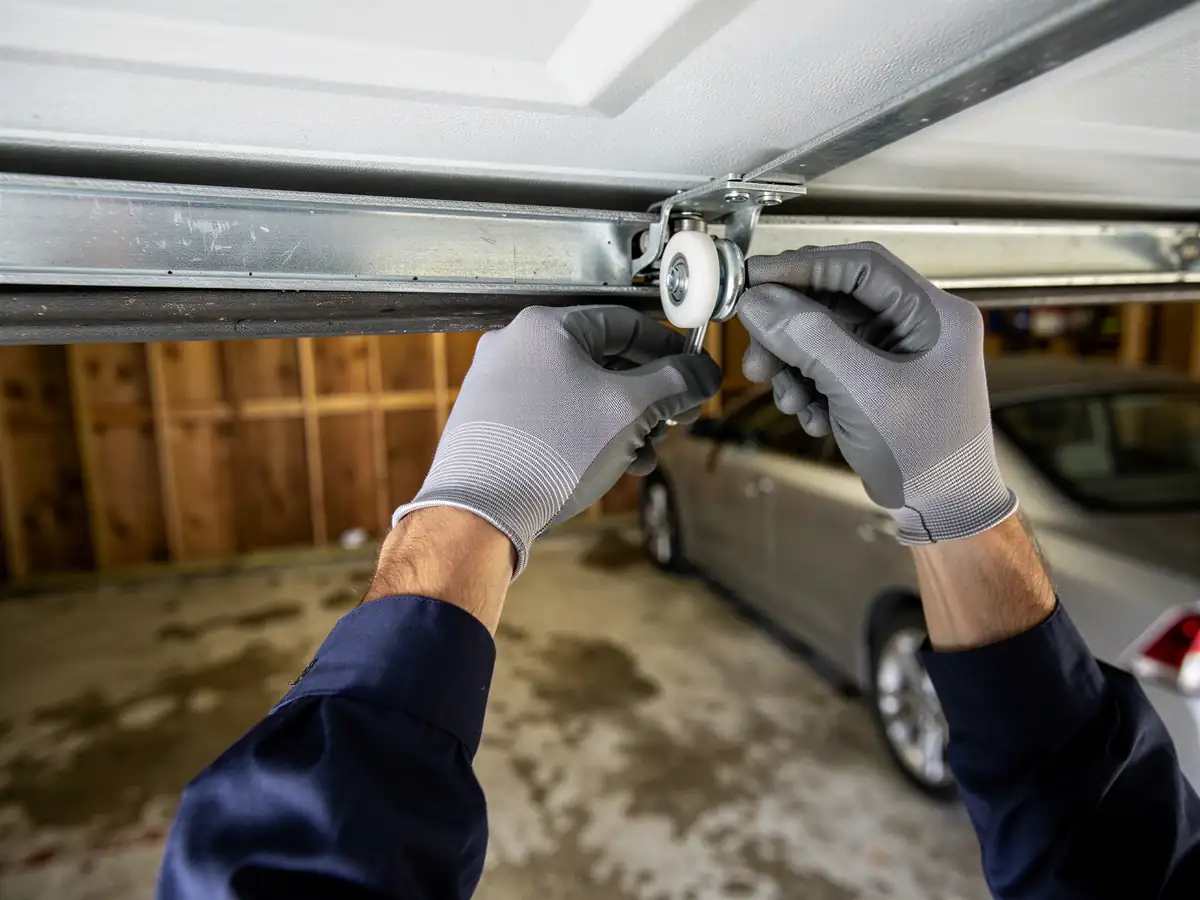
The other thing that shows up on doors this age is track and hinge wear from the humid, mild climate this part of the metro sits in. Mild weather with occasional freeze doesn't crack metal the way a hard winter does, but steady humidity works on unprotected hardware - galvanized coatings thin out, hinges pit, and rollers that were never sealed start binding in the track. On a 40-year-old door, that's usually further along than the owner realizes, because the symptom is just 'it's gotten noisier' until the day it isn't.
Doing It Yourself
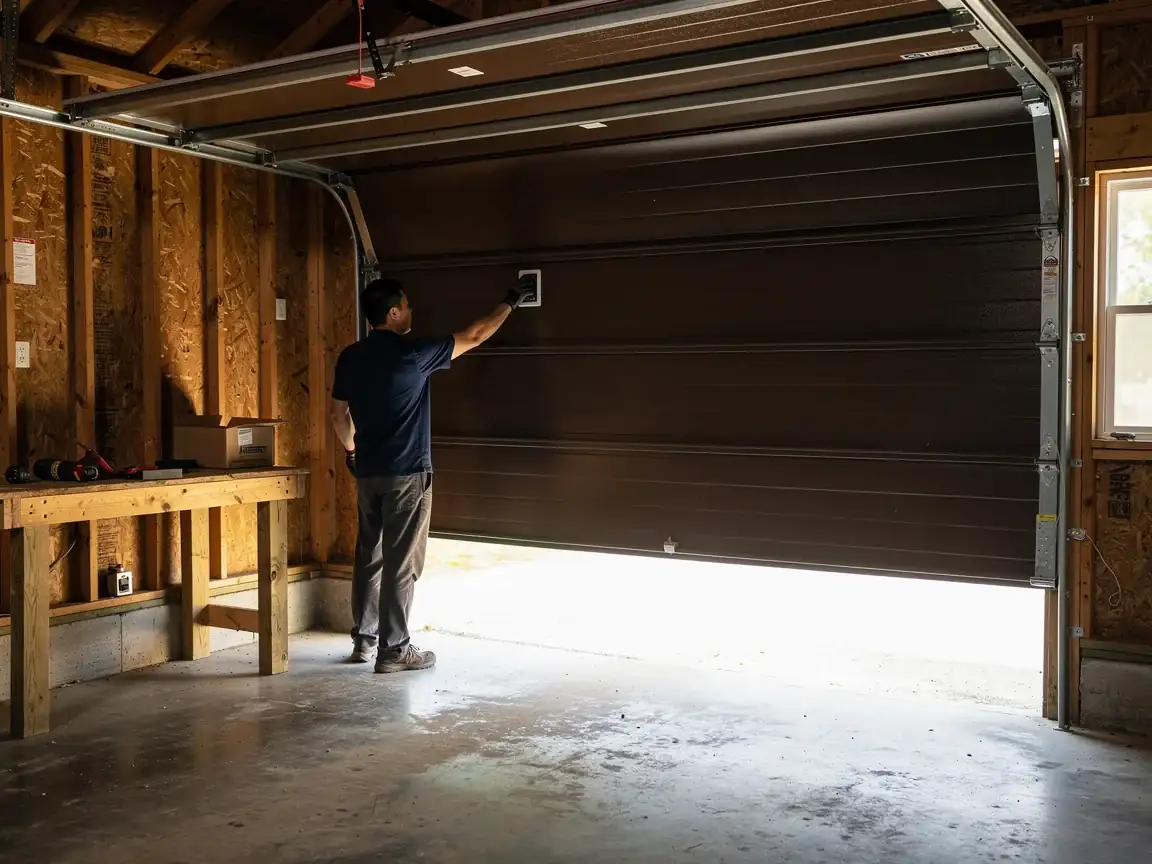
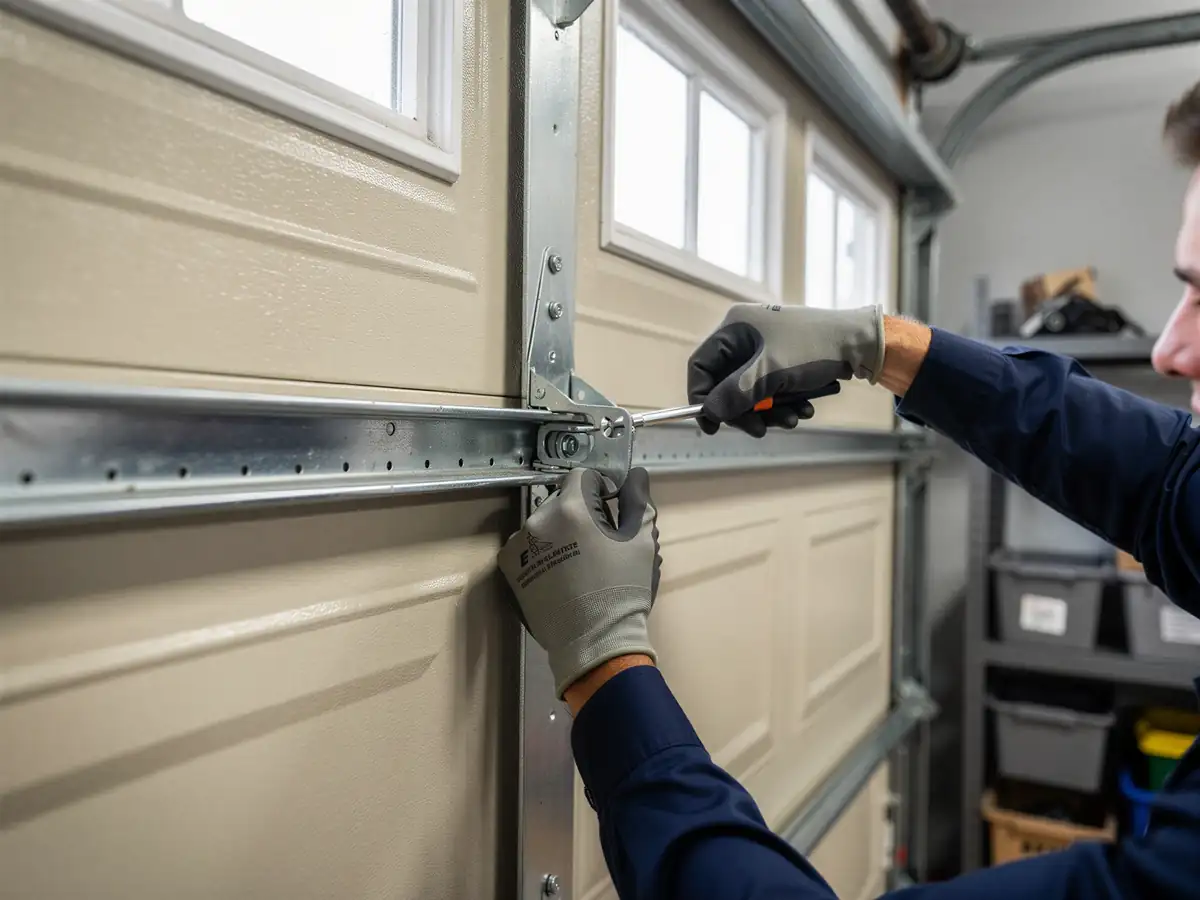
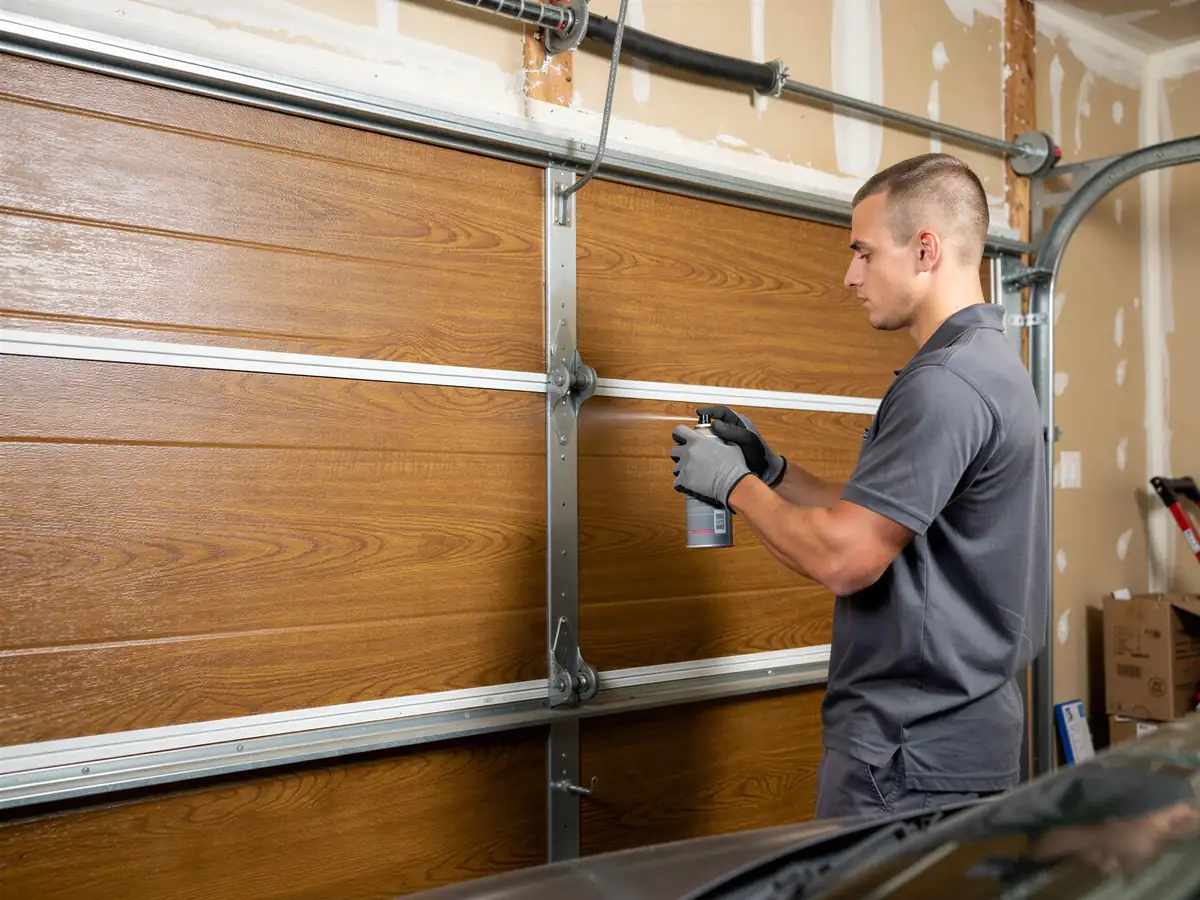
There's real maintenance a homeowner can do between visits. Wipe down the tracks and check for debris, look at the bottom seal for cracking, and listen for a grinding sound when the door runs - that's usually a roller, and it's cheap to flag early. Lubricating hinges and rollers with the right garage door lubricant (not household oil, which attracts grit) is something you can do twice a year without any tools beyond a rag and a ladder.
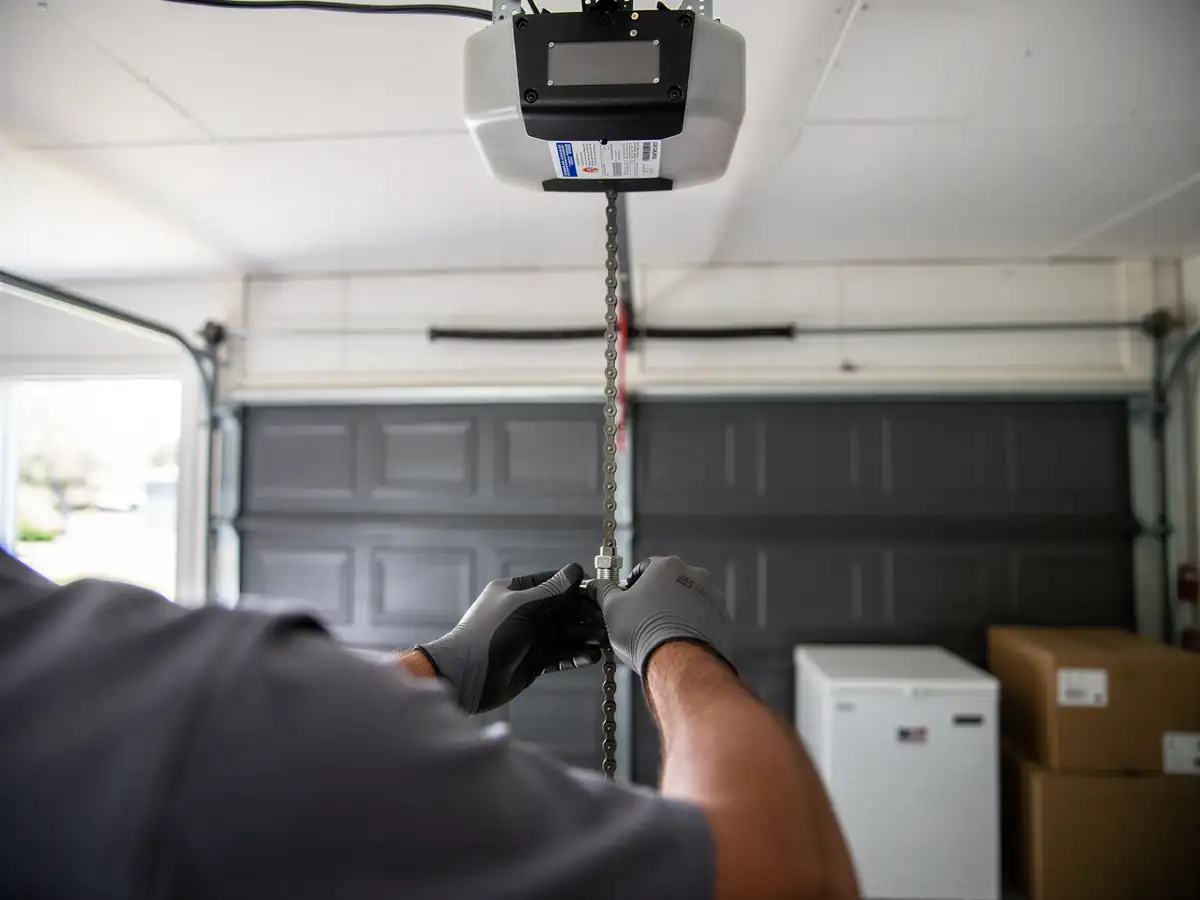
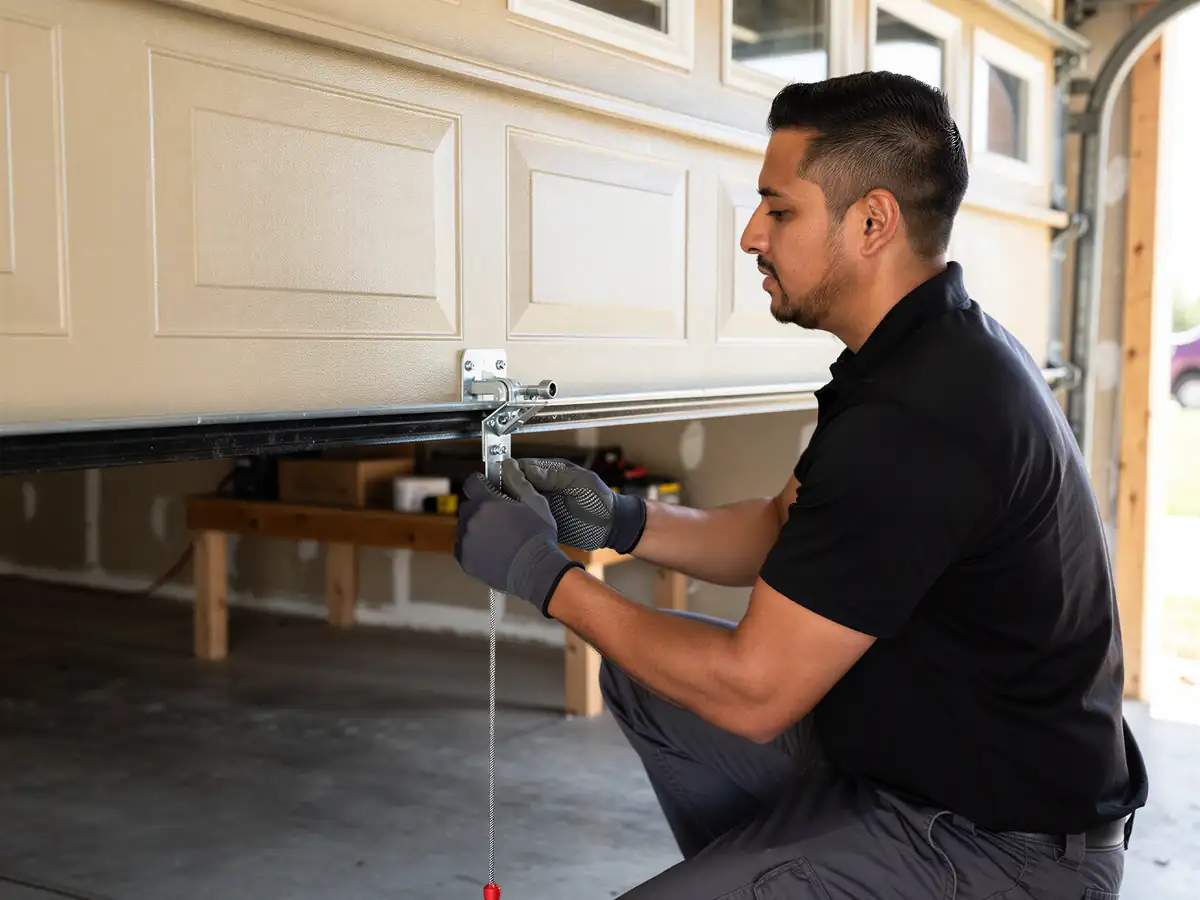
What you shouldn't touch is the spring system. On a door built around 1981 with extension springs, the tension involved can cause serious injury if a spring lets go while you're adjusting it, and there's no safe way to test it without disconnecting power to the opener first - which most owners don't realize matters until something moves unexpectedly. If your door feels heavy, uneven, or drops faster than it used to, that's a spring symptom, not a lubrication problem, and it's the one repair on this list we'd rather you call about than attempt.
Parts We Carry
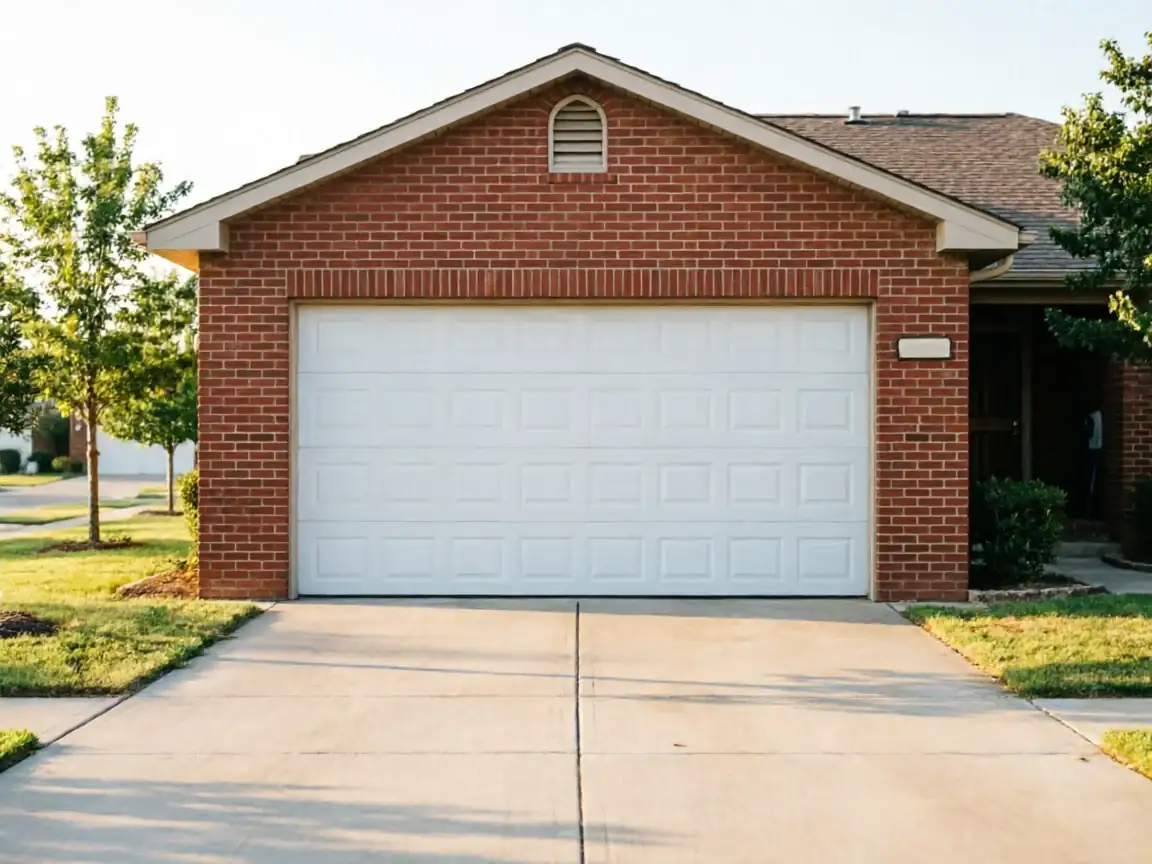
Because so much of Waggaman's housing dates to the early 1980s, we keep stock geared toward that era's hardware
Extension spring sets sized for standard sectional doors, galvanized track sections, and the hinges and rollers that match older door panel gauges. These aren't exotic parts, but they're not what a big-box store carries either, since most retail stock is cut for newer torsion systems.
One limit worth being upfront about
If a door's original panels are discontinued or badly mismatched in color and gauge from decades of partial repairs, we'll tell you when replacement makes more financial sense than another round of patch repairs. We're not going to chase a part that costs more to source than a new door costs installed - that's not a maintenance call anymore, it's a different conversation.