The Cost of This Job
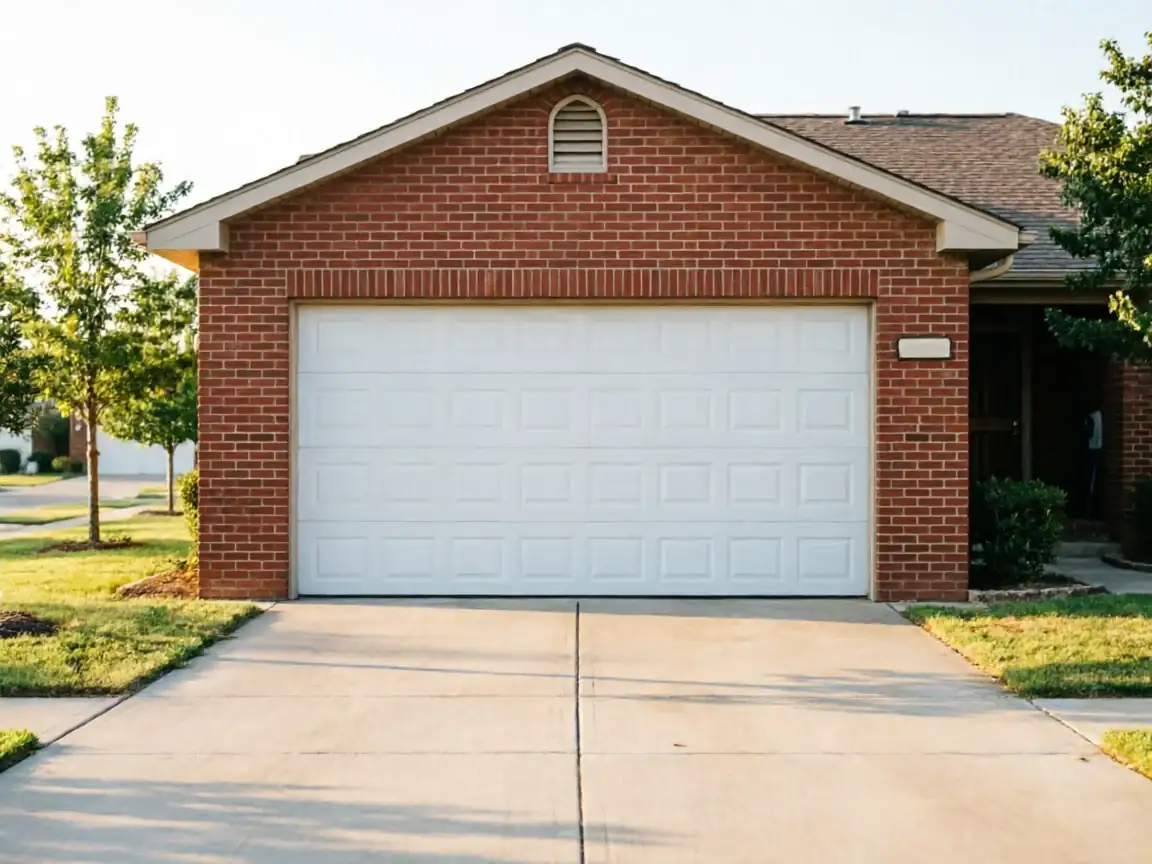
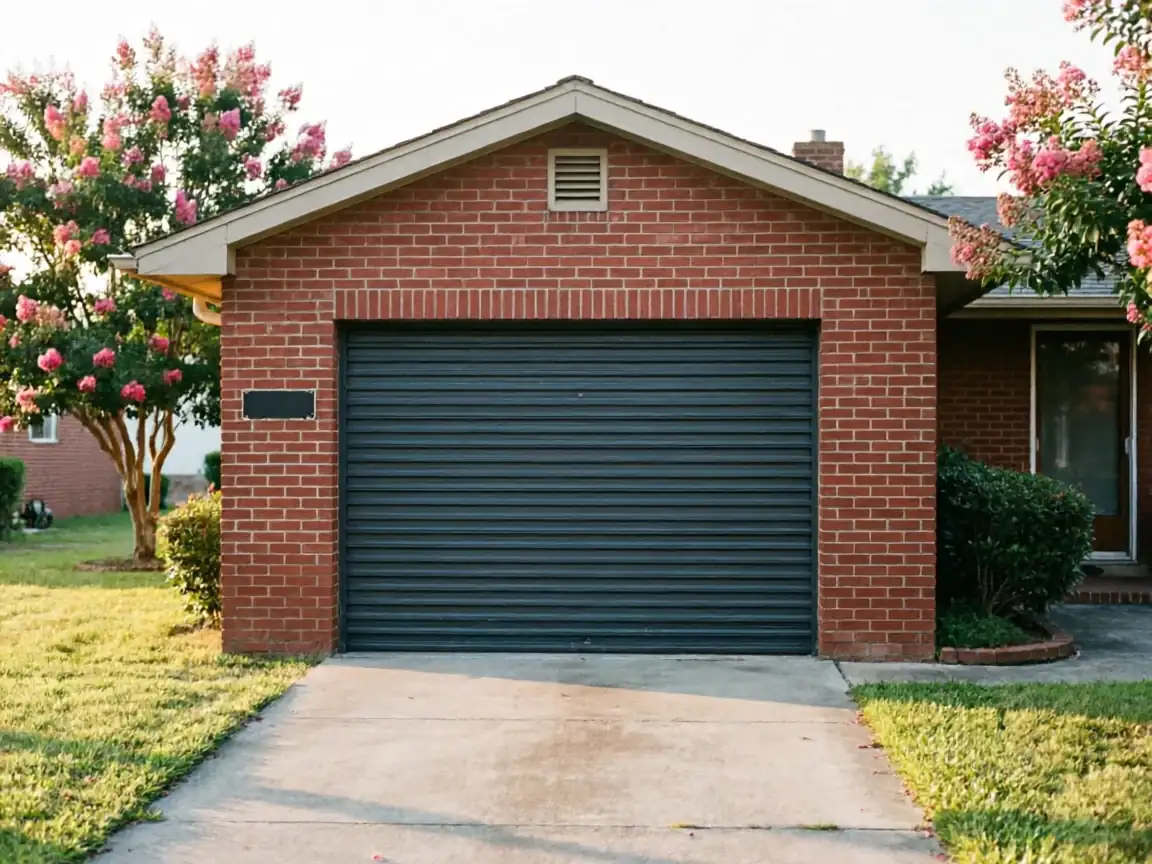
Most houses in Waggaman went up around 1981
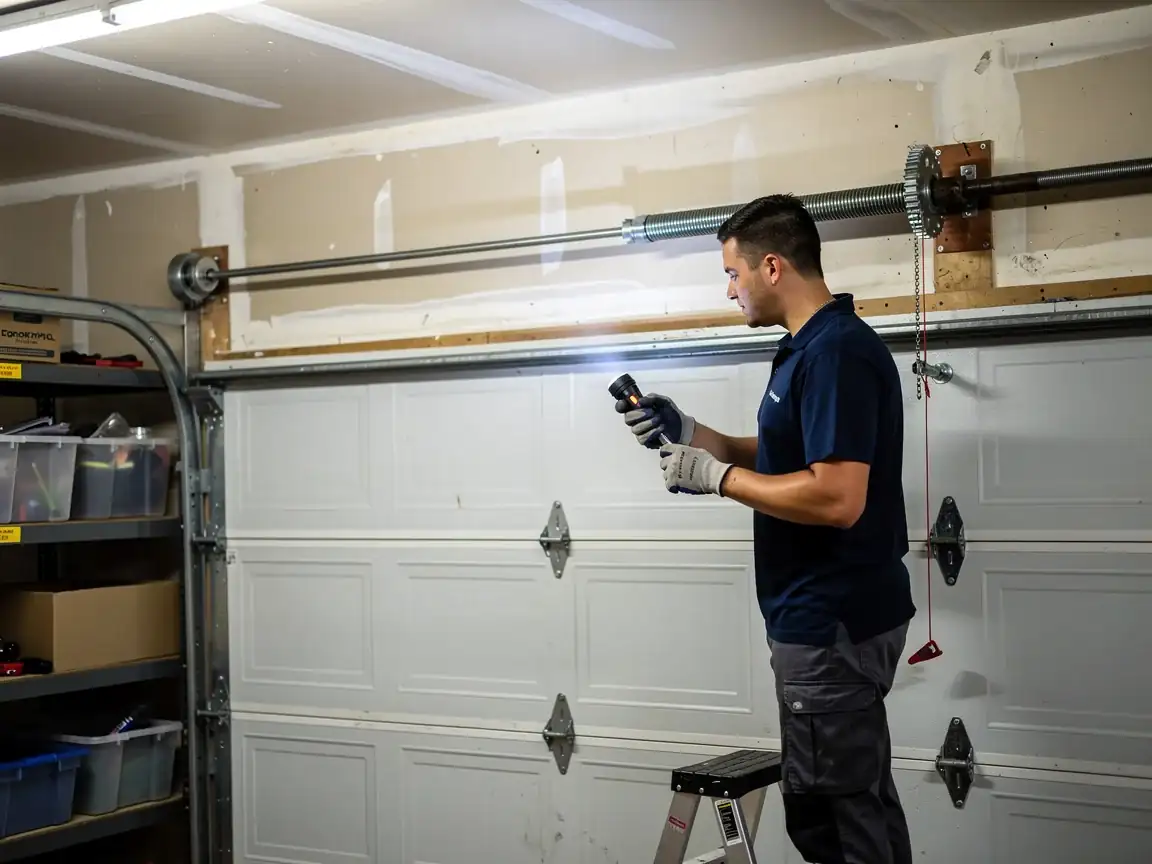
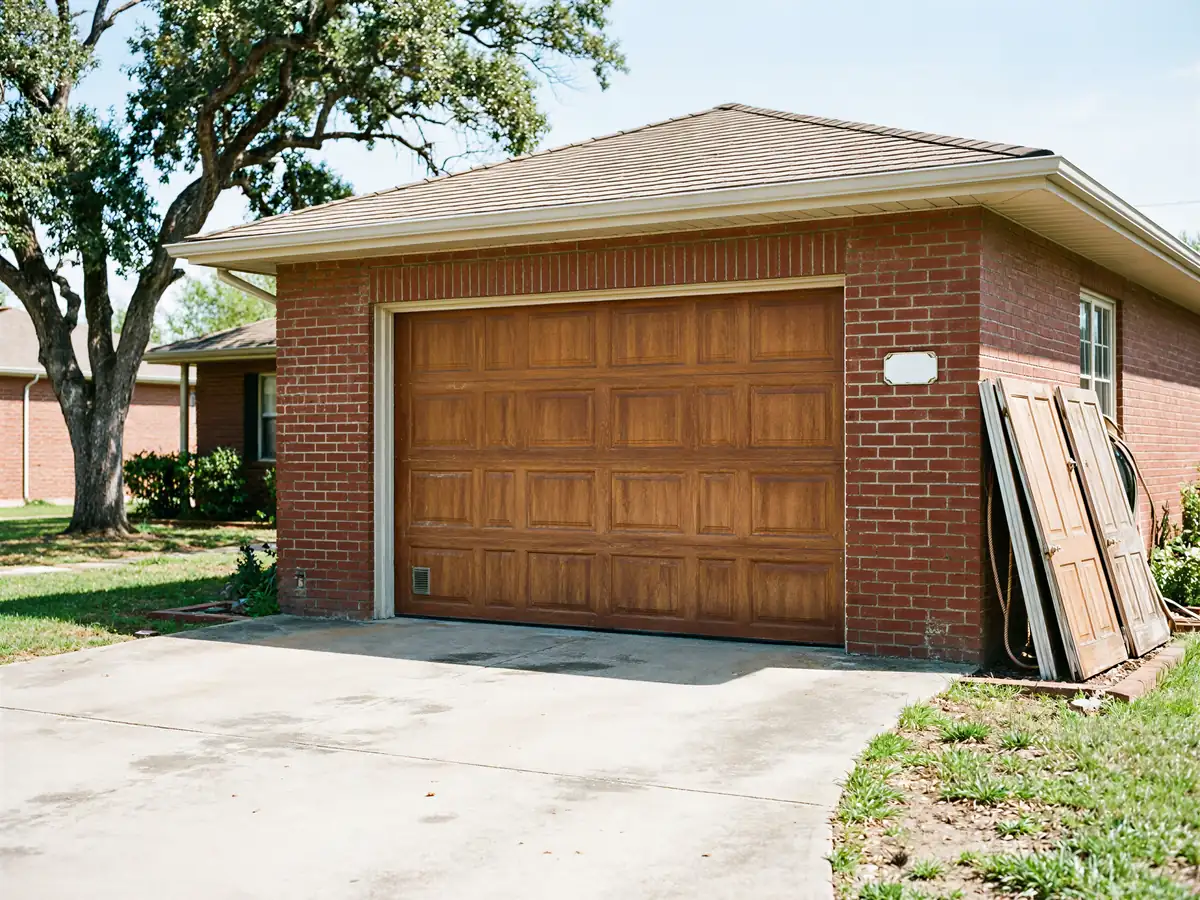
Which means a good share of them still carry the garage door hardware that came with the build - the original torsion spring, the original track, sometimes the original door panel itself. Forty-plus years is a long run for steel under daily tension, and when that hardware finally gives out, it's rarely just the spring. The track has usually worn with it, and the opener, if there is one, is often a second or third unit bolted onto first-generation mounting holes that don't match current brackets.
What that means for cost
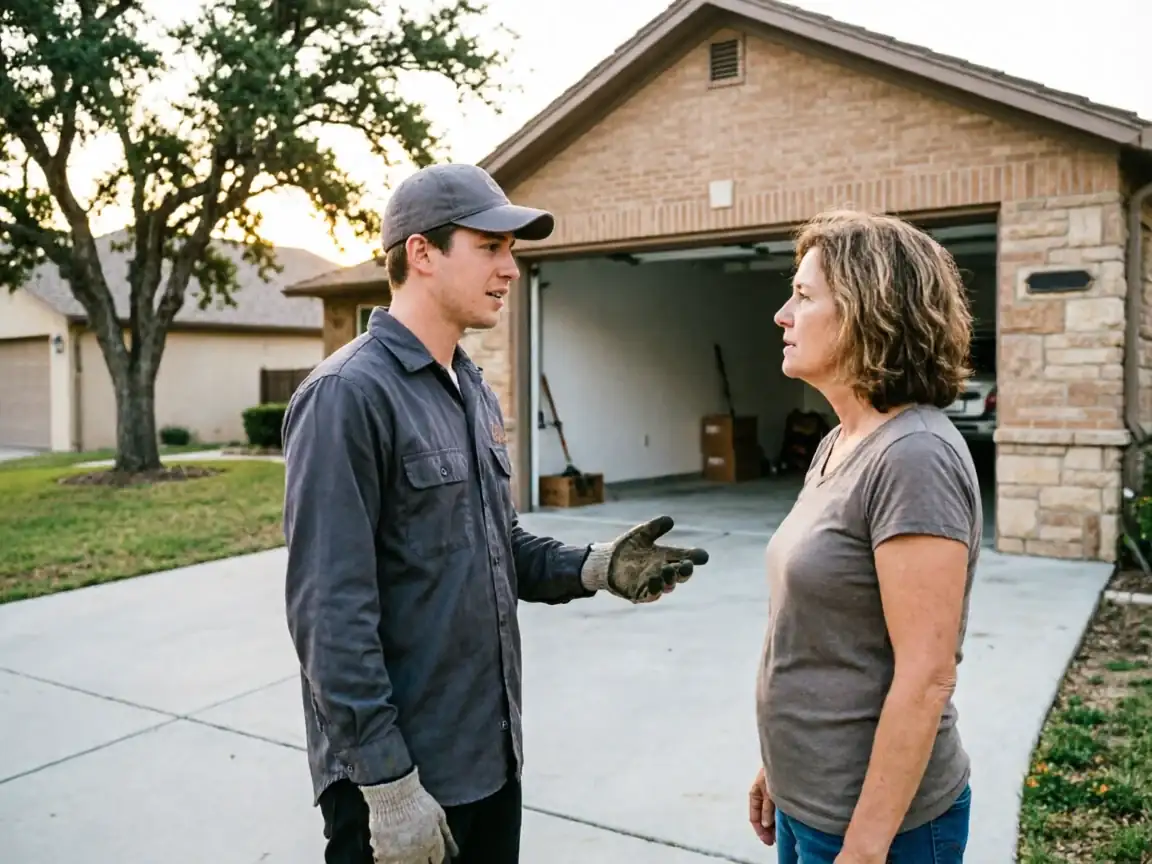
A straight swap - same size opening, new door, new springs, new track - runs cleaner and cheaper than a job where we also have to reframe or re-drill for hardware that was never standard to begin with. Waggaman's median household income sits at $59,566, below the wider service area's $67,099, and we size recommendations around that - we'll tell you plainly when a mid-grade steel door does the job and when it doesn't. We travel from Metairie, about 5 miles out, so there's no branch markup to build into the quote; the number reflects the door and the labor, not overhead.
- 5 miles
How It Shows Up
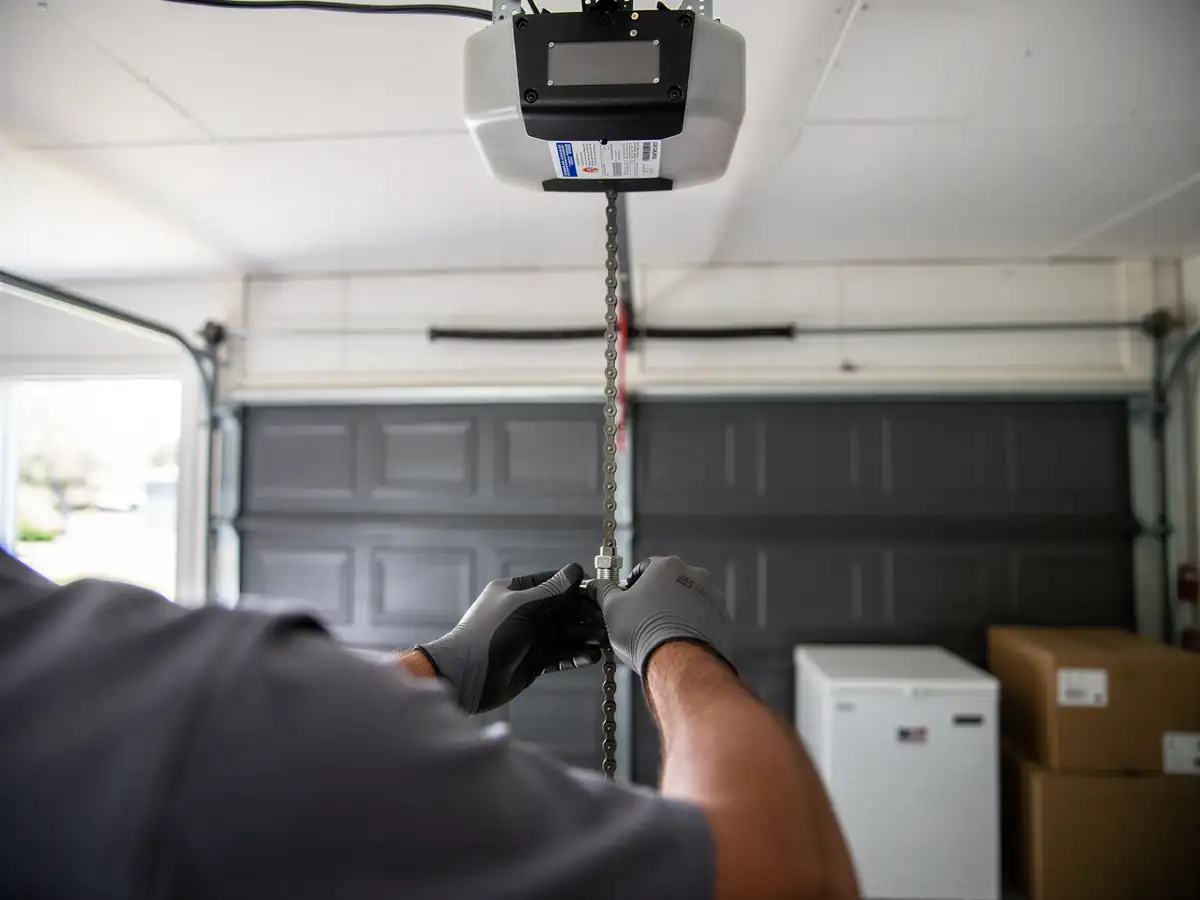
On a door this age, failure usually doesn't start with the door at all - it starts with the spring losing tension gradually, so the opener starts straining on lift, making a grinding or chain-slap noise before anything visibly breaks. If your door is original to a 1981-era build, that spring has likely never been replaced, and torsion springs in this climate band - mild, with occasional freeze - don't corrode fast, but they do fatigue with cycle count regardless of weather.
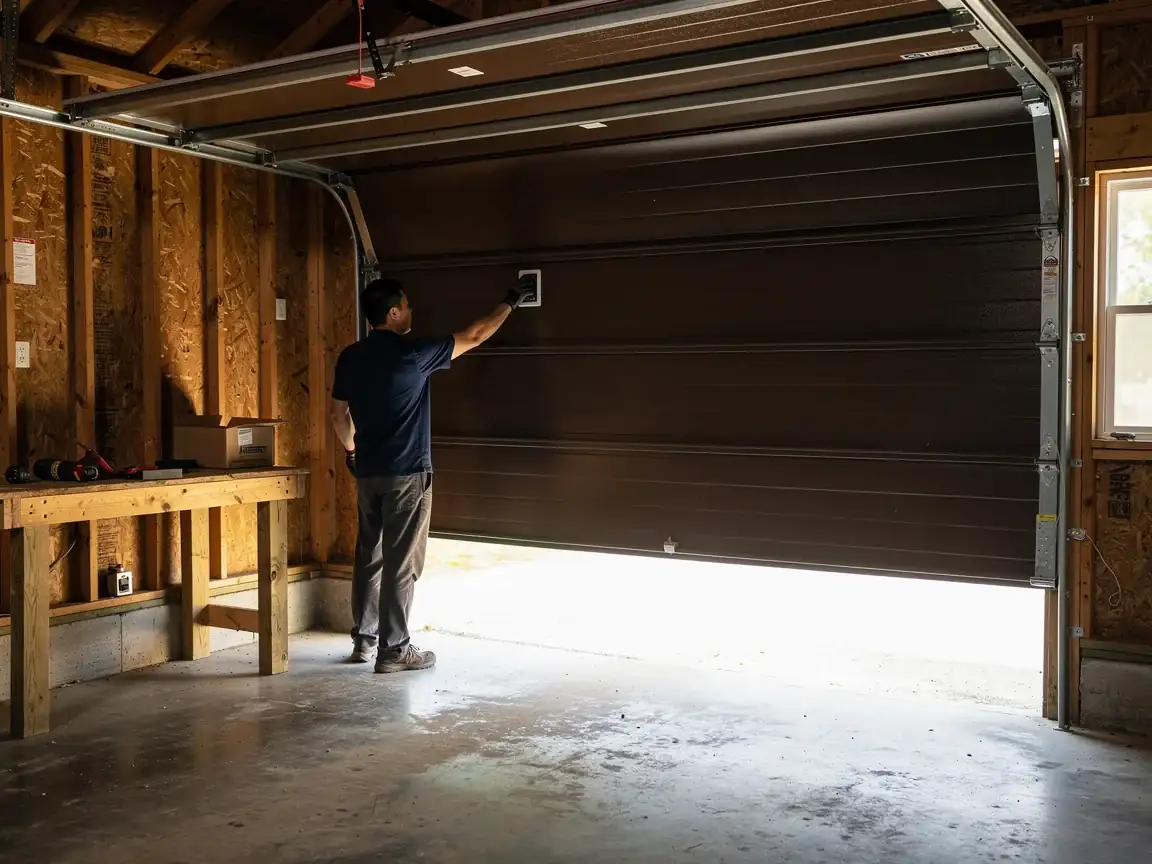
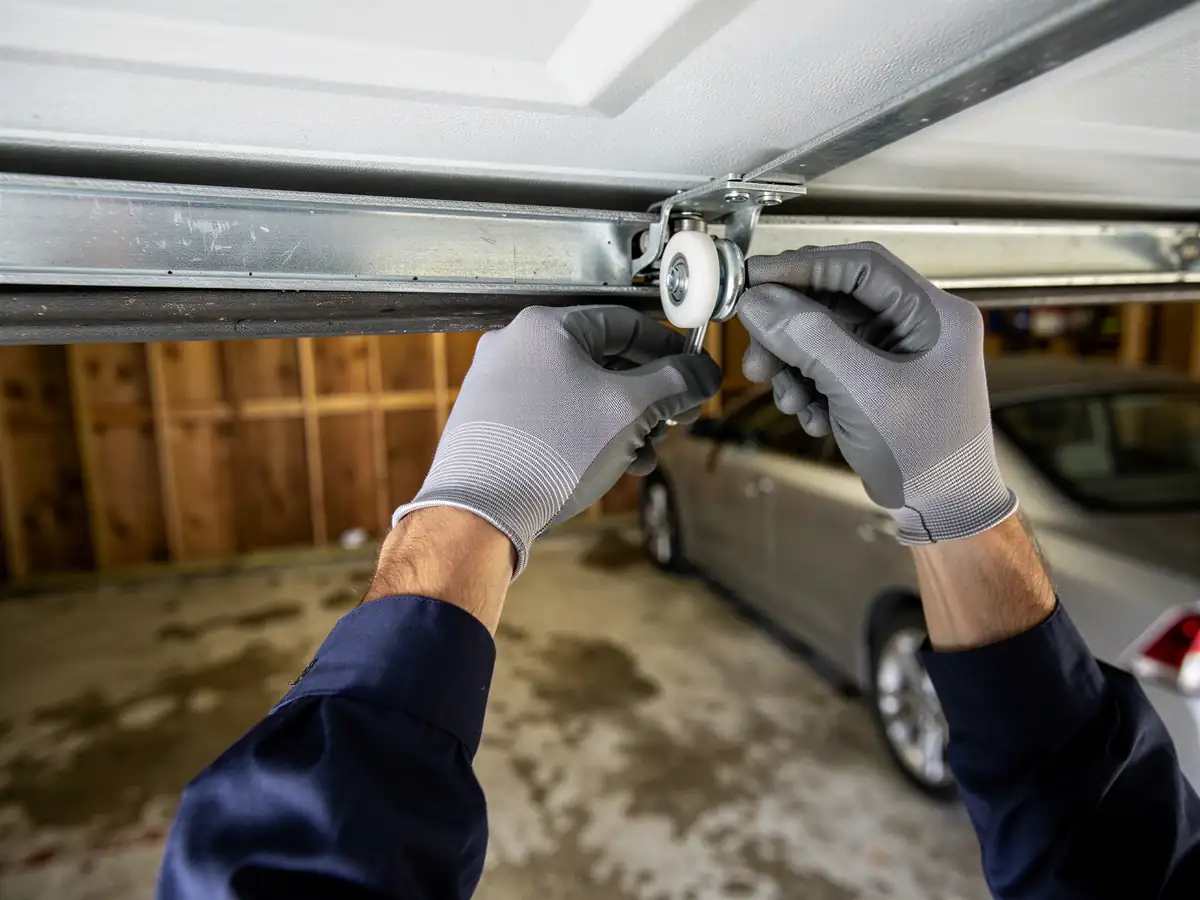
Another common sign: the door starts to hang unevenly, a half-inch lower on one side, because one roller or one section of track has worn faster than its twin. On older single-panel or early sectional doors common to this building era, that unevenness stresses the opposite cable too, which is how a one-sided problem becomes a two-sided repair if it sits for a few more months. If you're noticing any of this, it's worth having it looked at before the door comes down with someone's car underneath it.
Doing It Yourself
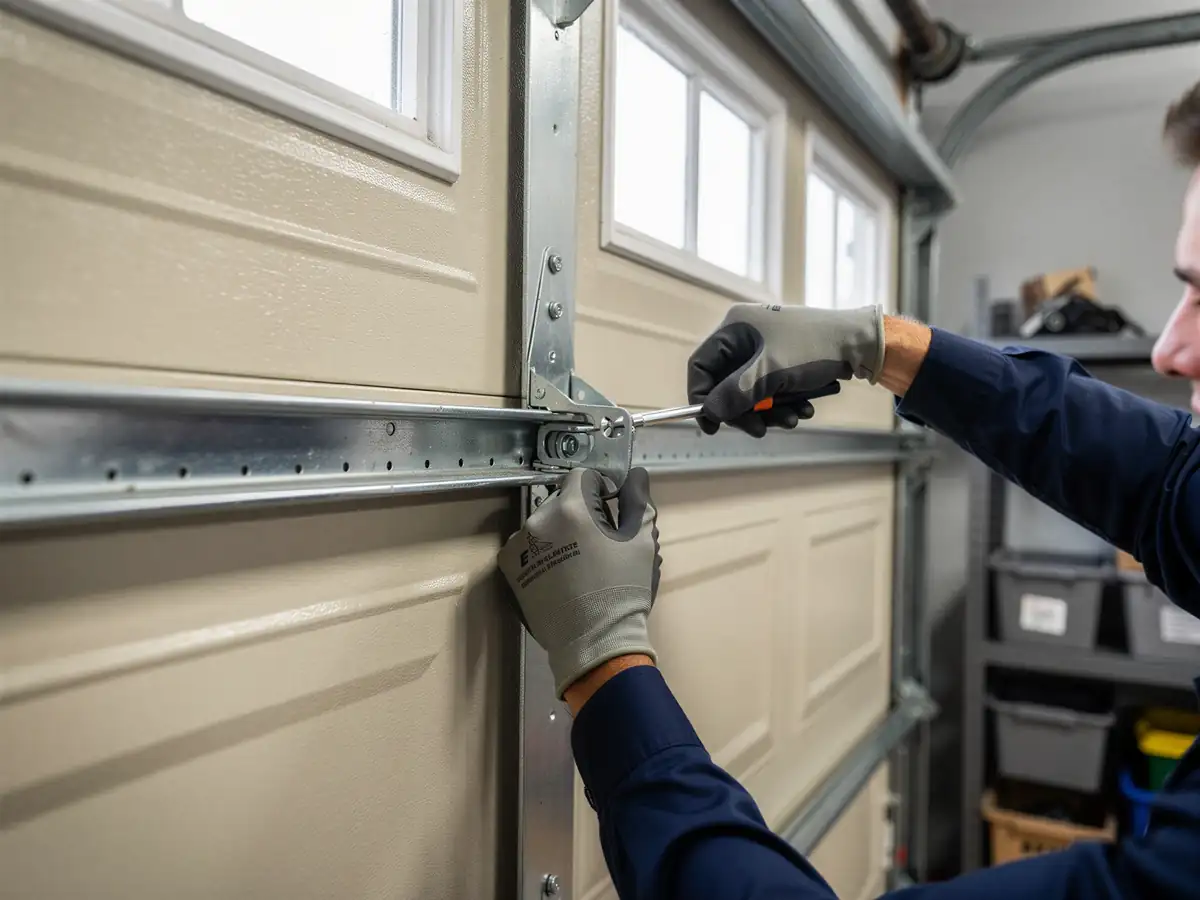
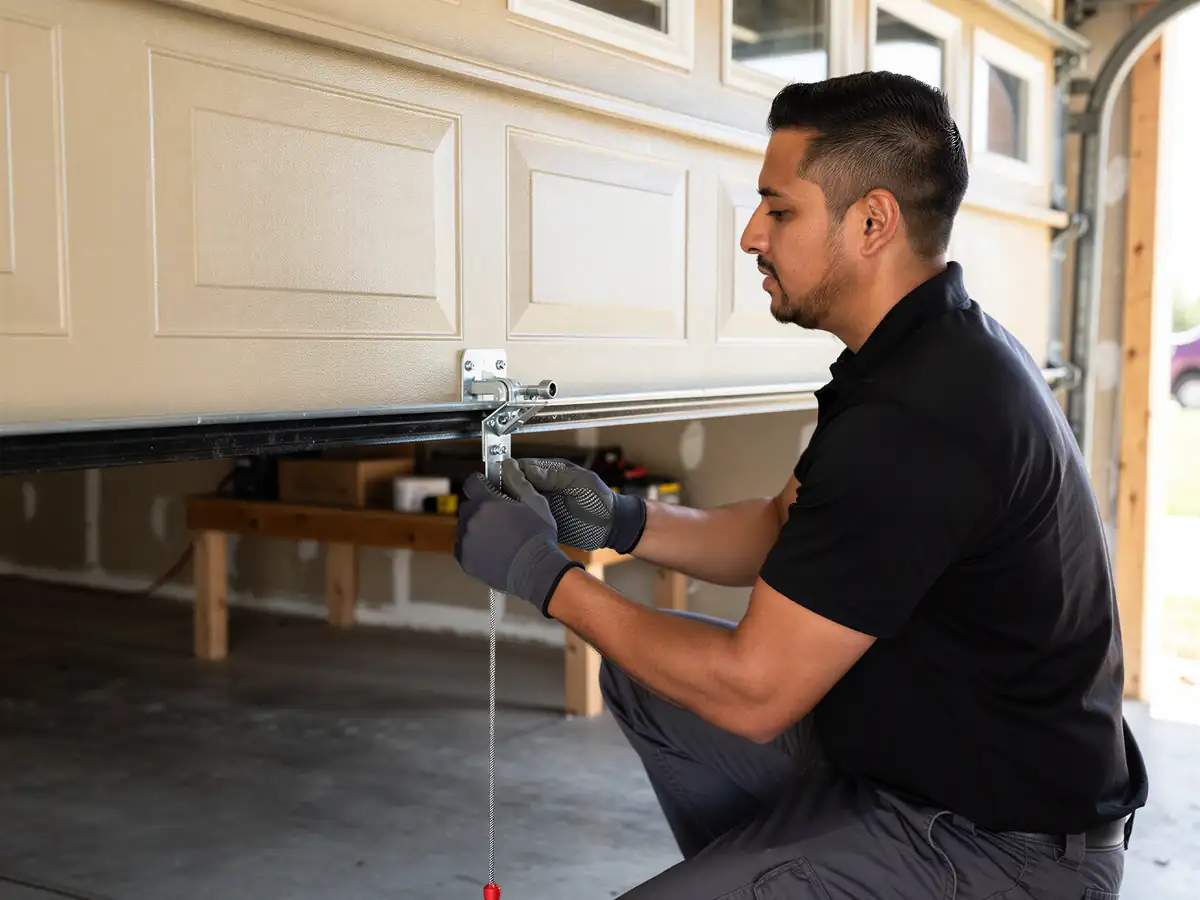
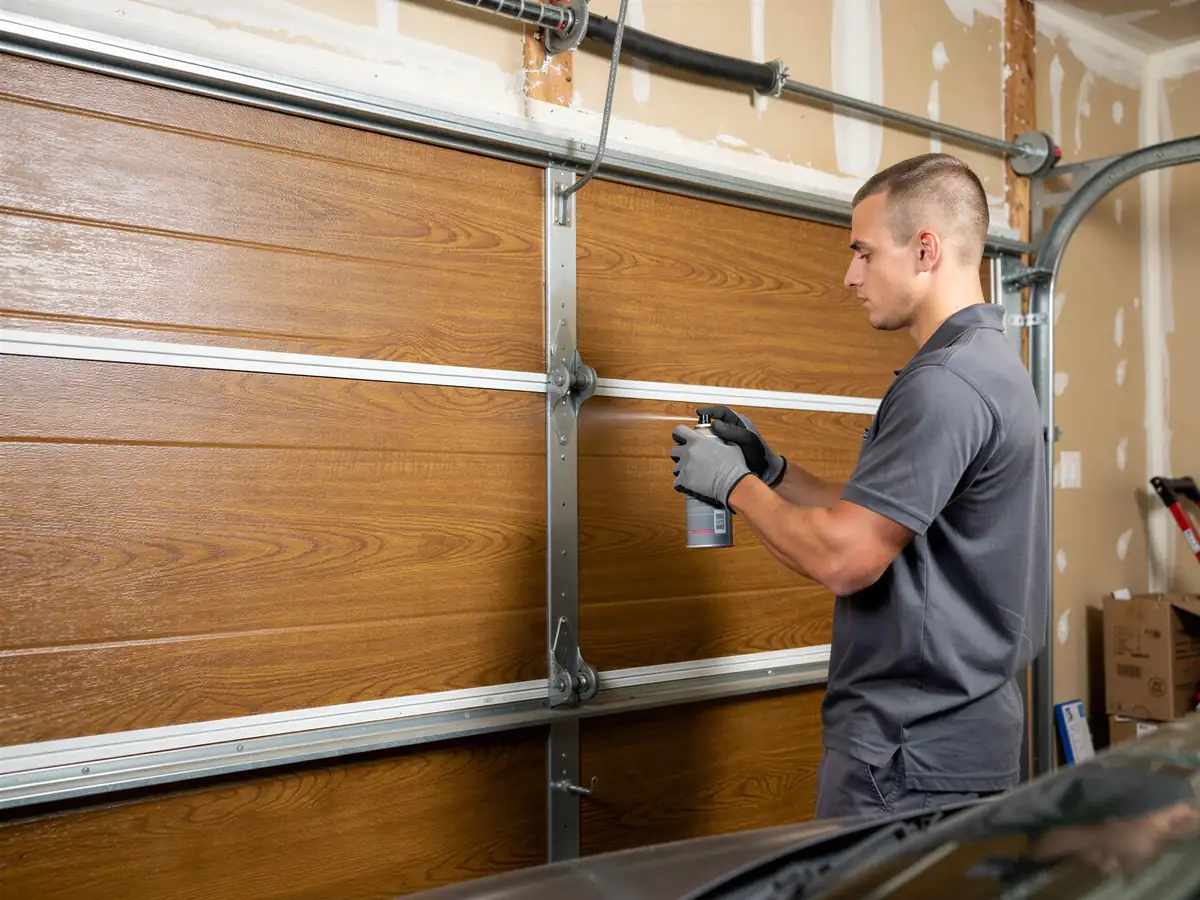
A lot of homeowners in Waggaman handle their own weatherstripping, roller lubrication, and tightening loose hinge bolts, and there's no reason not to - that's basic upkeep, not a job for a truck. Where we'd stop you: torsion springs are under real load and the wrong wrench slip has put people in the hospital. Same with track realignment on a door that's already sagging - pulling it back square without the right clamps can snap a cable mid-adjustment.
Honest limitation: if your door is original hardware from the 1981-ish build era and something's already failed, we're not going to tell you to DIY a fix on a system that old. Parts compatibility is the issue - a replacement roller or hinge bought off a shelf today often doesn't match the gauge or hole spacing of what's on the door, and forcing a mismatch just moves the failure point somewhere else. That's a call, not a weekend project.
Parts We Carry
For the newer stock mixed through Waggaman
Doors and openers installed in the 1990s and 2000s renovations - we carry common torsion springs, standard steel panel sections, and current-production opener units on the truck, so a lot of that work finishes in one visit. For hardware that matches the older 1981-era builds, we often need to order - galvanized track in older widths and some early bracket styles aren't stocked anywhere locally anymore, Waggaman included.
When we quote a full replacement instead of a repair
It's usually because the cost and wait on sourcing discontinued parts for a forty-year-old system outweighs just putting in a new door built to current standards. We'll walk you through both numbers before you decide. For ongoing service calls on an existing door rather than a full install, that's handled through our Waggaman service page, not this one.