Doing It Yourself
Before you call anybody, check the obvious
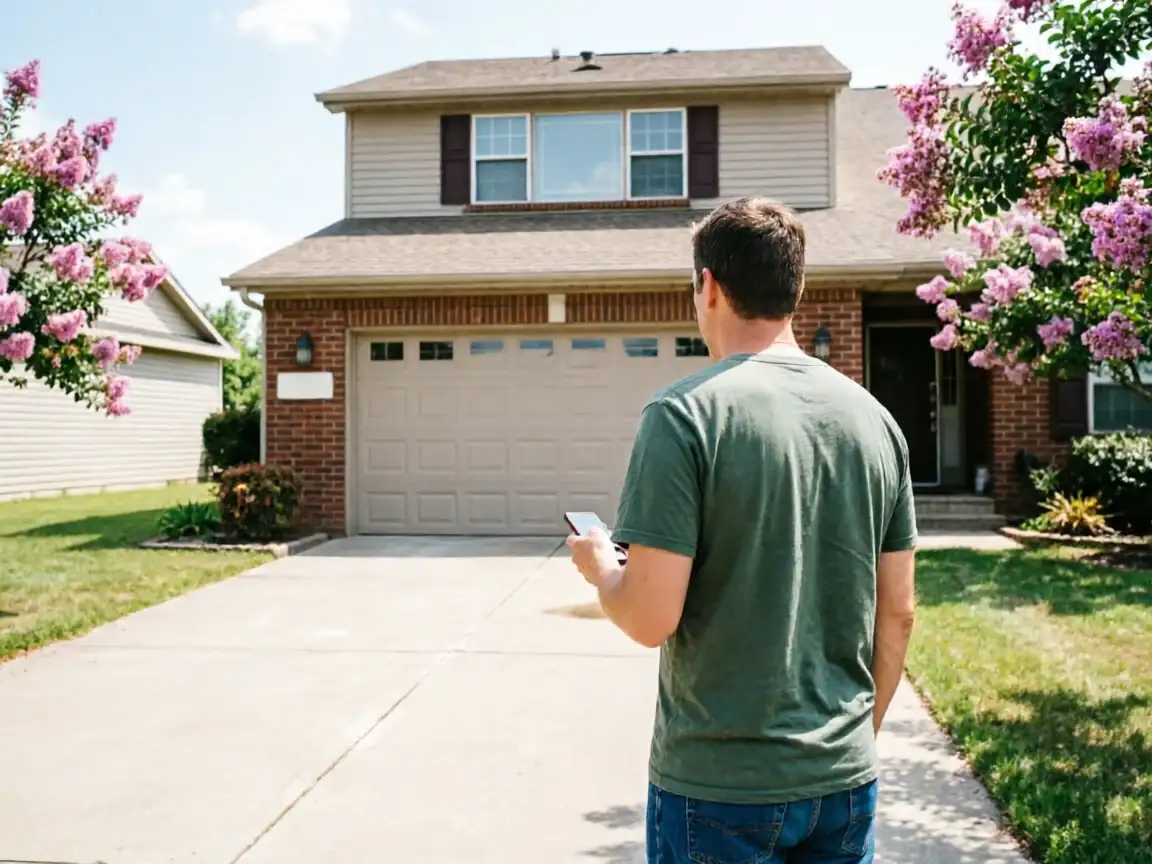
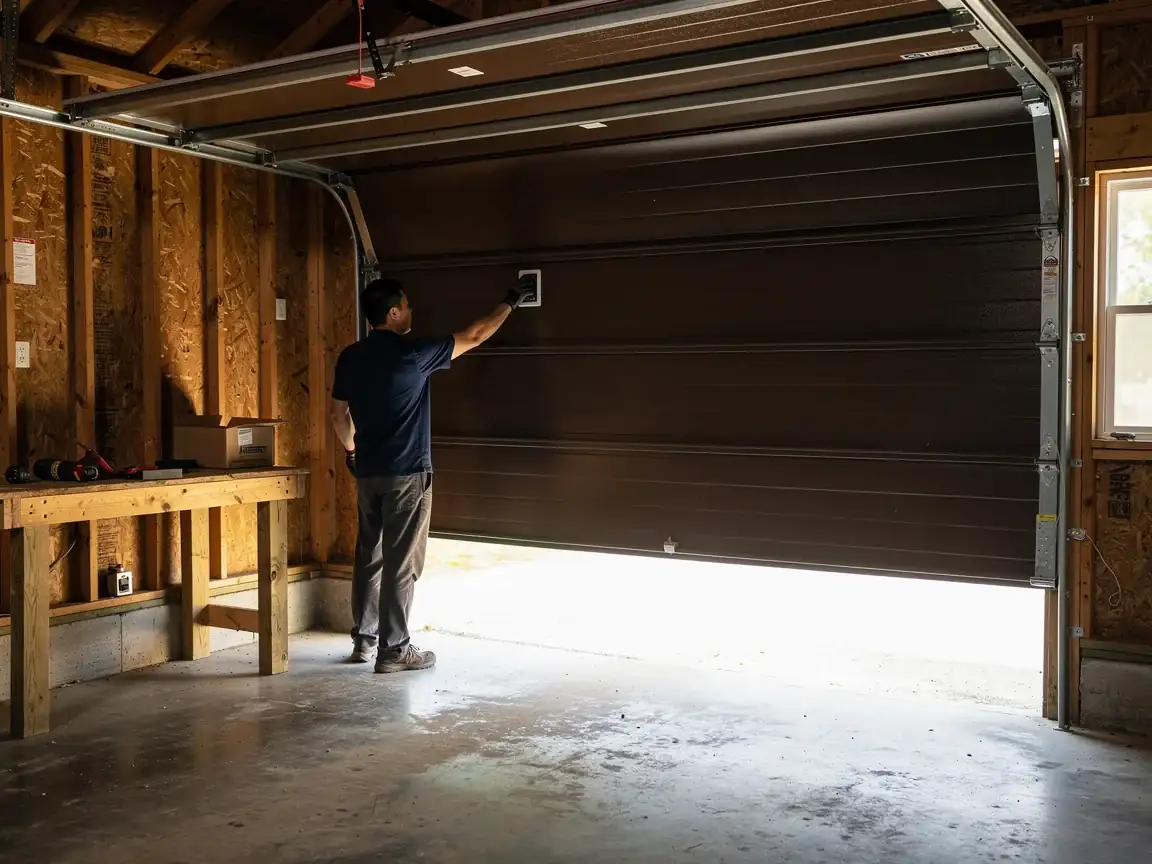
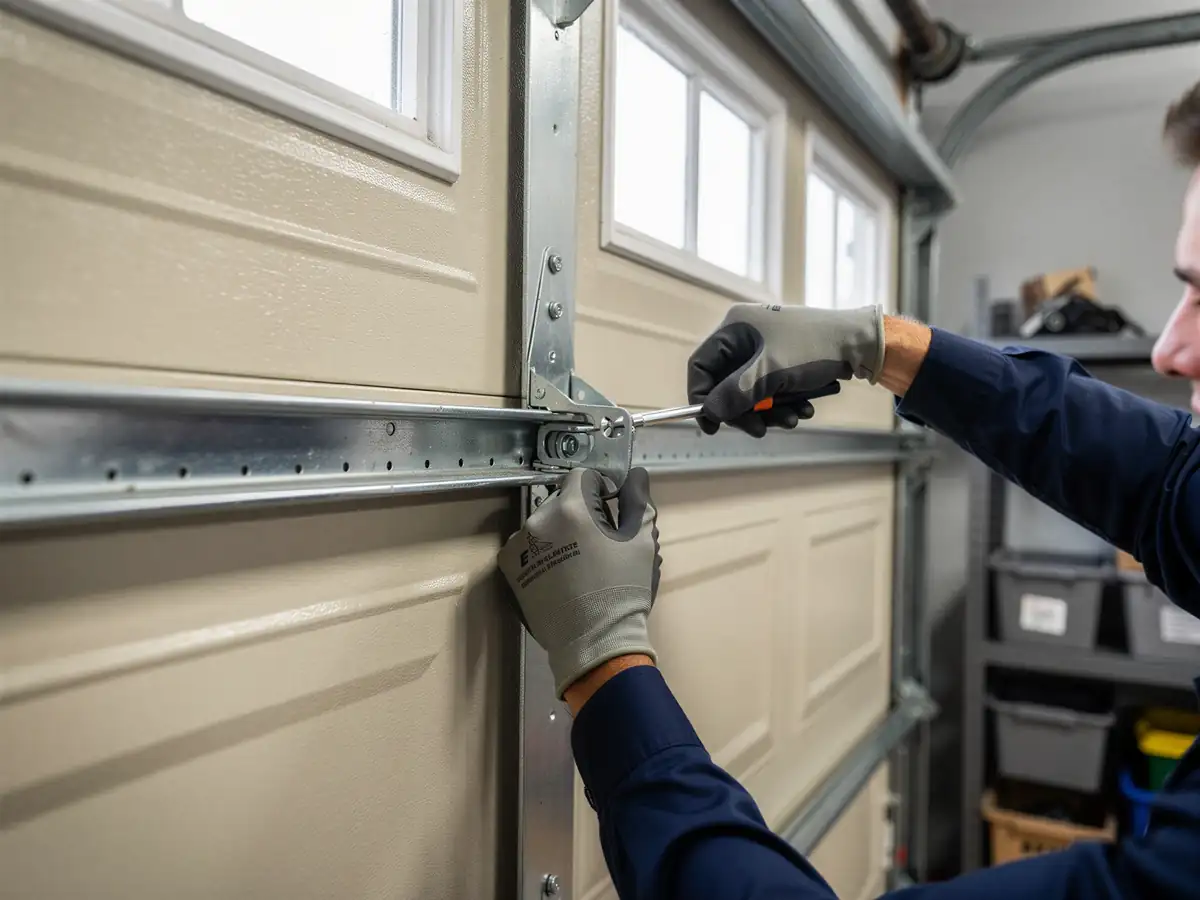
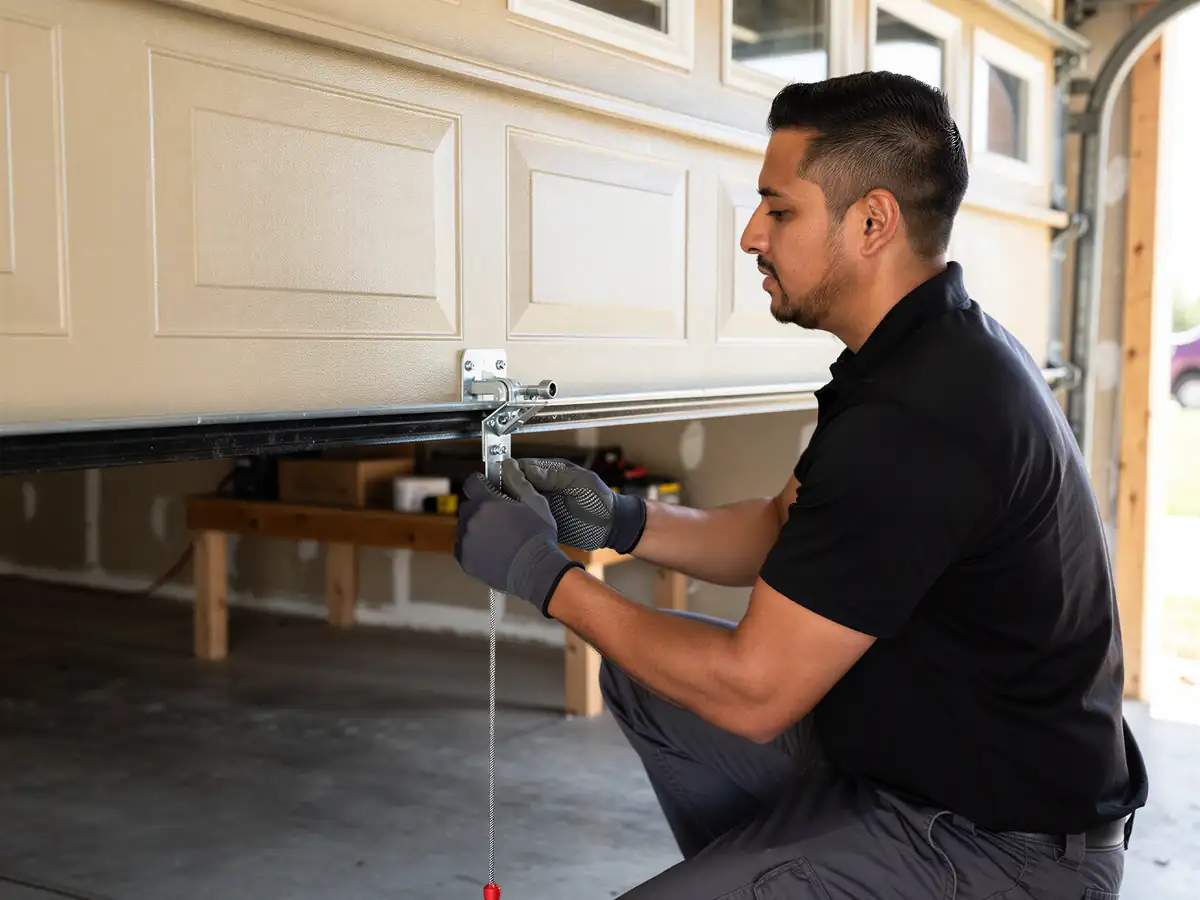
Is the wall switch getting power - try a lamp in the same outlet. Look at the safety sensors near the floor on each side of the track; a lot of opener complaints turn out to be one sensor knocked out of alignment or caked in dust, and the opener won't run at all if it thinks the beam is blocked. Pull the manual release cord and see if the door itself moves freely by hand. If it's heavy or binds partway, the problem probably isn't the opener - it's the door, and running the opener against that resistance is what burns out a motor or strips a gear.
We travel the five miles from our Metairie shop for opener calls in Kenner
So it's worth five minutes of your own time first. Reset the opener by cycling the breaker. Check that the remote batteries aren't the actual issue - more calls than you'd think end there. What you shouldn't do is open the motor housing yourself or mess with the force or limit screws without knowing what they do; get those wrong and the door either won't close fully or slams down with real force behind it.
How It Shows Up
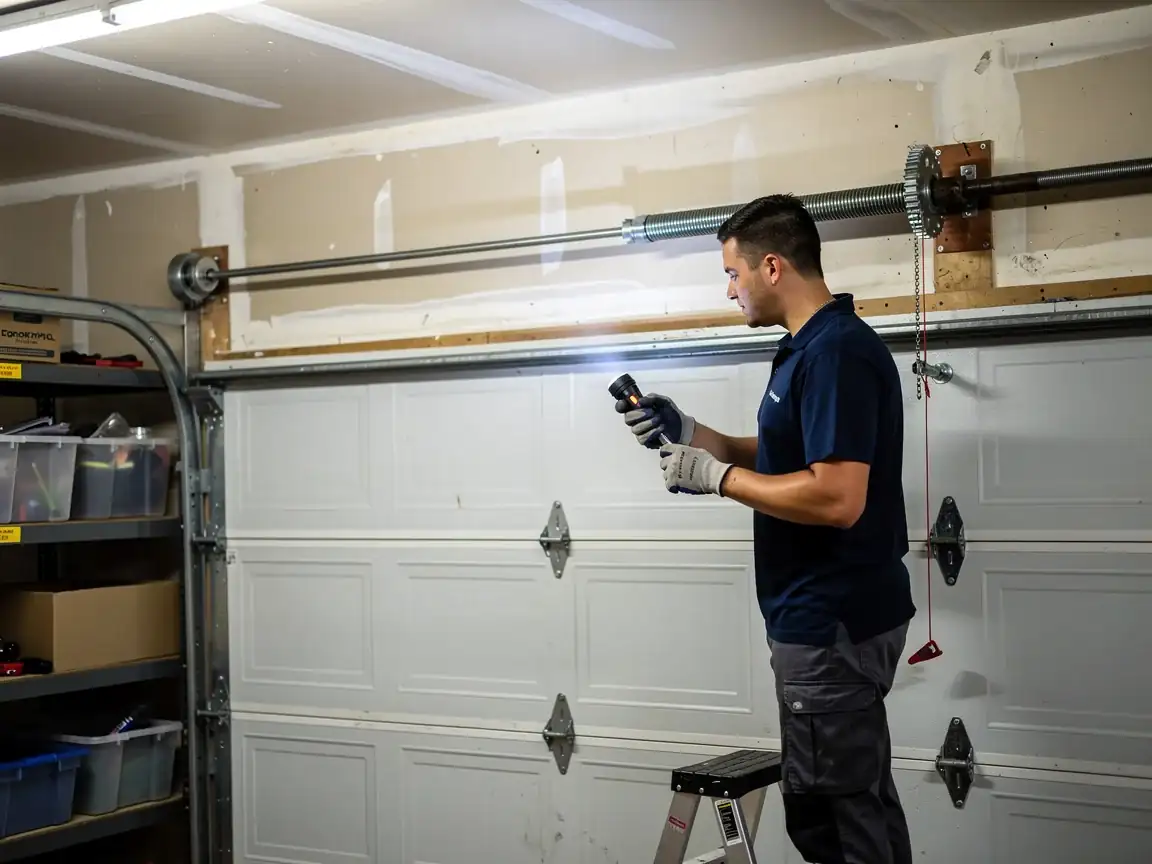
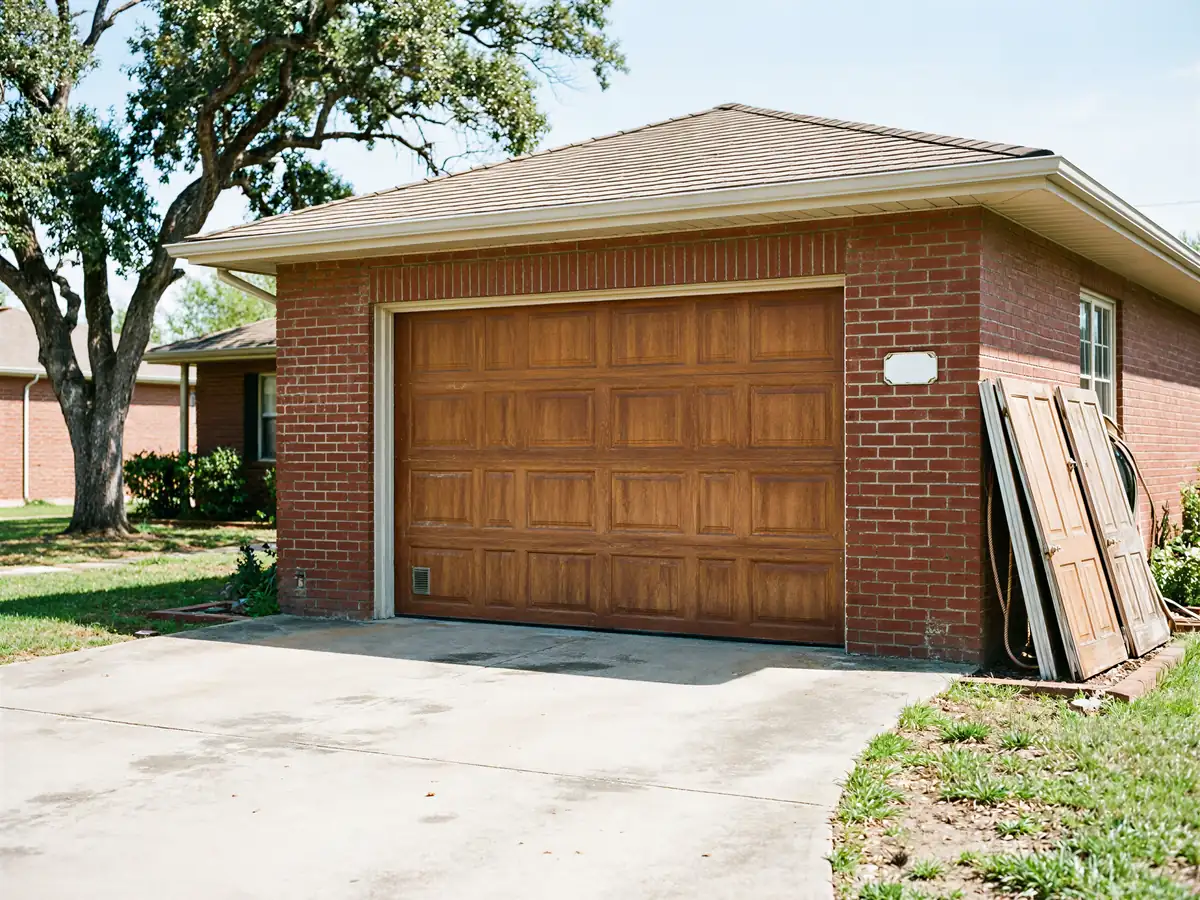
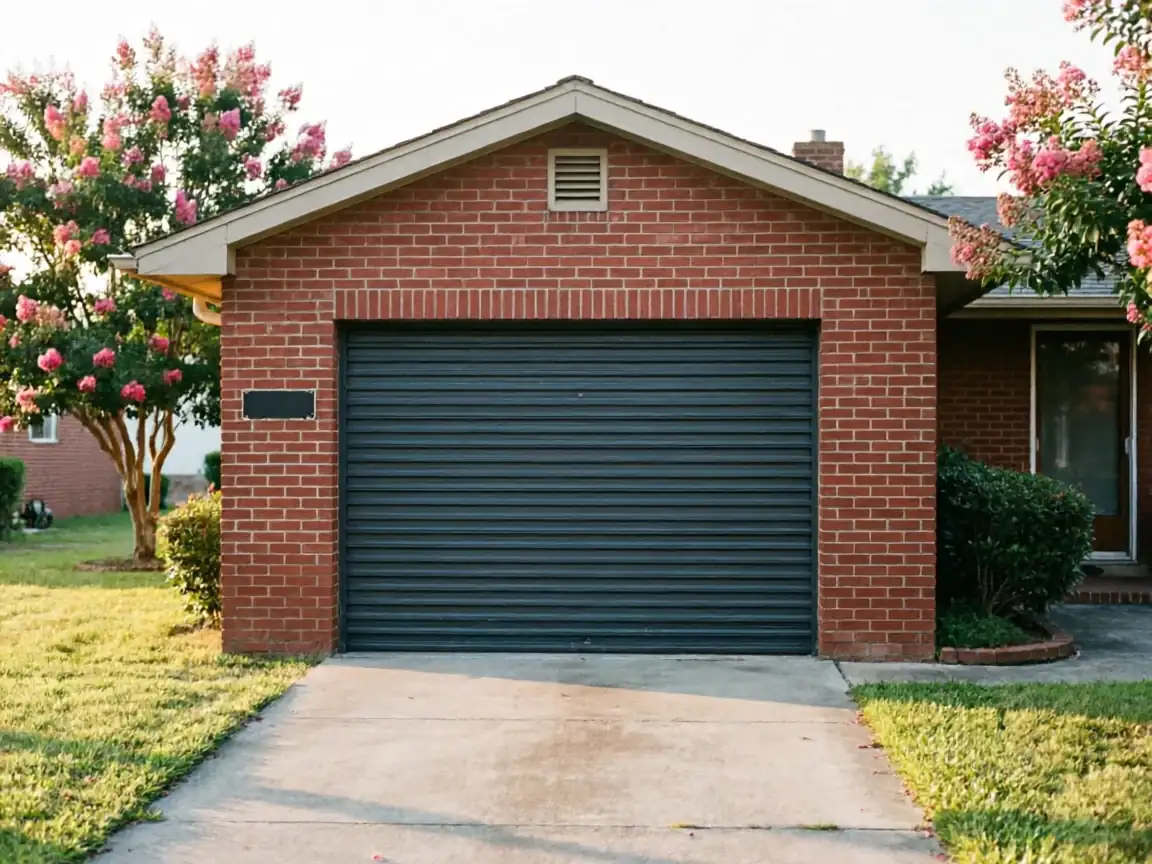
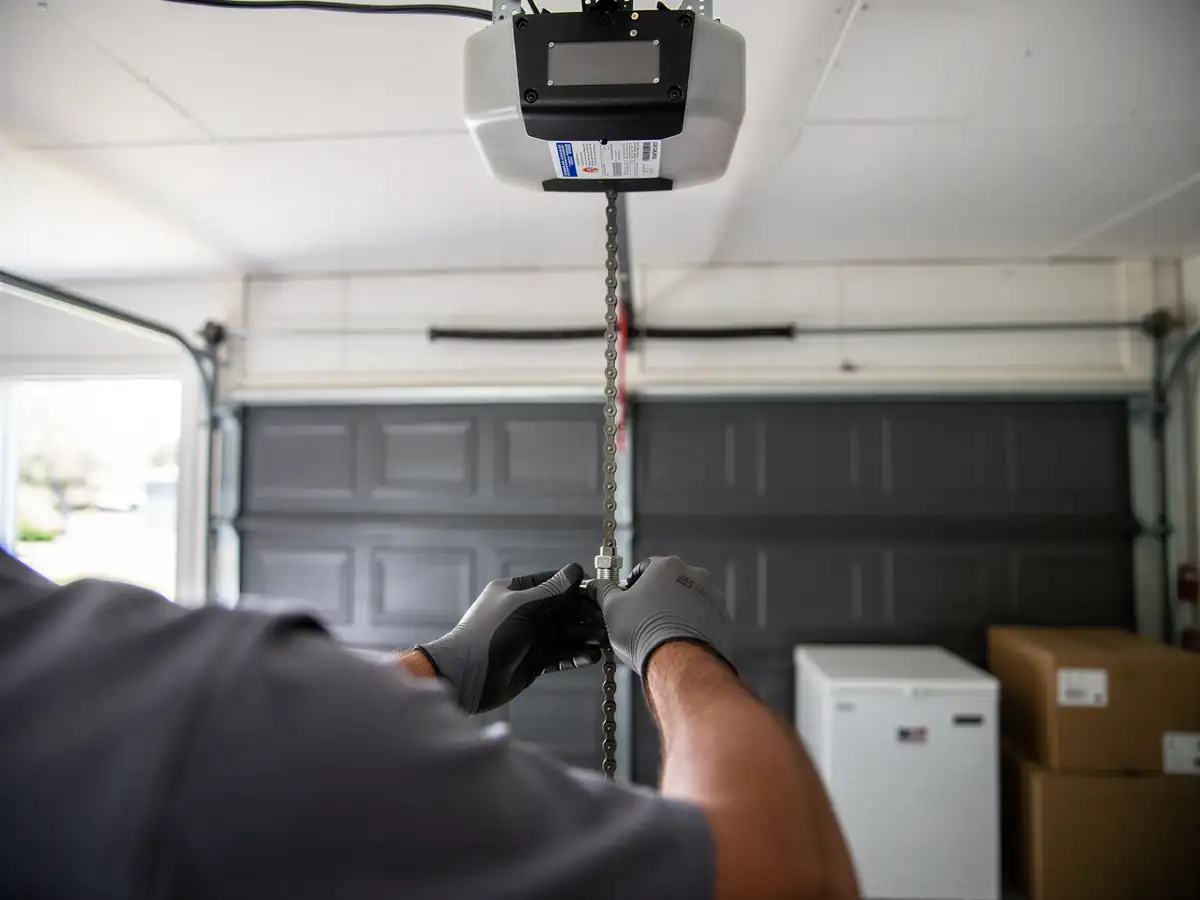
The median house in Kenner went up in 1977, a few years ahead of the 1980 median for the wider service area, which means a lot of openers here are second- or third-generation replacements on original chain-drive track. The complaint we hear most is the carriage running but the door not moving - a worn drive gear or a snapped chain link. After that, it's openers that respond to the wall button but not the remote, or respond for a few feet and then reverse, which usually traces back to sensor alignment or a limit switch that's drifted out of adjustment over the years.
Some houses still have openers old enough that they lack rolling-code remotes entirely, which is a safety and security issue on its own, separate from whether the motor still runs. When a logic board starts going, you'll usually see it as intermittent behavior before it's full failure - works today, dead tomorrow, works again the next day. That pattern is worth paying attention to rather than waiting out.
What Causes It Around Here
This area sits in a mild climate band with occasional freezes, not the deep-freeze cycling that cracks plastic gears up north, but enough humidity swing year-round to work moisture into unsealed circuit boards and corrode contact points inside older opener housings. Combine that with housing stock largely from the 1980s and 90s across the broader service area, and you get a lot of openers original to the house or close to it, well past the point where replacement parts are easy to source.
The other driver is simple duty cycle. A chain-drive opener installed decades ago wasn't built with today's remote-use patterns in mind - multiple drivers, keypad entries, smart-home tie-ins pulling extra current through old wiring. None of that is dramatic on its own, but it adds up faster on a board and motor that are already past their expected service life.
Parts We Carry
For Kenner calls we carry what fits the housing stock here
Logic boards and circuit boards for the chain-drive and screw-drive openers common on houses built before 1980, replacement drive gears and sprockets, safety sensor pairs, wall console buttons, and standard remotes including rolling-code units for houses still running old fixed-code systems. We also stock the drive chains and belts that wear out on original track.
We don't carry every board for every obsolete model
Some opener brands stopped making parts for units from this era years ago, and when that's the case, we'll tell you straight that special-order parts can take a week or more, or that replacement makes more sense than chasing a part nobody stocks. That's not us upselling - it's the honest math on a motor that's already outlived its expected run.
The Cost of This Job
What an opener repair runs in Kenner depends on what's actually wrong - a sensor realignment and a logic board swap aren't the same job, and a chain-drive unit needing a new gear kit is cheaper than one needing full board replacement. We don't post a flat number here because guessing at a price before seeing the opener does nobody any favors; a tech needs to see what's failing before a number means anything.
What we can tell you is that replacement usually becomes the better math once a board, the motor, and the drive gear are all going at once on a unit this old - at that point you're patching a system close to the end of its life rather than fixing one part. We'll give you that read on-site, not over the phone, because the only honest estimate is one based on what's actually in front of a tech.