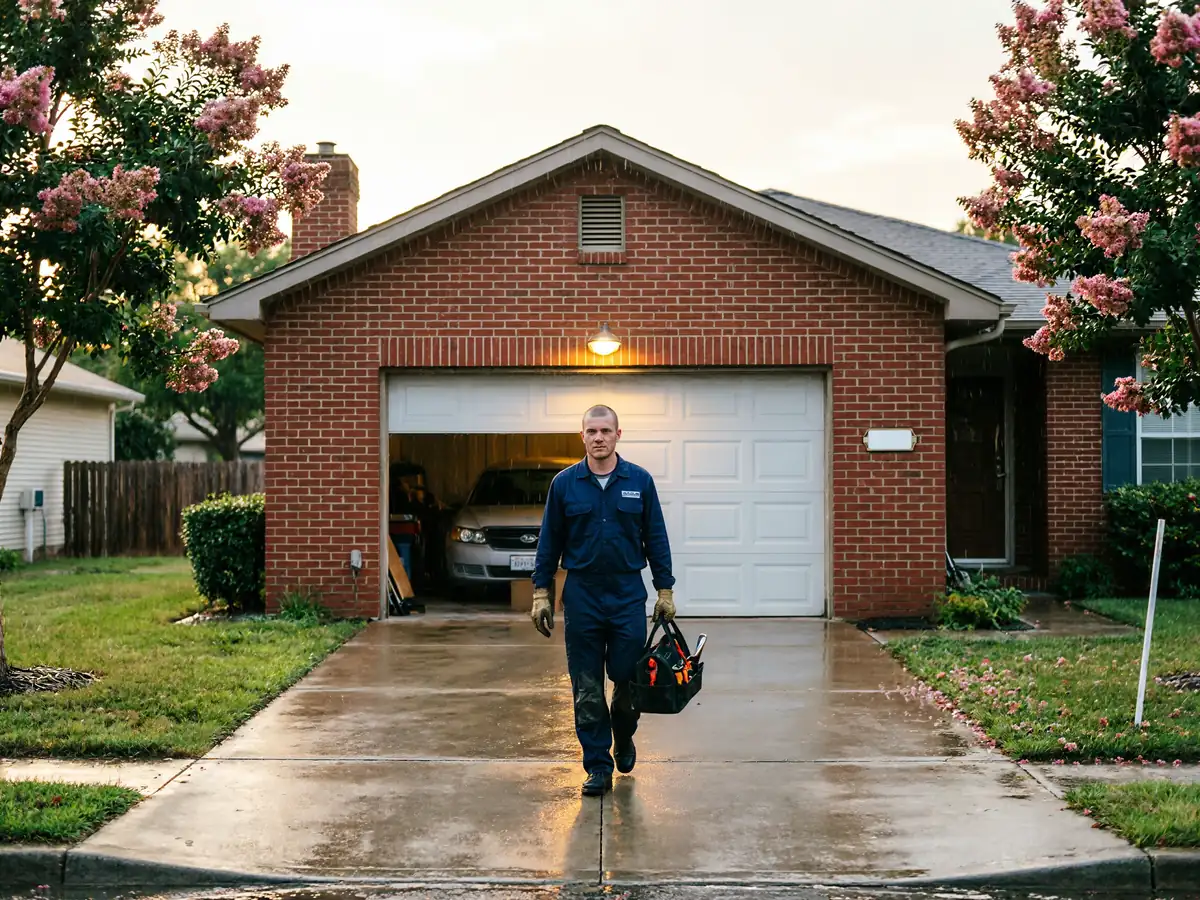
How It Shows Up
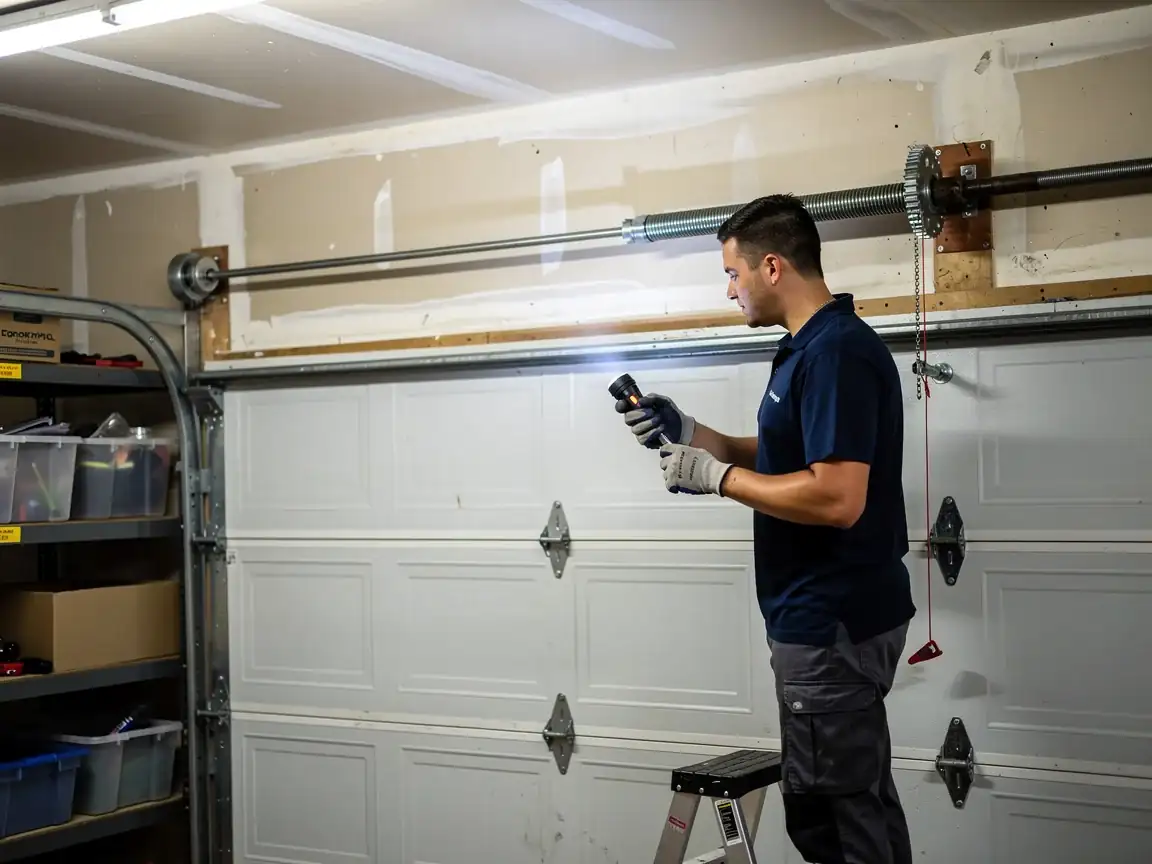
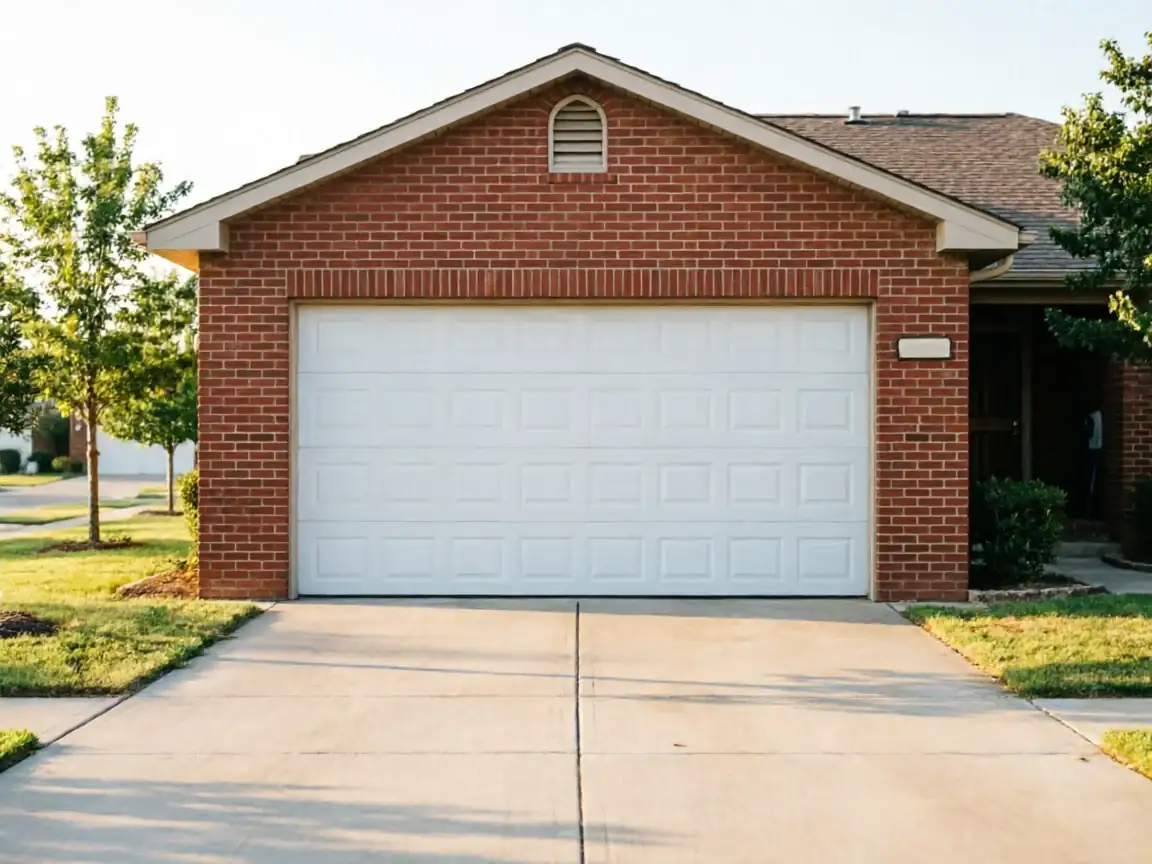
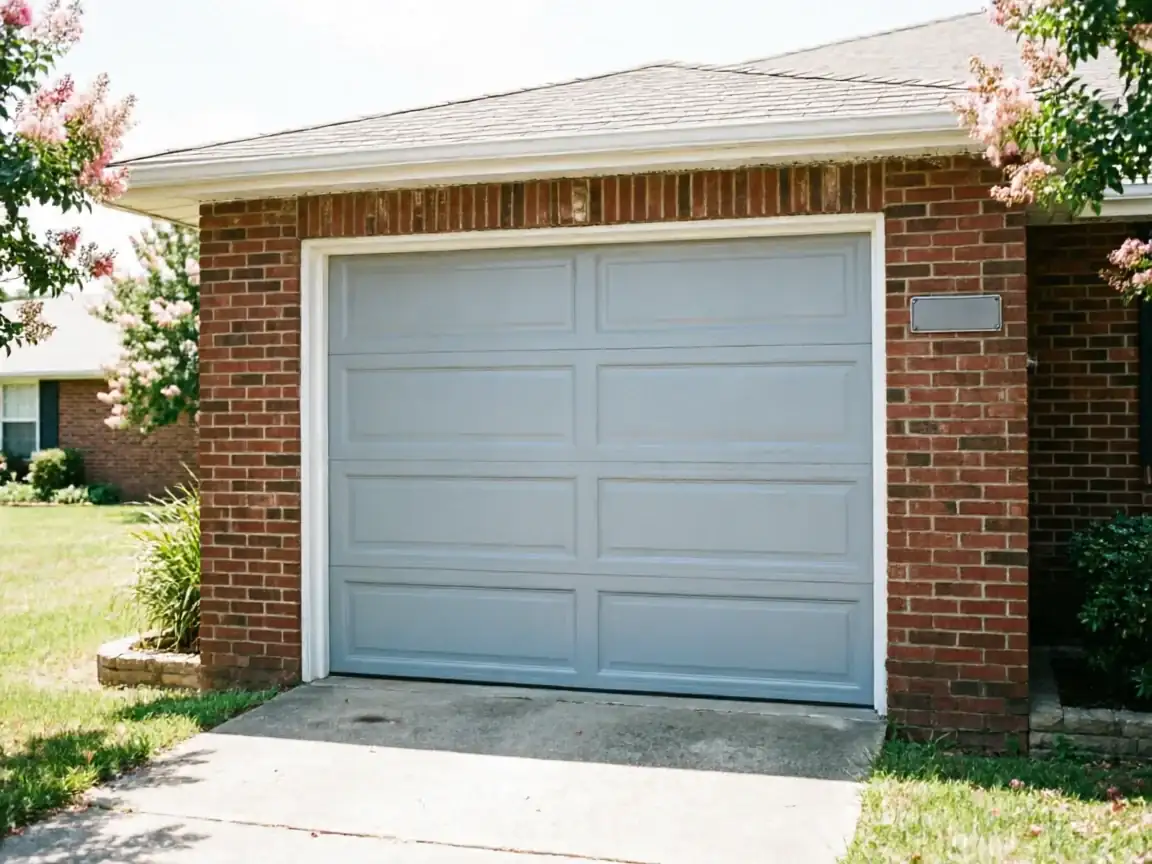
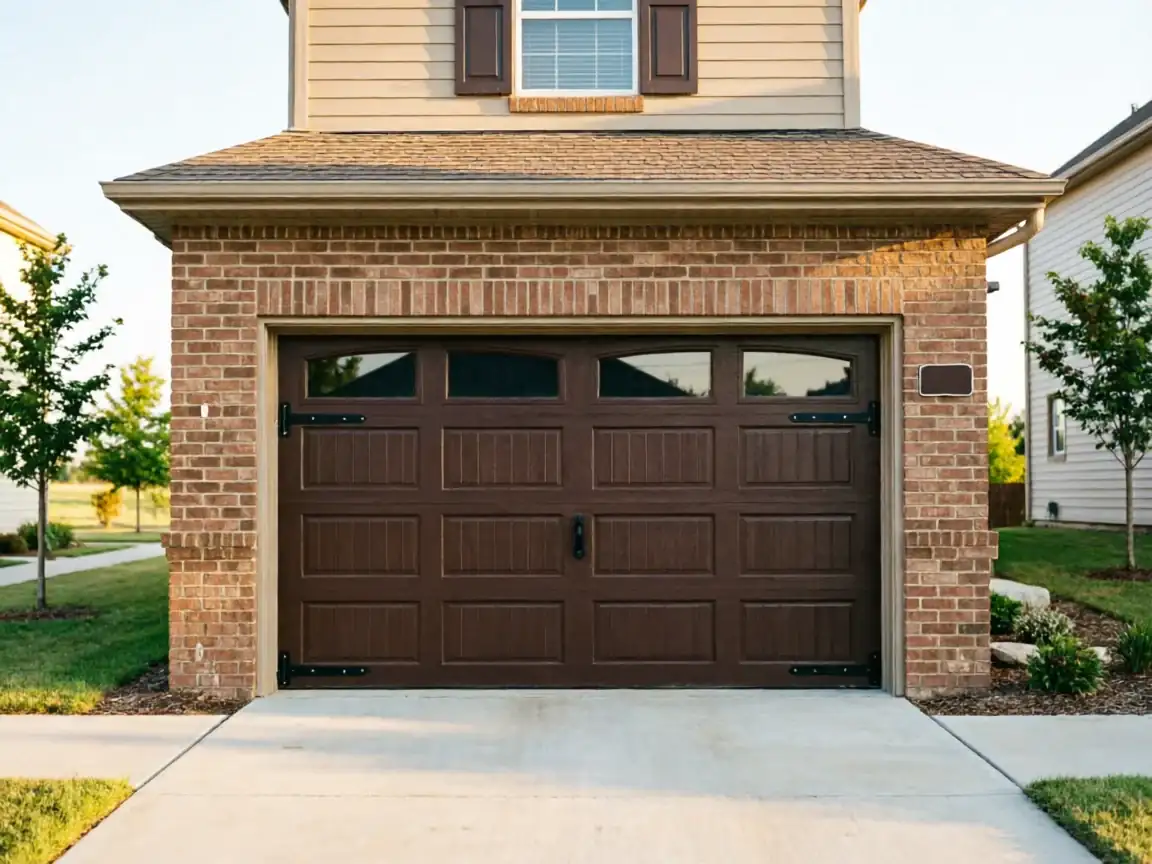
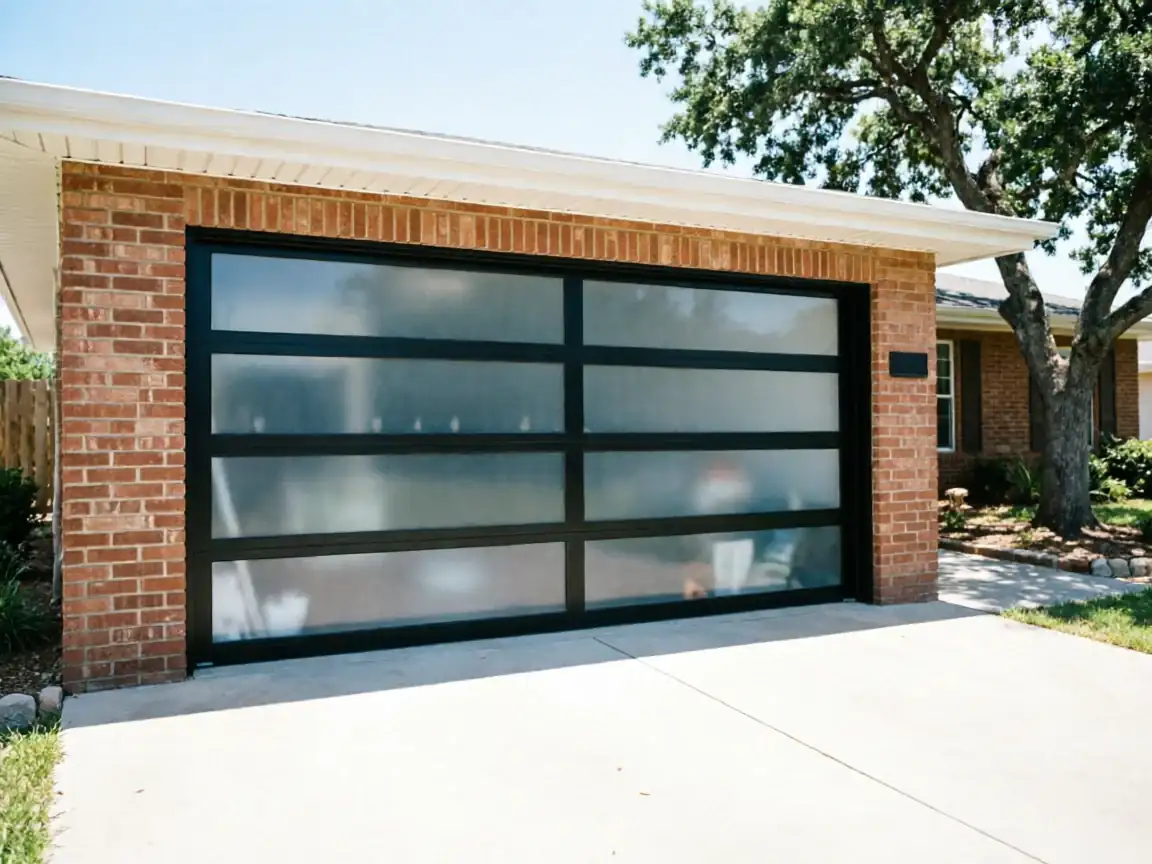
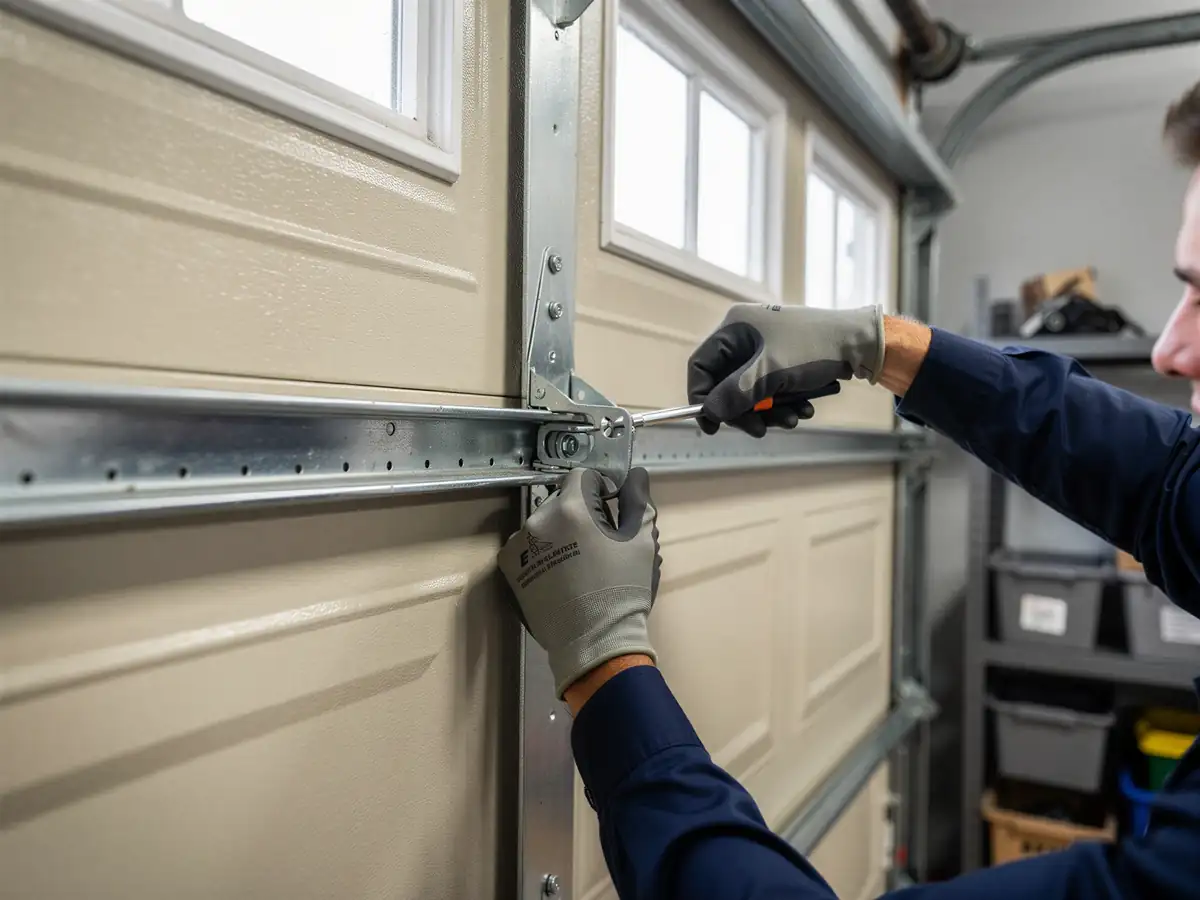
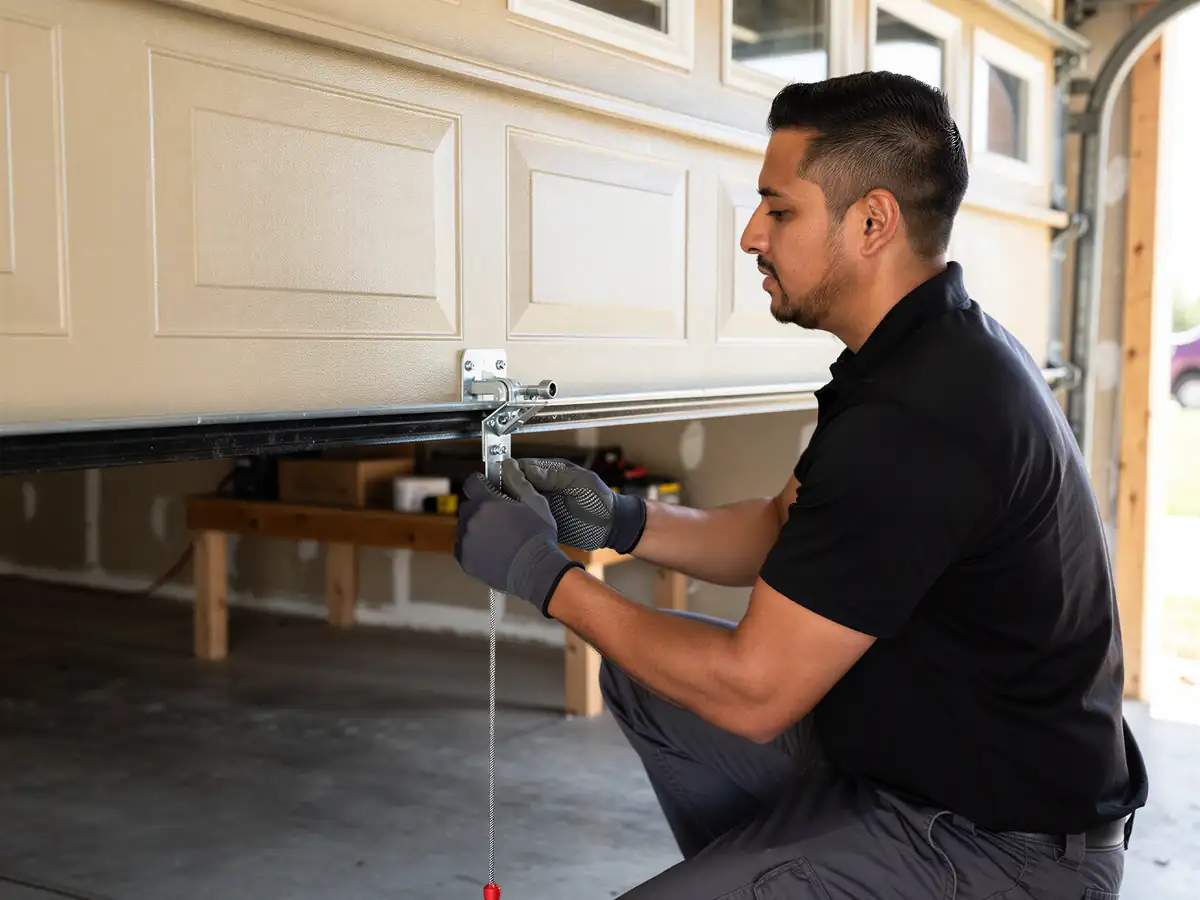
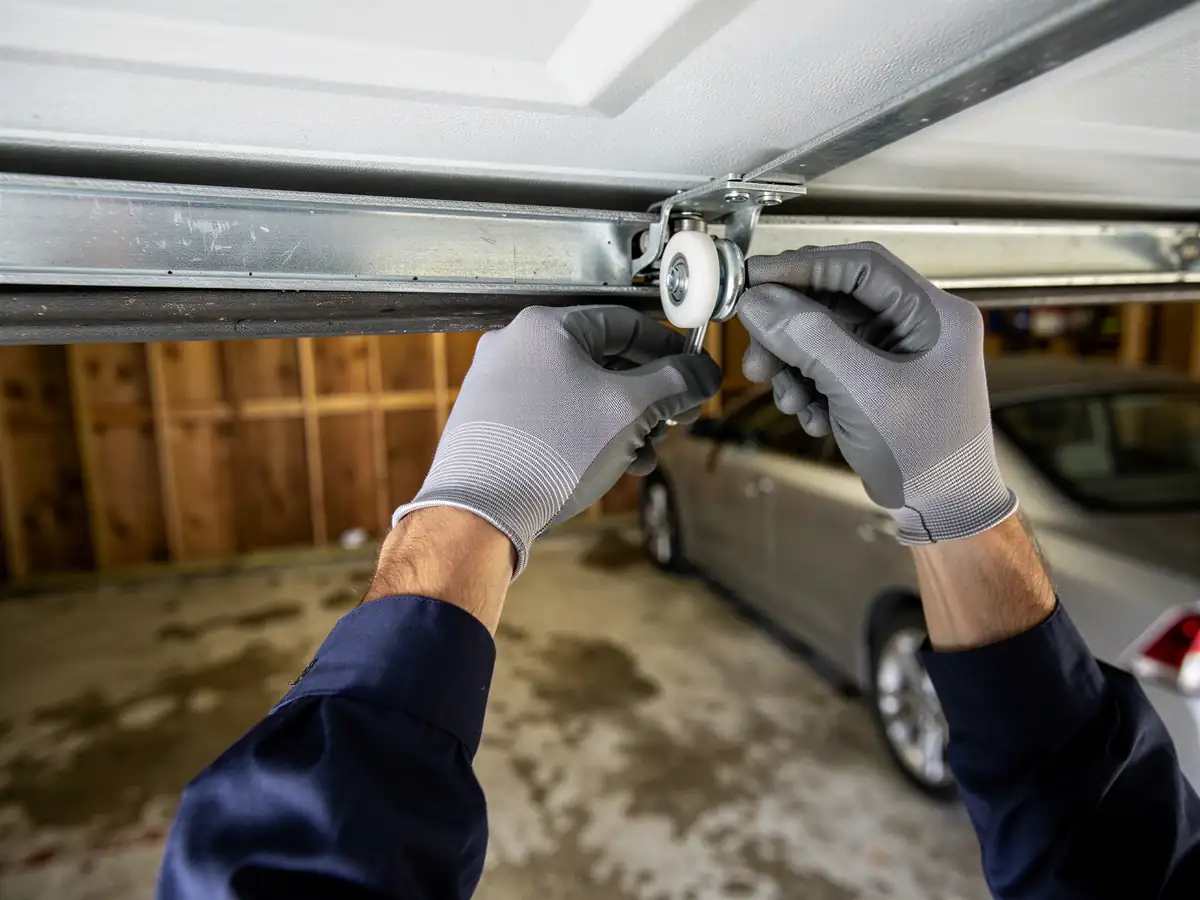
On a door from the late 1970s, failure rarely comes out of nowhere. The torsion spring that's been doing its job for four decades starts making a flat clunk when the door opens, then one day it snaps mid-cycle and the door drops hard or won't budge. Rollers on original hardware grind and stick before they seize. Cables fray at the drum first, so you'll see frizzy strands before a full break. With steel panels of this era, rust usually starts at the bottom panel where water sits, working up through the seam until the panel bows. None of this is subtle once you know to look for it - the door groans before it quits.
What Causes It Around Here
The climate band covering this area is mild with occasional freeze risk, which sounds easy on hardware compared to a true winter market - but humidity does its own damage over a 1977-era door's lifespan. Galvanized coating on original springs and cable wears thin over decades of damp air, and once it's gone the steel underneath rusts from the inside of the coil out, which is why a spring that looks fine can fail without warning. Daily cycling matters too. With roughly 25,657 households in Kenner, a good share of these garages see two or more open-close cycles a day, and hardware rated for a certain cycle count in 1977 has long since logged more trips than it was built for.
The Cost of This Job
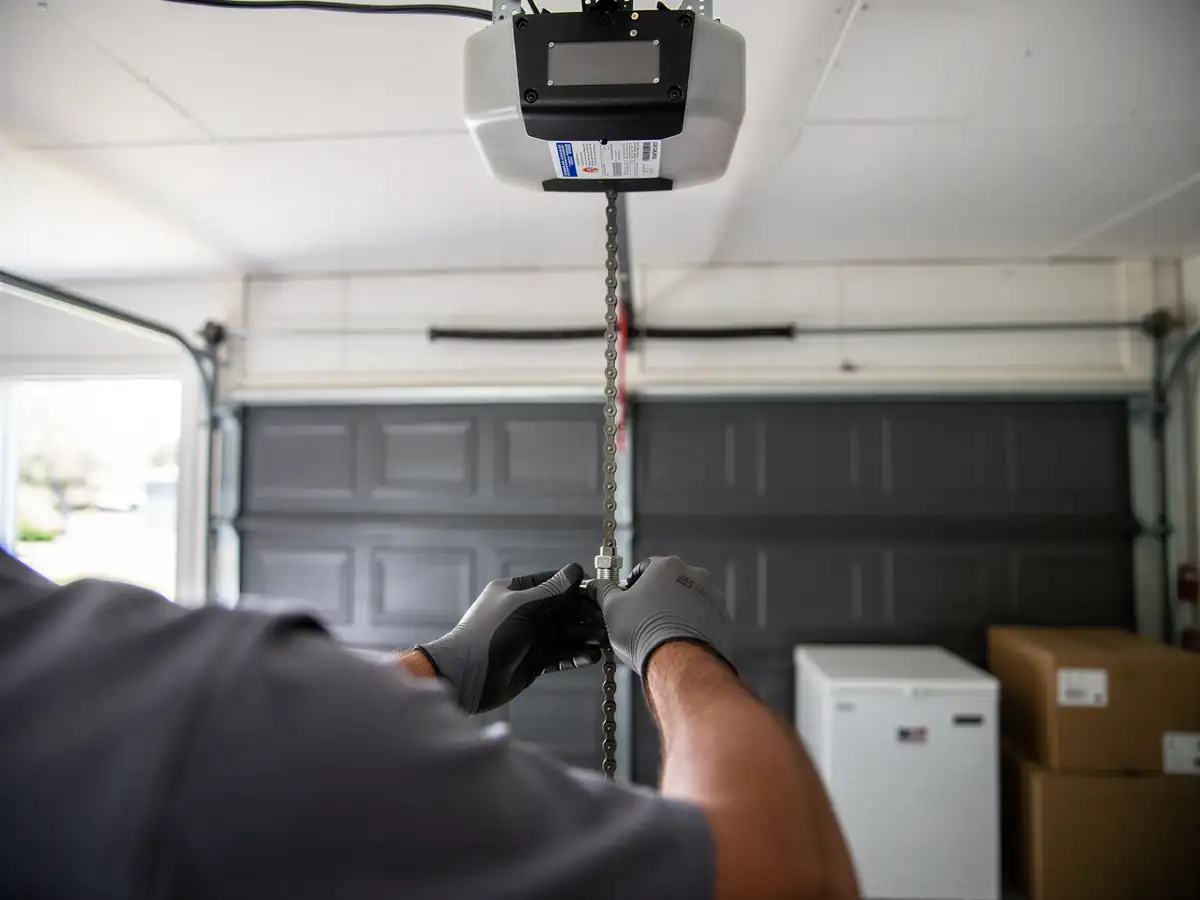
We don't post a flat price here because a snapped cable and a seized opener motor aren't the same bill, and we'd rather quote you the real number than a made-up one. What we can say is that Kenner's median household income runs about $64,099 - a touch under the wider service area's $67,099 - and most of the jobs we see here are hardware repairs on an existing door rather than full replacements, since the doors themselves are generally sound steel, just tired on the springs and rollers. We travel from Metairie, about 5 miles out, to reach Kenner for these calls. For other service types in the area, see our Metairie emergency page.