Doing It Yourself
A new garage door install looks simple from the driveway: panels, track, opener, done
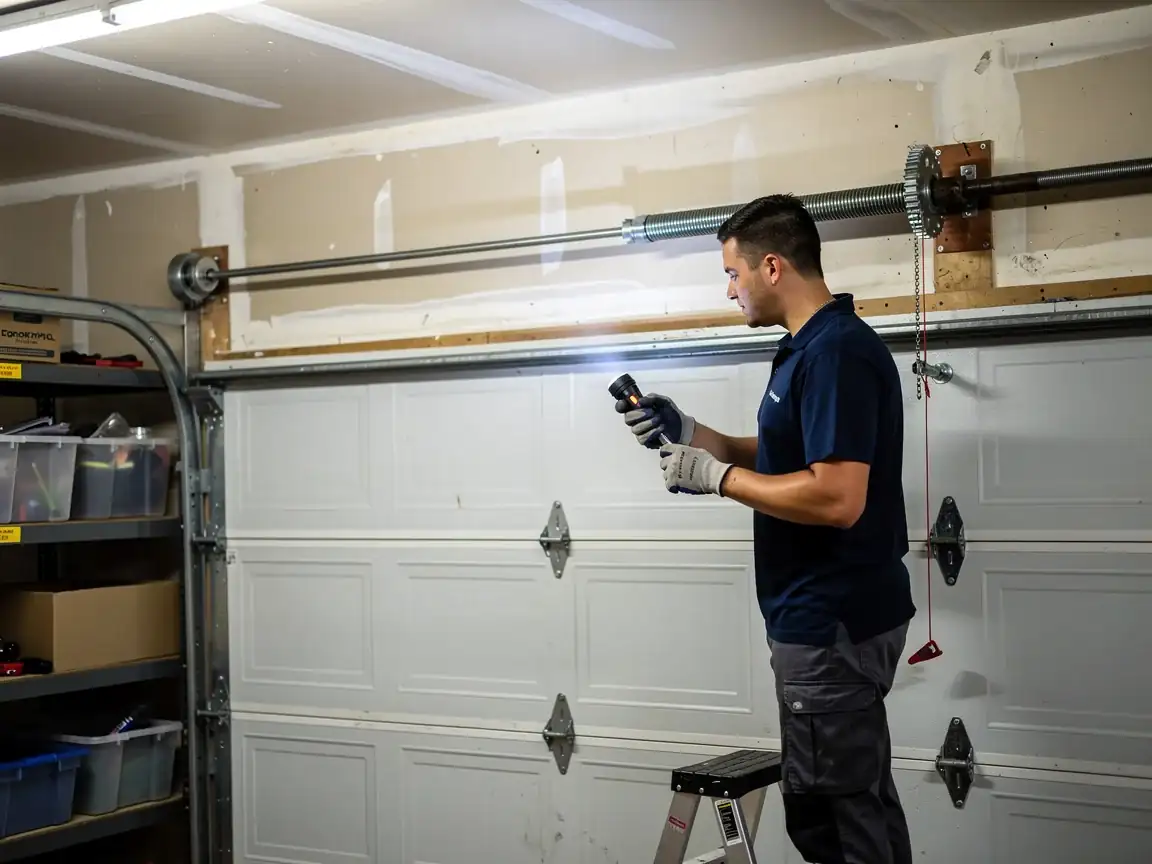
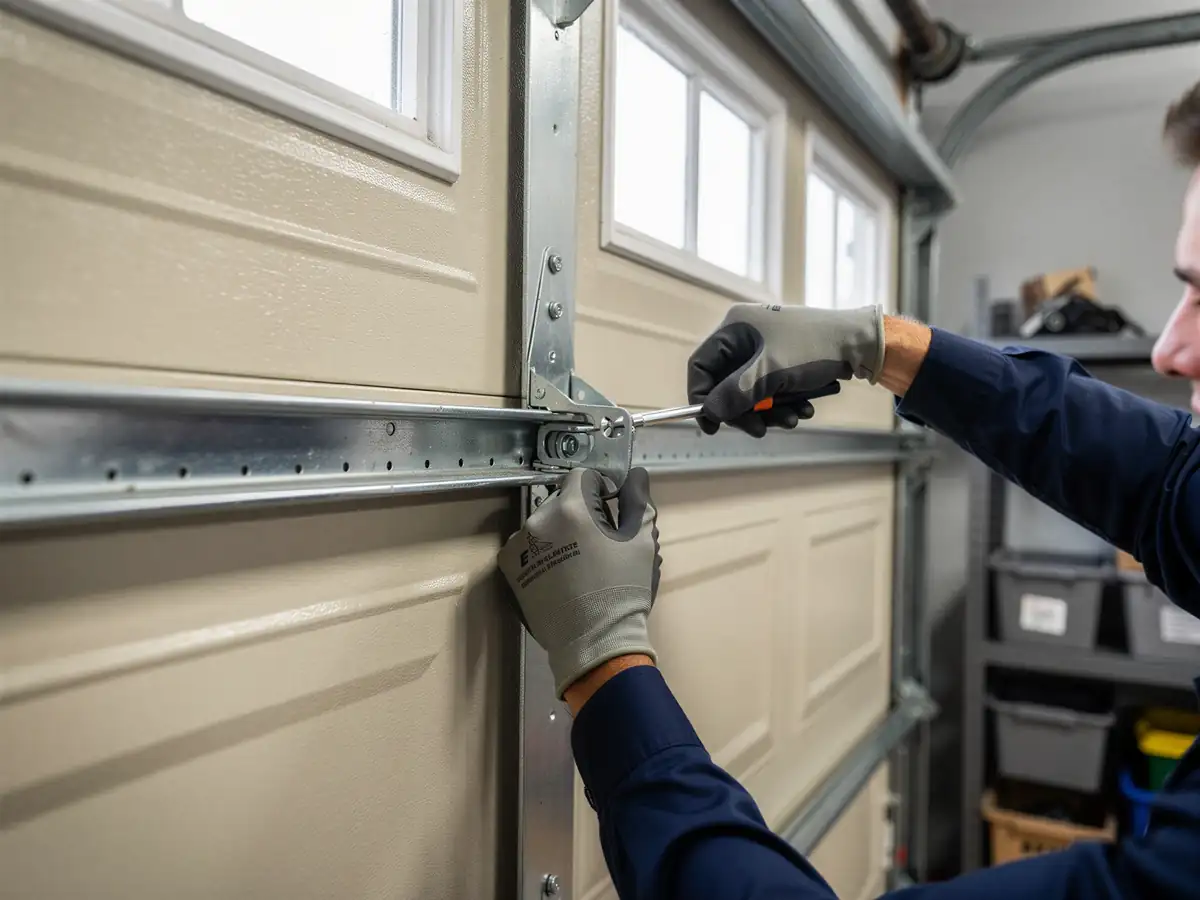
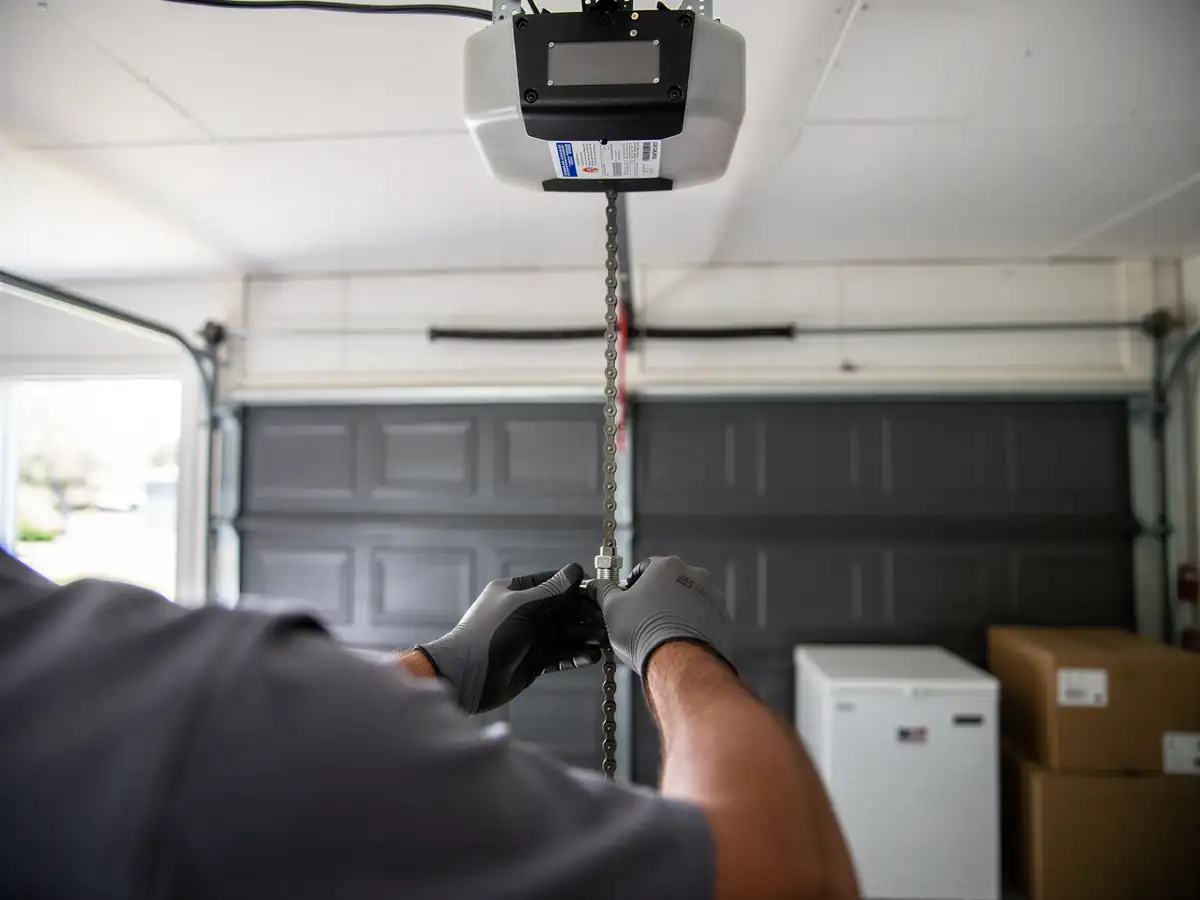
It isn't, and the part that gets people hurt is the torsion spring wound under tension on the header above the door. We won't talk you through setting that spring yourself, and if you ask, we'll say no. That's the one limitation worth stating up front - we'll sell you the door, size the track, and wire the opener, but the spring tensioning is ours to do, not something we walk a homeowner through over the phone.
What you can reasonably do yourself is the homework before we show up
Measure your rough opening, decide on insulated versus non-insulated panels, and figure out whether your existing track and jamb are worth keeping or whether the whole frame needs to come out. In a lot of Kenner houses built around 1977, the jamb and header are original, and that age alone is reason enough to have us look at the opening before you order a door off a shelf, because a door sized for a 2020s build doesn't always drop into a 1977 frame without adjustment.
How It Shows Up
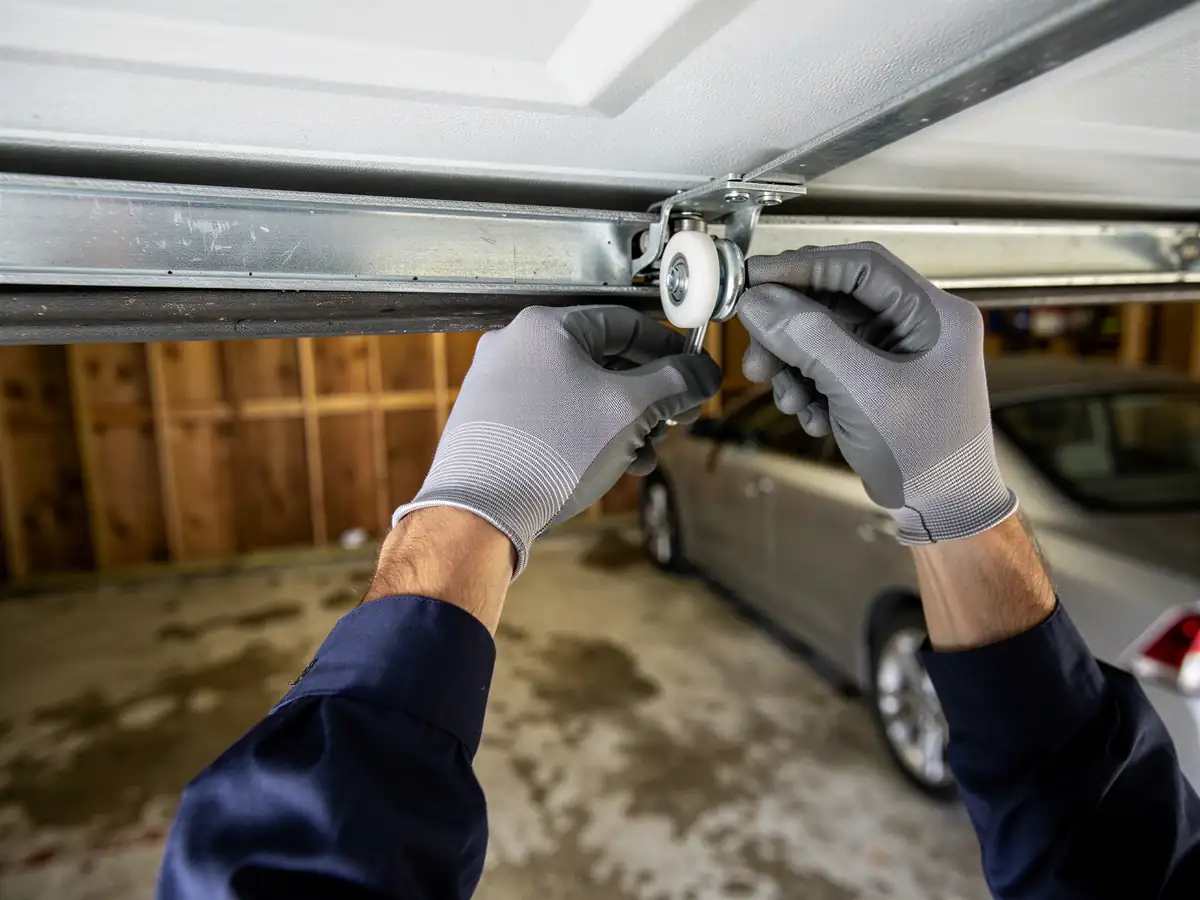
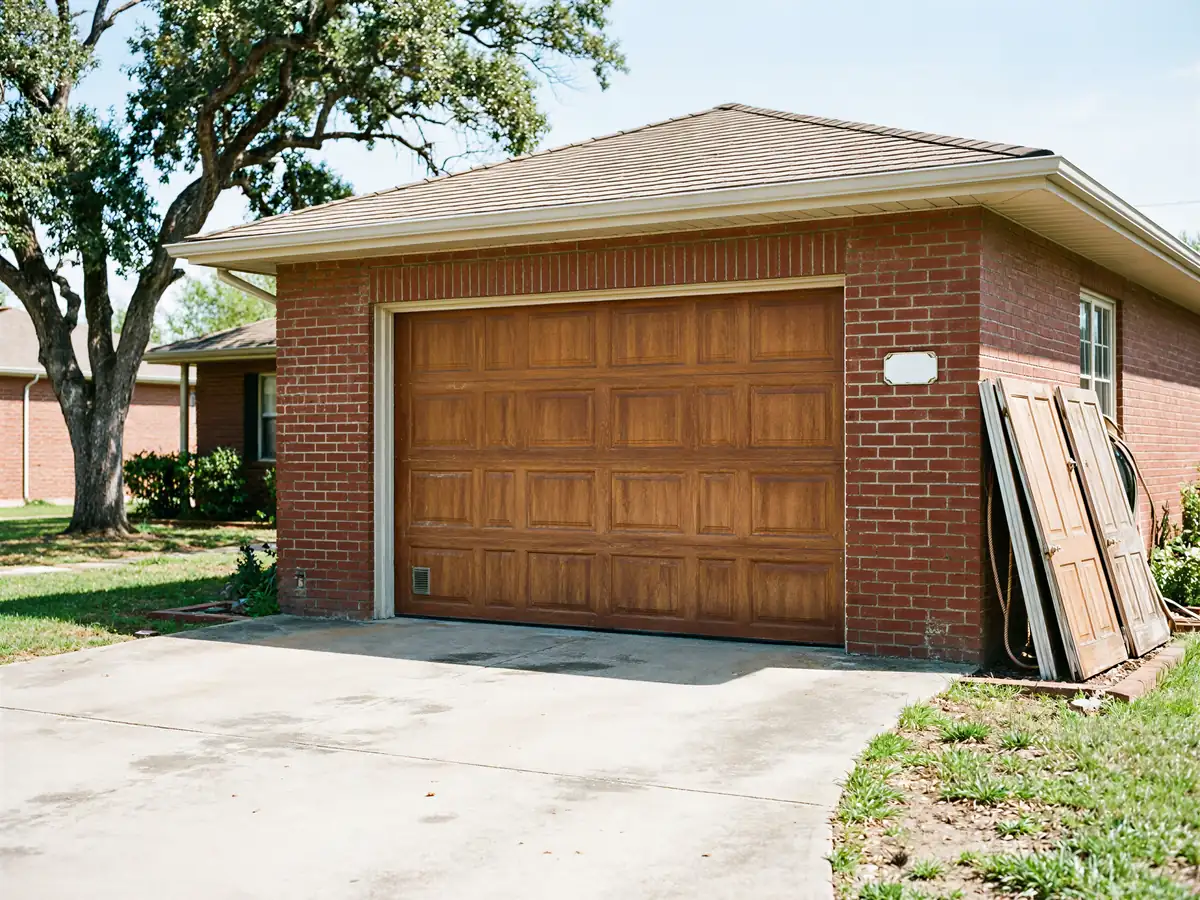
The sign that a Kenner garage door has reached the end of its run usually isn't dramatic. It's a door that's gotten heavy to lift by hand, panels that have started to bow at the bottom where water sits, or a steel skin that's rusted through at the seams where the original paint gave out decades ago. On houses from the late 1970s, the original door is frequently a single-layer steel panel with no insulation core at all - fine for the climate, but thin enough that it's dented and flexed for 45-plus years and is starting to show it at the hinges and the bottom roller brackets.
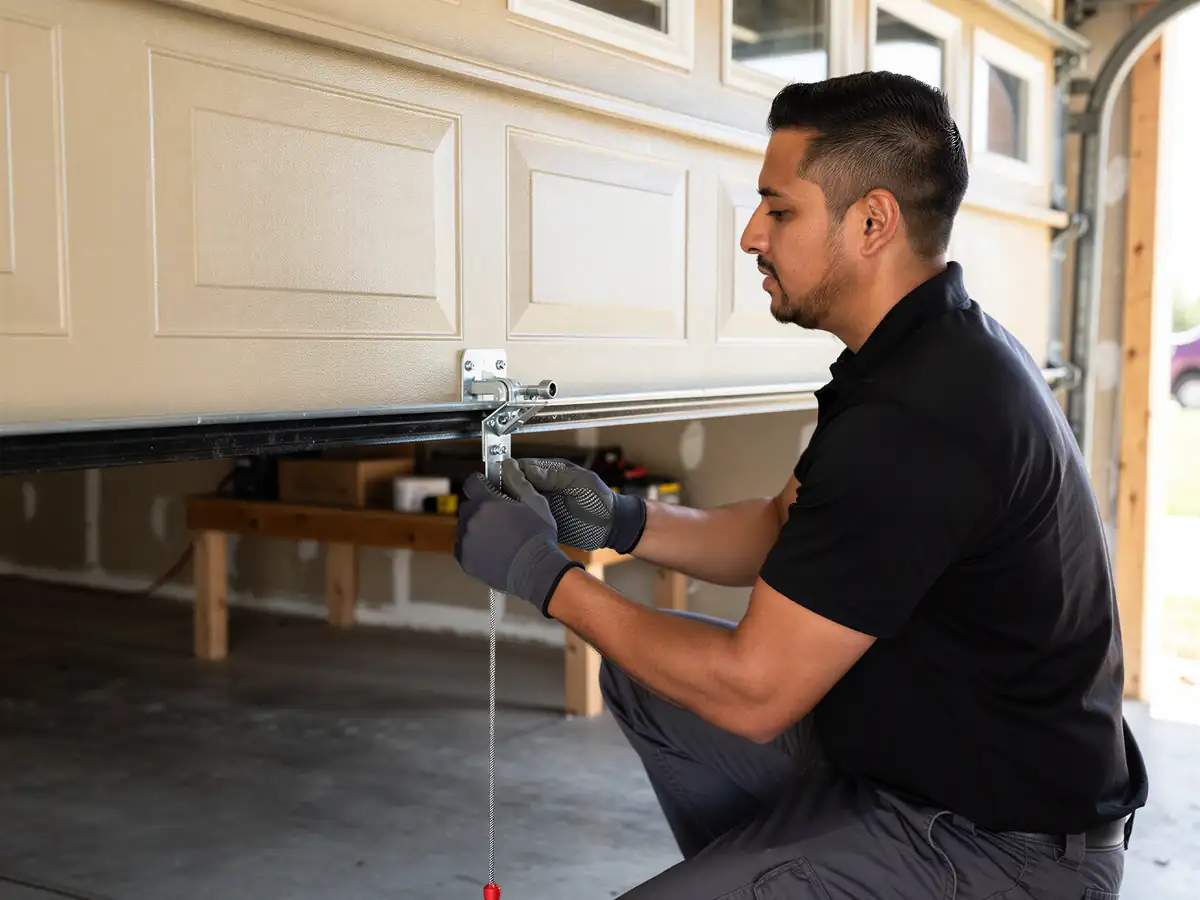
Sometimes it shows up as noise instead of visible wear: a track that's pulled slightly away from the jamb, rollers that have gone from steel to nylon-and-back through a couple of repairs, or an opener bracket that's been re-shimmed more than once. None of that means the door is unsafe today, but it's the kind of wear that tells us a repair is a stopgap, not a fix, on a door this old.
What Causes It Around Here
Kenner's housing mostly dates to around 1977, a bit earlier than the wider service area's 1958-2001 range, which centers closer to 1980. That extra few years matters for garage doors specifically, because it puts a lot of Kenner's original doors and openers right at or past the point where parts simply aren't made anymore - the roller size, the track gauge, the spring wind, all specced to a standard that's since changed.
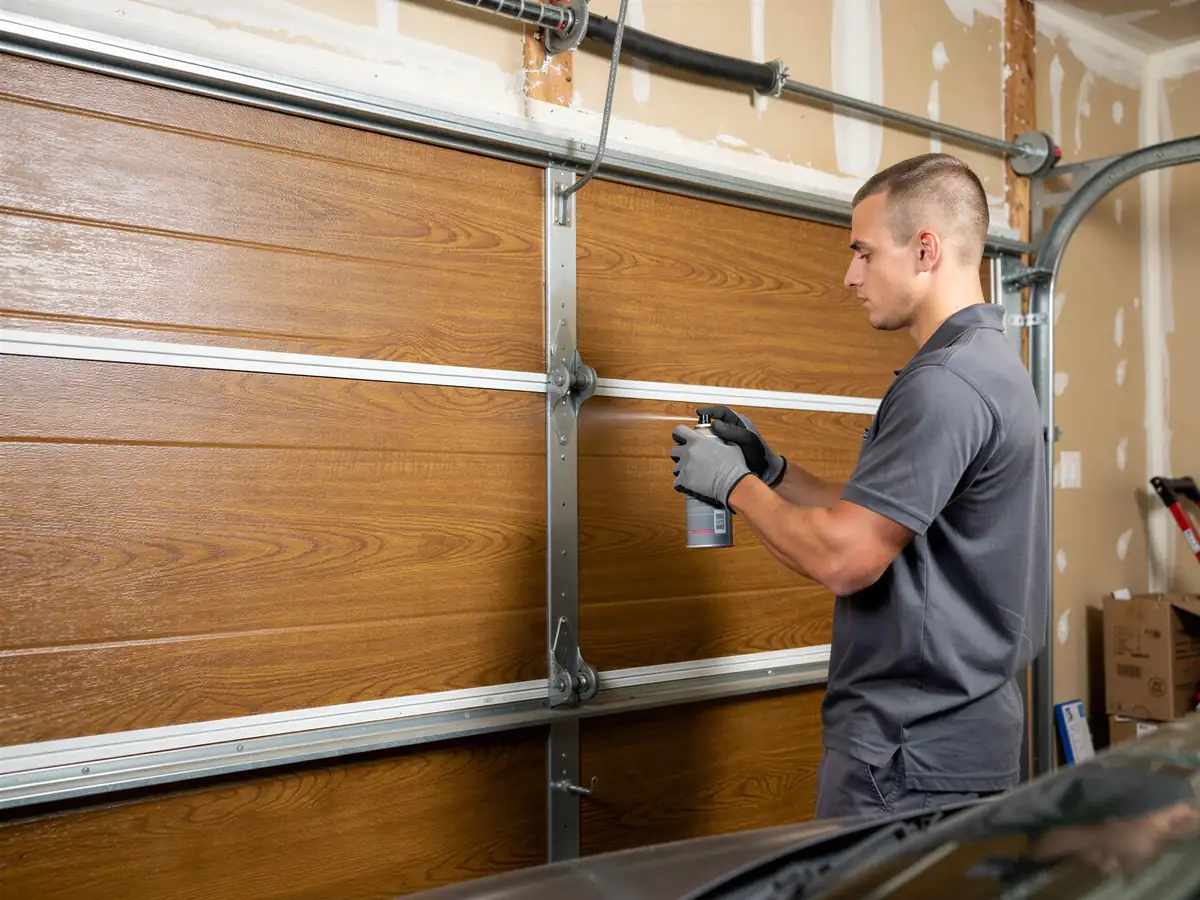
The climate here is mild with occasional freeze, so you're not fighting ice jams on the track the way a colder region would, but humidity does its own slow damage - it rusts steel skins from the inside out where moisture gets behind old weatherstripping, and it swells wood-panel doors at the seams. On a house built in the late 1970s, that's 45-plus years of humid air working on the same door and the same hardware, which is a big part of why replacement, not another patch repair, ends up being the honest recommendation.
Parts We Carry
We stock the panel sizes, track gauges, and spring ranges that fit the opening sizes most common on houses built through the 1960s-90s stretch
Since that covers the bulk of what we see driving out to Kenner. Insulated steel panels, standard torsion springs rated for both single and double door widths, and the galvanized track and roller hardware that replaces the thinner original-era parts are all on the truck for a standard install.
What we don't carry as a stock item is custom width doors or non-standard wood panel replacements
Those are special order, and if your opening is an odd size (which does happen on older builds where the jamb has shifted slightly over the decades), that part of the job runs on a supplier lead time we don't control. We'll tell you up front if your opening falls into that category rather than quoting a same-visit install we can't deliver.
The Cost of This Job
We don't post a flat price for new garage door installs here because the door itself - steel, insulated, wood-look, single or double - swings the total more than anything else does. What we can tell you is that Kenner's median household income runs around $64,099, a bit under the wider service area's $67,099, and that's context we keep in mind when we walk through options rather than steering every quote toward the top-tier door.
The honest trade-off is this: a non-insulated steel door costs less up front and holds up fine in this climate, since you're not fighting hard freezes. An insulated door costs more but does more for a Kenner house that backs onto a noisy street or gets full sun on the garage wall in summer. We'll walk both options with actual numbers for your opening before you decide, not a generic range that doesn't match your door.