Doing It Yourself
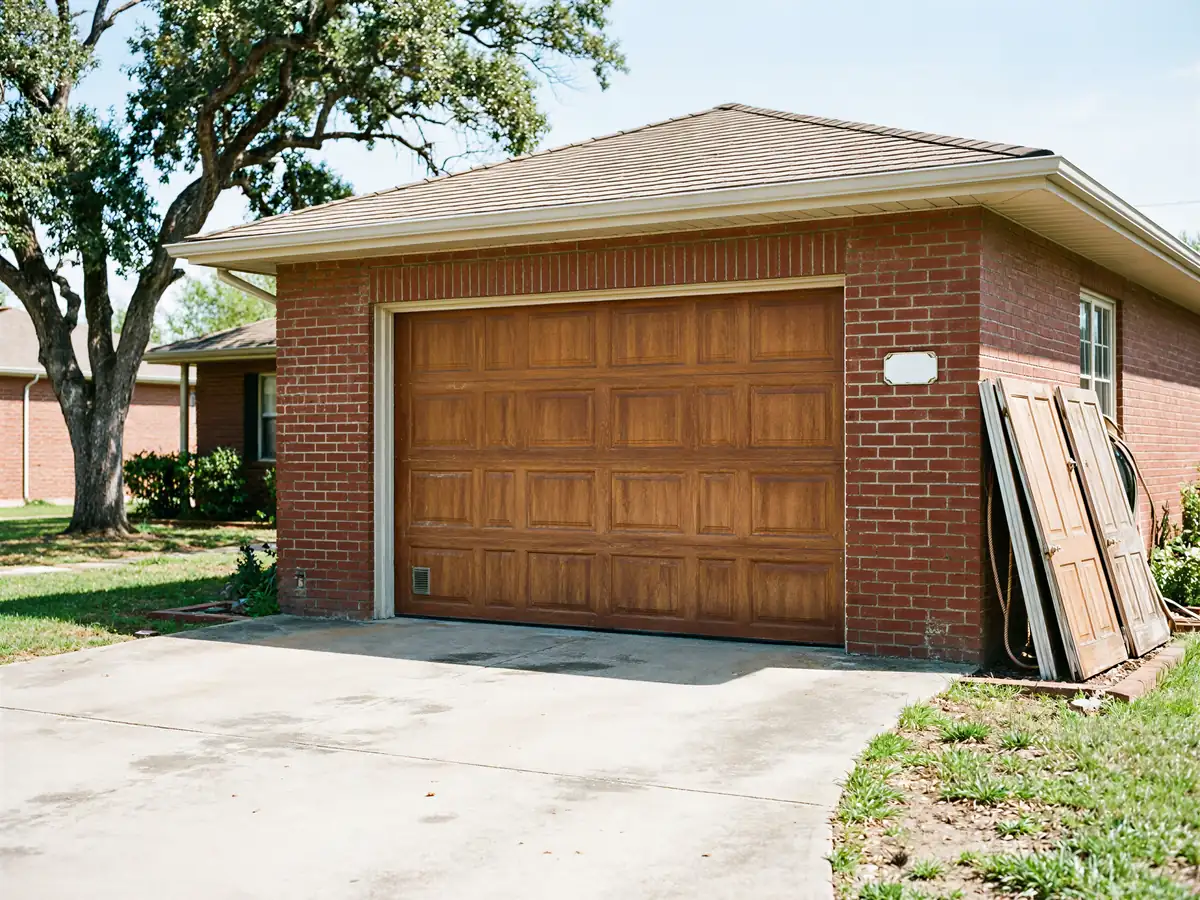
Kenner's housing stock centers on 1977
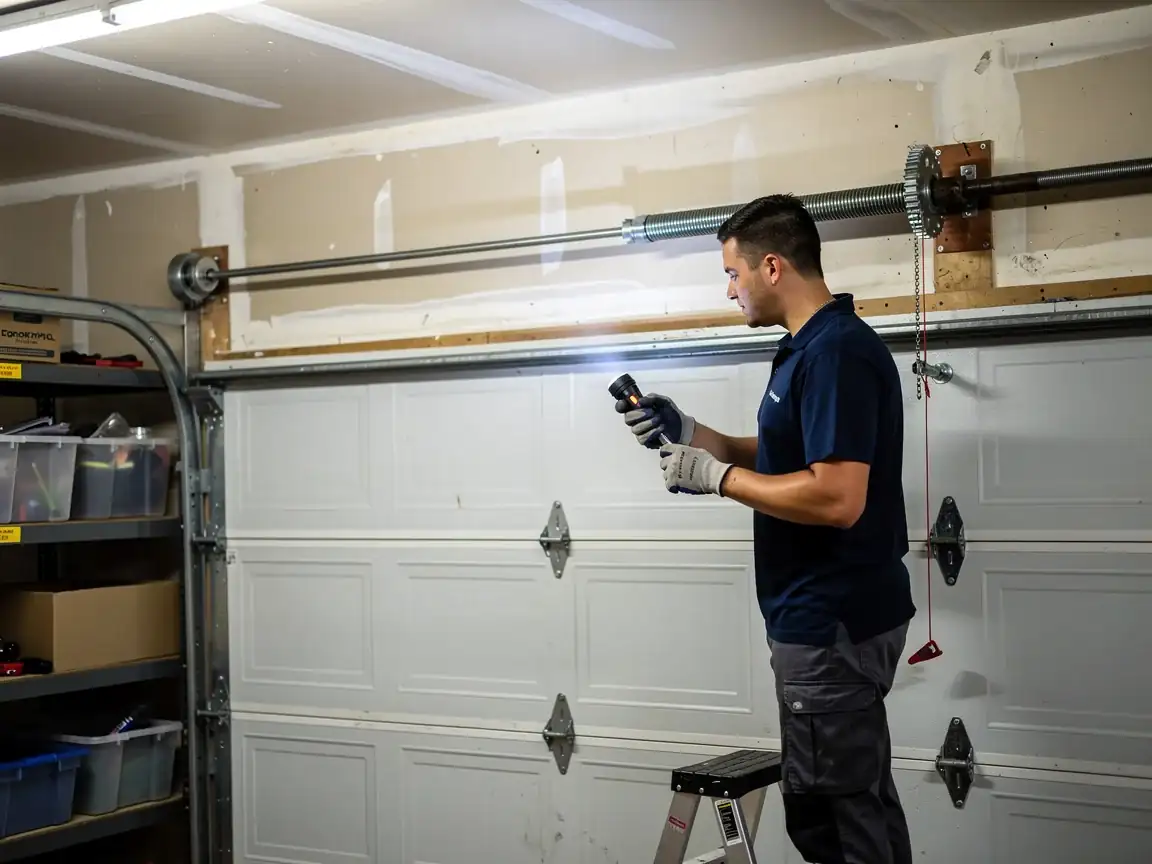
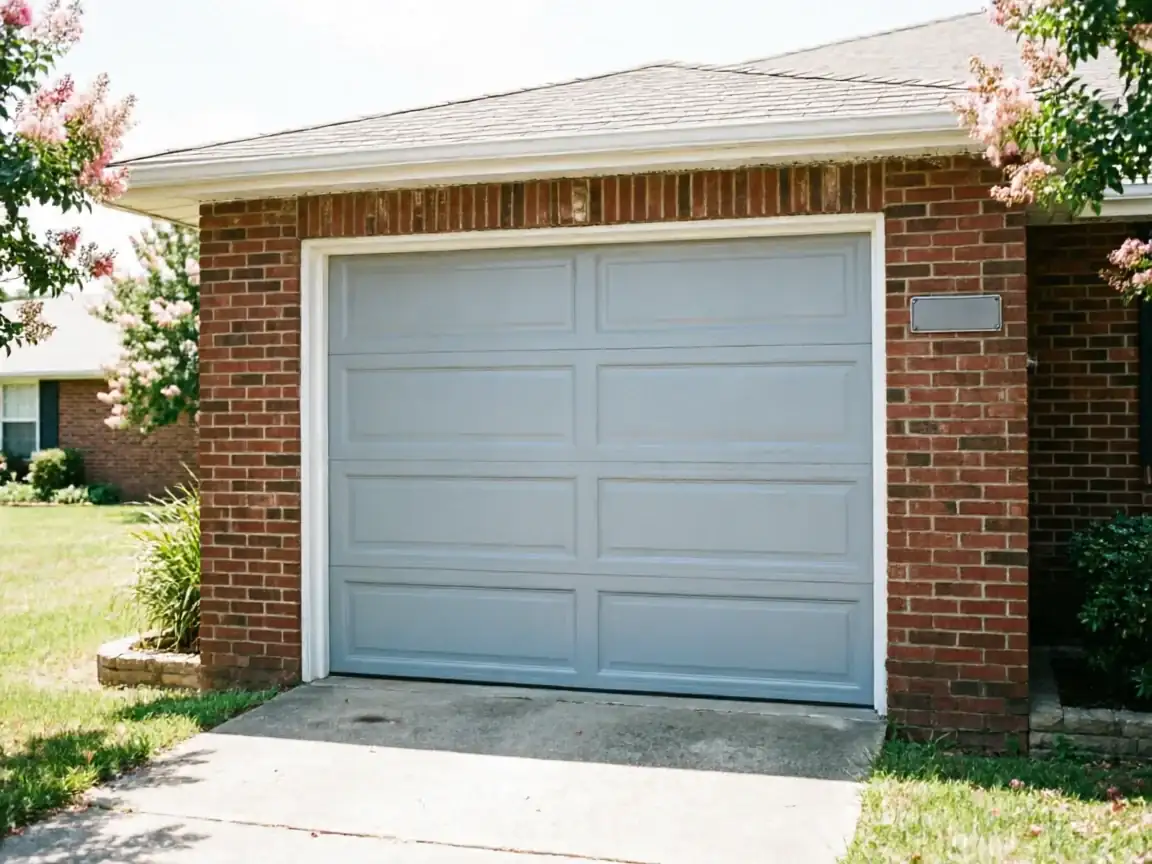
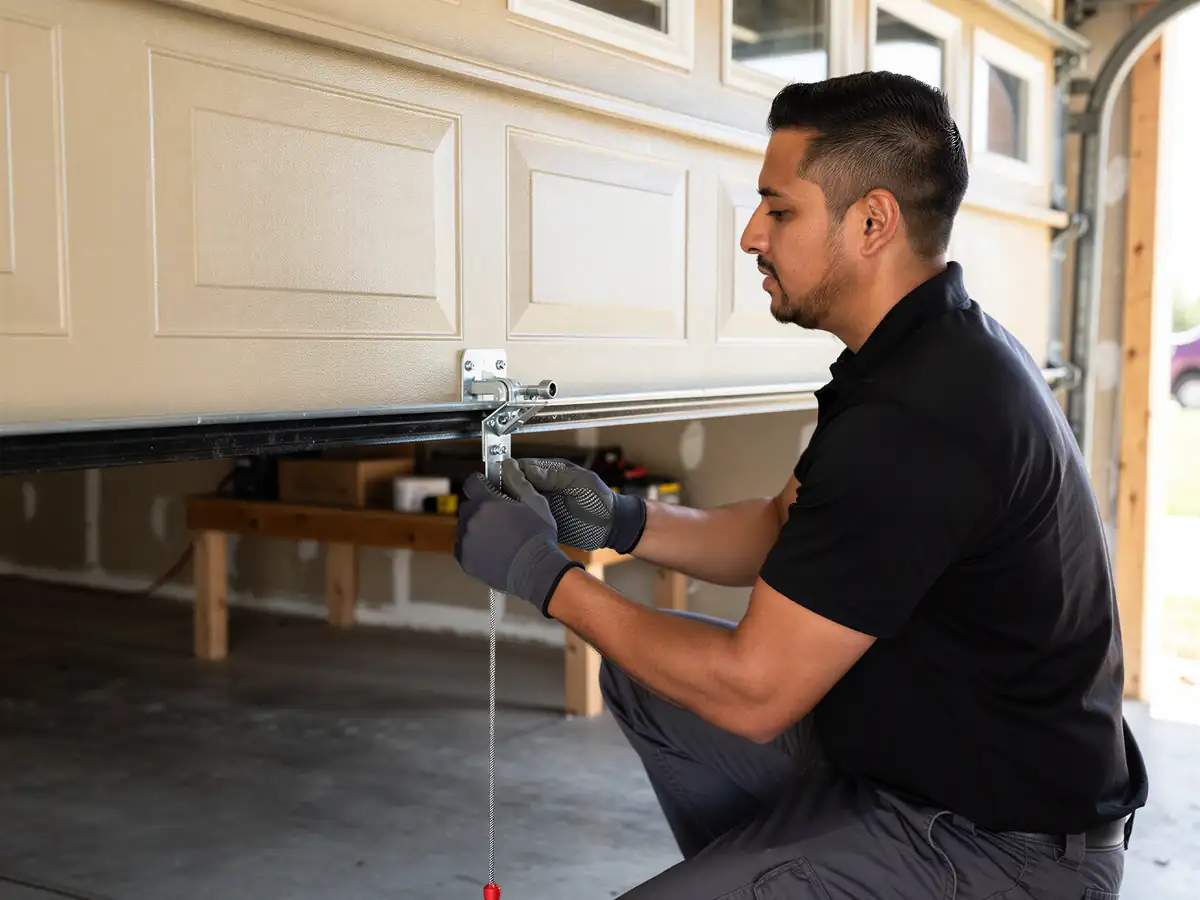
Which puts most garage doors here a bit newer than the broader service area's 1958-2001 spread with a median around 1980. That five-year gap matters more than it sounds. A door and opener from the late 70s is old enough that the spring and cable are near the end of their rated cycles, but new enough that homeowners often assume it's still 'the newer door' and skip checking it. If your opener is original to the house, don't wait for it to fail on a Saturday morning with the car trapped inside. A five-minute look at the spring coils and the bottom roller track tells you more than guessing.
We travel out from Metairie to handle the work itself
The diagnosis, the spring swap, the track alignment - rather than running a branch in Kenner. That means we're not the ones to call for a same-day drop-in without scheduling first; we come from the truck in Metairie, and we tell you that upfront rather than implying a local depot that doesn't exist.
What you can reasonably do yourself
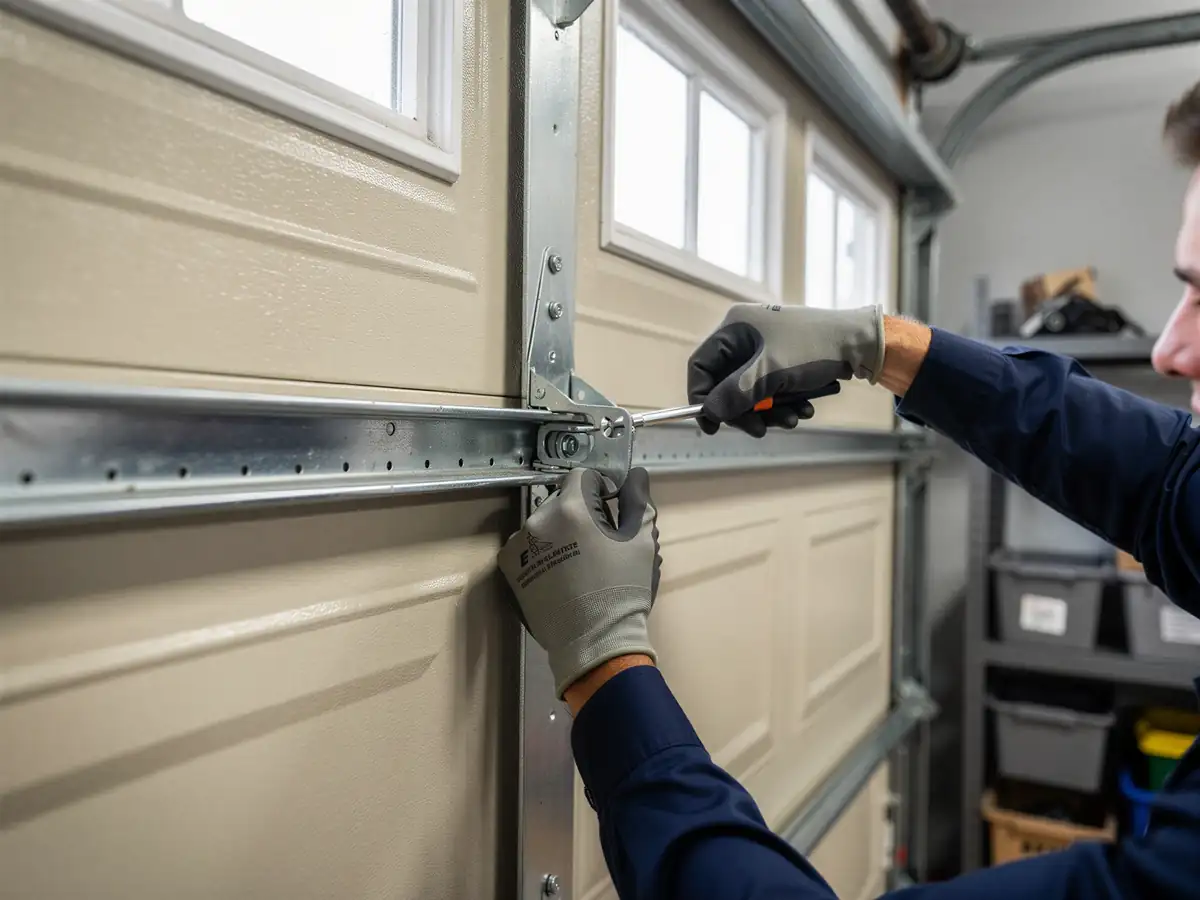
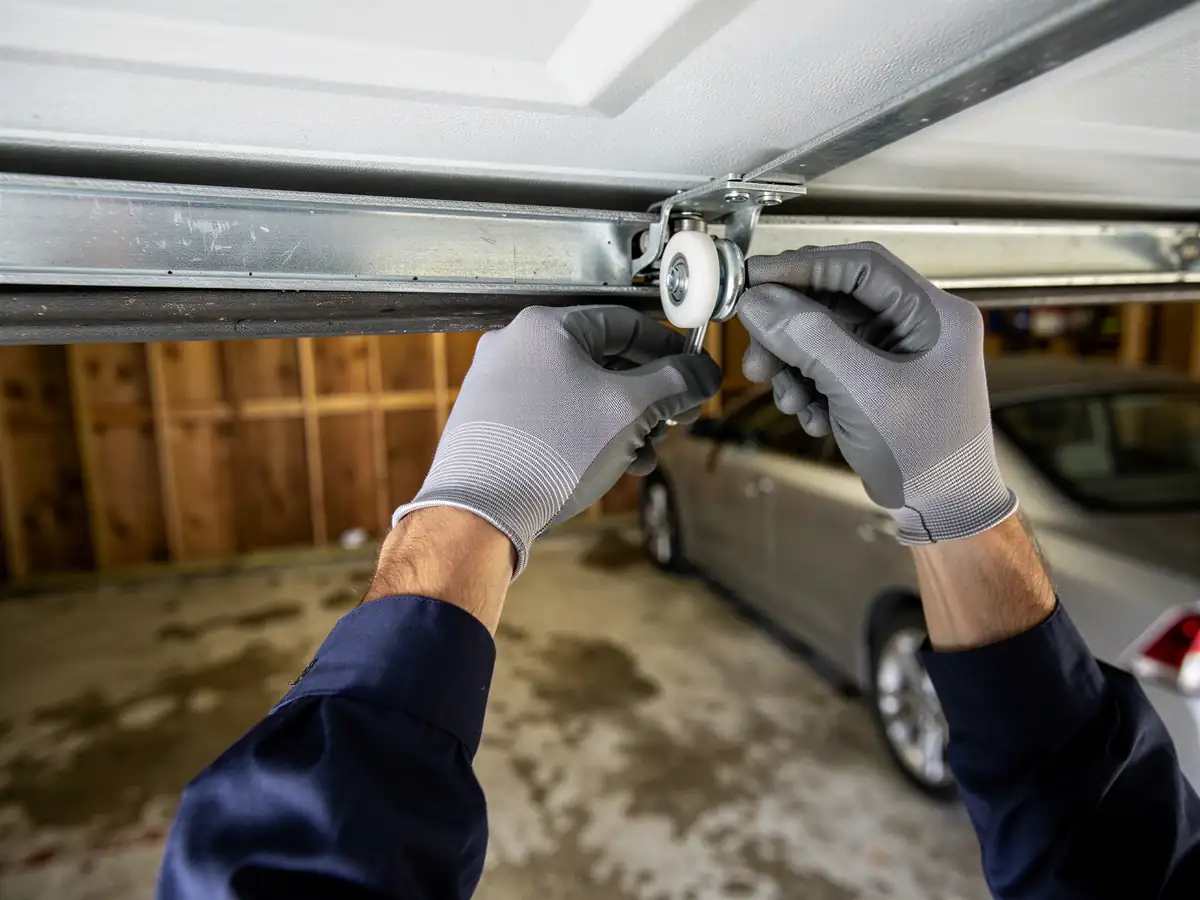
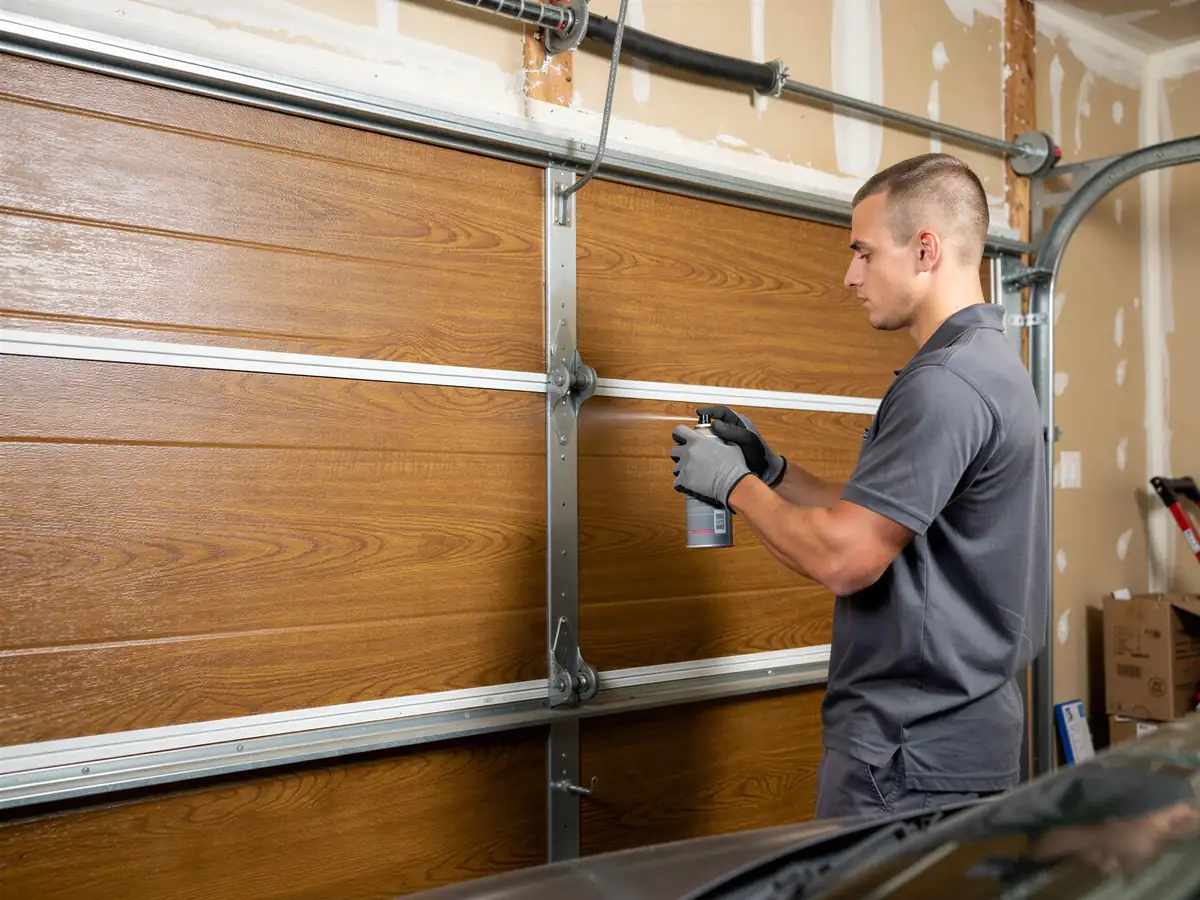
Lubricate rollers and hinges, check the photo-eye sensors are aligned, and listen for grinding versus clean cycling. What you shouldn't touch: torsion springs, period. That's not a sales line, that's just the part that puts people in the ER.
How It Shows Up
On a house built around 1977, the failure pattern usually starts with the opener's drive mechanism or the torsion spring losing tension, not the panels themselves - steel and wood from that era tend to outlast the moving parts. You'll hear it before you see it: a labored motor hum, a door that stutters halfway up, or a spring that lets go with a loud bang that leaves the door stuck at whatever height it was at.
In the climate band covering this part of the service area - mild with occasional freeze risk - metal fatigue isn't driven by deep winter cold the way it is further north. It's driven by humidity swings and years of cycling. Galvanized springs here corrode from the inside of the coil out, which means they can look fine and still be close to snapping.
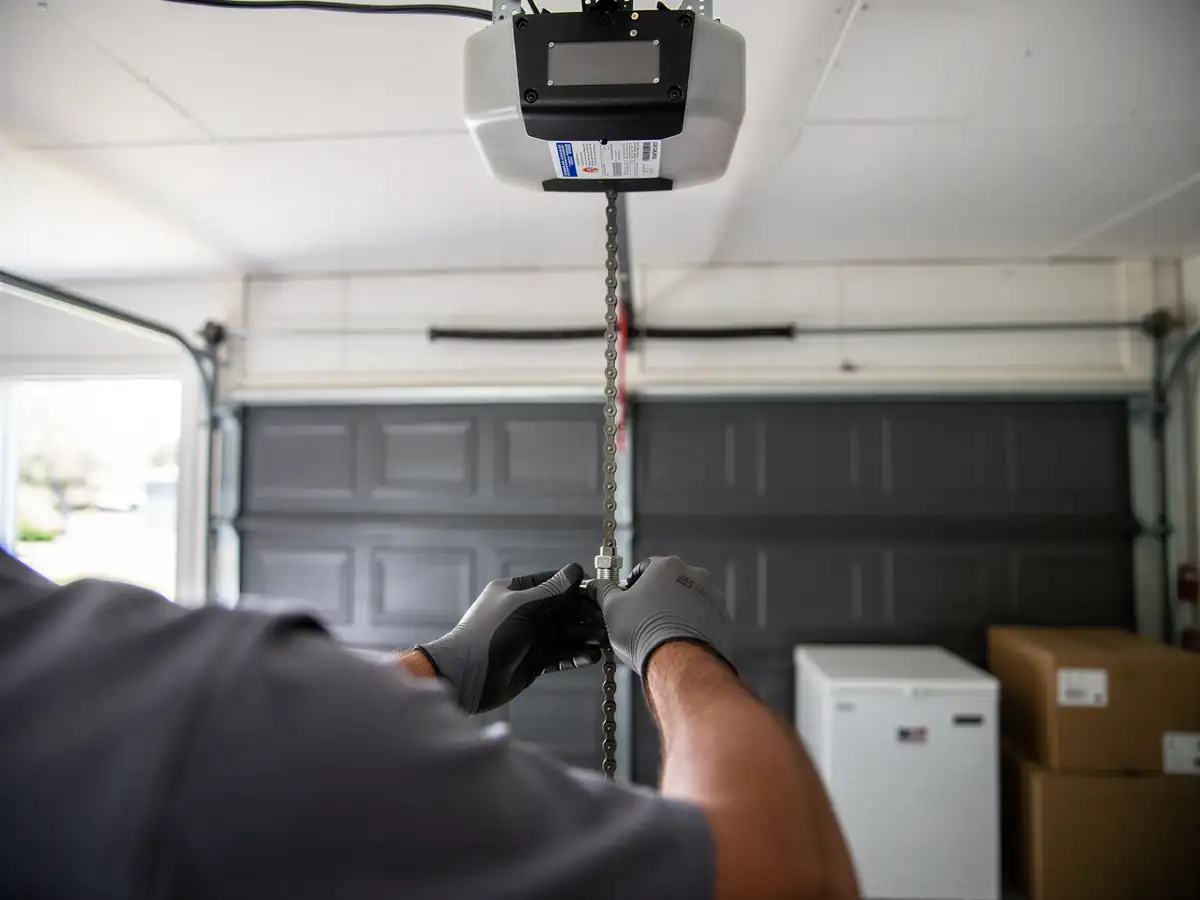
Another Kenner-area pattern: openers original to a 1977-era build are often chain-drive units with aging logic boards, not the belt-drive models going into newer builds elsewhere in the service area. When one of those boards finally gives out, the fix is usually a full opener swap rather than a board replacement, since parts for that generation aren't stocked anymore.
What Causes It Around Here
The 1977 median build year in Kenner puts a lot of these garage doors right at the point where original torsion spring systems are decades past their rated cycle count, even on doors that look cosmetically fine. Spring wire from that era was sized for the lighter steel doors common then - thinner panels, lighter counterweight needs - and a lot of those original springs are still in service, just weaker and more brittle than they were.
Humidity plays a bigger role here than temperature swings. The mild, occasional-freeze climate band covering this stretch means the metal isn't cycling through hard freeze-thaw stress, but it is sitting in damp air for most of the year. That accelerates rust at the spring coil ends and at the cable's drum attachment point, two spots that don't get looked at unless someone's specifically checking them.
We'd rather tell you the honest limitation here: we can't diagnose a specific spring or cable without seeing the door in person. Age and climate band tell us what to expect walking in, not what's actually failed in your garage.
Parts We Carry
For a door matching Kenner's typical 1977-era stock
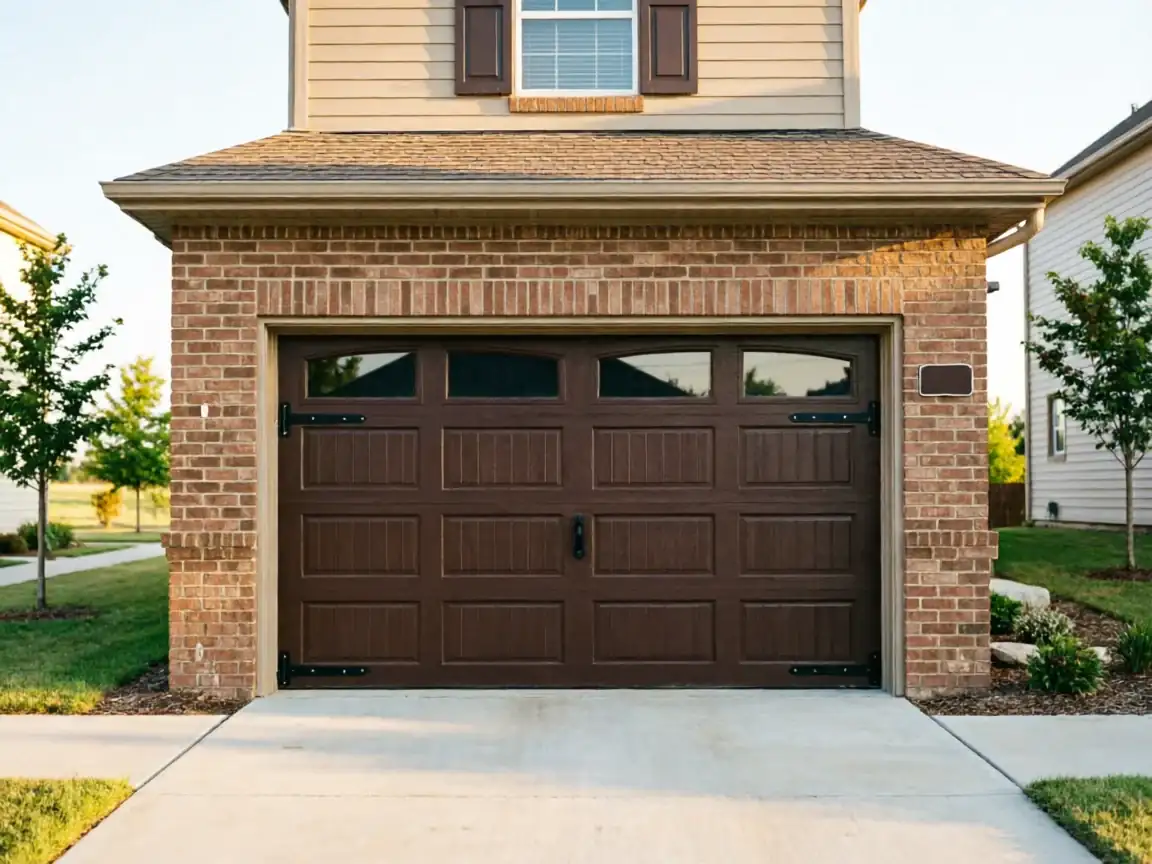
The parts that come up most are torsion springs sized for older, lighter panel doors, replacement cables and drums, and chain-drive opener units to replace original motors whose logic boards are no longer serviceable. We also carry standard rollers and hinges that fit both the older steel panel doors common to this build era and newer sectional doors where a prior owner already swapped the door but kept the original track.
One honest limitation
We don't stock every spring wire gauge for every custom or architect-installed door from that period. If your door was a non-standard size or an aftermarket custom build, the spring may need to be special-ordered, which adds a day or two versus a stock swap. We'll tell you that at the diagnosis, not after we've already opened up the torsion tube.
We don't carry wood panel replacement stock for original wood doors from the 1970s
Repair versus full replacement is a conversation for the specific door, not something we can answer in general.
The Cost of This Job
We don't have a published price list to quote you here, and a page that invents one would be guessing at your door, your spring size, and what's actually broken. What we can tell you is what the numbers around Kenner suggest about typical jobs: median household income in this stretch runs around $64,099, somewhat below the median income of $67,099 across the full service area, and that tends to track with more owners choosing a spring repair over a full door replacement when the panels themselves are sound.
Across the wider service area there are 82,882 owner-occupied houses out of 156,235 households, and Kenner's roughly 25,657 households are part of that count - a meaningful share of older, owner-occupied housing stock where repair-first makes financial sense more often than replace-first.
We travel the 5 miles out from Metairie for the job itself; there's no separate trip charge baked into a page like this because we don't have that number in front of us, and we'd rather say that than make one up.