How It Shows Up
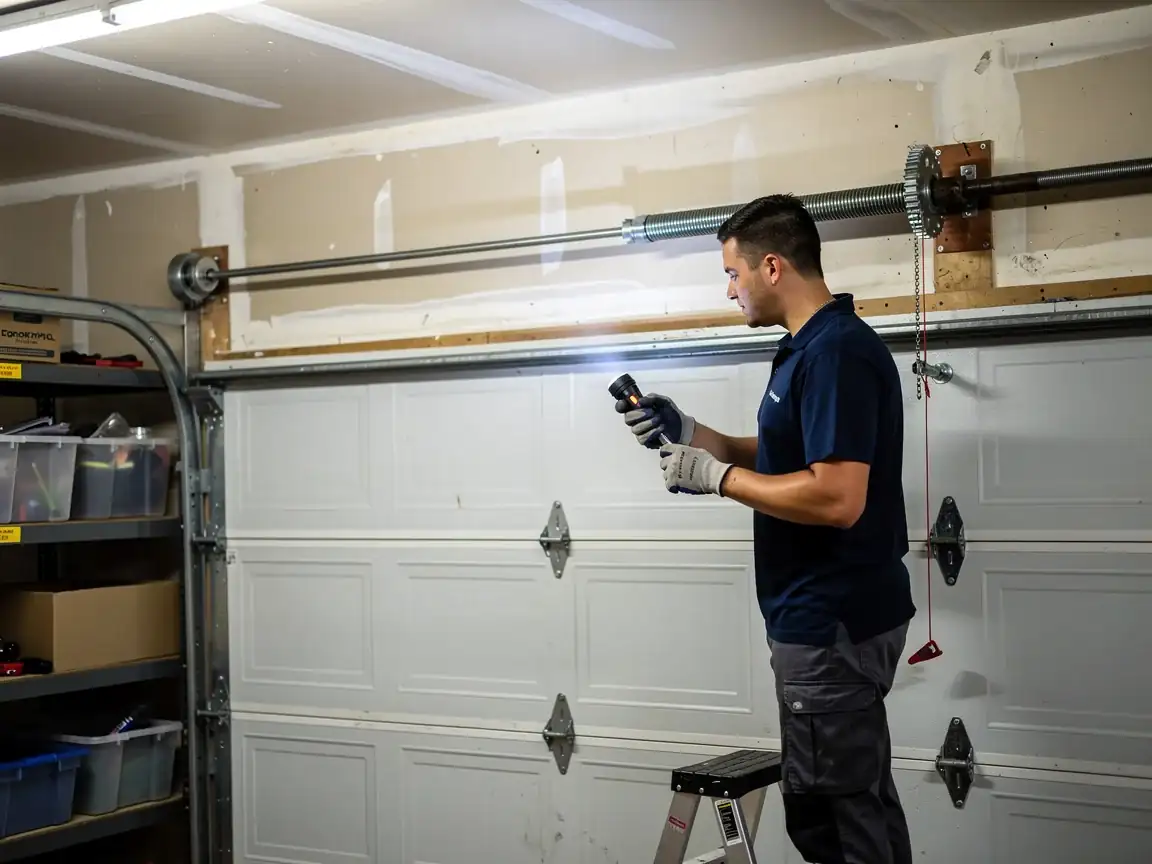
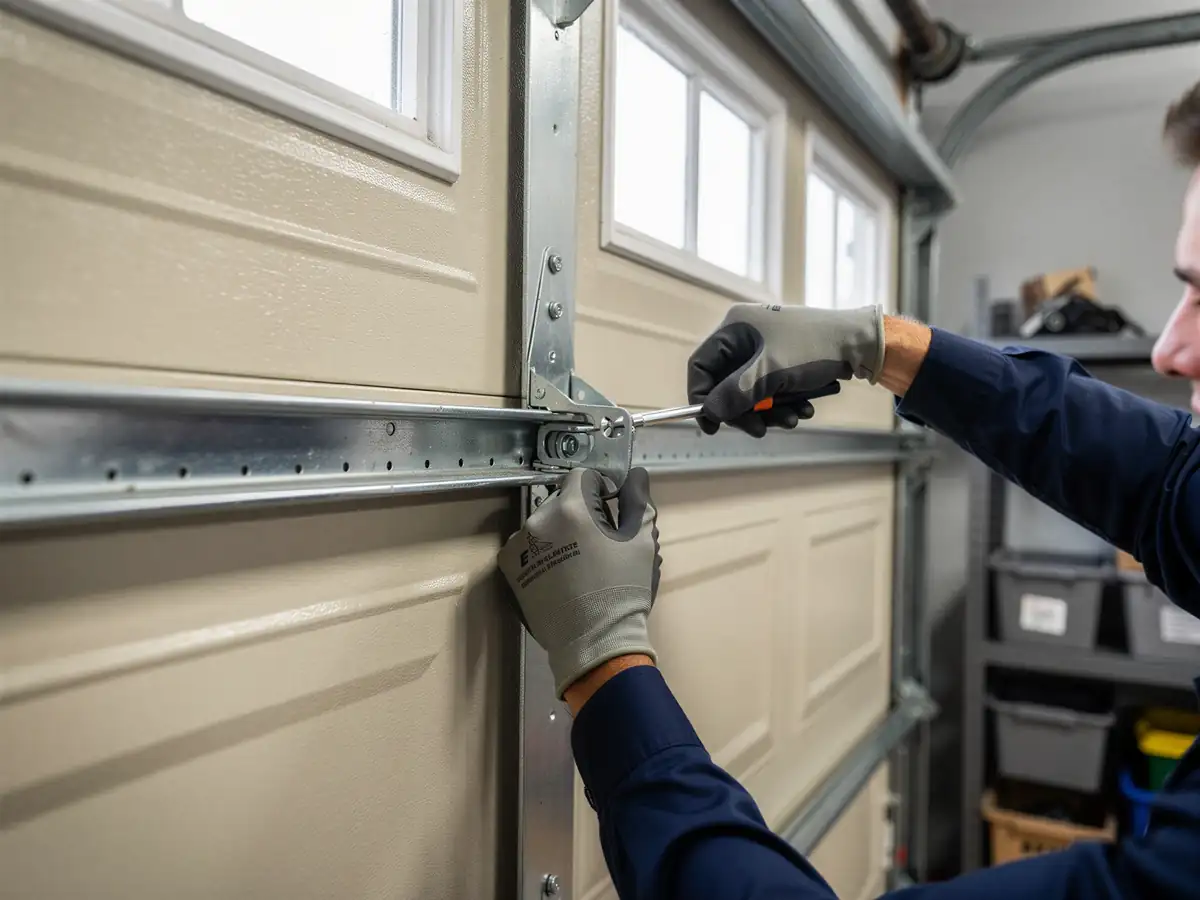
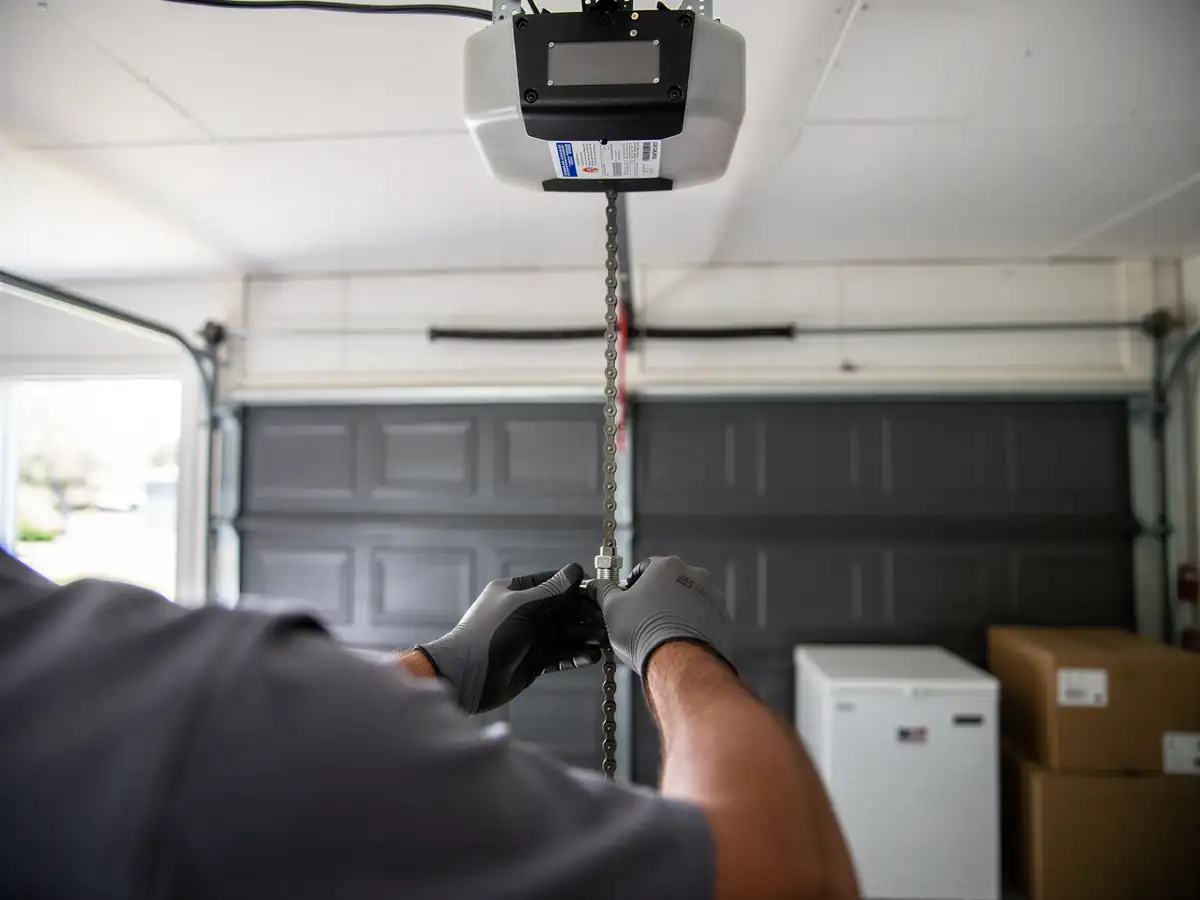
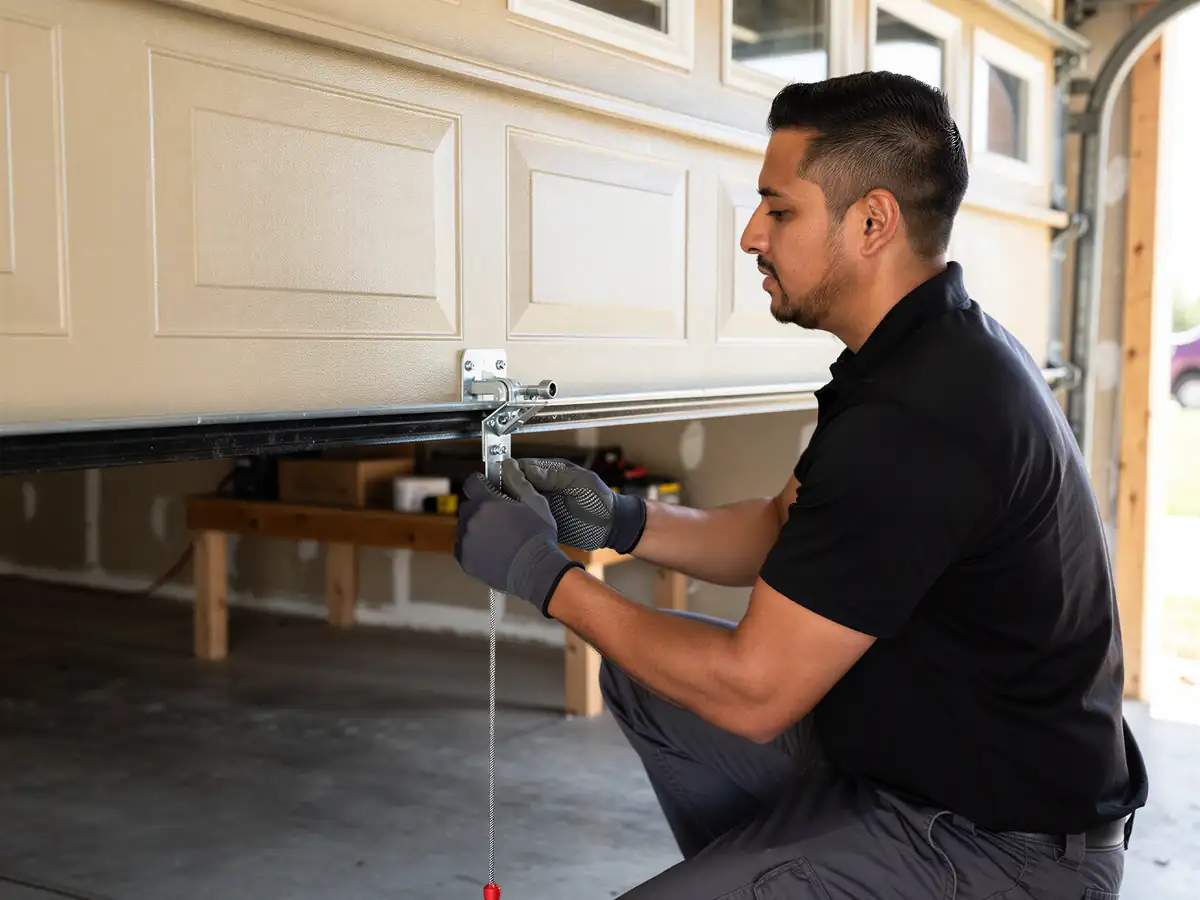
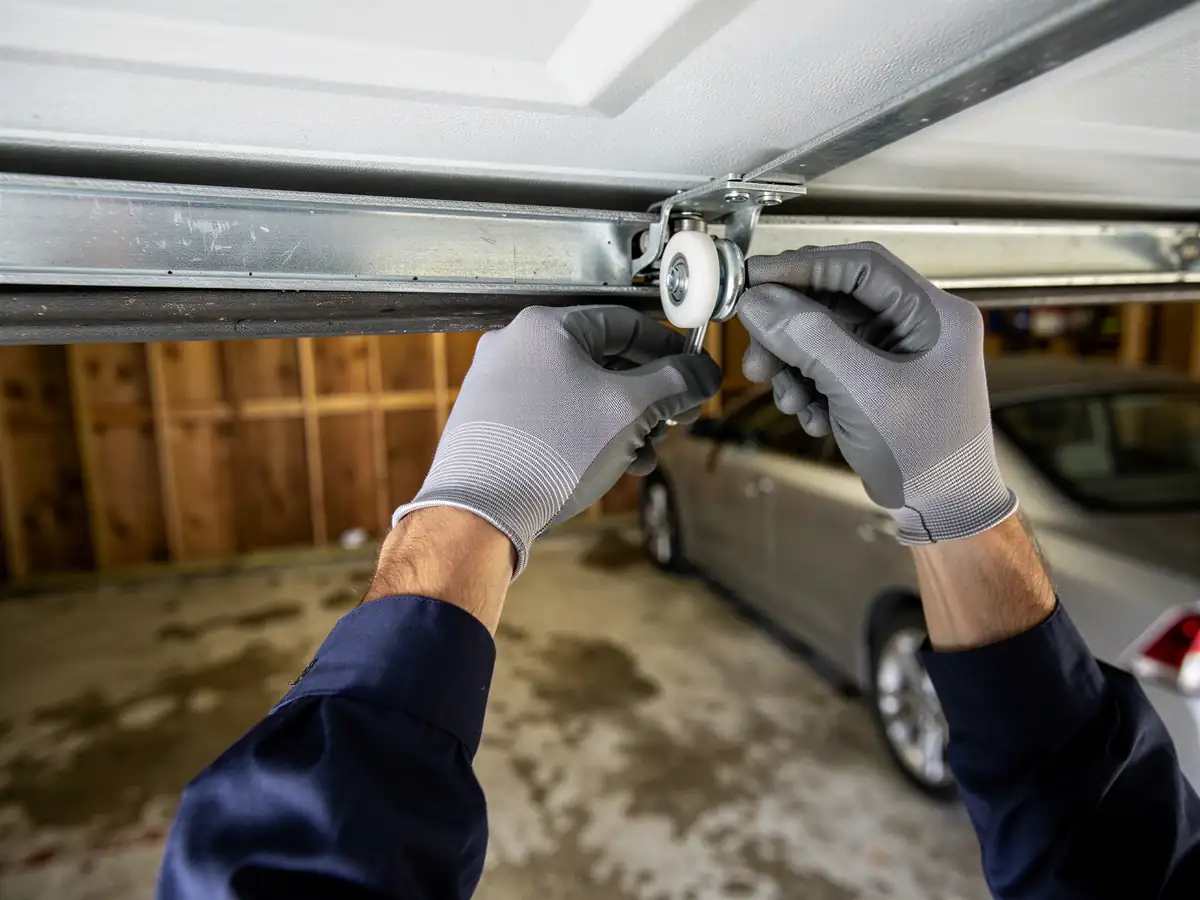
On houses built when this part of Kenner was going up, the first sign of trouble is usually noise before it's failure. A door that used to run quiet starts grinding where the extension spring stretches along the track, or you hear a metallic pop when the door reverses - that's often a spring losing tension unevenly on one side versus the other, which is common once a door's original springs pass the decades mark. You'll also see the door hang crooked when it's partway open, which on an extension-spring system usually means one spring has stretched more than its match on the other side. Steel panels from this era were rarely insulated, so you may also notice a door that's gotten heavier to lift by hand over time as the panels sag slightly at the seams. None of this happens overnight. It's wear accumulating on hardware that was never meant to run past 25 or 30 years, let alone into its fifth decade. Catching it at the noise stage, before a cable snaps or a door comes off its track, is the difference between a repair and a full replacement.
What Causes It Around Here
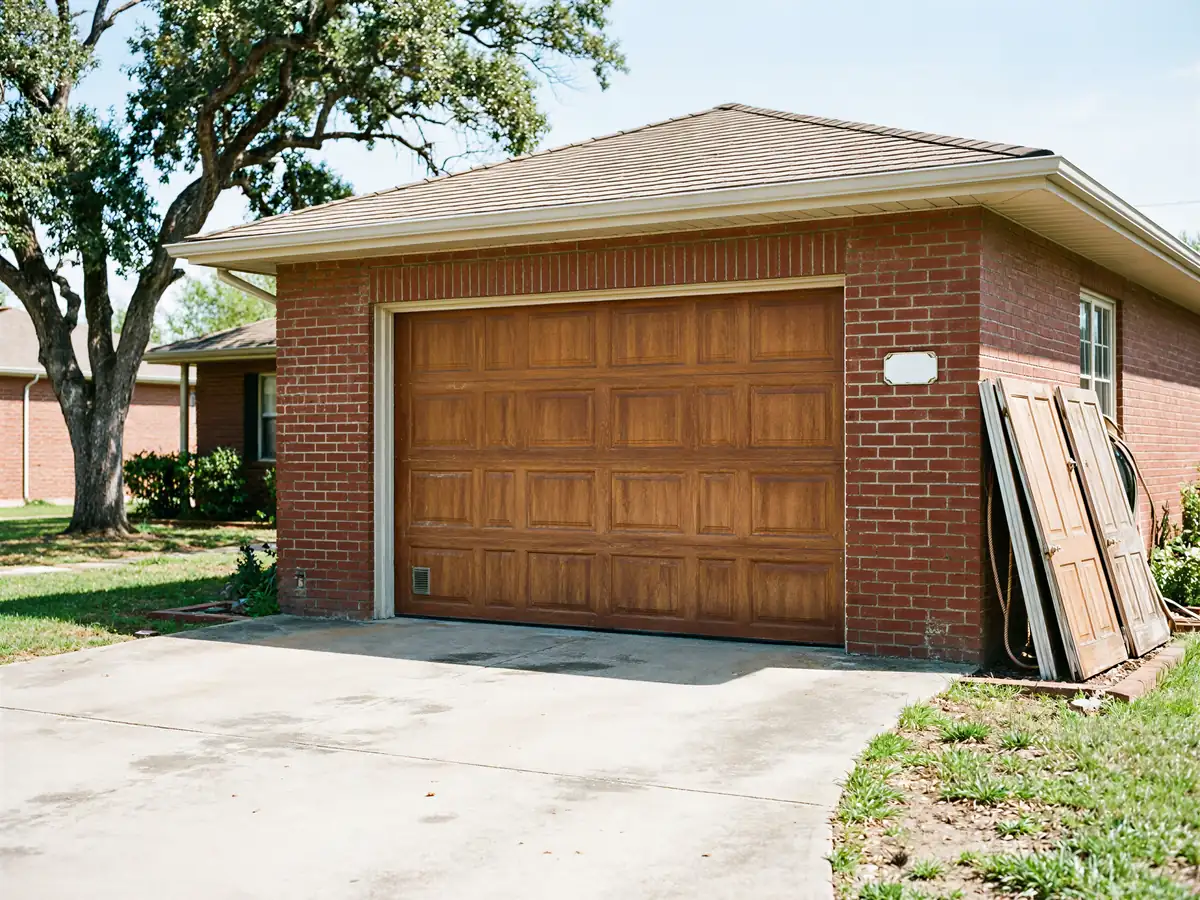
The climate here runs mild with the occasional freeze, which isn't the brutal cycle you'd get further north, but it still does work on hardware over 45 years. A freeze snaps grease thick overnight, and a door that was already running tight on an old track will bind or jump the roller the first cold morning it's forced open stiff. The bigger factor in Kenner specifically is just age matching the build year: a house from 1977 has had its original garage door system through close to five decades of Gulf humidity and temperature swings, and steel fatigues and rusts at the mounting brackets whether or not any single storm did the damage. Extension springs from that era, if they're original, are well past any reasonable service life - springs are rated in cycles, and a door opened twice a day for 45 years has used up what a modern torsion spring would be expected to deliver two or three times over. This isn't a Kenner-only problem, but it's a Kenner-now problem, because the housing stock that defines this part of the parish is hitting the age where original hardware starts failing in bunches rather than one at a time.
The Cost of This Job
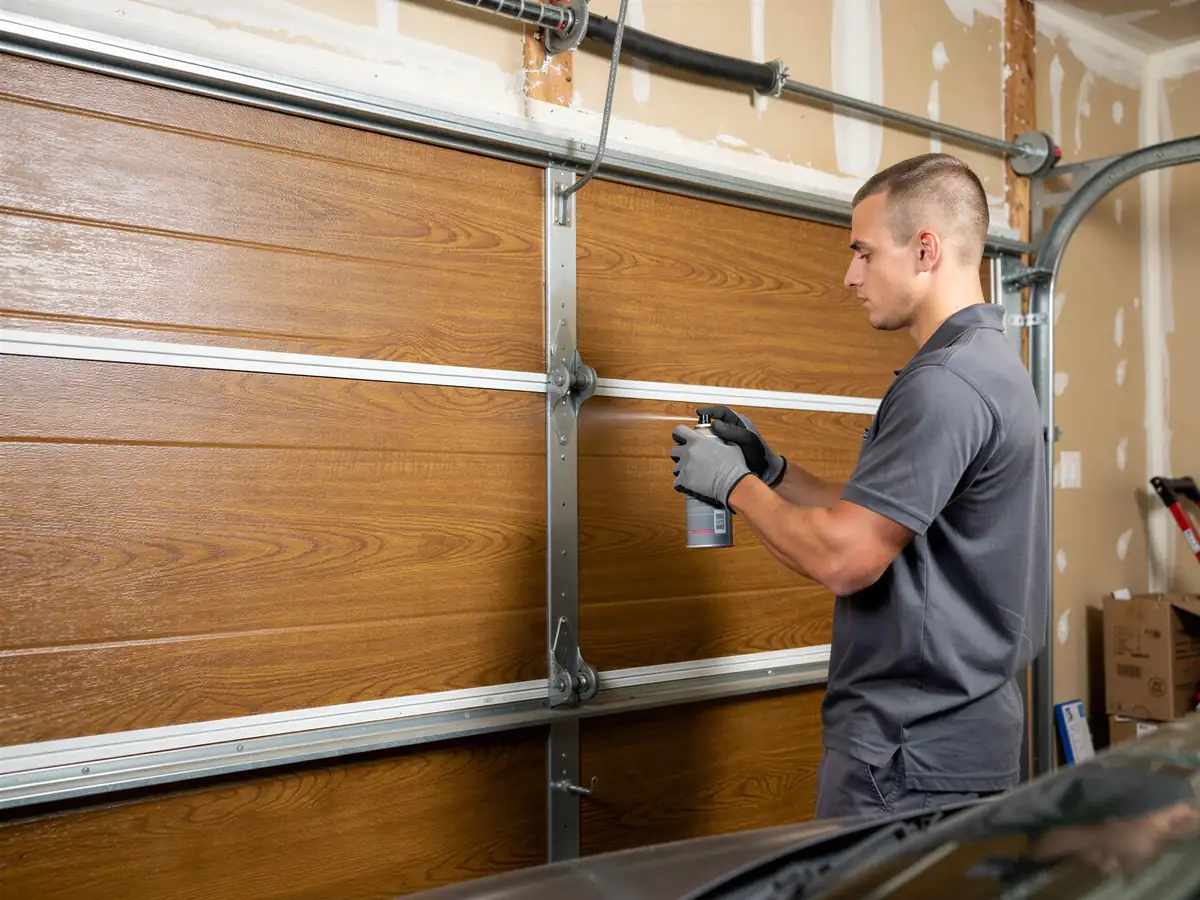
We don't have a fixed number to quote here, and we'd rather say that than make one up. What drives the cost on a Kenner job is usually whether the hardware is original or has already been replaced once. A door where the springs, cables, and rollers are all original to a 1977 build tends to need more than one part replaced at once, because if the springs have failed, the cables and rollers that ran alongside them for the same 45 years are usually close behind. A door that's had a partial update - say, newer springs on older track - is often a smaller job. The honest answer, and the reason we don't post a flat price for maintenance, is that a service call on a door this age can turn from a lubrication and adjustment visit into a parts conversation once we're looking at the actual hardware. We'll tell you which one it is before any work starts.