How to Book
We run this job out of Metairie, about 4 miles from River Ridge, so there's no local branch or drop-in counter here - you call, we schedule the truck, and we come to you. Because we're not staging a crew in River Ridge itself, we ask for the door's age and a quick description of the noise or the sticking point when you call, so the truck that shows up has the right rollers loaded rather than needing a second trip. If the door is original to a 1971-era build, steel rollers on steel track, say so - it changes what we bring. We book by appointment, not by walk-in, since the work comes from Metairie rather than a depot in town.
Where This Job Goes Sideways
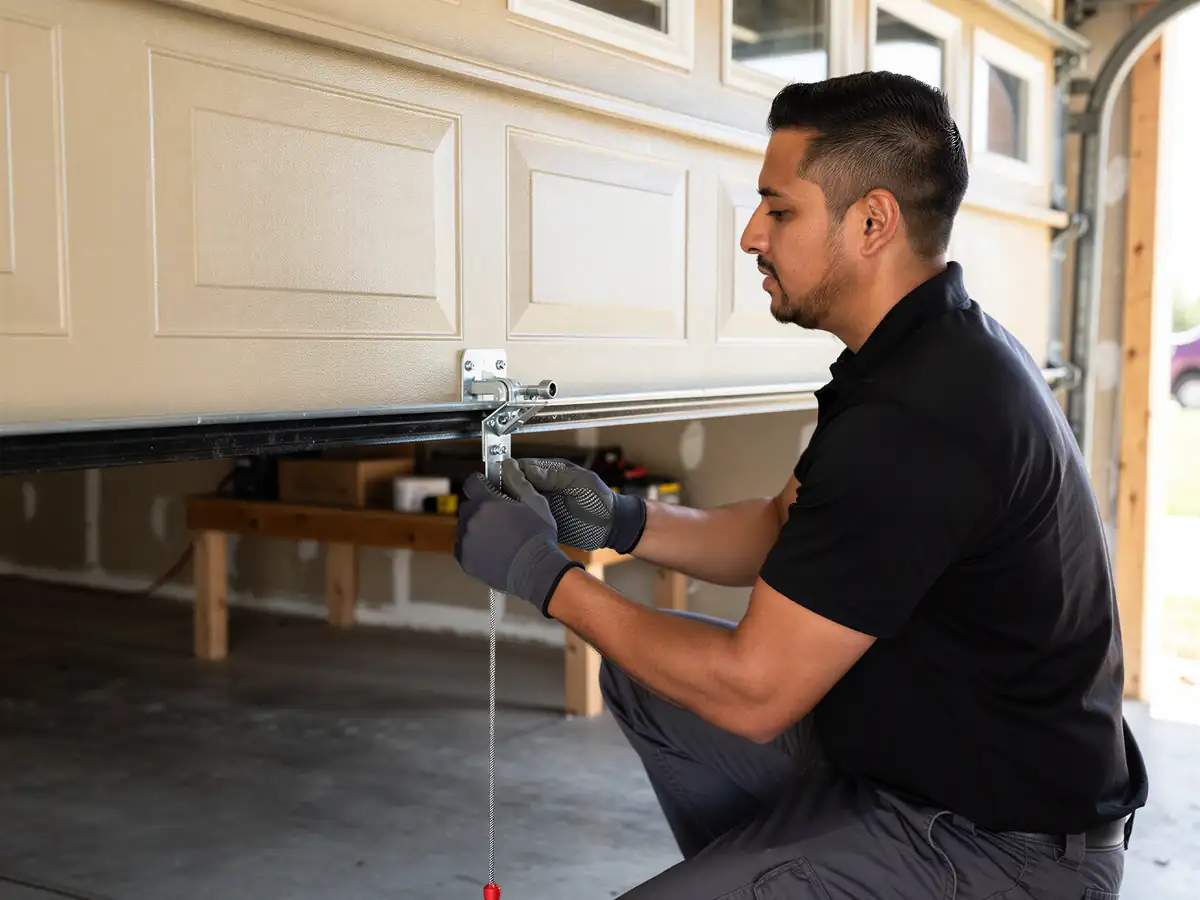
The trouble on a house like most of River Ridge's stock is that the track has usually worn right alongside the rollers, not independently of them. Swap in new rollers and run them on track that's grooved from fifty years of the old hardware, and the new rollers will ride rough and wear fast anyway - sometimes within a year. On a door this age, we have to check the track for wear, not just the rollers, before we commit to a roller-only repair. The other place this goes wrong is the bottom bracket. On original 1971-era doors, that bracket has usually never been touched, and it's holding spring tension. Working a roller out of a worn bottom bracket without easing that tension first is how people get hurt, which is also why we don't recommend DIY roller swaps on doors this old.
What the Fix Involves
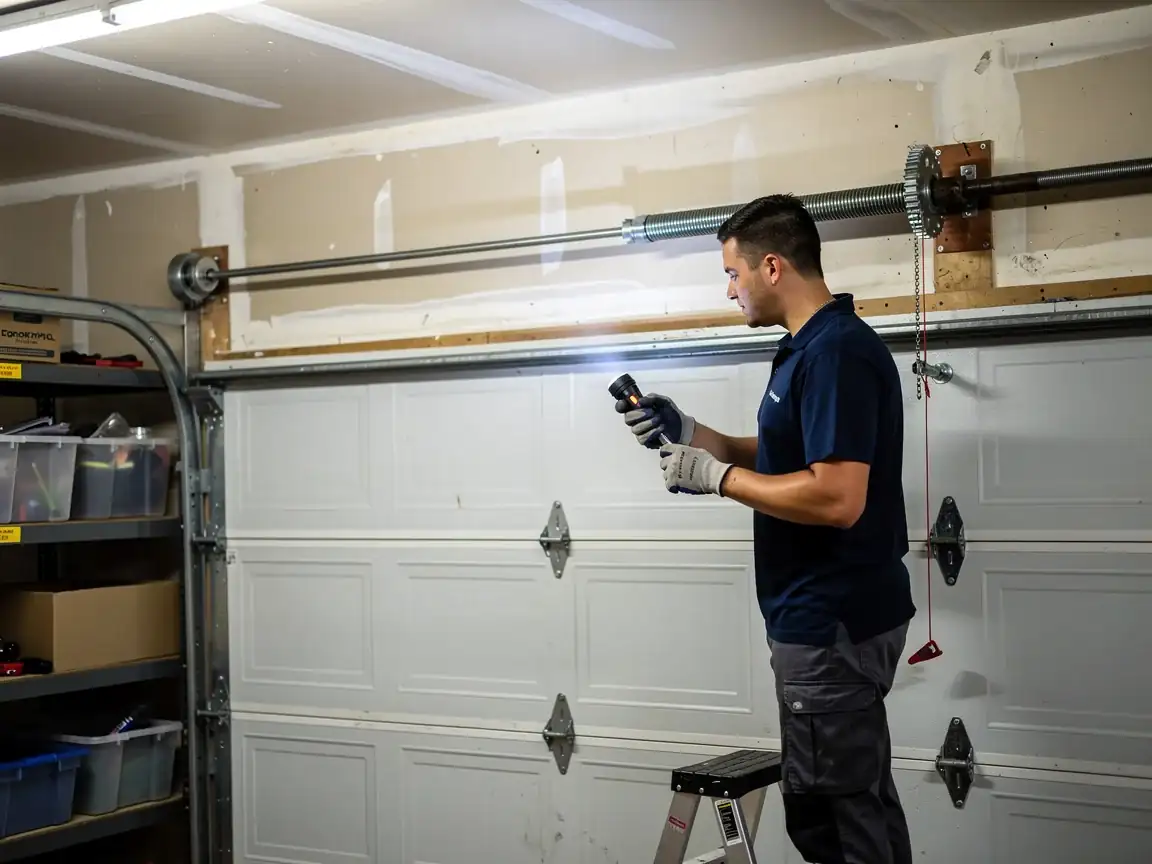
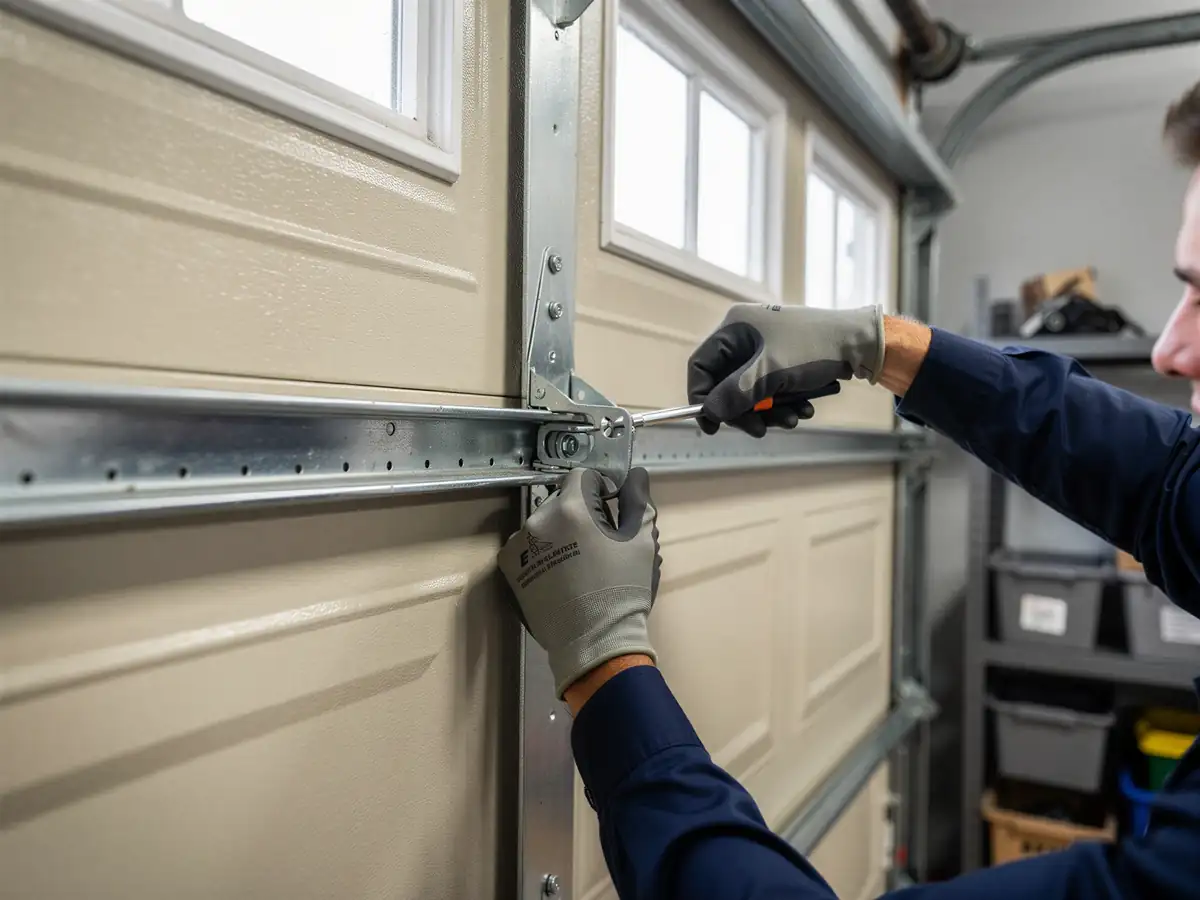
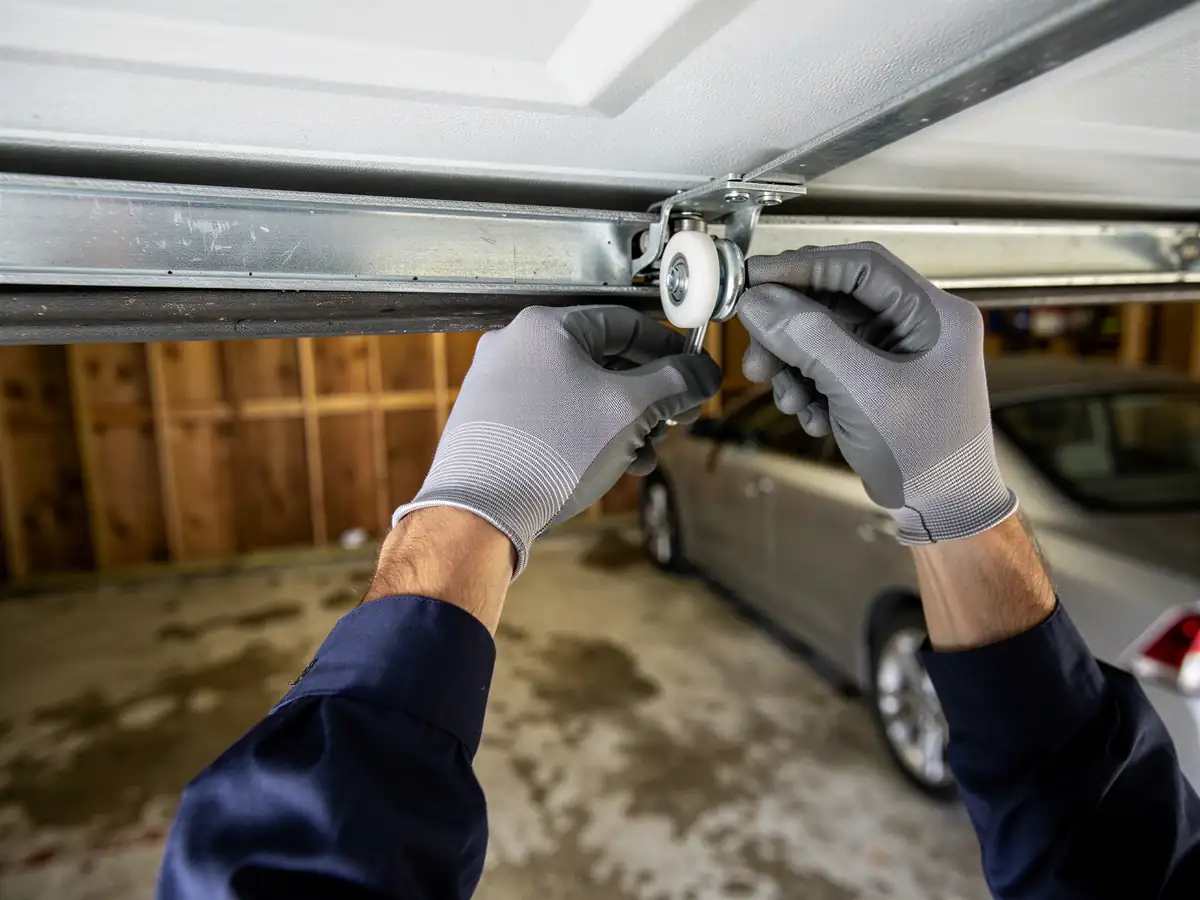
On a door of this era we start by rolling it by hand with the opener disconnected, listening and watching for where it catches. We pull the rollers that are worn - usually not all of them - and check the track they ride in for grooving or bent rail before putting new ones in. If the track's worn to match the old rollers, we true it or replace the section rather than hanging new hardware on bad rail. Nylon rollers with sealed bearings are the standard swap for steel on a door this age; they run quieter and don't wear the track the way the originals did. We don't touch the torsion spring on this job unless it's already failed - roller work and spring work are two different jobs, and we'll tell you plainly if a door needs both.