How It Shows Up
The call we get from River Ridge almost always starts the same way
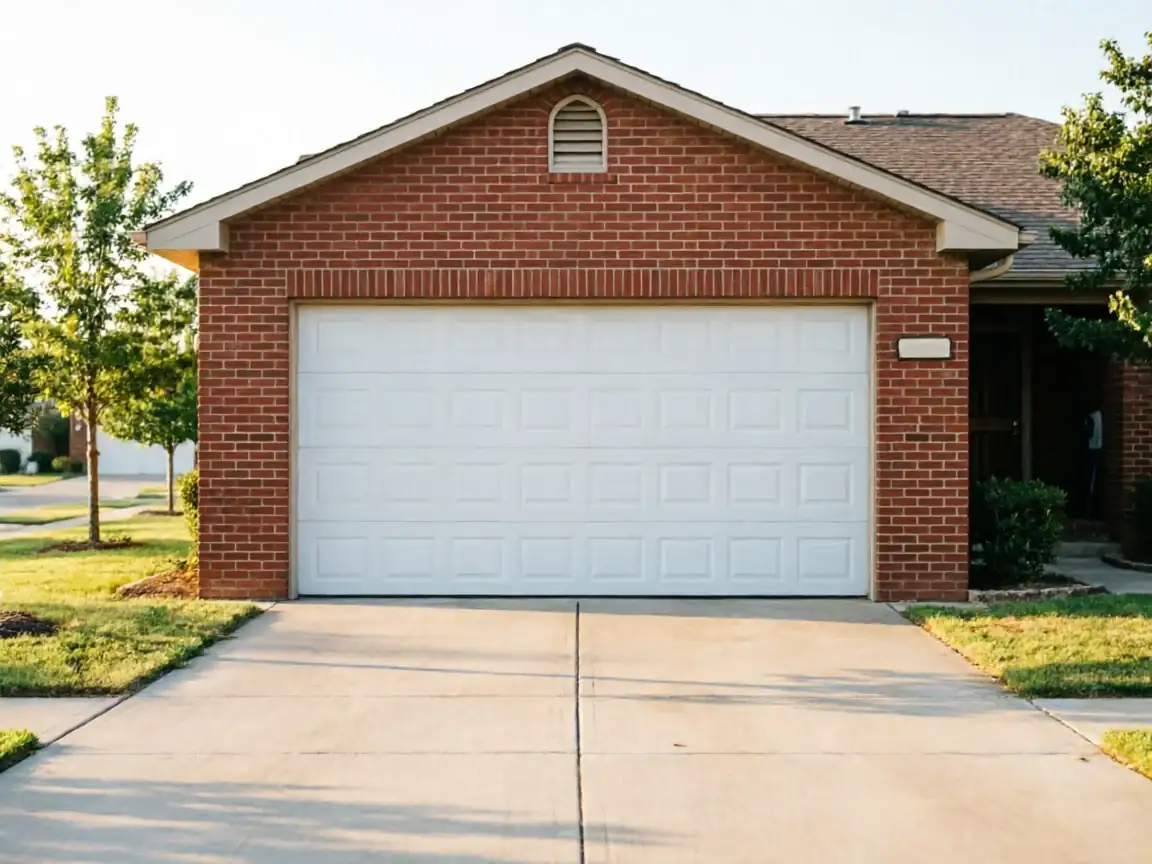
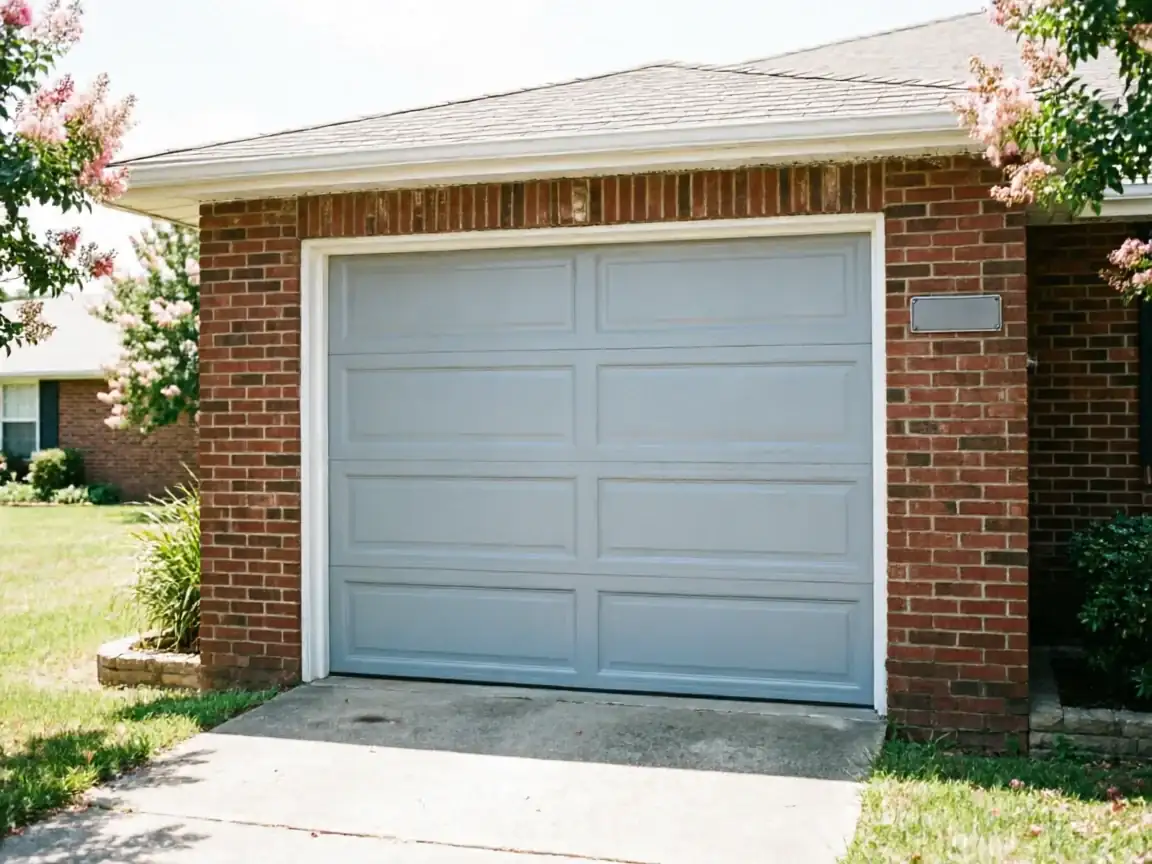
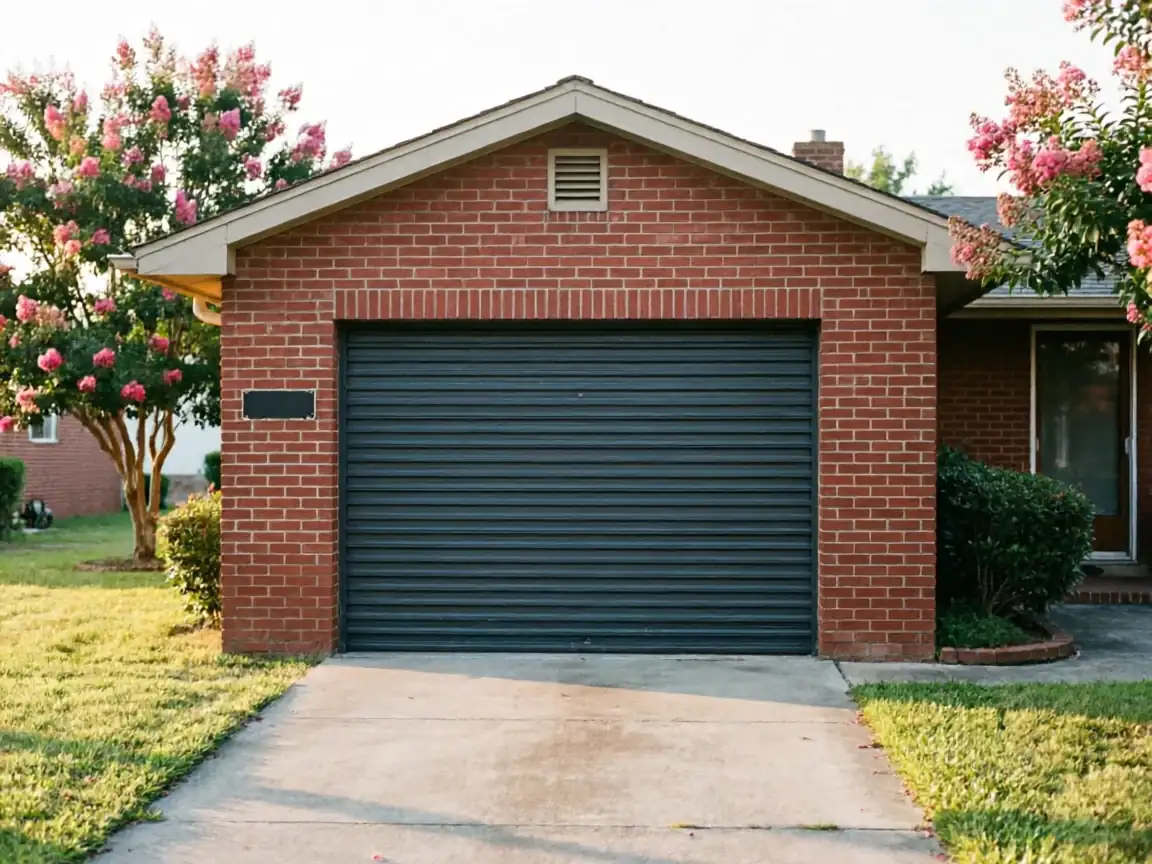
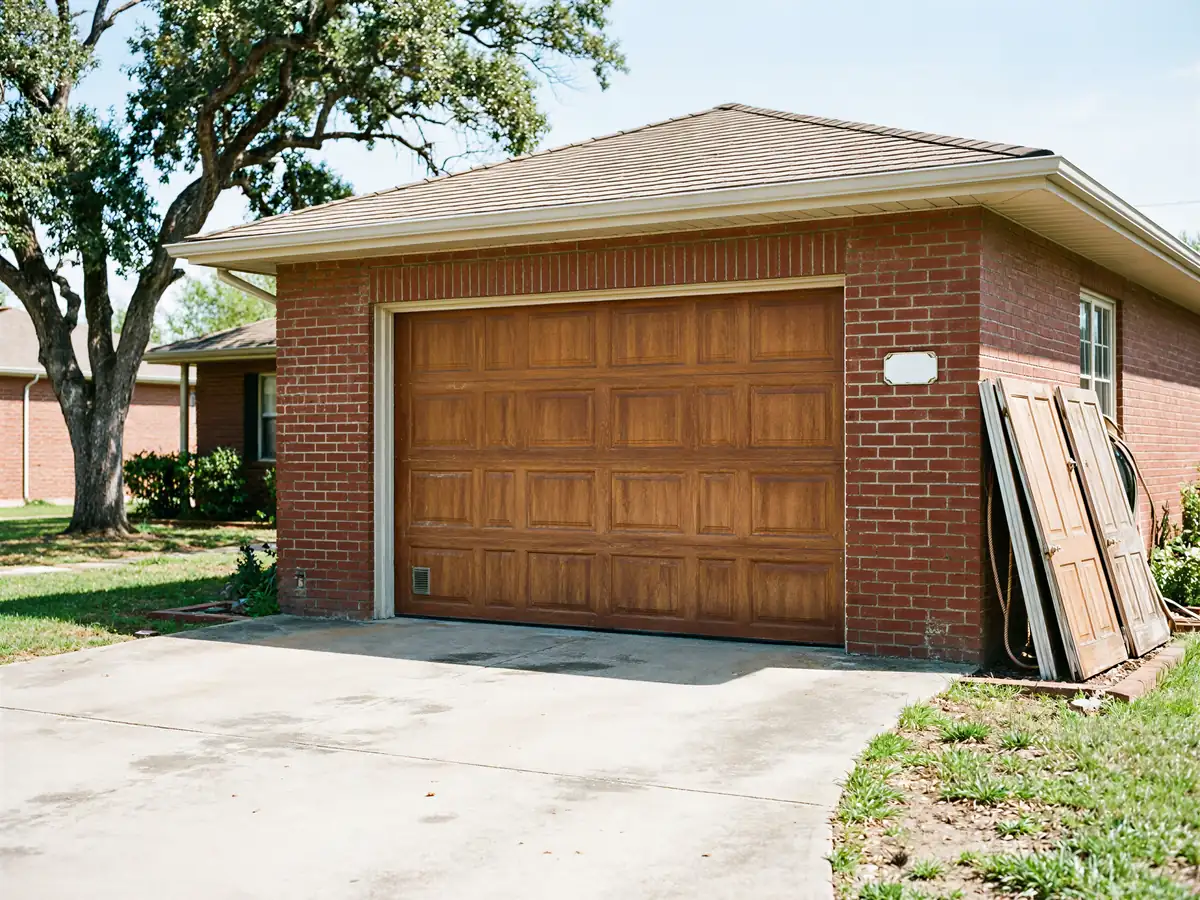
The door still moves, but it's heavy, loud, or hanging crooked, and the owner isn't sure if that's normal wear or a sign the whole unit needs to go. Here it's usually not normal wear. Houses in River Ridge went up mostly around 1971, a good decade earlier than the 1980 median build year across the wider service area. That matters because a door installed on a 1971 build is likely a second or third replacement by now, often a single-layer steel panel hung on extension springs and a track width that's narrower than what current doors use.
When that hardware finally gives out, it doesn't fail gracefully
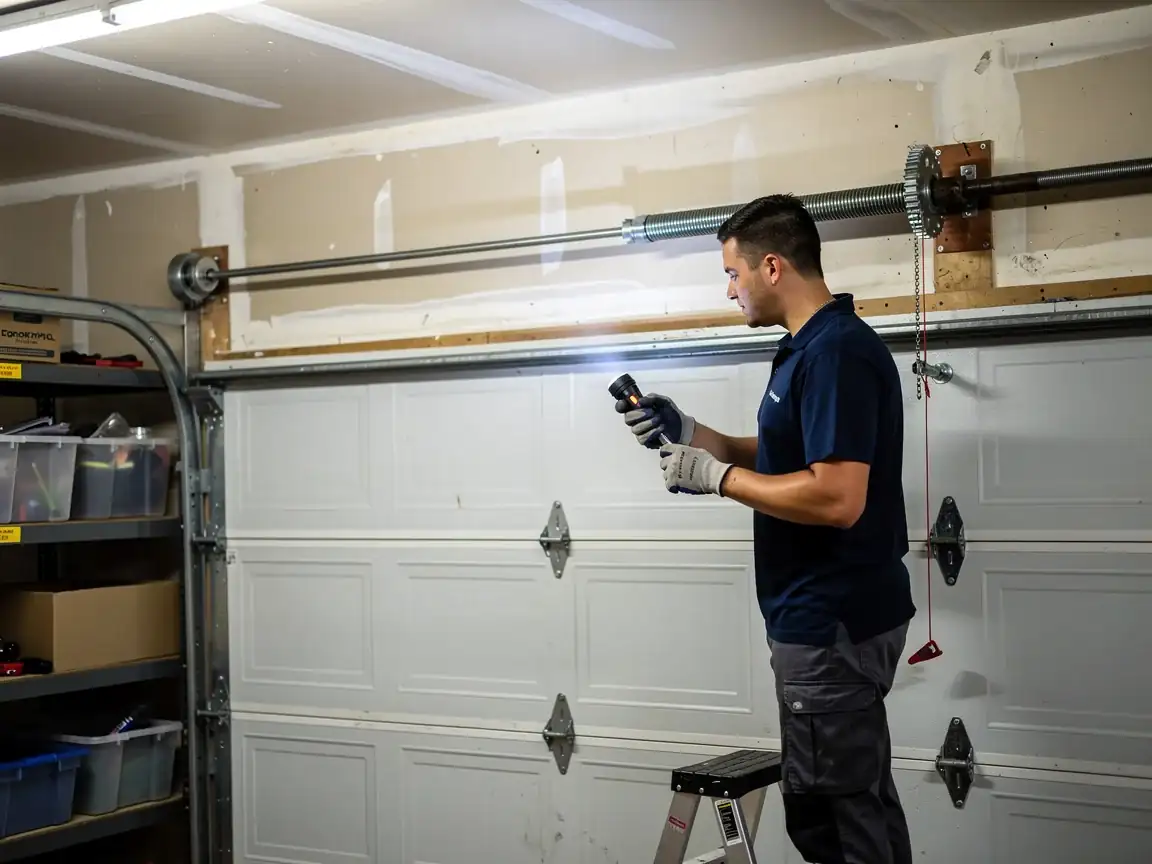
The track pulls away from the jamb, the panel bows at the bottom corner, or the opener starts straining against springs that were sized for a lighter door than the one it's lifting now. By the time a homeowner calls, the question usually isn't "can this be patched" - it's "what replaces this correctly." That's the job this page is about, not the broader repair work covered elsewhere.
How to Book
We're based in Metairie and River Ridge sits about 4 miles out, close enough that a measurement visit or install day doesn't turn into a half-day drive for either of us. You can call or use the booking link below to set up a time to have someone come out, measure the opening, and talk through door options for the house you actually have - not a generic size.
Because we're not running a branch office in River Ridge itself, we schedule installs out of Metairie and route the truck to you. That's not a limitation on quality, but it is worth saying plainly: we don't promise a same-day response here the way a shop sitting on your block might. Plan for a scheduled visit, not a walk-in. For general service and smaller repairs in the area, see the River Ridge service page linked below; this page is specifically about new door installation.
Where This Job Goes Sideways
The most common mistake on a 1971-era opening is measuring the door and ignoring the frame. Framing from that period often sits slightly out of square after five decades of settling, and a new door ordered to the old rough opening's nominal size without checking plumb and level will bind on one side within the first year. We've seen it cause a door that closes fine in summer and drags in winter once the humidity shifts the wood jamb.
The second place it goes wrong is hardware mismatch. A homeowner replaces the door but keeps the original torsion or extension spring setup because it's "still working." Springs are matched to door weight, and a new insulated steel door almost always weighs more than the bare single-layer panel it's replacing. Keep the old springs and the opener will overwork, the cable will wear faster, and the door will reverse unexpectedly on the way down. The honest fix is to replace the door and the lift hardware together, not stagger them to save money up front - staggering usually costs more in a second visit.
The Cost of This Job
We don't post a flat price for new door installation here because the honest number depends on the door style, insulation level, and whether the opening needs framing correction - and we don't have a fixed figure in front of us to quote on this page
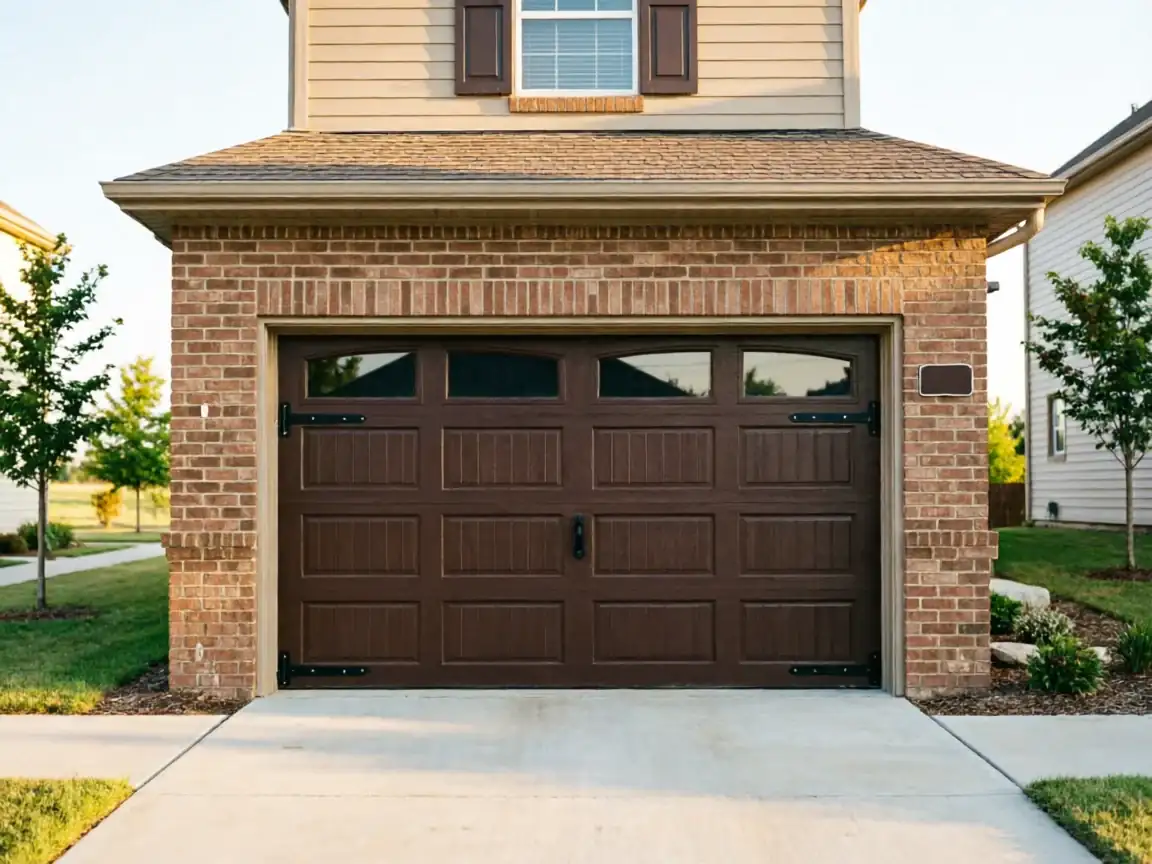
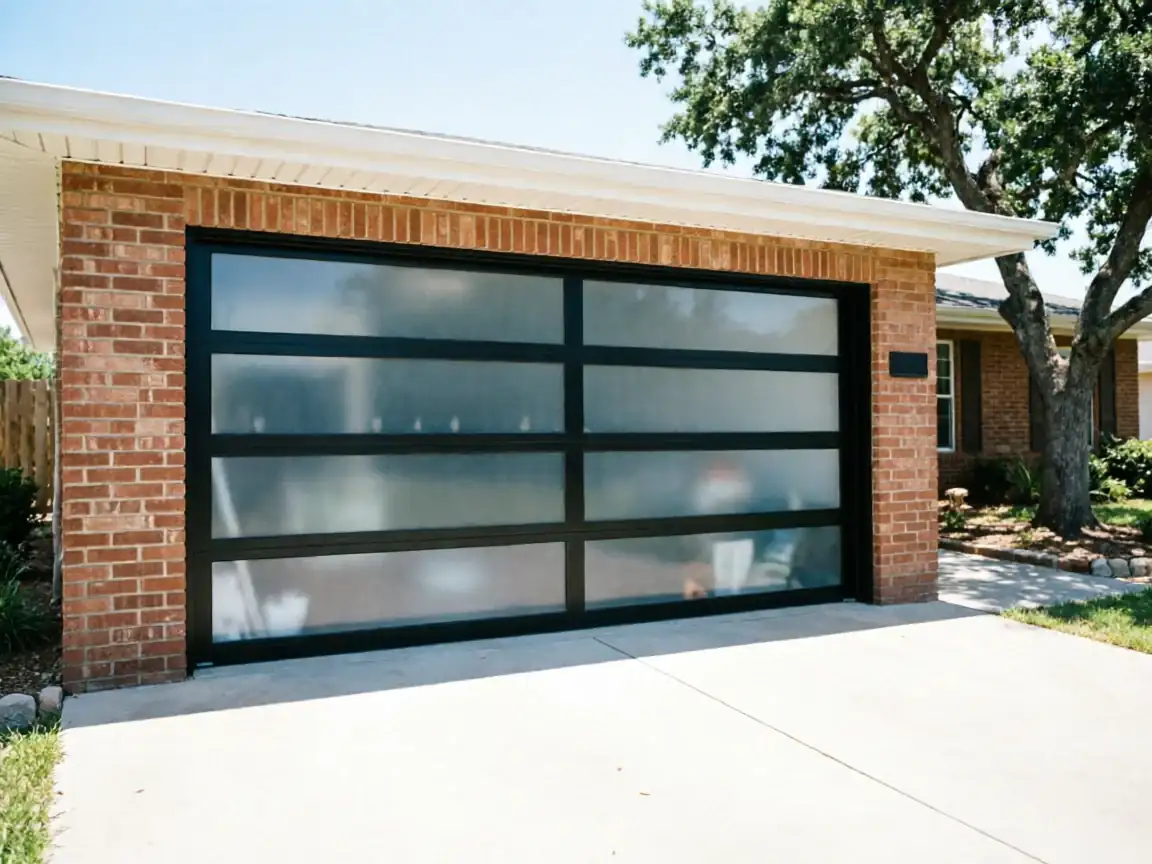
What we can tell you is what tends to drive the decision locally: River Ridge's median household income of $84,464 runs well above the wider service area's $67,099, and in practice that shows up as more owners choosing insulated steel doors with glass inserts over the bare panel that was standard when these houses were built in 1971.
If you want a real number, that comes from the measurement visit, not a page like this one
What we will say is that replacing the door and the lift hardware in the same visit almost always costs less than two separate trips, so when a 1971-era door and its original springs are both nearing the end, it's worth doing both at once rather than patching the door now and the springs later.
What the Fix Involves
A proper install starts with checking the opening for square and plumb, not just width and height, since framing from the early 1970s has usually shifted some over fifty years. If the jamb is out of true, that gets corrected or shimmed before the new door goes in, not after.
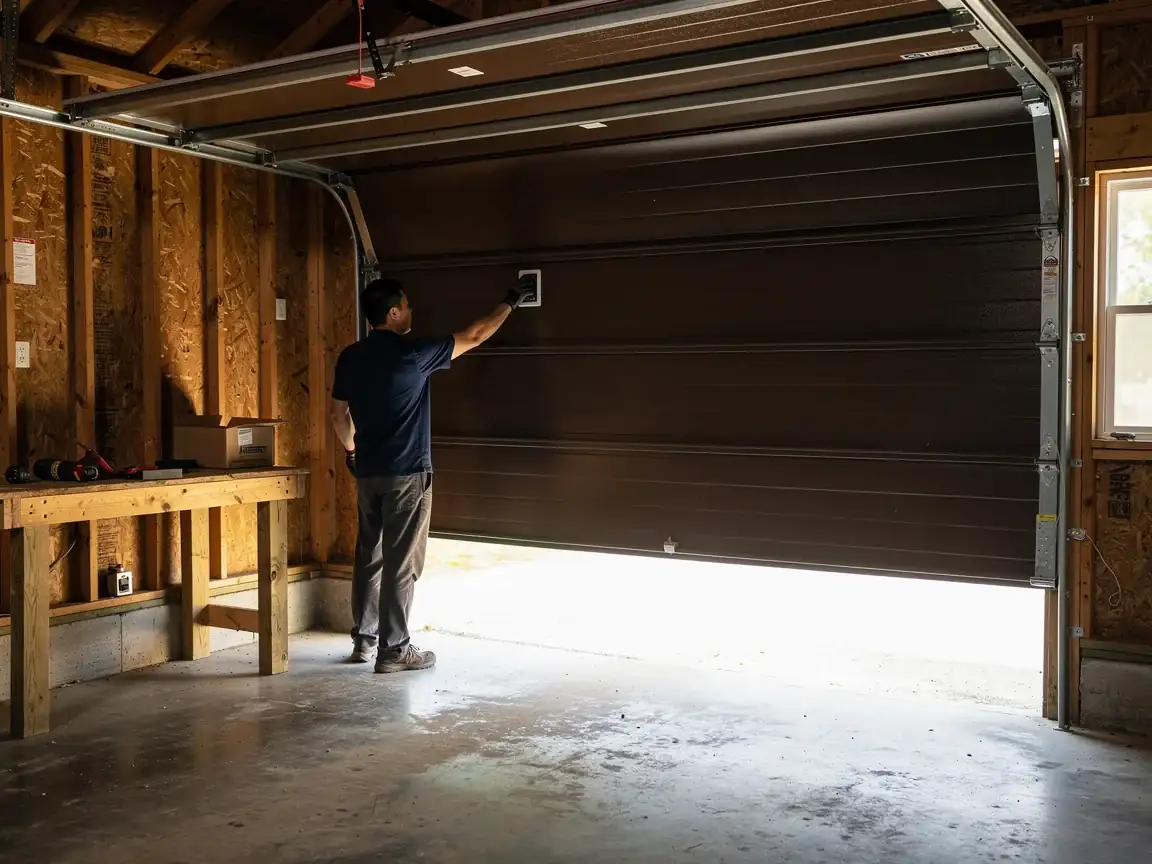
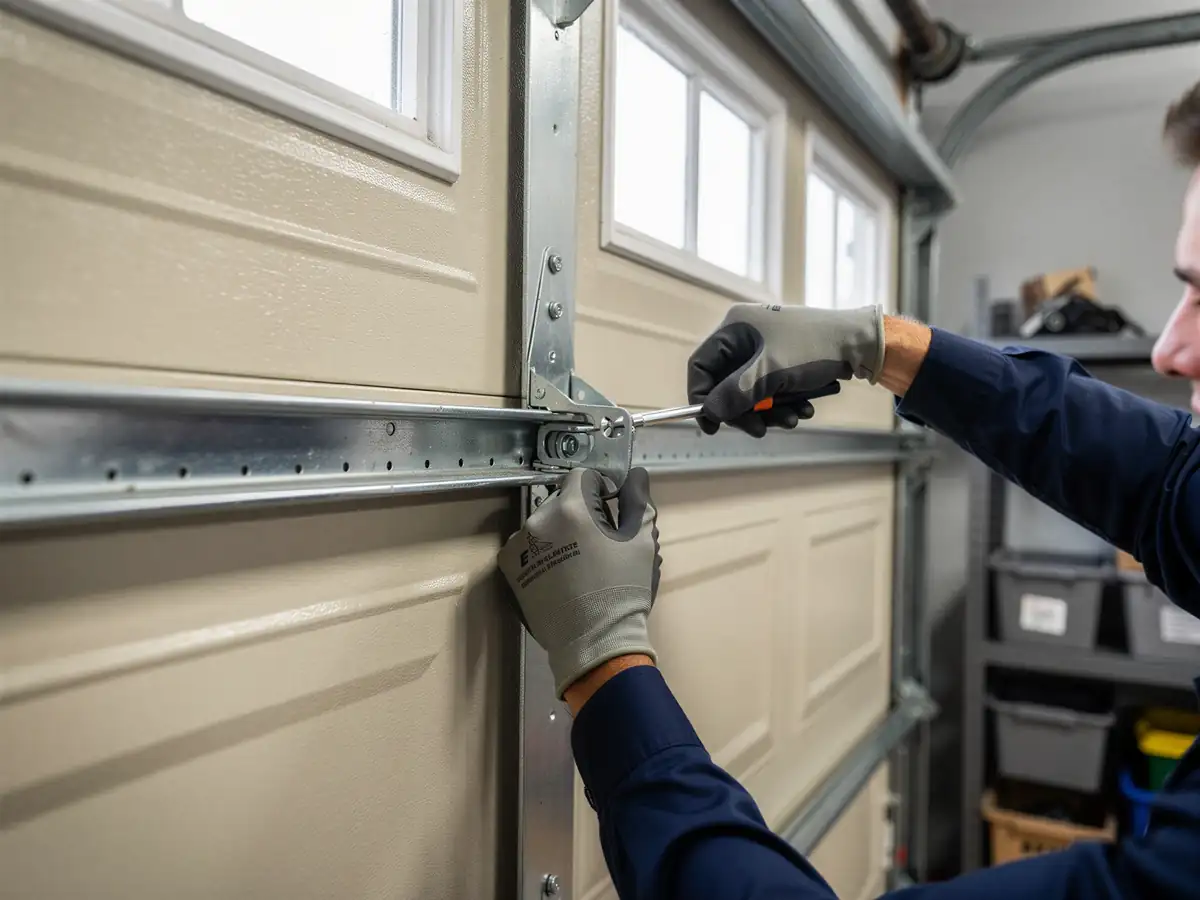
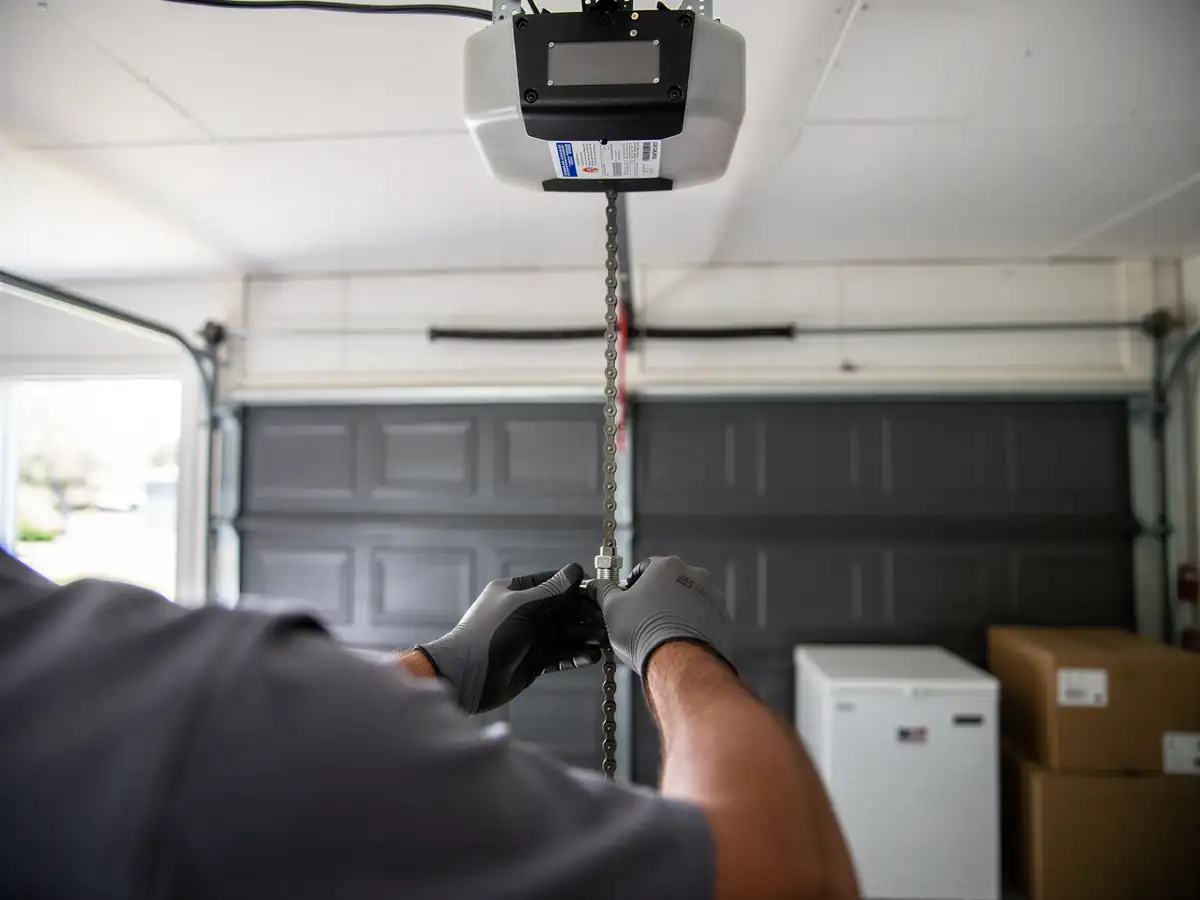
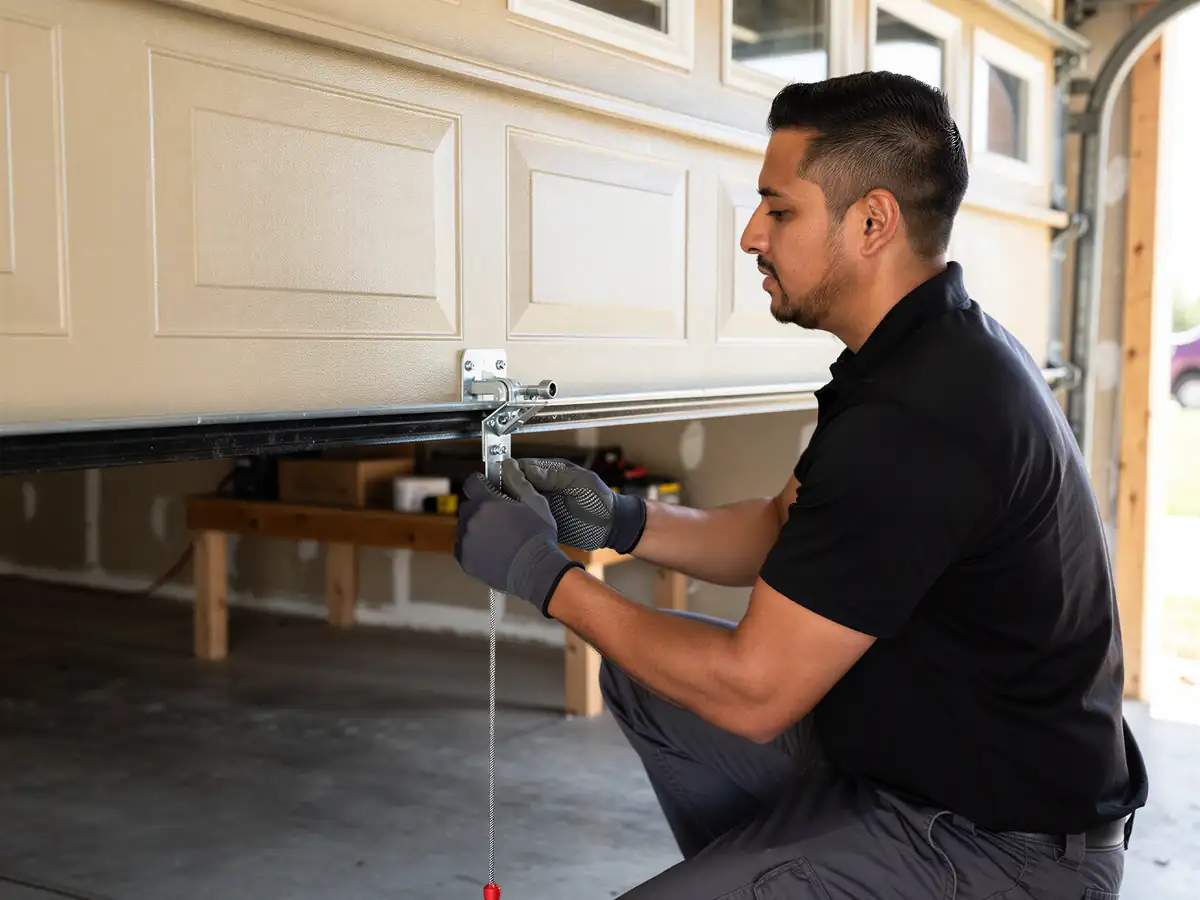
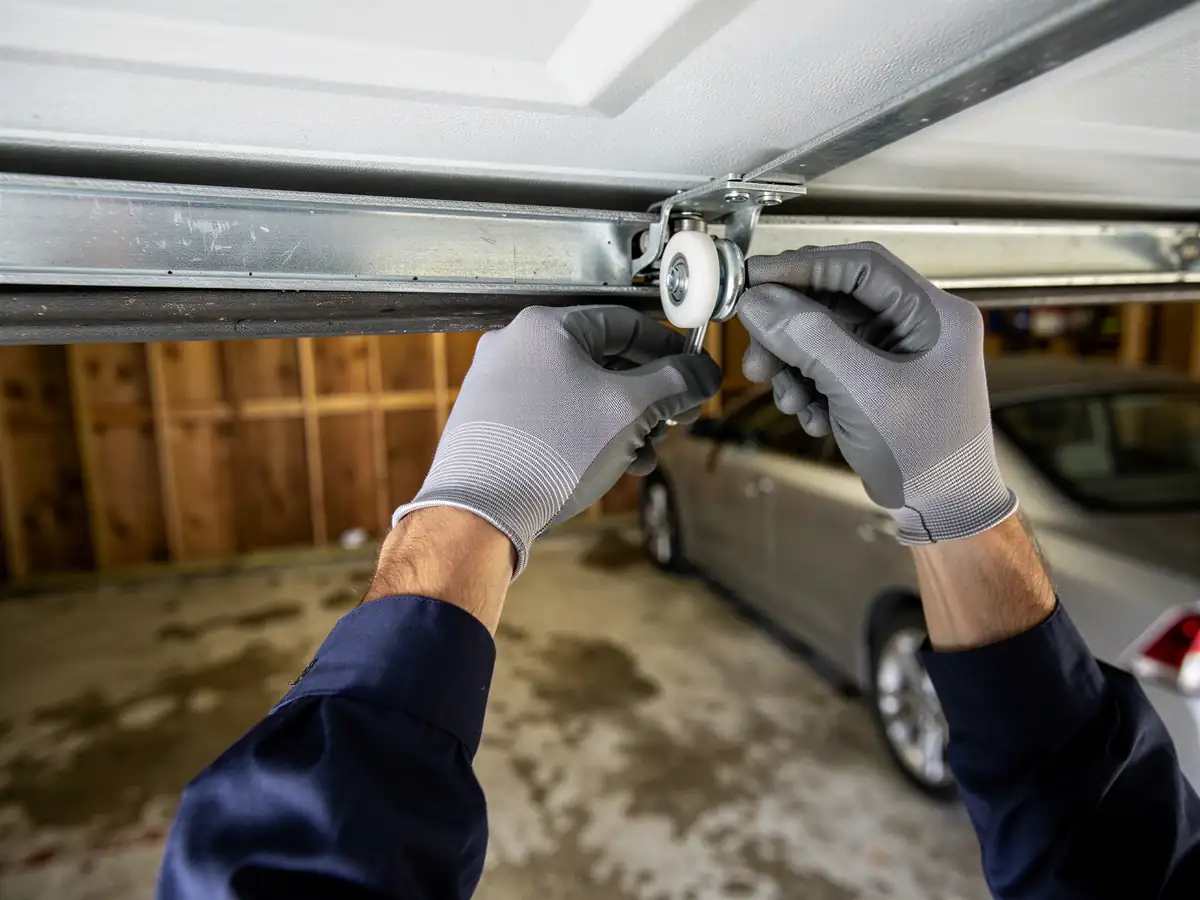
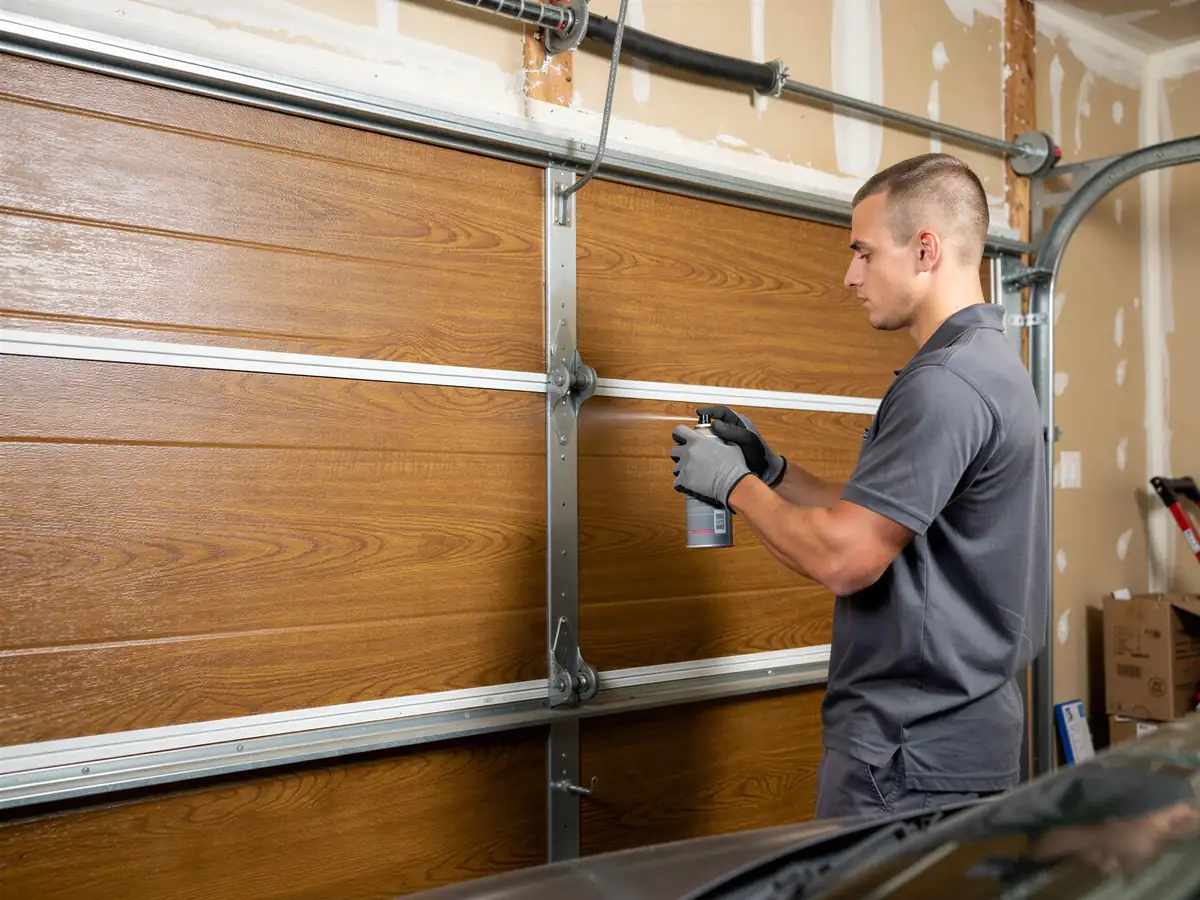
From there, the door is set, tracks are leveled and anchored, and the spring system is sized to the actual weight of the new panel - this is where swapping old extension springs for correctly sized torsion springs usually happens, since most doors from this era weren't built for today's insulated steel. The opener gets reconnected and the travel limits and auto-reverse are reset for the new door's weight and height.
One limitation worth stating plainly: if the framing damage is extensive - rot, serious settling, or a header that's no longer carrying load - that's a carpentry repair outside garage door work, and we'll say so rather than force a door into an opening that needs structural attention first. River Ridge's mild climate with occasional freeze doesn't put the same strain on tracks that a harder winter would, so once the hardware is matched correctly, these installs tend to hold up well.