How to Book
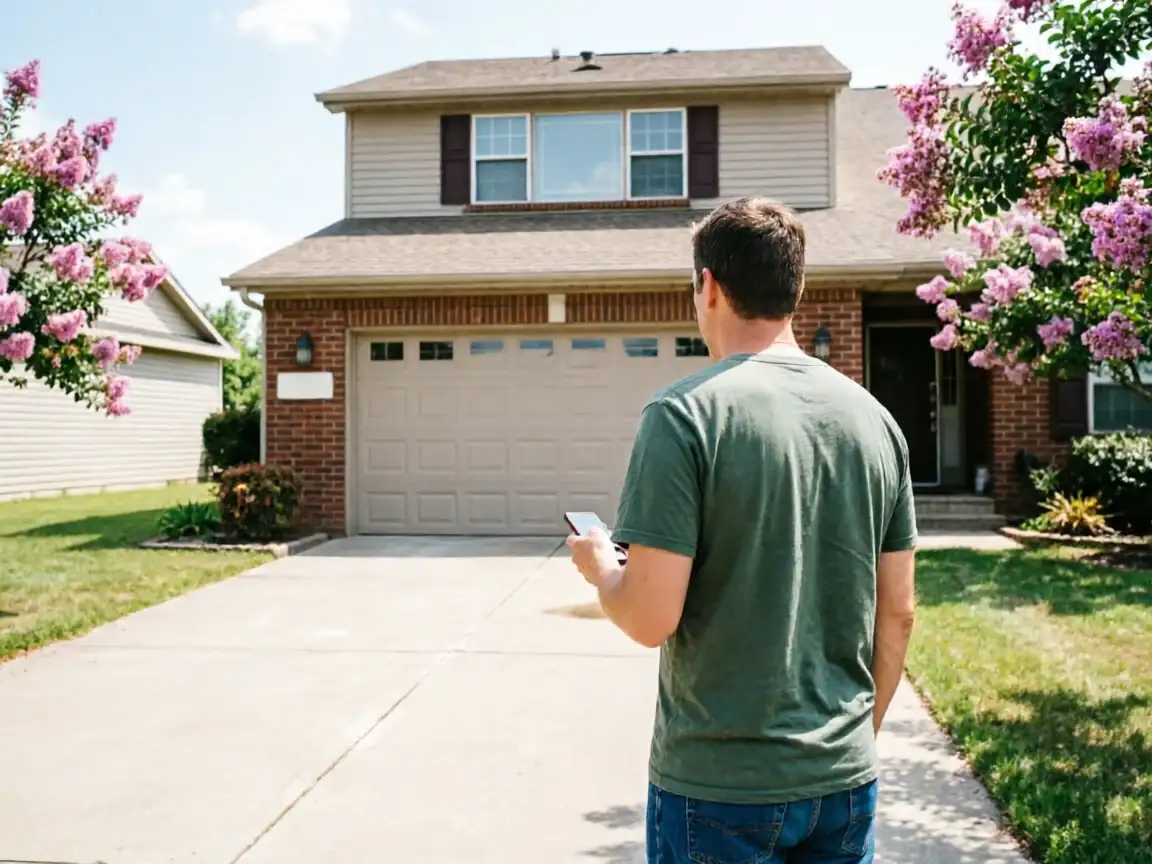
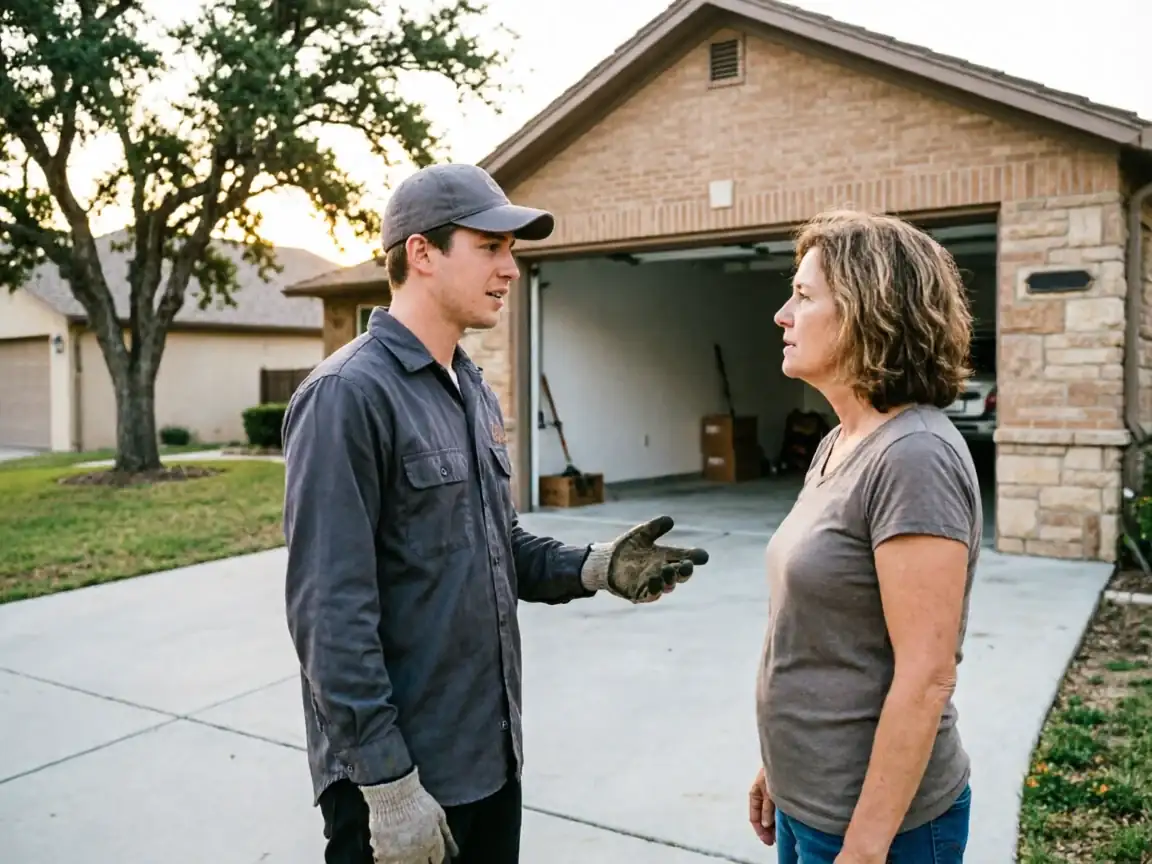
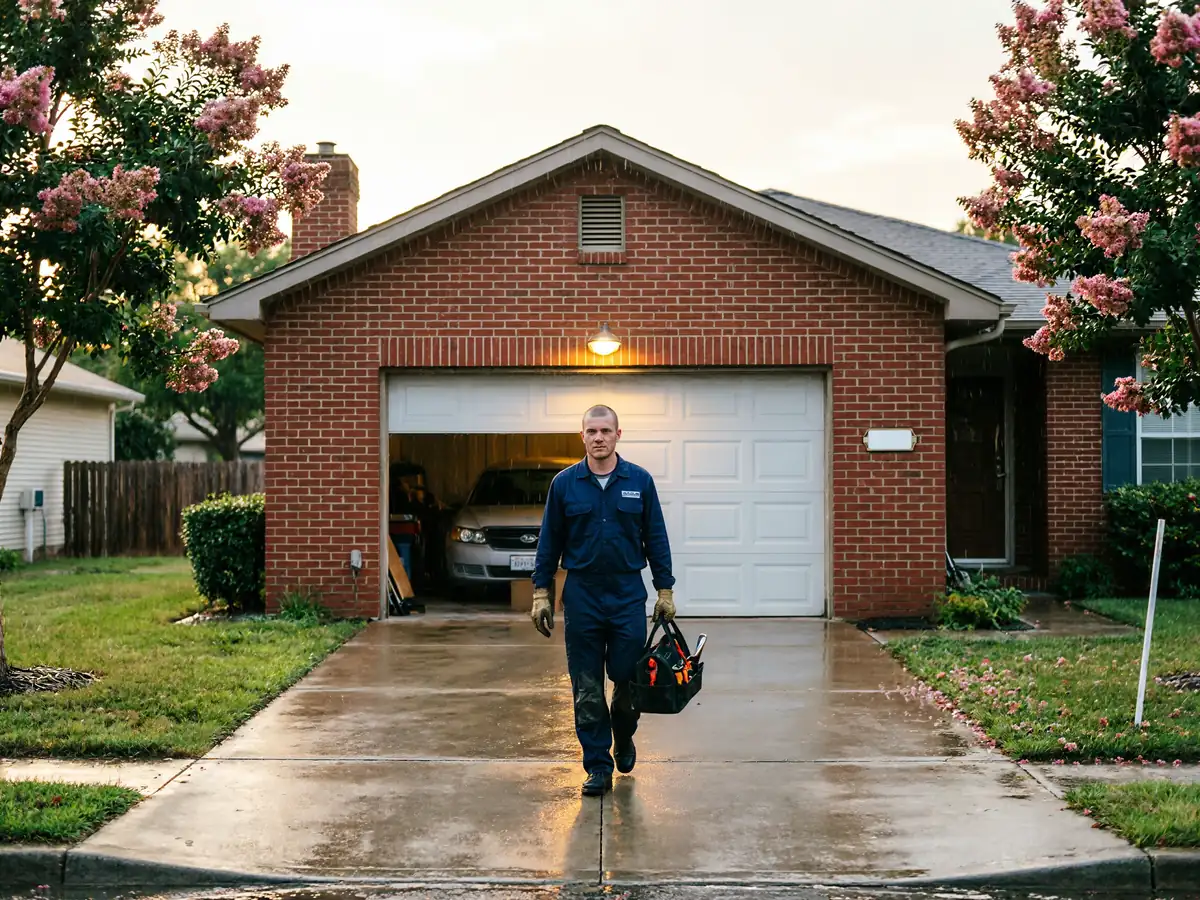
We cover River Ridge out of Metairie, four miles up the road, so booking a call here doesn't mean waiting on a local branch - there isn't one, and we're not going to pretend otherwise. You tell us what the opener's doing (or not doing), we tell you roughly what parts that points to, and we schedule the drive. For a chain-drive unit from the 80s or 90s, most of what goes wrong is either the board, the sensors, or the drive gear, and all three are things we carry stock for without a special order. If what you've got turns out to be a belt-drive opener installed more recently as a replacement, that's a different parts conversation, and we'll say so on the phone rather than finding out standing in your driveway. The honest version of this: if your opener is original to a 1971 house and has never been touched, it's not getting repaired - it's getting replaced, because parts for that generation of hardware stopped being made decades ago. We'll tell you which one you're looking at before we quote anything.
Where This Job Goes Sideways
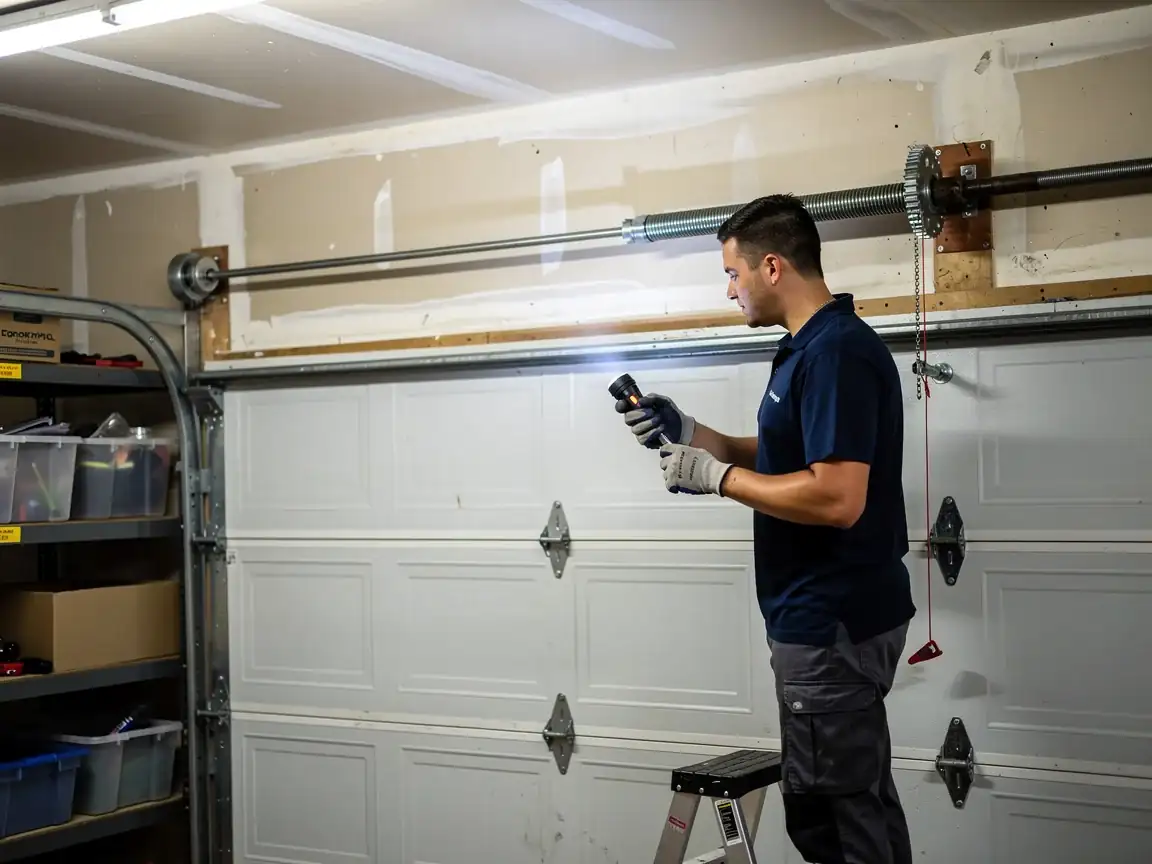
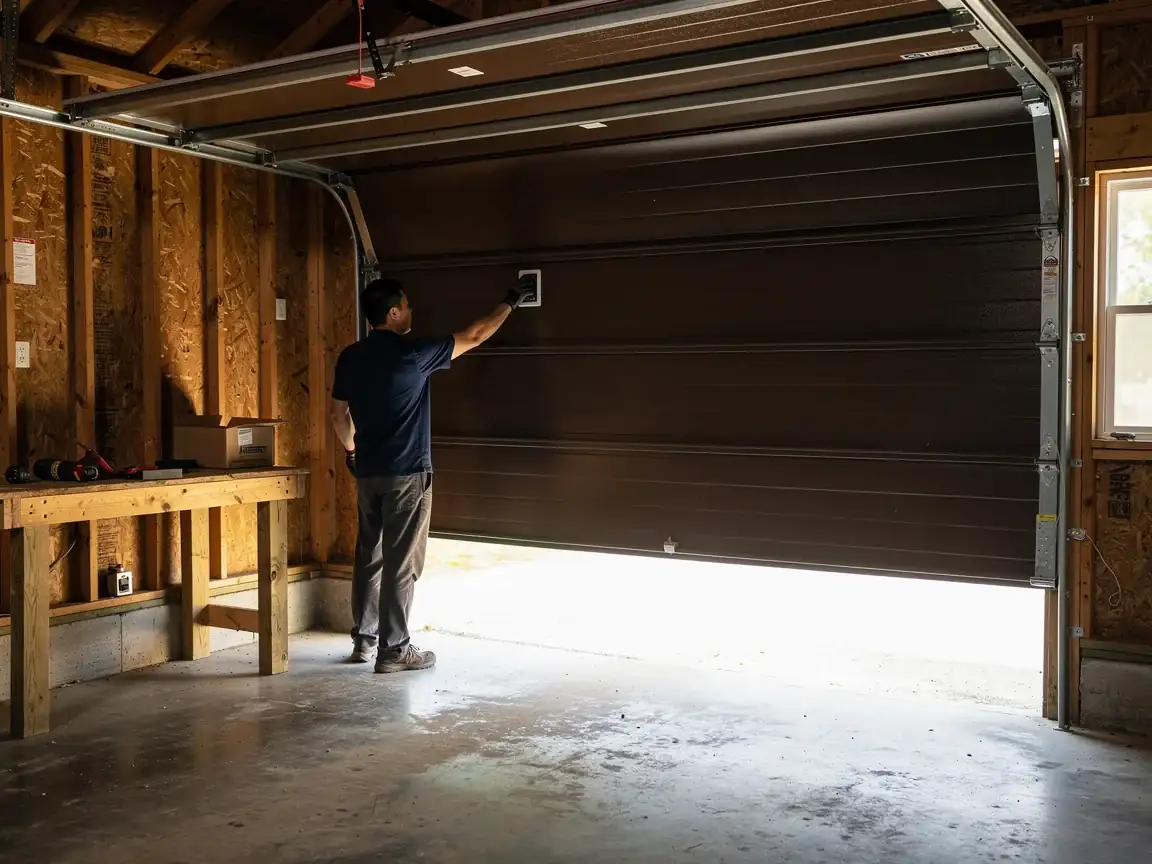
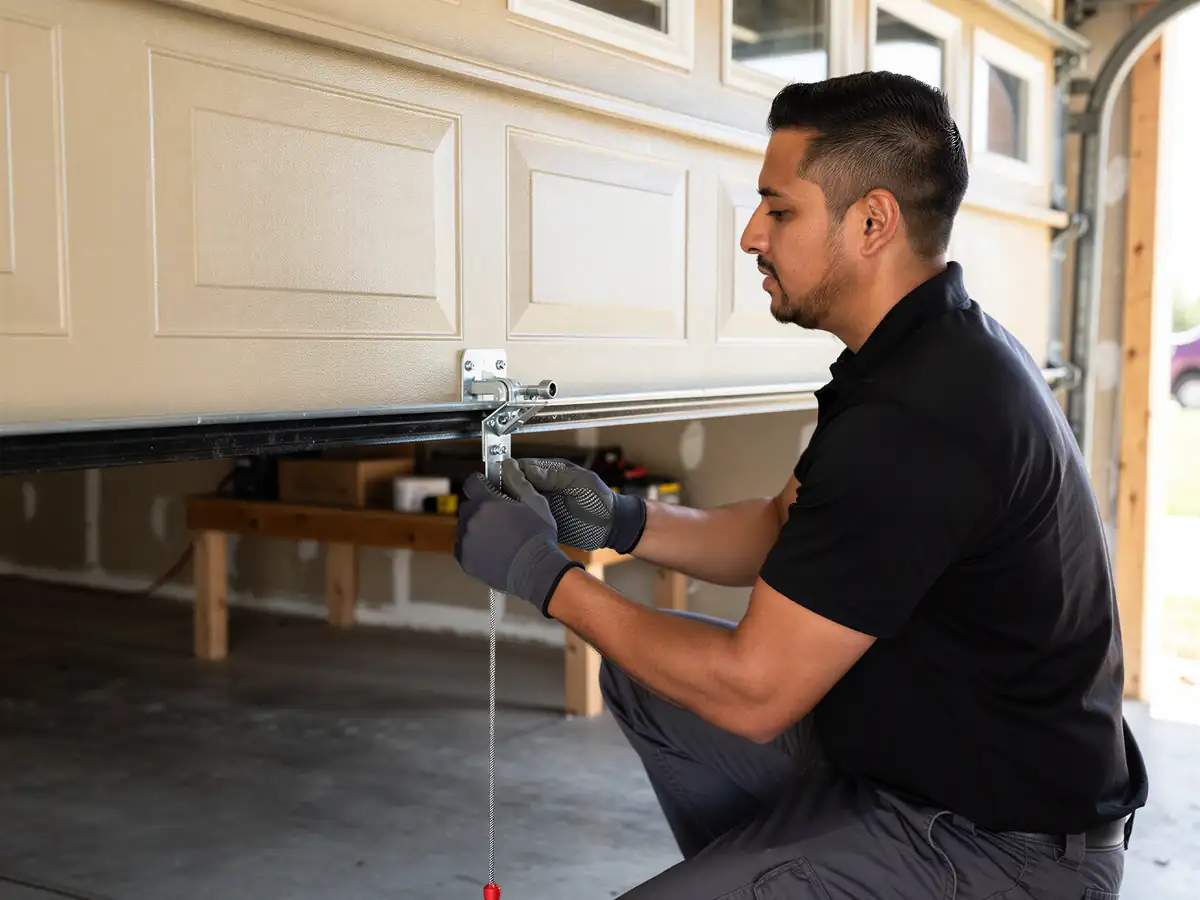
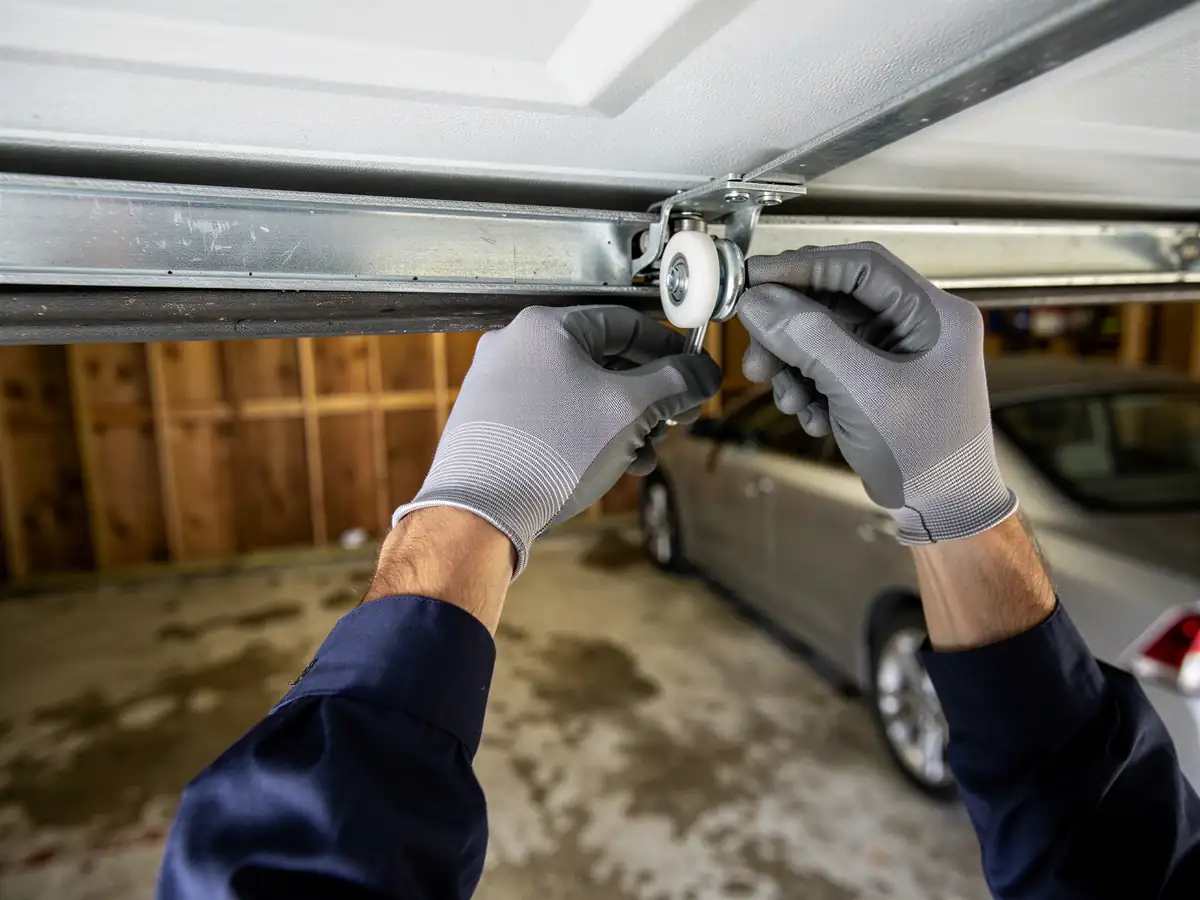
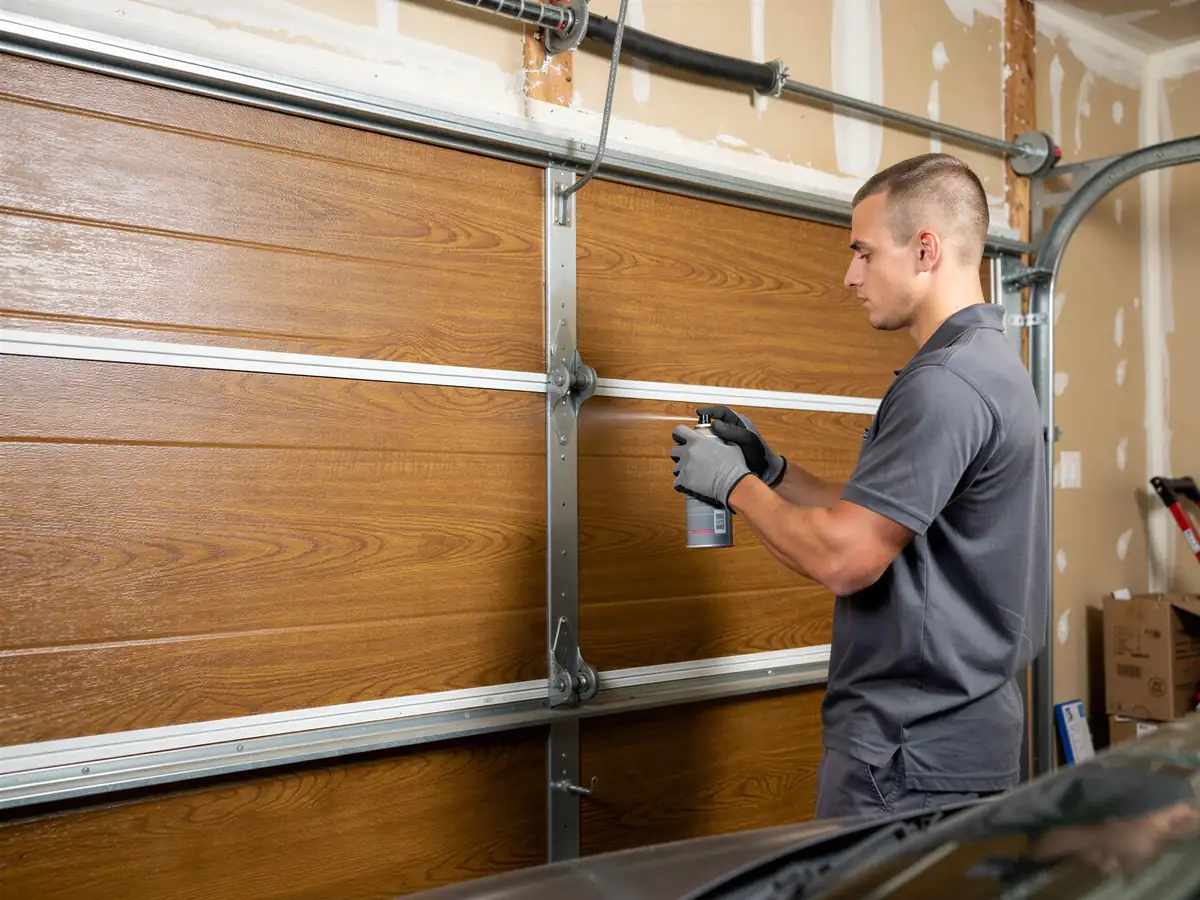
The mistake we see most in houses from this era is someone replacing the opener logic board or the sensors without checking the door itself first. A 1971-built door on original track and rollers puts more strain on a new opener motor than the motor is rated for, so the fix fails again within months and it looks like a bad part when it's actually a bad match. Humidity is the other factor - the climate here runs mild with occasional cold snaps, not the deep freeze-thaw cycle that cracks hardware up north, but the damp does its own slow work on circuit boards and connector pins over 30 or 40 years. We've opened units where the board looked fine and the real fault was corrosion on a sensor wire nobody had looked at since the Clinton administration. The other sideways turn: DIY sensor alignment. People nudge the eyes to stop a false-reverse, get the door moving again, and don't realize they've effectively disabled the safety reverse. It works until it doesn't, and by then it's not an opener repair call anymore.
What the Fix Involves
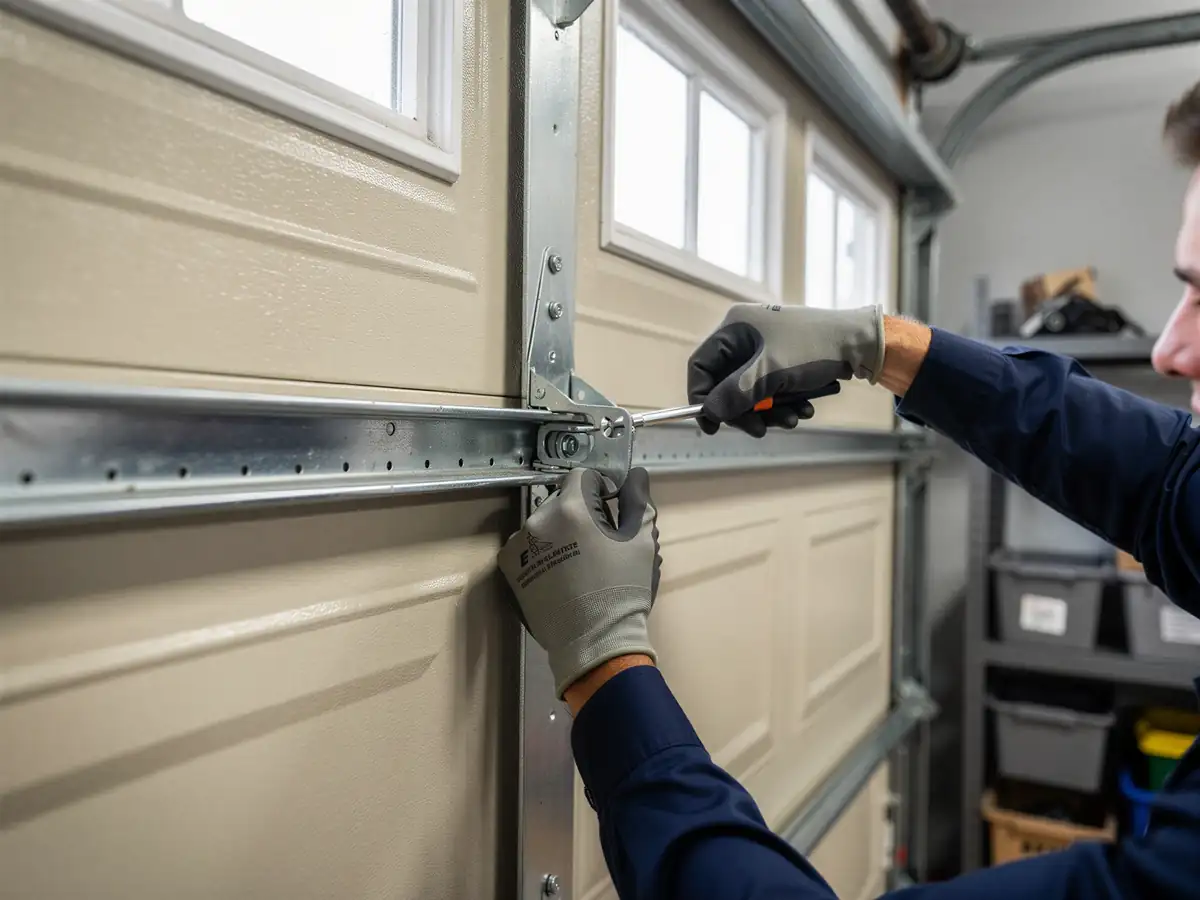
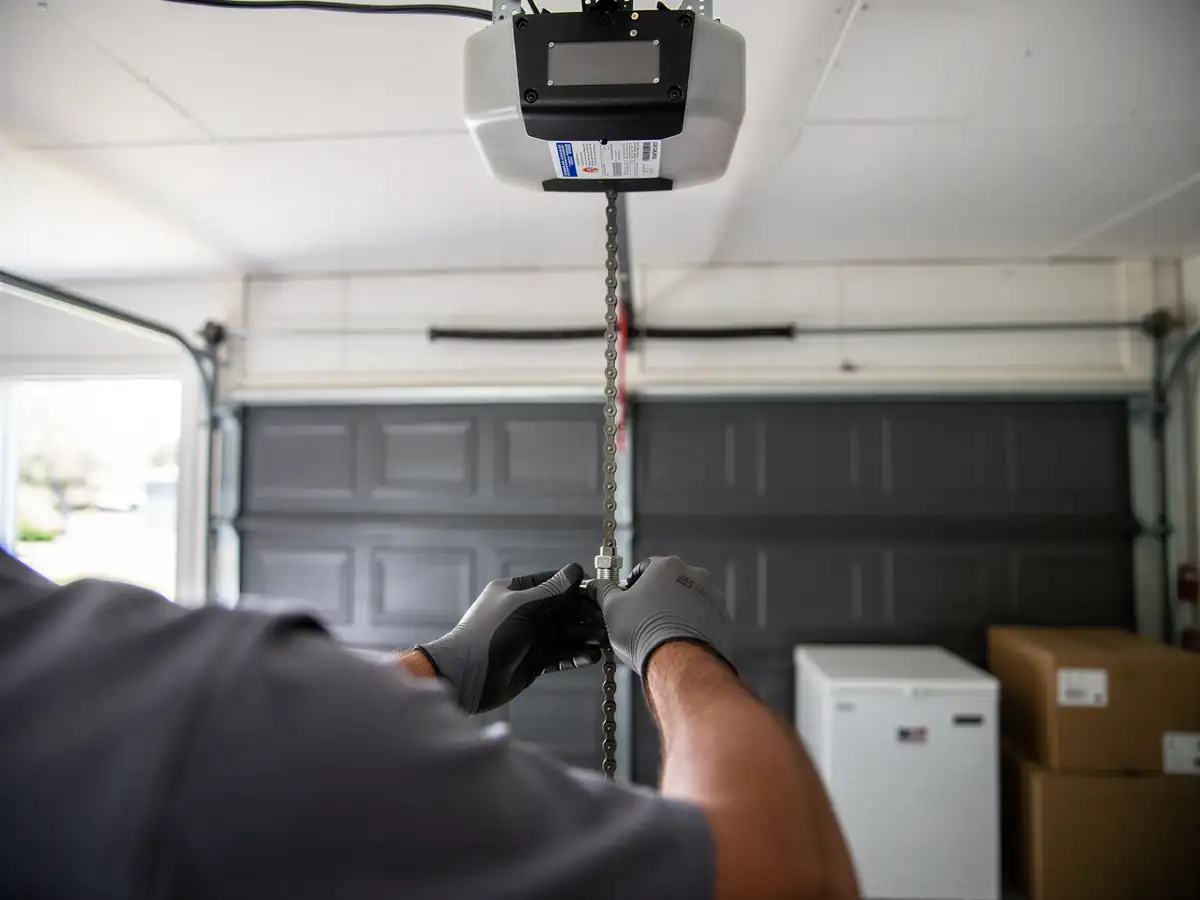
For most of the opener calls we run in River Ridge, the job breaks down into one of three things: a logic board swap, a sensor realignment or replacement, or a full unit changeout on a door that's been running the same opener since before the house had its second owner. Board swaps take checking the model against what's still manufactured - plenty of units from the 80s and 90s share a chassis with parts still on the shelf, and plenty don't. Sensor work is quick once we've confirmed it's actually the sensors and not a wiring fault further up, which on a house this age is common enough that we check the wire runs before touching the eyes themselves. A full replacement means pulling the old rail and motor, mounting new hardware to the existing track if the track's still sound, and setting the travel limits and force settings to match the door's actual weight - not a factory default. We don't force a repair where the honest answer is a new unit, and we don't sell a new unit where a $40 sensor fixes it.