How to Book
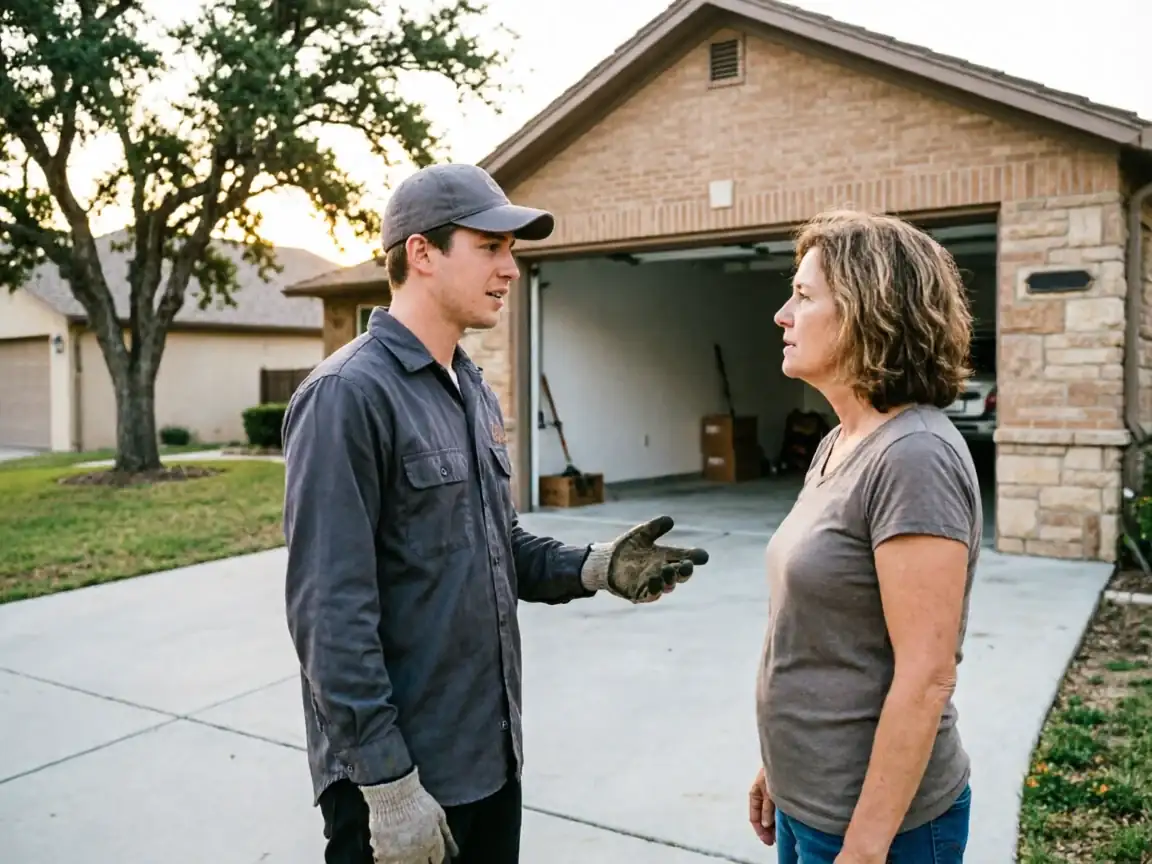
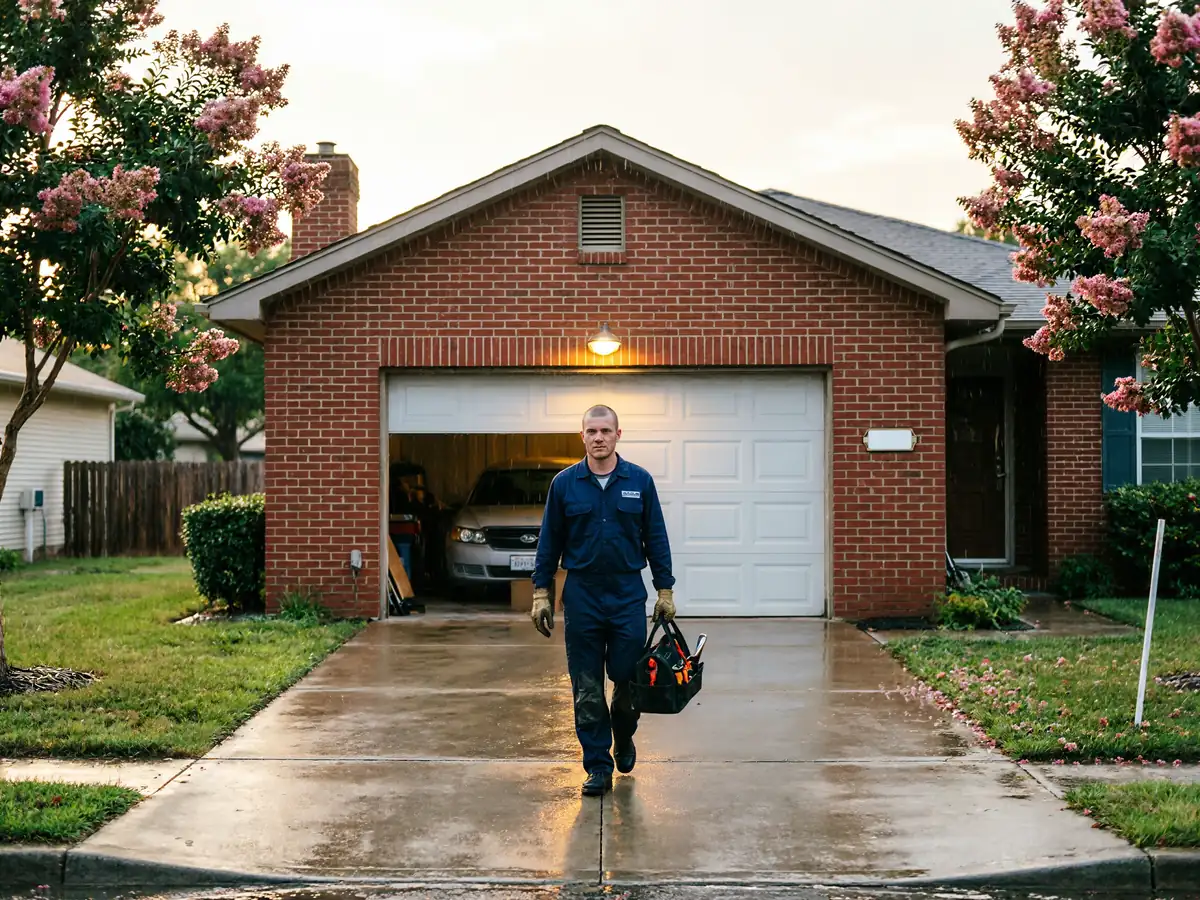
We run out of Metairie, about 4 miles from River Ridge, and we schedule maintenance visits here the same way we do anywhere else on that side of the service area - a call or a booking through the link below sets the appointment, and we come to you. We don't keep a branch or a drop-off counter in River Ridge itself, so there's no walk-in option; everything starts with a scheduled visit. Because this is a planned maintenance call and not an emergency repair, we ask for a window rather than an exact hour, which lets us group River Ridge visits with other stops nearby and keep the truck moving efficiently instead of burning a trip on one address. If you're not sure whether what you're hearing is a maintenance issue or something closer to a breakdown, say so when you call - we'll tell you honestly which one it sounds like before you commit to a visit.
Where This Job Goes Sideways
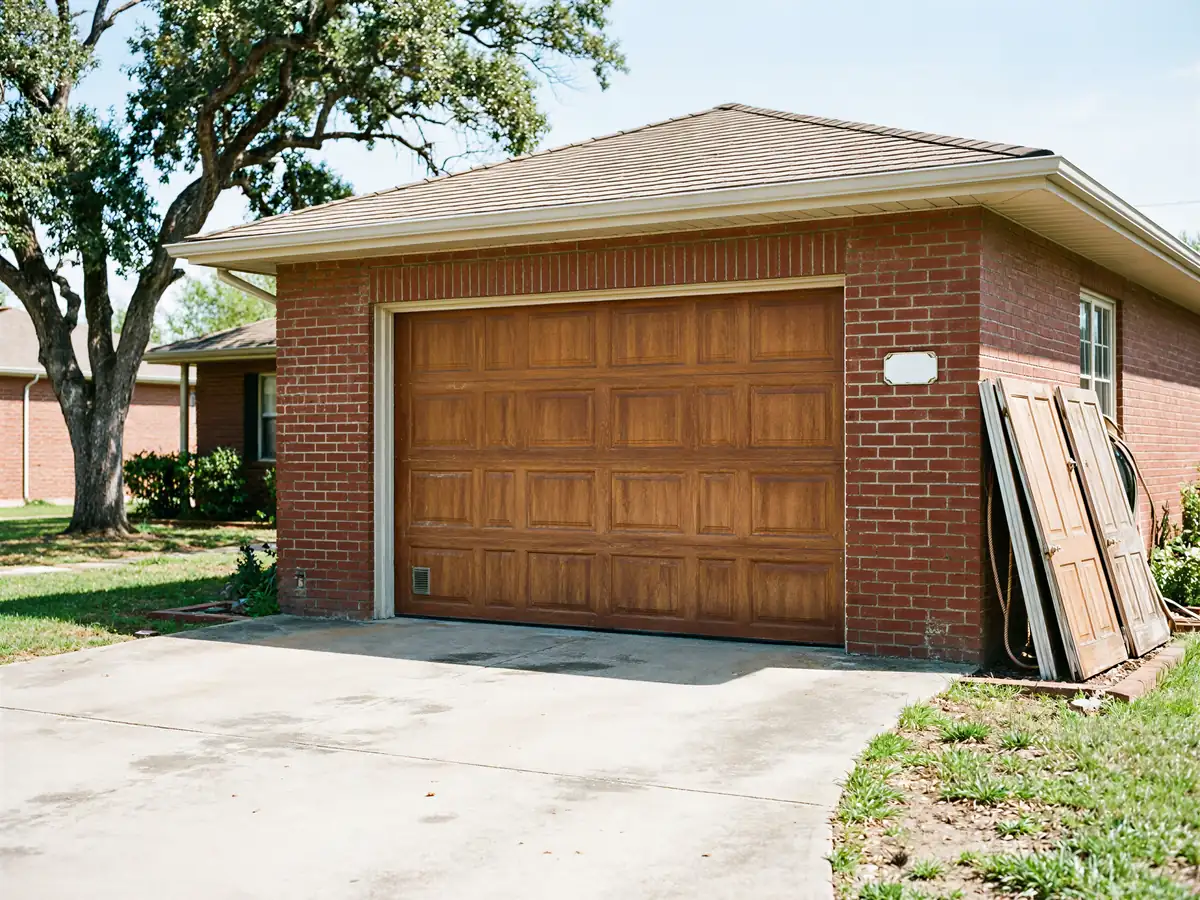
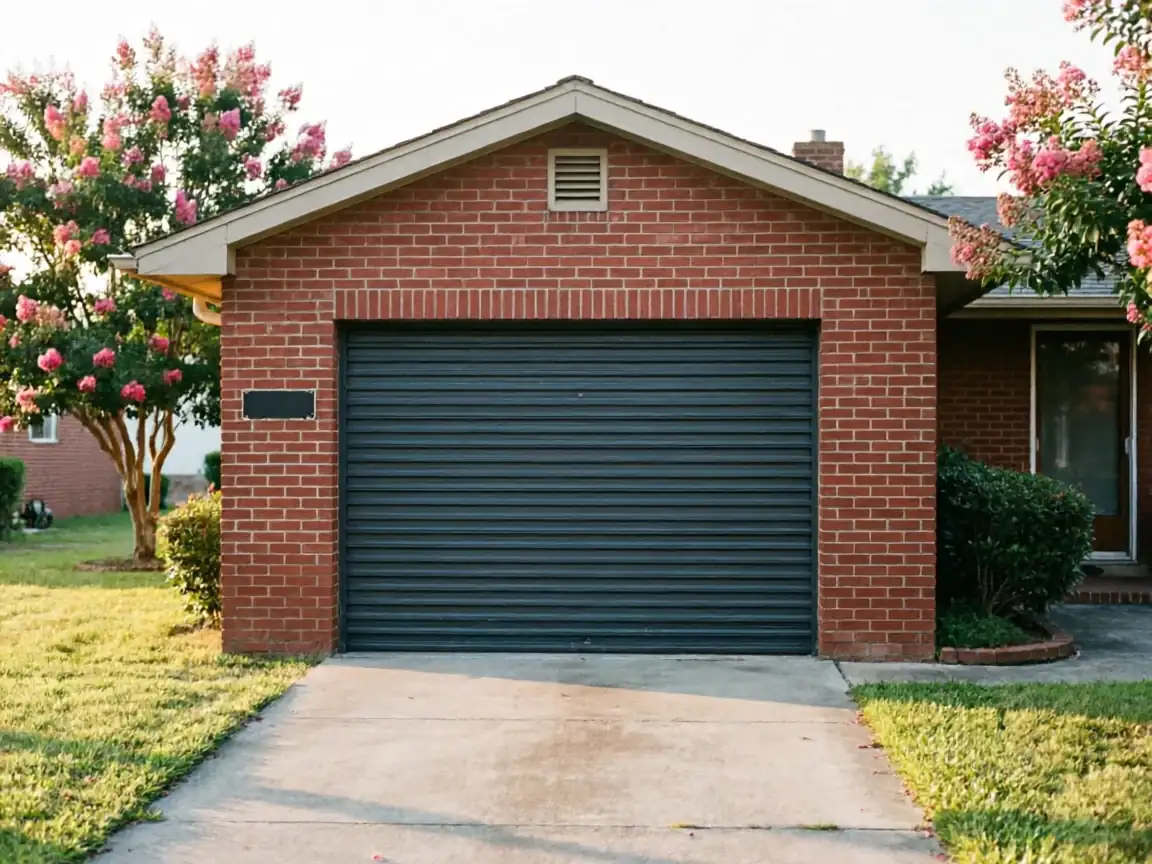
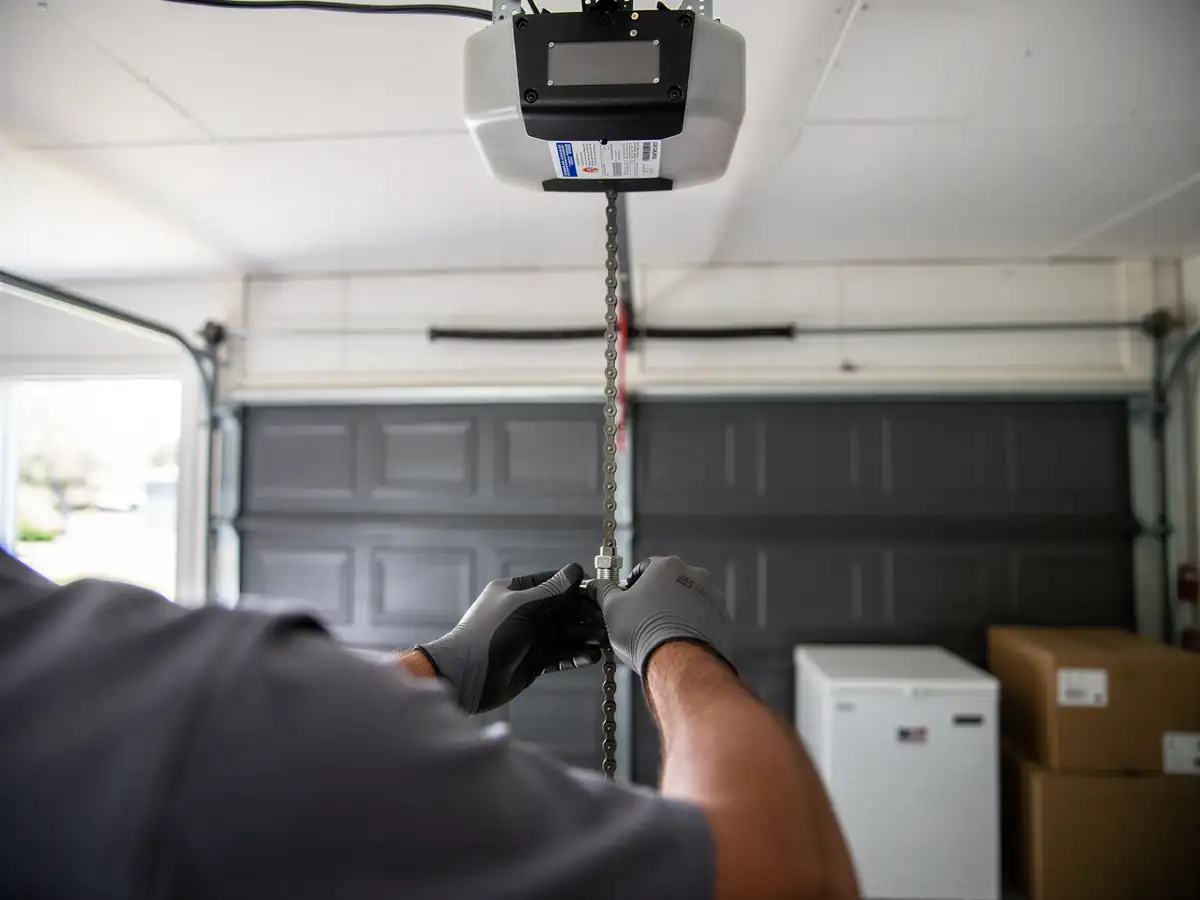
The common mistake on a house this age is treating the symptom instead of the cause. Somebody oils a screeching roller, the noise goes quiet for a month, and the actual problem - a spring that's lost tension unevenly on one side - keeps getting worse underneath. On a door old enough to have been installed around 1971, we also run into non-standard track widths and spring sizes that don't match anything on a current parts shelf; a generic one-size spring from a big-box store can look right and still be wrong by a few hundred coils of wind, which throws the whole door off balance. The other place this goes sideways is the opener. If the house has had one opener swap since the original door went in, the safety reversal sensors on that unit may predate the eye-level photocell standard entirely, which is a real safety gap, not just an inconvenience. We check for that specifically on these older houses because it's easy to miss if you're only listening for noise.
What the Fix Involves
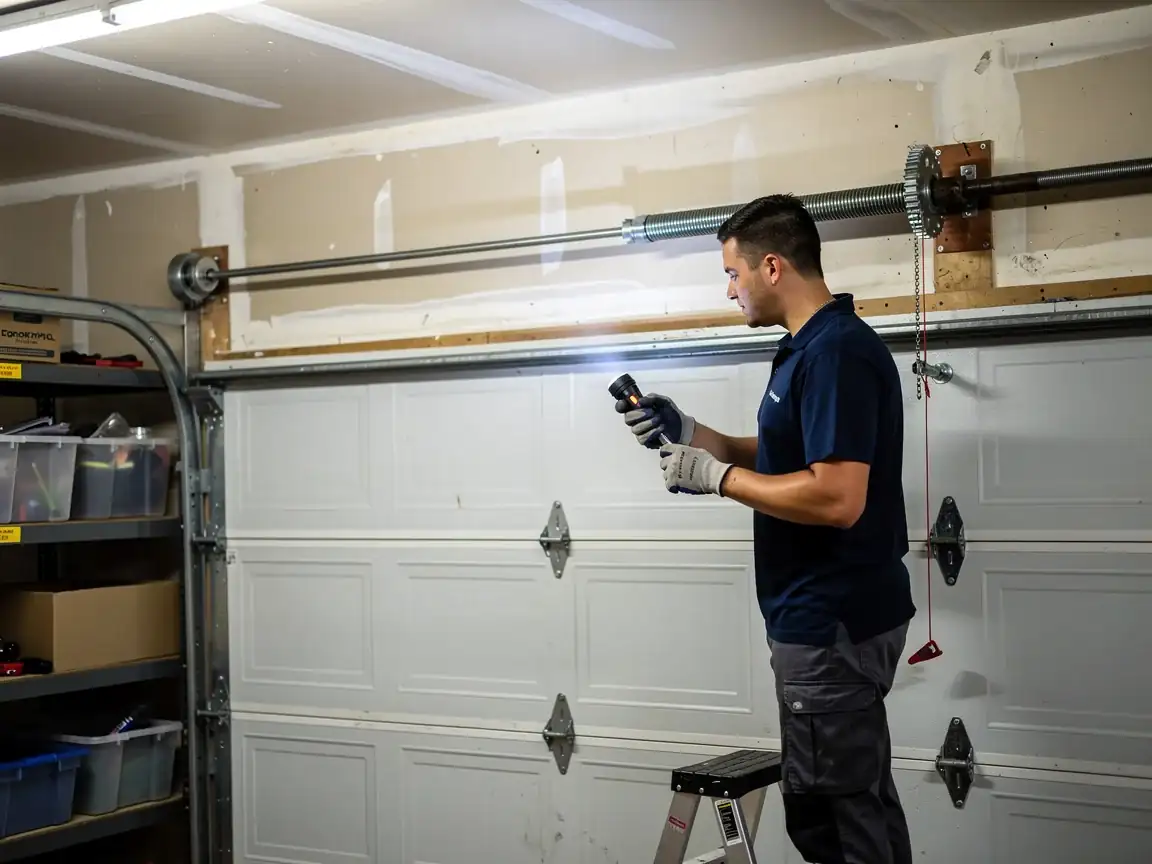
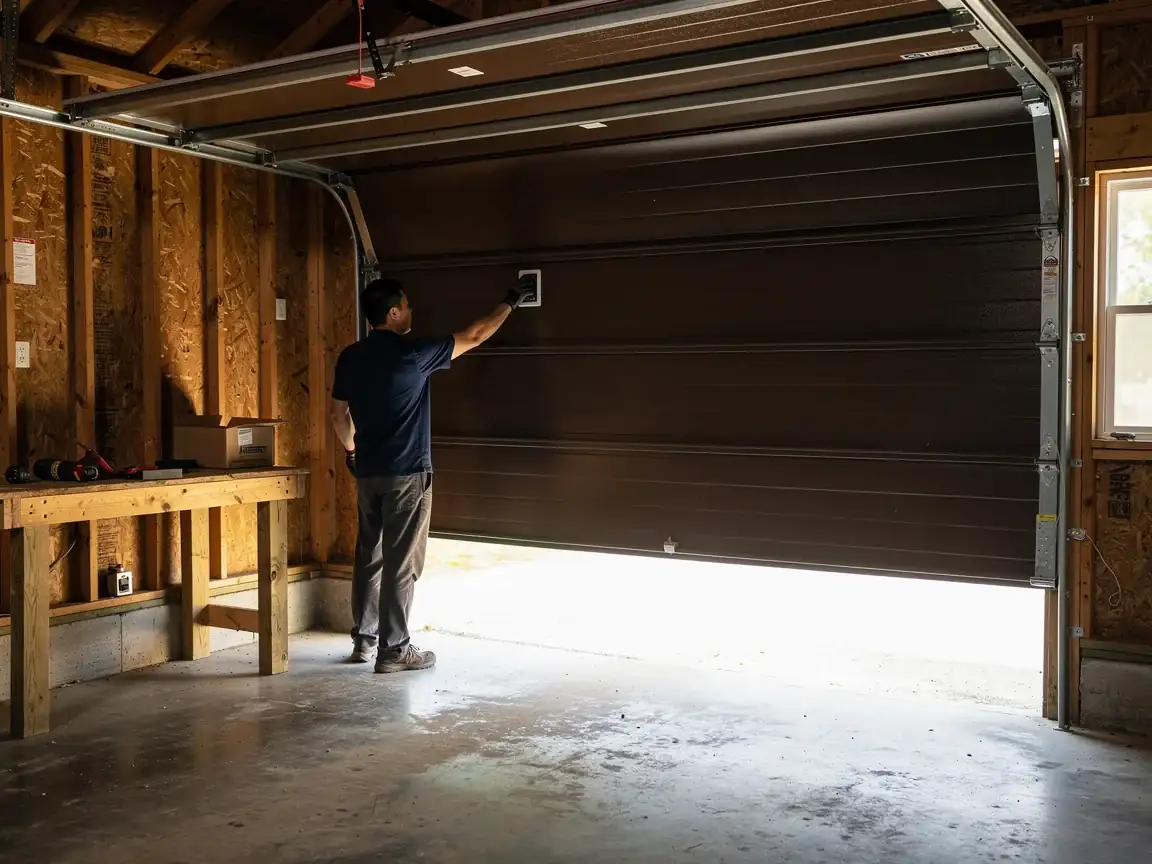
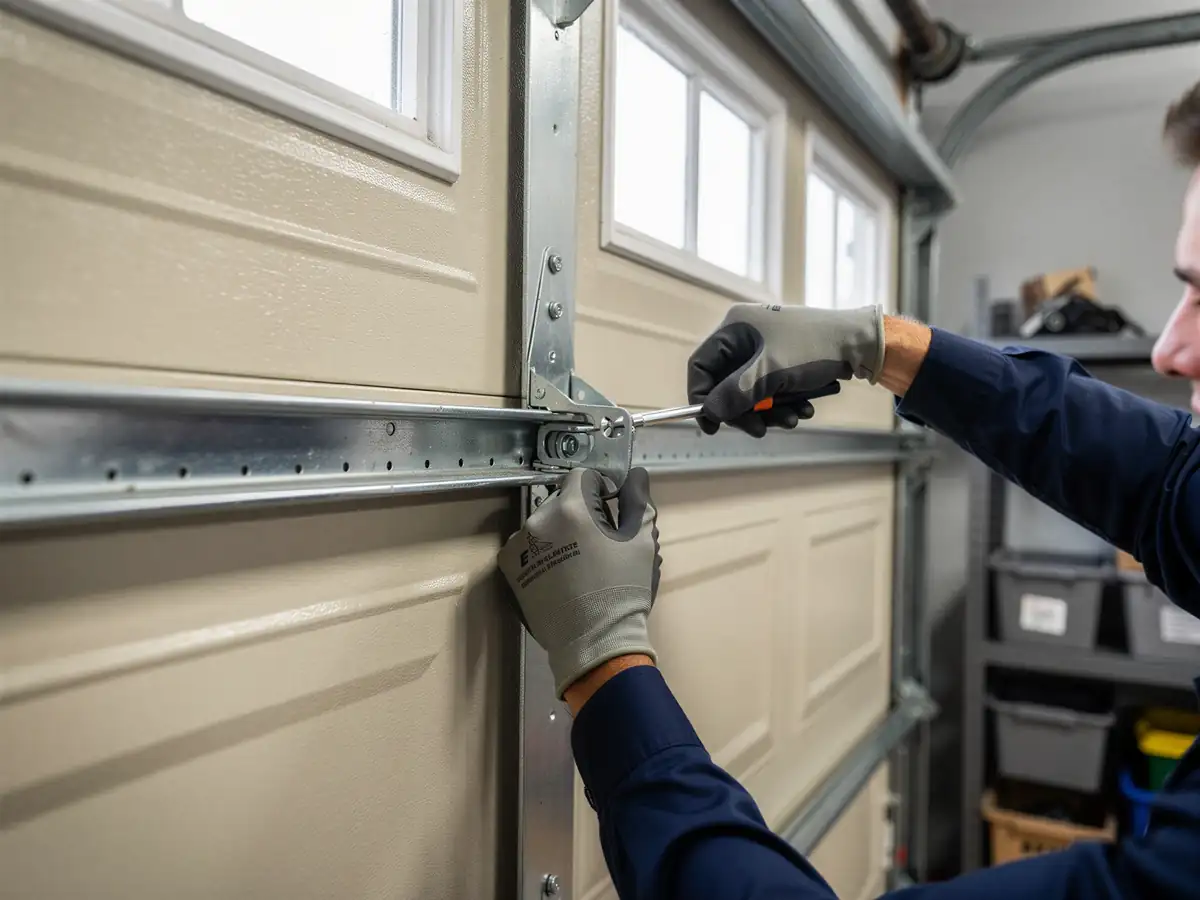
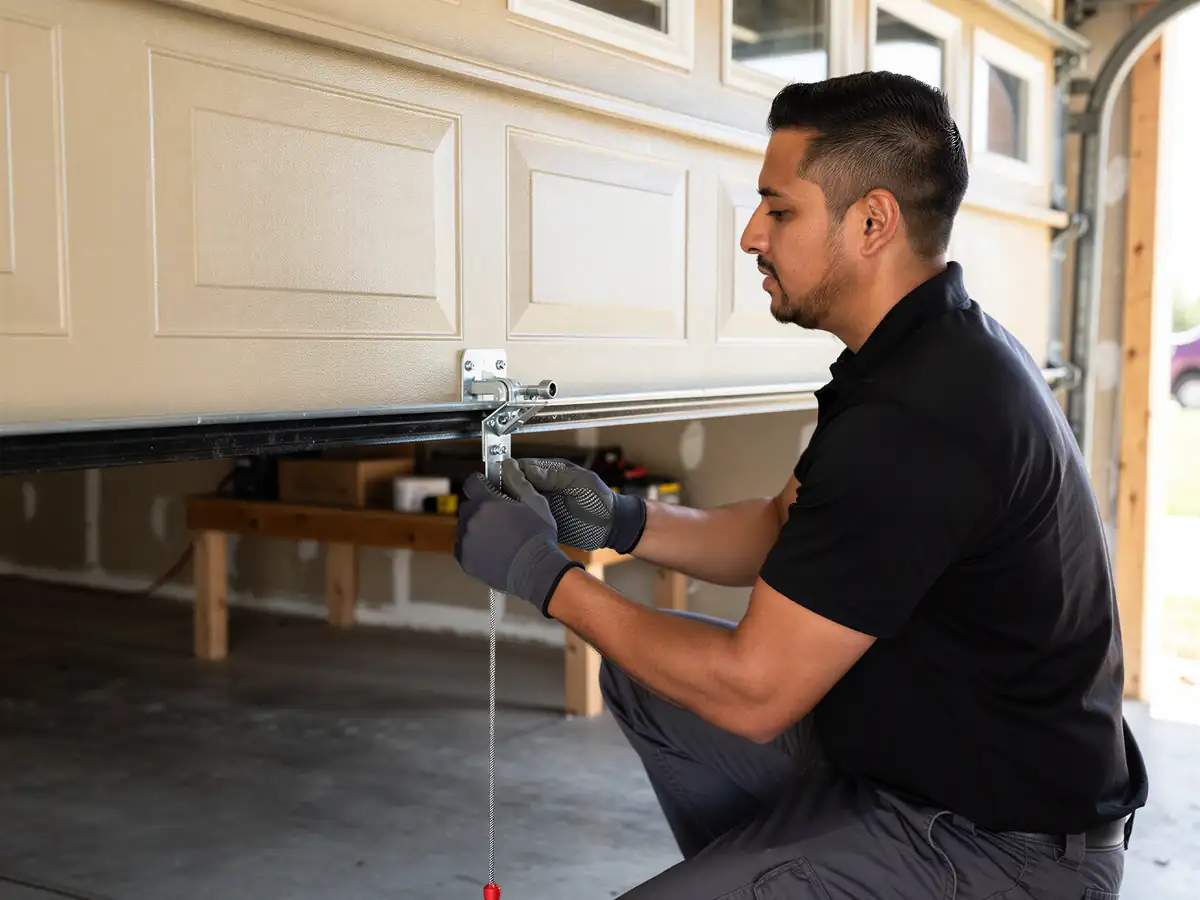
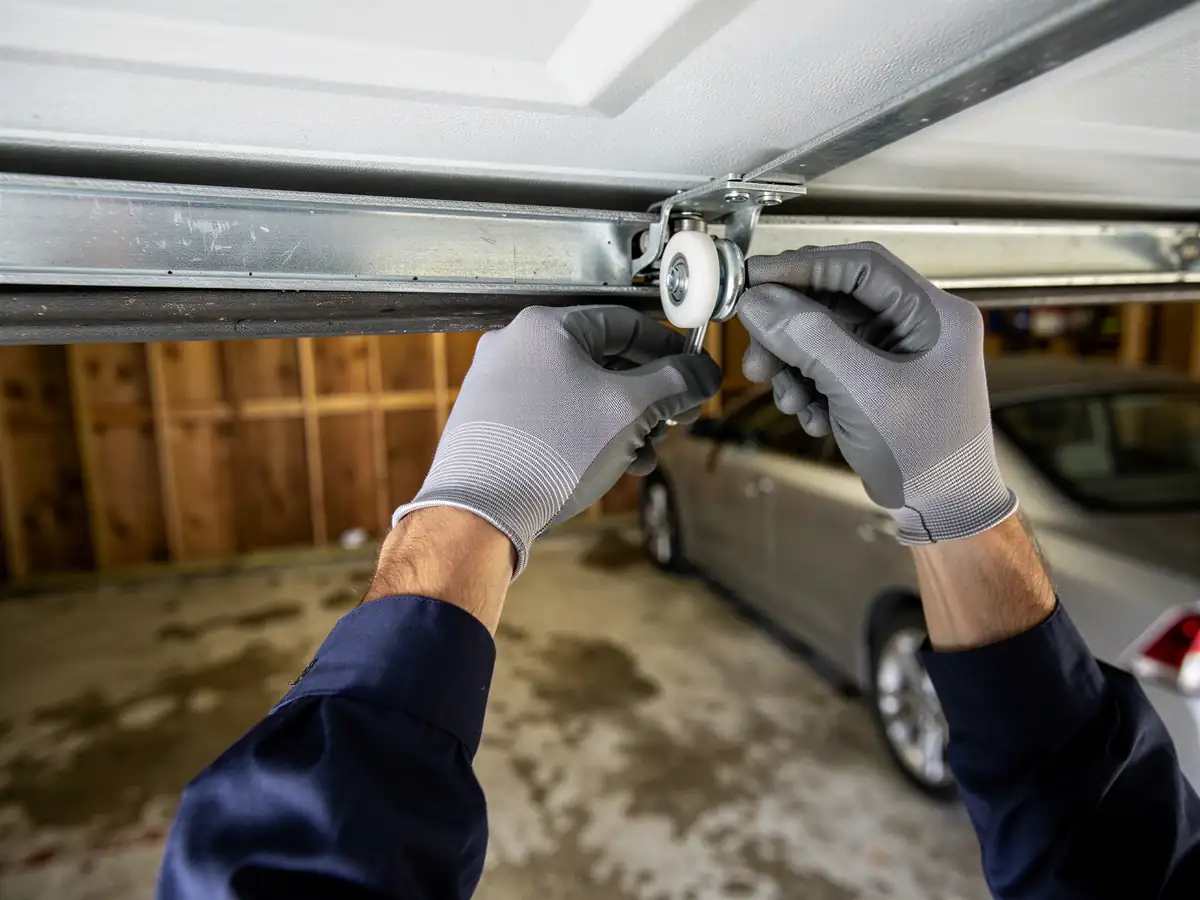
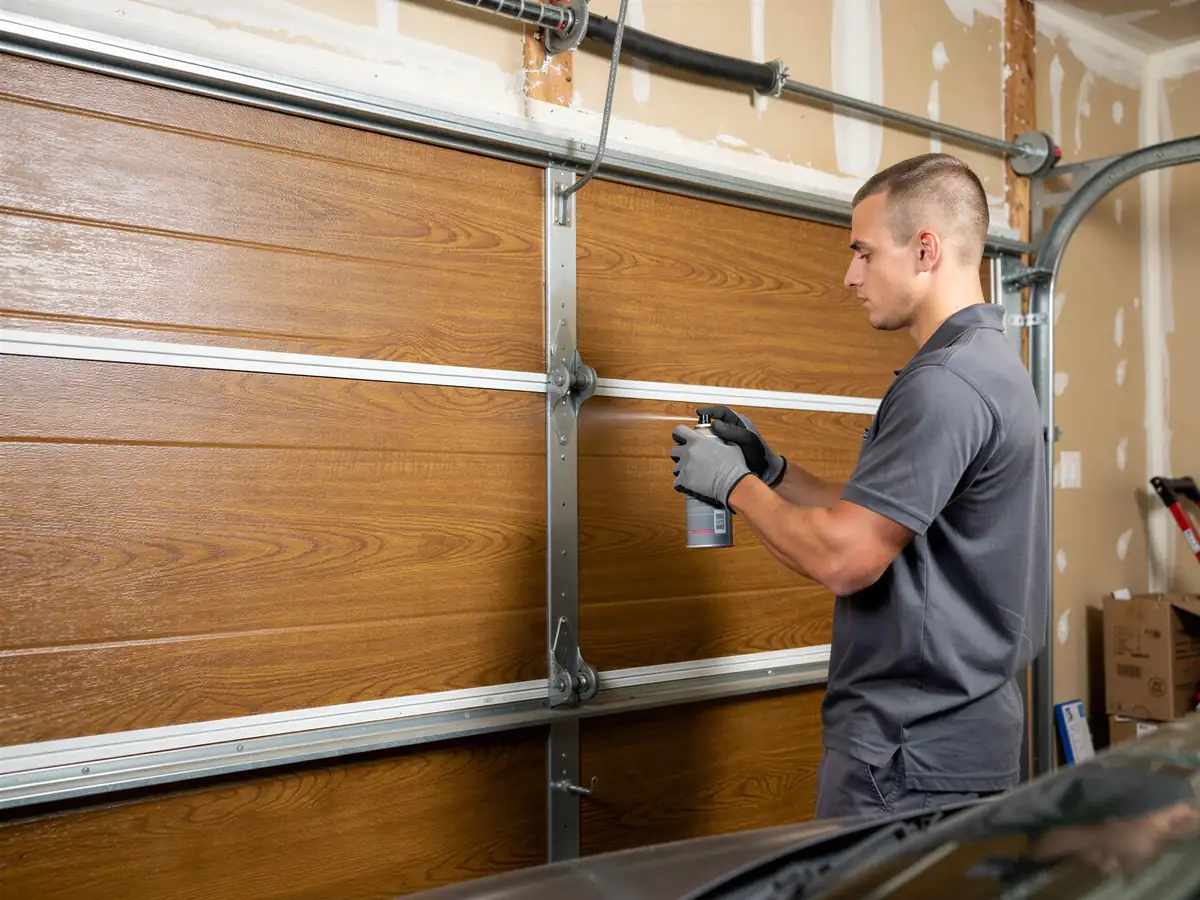
A proper maintenance visit on a 1971-era door starts with checking spring tension and balance - lifting the door halfway and seeing whether it holds or drifts, which tells us if the spring is still doing its job evenly on both sides. From there it's track alignment, since these original steel tracks have had fifty years to shift against the jamb, then rollers and hinges, replacing anything worn oval instead of round, and a full lubrication pass on hinges, rollers, and the torsion or extension hardware, whichever the house has. We also test the opener's auto-reverse and, where it applies, check whether photocell sensors are present and aligned - a gap we specifically watch for on houses old enough to have gone through an opener swap at some point without a full safety update. We don't replace parts that don't need it; if the spring's still within a reasonable working life, we adjust and move on rather than selling a swap nobody asked for. The honest limitation here: we're not stocking obsolete spring sizes on the truck for every house built in 1971, so if a house needs a genuinely non-standard part, that may mean a short wait on ordering rather than a same-visit fix.