How It Shows Up
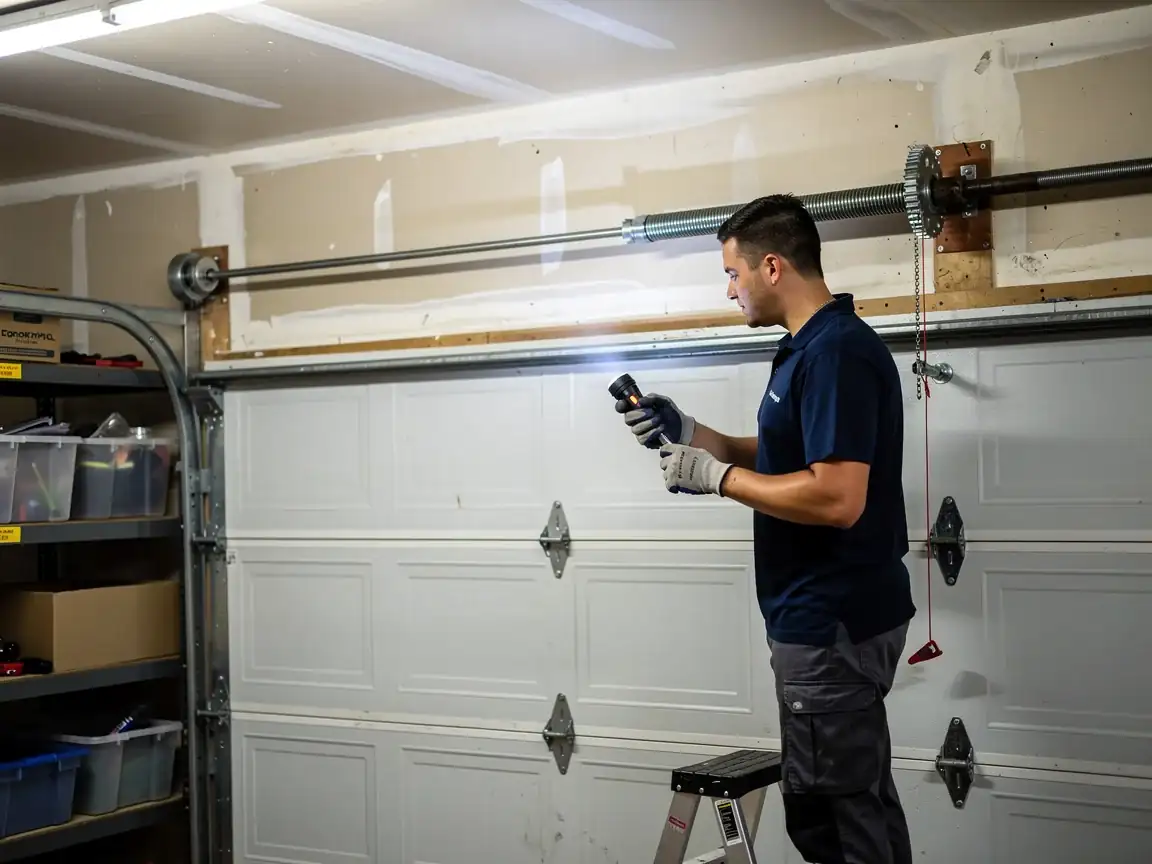
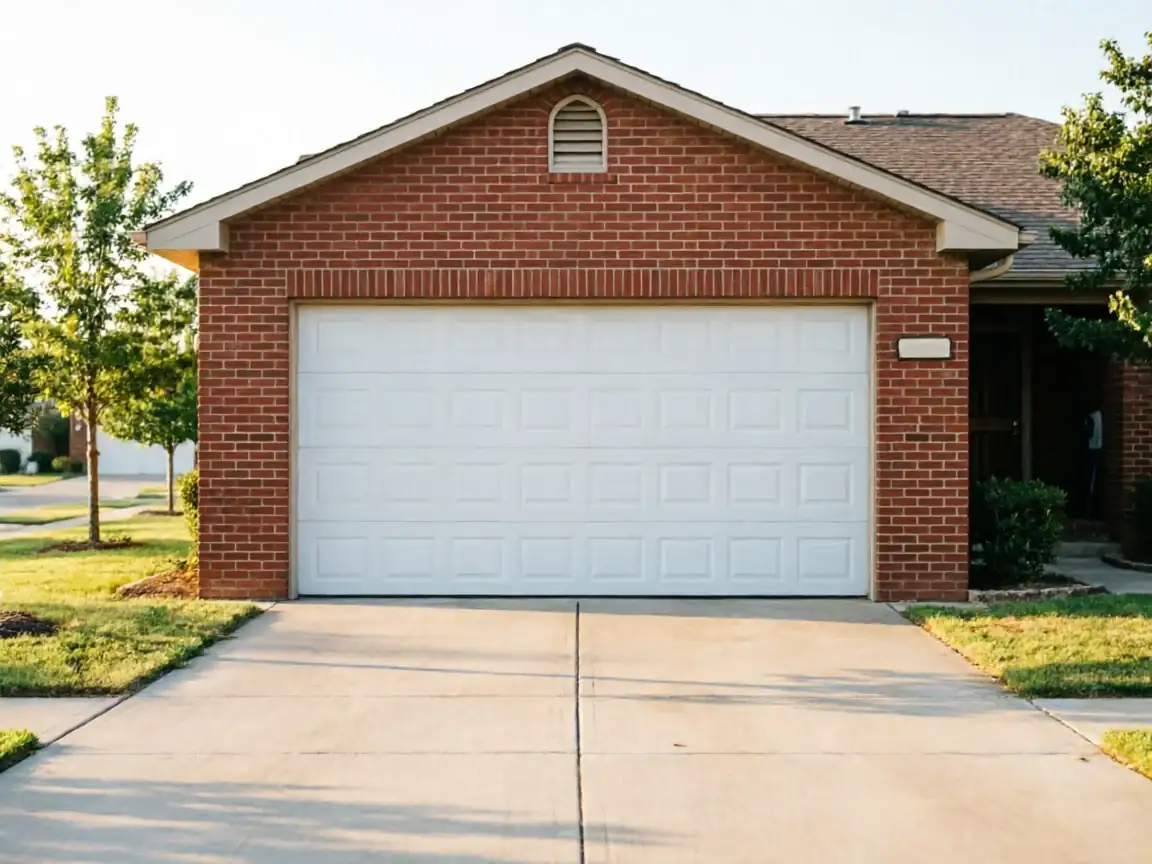
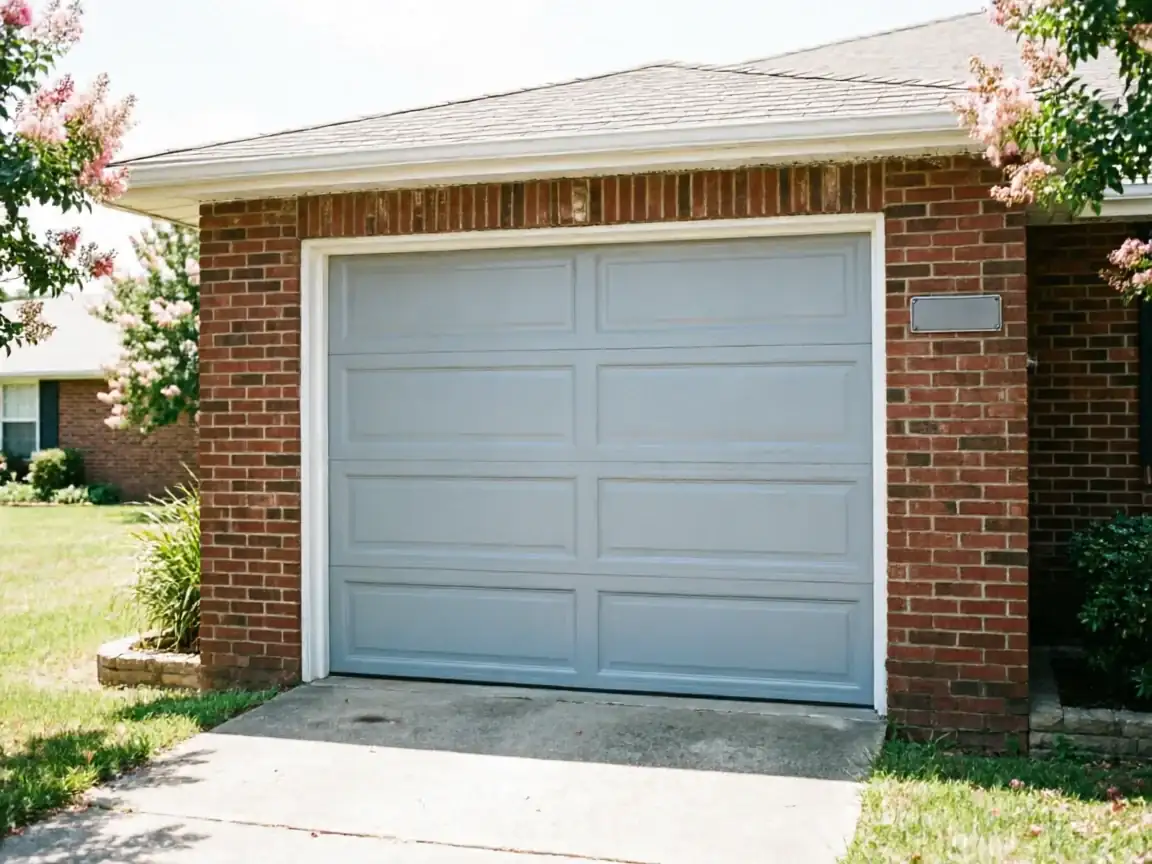
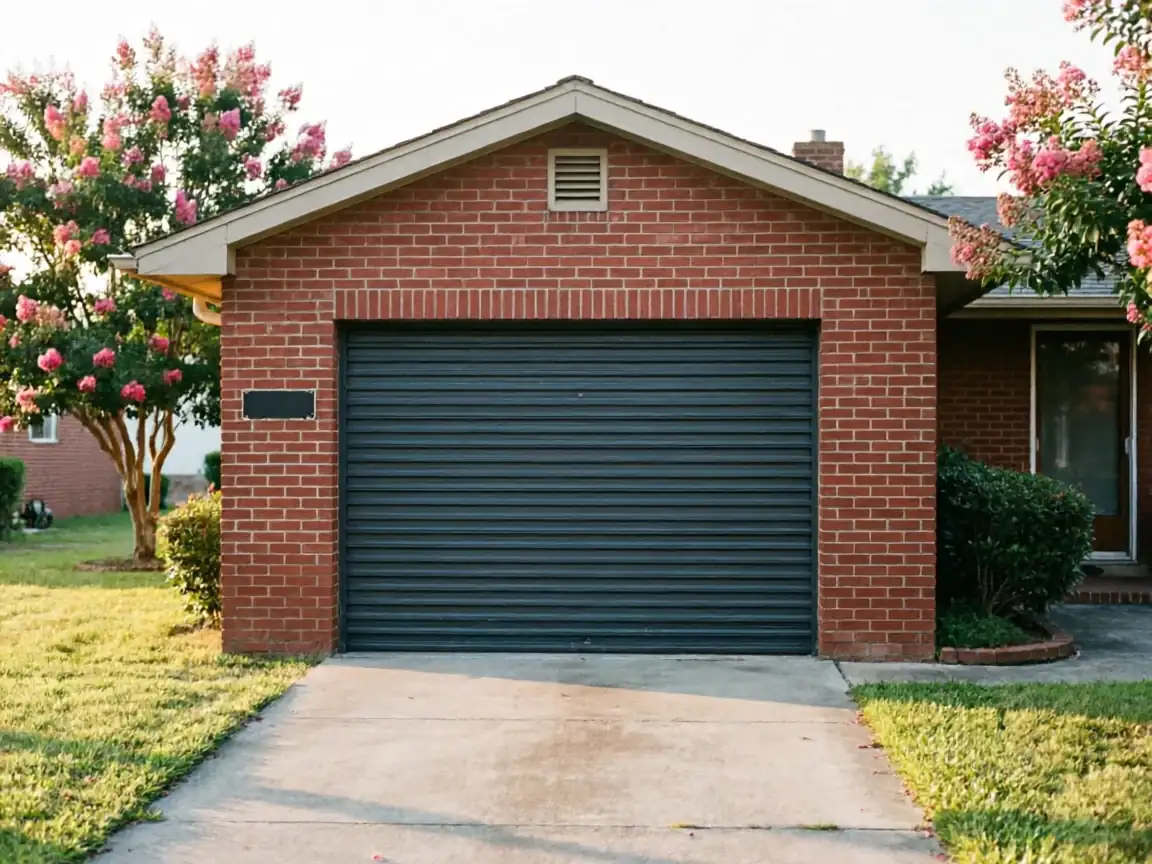
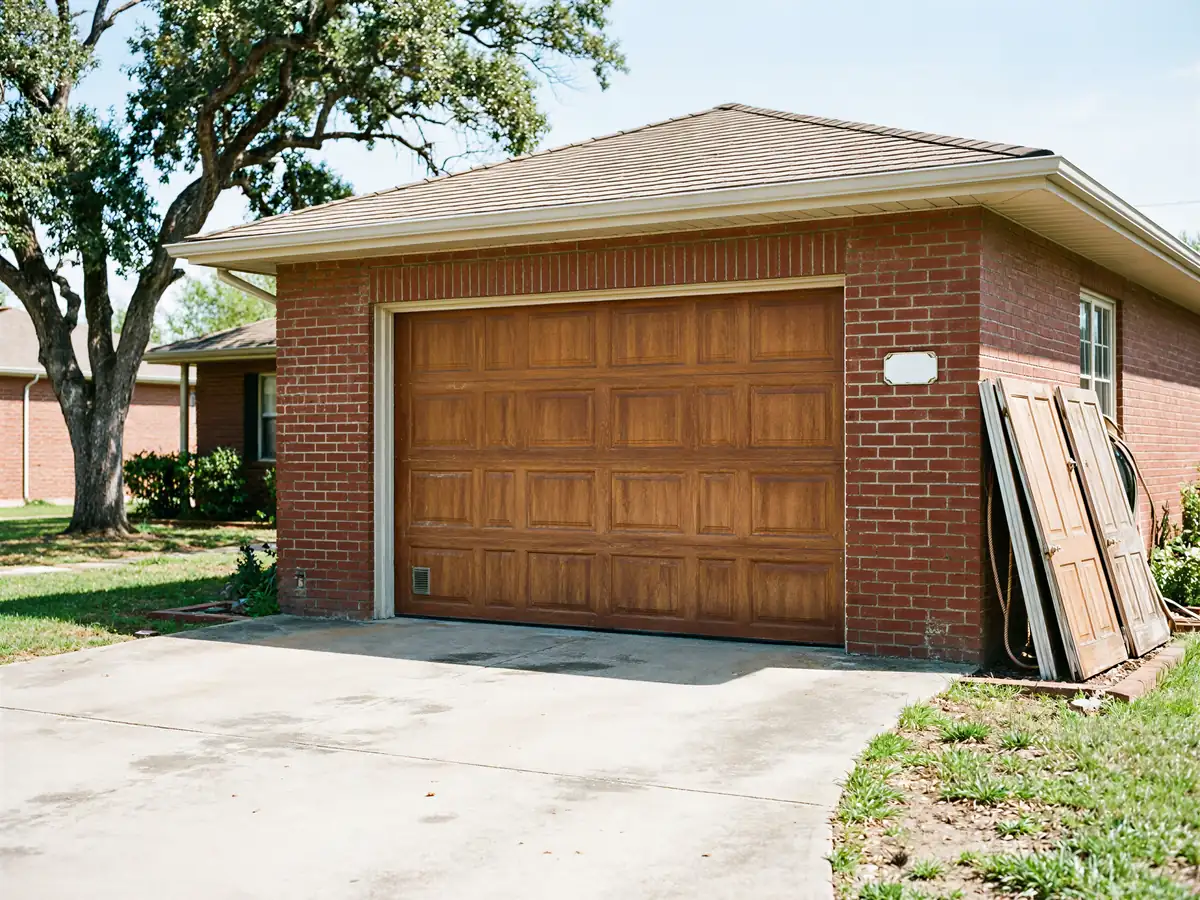
Owners usually notice the problem before they notice the age. A door that drags on one side, a track that's pulled slightly loose from the wall, a panel that's visibly bowed where the old steel has thinned - these are symptoms of hardware running well past its intended service life, not of a bad opener. In a lot of Avondale, with roughly 1,743 households and a housing stock centered on 1970, we see openings where the original header trim has never been touched, which is a decent sign the door itself hasn't either. Installing new over that kind of frame means dealing with whatever shimming or reinforcement decades of settling have made necessary, not just hanging a door and calling it done.
The Cost of This Job
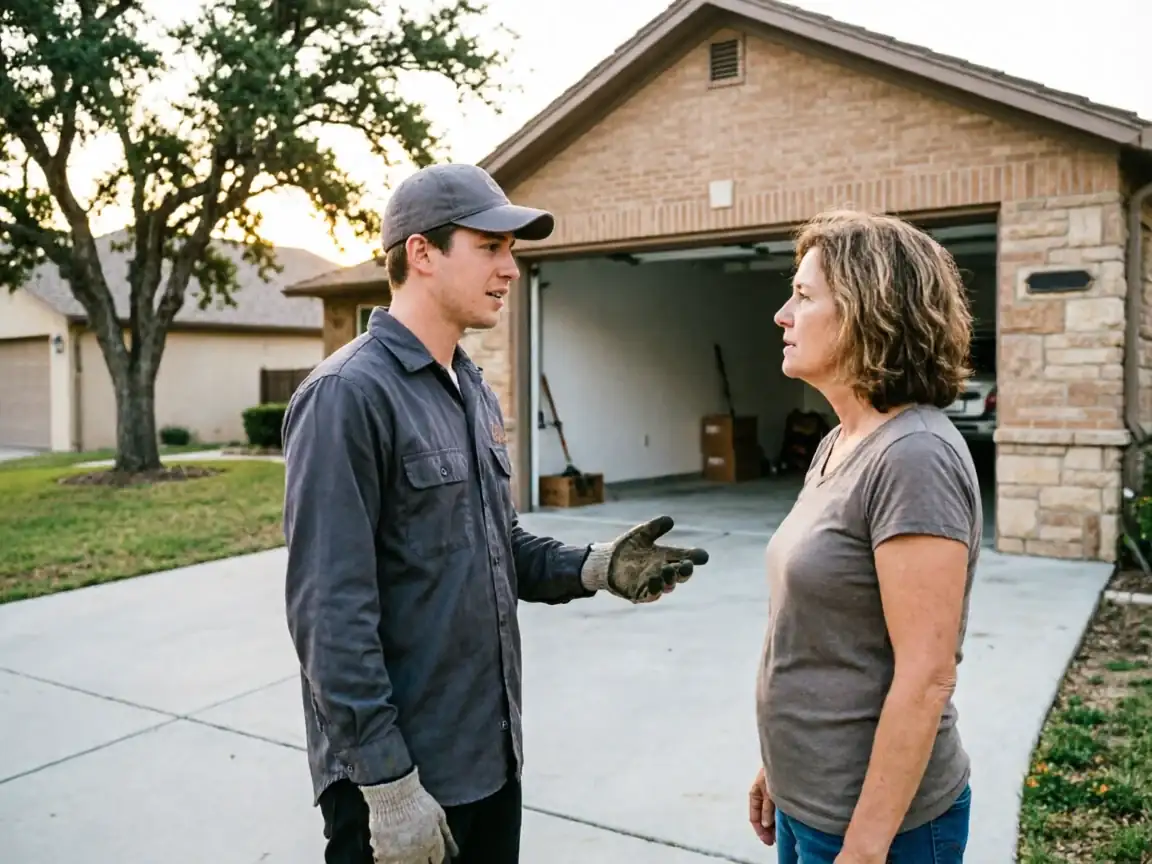
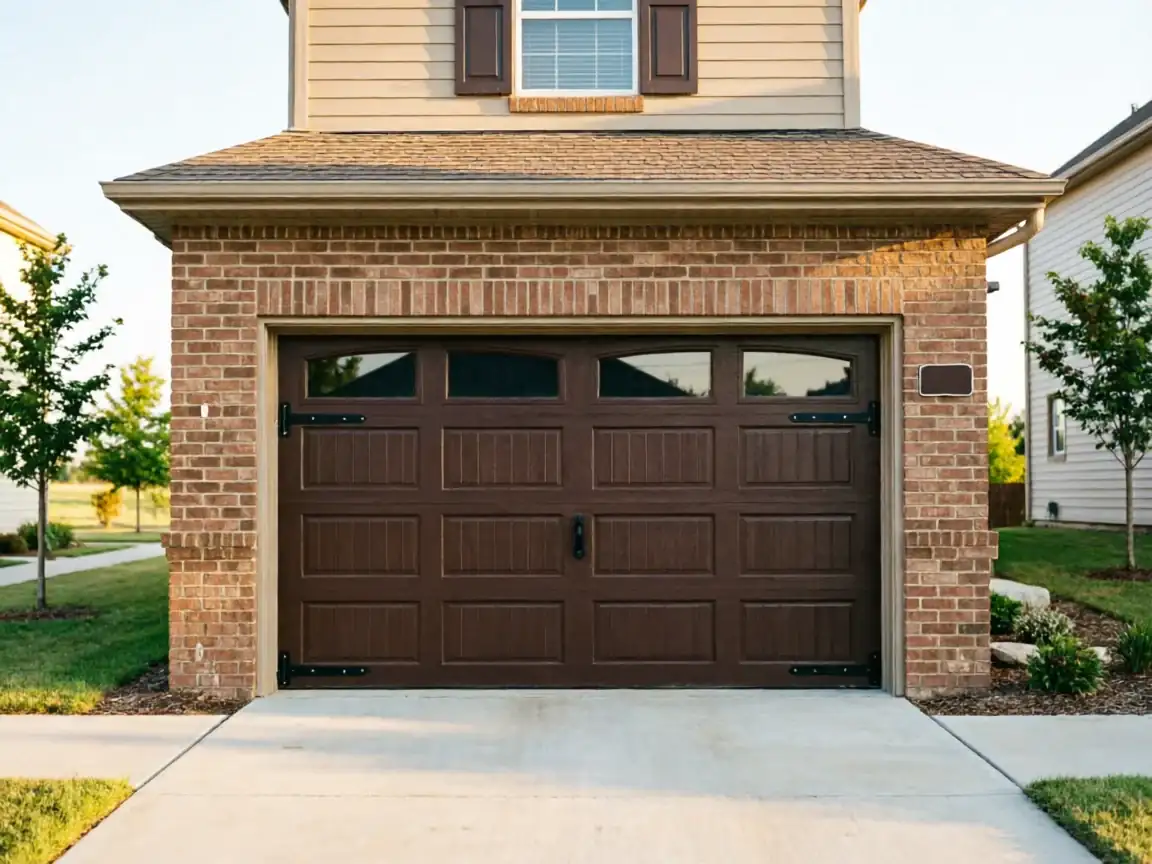
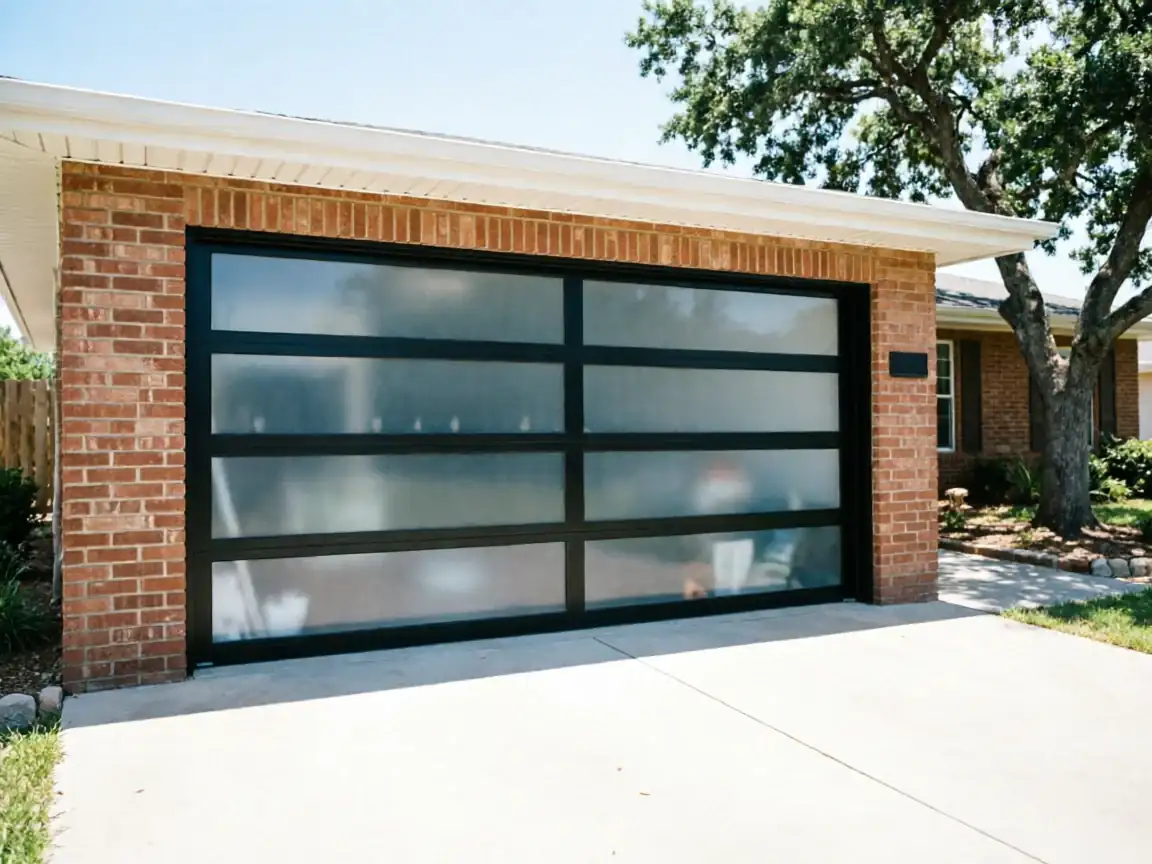
We don't post a flat number here because the age of the opening changes the job more than the door itself does. Avondale's median household income sits at $47,561, lower than some of the surrounding service area, and that's part of why we talk through standard steel sectional options before anything custom - most homeowners here are replacing a door that's failed, not upgrading for looks. Framing repair, if the header's soft or the jamb has shifted, adds to the estimate; a straightforward swap on sound framing doesn't. We give you the real number after we've seen the opening, not before.
Doing It Yourself
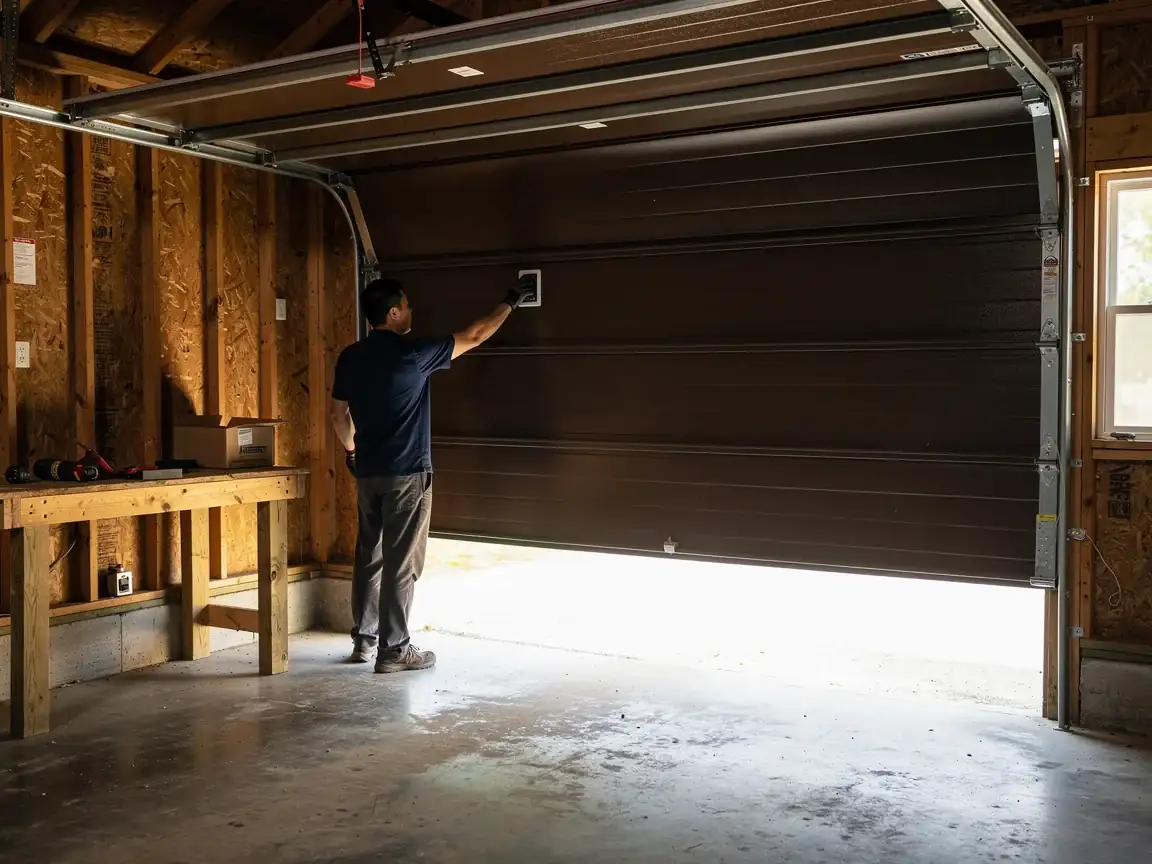
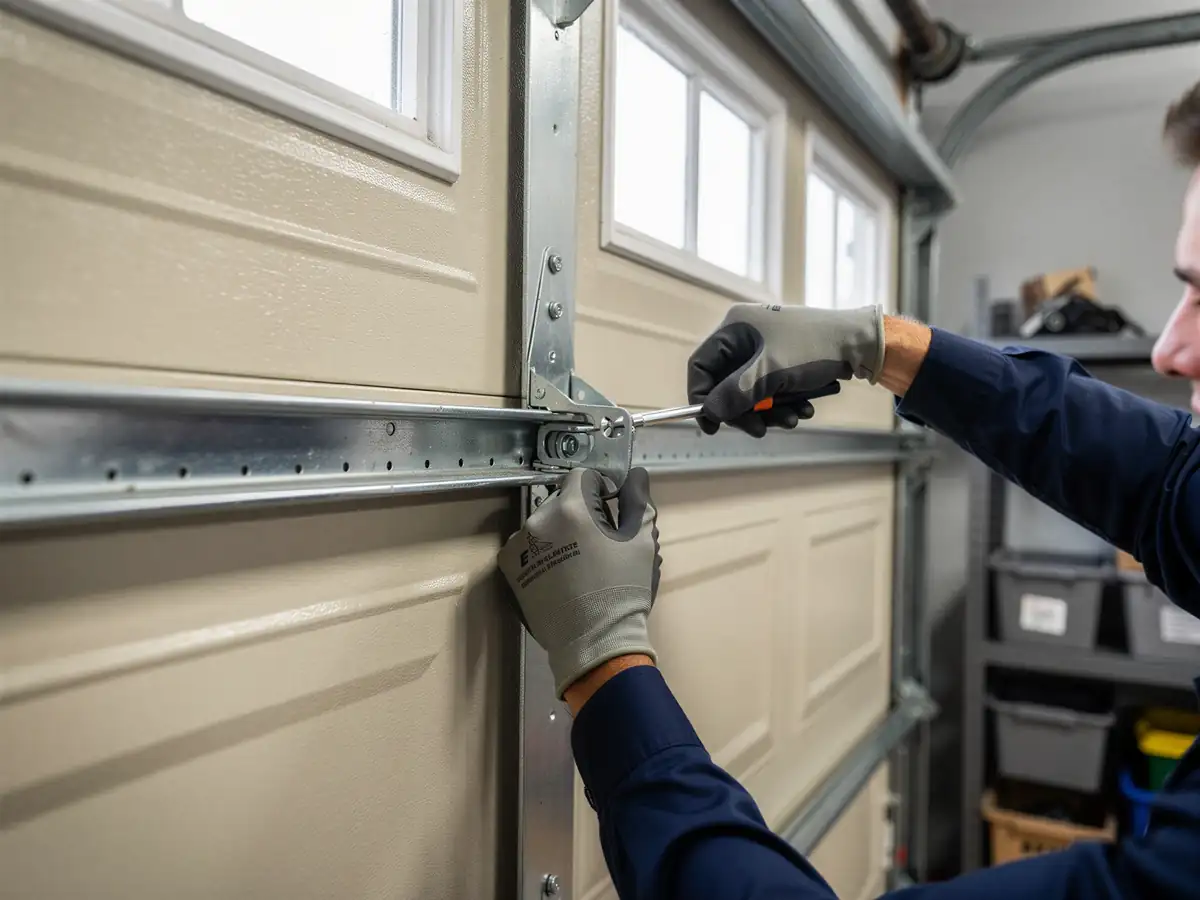
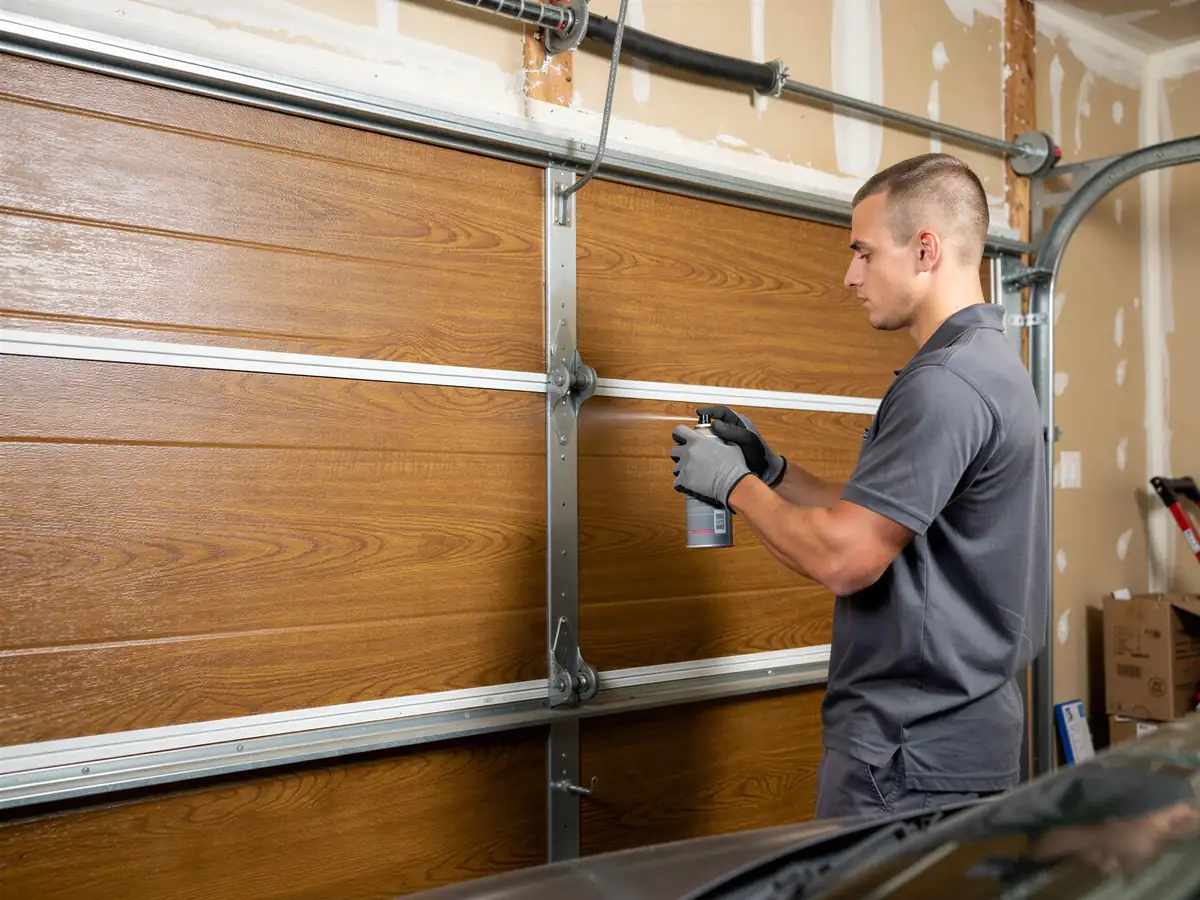
A new door is not a weekend swap, and that's truer on a 1970-era opening than a newer one. The old extension spring systems common in houses this age store enough force to break a hand or worse if you don't know how to let them down, and framing that's shifted over five decades rarely lines up the way a big-box install kit assumes. We're straight about limitation here too: if your opening needs structural framing work beyond the door itself, that's carpentry, not garage door work, and we'll tell you to get that squared away first. It's not worth doing a new door install over a header that's going to fail again in a few years.
What Causes It Around Here
Climate here is mild with occasional freeze risk rather than deep winters, so it's not frost heave driving most of these failures - it's straight material fatigue. A door and hardware set installed around 1970 has had half a century of Louisiana humidity and heat cycling through steel springs and wood jambs that were never built for that kind of lifespan. Add in that a lot of Avondale's 1,743 households never replaced the original door, just repaired it piecemeal, and you get openings where the spring, the track, and the panel are all failing on roughly the same timeline. That's the case for full replacement over another patch job - once the core hardware's original, patching one part just moves the next failure down the road a year or two.