How It Shows Up
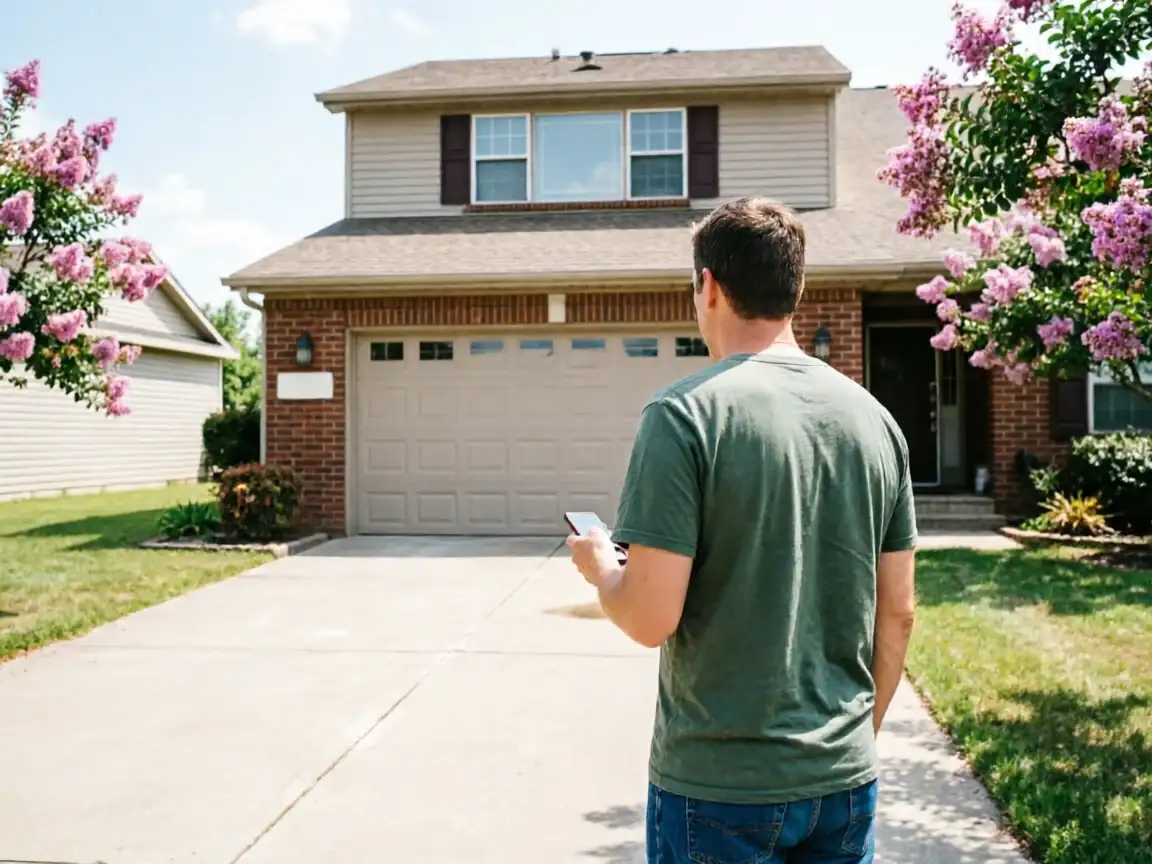
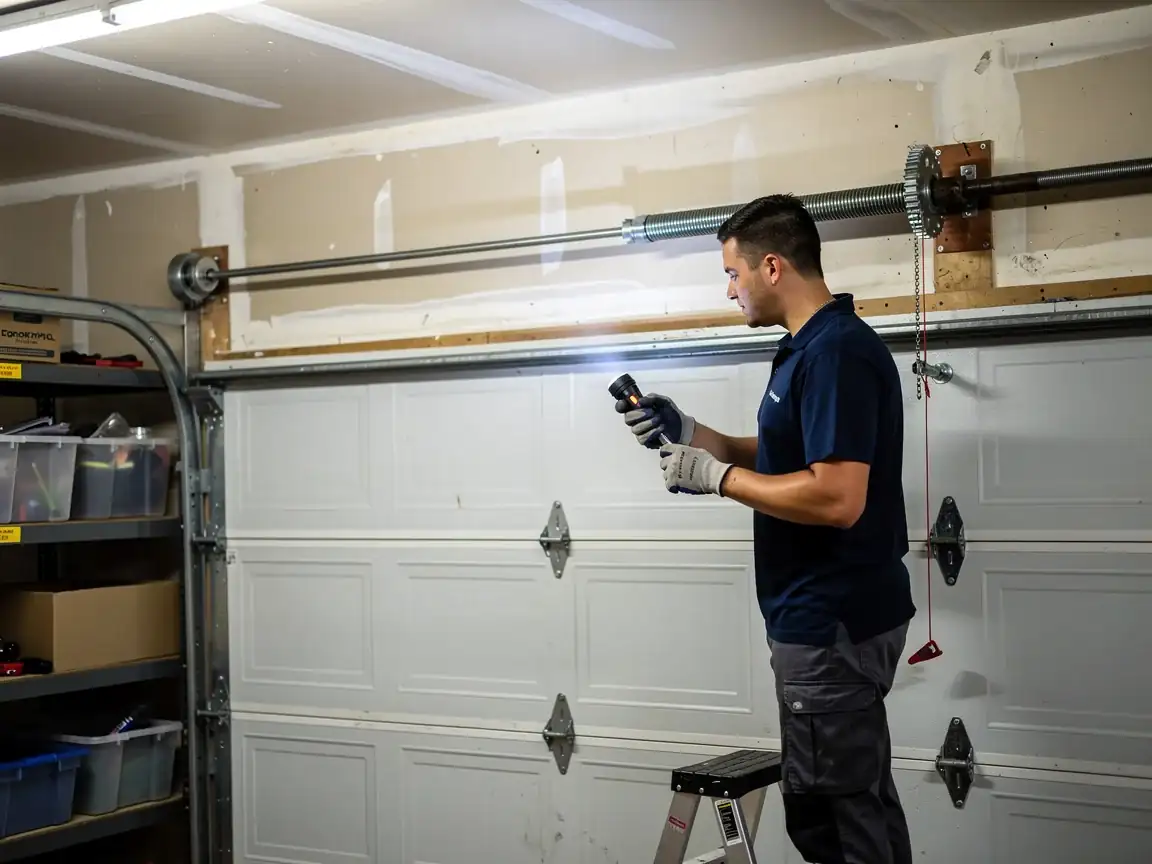
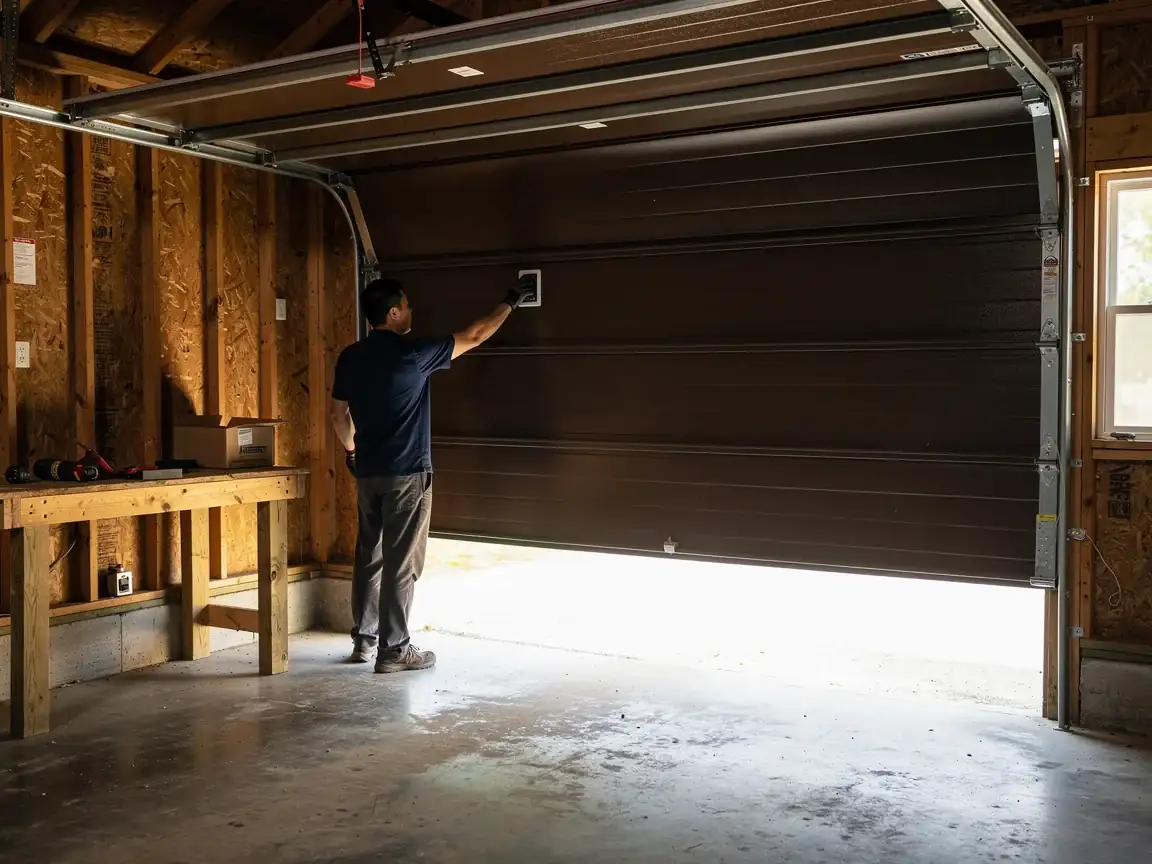
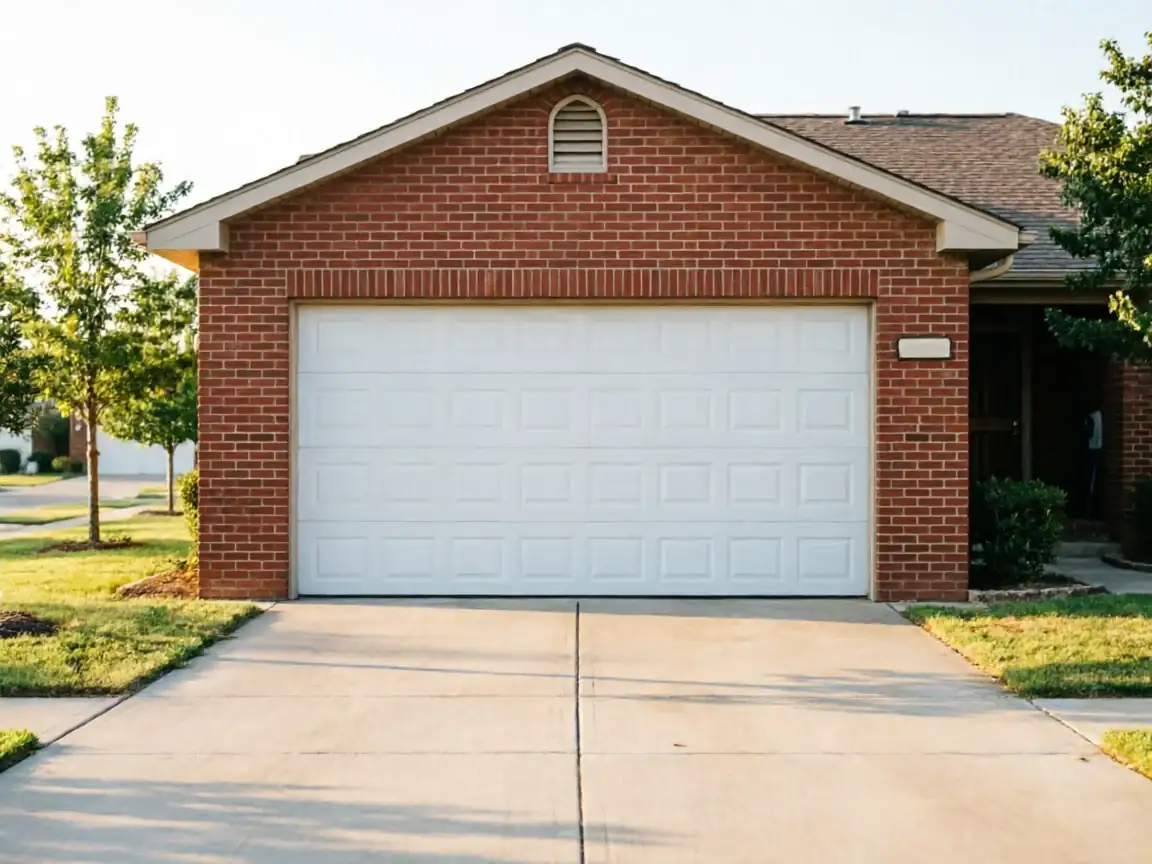
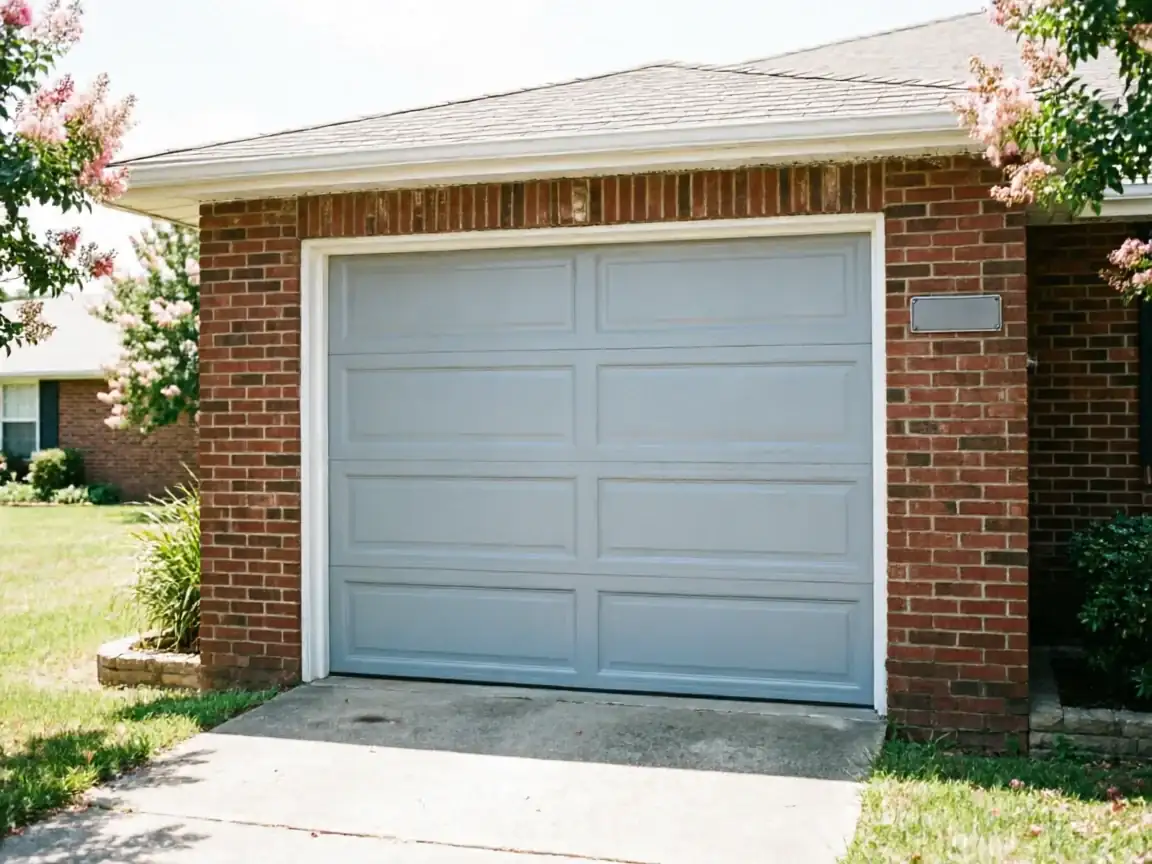
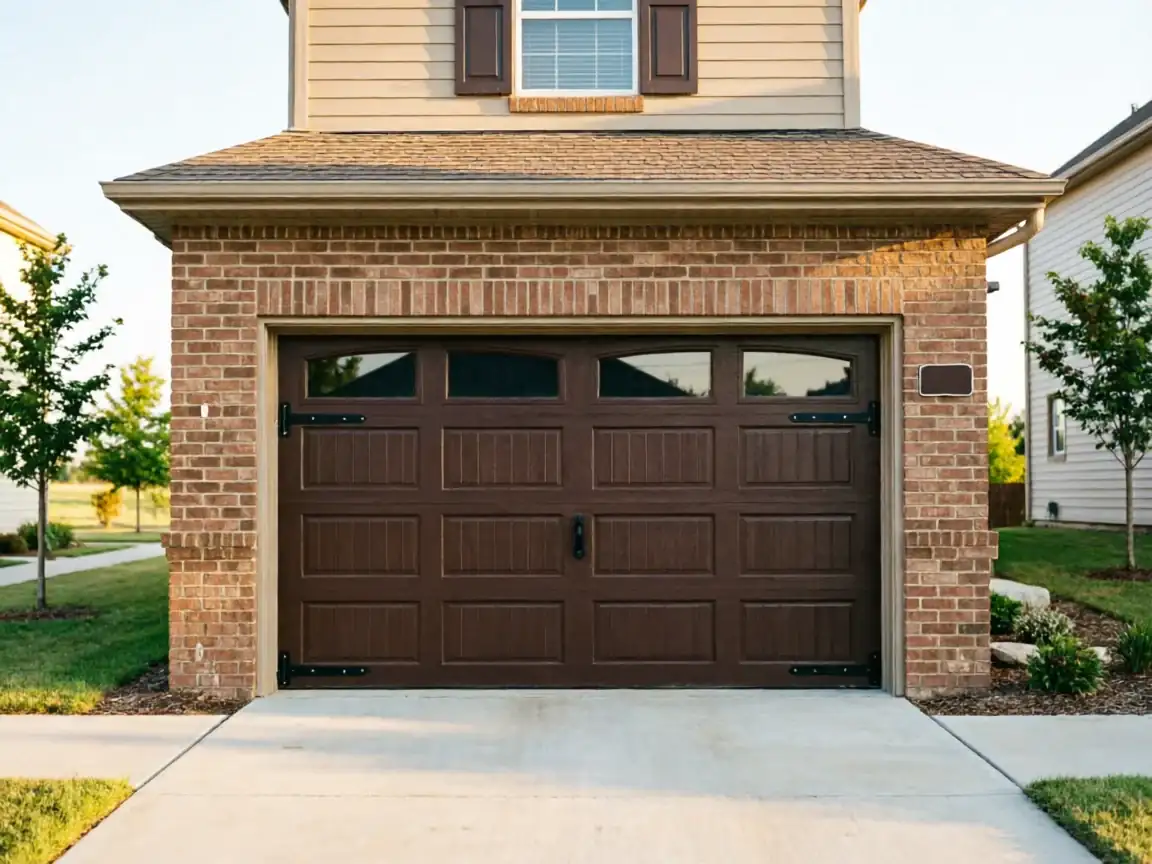
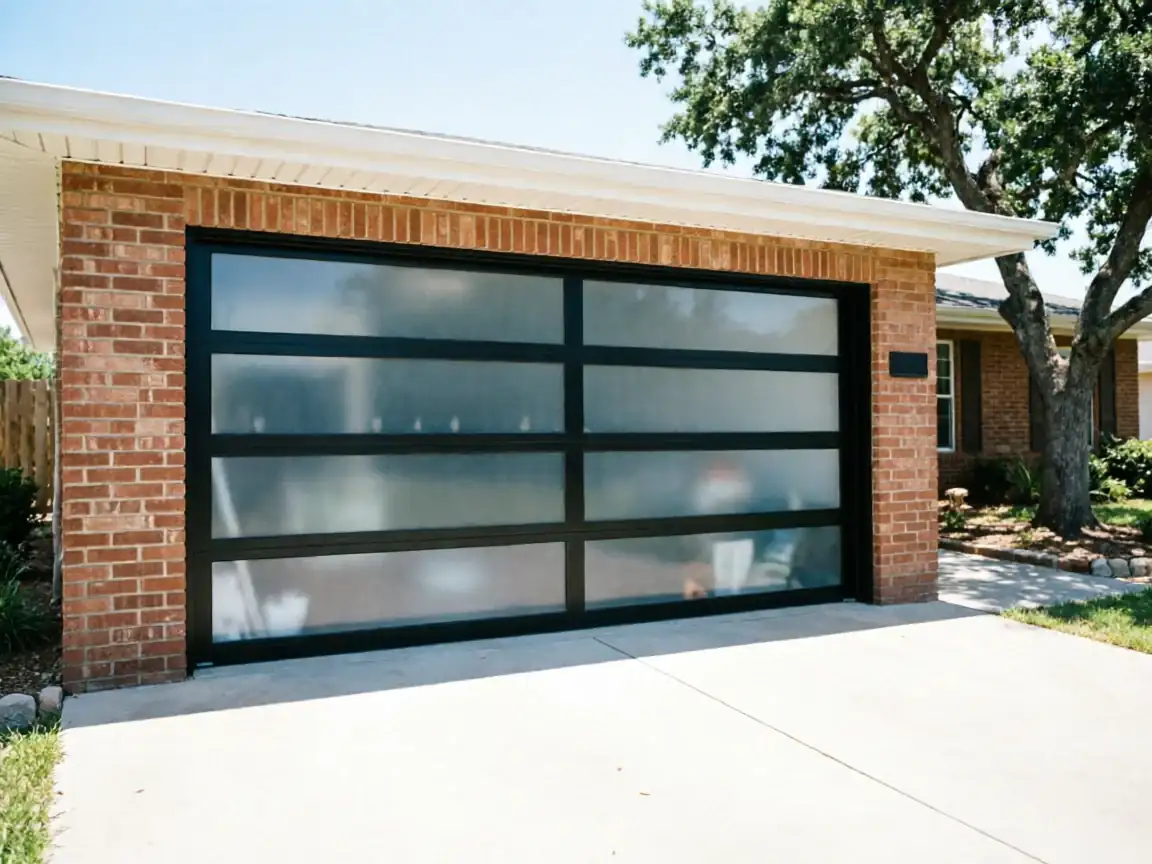
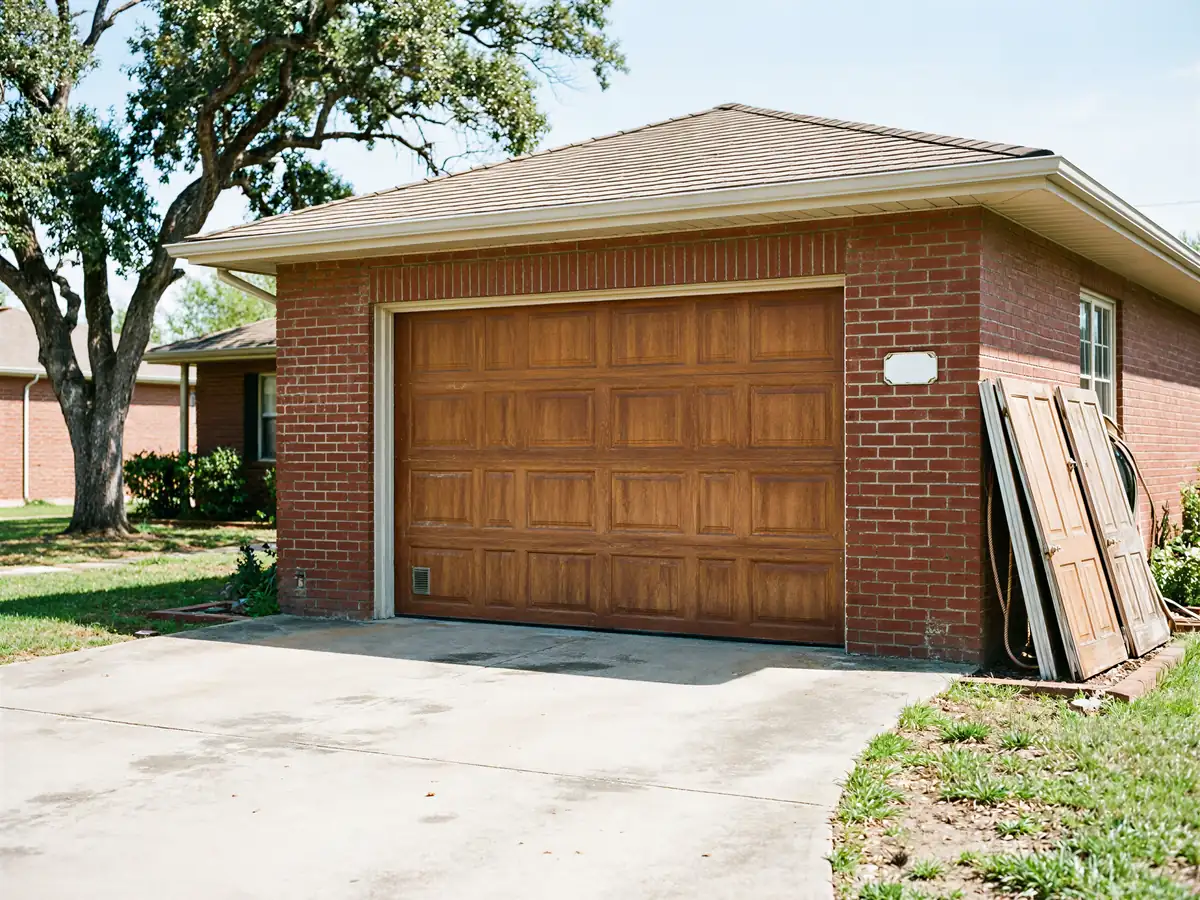
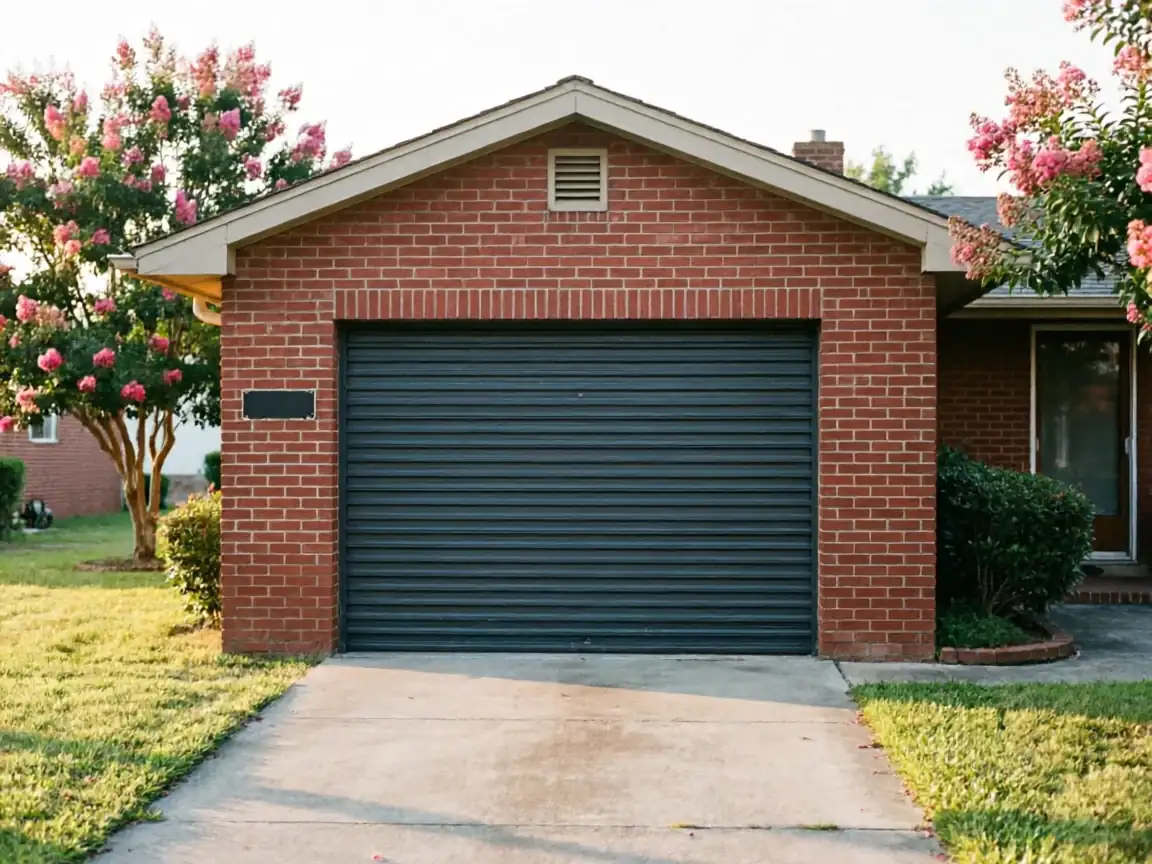
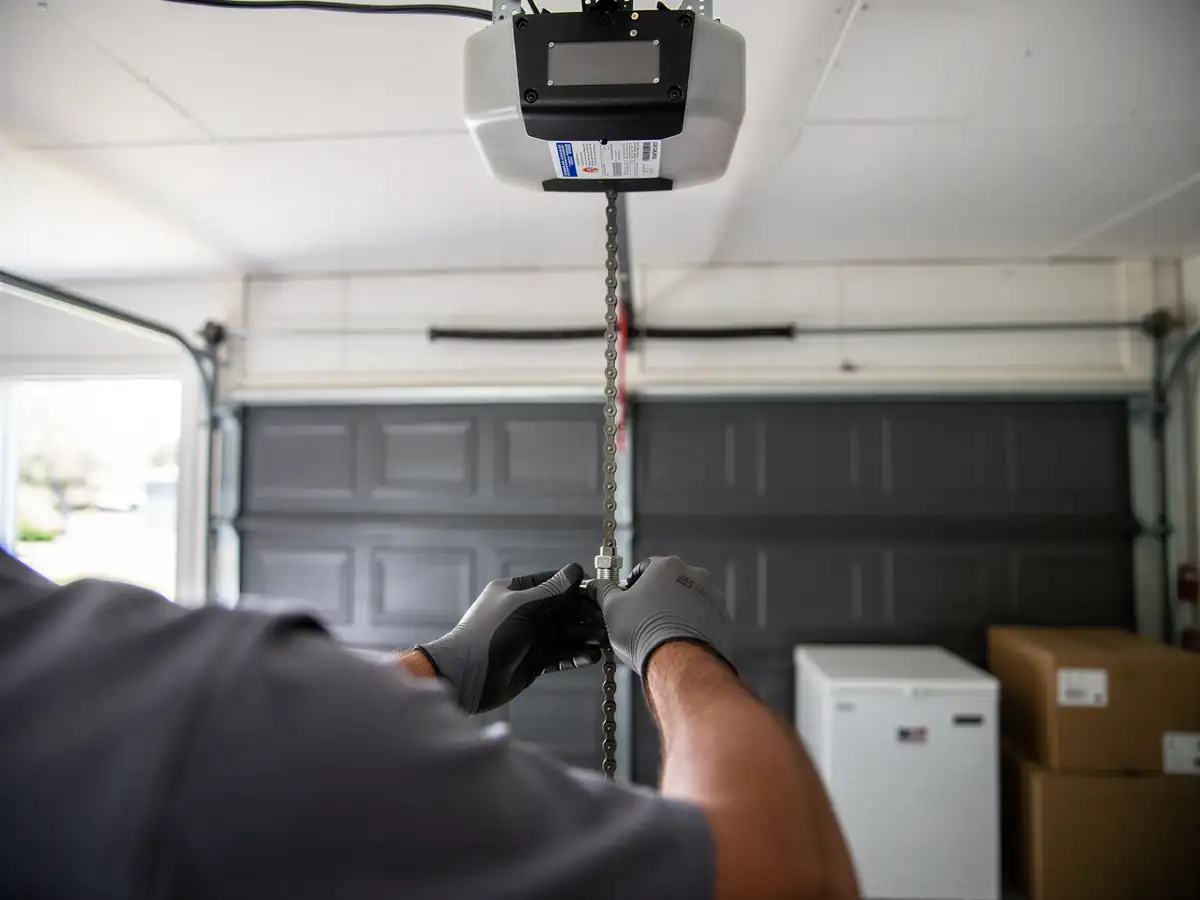
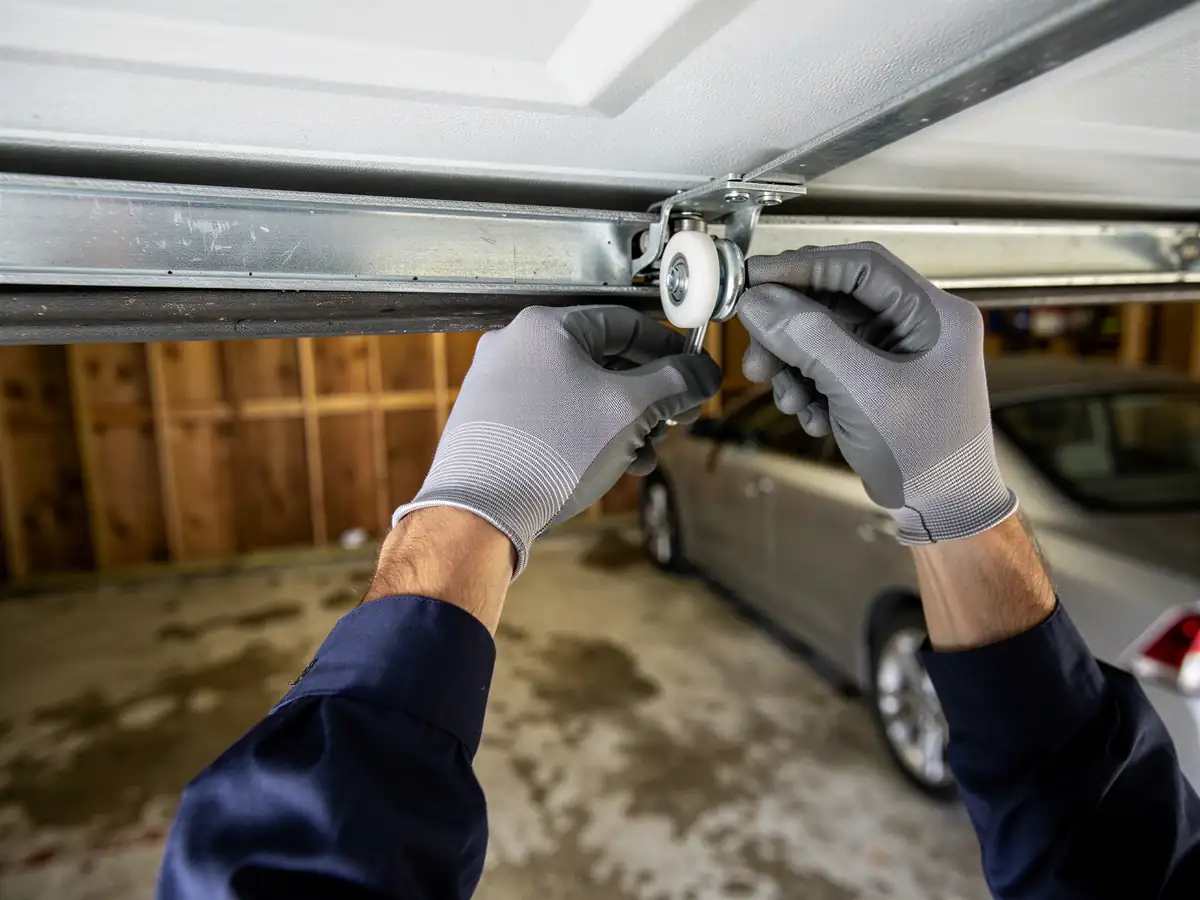
On a house built around 1970, the door itself has usually been swapped out at least once, but the track and the header bracket often haven't. That mismatch shows up as a door that closes a little crooked, or a roller that chatters in the last foot of travel because the track was never squared to a newer, heavier panel. With roughly 1,743 households in Avondale, we're not working from a big, varied sample - most of the calls we get out this way share the same handful of symptoms: a spring that's lost tension gradually rather than snapping, hinges that have rusted at the pivot pin, and openers whose safety sensors have drifted out of alignment from years of lawn equipment and foot traffic knocking the brackets.
The Cost of This Job
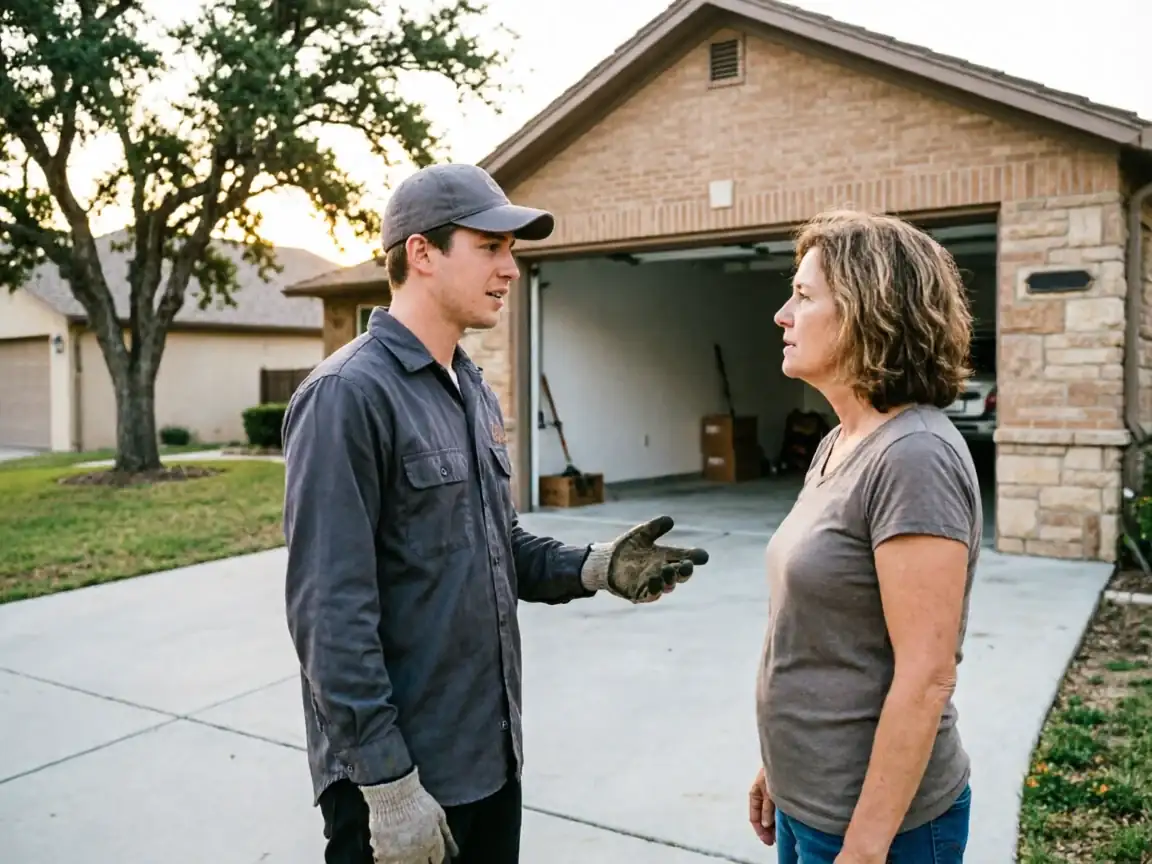
We don't have a flat number to quote here, and we're not going to invent one. Maintenance pricing depends on what the door and opener actually need once we're looking at them - a spring tension adjustment is a different job than replacing worn rollers across a full double door. What we can say is that for a household budget, median income in Avondale runs around $47,561, noticeably below the wider Metairie service area's $67,099, and that's part of why we lay out what's wear-and-tear versus what's an actual failure before we touch anything. Nobody out here wants to pay for a full roller replacement when a lubrication and realignment would have held another two or three years.
Doing It Yourself
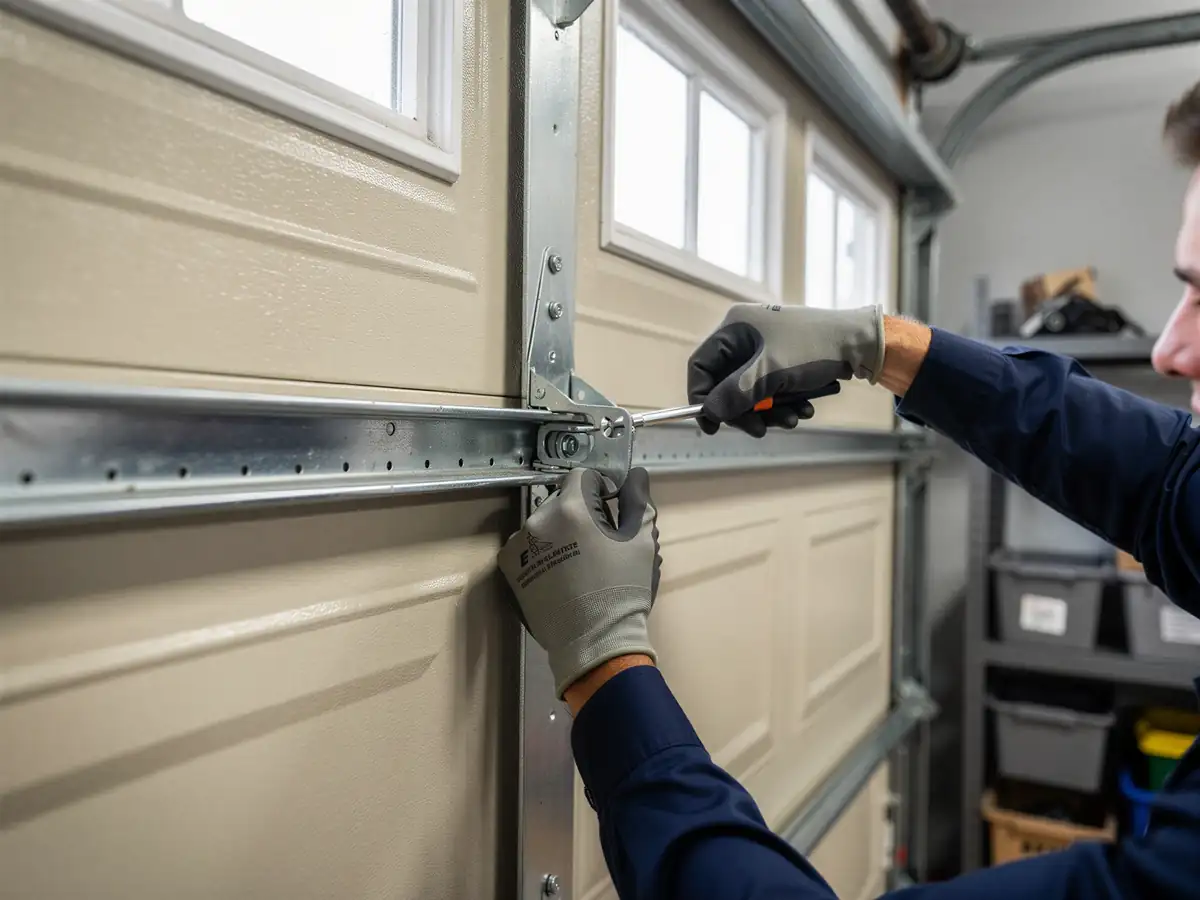
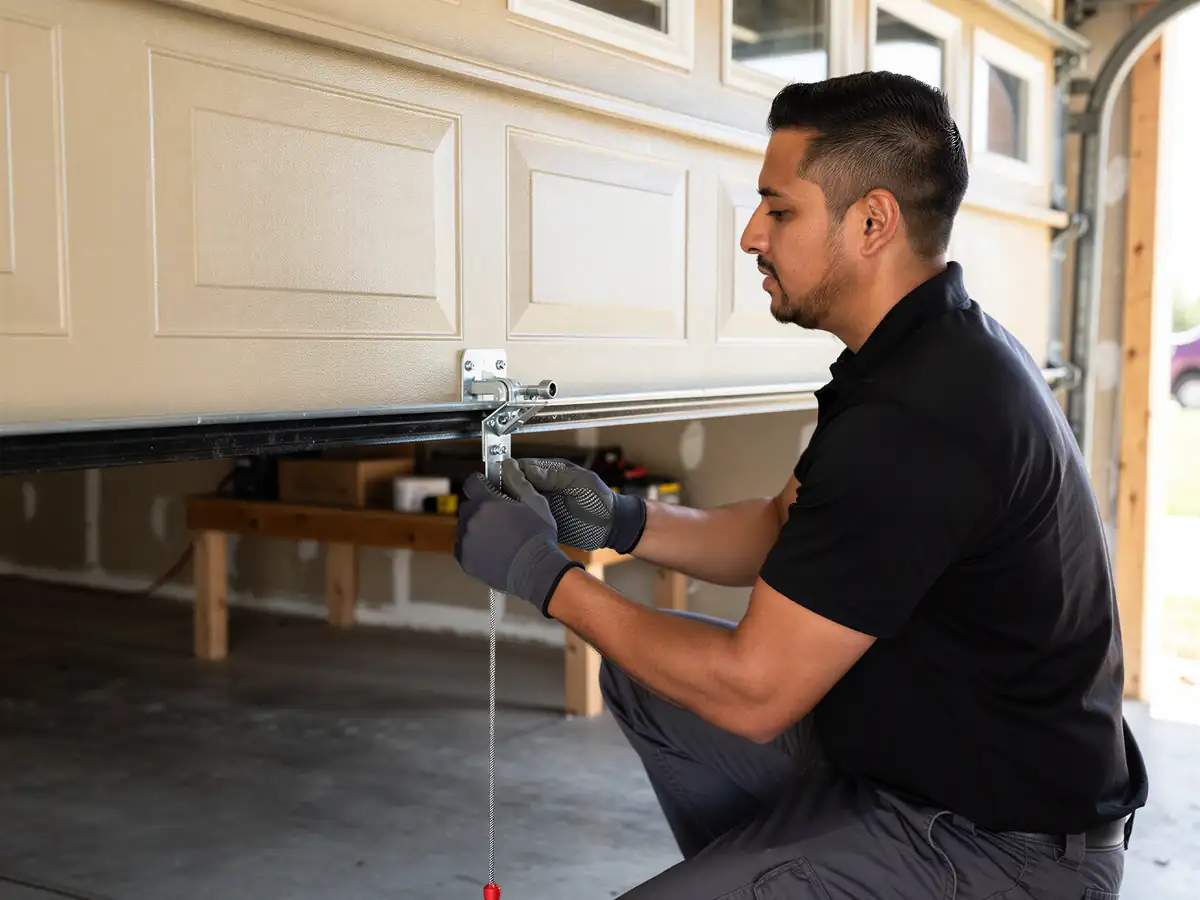
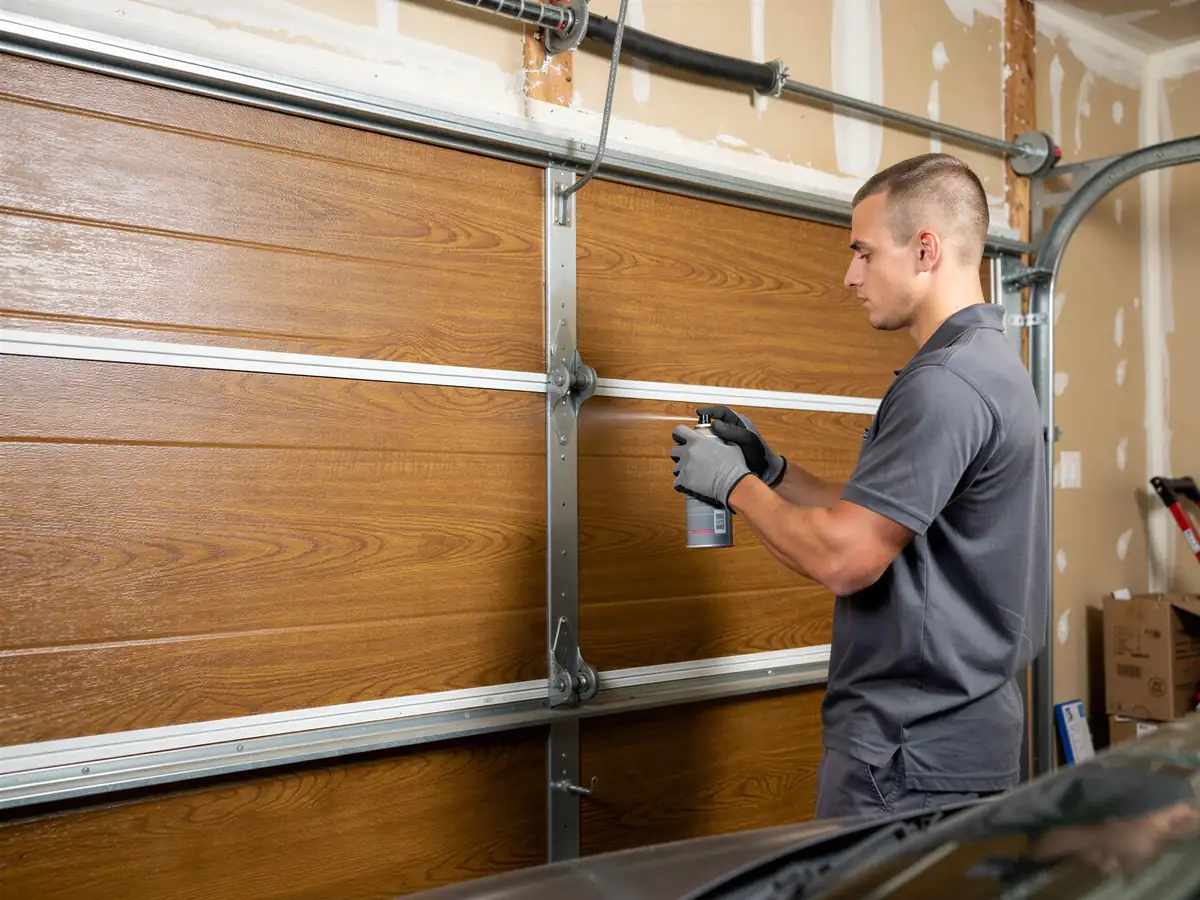
Lubricating hinges and rollers with a garage-door-specific lubricant, checking that the photo-eye sensors aren't knocked out of alignment, and visually inspecting cables for fraying are all reasonable homeowner tasks. Adjusting spring tension is not - on a torsion spring under load, that's a job that puts people in the ER every year, and it's one of the honest limits we'll tell you straight: if your door feels heavy to lift by hand or the opener is straining, that's a tension issue, and it needs a bar and winding cones, not a wrench from the garage shelf.
What Causes It Around Here
The climate band this whole area sits in is mild with occasional freeze risk, not the hard freeze-thaw cycling that cracks concrete and warps steel further north. That keeps a lot of the damage mechanisms you'd worry about elsewhere off the table. What we do see is humidity-driven rust on hardware that's never been lubricated, and on a housing stock with a median build year around 1970, that's forty-plus years for corrosion to work on original brackets and hinge pins that were never swapped out when the door panel itself was replaced. Add the river-parish humidity to original galvanized hardware and you get the slow, steady wear pattern that shows up as noise and misalignment rather than sudden failure.