How It Shows Up
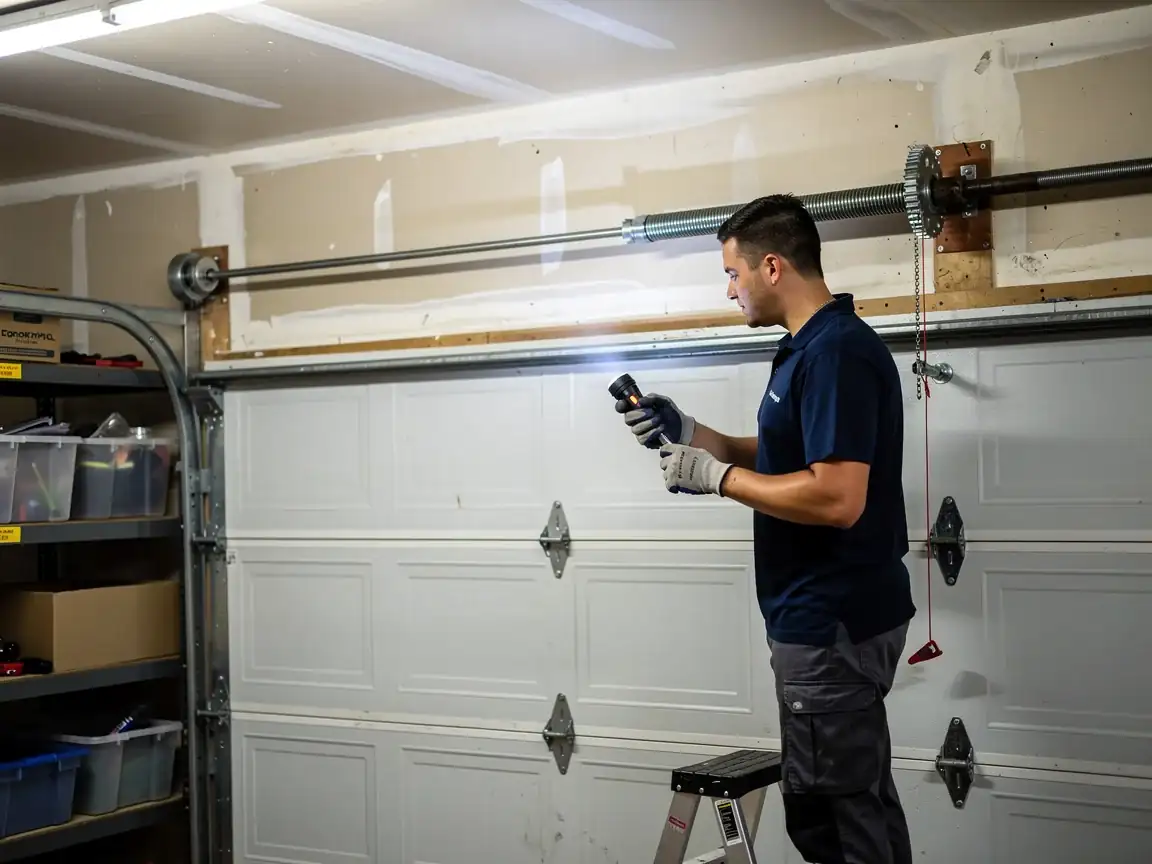
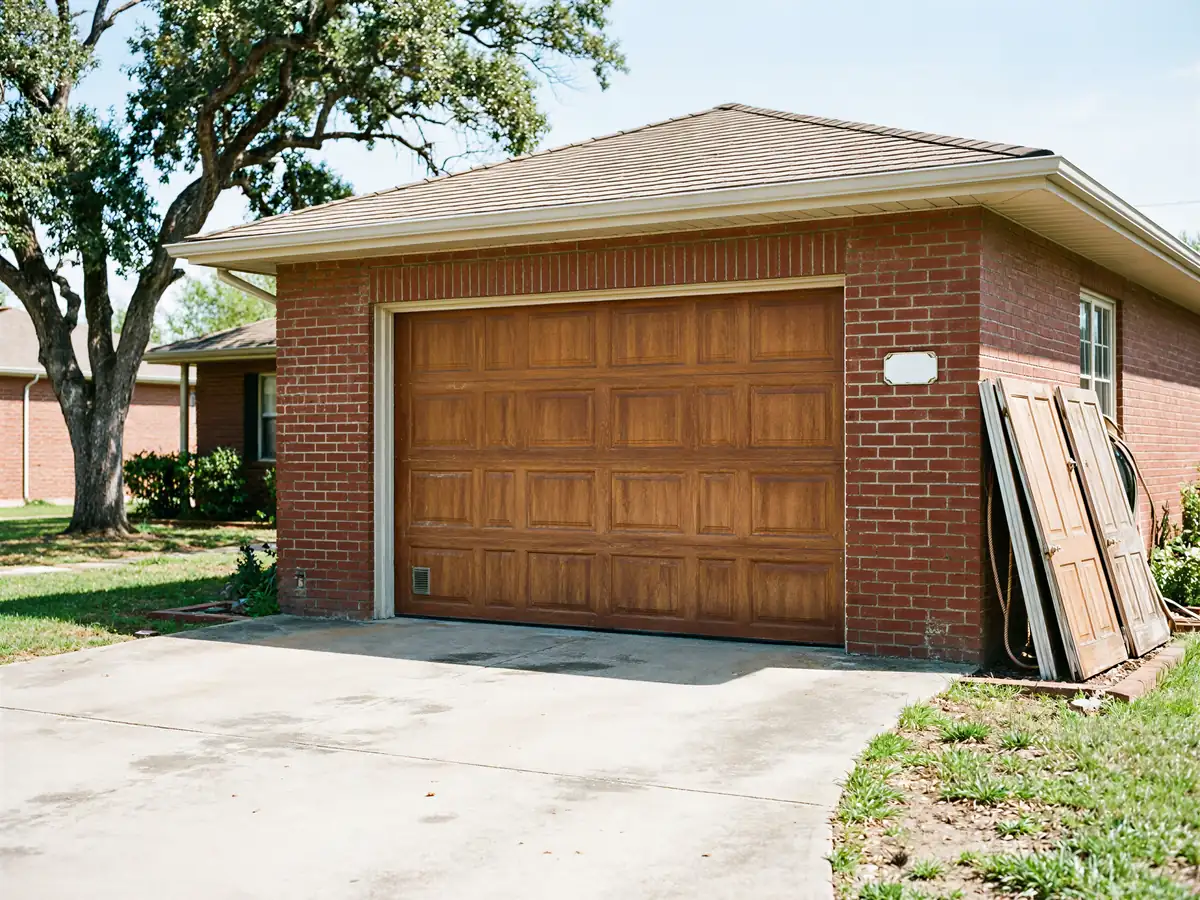
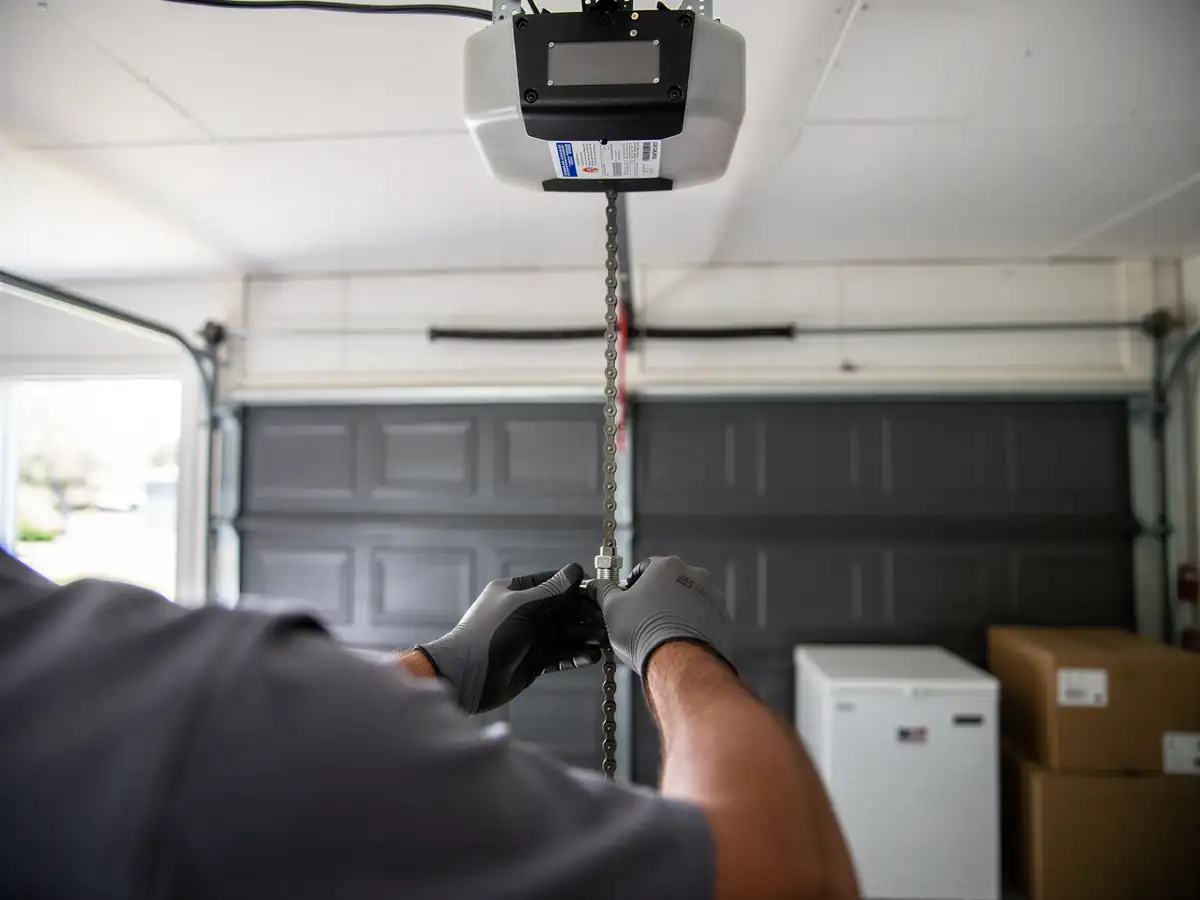
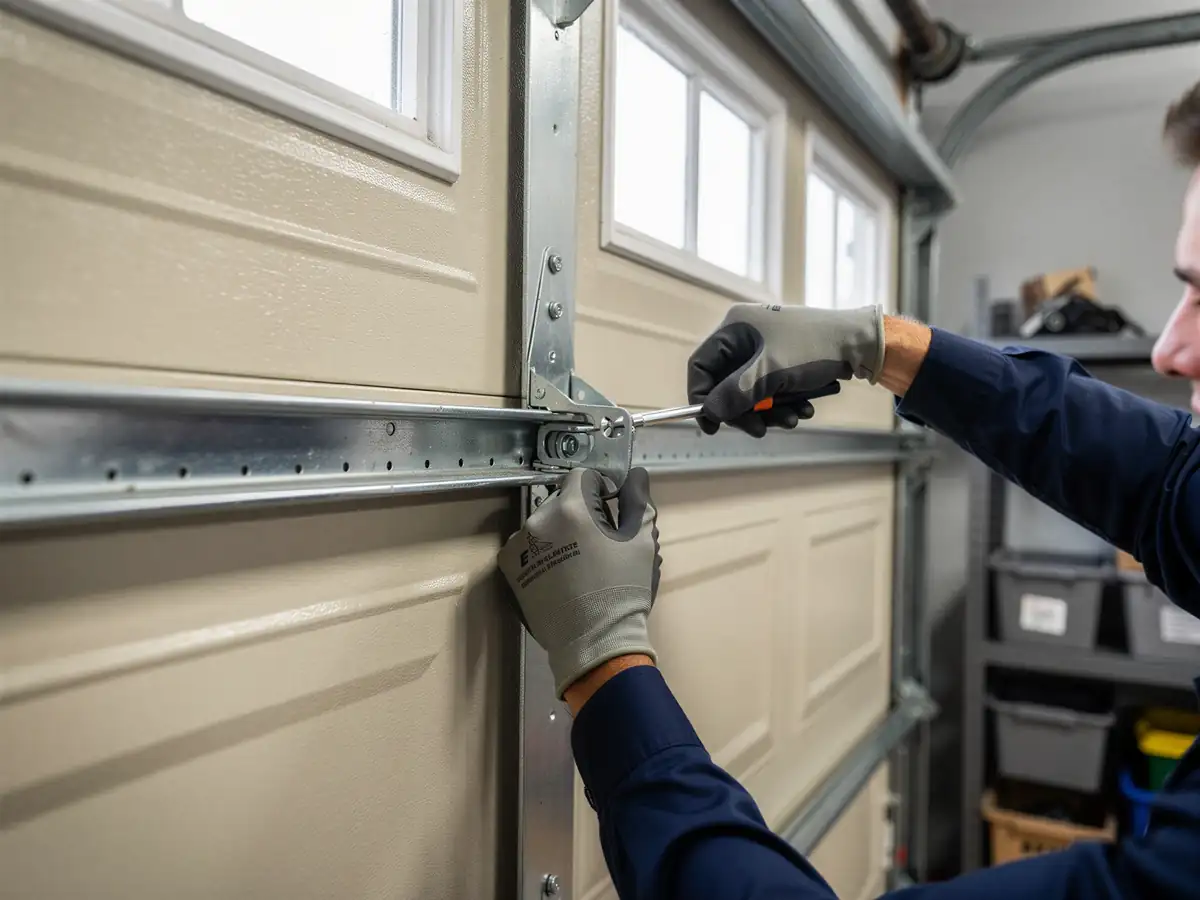
On a door this age, the usual complaint is a door that's gotten loud, or one that hesitates partway up before the opener finally pulls it through. That hesitation is almost always a spring giving out, not the opener motor failing. Extension-spring systems tend to show a visible stretched or uneven coil before full failure, which is actually a bit of a gift since it gives you time to call before the cable snaps and the door drops. You'll also see rust streaks on track bolts and hardware on doors from this era that haven't been replaced since original installation. Owners sometimes mistake a worn roller for a bad opener because the noise sounds electrical. It usually isn't.
The Cost of This Job
We don't have a published price list specific to Avondale calls, and job cost depends on which spring system is on the door, how many panels need attention, and whether the opener itself needs work too. What we can say is that a 1970-era extension-spring door is a different repair quote than a modern torsion system, mainly because extension-spring hardware is less commonly stocked and sometimes needs to be sourced rather than pulled straight off the truck. Ask for a number on the actual door, not a guess over the phone.
Doing It Yourself
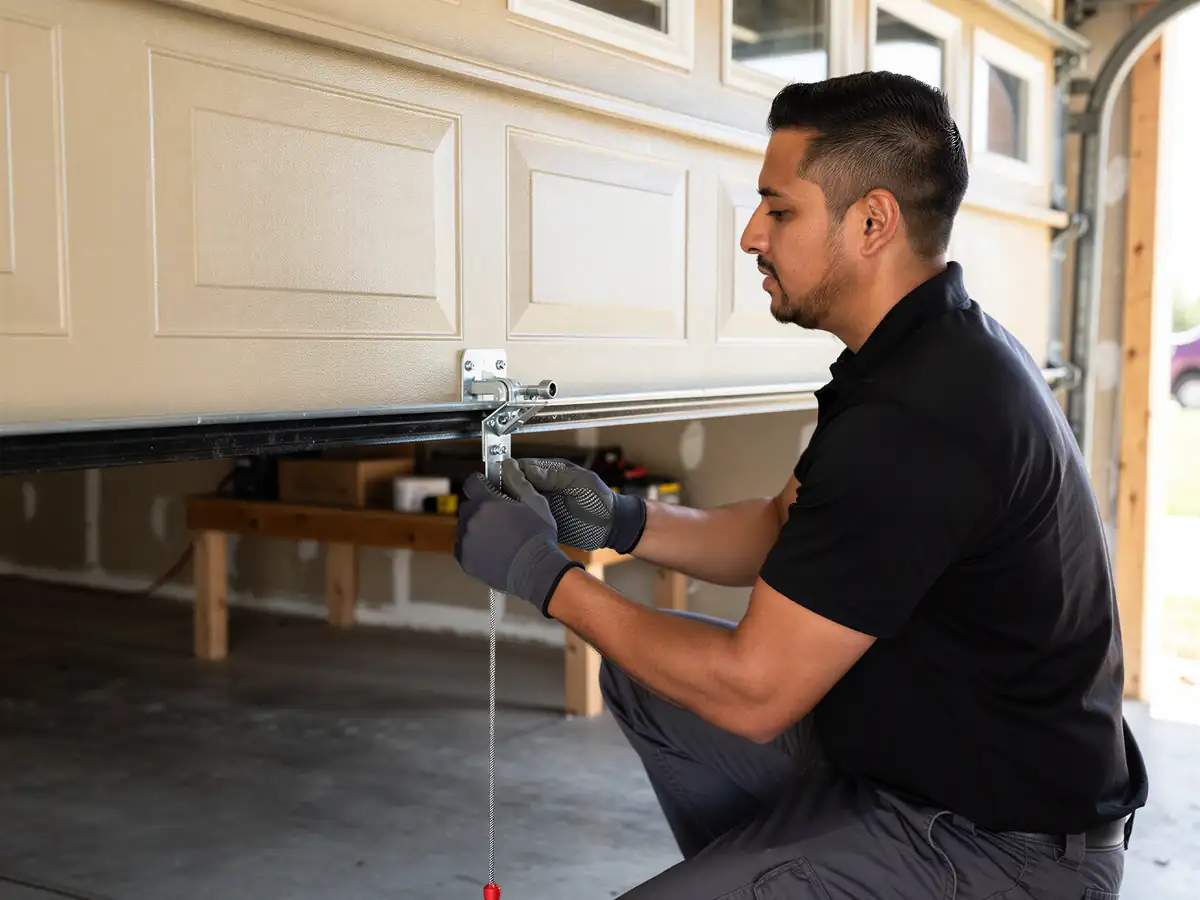
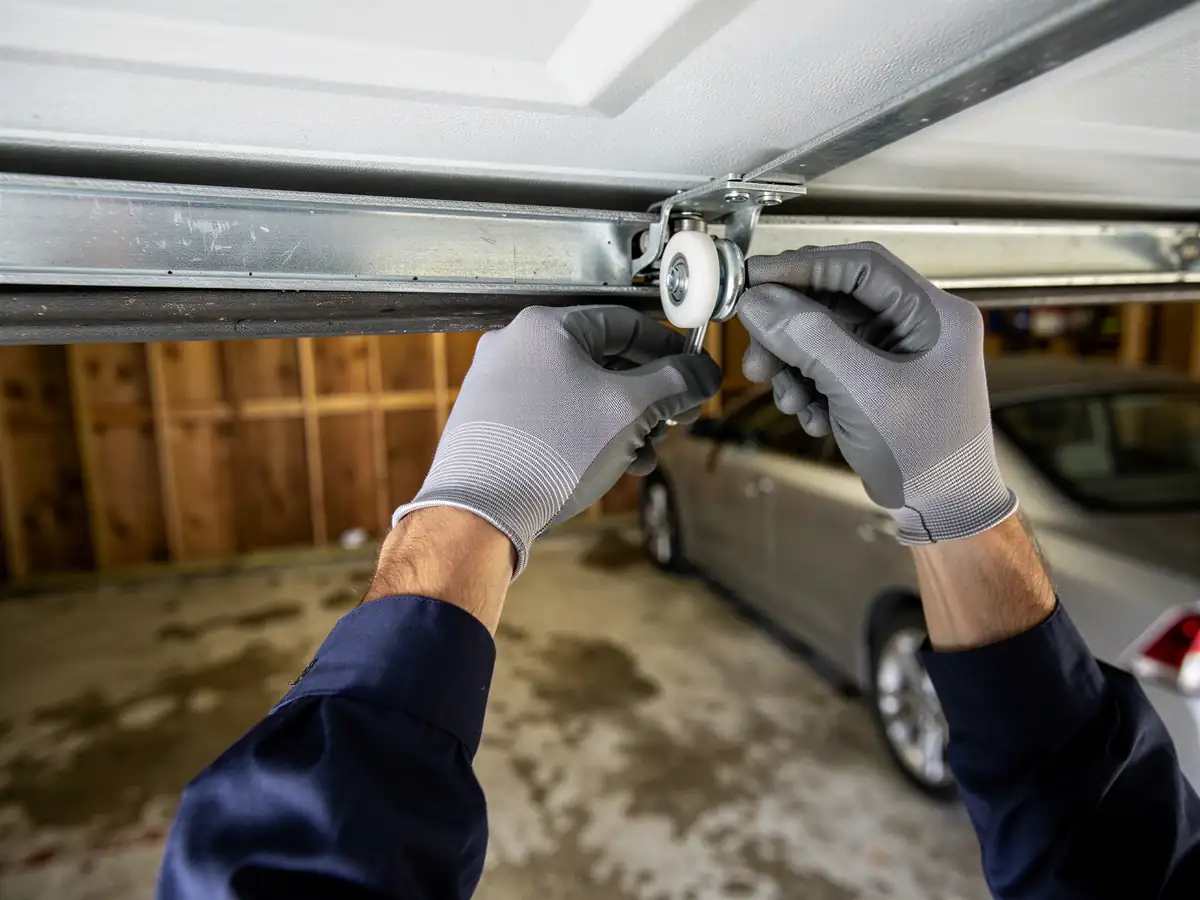
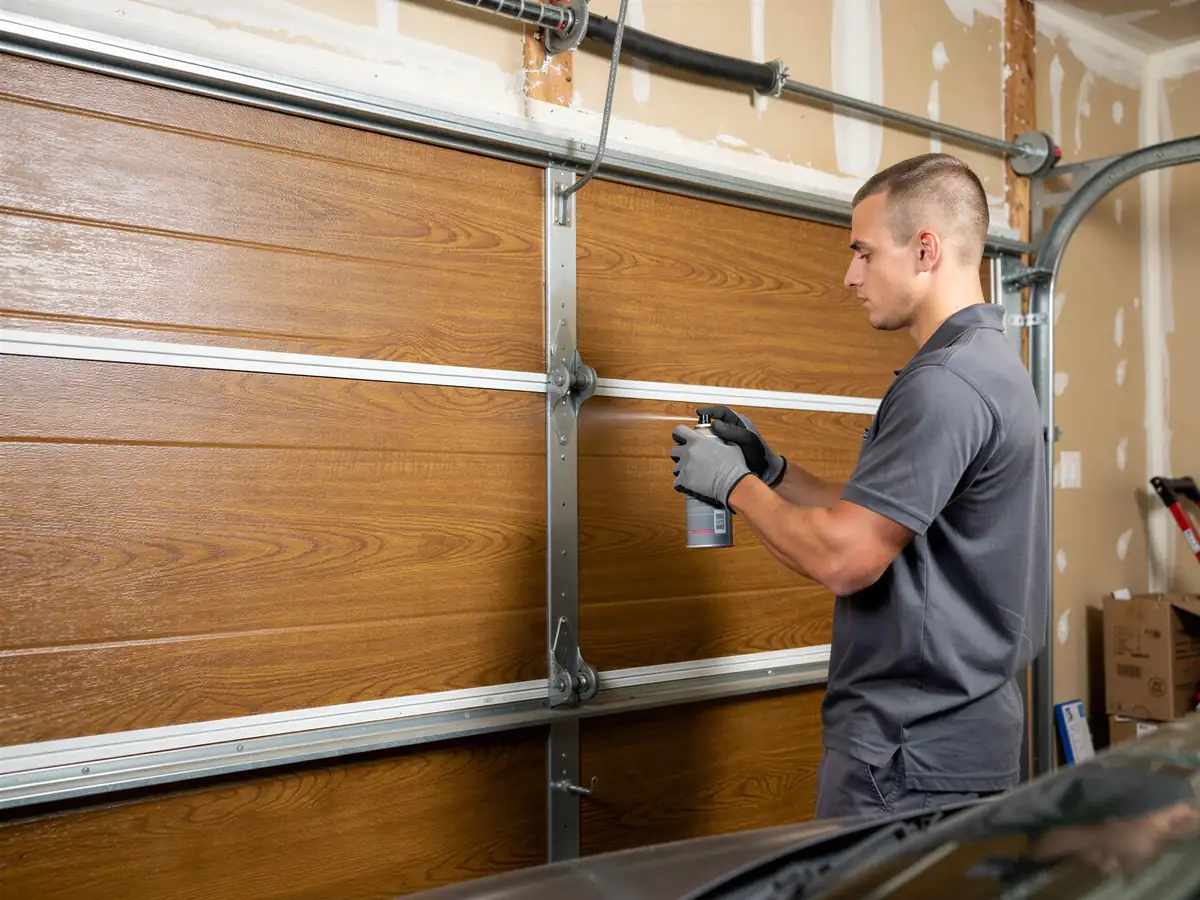
Tightening a loose track bolt or lubricating hinges and rollers is reasonable to do yourself, and it's cheap maintenance that actually extends the life of hardware this age. Spring work is not a do-it-yourself job, torsion or extension. A torsion spring under tension can break a hand or worse, and an extension spring that lets go under load will snap a cable at speed. If your door won't open, don't force it with the opener's manual release and keep pulling. That's how a hesitating door turns into a dropped one.
What Causes It Around Here
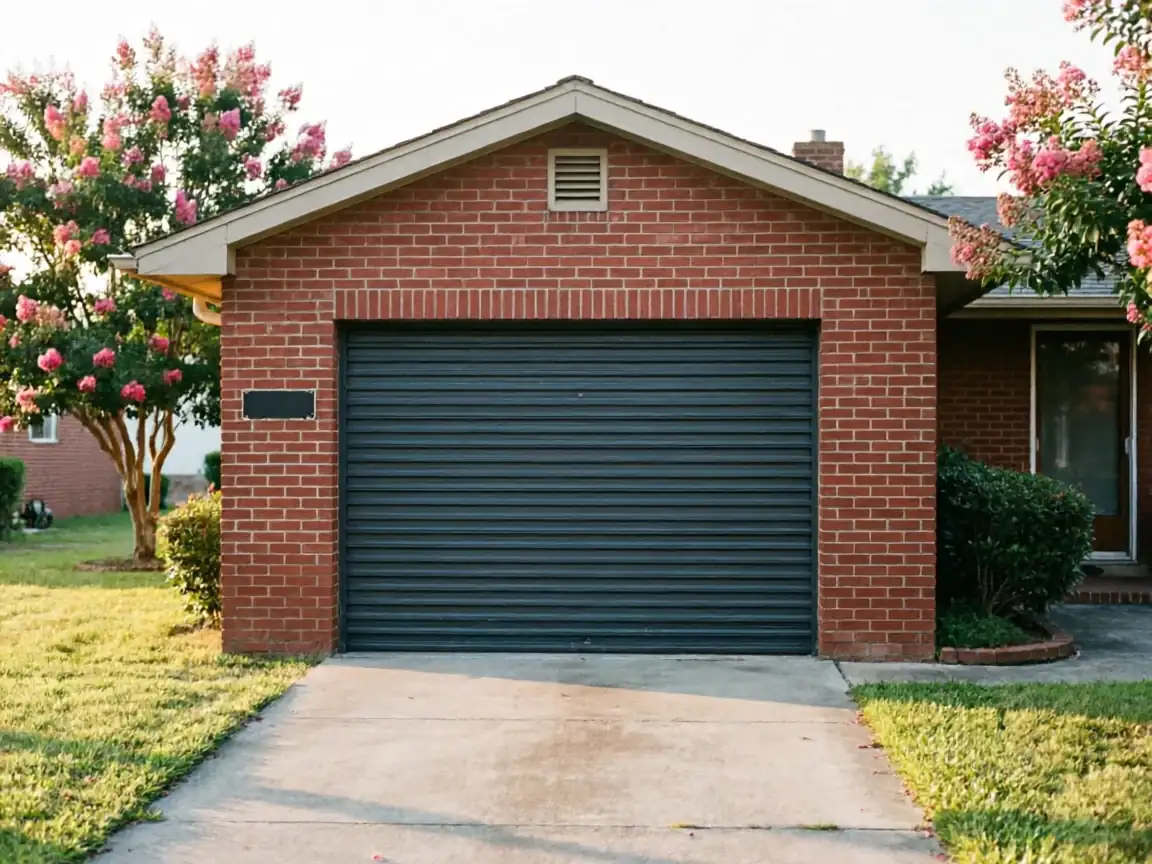
The region sits in a mild climate with occasional freeze risk, which isn't the kind of extreme heat or cold that cracks hardware outright, but the humidity does steady work on unprotected steel over decades. On a door installed around 1970, that's fifty-plus years of coastal humidity on original spring coils, track bolts, and hinge pins, most of which were never stainless or coated the way current hardware is. Add in a household size and income profile that, across the wider area, doesn't always put major door replacement first on the list, and you get a lot of doors here running past the point most techs would call the end of a spring's service life. That's not a knock on the owners, it's just the math of an older door getting used daily for decades.