What Causes It Around Here
Start with the door itself, because that's what the opener is fighting every time it runs
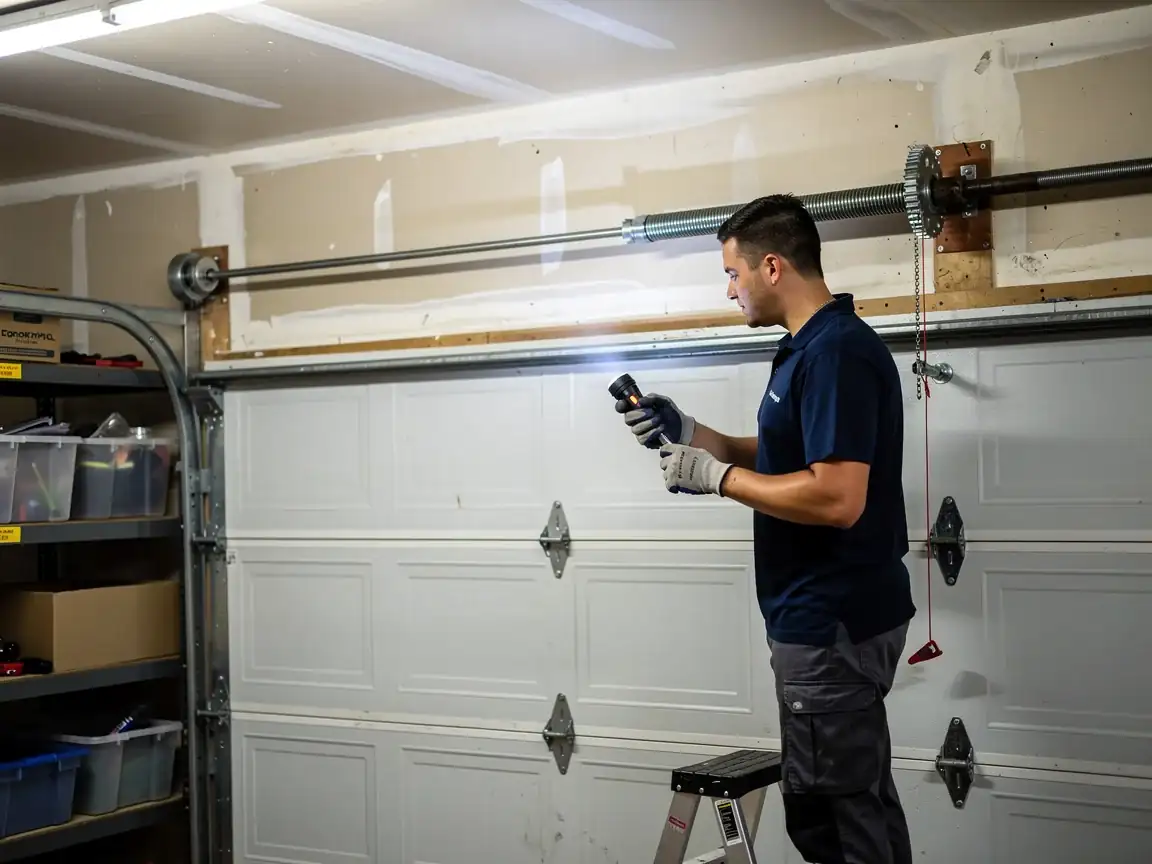
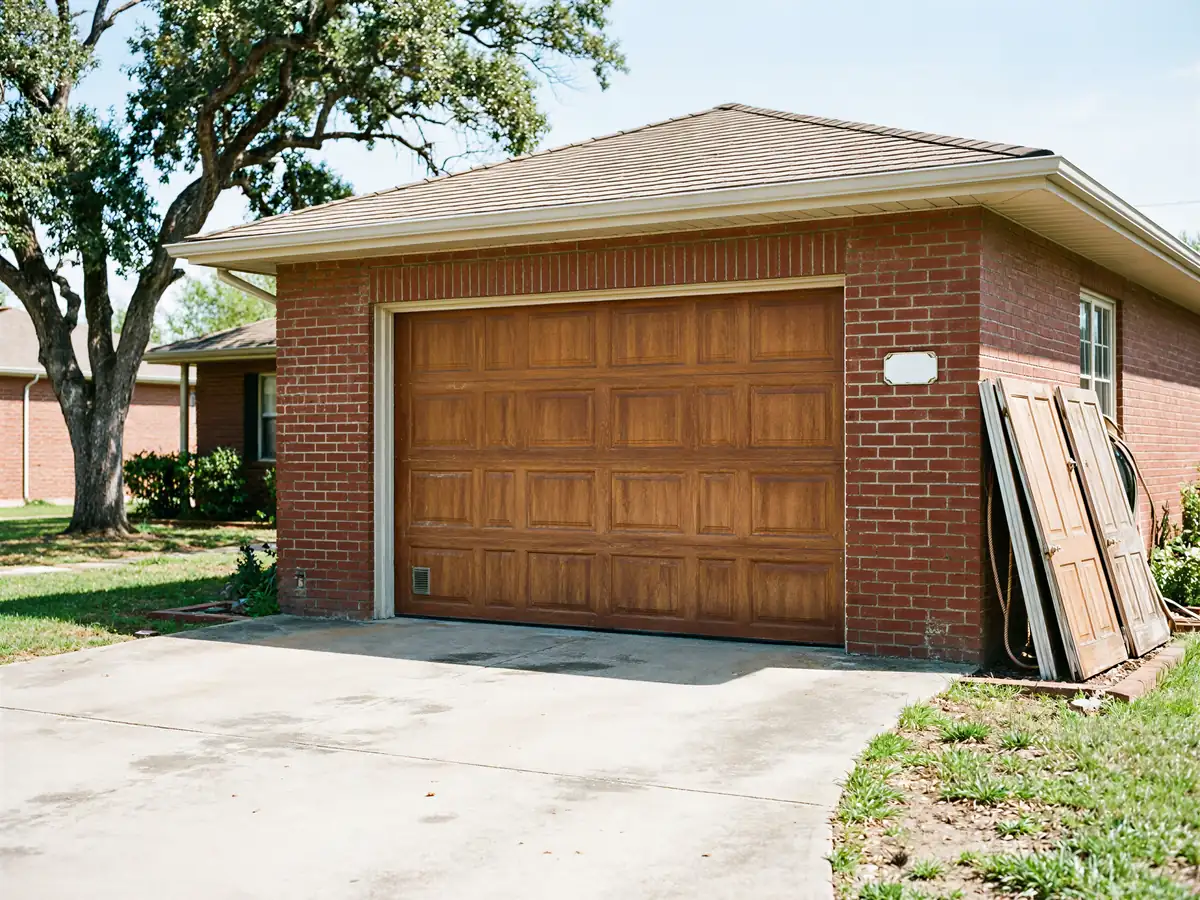
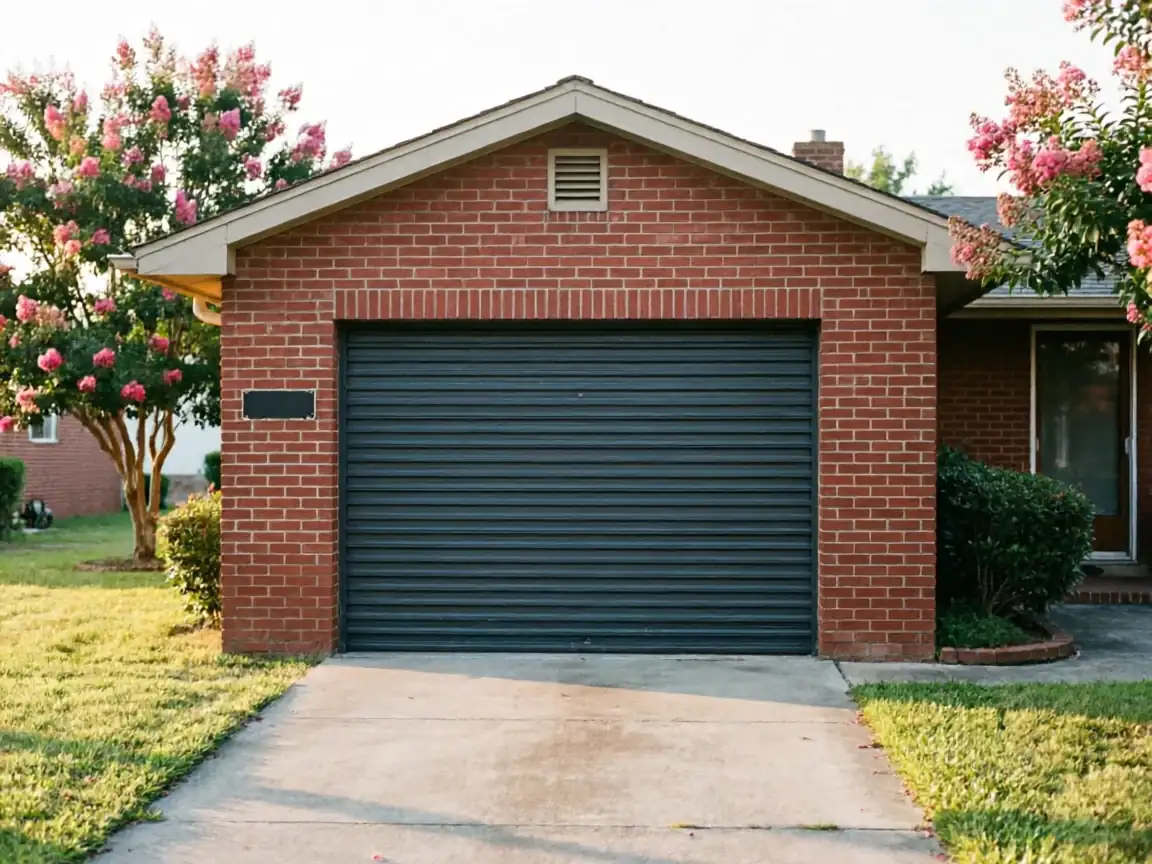
Houses in Bridge City went up mostly around 1977, which means a lot of the original garage doors are single-layer steel sections, no insulation, hung on extension or early torsion springs that were never upgraded. That's a heavier, less balanced door than anything sold today, and it's exactly the kind of load that wears out an opener's gears and drive mechanism faster than the manufacturer's spec sheet assumes.
What we actually find failing is rarely the motor housing
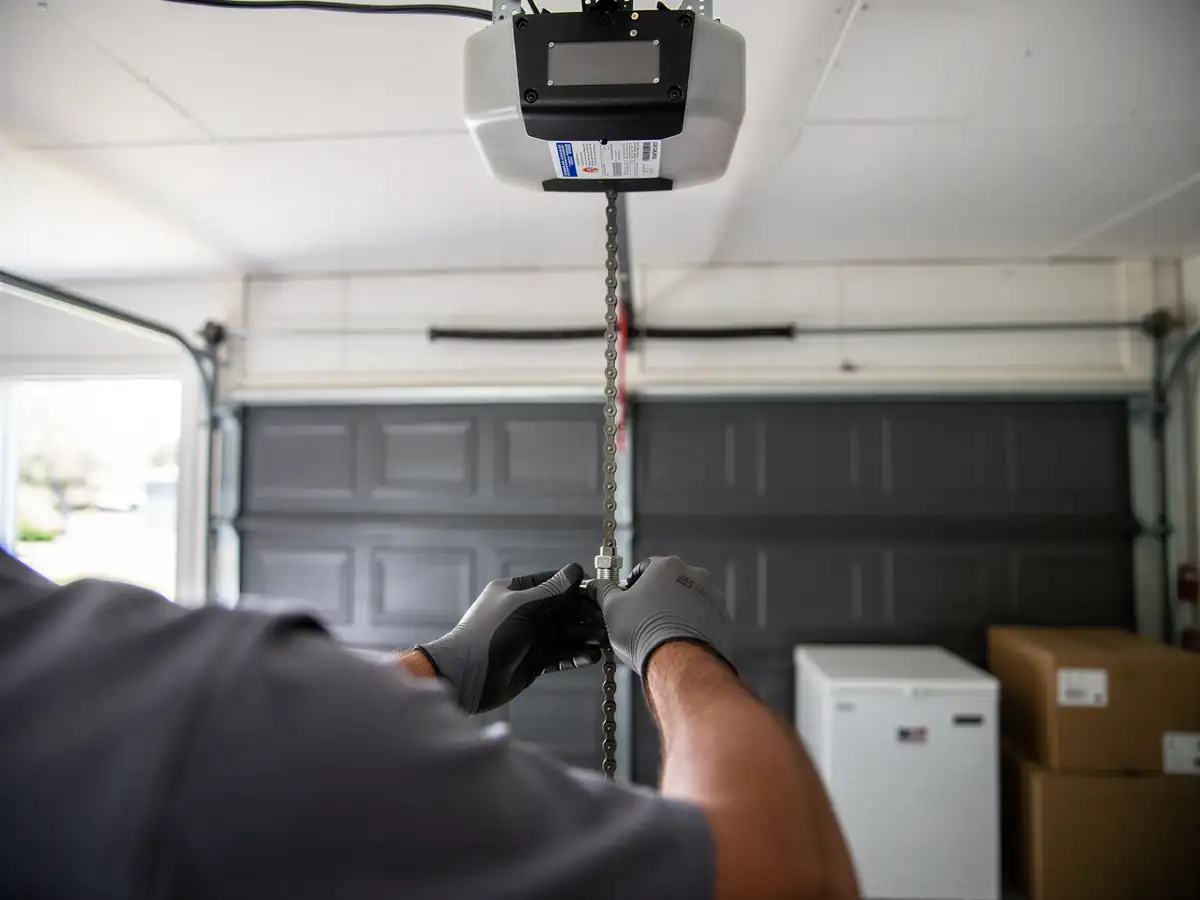
It's the capacitor on an older chain-drive unit, a stripped plastic drive gear, or a logic board that's been cycling a door it was never sized for. On a 1977-built house, if the opener itself has been swapped once already (common once a unit hits 15-20 years), you're often looking at a mismatch between a newer opener and original hardware it was bolted onto without adjustment. That mismatch shows up as grinding, reversing, or an opener that runs but the door barely moves.
- 20 years
See our general garage door service page for Bridge City if the issue turns out to be the door and not the opener
The Cost of This Job
We don't have a set number to quote you here without seeing the unit, so we're not going to invent one. What drives the cost on a job like this is usually whether we're replacing a part (capacitor, gear kit, sensor) or replacing the whole opener because the logic board is original to a unit installed decades ago and no longer stocked.
With a median household income of $55,728 in this area, we see a lot of households make the repair-over-replace call when it's close, and that's usually the right call on a working motor with a bad part. Where it stops being the right call is when the opener predates modern safety sensors entirely - at that point you're paying to patch something that doesn't meet current reversing-force standards, and a new unit is the better spend even though it costs more up front.
We travel the four miles from Metairie with common opener parts on the truck, which cuts down on a second trip for straightforward fixes, though a specific logic board or a discontinued part can still mean a short wait.
Where This Job Goes Sideways
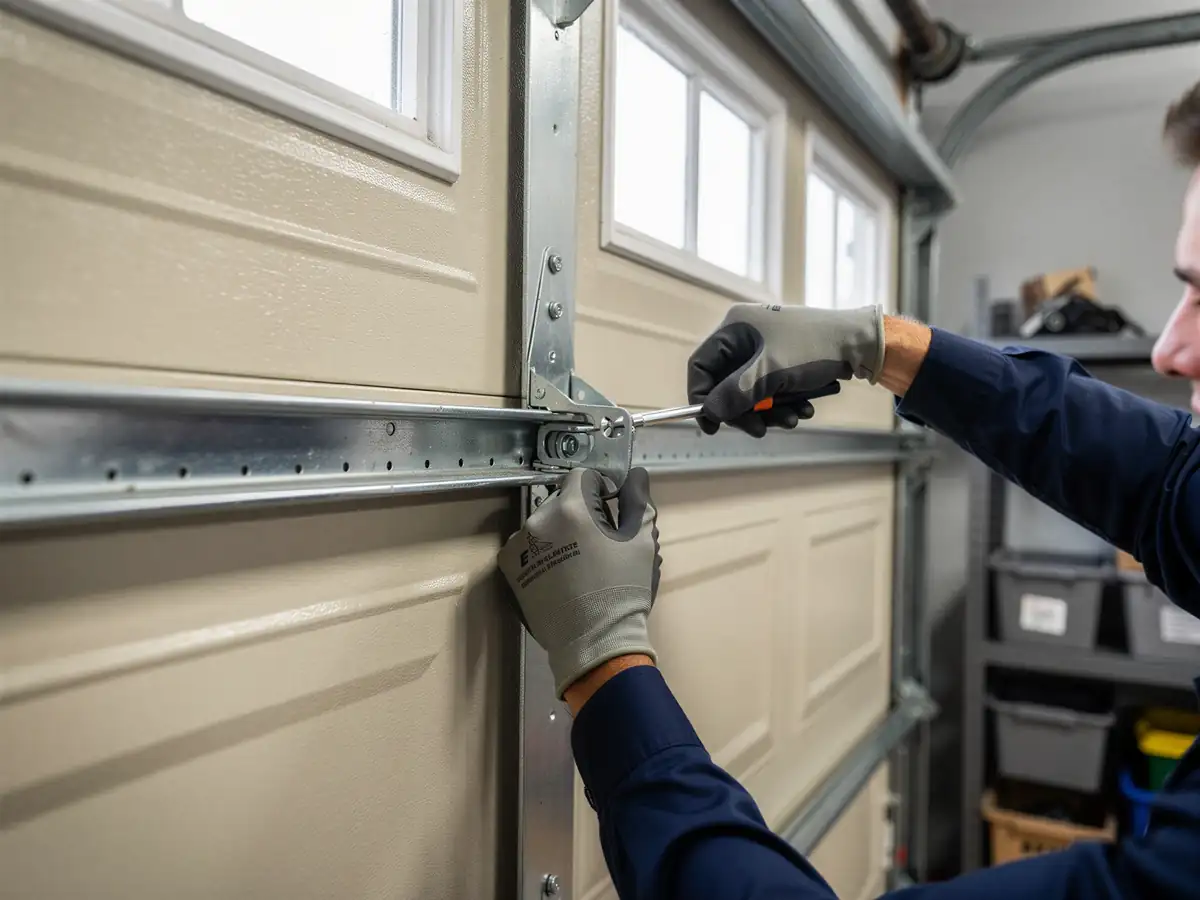
The most common mistake homeowners make here is assuming the opener is the whole problem when the door's springs are what's actually failing. On a door built in 1977, the springs have had decades to lose tension even if nobody's touched them, and a tired spring makes the opener work harder, strip gears faster, and trip its force sensors. Replace the opener alone and you've fixed nothing - the new unit fails the same way inside a year.
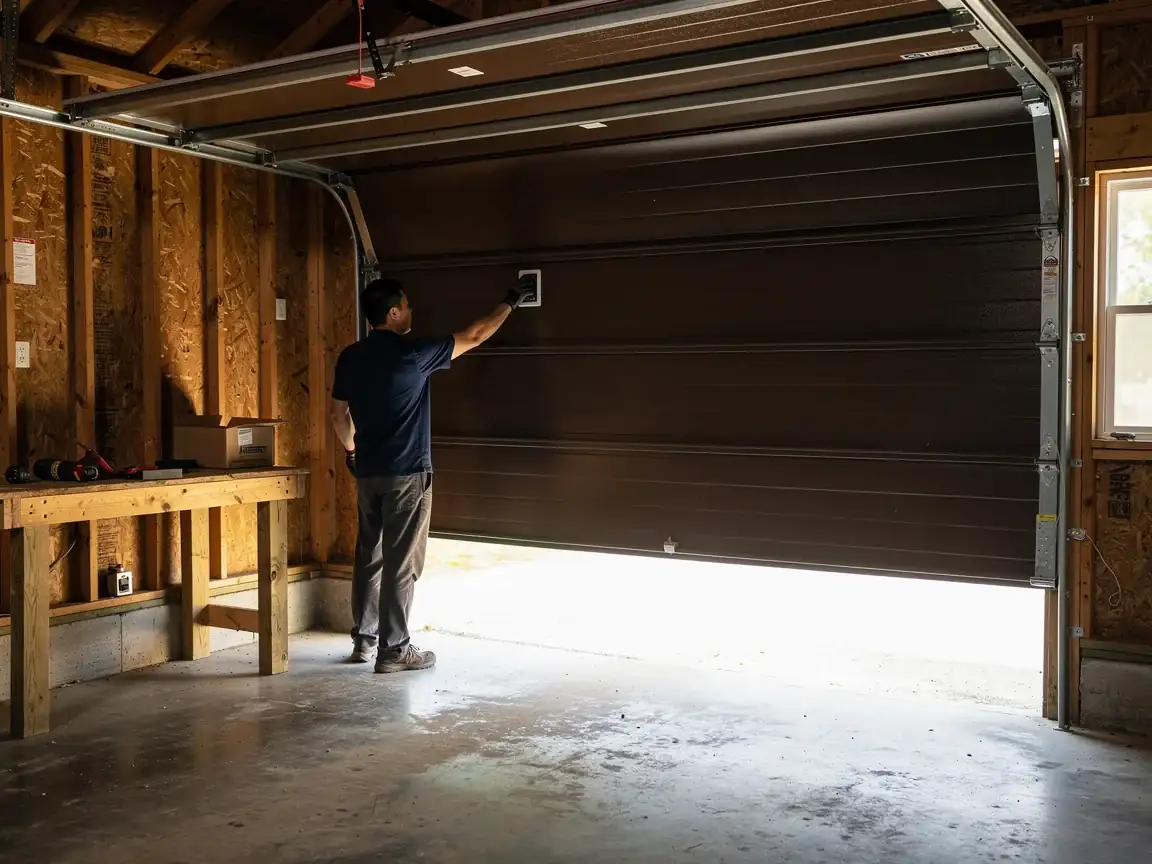
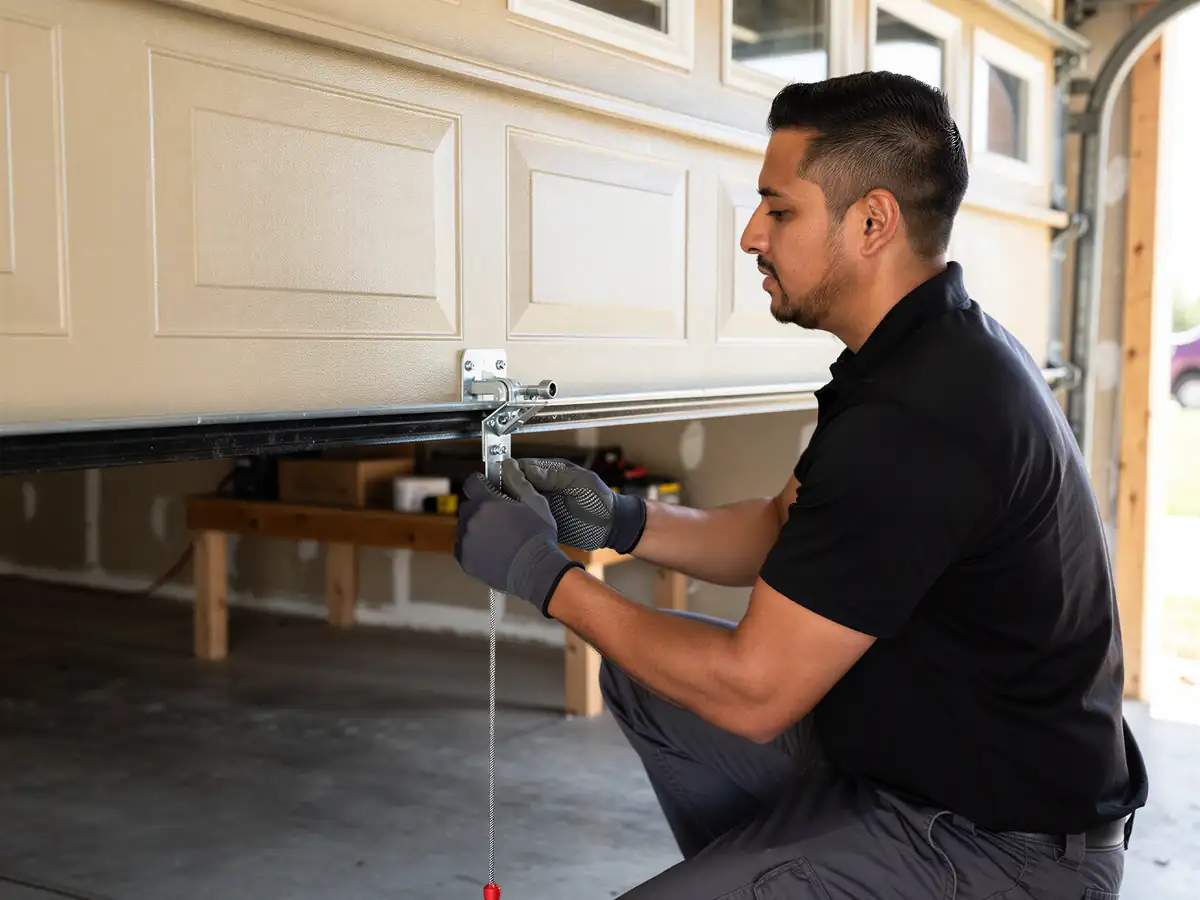
The other place this goes wrong is parts matching. If a previous owner swapped the opener at some point without also updating the sensor brackets or the travel limits for the original door's weight, you get an opener that technically runs but won't learn the door's full travel, or one that reverses constantly on a door that isn't actually obstructed. That's a diagnostic job, not a parts-swap job, and it takes longer than people expect.
We'll say plainly: if the drive gear and the springs are both shot, fixing one and not the other is wasted money. We'd rather tell you that up front than do half a repair.
How It Shows Up
The door starts and stops partway
Or it reverses right before it closes with nothing in the way. You hear a grinding or clicking from the opener housing even though the door isn't moving much. The remote works some days and not others, which usually points to a failing logic board rather than a dead battery.
On the older chain-drive units still common on these 1977-era houses
A bad capacitor shows up as the motor humming but the door not lifting at all - you'll hear it try. If the opener runs the full cycle but the door lags or shudders partway up, that's more often the door's springs fighting the opener than the opener itself.
A light that won't stay on
Or a unit that's gone completely silent and dark, usually means the board has failed rather than a single part inside it. None of these symptoms tell you for certain what's wrong until someone's hands are on the unit, but they narrow it down.
How Long It Takes
A straightforward part swap - capacitor, sensor, drive gear - is usually a single visit once we're on site, with the opener running normally again before we leave. A full logic board replacement on an older unit takes longer if the exact board isn't something we're carrying, since some of these chain-drive models from the 80s and 90s used boards that aren't made anymore.
If the real issue turns out to be the springs rather than the opener, that's a separate job on top of whatever opener work is needed, and we'll tell you that before we start rather than after. For the full picture on door-side issues, the Metairie opener repair page covers what we do across the wider area, including the parts and models we carry on the truck most often.