What Causes It Around Here
Bridge City sits about four miles from our Metairie base
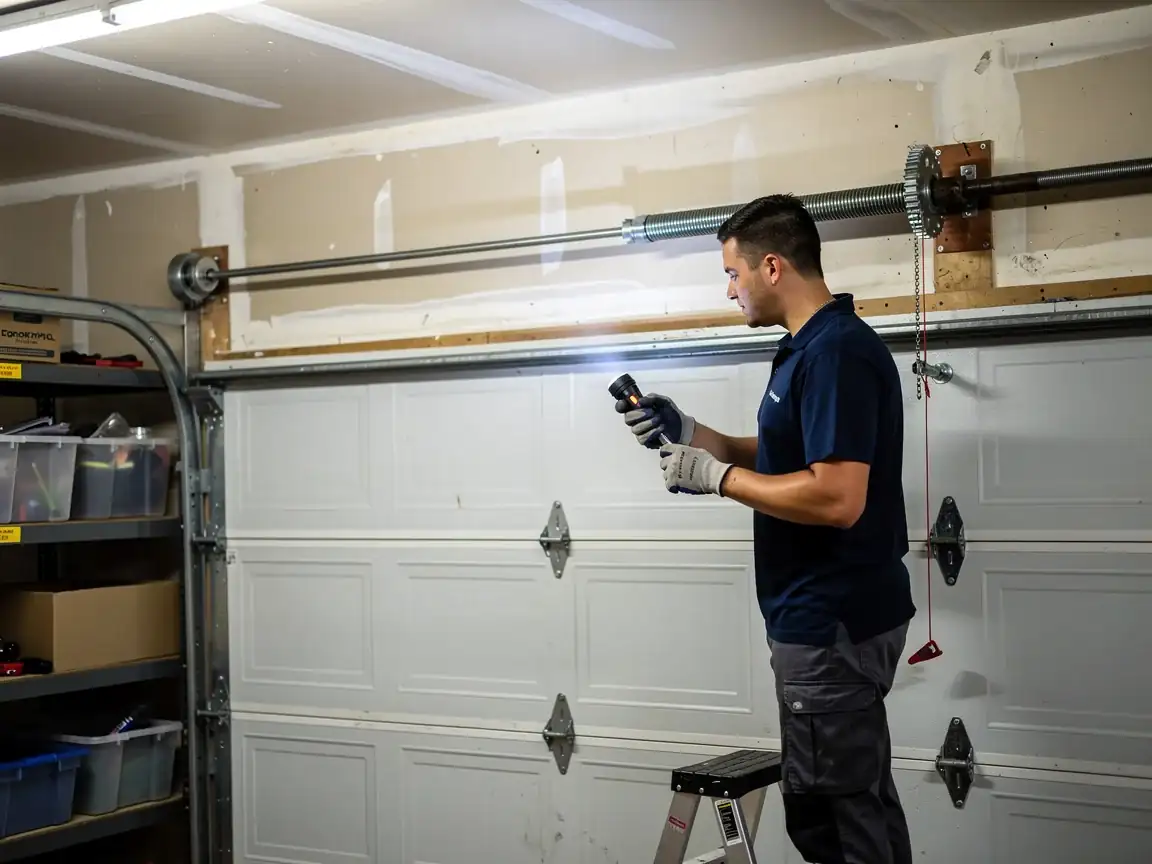
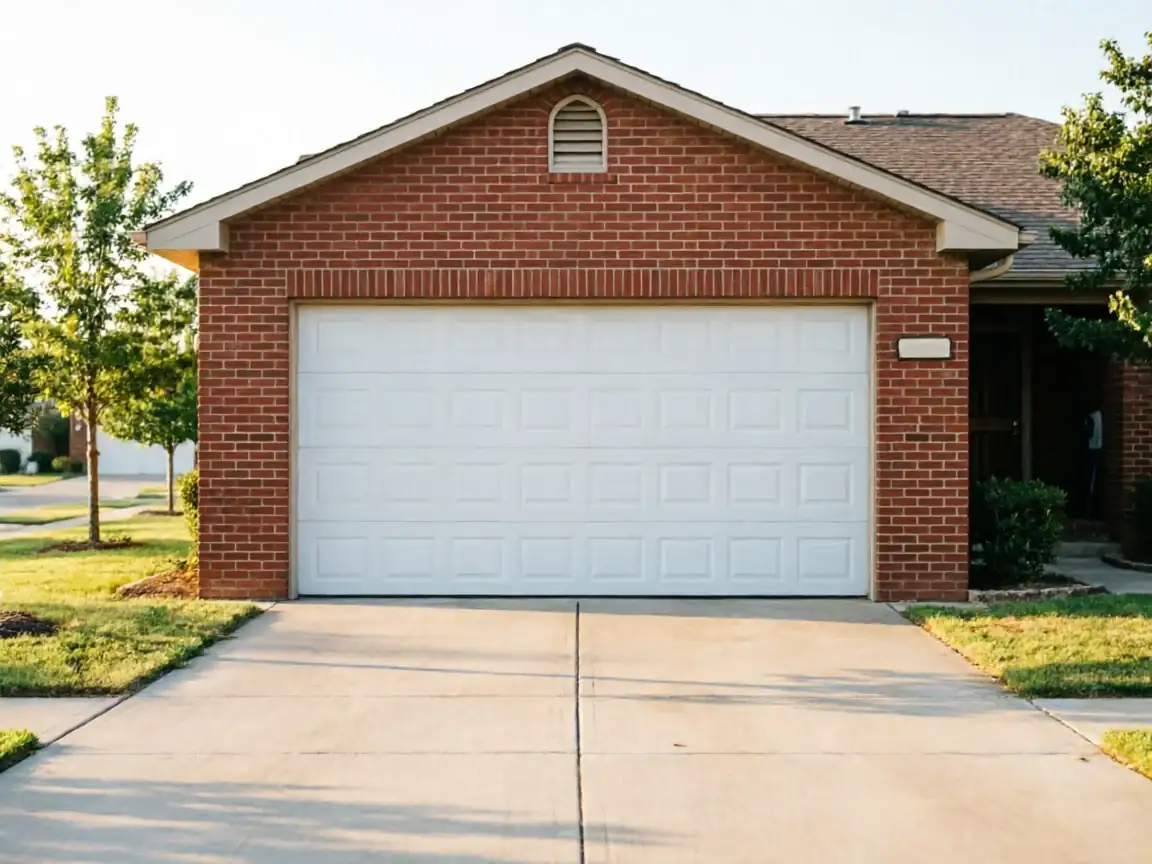
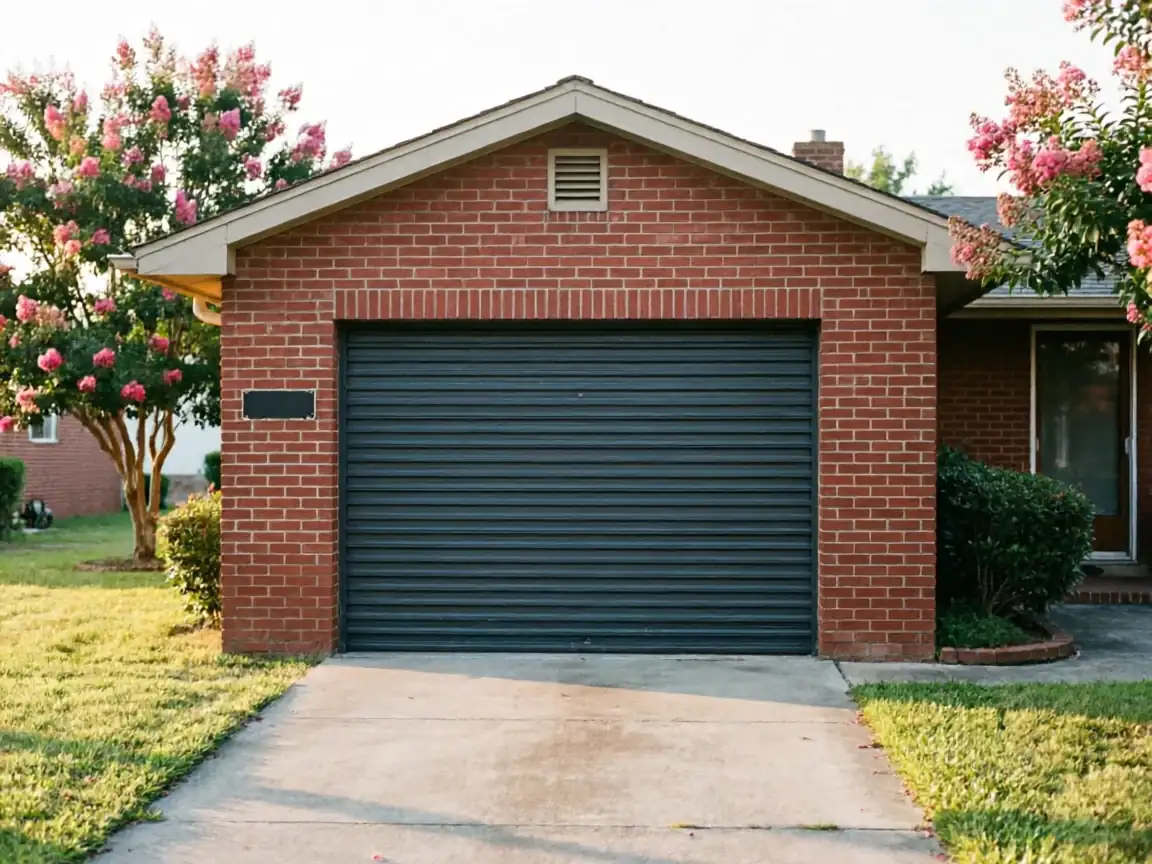
A short run that puts most of the neighborhood's housing stock in reach fast once we know what we're walking into. That stock matters more than the mileage. Homes here went up mostly around 1977, a touch earlier than the 1958-2001 range you see across the wider service area. That means a lot of torsion and extension spring setups that are original or close to it, openers from an era before modern safety reversal sensors were standard, and galvanized hardware that's had decades to work loose or rust.
The climate here is mild with occasional freezes, not the brutal swings that crack metal outright
But the humidity off the river and lake does its own slow damage - rust on cable ends, pitting on tracks, dry rot in old wood panels nobody's repainted since the Carter administration. A door that's sat through forty-plus humid summers doesn't fail all at once. It loosens a hinge, then a roller, then the spring finally lets go on a Tuesday morning when someone's late for work.
We don't guess at this from a truck window
We look at the door that's actually there, not the one that was there in 1977.
The Cost of This Job
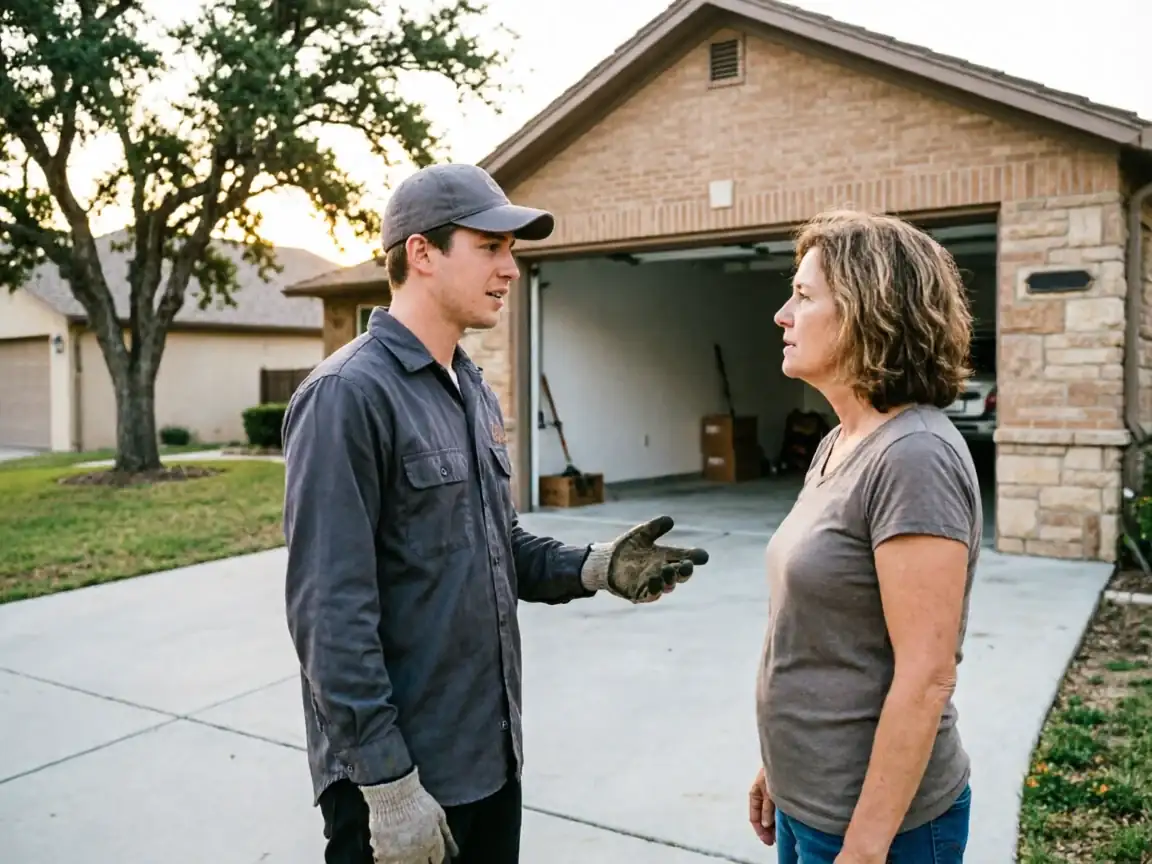
We don't post prices for jobs we haven't seen, and a spring repair costs something different than a full torsion conversion or a panel swap. What we can tell you is that Bridge City's median household income runs $55,728, noticeably below the $67,099 median across the rest of the area we cover. That's not a sales pitch, it's context: when we quote a job here, we try to give you the real choice between repair and replacement rather than pushing the bigger ticket by default.
On a house built around 1977, that choice comes up more than it would on newer construction. Sometimes a worn roller or a frayed cable is a quick fix. Sometimes the opener is old enough that sourcing a matching part costs more in labor than a new unit would, and we'll say so plainly instead of charging you to chase down a part for a machine on its last legs.
The honest limitation here: we can't always get a 1970s-era part same week. Some of that hardware isn't made anymore, and when that's the case, replacement is the faster and often cheaper path, not a surcharge we're adding for convenience.
Where This Job Goes Sideways
The most common mistake we see on doors from this era is someone trying to free up a stuck torsion spring themselves. On a door that's original to a 1977 build, that spring has had close to fifty years to lose tension unevenly, and a DIY adjustment on uneven tension is how people end up in the emergency room, not just back on YouTube.
The second place things go sideways is parts matching. An opener or spring bought off a shelf today often doesn't match the mounting hardware from a house this age - different bracket spacing, different shaft diameter, different drum size. Forcing a modern part onto old hardware looks like a fix for a few weeks and then fails harder than the original problem.
The third is assuming a quick road trip means a quick fix. Being four miles out doesn't change what's wrong with the door once we're standing in front of it. A cable that's frayed at the drum needs the same careful teardown here as anywhere else in the service area, and rushing that step on an older door with brittle hardware is how a small job turns into a bigger one.
How It Shows Up
On houses in this part of Bridge City, the failure usually starts quiet
A door that used to glide now grinds partway up, or it reverses on its own a few inches from the floor. That's often a spring losing the last of its tension, not an opener problem, even though the opener gets blamed first.
Another pattern on older stock
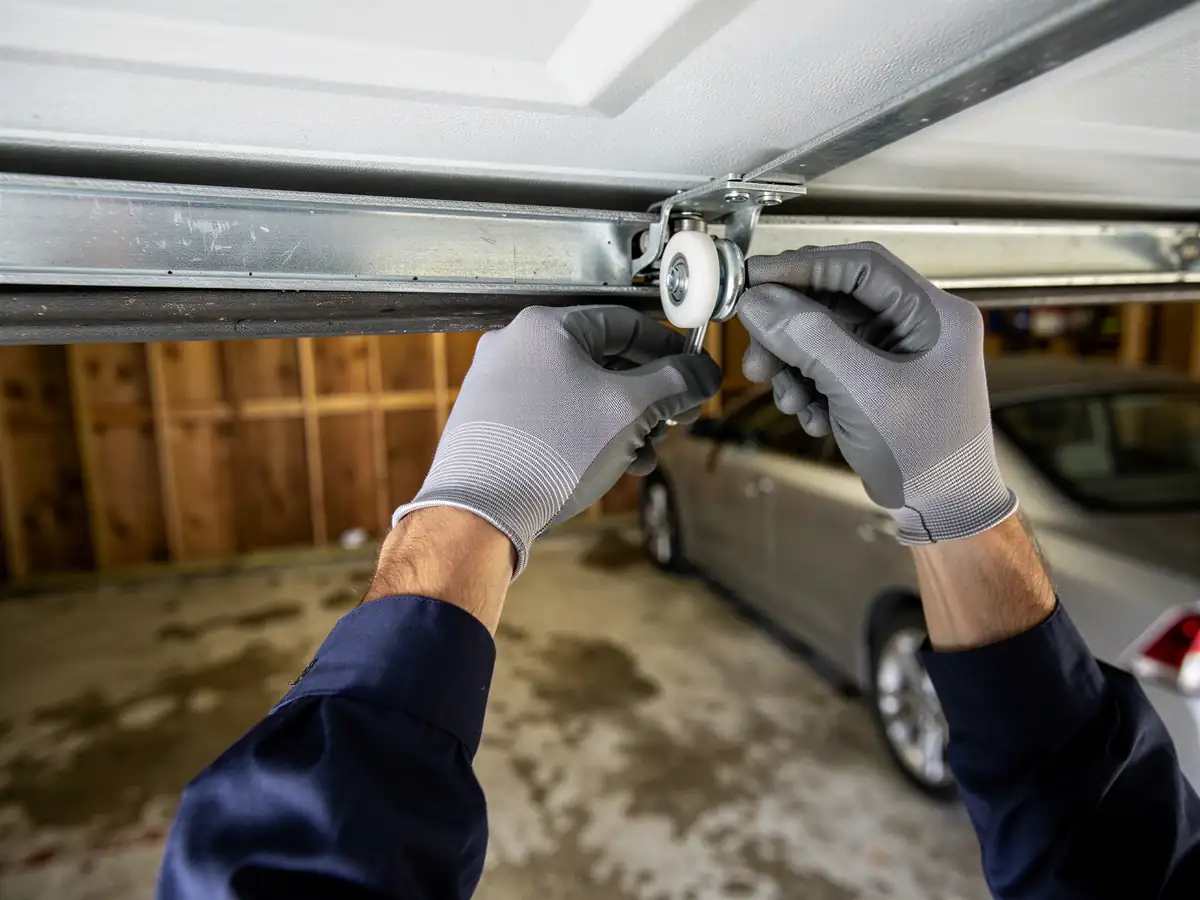
Doors that bang hard at the bottom of travel instead of settling. That's usually worn rollers or a track that's shifted slightly out of plumb over decades of houses settling on this side of the river. You might also notice the door looks crooked when it's halfway open, one side higher than the other, which points to a cable or spring issue rather than anything cosmetic.
A less obvious one
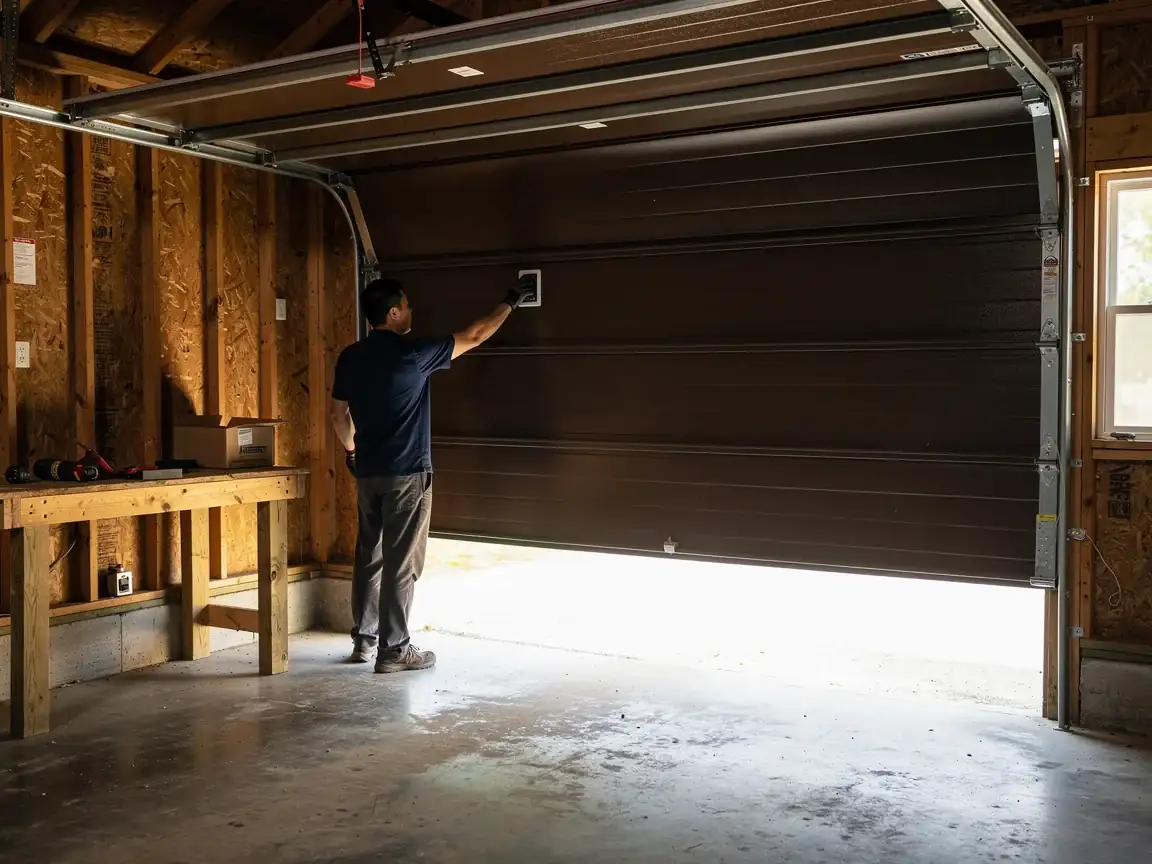
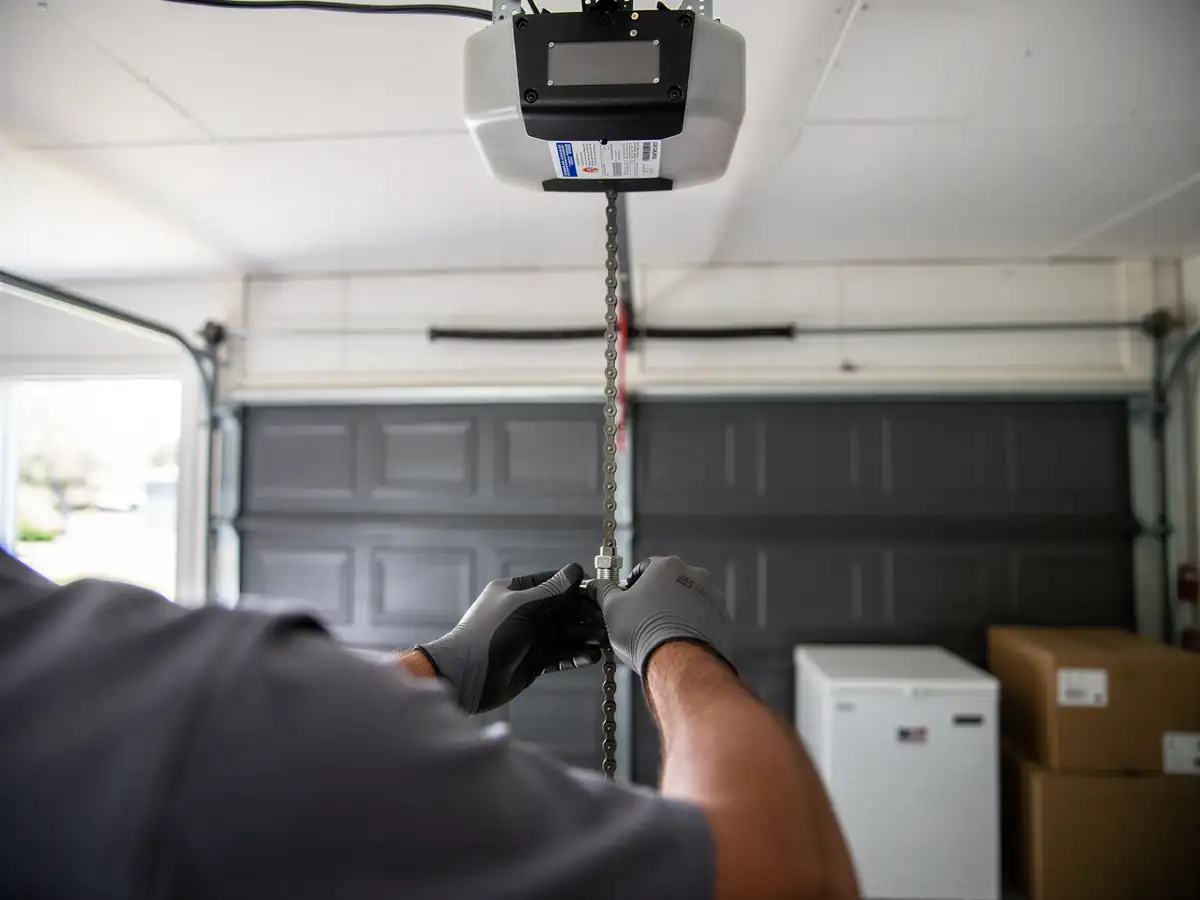
Openers from this era sometimes keep running even after the door's fully open or closed, straining the motor. If your opener sounds like it's working harder than it used to, or it hums for a second after the door's already stopped, that's wear talking, not just age for its own sake. None of these are emergencies that require tearing the whole unit apart, but none of them get better by waiting, either.
How Long It Takes
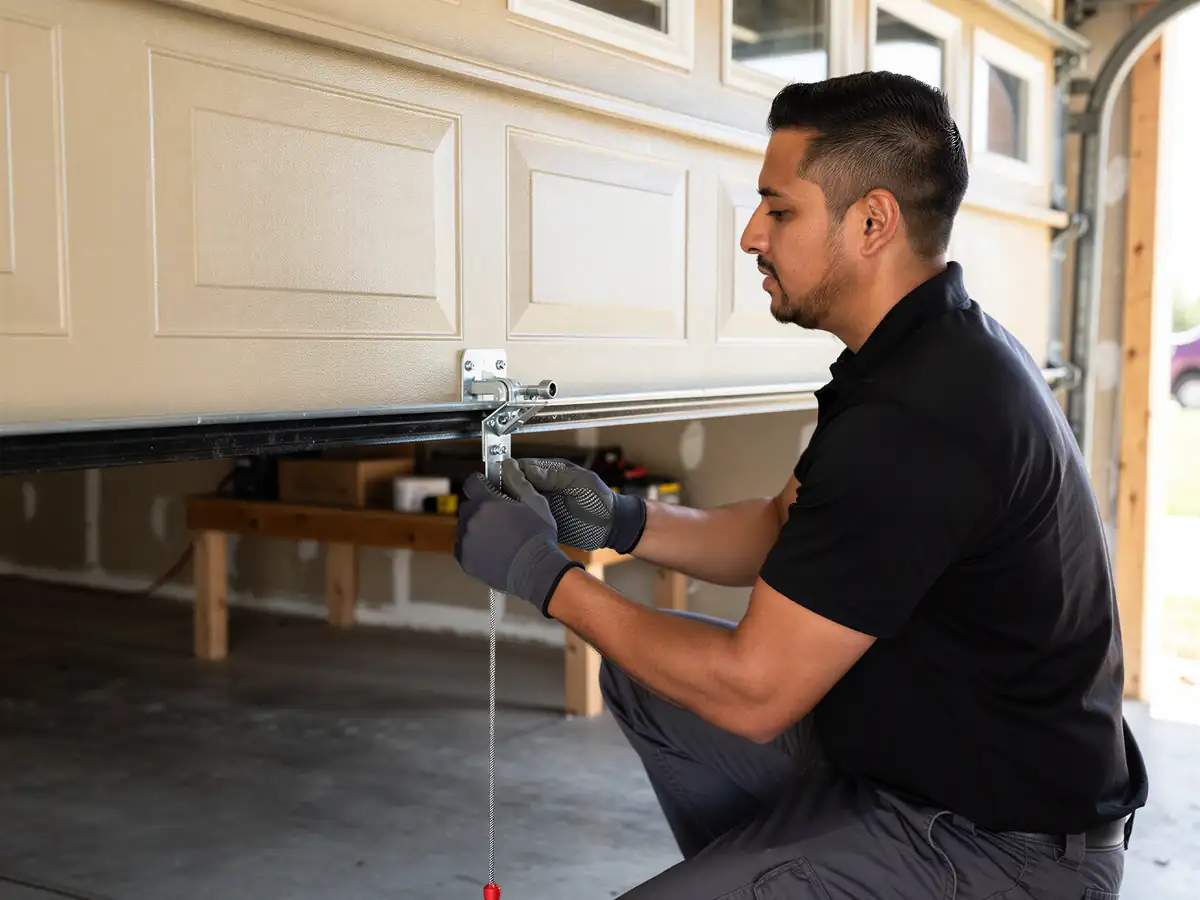
A straightforward spring replacement on a door like the ones common in Bridge City is usually an hour or two of hands-on work once we're set up - two springs on a double door takes longer than one on a single. Opener swaps run longer, especially on older installs where the wiring or wall control doesn't match current standards and needs rerouting.
What takes longer isn't the wrench work, it's matching the job to a house this age. If the track or drum size is non-standard for a 1977 build, we may need to confirm measurements before we're sure which parts fit, and that can mean a return trip rather than finishing in one visit. We'd rather tell you that up front than promise a one-visit fix and come back to redo it.
We're not quoting a response window here - that's going to depend on our schedule out of Metairie on a given day, not a number we can promise in writing. What we can tell you is the job itself, once started, tends to move at a predictable pace for the type of hardware common on this side of the river.