What Causes It Around Here
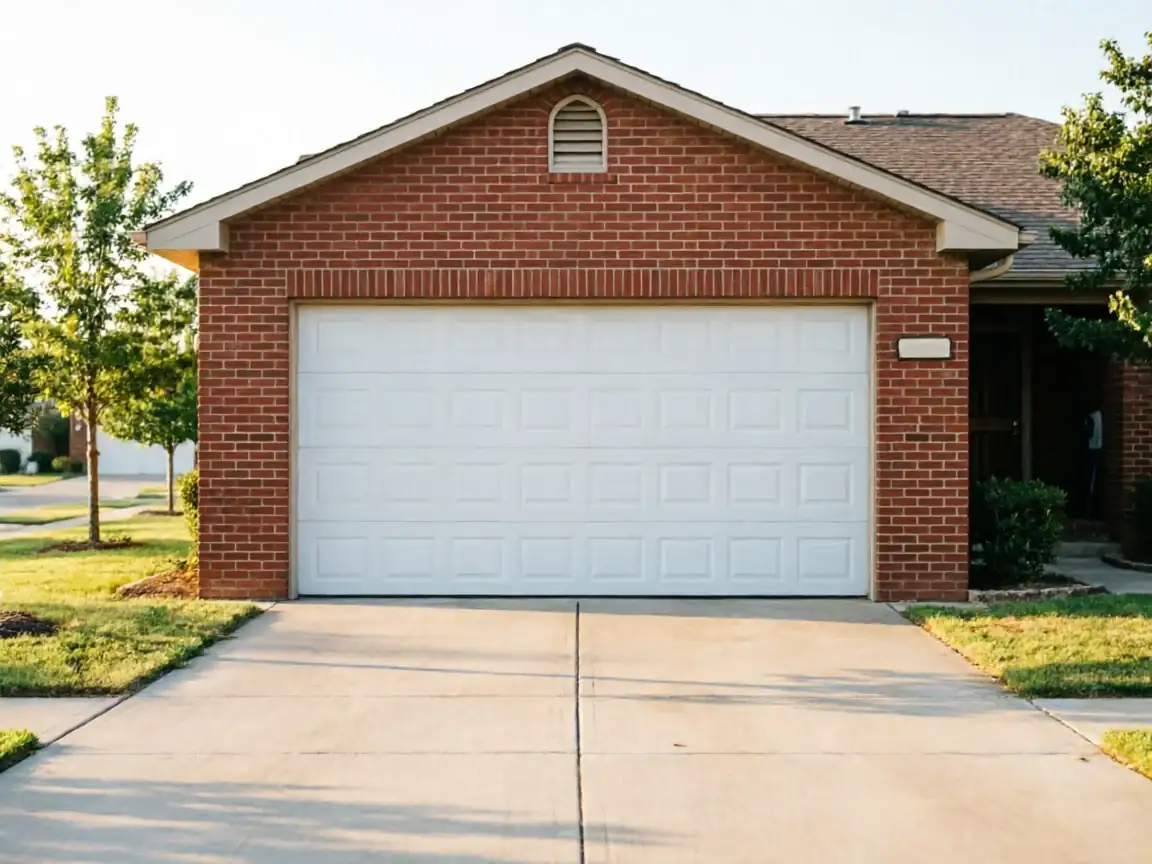
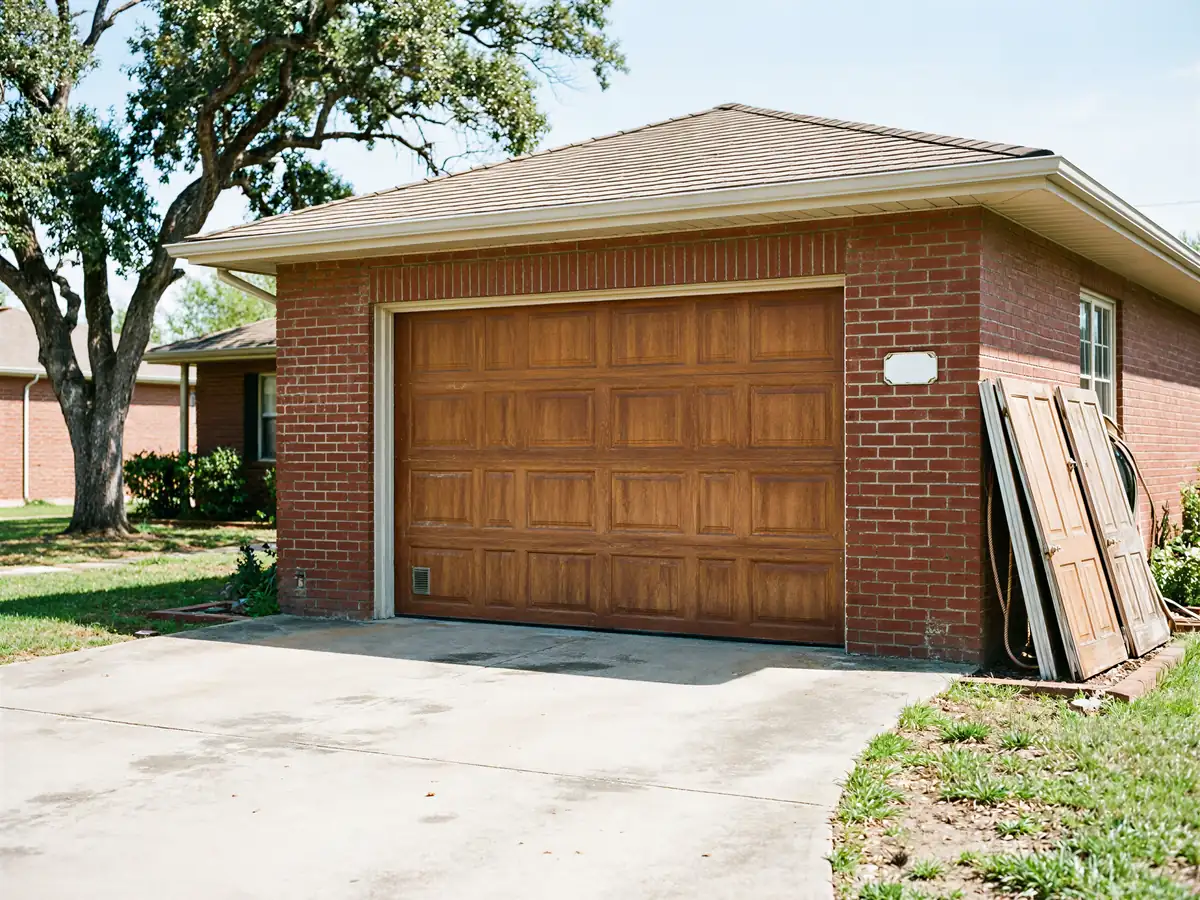
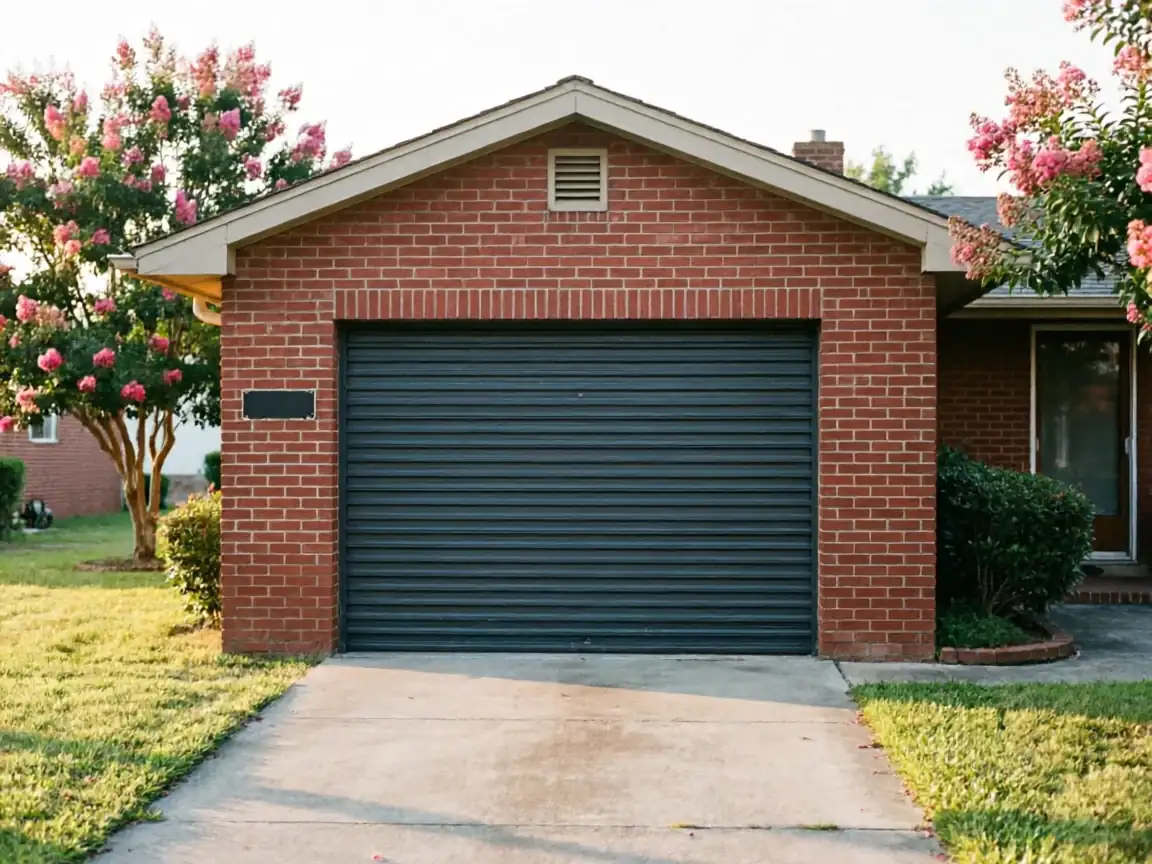
Metairie's broader service area centers on homes built between 1958 and 2001
With a median around 1980. Bridge City sits a bit ahead of that curve at roughly 1977, which matters more than it sounds like it should. A door installed in the mid-to-late 1970s is more likely to still have its original lift cable, drum, and single-stage extension or torsion spring setup - not because anyone's neglecting it, but because that hardware doesn't fail on a schedule. It fails when the strand finally gives.
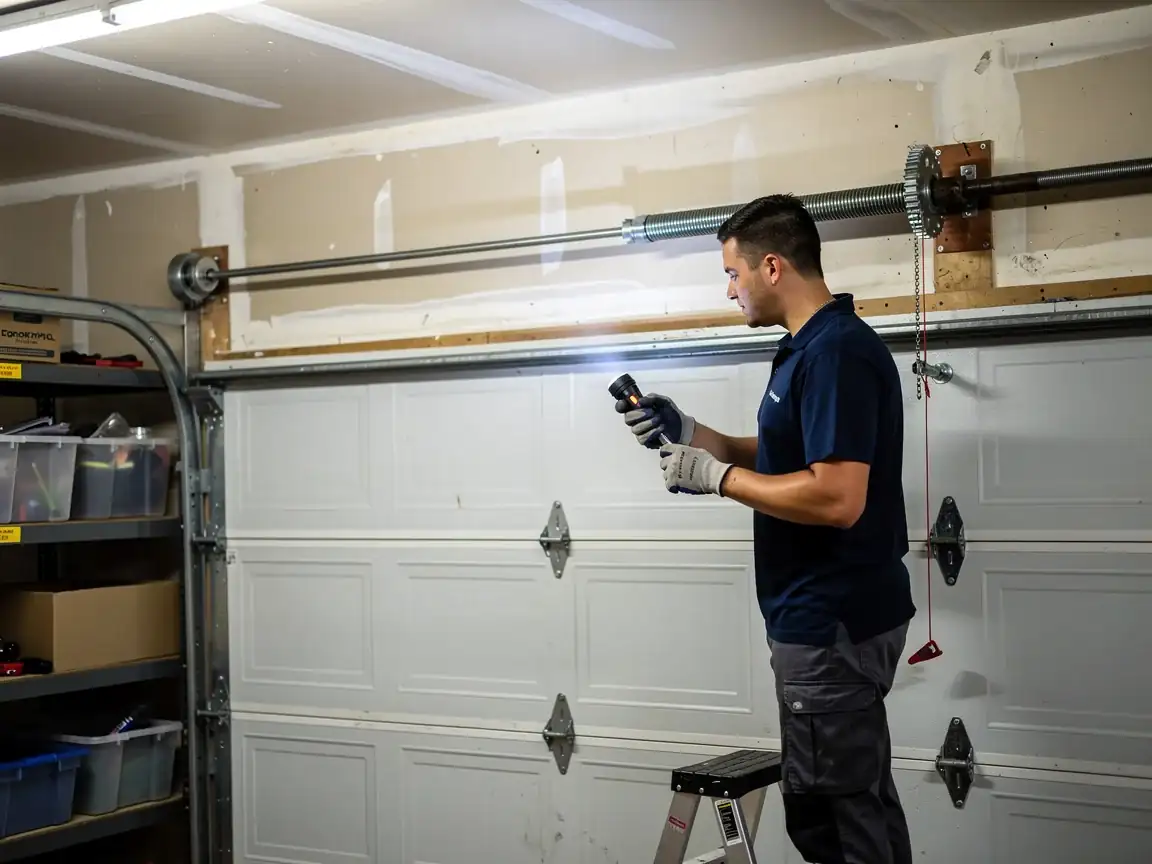
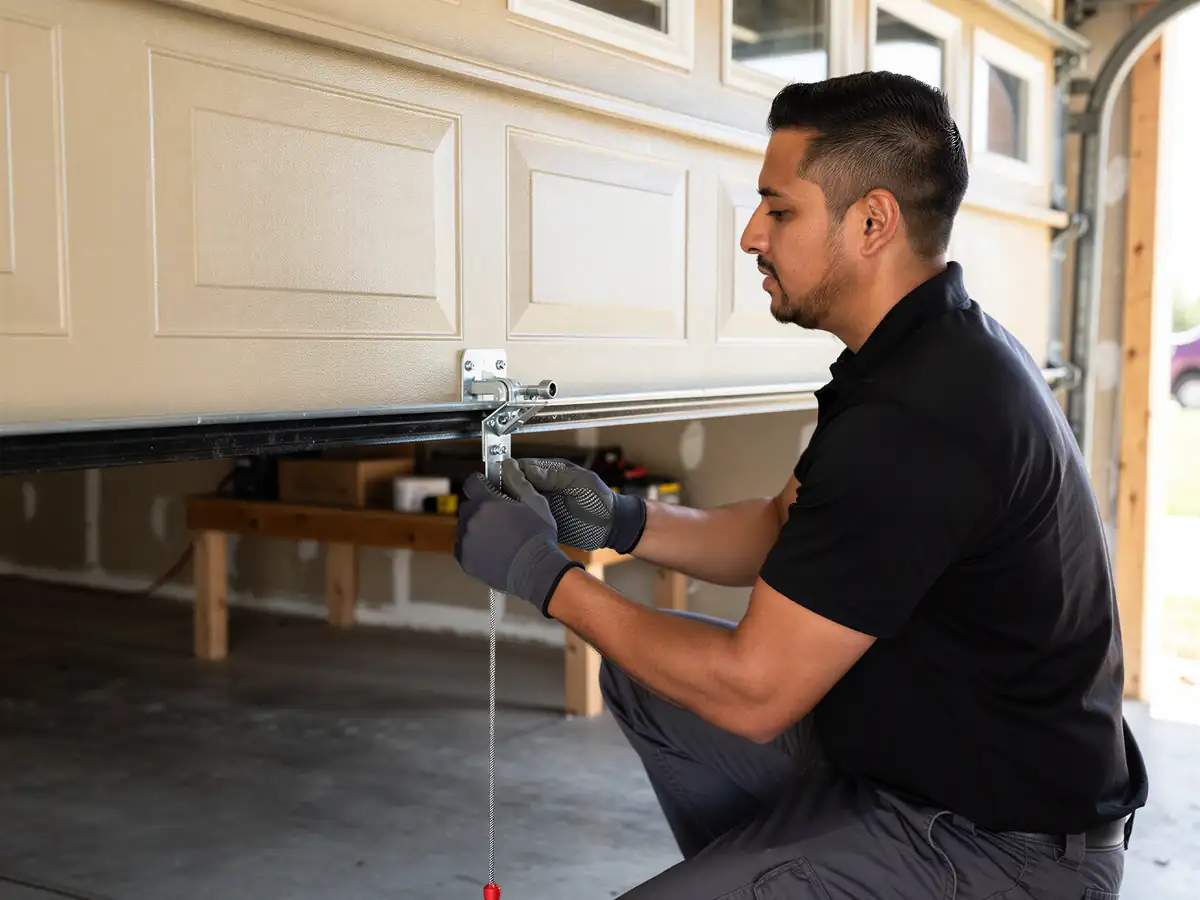
The cable itself is usually the first thing to go on a door this age, not the opener
Galvanized aircraft cable doesn't last forever, and once the zinc coating wears through at the drum or the bottom bracket, the individual strands start to fray one at a time until the last few snap under load. On a door that's thirty-plus years into the same cable, that's not a surprise - it's overdue.
With about 2,787 households in Bridge City
This isn't a neighborhood full of newer builds with factory-fresh galvanized cable rated for current loads. It's a smaller, older pocket where the same hardware generation shows up house after house, and the failure looks about the same each time.
- 2,787 households
The Cost of This Job
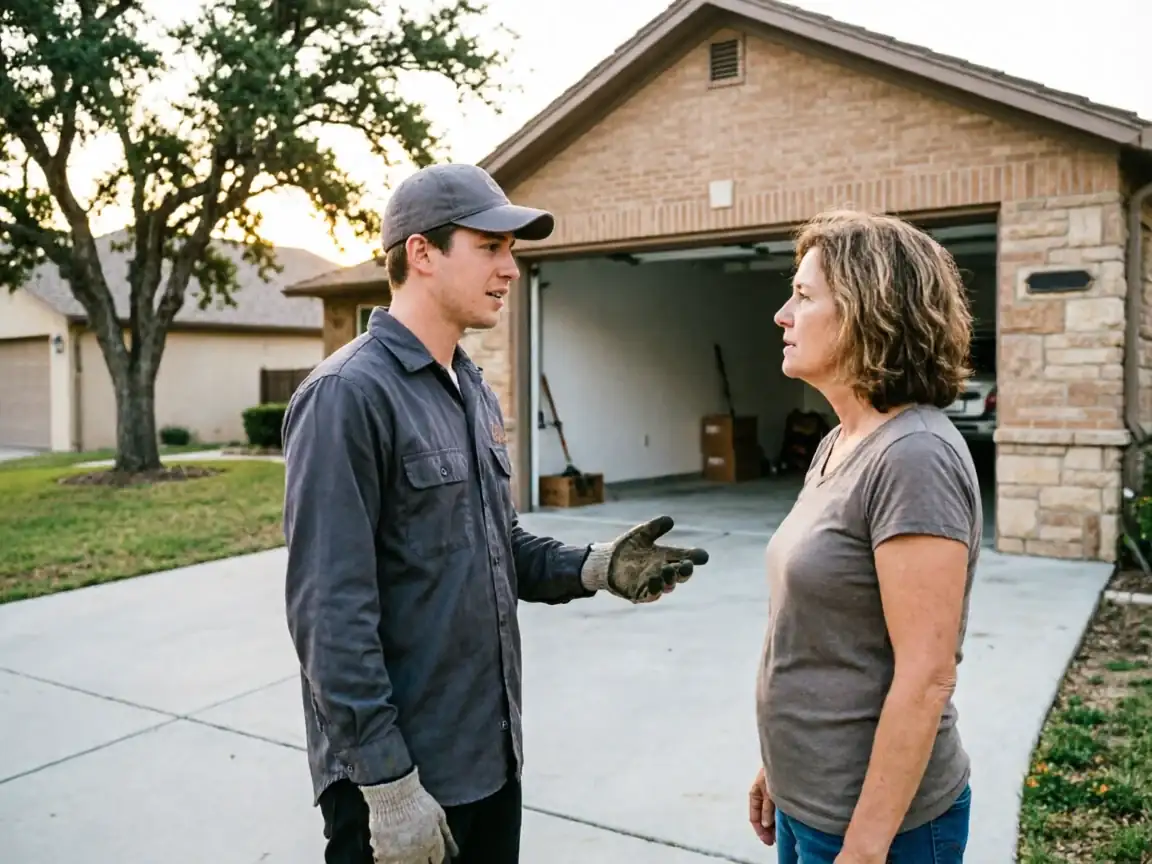
Household income in Bridge City runs lower than the broader service area average - about $55,728 here against roughly $67,099 across the full territory we cover from Metairie. That gap shows up in what people ask for on the phone: fewer calls asking about a full door replacement, more asking whether the cable alone can be swapped without touching the rest of the door.
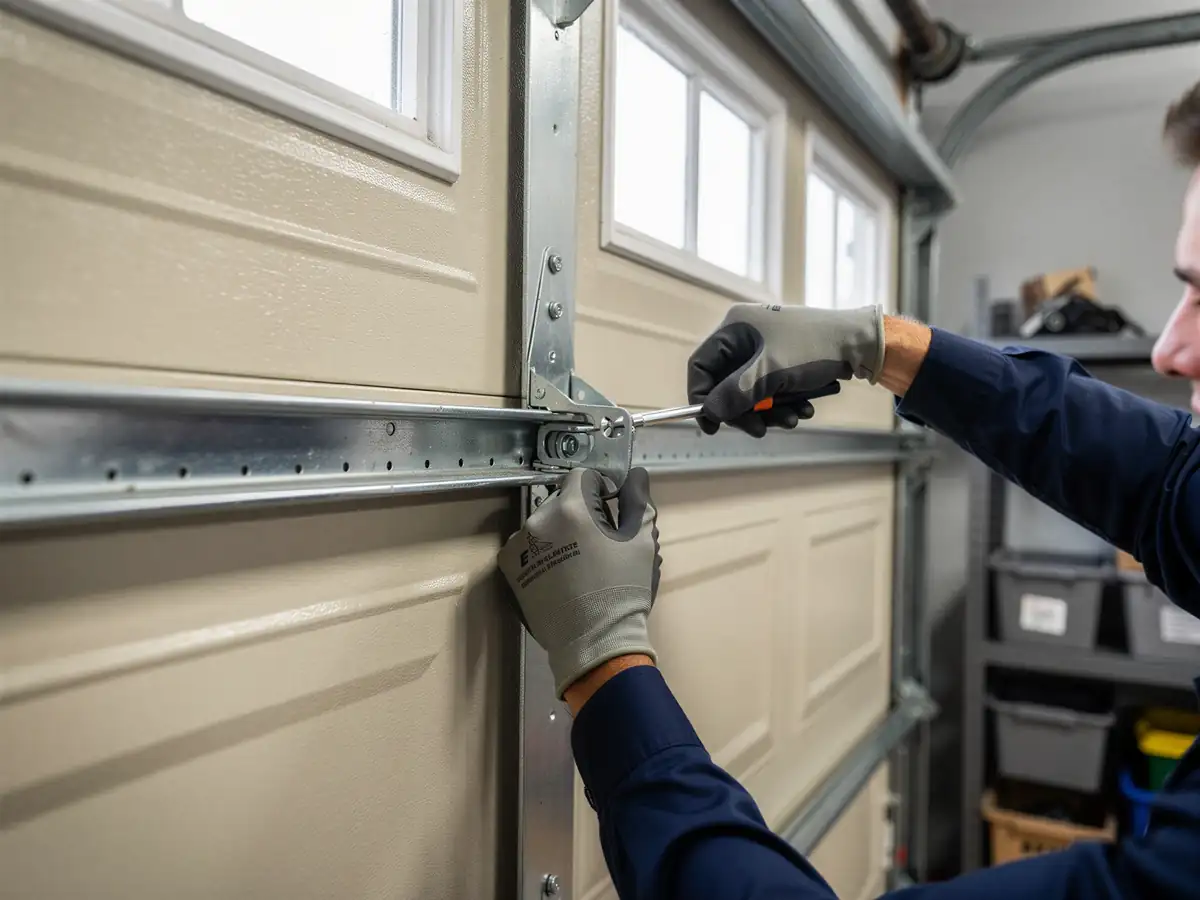
Most of the time, yes. A frayed or snapped cable on a residential door is a parts-and-labor job, not a structural one, as long as the track, drum, and spring are still in decent shape. We'll check those while we're there, because a cable that snapped from age often means the spring is close behind it, and telling you that up front is cheaper for you than a second call next month.
We don't quote a number sight-unseen here, because cable length, drum size, and whether the door is single or double all change the job. What we will tell you plainly: if the drums are rusted through or the track is bent from the door dropping suddenly, that's a different repair than a clean cable swap, and we'll say so before we start.
Where This Job Goes Sideways
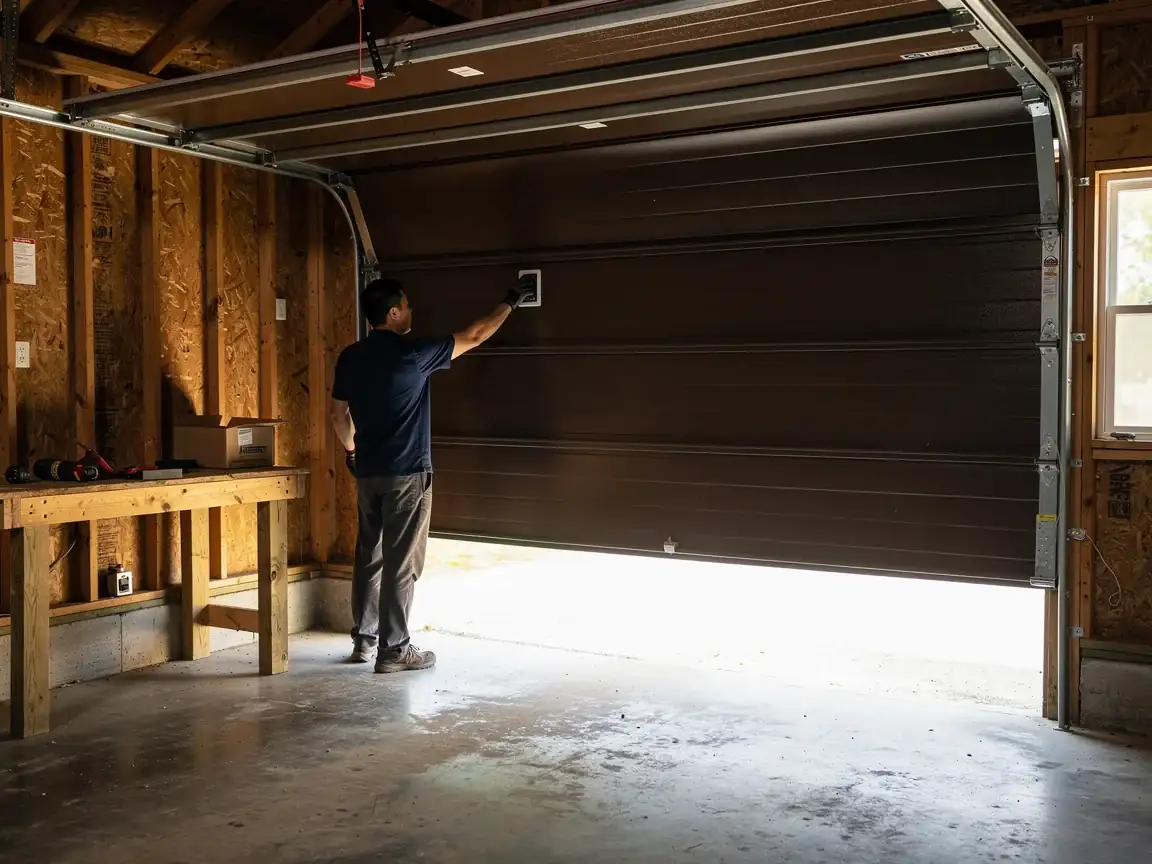
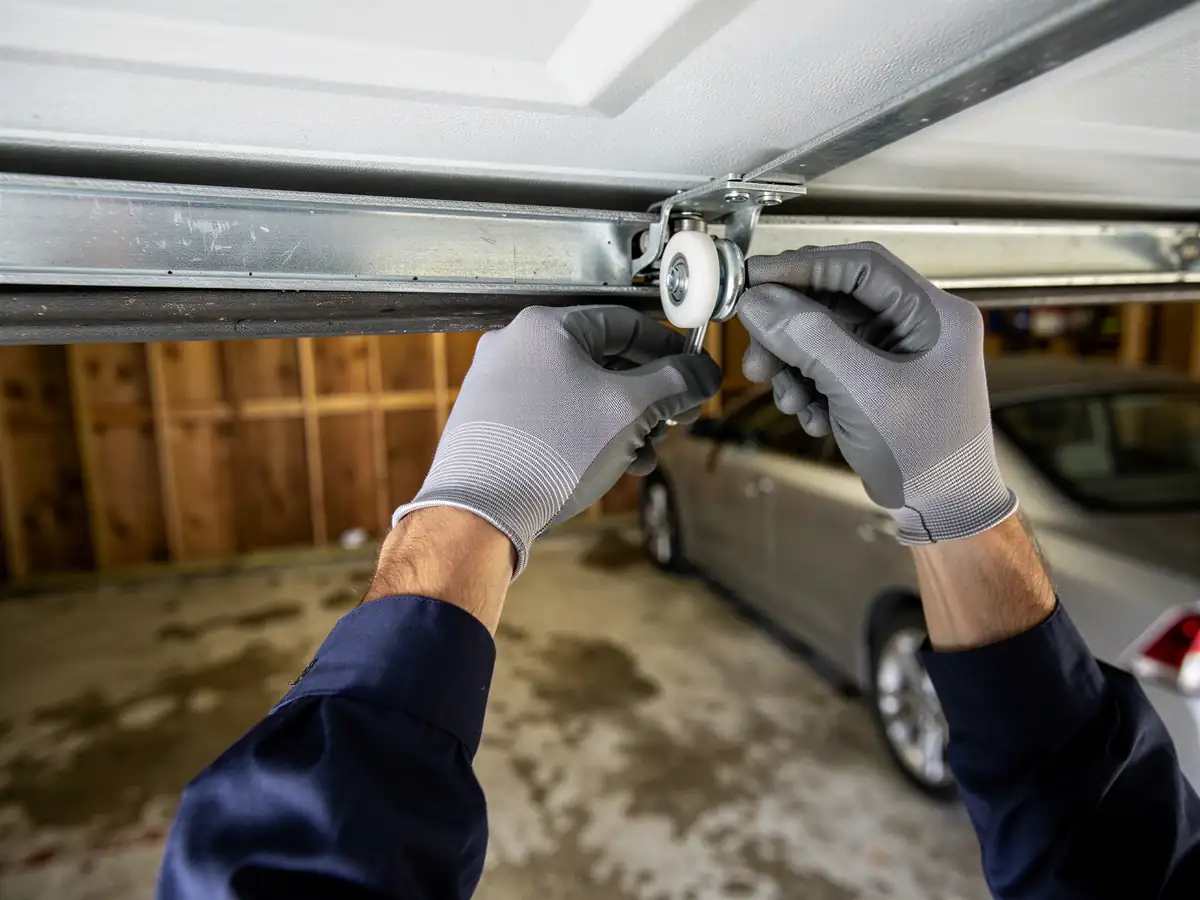
A broken cable on a door this old rarely travels alone. When one side's cable snaps, the door usually drops unevenly and can jam sideways in the track - and if someone's already tried to force it back down manually, the track can bend or the rollers can pop out of the channel. We see this more on 1970s-era doors because the original hardware wasn't built with the same tolerances as current stock, so there's less give before something else gives.
The other place this goes wrong is when a homeowner replaces just the cable without checking the drum it winds onto. If the drum is worn or cracked - common on original 1977-vintage hardware that's been through decades of wind-up and release - a new cable on an old drum will fail again, usually within a season. We check the drum every time, not because it's an upsell, but because a cable-only fix on a bad drum is a callback waiting to happen.
One limitation worth saying outright: if the spring system on a door this age is original and under tension, we won't let a homeowner